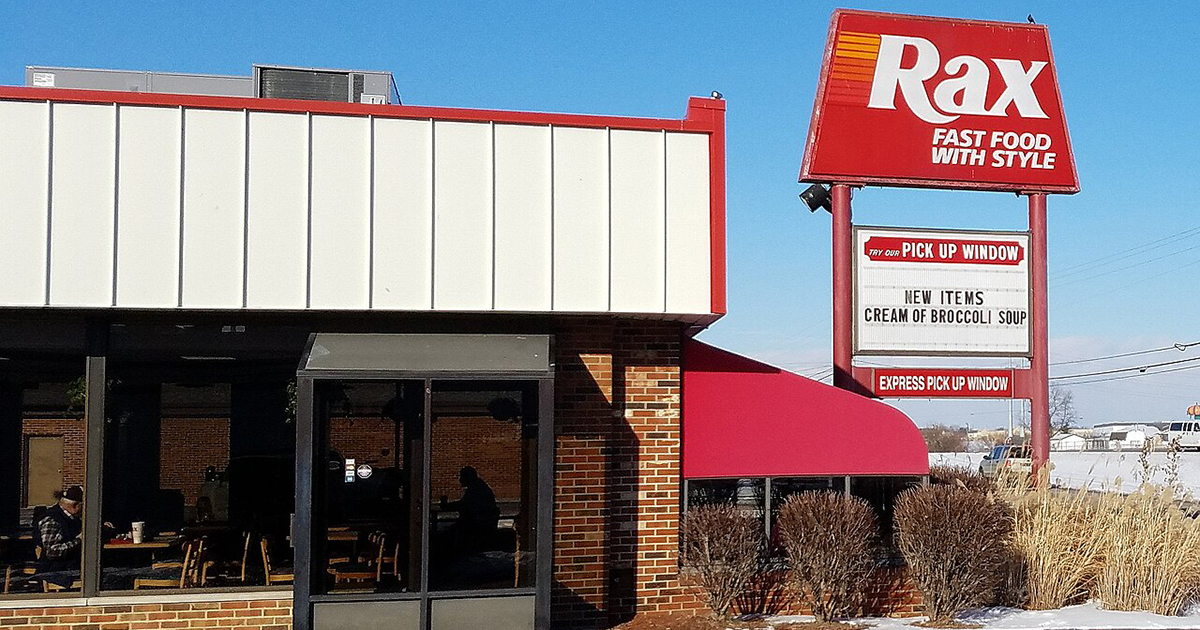

The Red Barn with the bright crimson roof. The Rax where you could load up a salad bar the size of a shuffleboard table. The Chi-Chi’s with its fried ice cream and bottomless chips, which felt impossibly festive for a Tuesday night in the suburbs. Drive past any strip mall that holds the ghost of one of these places and something involuntary happens: a quick inventory of everything that’s gone, faster than you can name it.
Fast food chains close all the time. Concepts fade, leases expire, corporate parents lose interest. But some closed fast food restaurants leave a gap that no subsequent tenant, no vape shop, no tax prep office, has ever filled. What follows is a look at 13 of the best of them: the ones with genuinely good food, genuinely good ideas, or both, and the stories of how they ended up gone.
A few of these chains aren’t fully, technically, officially dead. One or two survivors cling on in a single state, like the last speakers of a dying language. But for all practical purposes, they’re gone from the American experience, and they deserve to be remembered.
1. Burger Chef
Burger Chef launched in Indianapolis in the late 1950s, and by 1971, a 2024 Food Republic report confirms, the chain had over 1,200 locations nationwide, second only to McDonald’s. That’s not a footnote. That’s a serious rival.
What most people don’t know is that Burger Chef essentially invented the fast-food kids’ meal. The chain developed what it called the Funmeal: a cute box covered in cartoon characters, riddles, and games, containing a burger, fries, a drink, and a toy. When McDonald’s introduced a nearly identical product in 1979 and called it the Happy Meal, Burger Chef sued but ultimately lost. The chain that invented the concept most associated with McDonald’s is the one nobody remembers.
In late 1978, four young Burger Chef employees were kidnapped and murdered in Indiana. The news made national headlines, and the publicity did not work in the chain’s favor. In 1982, General Foods sold the chain to Imasco, which also owned Hardee’s. Most locations were converted or shuttered. The last location to close was in Tennessee in 1996. Hardee’s has periodically revived the chain’s signature Big Shef burger as a limited-time offer, proof enough that the appetite for this brand never really went away.
2. Howard Johnson’s
Howard Johnson’s was the largest restaurant chain in the U.S. during the 1960s, with more than 1,000 combined company-owned and franchised outlets. The orange roofs were so ubiquitous along American highways that spotting one became a reliable signal: civilization ahead, clean bathrooms likely, 28 flavors of ice cream certain.
The menu went far beyond ice cream. Known for comfort foods like fried clams and hot dogs, HoJo’s was the known quantity for families driving before interstate rest areas were reliable or safe. The chain also pioneered one of the first motor lodge concepts, with hotels often sitting right beside the restaurant.
The collapse came gradually and then all at once. The chain’s reliance on highway traffic became its vulnerability when the 1970s energy crisis hit: gas prices soared, travel plummeted, and HoJo’s couldn’t compete with newer menus and cheaper prices. Emerging chains like McDonald’s stayed more popular with younger consumers. By 2009, just three locations remained. The last Howard Johnson’s restaurant, in Lake George, New York, closed in 2022.
3. Chi-Chi’s
Founded in Minnesota in 1975, Chi-Chi’s introduced many Midwestern diners to chimichangas, endless chips, and piñata-bright décor. At its height it had around 210 American locations. For many families in the ’80s and early ’90s, Chi-Chi’s was the most festive restaurant within driving distance, the place you went for birthdays, for celebrations, for the sheer spectacle of a sizzling fajita plate arriving at your table.
Ownership changes weakened the chain throughout the 1990s, and then a hepatitis A outbreak in 2003, linked to contaminated green onions at a Pennsylvania location, ended it. Mashed reports that the outbreak caused illness in around 650 restaurant patrons, four of whom died. Every remaining U.S. location closed by 2004. A chain with hundreds of locations was reduced to zero within months, and the name became toxic overnight.
The brand survived only as a grocery store product, salsa, seasoning kits, until a tentative revival began. In October 2025, Chi-Chi’s opened its first U.S. outpost in Minnesota since closing its doors decades earlier. Whether one location becomes a genuine comeback remains to be seen, but the nostalgia waiting for it is enormous.
4. Kenny Rogers Roasters
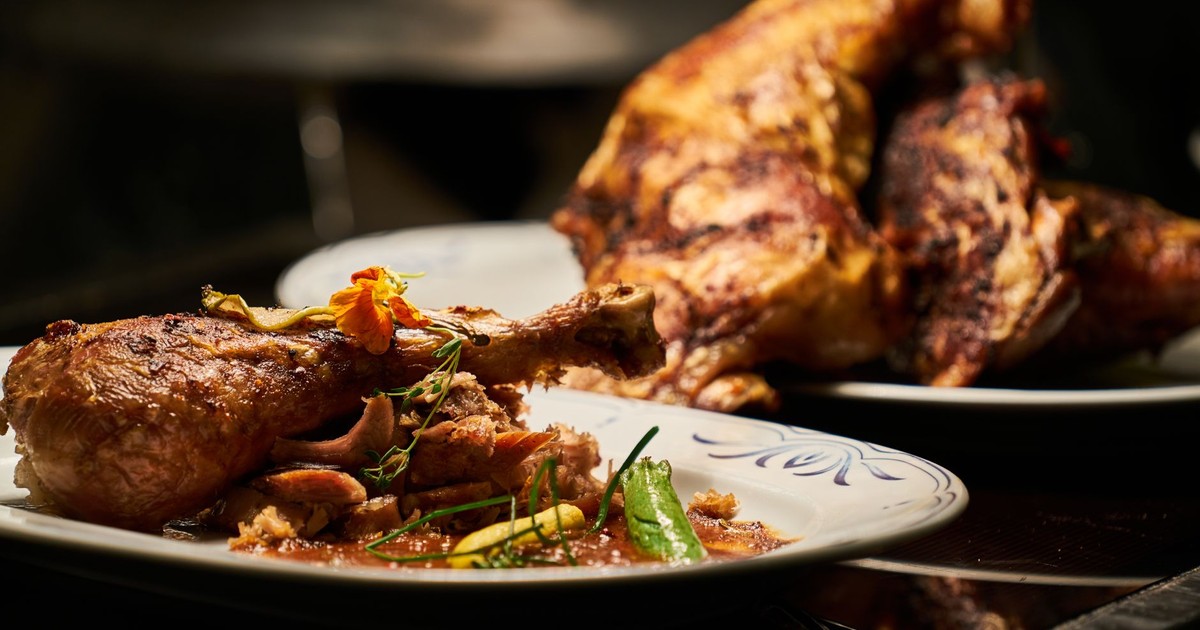
Before rotisserie chicken became something every supermarket sold for $7.99, Kenny Rogers made it a cultural event. The chain launched in 1991 in Coral Springs, Florida, co-founded by the country legend and former KFC executive John Y. Brown Jr. By the mid-1990s, it had grown to more than 350 locations, served wood-fired chicken and homestyle sides, and earned a cameo in a 1996 Seinfeld episode.
The chain faced stiff competition from KFC, Popeyes, and Boston Chicken. The rotisserie chicken concept that had seemed so distinctive in 1991 quickly became crowded, and once Boston Market scaled nationally, the niche Kenny Rogers had carved started to close around him. Boston Market muscled in, supermarkets undercut the price, and in 1998 the chain went bankrupt.
Kenny Rogers Roasters was bought by Nathan’s Famous for $1.25 million in April 1999. A decade later, they too sold the chain, this time to a franchisee based in Asia. Although it’s vanished from the American fast food scene, the chain is still thriving in Indonesia, the Philippines, and Dubai. American fans who remember the corn muffins are eating sad rotisserie chicken from grocery bags while the brand does just fine 8,000 miles away.
5. Rax Roast Beef
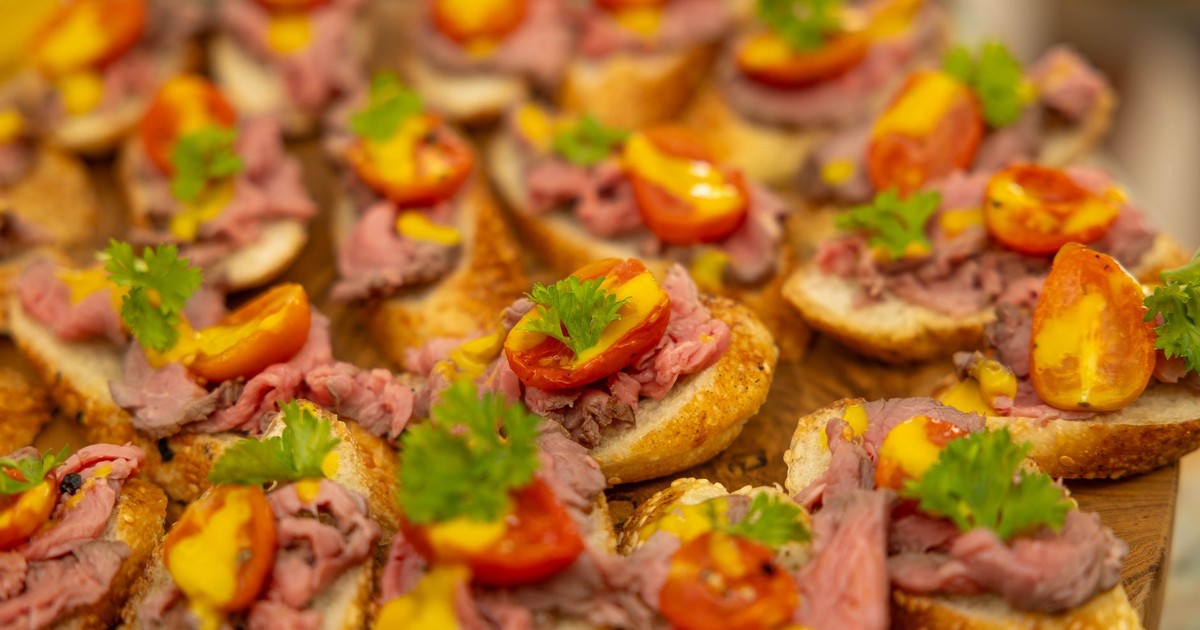
According to a 2024 report from The Takeout, the original Springfield, Ohio, roast beef sandwich restaurant was called JAX Roast Beef in 1967. Post Cereal bought it, retitled it RIX Roast Beef, and expanded it. The business nearly closed in 1972, until a multi-restaurant franchisee called RAC bought 10 locations, built it back up to 100, and in 1977 renamed it all Rax Roast Beef.
At its peak, Rax’s menu expanded aggressively, adding baked potatoes, an expansive salad bar, cheesesteaks, fish, ham, pocket sandwiches, and buffet options, and building what were called solaria, bright, greenhouse-style dining rooms, into its restaurants. All those additions, part of a plan to establish Rax as a high-end fast food chain, pushed away the core middle-class customer base and hemorrhaged money.
The chain filed for Chapter 11 in 1991. The mascot situation didn’t help either. The chain’s early 1990s persona involved a depressed, middle-aged cartoon character named Mr. Delicious who complained about his problems in advertising. A group of executives bought out Rax and shut down hundreds of locations. Fewer than half a dozen Rax locations are still open, clustered in Ohio, Illinois, and Kentucky, selling a scaled-back menu of mostly roast beef sandwiches.
6. Red Barn
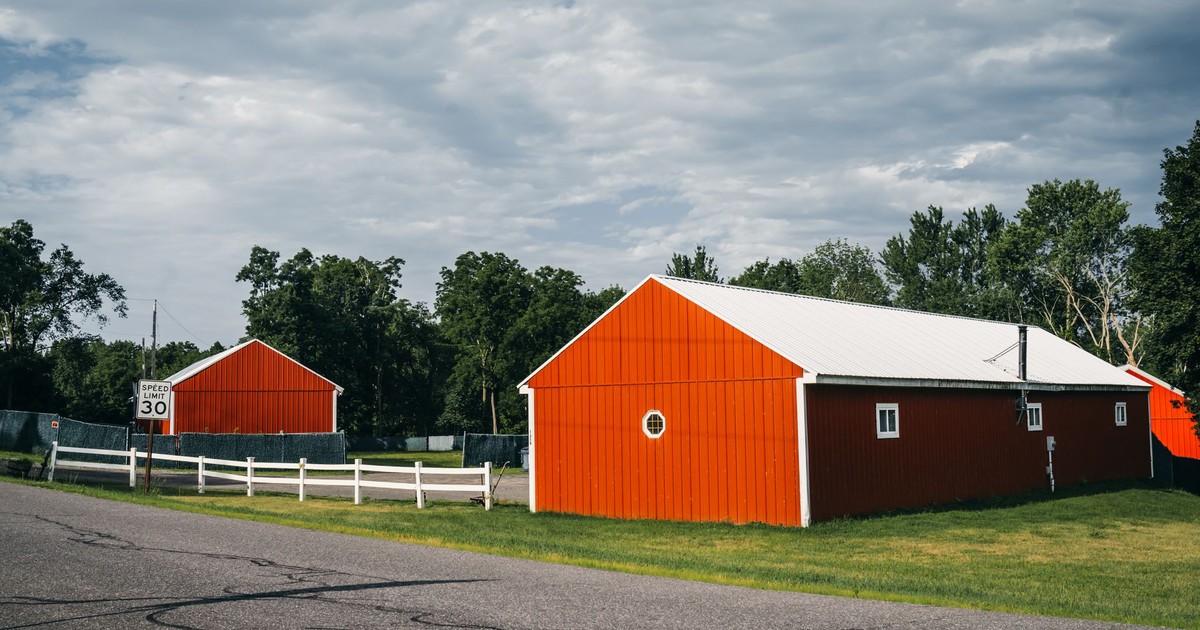
TheStreet reports that Red Barn was once a chain of up to 400 restaurants before closing its final locations in the mid-to-late 1980s. It operated across 19 states, plus Canada and Australia. The concept was unmistakable: the bright red barn exteriors were complemented by clean, large window-front designs. The buildings looked exactly like what they were named after, which made them instantly recognizable from the highway and gave them a warmth that the corporate anonymity of most fast-food architecture never managed.
Red Barn was an early innovator in fast food. Its menu featured hamburgers, chicken, and fish, and it was one of the first fast-food chains to install a salad bar. It also pioneered self-service soda stations before they became industry standard. Red Barn handed the industry two ideas that every chain now takes for granted, and then watched those ideas get adopted while it slowly lost ground.
Under Red Barn’s last set of owners, an investment group more interested in real estate and financial services than in restaurants, advertising support was cut and franchise leases were allowed to expire. Its decline wasn’t driven by a lack of consumer recognition. Ownership changes and reduced investment left it unable to keep pace with larger rivals. A few independent restaurants still operate in the original barn-shaped buildings in various states, but the brand itself is gone.
7. Gino’s Hamburgers
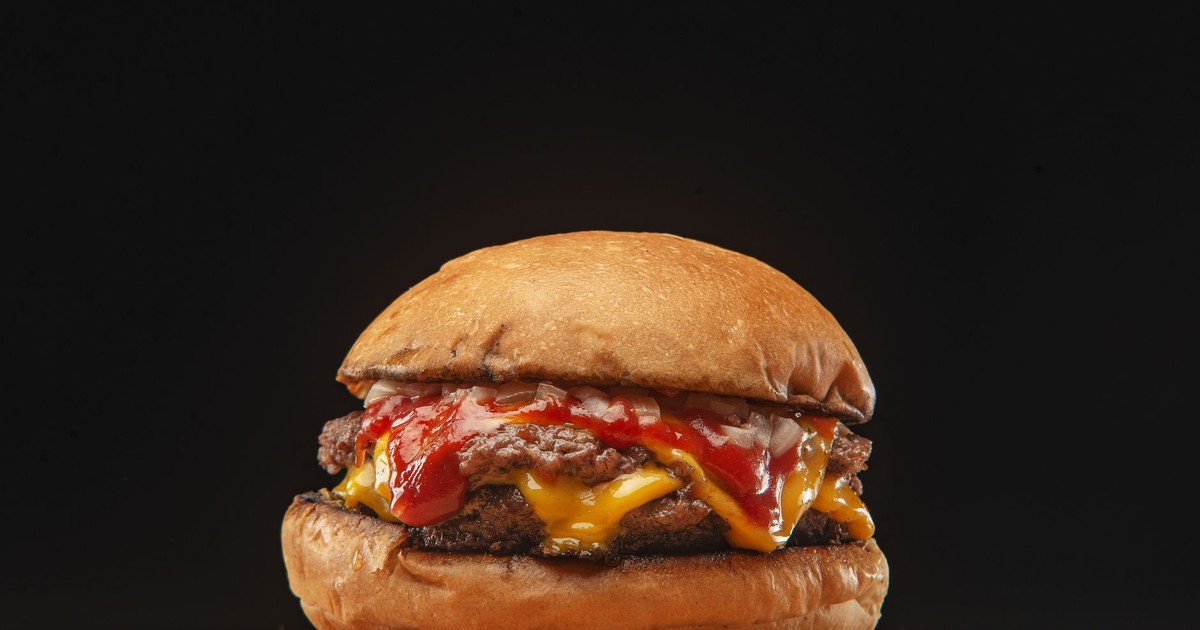
Gino’s Hamburgers was co-founded by Gino Marchetti in 1957 and had over 350 locations at its peak. Marchetti was a Baltimore Colts defensive end, one of the most famous football players of his era, and his name and face were the marketing hook that made Gino’s a regional phenomenon, especially along the East Coast. The chain was a particular institution in Maryland, Virginia, and Pennsylvania.
What made Gino’s culturally significant was its timeline. It arrived at almost exactly the same moment as McDonald’s and Burger King and, for a time, kept pace with both. The menu centered on burgers and fried chicken, with a straightforward approach that built real loyalty in its home markets. At its peak in the late 1970s, Gino’s was the dominant fast-food presence in Baltimore, more recognizable than McDonald’s in certain neighborhoods.
After Marriott acquired Gino’s in 1982, most locations were rebranded as Roy Rogers. It was a corporate decision, made at a conference-room level, with no apparent consideration for what the brand meant to the people who ate there regularly. There have been test sites under the name “Gino’s Burgers & Chicken” in Maryland, but these have not led to a major revival, and the brand remains a nostalgic relic.
8. The Ground Round
The Ground Round was not a fast food restaurant in the traditional sense. It sat closer to casual dining, with table service and a full bar. But it occupied a cultural slot no chain has since filled: sit-down pub food in a space that genuinely felt fun, priced for regular families rather than special occasions.
Operating hundreds of Howard Johnson’s roadside diners in the late 1960s brought in enough money for the company to launch The Ground Round in 1969. With a circulating mascot called Bingo the Clown offering free popcorn and peanuts to diners, and cartoons projected on giant screens, the restaurant offered plated burgers, sandwiches, and other American pub-style fare. Children threw peanut shells on the floor. Parents drank beers in a room with cartoons on the wall. It was genuinely novel.
The Ground Round peaked with 215 locations in 1988. But it had pushed open the door for similar chains like Applebee’s and Chili’s to siphon off its business throughout the 1990s. Two attempts to revive The Ground Round as a sports bar, in 2013 and 2021, didn’t take, and by 2024 there was no more chain. Four independent Ground Round restaurants stayed open in North Dakota and Ohio. The experience it offered, animated, cheap, chaotic, genuinely fun, is the thing the casual dining industry has been trying to bottle ever since.
9. Hot ‘n Now
Former Burger Chef and Wendy’s franchisee Bill Van Domelen opened Hot ‘n Now as a company that sold only burgers, french fries, and soft drinks. Setting itself apart with a bare-bones approach, Hot ‘n Now offered no in-store seating and was a drive-through-only operation. Because it saved costs on real estate and labor, Hot ‘n Now could turn a profit with a streamlined and ultra-cheap menu. Standard burgers, fries, and beverages all cost just 39 cents each.
The model was ahead of its time. The drive-through-only format, the stripped-down menu, the pricing that made it accessible to anyone: this is essentially the same idea that dozens of modern fast-food disruptors have pitched to venture capital funds in the last decade. Van Domelen figured it out in the 1980s.
Hot ‘n Now went national in 1990 after a purchase and aggressive expansion by PepsiCo. Pepsi executives then ordered Hot ‘n Now outlets to test market products intended for Taco Bell. Pepsi’s affiliation with a new burger company in the western U.S. led to In-N-Out Burger switching to Coca-Cola, and after the closure of six franchised Florida locations and a lawsuit, Hot ‘n Now went bankrupt in 1997. As of 2025, it’s back down to one restaurant, in Sturgis, Michigan, with current plans to resurrect the brand.
10. Druther’s
Burger Queen opened outside the Cypress Gardens amusement park in 1956, selling primarily burgers, chicken, and shakes. The founders sold franchising rights to George Clark and Michael Gannon, who opened nine restaurants in Florida by 1963 before moving north to Clark’s home of Kentucky. By the end of the 1960s, they’d opened 171 Burger Queen restaurants across seven states.
Dairy Queen filed a trademark infringement lawsuit over the name. Burger Queen got to keep the name but in 1981 decided to forge ahead and adopt the name Druther’s. The renamed chain specialized in burgers, fried chicken, and soft-serve ice cream. Competing with Dairy Queen for small-town customers, Druther’s admitted defeat in 1990 and signed a deal to convert about 100 of its 145 outlets into DQs.
Steve McCarty’s parents owned a Druther’s in Kentucky, and he started working there when he was 15. Fast forward to 2026, and he’s still helming the last remaining location. He’s known for being front and center to welcome customers and share some history. If you want a Druther’s burger in 2026, Campbellsville, Kentucky, is the only place on earth you can get one. There is something both heartbreaking and oddly admirable about that fact.
11. Steak and Ale
Steak and Ale launched in 1966 in Dallas, Texas, as a casual steakhouse with salad bars, growing to 280 locations emphasizing affordable cuts. The pitch was simple and effective: the atmosphere of a proper steakhouse, dark wood, low lighting, the feeling of a place that took food seriously, at prices that didn’t require a special occasion to justify. For families who couldn’t afford a real steakhouse but wanted more than a burger, it was exactly right.
Nostalgia for this chain runs particularly deep. Reddit threads about Steak and Ale tend to attract hundreds of comments because of the red leather booths and the faux English pub atmosphere that made an eight-year-old feel like a guest at a castle. The chain’s brown bread, served warm before the meal, became an almost mythologized item among people who grew up eating there.
Steak and Ale went bankrupt in 2008 amid the recession and declining demand, and all U.S. sites closed that year. The brand has since revived with new locations opening as of 2025. Whether the revival captures what made the original special, that particular combination of affordability and occasion, is a separate question from whether the name survives.
12. Carrols
Sorely missed in the New York area, Carrols was one of the most flourishing franchise groups in the 1960s. It was distinctive for having a yellow slug character as its original mascot, and it had more than 150 outposts where you could get Club Burgers, fries, shakes, and Looney Tunes drinking glasses.
The Club Burger, a double-decker sandwich that predated the Big Mac, was the menu centerpiece, and Carrols built genuine loyalty in western New York and Pennsylvania. The chain was not trying to be everything to everyone. It was a burger place that did burgers well, in an era before that became a hard thing to find. Looney Tunes drinking glasses also didn’t hurt. Those things were genuinely coveted.
In the late 1970s, the parent company converted most of its Carrols locations into Burger Kings. The company that owned Carrols went on to become, with some irony, the world’s largest Burger King franchisee, the brand that replaced it. If you live in the western New York area and remember Carrols, you are almost certainly eating at a Burger King now that used to be one, in a building that was built to sell Club Burgers, wearing the same footprint where a yellow slug mascot once presided.
13. Henry’s Hamburgers
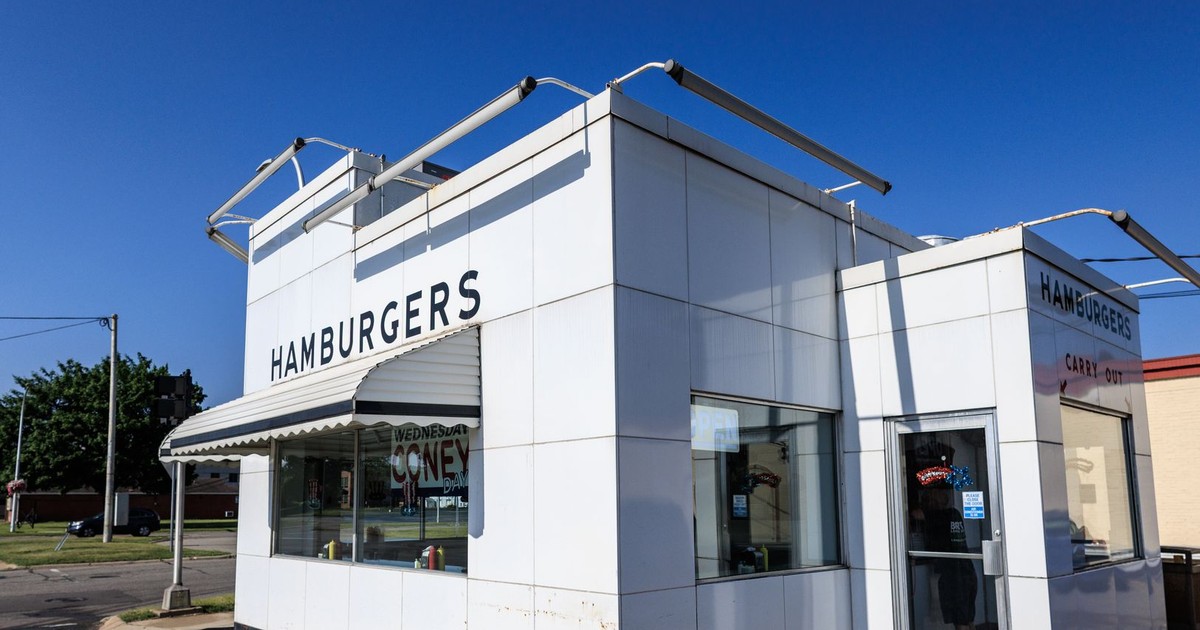
News articles from Henry’s heyday called it an icon of the fast-food world, and this 1950s-era hotspot had expanded to several hundred locations by the 1960s. Interestingly, its growth paced itself right alongside McDonald’s. Burgers were 15 cents for one, or $1 for 10.
Henry’s had something McDonald’s didn’t in its early years: scale in its best markets, a devoted regional following, and burgers that customers remembered fondly enough to return for. The chain built a loyal base across the Midwest through the same formula that made the entire fast-food era work: consistency, speed, and price points that felt almost impossibly cheap. A dollar for 10 burgers, in a world where that was lunch money, was not a small thing.
It’s not entirely clear what happened to Henry’s Hamburgers. The only real details that emerged involve company-wide changes made by Henry’s parent, Bressler’s Ice Cream, which changed hands in the 1980s. The corporate ownership that built the chain eventually dismantled it, not through any dramatic failure or scandal but through the slow attrition of changing hands and lost focus. Today, the original location in Benton Harbor, Michigan, still sells a classic drive-in menu of burgers, shakes, and frozen sodas. One location, one building, one menu, and still pulling customers who make the drive specifically for it.
Read More: 30 of the Most Bizarre Food Combos That People Actually Love
The Thing About Closed Fast Food Restaurants
The obvious explanation for why these chains are so fondly remembered is nostalgia, that they seem better in memory than they were in practice, that grief makes everything taste sweeter. That explanation is probably half right. But only half.
Some of these chains genuinely were doing something distinct. Burger Chef invented the kids’ meal and lost the lawsuit over it. Red Barn put in salad bars before anyone else. The Ground Round created a family dining experience that Applebee’s and Chili’s have been imitating for 30 years without quite replicating. Hot ‘n Now built the drive-through-only model in the 1980s that Silicon Valley has been reinventing ever since. These weren’t failed ideas. They were early ideas, ahead of chains with better capital, better timing, or better luck.
The ones that closed for reasons of corporate indifference, Gino’s folded into Roy Rogers, Carrols vanished into Burger King, are the most frustrating because nothing about the food or the concept was broken. What ended them wasn’t the market. It was a conference room decision by people who never much cared what was on the menu. That’s the part nostalgia gets right: some of what we lost was genuinely worth keeping.
Disclaimer: This information is not intended to be a substitute for professional medical advice, diagnosis, or treatment and is for information only. Always seek the advice of your physician or another qualified health provider with any questions about your medical condition and/or current medication. Do not disregard professional medical advice or delay seeking advice or treatment because of something you have read here.
AI Disclaimer: This article was created with the assistance of AI tools and reviewed by a human editor.