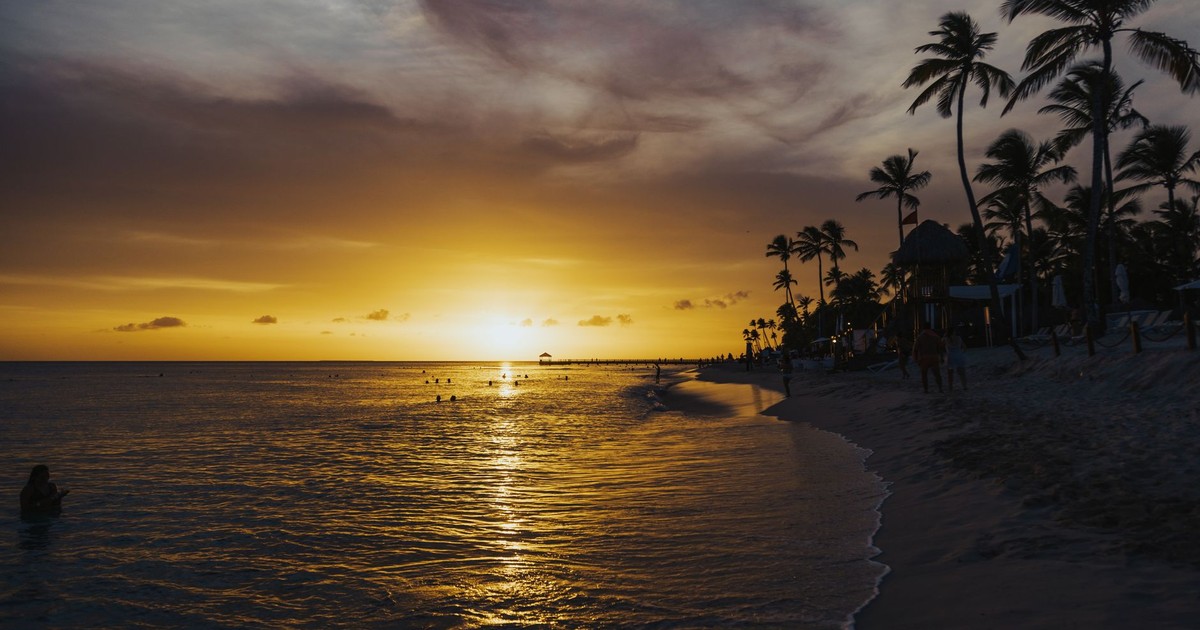

Beach vacations can add up quickly once you factor in peak-season hotel rates, restaurant prices, and parking fees that often cost more than lunch. But there’s a parallel coastline where the sand is just as white, the water is just as warm, and a full week including lodging, food, and activities can come in under $900 per person if you pick the right town and time your trip sensibly.
The destinations on this list aren’t the ones plastered across every travel influencer’s feed. Most are secondary or tertiary markets, the kinds of places that get overlooked precisely because they don’t have a luxury resort as their calling card. That’s exactly why they’re still affordable. They attract locals, retirees, and families who’ve been driving to the same stretch of sand for twenty years, not the resort-hopping crowd hunting for Instagram content. The seafood is cheaper, the parking is either free or nearly so, and the motels and vacation rentals haven’t been priced up to match the brand.
A few ground rules on that $900 figure: it assumes solo travel or a couple splitting accommodation costs, shoulder-season timing (late April through May, or September through October), and a mix of budget lodging and self-catered meals. None of these destinations require you to suffer through it. They’re genuinely good. Here are nine that consistently deliver.
1. Corpus Christi, Texas
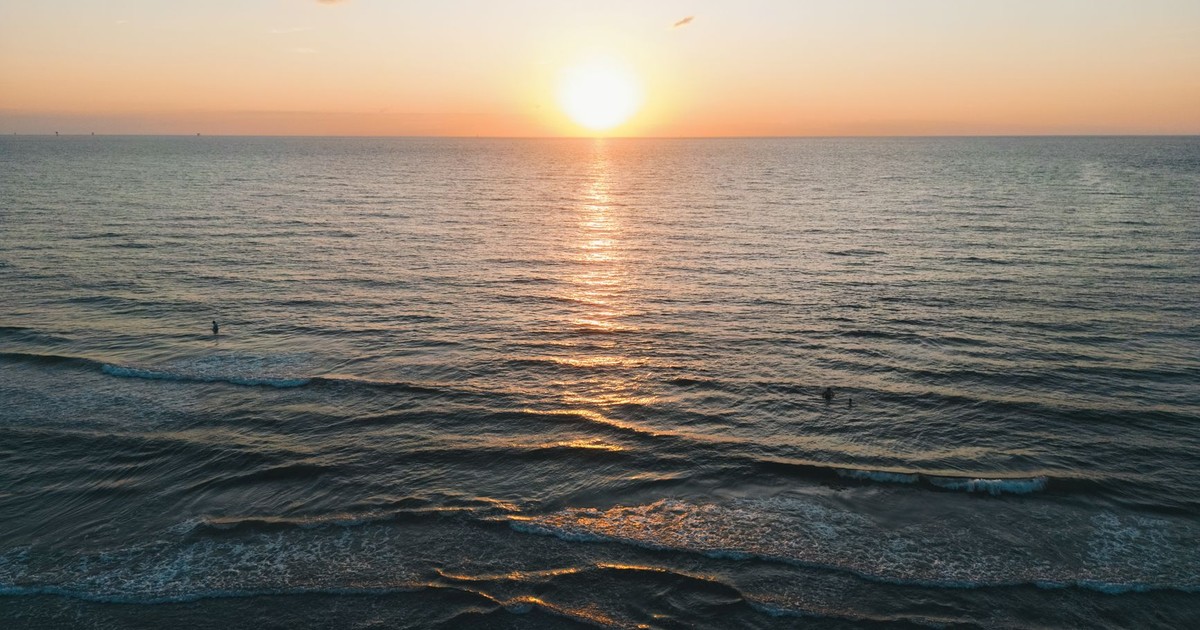
Corpus Christi is a major port city on the Gulf Coast of Texas, known for its affordable beach access and family-friendly attractions, located about two hours south of San Antonio. It’s a working city first and a beach town second, and that ordering matters for your wallet. Corpus Christi consistently ranks as one of the most affordable coastal cities in the United States, partly because it’s not trying to be a luxury destination. The average domestic vacation runs roughly $1,991 to $2,275 per person per week, a benchmark that most Corpus Christi itineraries come in well below. Hotel booking platforms show mid-range Corpus Christi rooms starting from $77 to $94 per night, well below what you’d pay in Galveston or South Padre.
You can spend your days at North Beach or Mustang Island State Park, both offering wide stretches of sand and calm waters perfect for swimming. The Texas State Aquarium on the waterfront is one of the more impressive regional aquariums in the country, with adult admission running $20.95 when booked online on weekdays. The city’s seafood scene leans toward waterfront spots that charge half what you’d pay in Galveston or South Padre. The Corpus Christi area, including North Beach, Mustang Island, and nearby stretches of Gulf shoreline, tends to offer solid hotel value, with many beachfront hotels averaging around $110 to $150 per night. The city’s beach parking permit runs around $12 for a yearly pass covering designated city beaches.
Budget breakdown for a solo week: 6 nights at $100/night equals $600. Daily food budget of $35 averaging local taquerias, seafood shacks, and a grocery run equals $245. Activities (aquarium, park entry, kayak rental) equal $80. Total: roughly $925, and that’s without hunting for deals. Book a few weeks out, choose a Thursday check-in, and you’ll shave enough off the room rate to land well under $900.
2. Gulf Shores, Alabama
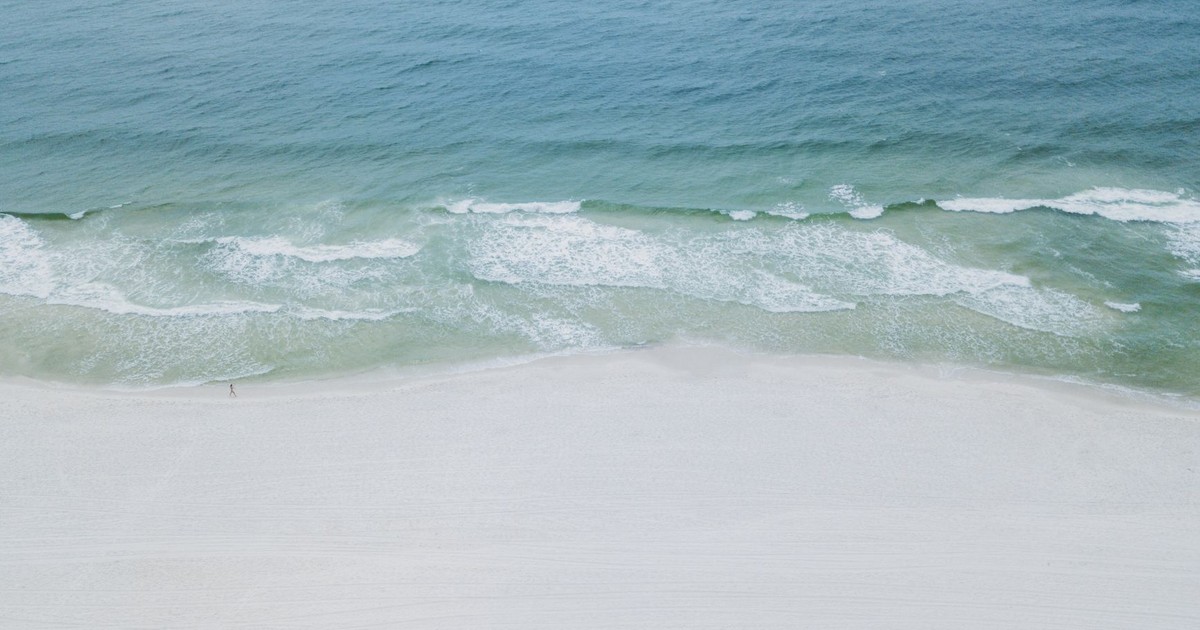
Gulf Shores offers warm Gulf water, a classic white-sand shoreline, and a huge range of lodging that keeps prices more competitive than many Florida hotspots. Hopper’s hotel data for Gulf Shores shows prices ranging from $83 to $458 per night across 28 hotels, and that range drops sharply when you travel outside peak summer.
Budget hotels land in the $160 to $260 per night range during summer, with vacation rentals cheaper for weekly stays. The public beaches are free, the Alabama Gulf Coast Zoo is affordable, and the seafood restaurants haven’t hit Florida-level tourist pricing. Weekly rental condos are where the real value appears: beachfront condos consistently come in under $200 per night even in peak summer, and weekly stays unlock another 10 to 15% off.
Travel in May or September. Gulf water temperatures in those months are warm enough for comfortable swimming, the state park is far less congested, and hotel rates drop significantly from the July peak. An Airbnb with a kitchen within a half-mile of the beach can run as low as $110 a night in shoulder season. Cook four meals in, eat out three times at one of the local shrimp shacks along Fort Morgan Road, and a solo week becomes very manageable. Gulf State Park’s 6,150 acres also means hiking, biking, and wildlife watching are on the itinerary at zero additional cost.
3. Pensacola Beach, Florida
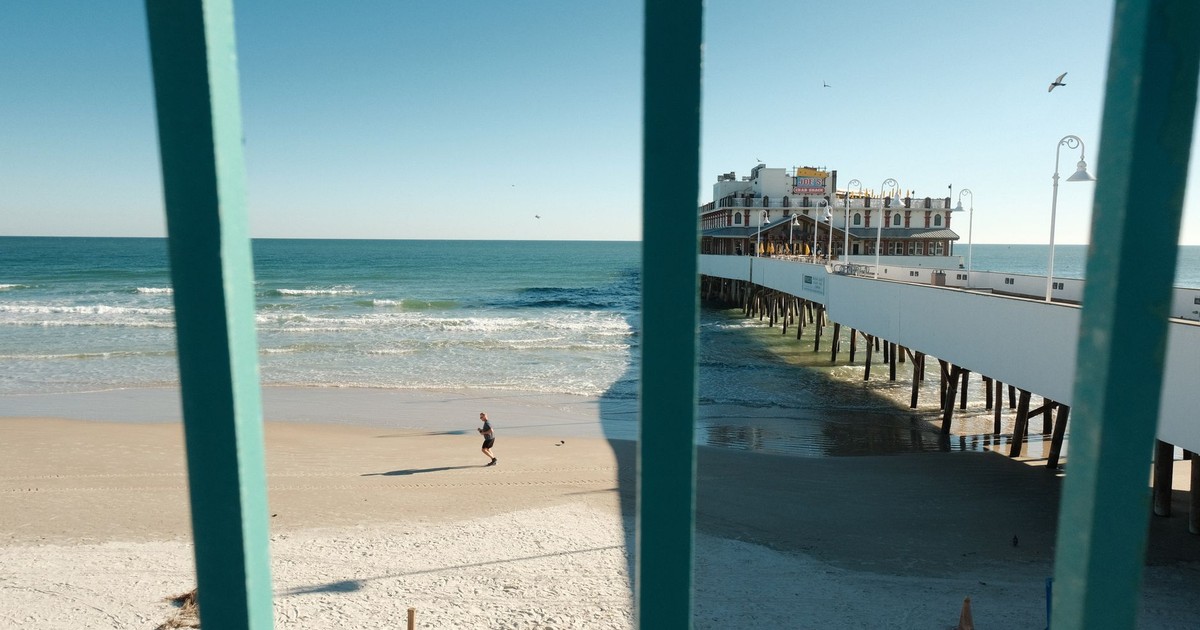
Pensacola Beach, along with nearby Perdido Key, is consistently ranked among the best beaches in the country, offering sugar-white sand, clear Gulf waters, beachside dining, and water activities along the Santa Rosa Sound and the Gulf. It sits in the Florida Panhandle but operates on Central Time and has a distinctly non-Miami energy: relaxed, approachable, and not yet fully captured by the luxury resort industry.
Pensacola has that small-town charm but still gives you plenty to do without the wallet panic you get in Destin. Fort Pickens, located within Gulf Islands National Seashore, charges around $25 per vehicle for a seven-day pass and delivers some of the most dramatic coastal scenery on the Gulf, including Civil War-era fortifications and shelling beaches that rival anything in the Florida Keys. In mid-July, homes and resorts range from $150 to $400 per night for families of four, which means solo travelers or couples can find solid options well below the lower end of that range. Book a budget motel on the sound side rather than the Gulf side and walk five minutes to the beach: that’s where the savings live.
4. Myrtle Beach, South Carolina
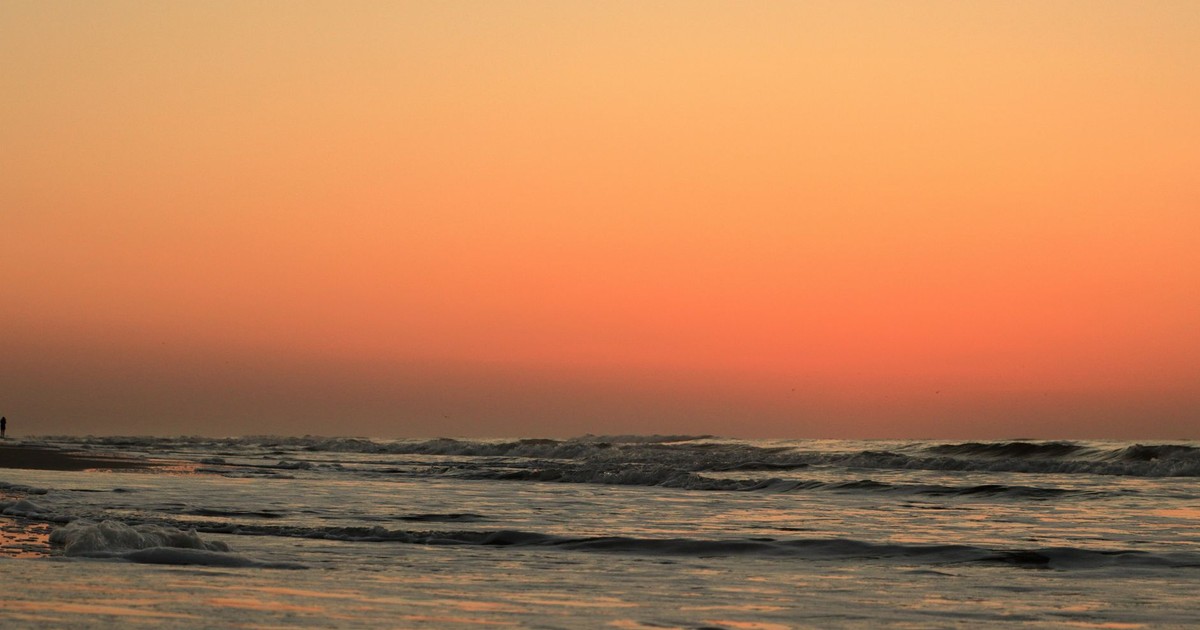
Myrtle Beach gets a reputation as kitschy and crowded, which is fair for July Fourth weekend. The rest of the time, it’s one of the most affordable stretches of Atlantic coastline anywhere in the country. Often dubbed the “mini-golf capital of the world,” Myrtle Beach features miles of public beachfront and an abundance of dining and hotel options to accommodate every budget.
Accommodation prices typically range from $180 to $335 during the June-to-August high season, but the vast majority of hotels and resorts are priced under $300 per night, with a large selection of rooms available for under $100. The boardwalk is effectively free entertainment, with popular activities like baseball games, mini-golf, and even helicopter rides coming in under $25, plus plenty of shops and cheap eats. The SkyWheel ride runs $19.99 for adults. Myrtle Beach State Park adds a one-mile stretch of largely undeveloped beach, nature trails, and a fishing pier, with adult park admission at $8 per person. Travel in April or October, find an oceanfront room under $100, buy groceries for breakfasts and lunches, and a week here is one of the most straightforward cheap beach town vacation wins on the East Coast.
5. Outer Banks, North Carolina
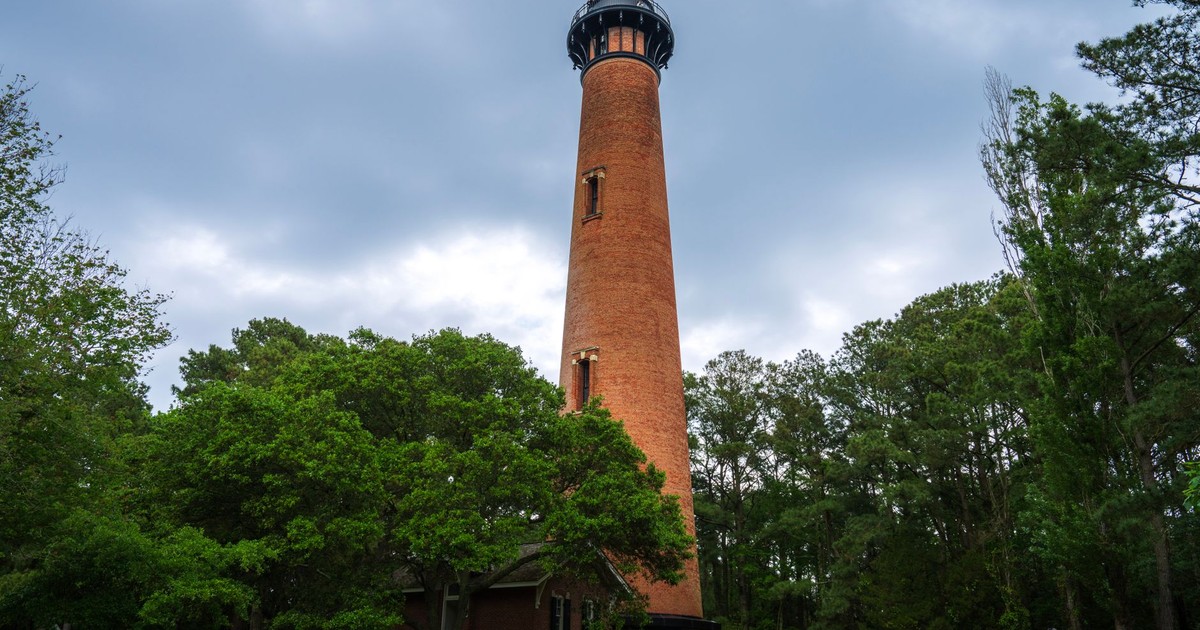
The Outer Banks is a chain of barrier islands stretching more than 175 miles along the North Carolina coast, and it operates on a different logic than most beach destinations. There are no traffic lights on Hatteras Island. Most of the land is protected federal seashore. The beaches are divided across three areas: Northern Beaches, Hatteras Island, and Roanoke Island and the Dare mainland. The result is an extraordinary amount of coastline for the price.
Accommodation costs are surprisingly reasonable, especially during shoulder seasons, with charming rental cottages and rustic beachside cabins providing a cozy base for exploration. The area’s historic lighthouses, including Bodie Island Light Station and Cape Hatteras Light Station, are low-cost landmarks worth visiting, while Cape Hatteras National Seashore offers sea turtle sightings, hiking, and bird-watching at the Alligator River National Wildlife Refuge, all of which are free or nearly so. Split a rental cottage with one other person or couple: a three-bedroom house on Hatteras Island in May often comes in at $200 to $250 per night, which divided two ways undercuts a standard hotel room almost anywhere else.
6. Rockport, Texas
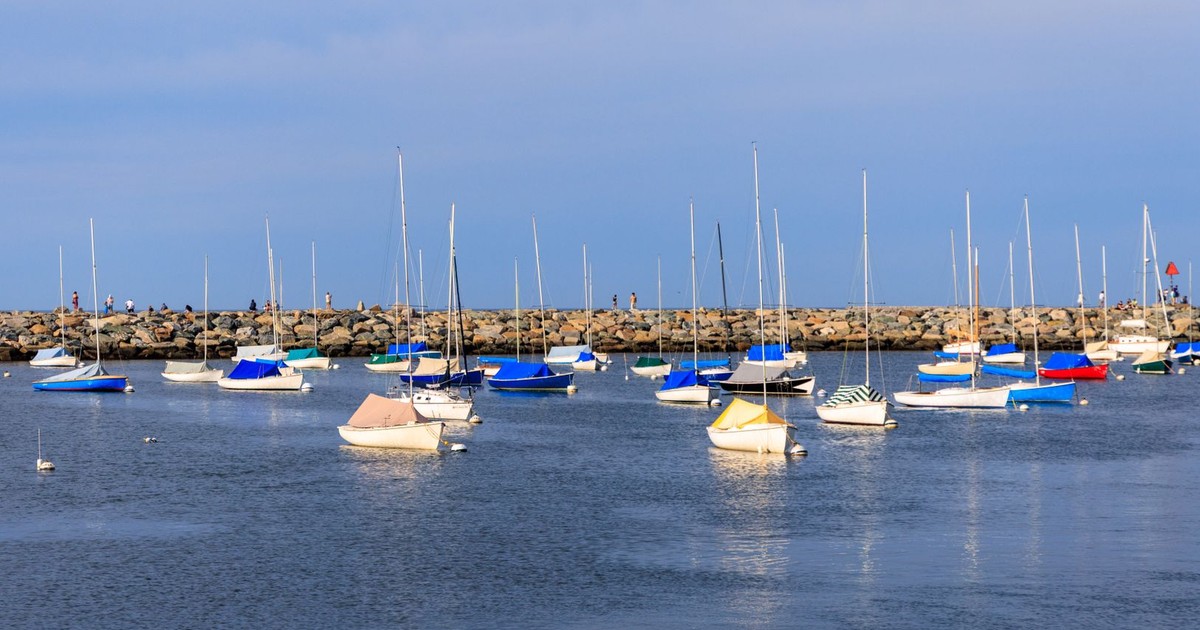
Rockport Beach stays surprisingly affordable compared with many popular U.S. beach towns. It’s Texas’ first Blue Wave-certified beach, known for calm water, family-friendly areas, and an easygoing small-town feel. It sits on Aransas Bay rather than the open Gulf, which means the water is exceptionally calm and ideal for kayaking, stand-up paddleboarding, and families with young children.
Mid-range hotels around Rockport often run roughly $150 to $230 per night in summer, with cheaper motels and off-peak dates frequently dipping under $150. The beach day-pass fee runs about $10 per vehicle as of 2025, and walking or biking in is free. You get a clean, well-maintained beach with manageable lodging costs and simple, predictable parking fees. The town is also directly adjacent to Aransas National Wildlife Refuge, which the U.S. Fish & Wildlife Service confirmed hosted a record estimate of 557 whooping cranes during the 2024 to 2025 wintering season, the largest wild flock of this endangered species on earth. That brings a reliable stream of birdwatchers and keeps the tourism economy diversified enough that hotels don’t have to jack rates sky-high to survive. Shoulder season pricing here regularly dips below $100 a night for solid motel options, and the local seafood restaurants along Market Street are some of the best-value raw-bar spots in Texas.
7. Narragansett, Rhode Island
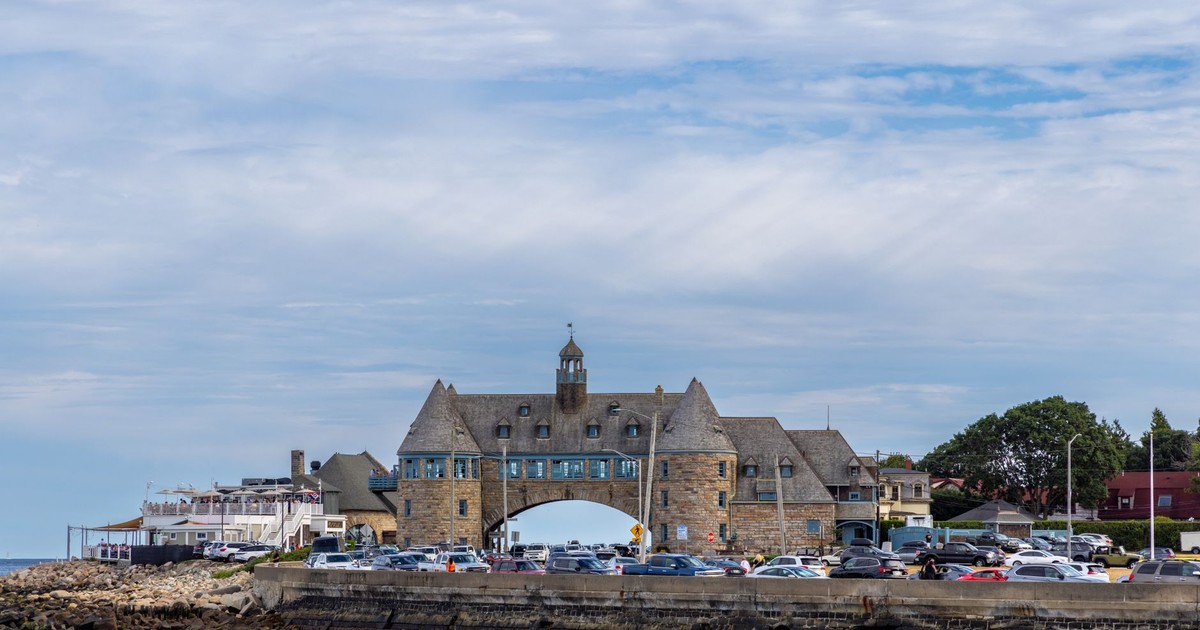
Narragansett, Rhode Island, serves as a lower-cost alternative to pricey nearby hubs like Newport, and the gap in pricing is significant. Newport charges boutique hotel rates that start around $300 a night in summer. Narragansett, twelve miles down the coast, offers a similar New England shoreline experience at a fraction of the cost, with none of the attitude.
When you’re not swimming at Scarborough State Beach or Narragansett Town Beach, the Point Judith Lighthouse offers a spectacular view of the coast. The fishing village of Galilee sits just next door, where you can watch boats leave the harbor over a cheap plate of chowder, and the Block Island Ferry departs from Point Judith for easy day trips to Block Island. Narragansett is a town where small motels and year-round cottages dominate the lodging supply, which keeps rates competitive. A clean, well-rated room in late May or September regularly runs $120 to $160 a night, and beach access at the state beach is free with a Rhode Island resident pass or very low-cost for visitors. The shoulder season here rewards the traveler who doesn’t need 85-degree sand. The Atlantic in late September is cold, bracing, and completely uncrowded.
8. Seaside, Oregon
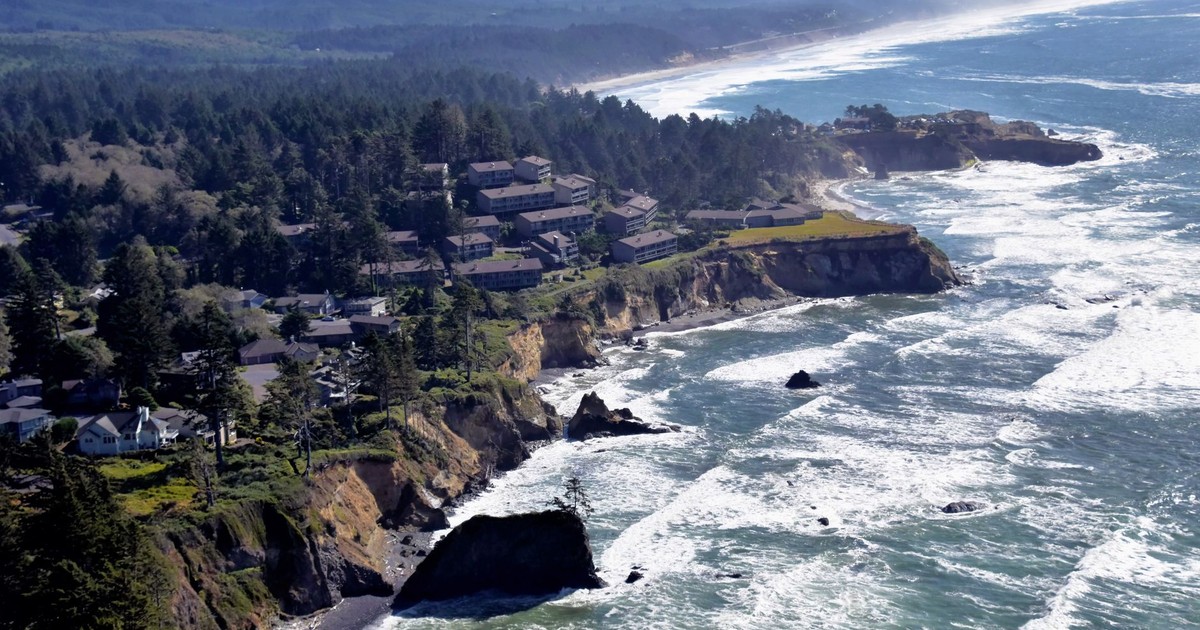
Along the Pacific Northwest coast sits Seaside, Oregon’s original beach town, dating back over 150 years, offering a wide range of affordable activities and accommodations. It’s about 90 miles west of Portland, which means it’s reachable by car without a flight, and the Pacific Northwest beach experience (dramatic headlands, tidepools, storm-watching, cold surf) is genuinely distinct from anything on the Gulf or Atlantic coasts.
Seaside’s nearly three-mile-long stretch of beach is ideal for long walks and bike rides, and the historic Promenade runs along the waterfront with expansive views of the Pacific Ocean. The 1.5-mile Seaside Promenade, which dates back to 1920, passes oceanfront homes, resorts, and the occasional street musician, and costs absolutely nothing to walk. The Lewis and Clark Salt Cairn at the south end of the Prom is a free historical site marking where the expedition camped in 1806. Budget hotels in Seaside can be found in the $95 to $155 per night range, which makes a week here genuinely achievable on a tight budget, especially in shoulder season when the fog lifts just enough to call it beautiful. The town has a relaxed, old-school beach-town feel that Cannon Beach, twenty minutes south, lost about fifteen years ago when the galleries moved in.
9. Surfside Beach, Texas
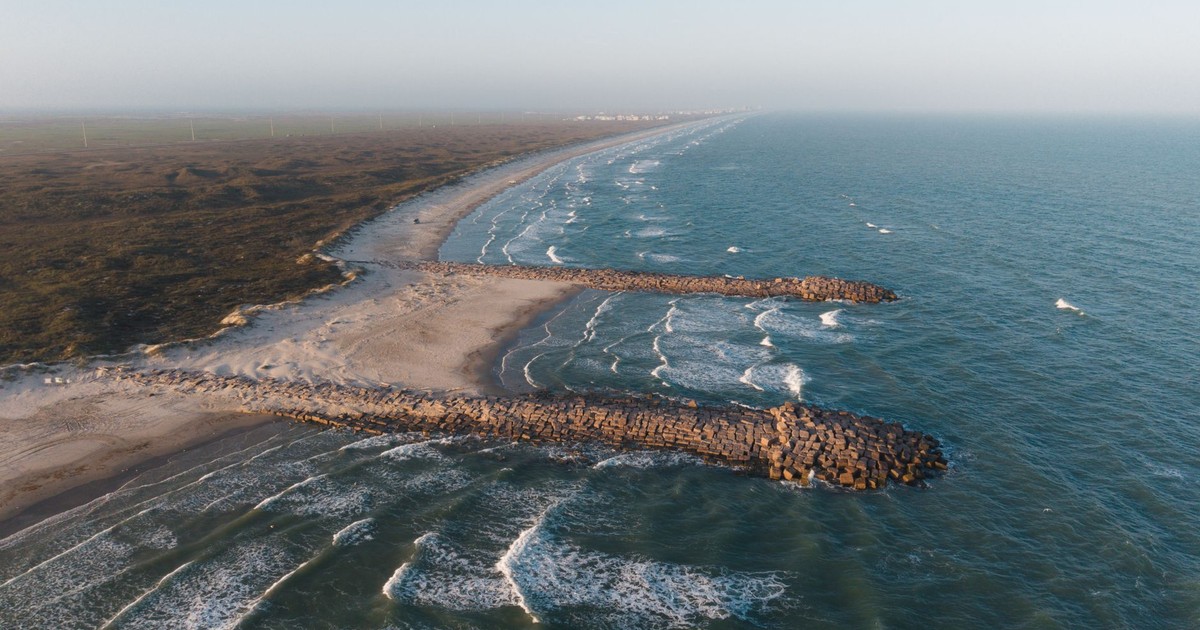
Surfside Beach has two miles of sandy shore, seven public parks, playgrounds, and shoreline watersports including parasailing and banana boat rides. It sits on Follet’s Island on the Texas Gulf Coast, about an hour south of Houston, and it gets a fraction of the tourist traffic of South Padre or Galveston. That’s not because the beach is worse. It’s because it’s smaller, and it hasn’t been discovered by the viral travel algorithm yet.
Accommodations range between $160 and $340 per night for a family of four, which for a solo traveler or couple means the low end of that range or below. The town has no traffic, free beach access, and a local seafood scene anchored by a couple of seriously good Gulf shrimp operations that supply the Houston restaurant market. Galveston is close enough for a day trip if you want more developed attractions, but Surfside itself is the kind of place where the main thing to do is sit in the water and let the Gulf do its work. Surfside Beach also became the first Autism-Friendly Travel Destination in the U.S. in 2016, a designation that reflects the town’s low-stimulation, unhurried character. Book a small rental with a kitchen from late April through May, split grocery costs, and a week here genuinely lands under $800 for two people sharing costs.
What to Do With All of This

The common thread across every destination on this list is timing. None of them are cheap in peak season. Myrtle Beach in July, Narragansett on Labor Day weekend, Seaside during spring break all carry prices that push them off this list entirely. The $900 figure is real, but it belongs to the shoulder months and the midweek booking. Travel in late April, May, September, or early October, check in on a Wednesday or Thursday, and the math works almost anywhere here.
The other move that unlocks all of these destinations is the kitchen. A rental with a kitchen turns a $50-a-day food budget into a $25-a-day food budget without meaningful sacrifice. You’re not eating sad sandwiches at a card table. You’re buying shrimp at the dock in Rockport for $8 a pound, cooking them yourself, and eating better than you would at the overpriced waterfront restaurant next door. That single habit (grocery store over restaurant for two or three meals a day) is worth more to the weekly total than almost any lodging deal you can find.
A cheap beach town vacation isn’t a compromise on the vacation part. It’s just a smarter read on where the value actually lives.
AI Disclaimer: This article was created with the assistance of AI tools and reviewed by a human editor.