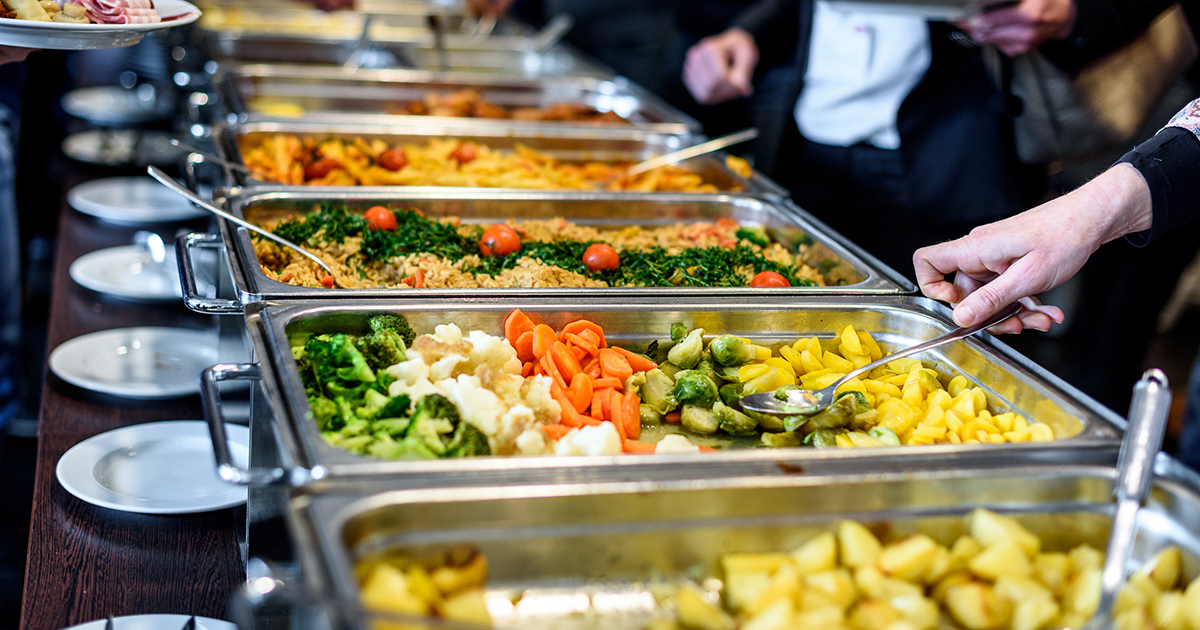

The catering industry requires professionals to function as chef, logistician, therapist, and mind reader. Clients arrive with Pinterest boards, dietary restriction spreadsheets, and absolute conviction that the phrase “that’s not really possible” does not apply to them. For the professionals executing those events, the ones managing 400-person weddings or weekly corporate lunch programs, certain requests trigger a very specific professional grimace. Not because caterers are inflexible, but because the people making the requests rarely understand what happens in the kitchen, on the loading dock, or in the supply chain in the 72 hours before they arrive looking for their artisanal charcuterie board.
As 2025 drew to a close, 85% of planners expressed confidence in the sector’s health. That stability came with a new set of demands, as client expectations continued to evolve in ways that reshaped the foundation of event planning. The sheer volume and complexity of what clients now expect has pushed many operators to their operational limits.
Personalization has become the standard. Customers expect menus designed around their tastes and dietary needs. When that expectation meets the physical realities of a commercial kitchen, a staffing shortage, a finite ingredient supply, or a five-day menu lock, the gap between what clients want and what is genuinely feasible can be staggering. The nine requests below are patterns that industry professionals encounter repeatedly, each one carrying real operational cost and creative consequences.
1. The 48-Hour Menu Overhaul
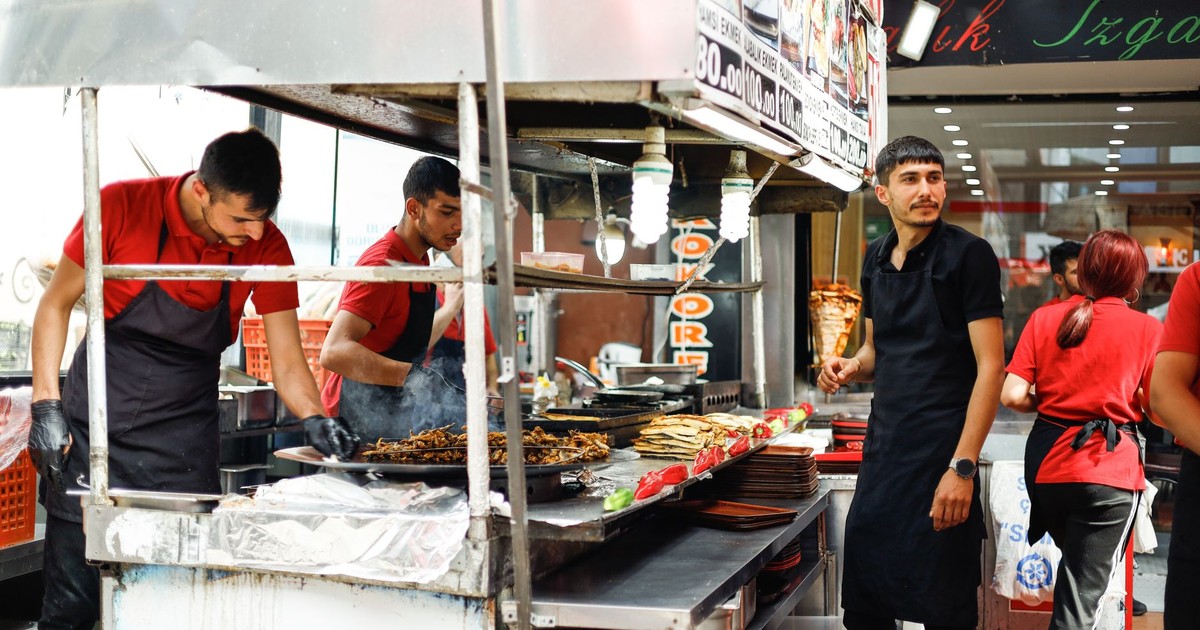
A client calls two days before the event to redesign the menu from scratch. The request usually arrives with the same preamble: “It’s not a big change, but..” What follows is invariably a significant change. Swapping out a plated chicken entrée for a grazing station, replacing passed hors d’oeuvres with a live action station, or deciding that vegan food would be “more on-brand” are not adjustments. They are new events requiring new sourcing, new staffing configurations, new equipment, and new supplier orders.
Ninety-eight percent of operators cite labor costs as a major concern, and 97% report significant food cost increases. In that environment, a last-minute menu pivot generates direct financial losses. Produce that was sourced for a plated dinner cannot always be pivoted to a grazing concept. Staff booked for table service cannot always be redeployed as station attendants without additional training or overtime pay. The client who requests a 48-hour overhaul rarely sees the domino effect that begins the moment they make the call.
The professional standard is that final menu details should be confirmed no fewer than 7 to 10 days before an event. Providing the final, consolidated list of requirements to a caterer at least 7 to 10 days before the event gives the kitchen and service team adequate time to source ingredients and plan for safe preparation. Clients who understand this constraint rarely experience the scramble. Those who don’t tend to blame the caterer for the chaos they created.
2. Unlimited Dietary Accommodations With Zero Advance Notice

Dietary accommodations are now an expectation, not a courtesy. The CDC estimates that 17% of U.S. adults follow a special diet. Gallup’s 2023 survey found that 4% of U.S. adults identify as vegetarian and 1% as vegan. About 30% of Americans deliberately avoid gluten. For a 200-person event, that math alone generates a formidable list of needs before a single unusual request has even been submitted.
The requests that exhaust catering professionals are the combination of revealed-at-the-last-minute requirements, impossible overlaps (gluten-free, nut-free, low-sodium, dairy-free, no legumes, and no cruciferous vegetables, all for a single guest), and the refusal of clients to collect dietary information from their guests in advance. Nearly 20% of wedding guests have dietary restrictions, yet many clients arrive at the final planning meeting with incomplete or nonexistent dietary data and expect the kitchen to absorb whatever materializes on the day.
Managing a modern list of dietary requirements comes down to three pillars: a proactive system for collecting information, a deep understanding of the various needs, and flawless on-site execution. The most severe risk is an allergic reaction, which for some guests can be a life-threatening medical emergency. Beyond that immediate danger, the guest experience is on the line: a guest who feels their needs are ignored or who cannot eat safely will not remember the keynote speaker or the beautiful décor. They will remember feeling excluded and unsafe.
3. “Can You Just Copy What You See on This Instagram Reel?”

A client sends a reel of a neon-lit grazing table built over three days by a team of five in Los Angeles for a celebrity event, and asks if the caterer can “do something like this” for 150 guests at a venue with a residential kitchen and a four-hour setup window.
Customization is the baseline. But the industry pressure to accommodate visual inspiration doesn’t change the physical constraints of execution. Elaborate grazing installations require not only skilled setup staff but also specific structural elements, temperature management for perishables, and hours of prep time for the artisanal components that make them visually striking. Social media presents the finished product in a way that entirely erases the production behind it.
This is especially common for wedding food trends where couples have spent months curating online content. The charcuterie towers, cascading floral arrangements over food, and dramatic suspended centerpieces in viral content are frequently built in controlled studio conditions or with a budget and crew that bear no relationship to what the client is paying. The professional response, honest as it is, is rarely what the client wants to hear.
4. Guest Count Changes After the Final Deadline
“We added a few more people” is among the most loaded phrases in the catering industry. A client who signed off on 80 guests at the final count meeting and appears on event day with 110 people expecting to be fed has not added a few more people. They have created a structural problem for every system in operation: the food quantity, the staffing ratios, the table layout, the place settings, and the bar supply.
The 2024 Feeding the Workplace report from the National Restaurant Association found that 71% of employees want to get involved in the ordering process and are happy to voice their opinions and requests. Meanwhile, 64% of surveyed eaters prefer individually packaged meals, and finding options everyone will like is considered a major challenge for 34% of diners surveyed. When the guest count itself is inaccurate, the difficulty compounds.
The food waste implications are equally significant. Restaurants and foodservice businesses generated 12.5 million tons of surplus food in 2024, more than 85% of which went to landfill or was incinerated as waste. Caterers who over-prepare to absorb unexpected guest additions are directly contributing to this waste stream, while those who prepare to the contracted count risk running out of food and facing the reputational damage that follows. Neither outcome is acceptable to the client, and both are caused by the same failure to provide accurate numbers on time.
5. “Zero Waste” Events With No Flexibility on Menu

A growing majority of consumers prefer sustainable food packaging, and 37% of workplaces have made it a company requirement. Caterers have responded, with waste reduction becoming, in the words of one industry analyst, “an art form,” tracking inventory to the ounce, switching to biodegradable service ware, and partnering with donation organizations.
The tension erupts when a client demands a zero-waste event while simultaneously insisting on a menu that structurally generates significant waste. A 12-item buffet with no portion control, a cocktail hour featuring 8 different passed bites, and a dessert station with 6 options for 60 people, designed by a client for visual impact, cannot realistically be executed to a zero-waste standard. Some caterers are engineering their menus to maximize profitability, designing dishes that balance high-end appeal with cost-effective ingredients, while waste reduction is becoming an art form, with caterers tracking inventory down to the ounce. But that discipline requires client cooperation on menu design. When the two goals conflict, and the client insists on both, the caterer is left carrying the contradiction.
6. Full-Allergen-Free Kitchens on 24 Hours’ Notice
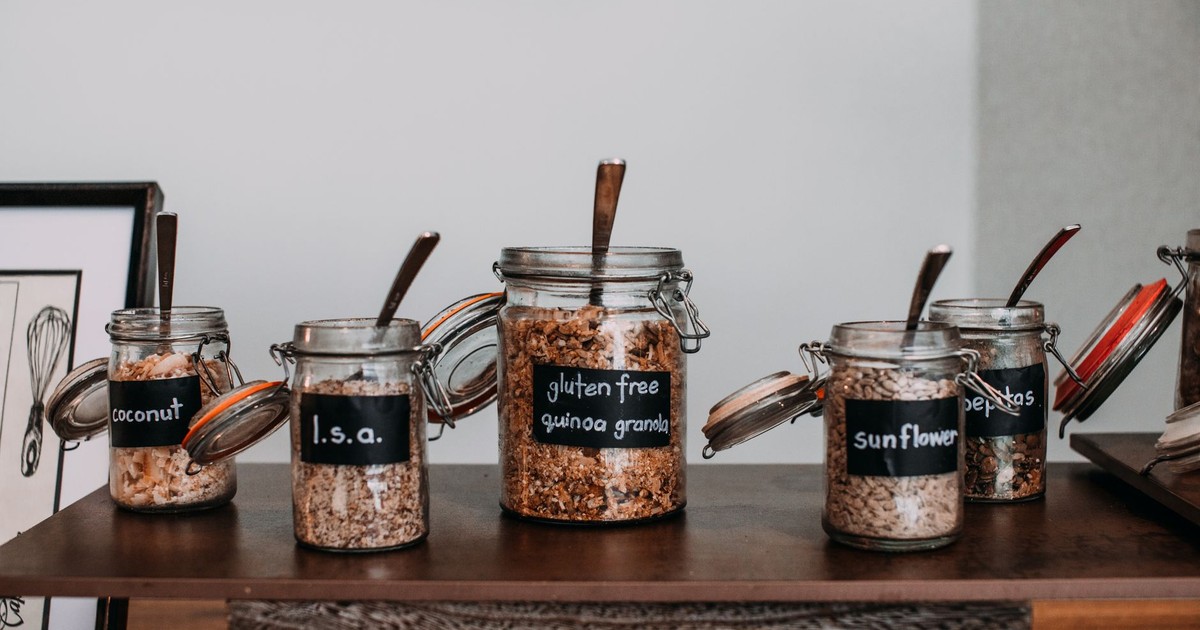
Requesting a nut-free, gluten-free, or shellfish-free menu is standard and entirely manageable with proper notice. Requesting that an entire commercial kitchen operating dozens of events simultaneously be “certified allergen-free” on the day before an event is a fundamentally different ask, and one that arrives more often than it should.
Professional catering work requires specific training in food safety, allergen handling, and the protocols for serving special meals. Cross-contamination control in a commercial kitchen context means dedicated equipment, separate prep surfaces, separate storage, and often a separate line. That infrastructure cannot be improvised overnight. The client who requests “can we make sure absolutely nothing goes near nuts?” the evening before their child’s allergy event is asking for a kitchen reconfiguration that requires days of planning, not hours.
A full allergen-safe kitchen requires kitchen-level protocol. Cross-contamination is the real risk, not just the ingredient list. A caterer needs to know about severe nut allergies early. For caterers, the professional obligation here is real and serious. The request is not unreasonable in principle. The timing makes it impossible.
7. Bring Your Own Caterer to Our Exclusive Venue
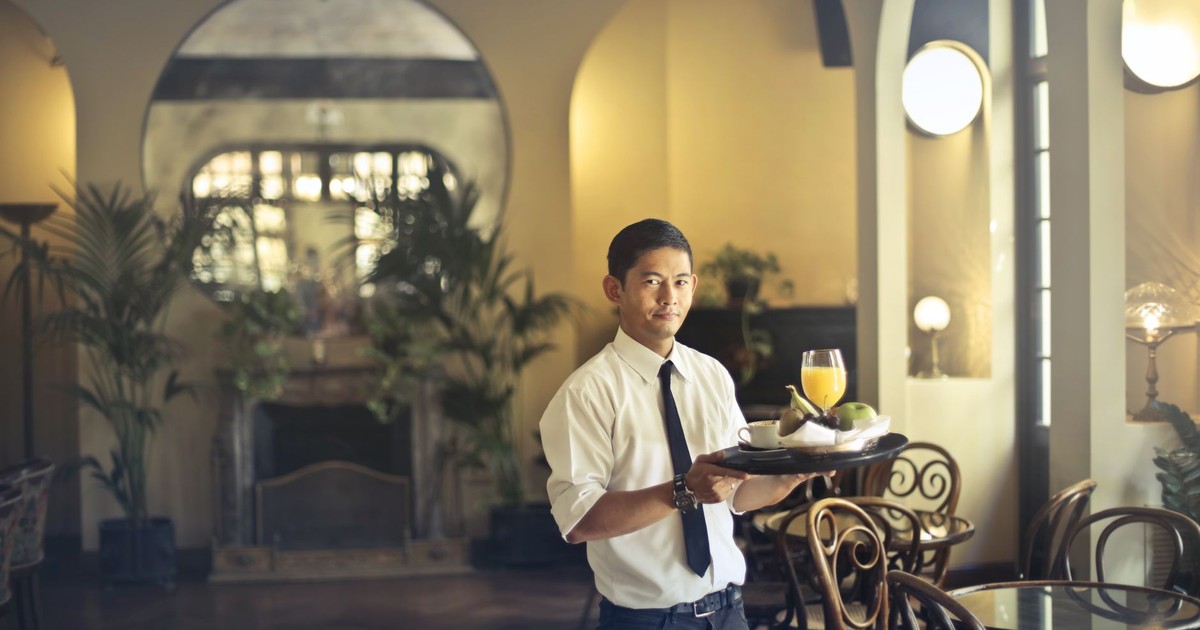
This request doesn’t always arrive as a direct catering client request, often it comes dressed up as a venue question. A client books a venue with an in-house or preferred catering partner, decides they want a different caterer, and then asks both parties to “work something out.” Behind that phrase is a contractual structure, an insurance framework, and a vendor relationship that cannot be casually renegotiated by a third party.
While the industry is growing, 57% of restaurants find scaling catering sales challenging, and 86% of catering companies report being understaffed. Preferred vendor relationships exist precisely because venues need to know who is operating in their space, how their kitchen will be used, and who carries liability. When a client asks an outside caterer to step into an exclusive venue arrangement, they are generating a chain of liability questions that neither party may be equipped to resolve, and often expecting the caterer to absorb the logistical and legal complexity of the situation.
8. “Can You Make It Taste Like My Grandmother’s Recipe?”
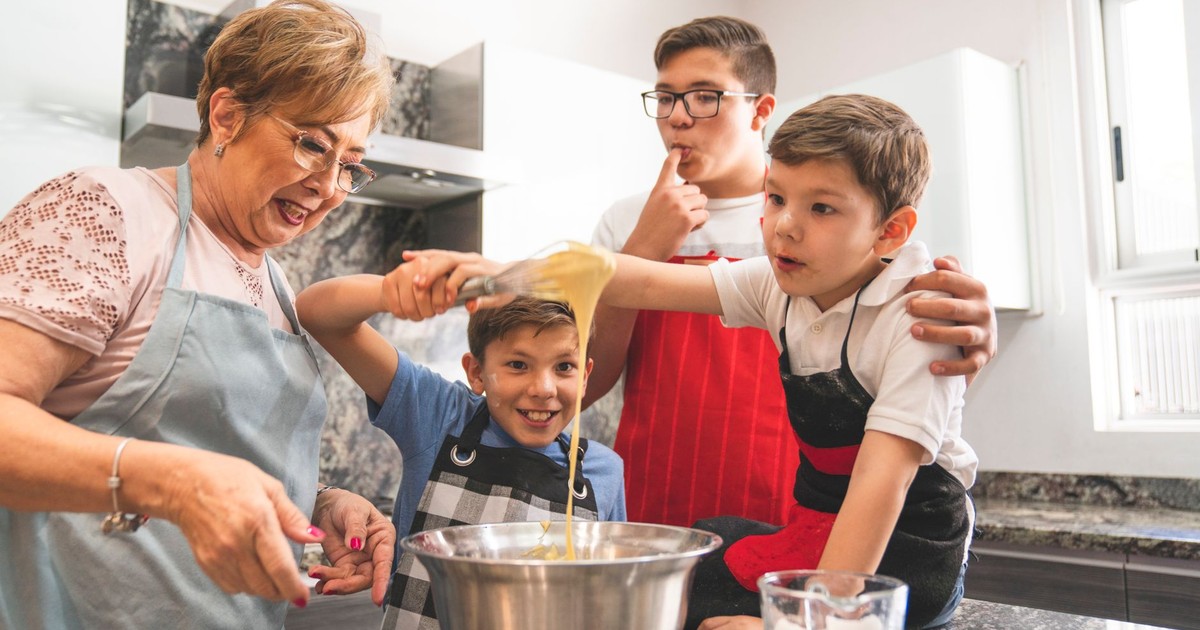
A couple wants their wedding reception to feature the arroz con leche that the groom’s grandmother made every Sunday. A corporate client wants the holiday party to feel like the office parties of 20 years ago, with the same specific lasagna that used to come from a neighborhood restaurant that no longer exists. The emotional weight behind the request is real. The execution challenge is equally real.
As Sebastien Centner of Eatertainment Events & Catering put it in the Catersource State of the Industry 2025 report, “Clients are prioritizing impact over extravagance; fewer ‘nice to haves’ and more ‘must deliver.'” When the “must deliver” item is a dish defined entirely by memory, nostalgia, and the idiosyncratic techniques of a home cook who may or may not be available to explain her process, the caterer is working without a reliable brief. The first tasting will never taste exactly right, because the tasting is not competing with an objective standard. It is competing with a memory.
9. Five-Star Presentation on a Two-Star Budget
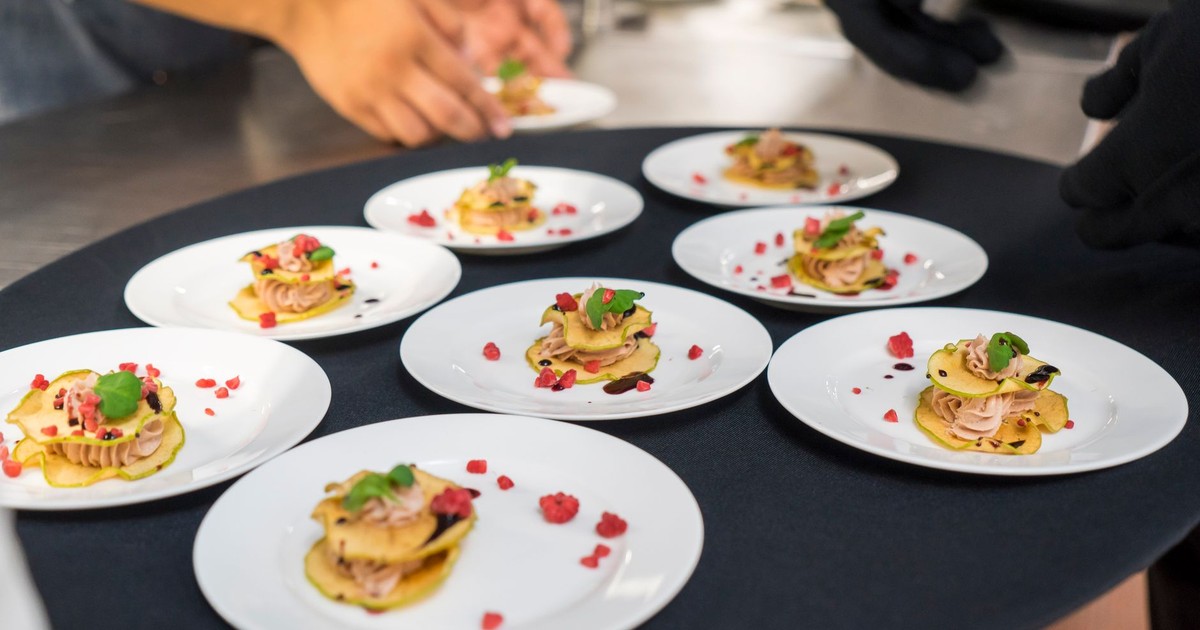
The gap between client budget expectations and market reality is, according to industry professionals, one of the most persistently uncomfortable aspects of catering client requests. The U.S. catering market generated $72 billion in revenue in 2023 and is projected to reach $109.4 billion by 2030, growing at a 7.7% CAGR. That growth has not been accompanied by any comparable adjustment in what clients believe catering should cost.
Inflation has driven food costs sharply upward. Ninety-eight percent of operators cite labor costs as a major concern, and 97% report significant food cost increases. A food cost target of 28 to 35% of revenue, which represents the operational floor for most professional caterers, means that a client’s per-head budget directly determines what quality of ingredients, staffing, and service is possible. There is no version of a four-course plated dinner with premium proteins, custom floral place settings, and white-glove service that exists at the per-head price of a suburban office lunch.
What makes this request particularly difficult is that it often comes with a reference: a specific event the client attended, a friend’s wedding, a competitor’s product launch, a charity gala, that looked extraordinary. What the client doesn’t know, and the caterer cannot always say directly, is that the event they’re referencing cost three times what they’re prepared to spend. As David Anderson, a leading industry caterer, put it: “Adding a personal touch to your service can make a big difference. Clients appreciate the customized experience, and it helps justify the cost.” The challenge is that no amount of customization can replace budget as the fundamental variable in what is actually achievable.
What This Actually Means for the Industry
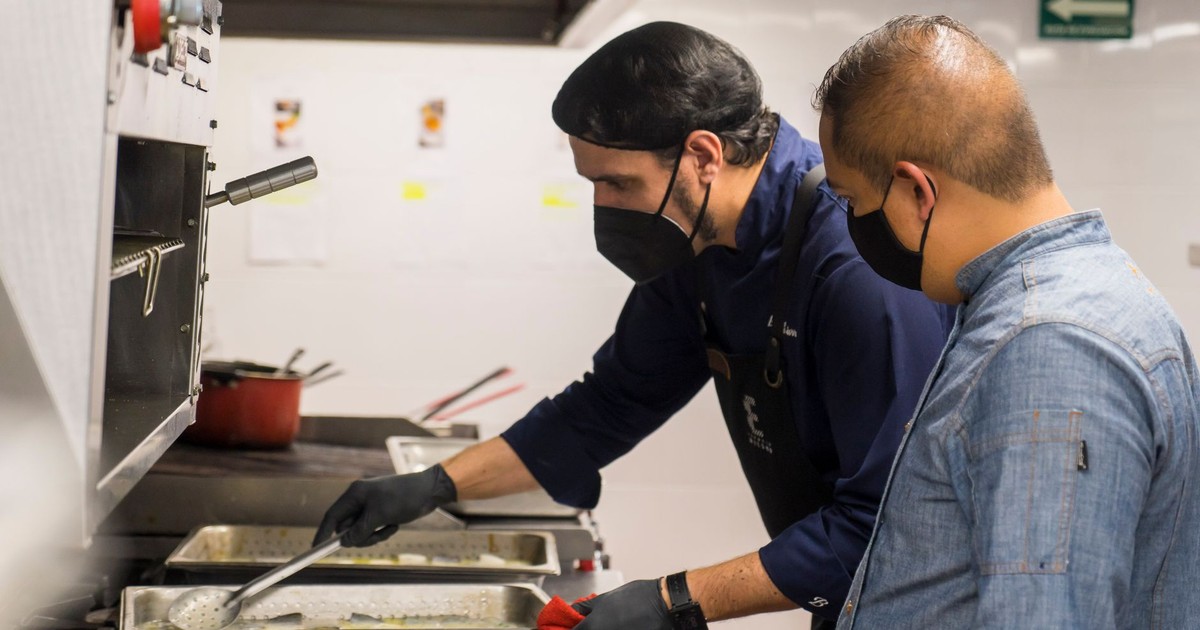
The nine requests profiled here are symptoms of a structural gap between what the catering industry has become, a highly personalized, experiential, logistically complex service sector, and what clients understand about it. As 85% of planners enter 2026 with confidence in the sector’s health, that confidence comes with a new set of demands, as client expectations continue to evolve in ways that are reshaping the foundation of event planning.
The direction of that evolution is more personalization, more complexity, more sustainability requirements, and more short-notice flexibility, all at a time when the industry is absorbing labor pressures that affect nearly every operator. Eighty-six percent of catering companies report being understaffed, and 92% increased pay in 2023 to attract and retain staff. Asking understaffed teams to execute increasingly complex catering client requests on compressed timelines is an industry-wide pressure point.
The caterers who handle these requests most effectively, without the professional grimace, tend to be the ones who have built ironclad intake processes, detailed timelines with contractual deadlines, and client communication strategies that set expectations early and clearly. They know that the best solution to a 48-hour menu change request is a contract clause that was signed six weeks earlier. And they know that the grandmother’s arroz con leche will never be exactly right, but that sometimes, getting it close enough is the most important thing they’ll do all year.
Disclaimer: This information is not intended to be a substitute for professional medical advice, diagnosis, or treatment and is for information only. Always seek the advice of your physician or another qualified health provider with any questions about your medical condition and/or current medication. Do not disregard professional medical advice or delay seeking advice or treatment because of something you have read here.
AI Disclaimer: This article was created with the assistance of AI tools and reviewed by a human editor.