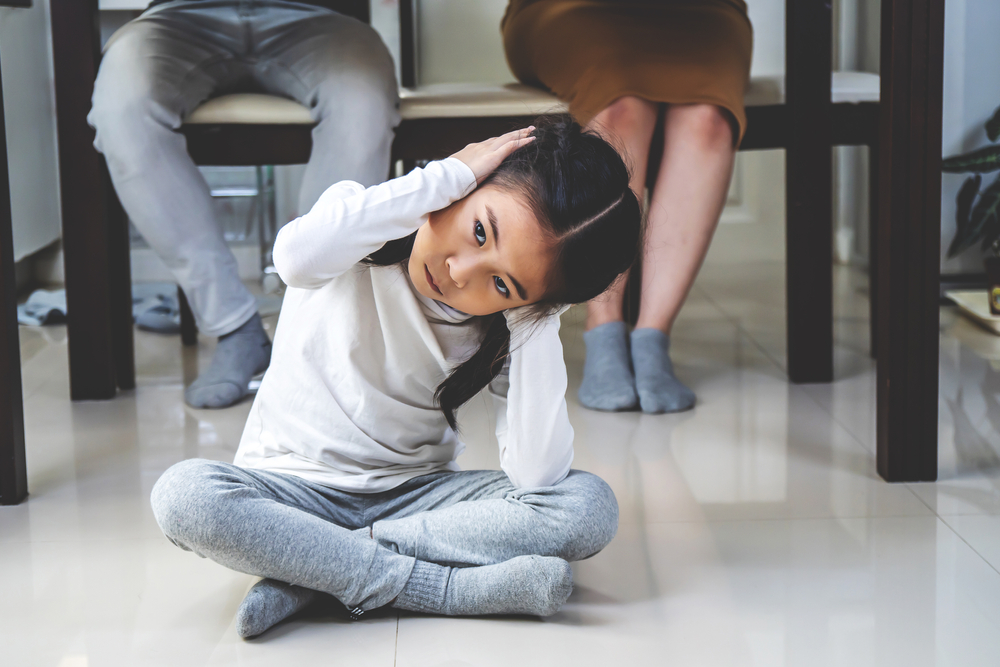
Loneliness is a complex emotional state that affects millions of people worldwide. While occasional feelings of isolation are normal, chronic loneliness can have serious implications for both mental and physical health. Researchers have found that very lonely people often share certain characteristics that influence their ability to form and maintain meaningful connections. Understanding these traits...
Growing up with a narcissistic parent changes how you see yourself and others. For many people, the effects last well into adulthood. These effects often appear in patterns of behavior or emotions that feel confusing or overwhelming. While narcissistic parenting can lead to many struggles, there is one clear sign that rises above the rest....
Not everyone finds it easy to connect with others. Many people who lack social skills struggle to read cues, build friendships, or feel confident in groups. Often, these challenges trace back to childhood and the way parents shaped behavior. Children learn social habits through daily interaction. When parents repeat certain patterns, their children may grow...
Every family has its own dynamic, and while parents may claim they love all their children equally, sometimes favoritism shows through. If you ever felt like you got away with more than your siblings or received extra attention, you might have been the family favorite. Being favored does not necessarily mean your parents did not...
Being an only child often comes with assumptions, but it also creates unique strengths that last a lifetime. Without siblings to rely on, many children in single-child households develop independence, resilience, and adaptability from an early age. These traits later shape how they manage challenges, build relationships, and pursue goals as adults. Independence Became Second...
Childhood experiences shape how people grow and live as adults. For those who were excluded as a child, the effects often remain long after the early years. Repeated rejection in schools, families, or friendships leaves marks that carry into adulthood in visible and invisible ways. These individuals may develop traits that help them cope with...
Every relationship faces seasons where one partner feels stuck or weighed down. When a husband goes through a slump, whether due to stress, setbacks, or emotional fatigue, the way his spouse responds can play a major role in how quickly he regains balance. Support in these moments is less about fixing problems and more about...
Growing up under controlling parents leaves lasting effects that extend far into adulthood. Developmental psychology research shows that children raised in controlling homes often struggle with autonomy, identity, and confidence. These effects are not limited to childhood but can shape how a person works, socializes, and forms relationships later in life. Recognizing the signs of...
Not everyone grows up feeling like they were the most cherished sibling. Family dynamics can be complex, and some children notice clear differences in treatment. While parents often deny having favorites, the reality is that small signals leave lasting impressions on us. Those who didn’t experience being the favorite child often develop unique behavioral habits...
Growing up in a broken home leaves deep marks that are often invisible to others. When a child experiences conflict, neglect, abandonment, or instability, they learn to adapt in ways that protect them from more pain. Many of these adaptations carry into adulthood, shaping how people handle relationships, emotions, and stress. Instead of openly expressing...
A childhood without stability often has long-lasting effects on how people think, behave, and connect with others. Whether the instability came from financial struggles, frequent moves, inconsistent parenting, or unpredictable environments, the impact does not disappear when childhood ends. Adults who experienced such conditions often carry specific traits that reflect the survival strategies they developed...
Growing up as the oldest child often meant carrying more responsibility than you were ready for. From managing chores to guiding siblings, your role shaped both your personality and habits. Many of those traits still show up in adulthood, influencing how you work, connect, and see yourself. If you were the firstborn, chances are these...