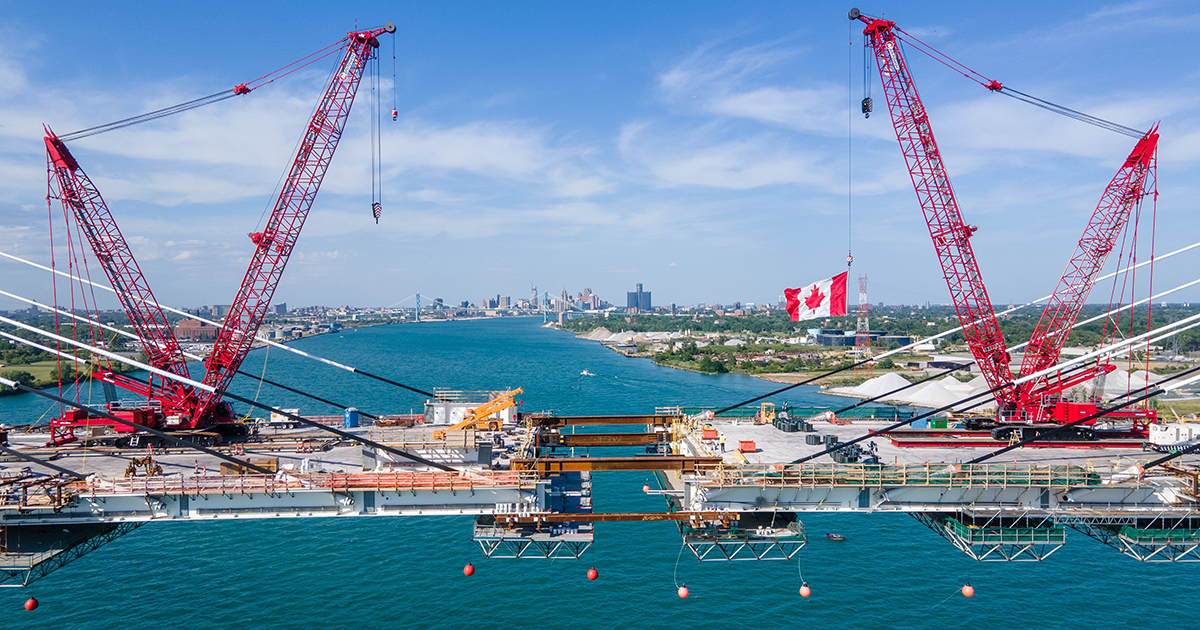
The ribbon-cutting was held not at the midpoint of the bridge, where Windsor Mayor Drew Dilkens had long envisioned it happening, but on the Canadian side, on the ramp leading up to the span. A ceremony at the midpoint would have placed both nations’ officials on shared ground. Moving it to the Canadian side made the political reality physical.
Canada canceled a planned cross-border ribbon-cutting ceremony for the Gordie Howe International Bridge. The milestone opening on Friday was marked only among Canadians. Windsor Mayor Drew Dilkens said the relocated ceremony was a symbol of the tense relations between the U.S. and Canada. Hours later, President Trump posted on Truth Social, confirming the ceremony had been a slight.
Trump called out Canada for marking the opening of the Gordie Howe International Bridge without the U.S., saying: “Canada disinvited the United States of America to the opening of the Gordie Howe Bridge, which is fine, considering they are paying substantial tariffs to the United States.” The word “fine” did a lot of work in that post. So did everything that came after it.
What unfolded on July 24, 2026 was not simply a diplomatic snub over a bridge. It was the latest flashpoint in a months-long confrontation over a piece of infrastructure that has become one of the most loaded symbols of the US-Canada relationship since Trump returned to the White House. A $6.4 billion cable bridge connecting Detroit and Windsor ended up at the center of a trade war, a donor influence controversy, and a geopolitical standoff.
What the Gordie Howe Bridge Actually Is
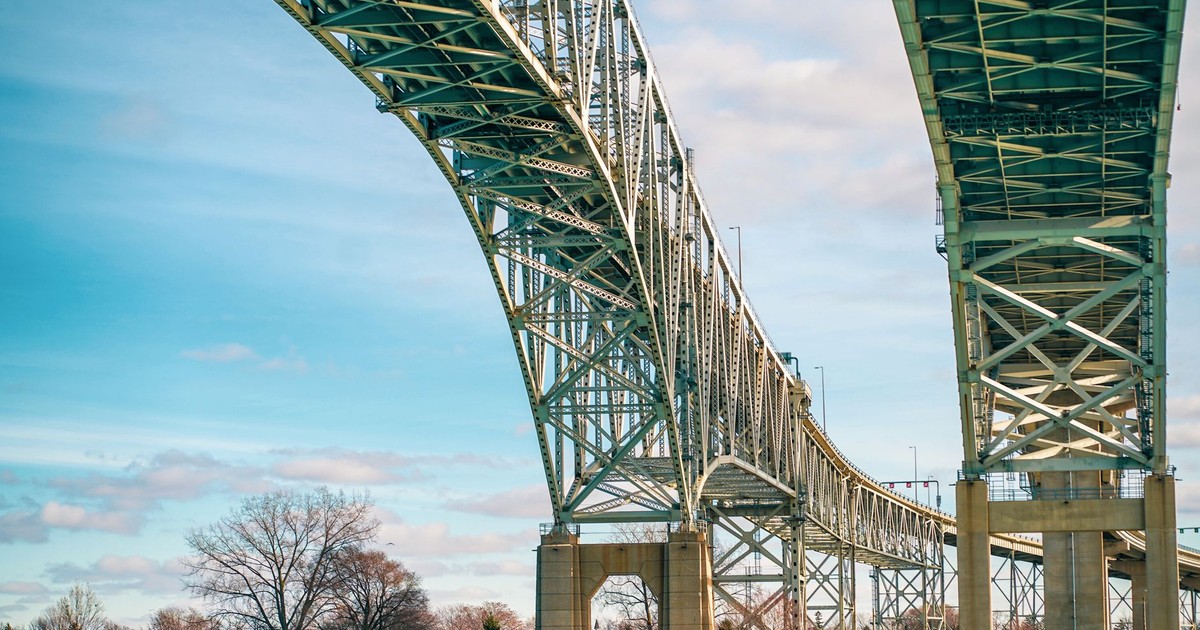
The Gordie Howe International Bridge is a cable-stayed span between Windsor, Ontario, and Detroit, Michigan, 25 years in the making. The $6.4 billion structure, set to open to traffic on July 27, will be the newest route between Windsor and Detroit at one of Canada’s busiest commercial border crossings.
It is meant to be a faster alternative to the existing Ambassador Bridge across the Detroit River. Its competitor, the Ambassador Bridge, has been the only bridge to service the interconnected communities for more than a hundred years. Infrastructure Minister Gregor Robertson touted its 60 combined Canada and U.S. inspection lanes, along with its freeway connections, telling the crowd that “faster predictable border crossing will save carriers roughly 850,000 hours a year.” A federal Department of Homeland Security filing projects the figure at approximately 420,000 hours annually.
The bridge is named after legendary Canadian hockey player Gordie Howe, who led the Detroit Red Wings to four Stanley Cup victories. The choice of name was deliberate. Howe was a Canadian who spent his career in Detroit, and the bridge was supposed to embody exactly that kind of cross-border identity. At the ceremony, amid tables of fruit cups, pastries, and children playing hockey, Canadian officials gathered with invited guests including members of Howe’s family. On Friday, American officials were absent from the proceedings.
The Canada Bridge Ceremony Canada Had Planned and Why It Changed
A joint ceremony featuring officials from both countries had been planned. Jenna Ghassabeh, a spokesperson for Canadian Infrastructure Minister Gregor Robertson, told TIME that the joint ceremony had been canceled, stating “in light of trade action threatened by the United States earlier this week, it would be inappropriate to proceed with a celebratory event between the two countries.”
Trump signed proclamations imposing additional 50 percent tariffs on certain goods from Canada, set to take effect on August 19, as a response to what the Trump administration describes as “discriminatory treatment” from Canada. American officials said the new levies are a response to provincial bans on U.S. alcohol, Canada’s supply-managed dairy system, and quotas on American cars.
Canada rescinded its invitations to U.S. officials for the bridge’s grand opening ceremony shortly thereafter, and moved the ribbon-cutting ceremony from the international border line at the center of the bridge to a nearby inspection plaza. A ceremony at the center would have placed both nations’ officials on shared ground. Moving it entirely to the Canadian side turned a logistical decision into a statement.
As Canadian officials passed out press materials on Friday morning, the press badges were labeled “Inauguration 2026,” a departure from the “celebration” the event was originally billed as. Even the branding had been adjusted to reflect that this was not the occasion anyone had originally planned.
Trump’s Response: Tariffs, Profit Claims, and Rewriting the Deal
Trump’s Truth Social post on Friday went well beyond noting the exclusion. The president also took aim at the original agreement governing the bridge project, which began construction in 2018 when he was president, calling it “terribly negotiated” and declaring it defunct. He added: “We changed the terms of the Deal so that the United States of America now gets 50 percent of the Profit.”
Canada paid the full C$6.4 billion construction cost for the Gordie Howe International Bridge. Under the renegotiated terms, a new side agreement gives the U.S. 50 percent of net bridge revenue for 15 years, with no provision for Canada to recover interest or principal payments. Canada pays the interest and principal on its own, and the 50 percent split is based on net revenue after operating costs. The U.S. also has a say in toll pricing, with veto power over any increase or reduction that would move the toll more than 10 percent above or below the average of comparable regional crossings in a single fiscal year.
The original arrangement was quite different. Under the original deal, Canada agreed to front the full construction costs and collect 100 percent of toll revenues until it recouped its full investment, with the agreement estimating that recoupment would take at least fifty years, after which Canada and Michigan would equally split toll revenues.
The document governing the new deal states that Canada’s payments will be made to a United States-Canada Economic Development Fund controlled by the U.S. government. Prime Minister Mark Carney had publicly described the arrangement as the countries splitting revenue only after debt was repaid. The proposed agreement in principle for the Gordie Howe International Bridge contradicts those comments. The deal’s text, published on the bridge authority’s website, contains no mention of debt repayment as a precondition.
How the Bridge Became a Political Football
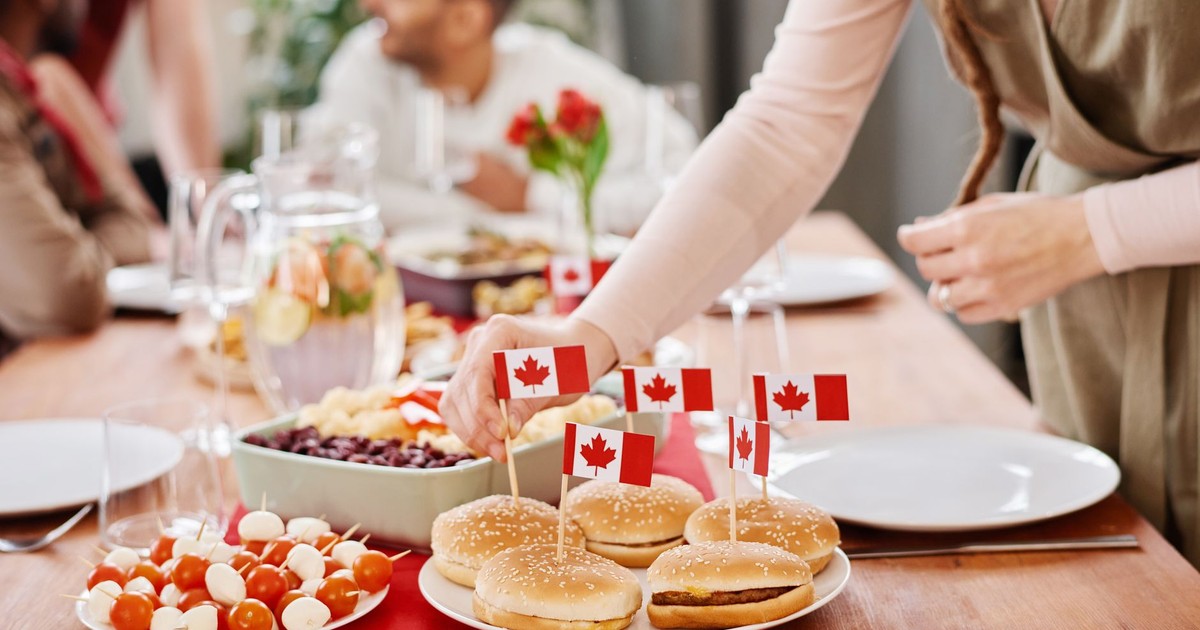
The Canada bridge ceremony drama on July 24 was the culmination of a standoff that had been building for months. A ribbon-cutting ceremony had been scheduled for June 12, but the Windsor-Detroit Bridge Authority called it off after Trump administration officials sought to fulfill Trump’s demand for a new deal on ownership, financing, and bridge tolls. The original deal had been negotiated in 2012 between the Canadian government and the administration of then-Michigan Governor Rick Snyder, with federal approval under President Barack Obama.
Trump threatened to block the project in February, blaming Canadian provinces’ refusal to sell U.S. alcohol, Canadian tariffs on American dairy products, and the country’s trade talks with China. Behind those stated reasons, a separate set of financial connections was drawing scrutiny.
Matthew Moroun, whose family owns the Ambassador Bridge, gave $1 million to a political action committee supporting Trump less than a month before Trump threatened to block the opening of the competing Gordie Howe span. The $1 million receipt for the super PAC MAGA Inc. was revealed in a monthly campaign finance disclosure submitted to the Federal Election Commission. Moroun also met with Commerce Secretary Howard Lutnick hours before President Trump threatened to block the opening of the Gordie Howe Bridge, according to the New York Times. After that meeting, Lutnick spoke by phone with Trump about the matter. Shortly afterward, Trump threatened to block the planned opening of the bridge.
The bridge’s opening was delayed after the Trump administration sought to renegotiate the bridge deal following pushback from the Moroun family, which owns the competing Ambassador Bridge and is a significant Republican donor. Moroun has long opposed the new bridge as it would cut into traffic, and revenue, on the Ambassador Bridge. The White House has denied any connection between the donation and the administration’s position on the bridge.
A ribbon-cutting event had originally been scheduled for June 12 to officially open the bridge, but a White House source told The Canadian Press that Commerce Secretary Howard Lutnick intervened. That intervention pushed the opening back by over six weeks, through months of diplomatic negotiation, before a deal was finally reached in July.
What Happened at the Ceremony Itself
Premier Doug Ford stood next to federal Infrastructure Minister Gregor Robertson, Canadian Ambassador to the United States Mark Wiseman, and Windsor Mayor Drew Dilkens to cut the red ribbon. Behind the party, the 220-meter-tall towers of the new bridge stretched into the sky.
Ford told the crowd: “Our relationship has been challenged over the last few years, and President Trump is threatening tariffs just this month. But team Canada has never been more united.” Ford, wearing a red Canadian hockey jersey with Gordie Howe’s name on the back, warned that Ontario “will be ready to respond on any new American tariffs. We will not back down.” He then added: “I know Canadians love Americans and I know Americans love Canadians, and I know that bond will last for another over 200 years.”
Windsor Mayor Drew Dilkens, who has been an outspoken critic of Trump’s months-long delay of the bridge opening, alluded to the American president during his remarks. The Gordie Howe International Bridge will officially open to traffic “as early as” noon on Monday, July 27, according to a news release from the Windsor-Detroit Bridge Authority distributed before the ribbon-cutting ceremony.
Disclaimer: This information is not intended to be a substitute for professional medical advice, diagnosis, or treatment and is for information only. Always seek the advice of your physician or another qualified health provider with any questions about your medical condition and/or current medication. Do not disregard professional medical advice or delay seeking advice or treatment because of something you have read here.
AI Disclaimer: This article was created with the assistance of AI tools and reviewed by a human editor.