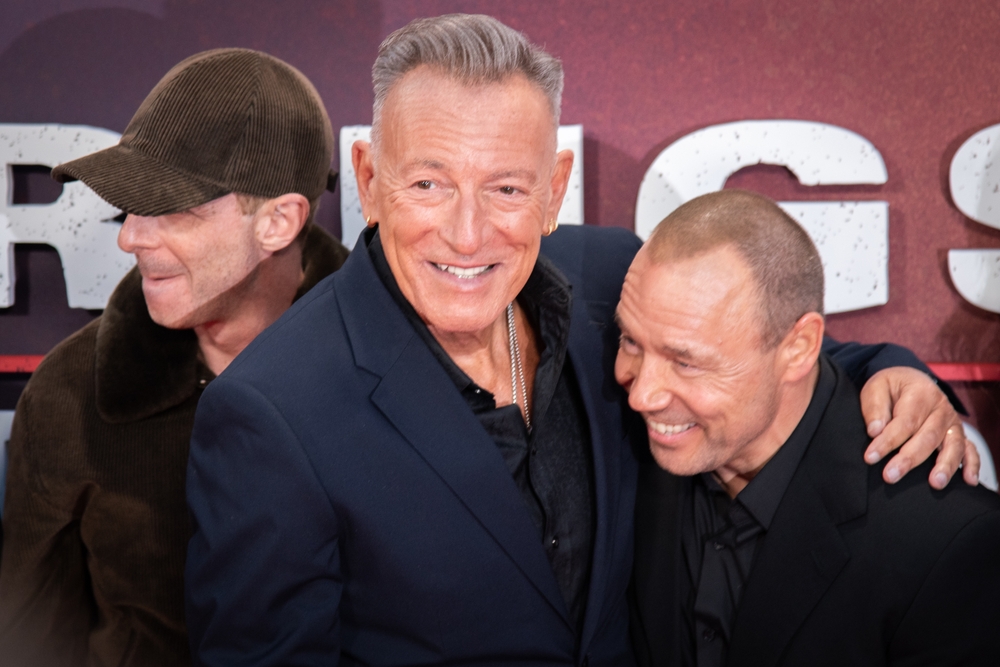

Rock concerts are supposed to be one of the safest rooms in the world. Twenty thousand people, united by the same music, the same memories, the same instinct to close their eyes and just feel something for a few hours. But when Bruce Springsteen walks out onstage in 2026, the stakes feel different. The security is thicker. The presence of law enforcement is heavier. And backstage, the conversations are ones nobody expected to be having.
What changed? The short answer is that Springsteen stopped singing songs about America and started saying out loud what he thinks is being done to it. And some people, it turns out, are not just angry about that. They’re making threats.
This isn’t a story about a celebrity seeking attention or manufacturing controversy. It’s about a 76-year-old rock icon, one of the most beloved musicians in American history, who has spent the final stretch of a 50-year career turning his concerts into acts of open political dissent, and who is now receiving death threats serious enough that the FBI has gotten involved.
What Steven Van Zandt Said, and Why It Matters
The news broke in late May 2026, when Stevie Van Zandt, Springsteen’s longtime guitarist and E Street Band bandmate for decades, gave an interview to the UK’s Daily Mail that stopped a lot of people cold. “This tour has been a little bit different because of the high security,” Van Zandt explained, adding: “It’s a very specific political theme to this tour and there’s been a lot of threats, death threats.”
What made the revelation particularly striking wasn’t the existence of threats. Springsteen, like any major artist, has dealt with hostile attention before. Van Zandt was candid about the difference this time: “There’s been a lot of threats, death threats. Usually there’s always some, but this time it’s been increasing.”
Van Zandt confirmed that the FBI and others “have been really watching things and been overly concerned about it, as they should be.” He was clear about the motivation behind the heightened security, too: it isn’t just about protecting the Boss. Van Zandt said: “We want the fans to be safe and feel safe. So we really go the extra mile with extra security for that reason alone.”
Van Zandt did not share details about the nature of the threats. The FBI has not issued a public statement on the matter. But the picture Van Zandt painted, of a tour operating under conditions of genuine elevated risk, coordinated with federal law enforcement, is not one that can be easily waved away.
The Tour That Started This
To understand why Springsteen is drawing this level of hostility, you have to understand what the Land of Hope and Dreams American Tour actually is. Springsteen, 76, called out the Trump administration as a “wannabe king” when he announced the American leg of the 20-stop tour, and he kicked off the shows in Minneapolis, which had become the subject of his anti-ICE anthem “Streets of Minneapolis.”
That song didn’t appear out of nowhere. It’s an anti-ICE protest track written in response to the killings of Renée Good and Alex Pretti, which occurred during Operation Metro Surge in Minneapolis in early 2026. On January 24, federal agents fatally shot Alex Pretti, a 37-year-old intensive care nurse who appeared to be recording officers on his phone. Videos show agents pinning him to the ground and hitting him. Pretti’s death marked the second fatal Minneapolis shooting by a federal agent that month, following the January 7 shooting of Renée Good.
Springsteen composed the song within hours of learning of Pretti’s death, recording it on January 27 and releasing it the following day. The song became the number-one trending track in the United States on YouTube on the day of its release, attracting over 2.5 million views by the end of that day.
The White House’s response to the song set the tone for what followed. According to reporting by Euronews, Springsteen also took aim at Trump advisor Stephen Miller and then-Secretary of Homeland Security Kristi Noem, both of whom had publicly accused Renée Good and Alex Pretti of being “domestic terrorists.” The White House responded to Springsteen’s political stance with pointed criticism, with spokesman Steven Cheung dismissing the musician as a “loser” in a statement that used Springsteen’s own song titles as a vehicle for insults.
A History of Saying What He Thinks
Springsteen’s friction with Donald Trump is not new, and it did not begin with this tour. Springsteen has long been critical of America’s 45th and 47th President. In the run-up to the 2024 election, he said of Trump, “He doesn’t understand the meaning of this country, its history or what it means to be deeply American.”
That criticism sharpened considerably over time. Previously, Springsteen had described Trump as “corrupt, incompetent and treasonous,” while Trump in turn called Springsteen a “dried out prune.” More recently, Trump responded to Springsteen’s remarks by calling him a “pushy, obnoxious JERK.”
That kind of back-and-forth, two famous men trading insults in public, might sound almost comic in isolation. But the context matters. Springsteen has been adamant that he won’t back down from the risks of speaking out. He told the Minnesota Star Tribune in March: “The tour is going to be political and very topical about what’s going on in the country.” As for losing fans or gaining enemies, Springsteen said simply, “I don’t worry about it.”
That willingness to keep going, to call things what he believes they are in front of packed arenas night after night, appears to be exactly what is drawing the threats. Van Zandt was measured about the source of the hostility, noting that the threats are “mostly just talk” and that the band isn’t “saying something that’s not true or saying something that’s so really particularly controversial,” but that it is “specifically political.”
Worth sitting with for a moment: death threats, serious enough for FBI involvement, over a rock musician expressing political opinions at concerts. The music itself hasn’t changed. The willingness to speak hasn’t changed. What’s changed is the temperature of the country around it.
What the FBI’s Involvement Actually Means
According to reporting from Alternative Nation, law enforcement has been monitoring the situation closely, with the FBI and other authorities “watching things” and expressing concern. The heightened security comes as Springsteen has continued to frame the tour as a direct response to current US politics.
The FBI doesn’t typically insert itself into concert security as a routine matter. When federal law enforcement begins actively monitoring threats against a private citizen, even a very famous one, it signals that the intelligence picture has risen above the level of online noise. Van Zandt’s description of the bureau being “overly concerned” is, in the language of people who communicate carefully about security, not a small thing to say out loud.
For Springsteen, the increased precautions appear to be a practical response rather than a reason to back away. The band has indicated it will keep moving forward with the remaining dates while working with venues and security teams to minimize risk for concertgoers and crew.
The Land of Hope and Dreams tour kicked off on April 1 in Minneapolis and is scheduled to conclude May 30 in Philadelphia. In the final days of a tour that became one of the most politically charged live music events in recent American memory, the security apparatus will remain in place.
The Wider Picture
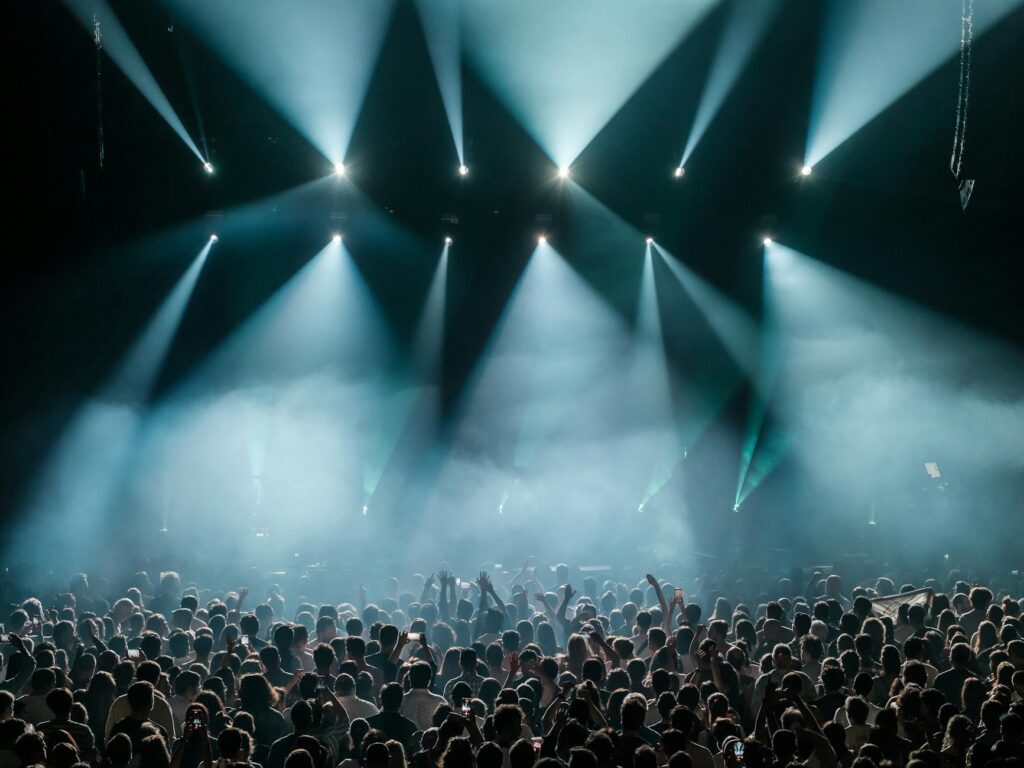
Springsteen is not the only artist navigating this kind of pressure in 2026. The decision to speak politically from a stage that holds tens of thousands of people has always carried some risk. But the nature and volume of that risk, at this particular moment in American public life, appears to have crossed into something different.
According to reporting from The Daily Beast, at a show in Austin, Texas, on April 26, 2026, following an attempted assassination on Trump, Springsteen addressed the moment directly, saying: “We can disagree. We can be critical of those in power, and we can peacefully fight for our beliefs. But there is no place in any way, shape, or form for political violence of any kind in our beloved United States.”
That is a notable thing to say when you’re the one receiving the threats. It’s also consistent with the version of Springsteen that has shown up to every show on this tour: someone who has thought carefully about what he’s doing and why, and who is not willing to stop because it’s gotten dangerous.
Van Zandt noted that security hasn’t disrupted their performance, and offered an interesting aside: “I actually am a lot less political now. I’m really not particularly interested anymore, but ironically, as I got out of it, Bruce got into it.”
What It Means to Keep Singing
There’s something genuinely uncomfortable about the situation that deserves naming plainly. In a functioning democracy, the idea that a musician could face escalating death threats, requiring active FBI surveillance, simply for saying what he thinks about the government at concerts, would be treated as an alarm bell. The threats themselves, whatever their specific nature, represent an attempt to frighten someone into silence. That’s worth acknowledging independently of where anyone stands on Springsteen’s politics, or Trump’s.
NPR’s reporting on the “Streets of Minneapolis” release captured something important about the moment the song arrived in: it’s “a full-band rock and roll song,” with “Springsteen’s raw and raspy voice full of indignation as he calls out ‘King Trump’ and his ‘federal thugs,’ and promises to remember the events unfolding in the streets of Minneapolis.” The song was not a whisper. It was not diplomatic. It was written and released in four days as an act of grief and fury, and it landed accordingly.
What followed, across the months of a tour that saw arenas packed with people who came specifically because of its political content, was a test of something harder to quantify than ticket sales. Springsteen has been adamant that he won’t buckle. He has been clear about the position the band holds culturally, and he remains deeply committed to that idea.
Van Zandt said the right thing when he said the FBI’s concern is warranted. He said the right thing when he said the fans need to feel safe. And Springsteen said the right thing in Austin, about political violence having no place anywhere in the country, even when the threats are aimed at him.
None of that resolves the underlying fact: it is now considered a genuine security risk for one of the most celebrated musicians alive to speak his mind on an American stage. That’s where things stand in May 2026, with three nights left on the tour and the FBI watching.
AI Disclaimer: This article was created with the assistance of AI tools and reviewed by a human editor.