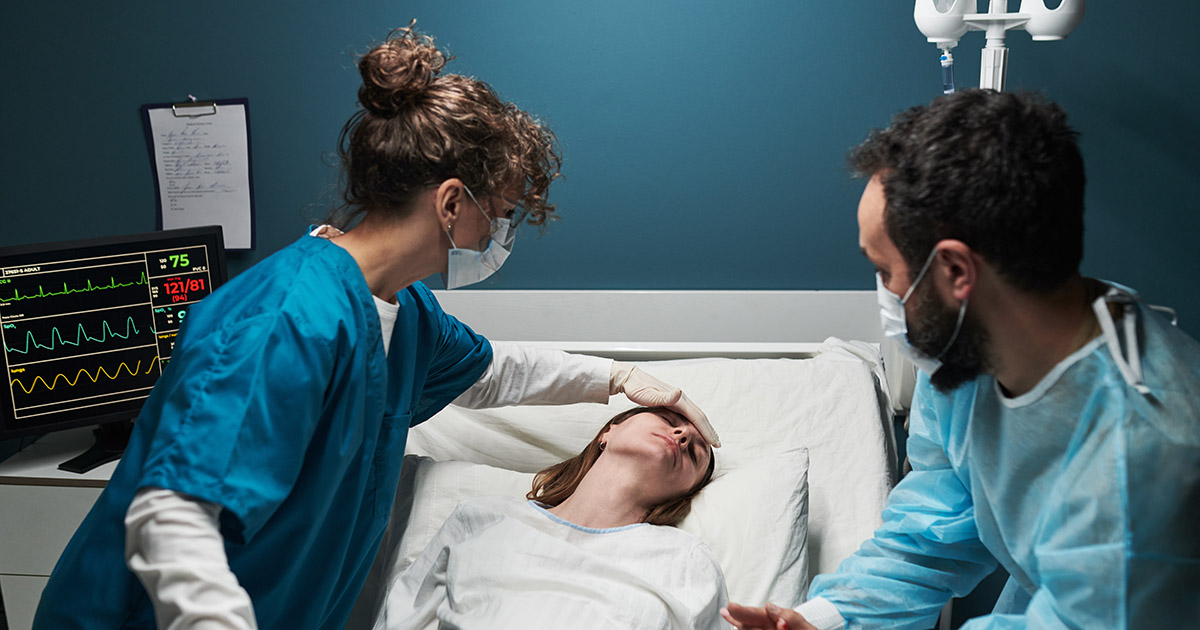

Most people picture death as a moment – a heartbeat that stops, a breath that doesn’t come back. What actually follows that moment is something far stranger, and far more active, than most of us imagine. The body doesn’t simply switch off like a light. It embarks on a cascade of biological events that are timed, sequential, and in some cases, genuinely surprising to anyone who hasn’t spent time studying forensic pathology or anatomy.
Some of these body changes after death have been understood for centuries. Forensic investigators have used them to reconstruct timelines in criminal cases for decades. Others, like the brain’s final electrical surge, are only now being documented with modern EEG equipment in intensive care units. Taken together, they paint a picture of death that is less like a full stop and more like an elaborate, involuntary process that the body carries out on its own terms.
None of this is morbid for its own sake. Understanding what happens to our bodies gives us a clearer, more honest relationship with something we spend a remarkable amount of energy avoiding. And some of what science has found in the last few years is, against all odds, almost comforting.
1. Your Skin Loses Its Color Within Minutes
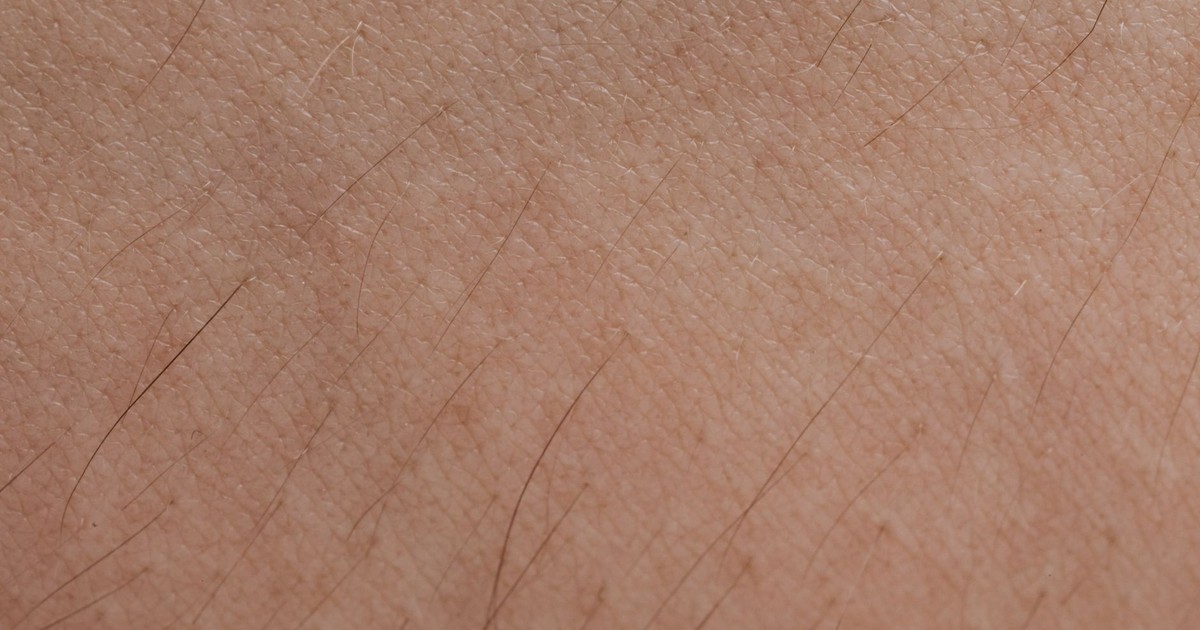
Within 15 to 30 minutes of the heart stopping, the skin begins to pale visibly as circulation ceases completely. This is called pallor mortis, from the Latin for “pale death,” and it’s the first outward sign that something irreversible has happened. The pinkish tone that living skin carries comes from blood actively moving through thousands of tiny capillaries just beneath the surface. Once that movement stops, the color drains.
The effect isn’t uniform across the body. Thinner skin, like that around the lips and fingertips, loses color first. Darker skin tones show the change differently, often appearing more ashen or grayish in the face and palms. Pallor mortis is so consistent and swift that it’s considered one of the immediate postmortem signs used by forensic pathologists and medical examiners when assessing a body at a scene.
What’s less well known is that pallor mortis can temporarily reverse the appearance of injury. Bruises and redness from physical trauma can become harder to read against paled skin, which is one reason forensic examiners are trained to account for the timing of this change when assessing cause of death.
2. The Body Begins Cooling Down
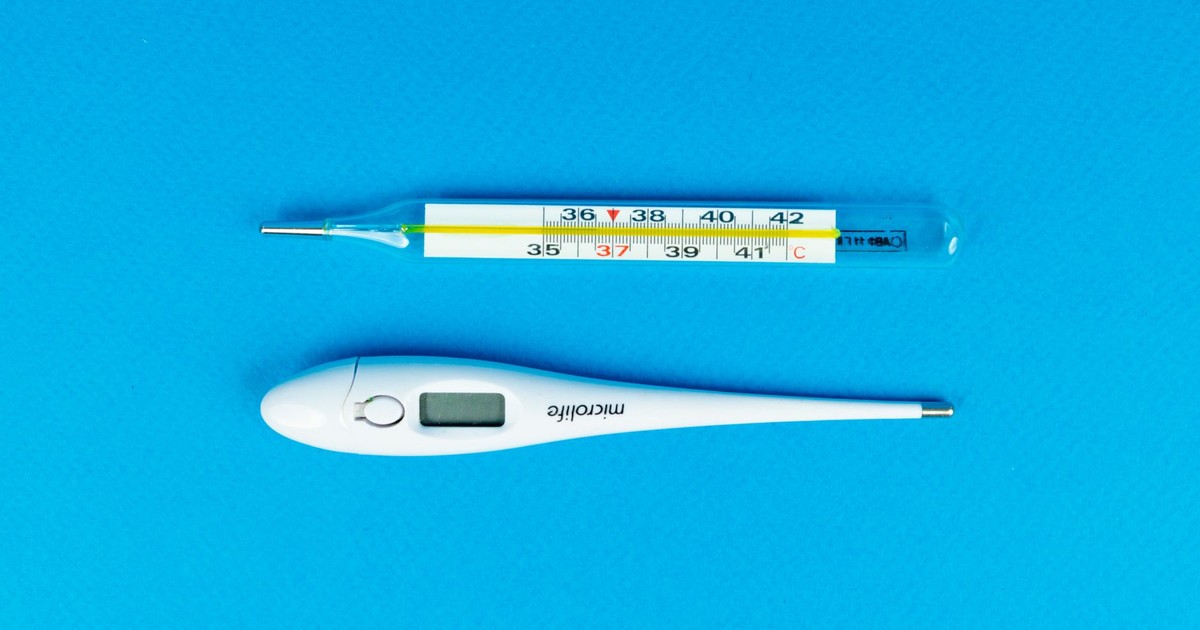
Algor mortis is the cooling of the body after death. During life, the body holds steady at around 98.6°F – the temperature at which most of its chemical reactions run efficiently. After death, that temperature regulation stops completely, and the body begins equilibrating to its surrounding environment, cooling at a rate of roughly one degree per hour during the first twelve hours.
That rate is a rough guide, not a rule. Several factors can alter how quickly this cooling happens, including the thickness of the deceased’s clothing, the ambient weather, the location, pre-death illness, and body size. Thick clothing before death, for instance, can slow the drop considerably.
The cooling is driven by the loss of homeostatic regulation from the hypothalamus, combined with the body shedding heat into its environment through conduction, convection, and radiation. For forensic investigators, algor mortis is the most accurate method of estimating time of death in the early post-mortem phase. The limitation is that it requires careful measurement and environmental context to be reliable, which is why investigators record room temperature and body position alongside core temperature readings.
3. Blood Settles and Stains the Skin
Once the heart stops, blood no longer has any force pushing it around the body. Gravity takes over. Blood begins gravitationally settling in whichever parts of the body are lowest, causing a bluish-purple skin discoloration known as livor mortis. It typically sets in within 20 to 30 minutes of death and increases in intensity until it becomes fixed at around 12 hours.
In the early hours, livor mortis is “unfixed” – pressing on an area of lividity will cause it to temporarily blanch, because the blood can still be displaced. After 8 to 12 hours, it becomes “fixed” as the blood in the capillaries begins clotting and can no longer be moved.
When the pattern of lividity doesn’t line up with gravity at the scene – meaning the discoloration appears on the wrong side of the body relative to how it’s lying – it indicates the body was moved after the blood fixed in place. This can tell investigators that the body was transported from a different location, which has obvious implications for criminal investigations. The fixed pattern of livor mortis essentially records the body’s final resting position in the hours after death, like a bruise that maps where gravity won.
4. Every Muscle in the Body Locks Up
Rigor mortis, the stiffening of muscles, typically begins within two to six hours after death and peaks around 12 hours. It starts in the smaller muscles of the face and jaw before progressing to the larger muscles of the limbs and torso. The jaw sets first, then the hands, then the arms and legs.
The reason it happens comes down to chemistry. After death, oxygen can no longer reach muscle fibers, and the body stops producing ATP – the molecule muscles use for energy. Without it, combined with a buildup of lactate and phosphate that creates an acidic environment, muscle proteins bind together and lock. The muscle stays contracted for as long as those proteins remain bound.
Rigor mortis lasts anywhere from one to four days before the muscles become limp again as the tissue begins to break down. Lower temperatures speed up the onset and prolong its duration, while warmer temperatures slow the onset and shorten it. This is why bodies in cold environments are sometimes found completely rigid hours before those in warm rooms would be. After rigor passes, the relaxation of muscles can cause the involuntary release of urine or feces – one of the more undignified truths of death that funeral professionals deal with routinely.
5. Your Cells Start Digesting Themselves
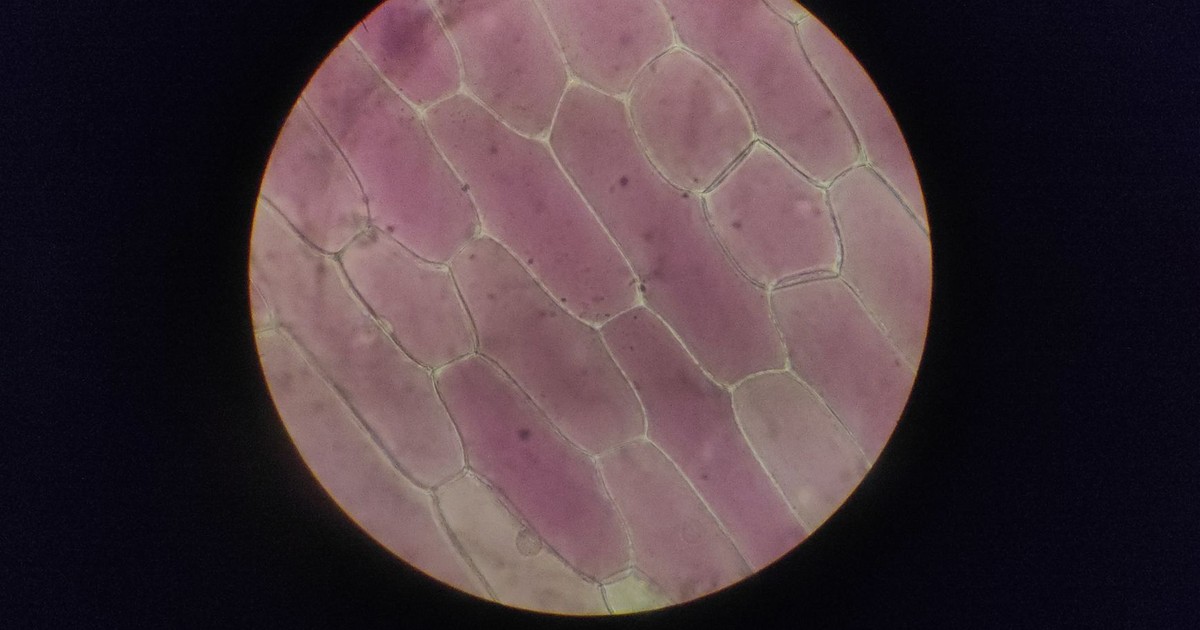
Dr. Arpad A. Vass, a forensic anthropologist and research scientist who spent 23 years at Oak Ridge National Laboratory studying human decomposition, documented that the process begins around four minutes after death with a process called autolysis. As soon as blood circulation and respiration stop, the body has no way of getting oxygen or removing waste products.
In autolysis, carbon dioxide accumulates inside cells, making the internal environment acidic. The enzymes that were previously responsible for maintaining normal cell function turn on the cells themselves, digesting them from the inside out. This process begins within minutes to hours after death.
The speed of autolysis depends on the type of tissue and is usually first noticed in the pancreas – which makes sense, because the pancreas contains some of the most powerful digestive enzymes in the body and is essentially the first organ to consume itself. From there, the process spreads to surrounding organs. Liver cells follow quickly. The process is entirely chemical and requires no outside help. No bacteria, no insects – just the body’s own machinery turning against itself.
6. The Body Bloats to Enormous Proportions
After autolysis triggers the breakdown of cells, the gut bacteria that were kept under control during life get the run of the place. As putrefaction sets in, bacteria that the immune system previously kept in check begin breaking down tissues and producing gases that cause the body to bloat and emit strong odors. The body turns greenish as bacteria break down hemoglobin in the blood, releasing sulfur compounds.
Bloat typically begins three to five days after death, with a foam containing blood and other material becoming visible. In hot, humid environments, bloating can begin within one to three days, while colder climates delay the process by several days.
During this stage, the human body can bloat to almost twice its normal size. The gases responsible include hydrogen sulfide, ammonia, carbon dioxide, and methane – all byproducts of bacterial activity working through soft tissue. The pressure eventually becomes great enough to force fluids from the nose and mouth. In some cases, the skin blisters and slips away from underlying tissue. It’s also during this stage that the smell becomes detectable from a significant distance, which is why trained search dogs can locate bodies through soil and concrete.
7. The Body Changes Color, From Green to Red to Black
The color changes after death follow a fairly predictable sequence, and each shift tells a forensic examiner something different about how long ago death occurred. The greenish discoloration that appears in the abdomen during putrefaction typically shows up first on the right side, directly over the cecum – the section of the large intestine where bacterial concentration is highest.
Between eight and ten days after death, the body turns from green to red as the blood decomposes and the organs in the abdomen accumulate gas. The red-brown marbling that appears across the skin during this period comes from blood and gas migrating through decomposing blood vessels just below the skin surface. It spreads outward from the torso along the paths of the major veins, creating a branching pattern that looks, in photographs, almost like tree roots spreading across the skin.
The gases produced during putrefaction include hydrogen sulfide, ammonia, carbon dioxide, and methane. Their buildup causes distension of the abdomen, swelling of the face and external genitalia, and forces putrefactive liquids from the mouth and nostrils. External signs include skin slippage, fluid-filled blisters, and the extrusion of hair and nails from loosened skin. Eventually, without intervention from soil, insects, or environmental conditions, the coloring deepens toward brown and black as tissue breaks down further into a semisolid state.
8. Hair and Nails Appear to Grow (But Don’t)

One of the most persistent myths about death is that hair and nails keep growing after a person dies. It’s in Gothic literature, horror movies, and countless informal conversations. It is also completely false, for a reason that’s almost more unsettling than the myth itself.
The UAMS Dermatology Clinic confirms that hair and nails only appear longer after death because of changes in the surrounding skin. What actually happens is that the skin and soft tissues around the fingernails and hair follicles dehydrate following death. As skin desiccates, it contracts and pulls back from the nail plate and hair shaft, creating the illusion of growth. The apparent lengthening is typically only a few millimeters – consistent with skin retraction rather than any cellular process.
Actual growth requires living cells producing keratin, and that process needs glucose and oxygen. Within minutes of death, the brain shuts down, and the complex network of cell activity that sustains life comes to a standstill. Without oxygen, cells cannot reproduce or repair themselves, and metabolism ceases. Nail and hair cells are no exception. The myth likely gained traction because early observers – including those exhuming bodies for reburial, a common practice in 19th-century Europe – noticed what appeared to be longer nails on a corpse. What they were actually seeing was dehydrated skin pulling back from the nail bed, a perfectly ordinary post-mortem change.
9. The Brain Fires a Final Surge of Activity
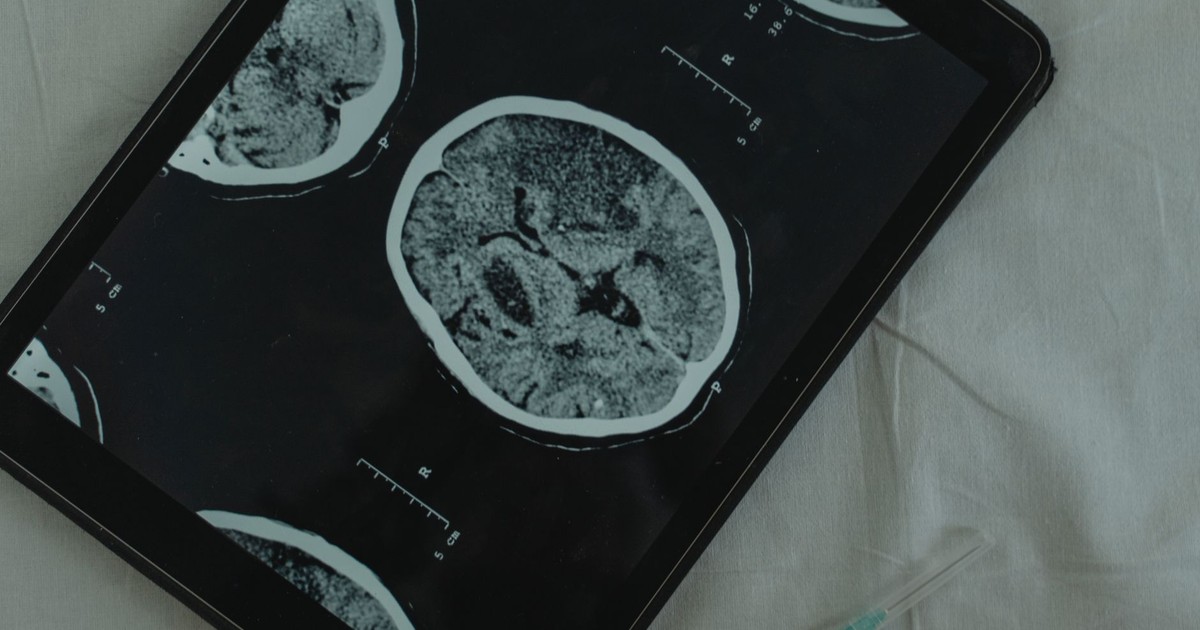
For a long time, death was assumed to be neurologically uneventful – the brain goes quiet, and that’s the end of it. More recent research has complicated that picture in a way that researchers are still trying to fully understand.
Researchers at the University of Michigan analyzed EEG data from four patients who died while being monitored in a neurointensive care unit. For these patients, all of whom were unconscious, the EEG recordings captured an unbroken record of brain activity in the minutes and seconds leading up to brain death. The results show distinctive bursts of coordinated neural activity, indicating that something significant happens as the brain reaches its final moments.
Unlike the broader wave of electrical shutdown, this coordinated activity is highly organized – the kind of pattern that, in a living person, appears during meditation or complex cognitive tasks. Whether it represents a conscious experience remains scientifically unresolved. This research is preliminary, drawn from a small number of cases, and has not yet established what subjective experience, if any, accompanies the surge. But it has shifted the conversation about what the brain does in its final seconds, and it adds a layer of scientific plausibility to reports of unusual experience at the point of death.
10. The Body Releases a Wave of Chemicals
At the moment of dying and in the seconds immediately following, Psychology Today reports that the body releases a striking cocktail of neurochemicals – not randomly, but as part of a sequence the brain appears to initiate under extreme stress.
Endorphins, the body’s natural opioids, are released in large quantities during extreme stress, including during death. They act to reduce pain and induce feelings of euphoria and calm, potentially easing the distress of dying. The surge of endorphins may contribute to the peaceful, pain-free experiences reported by people who have been revived after cardiac arrest, even when they sustained serious physical injuries before resuscitation.
Large releases of DMT – a powerful psychedelic compound naturally produced in small amounts in the human brain – are also thought to occur during death. The effects of DMT include profound alterations in perception, feelings of transcendence, and encounters with experiences that closely mirror descriptions of near-death experiences. The body also releases a significant surge of adrenaline and noradrenaline during the dying process, which are responsible for the fight-or-flight response. This surge may contribute to the rapid playback of life events reported by some individuals at the point of death – what’s commonly described as seeing one’s life flash before their eyes.
What to Do With All of This
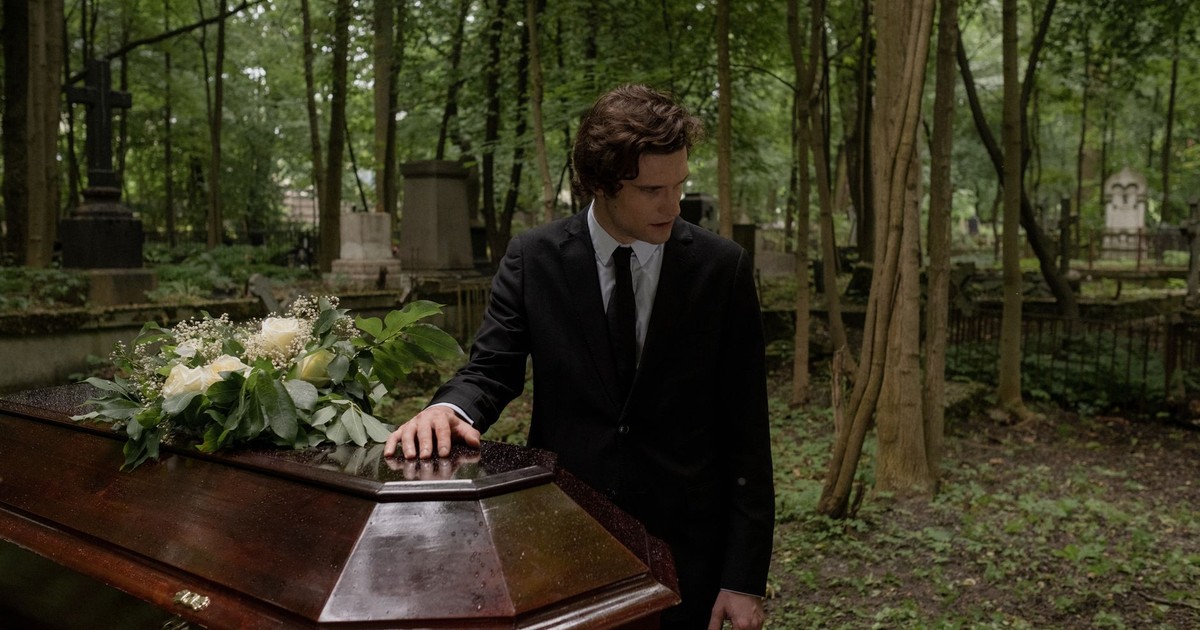
Death is the one event every human body is guaranteed to go through, and we spend an extraordinary amount of time and cultural energy avoiding thinking about it in any biological detail. The science tells a different story from the one most of us carry around. The body after death is not inert. It is, in a strange way, busy.
Some of what happens is startling when you first encounter it: a body that bloats and changes color, a brain that fires one last coordinated burst, a surge of neurochemicals that may soften the experience of dying itself. None of this resolves the bigger questions – what death feels like from the inside, what, if anything, follows it. Those questions remain genuinely open. But the body changes after death that science has mapped out do suggest something worth sitting with: the process is less like a switch being thrown and more like a long, ordered unwinding. The body, in its final act, is still following instructions written into every cell.
AI Disclaimer: This article was created with the assistance of AI tools and reviewed by a human editor.