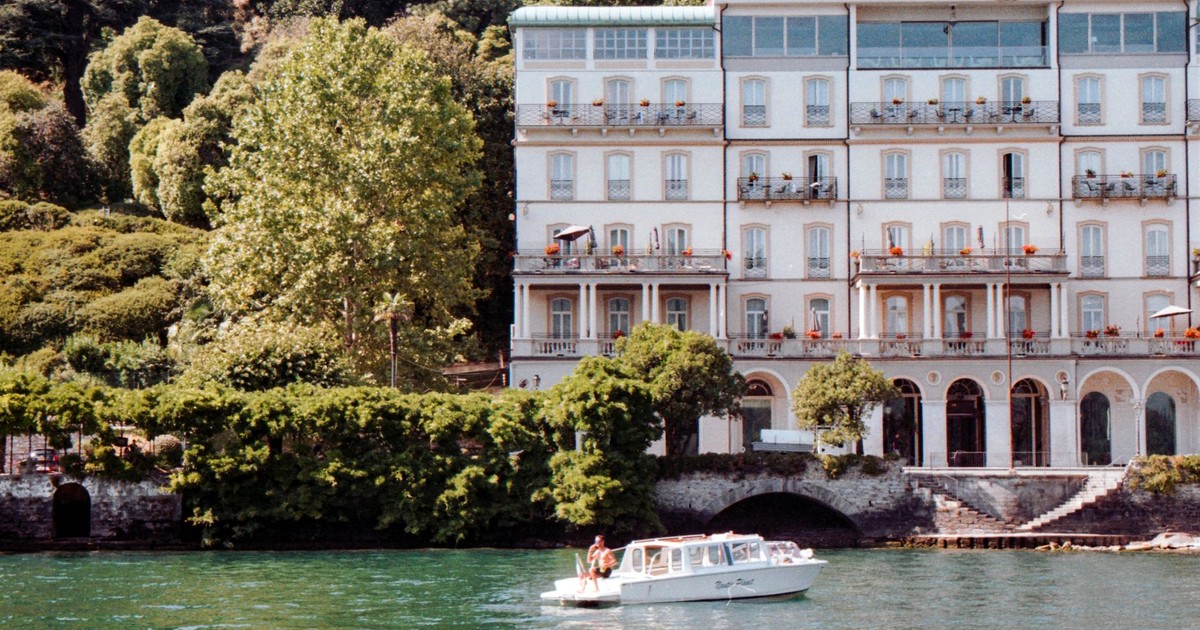

Some hotels make you dress for dinner. These ones make you arrive by boat, and the journey across the water is the first thing you’ll remember when you get home.
The airport drop-off is behind you, the luggage has been loaded, and the only thing between you and your room is a stretch of open water. It changes how you arrive, slower, more awake to where you actually are. The hotels on this list have built their entire identity around that moment. They sit on islands in Indian lakes, in the Venetian lagoon, off the coral-ringed coast of Zanzibar, deep in the Maldives. Some have been accepting guests for centuries. Others opened in the last decade. All of them have one thing in common: you can’t drive up to the front door.
These are ten of the best boat access hotels on the planet, from white-sand private islands in the Indian Ocean to a 300-year-old palace rising from a royal lake in Rajasthan. The water crossing isn’t a logistical quirk. It keeps crowds out, maintains the silence, and makes a place feel genuinely removed from everything else.
1. Hotel Cipriani, A Belmond Hotel, Venice, Italy
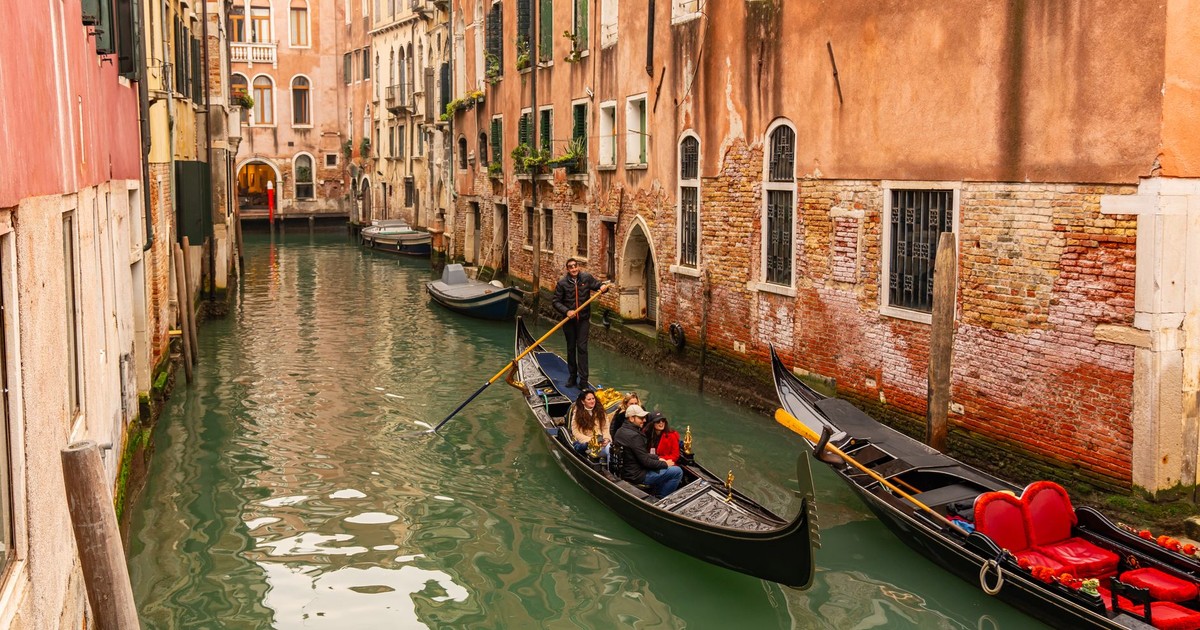
The Cipriani opened in 1958, the brainchild of Giuseppe Cipriani, the man behind Harry’s Bar and the original Bellini cocktail. It sits on Giudecca Island, separated from the rest of Venice by a narrow stretch of lagoon, and the only way in is by water.
A five-minute boat ride from St. Mark’s Square delivers guests to the sprawling property, which includes landscaped gardens, an intimate spa, a large saltwater pool, and clay tennis courts. The hotel’s Michelin-starred restaurant, Oro, features a golden ceiling and serves gourmet interpretations of Venetian cuisine. The complimentary private launch runs continuously from early morning until 1am, so the separation from the city is real but never inconvenient. The shuttle ferries guests from central St. Mark’s Square to the scenic end of Giudecca, with views of San Giorgio Maggiore, the city’s 16th-century Benedictine church, making the trip itself feel like a private sightseeing tour.
Cipriani gives you a Venice that isn’t exhausted by its own popularity. The hotel has 96 rooms and suites, some featuring balconies and terraces overlooking the lagoon. You wake up with the water on three sides, the church spires of Venice in the distance, and no vaporetto crowd in sight.
2. andBeyond Mnemba Island Lodge, Zanzibar, Tanzania
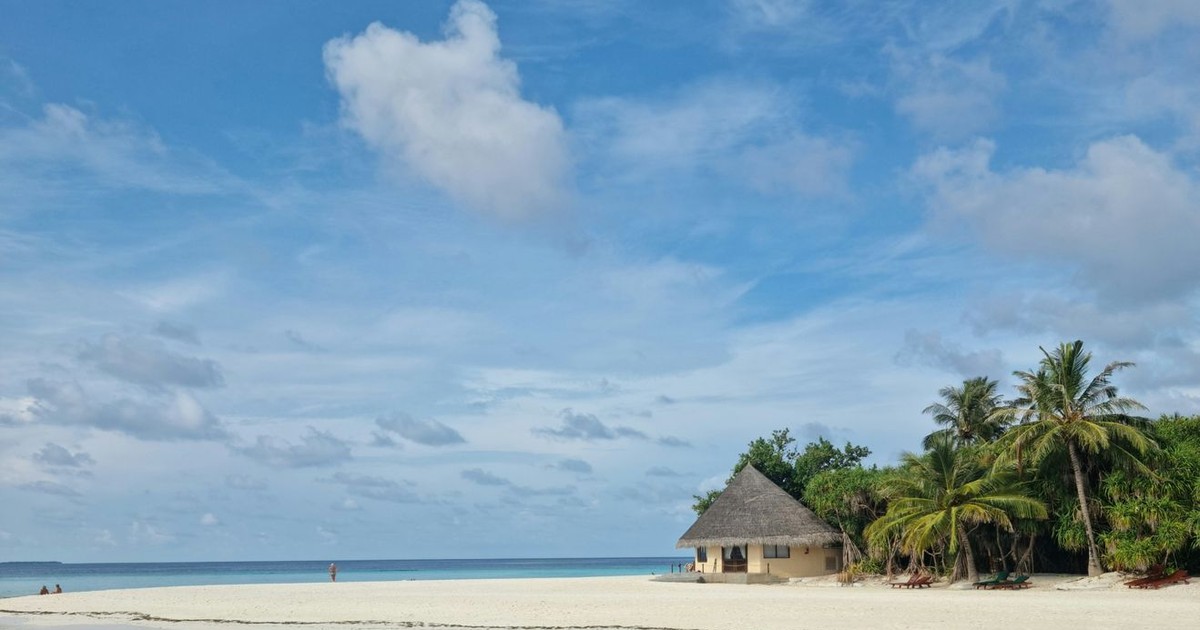
andBeyond Mnemba Island is a private beach paradise just off the northeast coast of Zanzibar. Getting there involves a 90-minute drive from Stone Town followed by a boat crossing, a short 10 to 15-minute ride that deposits you directly onto Mnemba’s white-sand beach. There are no jetties, so guests wade through shallow water to board and disembark. It sounds like a minor inconvenience. In practice, it’s one of the better arrival experiences in African hospitality.
A comprehensive refurbishment closed the lodge from January to October 2024. The bandas were completely rebuilt and enlarged, all interiors replaced, and solar power implemented throughout. Twelve high-ceilinged, thatched bandas sit footsteps from a flour-fine sand beach, furnished with elaborately carved wooden beds. The island is almost entirely encircled by a protected coral atoll, which means the snorkeling directly off the beach is genuinely world-class. Activities include scuba diving with two dives per day, snorkeling, kayaking, a sundowner dhow cruise, and stand-up paddle boarding.
Just under a mile in circumference, Mnemba Island has permanent residents that include poodle-sized suni antelope, breeding doves, and enormous terrestrial coconut crabs. Sunbathers can spot dolphins from the beach year-round, and scuba divers occasionally encounter whale sharks. A new discovery center showcases the conservation and community programs run by Oceans Without Borders, a collaboration between andBeyond and the Africa Foundation, covering coral reef restoration and reef nursery development.
3. Taj Lake Palace, Udaipur, India
The Taj Lake Palace in Udaipur doesn’t sit beside the lake. It sits in the middle of it. Built between 1743 and 1746 as a royal pleasure palace for Maharana Jagat Singh II of Mewar, the property occupies the entire surface of a small island in Lake Pichola, with no land access of any kind. Guests arrive at the hotel’s private dock on the city side of the lake and are ferried across. When visitors arrive at the hotel by boat, flower petals fall from above, a welcome ceremony that’s been running for decades and somehow hasn’t gotten old.
The palace has more than 80 rooms and suites, all decorated with hand-painted frescoes, mirror-work, and carved marble accumulated over three centuries. The outdoor pool appears to float on the lake surface itself, surrounded on all sides by open water with the Aravalli hills in the distance. Guests can arrange an exclusive sunset cruise to Jag Mandir and a private dinner on a 150-year-old royal boat.
The city of Udaipur crowds the shore on every side, which means the view from the palace is constant and theatrical. At night, the lights of the City Palace reflect off the water and the whole scene looks like something that shouldn’t actually exist. The boat crossing to check in, maybe four minutes each way, creates a psychological distance from the city far greater than the physical one.
4. Gili Lankanfushi, North Malé Atoll, Maldives
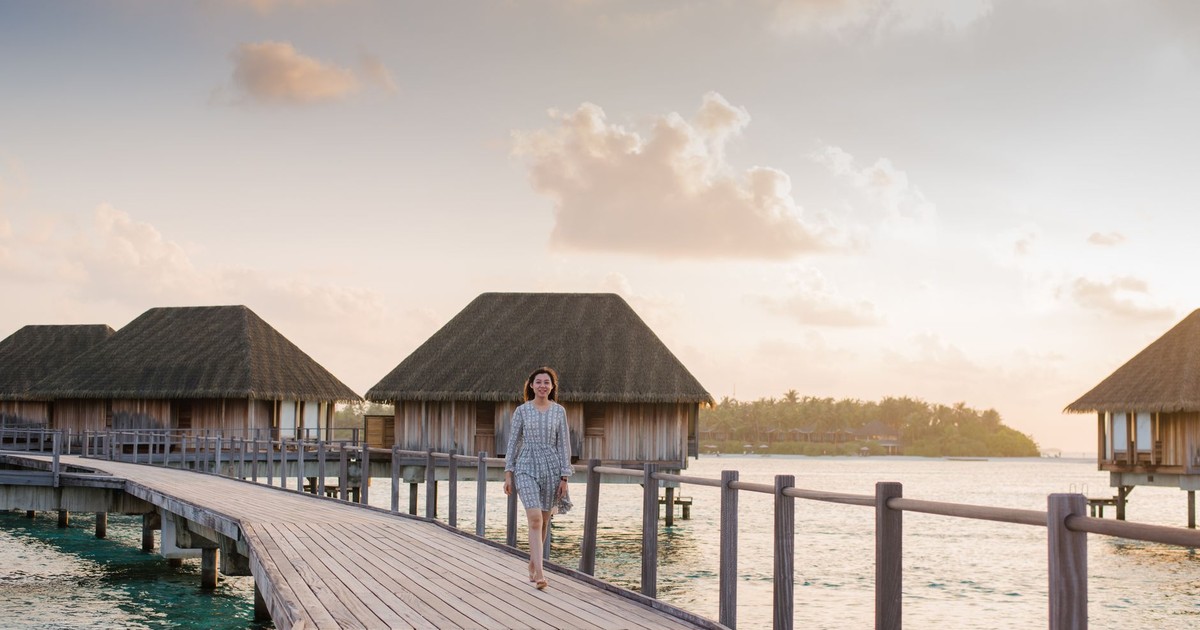
Approximately 30 minutes by speedboat from Malé International Airport sits one of the Maldives’ most consistently celebrated resorts. Gili Lankanfushi occupies its own private island in the North Malé Atoll and has appeared on virtually every serious luxury travel list in the past decade. The island is small enough to walk around in twenty minutes and large enough to feel genuinely spacious, a balance the Maldives doesn’t always get right.
The overwater villas here are among the largest in the Maldives, built on stilts above the lagoon with direct access to the water from private sun decks. The resort operates a no-shoes, no-news, no-kids-under-six policy across the property, details that tell you exactly what kind of guest they’re designing for. Each villa comes with a dedicated “Mr. or Mrs. Friday,” a personal host who anticipates needs before guests articulate them. The house reef is accessible directly from the villas, which matters more than almost any other amenity for guests who want to actually use the water rather than look at it.
The speedboat crossing from the airport is part of the deliberate decompression the resort builds into the arrival experience. By the time you dock, you’re already somewhere else.
5. Punta Caracol Acqua Lodge, Bocas Del Toro, Panama
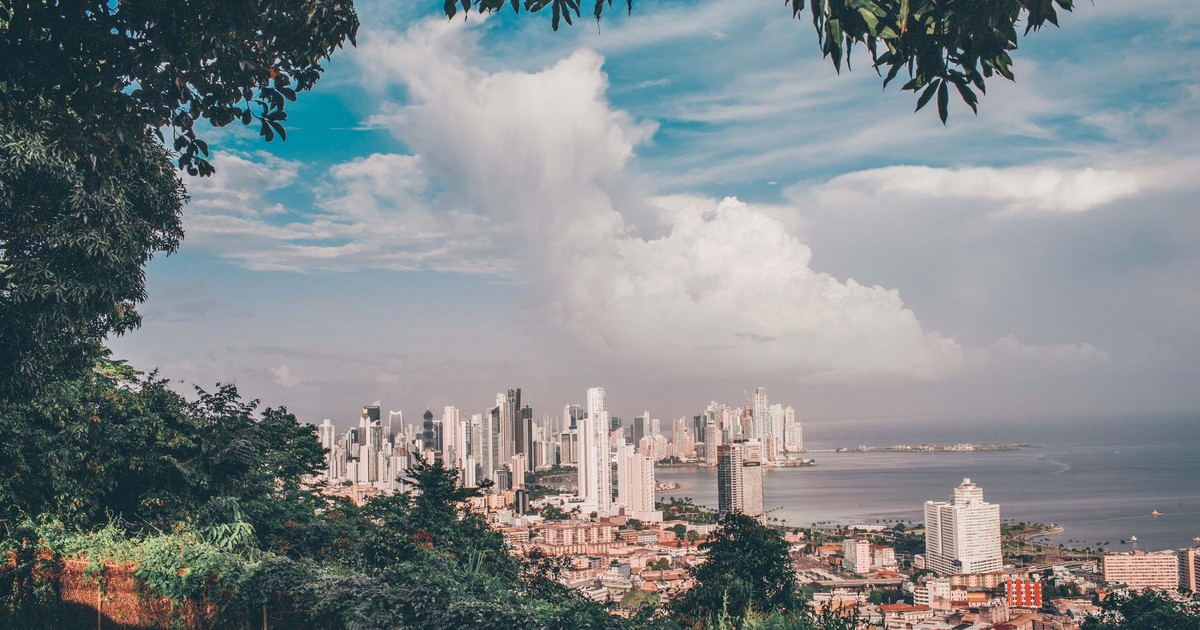
Most boat access hotels are about exclusivity. Punta Caracol in Panama’s Bocas del Toro archipelago is about something slightly different: the feeling of sleeping directly over the Caribbean Sea, in a cluster of overwater bungalows connected by wooden walkways above the coral. The property sits about 15 minutes by boat from Bocas Town on Isla Colón, reached via a transfer boat the lodge sends out to meet guests at the dock.
The bungalows are built on stilts directly above the water, each with glass panels set into the floor so you can watch fish move beneath you while you eat breakfast. The surrounding sea is part of the Bastimentos Marine National Park, one of Central America’s most biodiverse protected marine areas, and the snorkeling around the lodge’s supporting posts is genuinely remarkable. Dolphin Bay, where bottlenose dolphins gather in large numbers, is a short boat ride from the property.
What makes Punta Caracol interesting alongside the more expensive properties on this list is its scale. It’s a small lodge, not a resort. The whole place accommodates perhaps 30 guests at capacity, and the staff-to-guest ratio reflects that. The boat ride over the turquoise channels of the archipelago to get there is its own small adventure.
6. Bawah Reserve, Anambas Islands, Indonesia
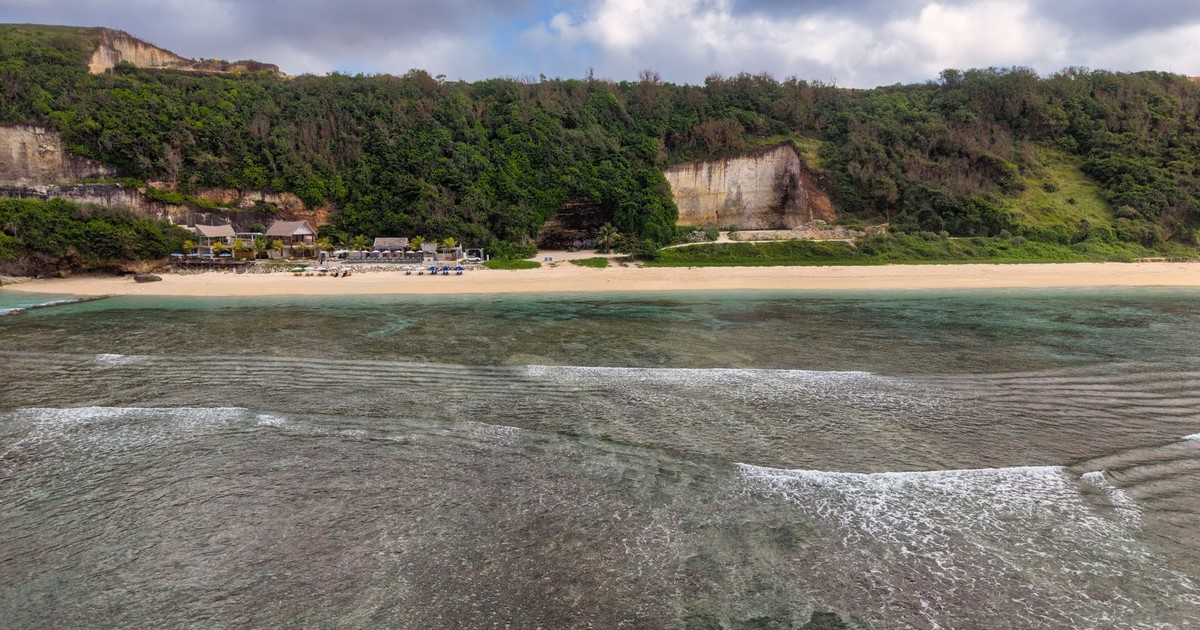
Bawah Reserve sits in the Anambas archipelago, about 150 miles northeast of Singapore in the South China Sea, and it is genuinely, almost absurdly, remote. Getting there requires a flight from Singapore to Batam or Tanjung Pinang, followed by a 45-minute seaplane ride that ends with a water landing in one of the most photogenic lagoons in Southeast Asia. The boat transfer across the lagoon to the lodge itself is the final leg.
The reserve covers six islands, three lagoons, and thirteen beaches, all of it private and protected. The resort opened in 2017 after years of conservation work to restore coral reefs degraded by blast fishing, and the marine environment around it has recovered substantially. The overwater bungalows, beach villas, and forest suites are spread across two of the islands, connected by boat. Guests don’t drive between them, they take small wooden boats, which means even getting from dinner back to your villa involves crossing a stretch of warm open water at night.
The conservation commitment here is more than marketing. The reef restoration program and the no-single-use plastic policy were built into the resort’s design from the start. The reef’s current health owes a great deal to its inaccessibility. Blast fishing stopped when the lodge arrived, not the other way around.
7. Le Taha’a Island Resort & Spa, Raiatea, French Polynesia
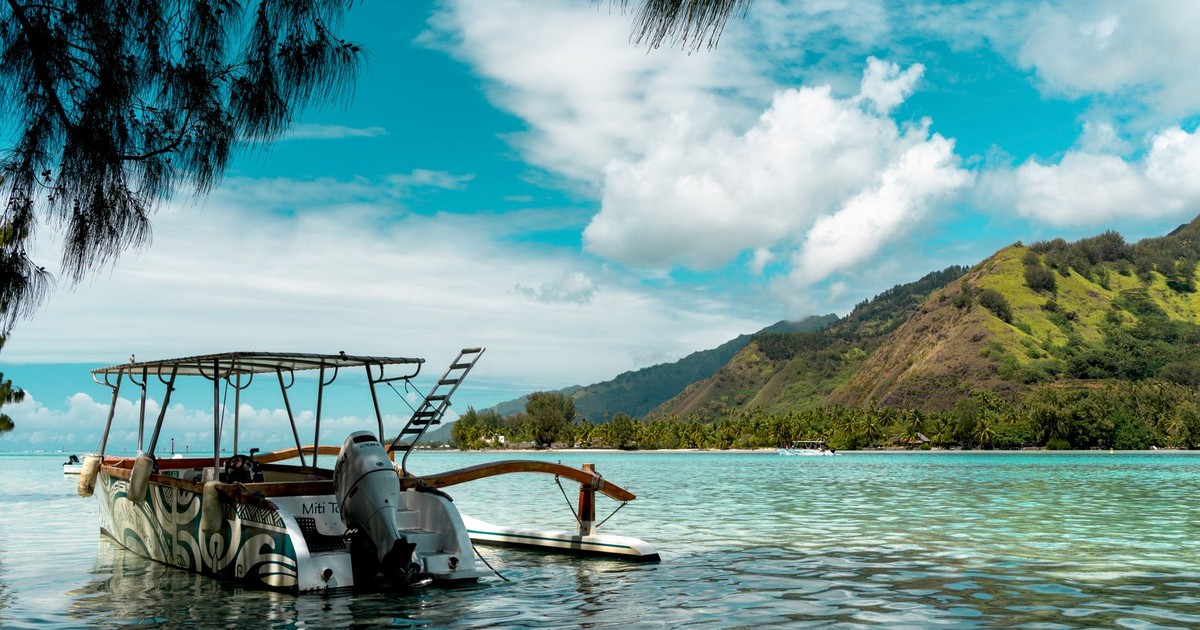
French Polynesia’s overwater bungalows have become so widely imitated that it’s easy to forget what the original experience actually feels like. Le Taha’a Island Resort sits on its own private motu (a small coral islet) off the coast of Taha’a island in the Society Islands, reached by private island boat transfer from Raiatea airport. The crossing takes about 30 minutes and delivers guests to a stretch of white sand with Bora Bora’s silhouette visible on the horizon on clear days.
The overwater bungalows at Le Taha’a are built over a lagoon whose color changes through the day, pale green in the morning, deep turquoise by afternoon. Each bungalow has a glass floor panel in the living area, a private deck with direct lagoon access, and an outdoor shower surrounded by tropical plantings. The vanilla production for which Taha’a island is famous means the air around the property carries a faint sweetness that no interior designer could replicate.
The resort’s restaurant sources most of its ingredients from the garden and the surrounding sea, and the French Polynesian tasting menus served in the overwater dining pavilion are worth the flight alone. The private motu means the property stays entirely free of outside visitors. Anyone you see on the property is a guest.
8. The Brando, Tetiaroa, French Polynesia
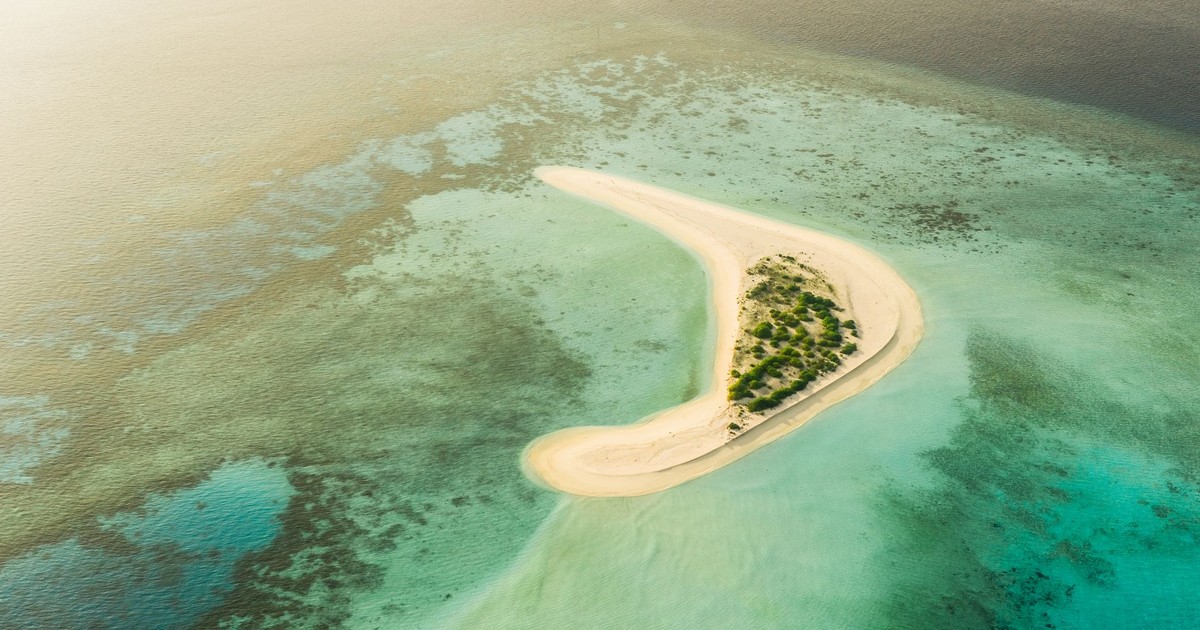
Tetiaroa is an atoll about 35 miles north of Tahiti that Marlon Brando first encountered while filming Mutiny on the Bounty in 1962 and eventually purchased. He envisioned developing it as an ecological research station and resort, a vision that took decades to realize. The Brando, which opened in the summer of 2014, is the realization of that vision, and it remains one of the most architecturally and environmentally serious hotels in the world.
Access is by a 20-minute private aircraft flight from Tahiti’s Faa’a airport in the resort’s own fleet of small planes, followed by a short boat transfer across the lagoon to the island itself. The 35 villas are built among the palm trees at the edge of the atoll’s interior, each with its own private pool and direct beach access. The resort runs almost entirely on renewable energy, a combination of solar power and a coconut oil biofuel generator, and the research partnership with the Tetiaroa Society means scientists studying dolphin behavior, seabird nesting, and reef ecology share the island with guests.
The Brando’s beach restaurant occasionally receives visiting researchers at dinner, which creates a very specific kind of conversation. It’s the only luxury resort on the planet where your neighbor at the next table might be presenting findings on whale song migration routes in the morning.
9. Fogo Island Inn, Fogo Island, Newfoundland, Canada
Fogo Island Inn is the odd one out on this list, not a tropical retreat, not an overwater bungalow, not warm. It sits on the northeastern tip of Fogo Island off the coast of Newfoundland, accessible by a short ferry crossing from the mainland town of Farewell. The ferry is public infrastructure, shared with the island’s year-round population of about 2,000 people. It takes about 45 minutes and runs several times a day.
What happens at the end of that ferry crossing is one of the most architecturally striking hotels in the Northern Hemisphere. The building was designed by Todd Saunders and sits on stilts over the rocky shoreline, jutting out above the North Atlantic. The 29 suites look directly out to sea, and in certain seasons, icebergs drift past. The dining room menu is built around the island’s fishing community, the cod, crab, and capelin that Fogo Islanders have been eating for centuries are on the table, cooked properly.
The Inn was built as part of a broader economic development project by Zita Cobb, who grew up on Fogo Island and returned to reinvest in it. Room rates are high deliberately, a portion of every booking funds community programs. The boat that gets you there drops you into a community that has been fishing these waters since the 15th century, and the hotel is designed to make sure you notice.
10. Kokomo Private Island, Fiji
Kokomo Private Island sits in the Kadavu archipelago in the southern Fiji group, about 50 miles south of Viti Levu. Getting there requires a 35-minute flight from Nadi airport to Kadavu on a small propeller aircraft, followed by a boat transfer across a stretch of the Koro Sea to the island itself. The Astrolabe Reef, which surrounds Kadavu and is one of the world’s largest barrier reefs, is visible from the boat as you approach.
The island covers 140 acres and was developed from scratch as a private island resort, opening in 2016. The 21 residences and villas are set among tropical gardens and clifftop positions with views across the reef. The house reef around the island is part of the Astrolabe system, and the dive program at Kokomo is considered among the best in Fiji. The reef drops to extreme depths close to shore and the soft coral coverage is exceptional.
Kokomo’s restaurant grows much of its produce in the island’s own gardens, and the Fijian staff-to-guest ratio is generous enough that the service feels genuinely personal rather than hospitality-industry standard. The boat crossing from Kadavu is the last barrier between the airport and the island, and by the time it ends, the reef colors visible through the hull of the transfer boat have already done most of the resort’s marketing work.
The Journey Is Part of It
What these ten properties understand, that most hotels don’t, is that arrival sets the tone for everything that follows. The hour of your check-in, the weight of the front door, the first thing you see from the window: all of it shapes what the stay becomes. When the arrival involves crossing open water, something shifts. You can’t stay on your phone for the whole crossing without missing something. The light off the water demands at least a few seconds of your attention.
That enforced pause is the real luxury on offer. Not the thread count or the tasting menu or the infinity pool, those things are fine, but they’re available plenty of other places. What you genuinely can’t find anywhere else is a hotel whose physical location requires the world to recede behind a widening stretch of water before you ever unpack. The room rates at places like The Brando and Cipriani are substantial. But the product they’re actually selling is that space between the dock and the door, and the particular kind of present-tense attention it produces in almost everyone who makes the crossing.
If you’re deciding between them: the cold-water entry (Fogo Island) suits a particular temperament, and the warm-water Indian Ocean properties suit another entirely. What they share is the ferry, the speedboat, the private launch, the dhow. All of them require you to leave the mainland behind before the hospitality even begins.
Disclaimer: This information is not intended to be a substitute for professional medical advice, diagnosis, or treatment and is for information only. Always seek the advice of your physician or another qualified health provider with any questions about your medical condition and/or current medication. Do not disregard professional medical advice or delay seeking advice or treatment because of something you have read here.
AI Disclaimer: This article was created with the assistance of AI tools and reviewed by a human editor.