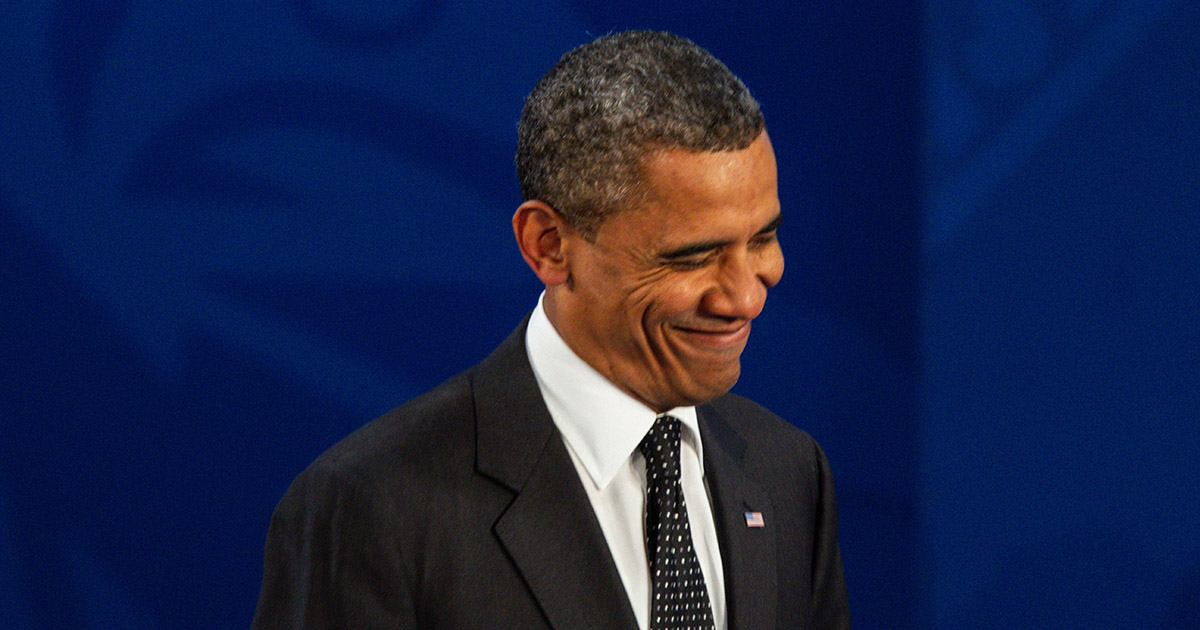
Barack Obama turns 65 this August. Most people who reach a milestone birthday while still broadly in the public eye find some way to project invincibility. Obama, who sat down with People magazine for a joint interview with Michelle on June 25, did the opposite. He admitted his knees worry him. He acknowledged his gray hair. He pointed at his wife and said, plainly, that she looked better than he did.
It landed as a small, funny moment in an otherwise celebratory week. But the candor in it was real, and it said something worth paying attention to: here is a man who spent eight years with the most demanding job on earth, who has always been associated with physical discipline and basketball, and who is now, at 64, talking about protecting his Achilles tendon and getting serious about stretching. Not performing wellness. Just being honest about what it actually feels like to be in your mid-60s.
The interview took place around the opening of the Obama Presidential Center in Chicago, a project that has been years in the making. The question that drew the most candid health answer was a simple one: would he be playing pickup basketball at the new Home Court facility inside the campus?
The Basketball Answer Nobody Expected
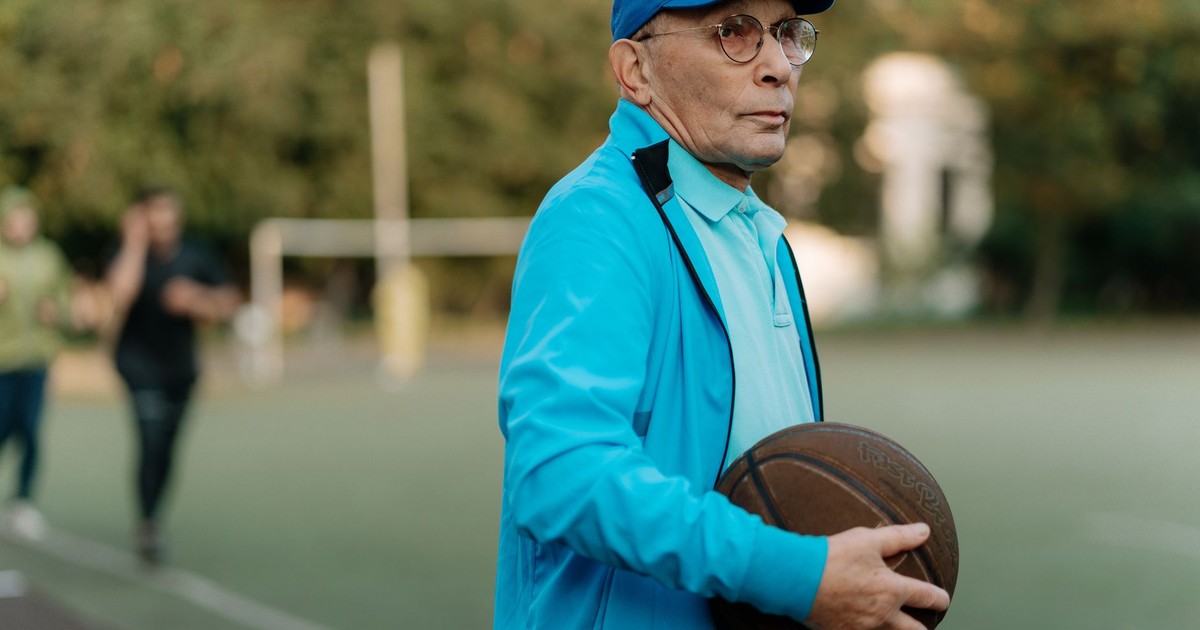
Obama’s answer was direct, as reported in People magazine’s June 25 cover story: “No, now I will take folks on for a game of HORSE, we can have some shooting contests. I am not running up and down that court because I want to protect my knees and my Achilles. I don’t want to be in a boot.” He added that straight-line movement still feels fine, but the moment things get lateral, he starts worrying about what might go wrong.
For anyone who followed Obama through his presidency, this is a small shift. Basketball wasn’t just a hobby for him; it was a near-daily ritual, a way of clearing his head, and something he was known to be genuinely competitive about. He confided that despite being a longtime fan of the sport, he won’t be participating in full games at the new Home Court at the Obama Presidential Center. Shooting contests, fine. Running the court? That’s where caution kicks in.
It’s a distinction that will resonate with anyone who has crossed into their 60s and noticed that the body has started issuing new instructions. The desire to move hasn’t changed. The calculation about what that movement costs the next morning has. Obama isn’t saying he’s out of shape. He’s saying he’s paying attention, and there’s a difference.
The Presidential Center That Finally Opened
The backdrop to all of this matters. A dedication ceremony for the Obama Presidential Center was held on June 18, 2026, before opening to the public the following day, on June 19th, Juneteenth. Thousands of visitors gathered in Chicago to celebrate the grand opening of the former president’s presidential library campus, marking the culmination of years of planning and creating a new cultural and educational destination on the city’s South Side.
According to Good Morning America, the final all-in project cost for the Presidential Center came to $850 million. The 19.3-acre campus features a one-of-a-kind museum, a community hub, a new branch of the Chicago Public Library, and Home Court, an athletics and recreation space, as well as dozens of outdoor spaces available to visitors year-round.
Home Court includes an NBA-regulation-sized basketball court and sign-up programs for a range of athletic activities. It’s a facility designed for the community, not just for use by the man whose name is on the building. With the Obama Presidential Center now open, community members can take advantage of the many health and wellness offerings across the 19-acre campus, with the gym designed to bring people together for fitness, recreation, and community events.
That community emphasis clearly means something to Michelle. She noted in the interview that the gym will host birthday parties and multi-purpose events: “In the gym there are all of these multi-purpose rooms where hopefully community people will do yoga,” or even ballet, she added. The vision isn’t a presidential shrine. It’s a place people actually use.
“I Don’t Look as Good as Her”
The moment in the interview that got the most attention wasn’t about the center at all. It was three seconds of self-deprecating honesty that felt more genuine than most things public figures say about their health. Obama gestured toward his wife and said, “I feel good, I mean look, I don’t look as good as her.” Michelle insisted otherwise, telling him “of course you do,” and suggesting the gray hair was a factor, since he never chose to dye it. Obama admitted that would be “too much trouble.”
Ahead of his 65th birthday in August, Obama has been reflecting on getting older. In the joint interview with Michelle, he discussed aging candidly. What comes through isn’t vanity or complaint. It’s a 64-year-old man who seems comfortable with where he is, aware of what’s changed, and genuinely not troubled by either.
The gray hair comment is its own little piece of the picture. Michelle was teasing, not criticizing. Obama’s response, that dyeing it would simply be too much trouble, has the ring of someone who decided years ago not to spend energy on things that don’t matter to him. That’s a different kind of health than a fitness routine.
Michelle’s Influence on What Comes Next
The more revealing stretch of the conversation came when Obama talked about where his fitness is headed, and who is motivating that direction. Michelle has become more committed to stretching and flexibility than her husband, something Obama openly admitted he needs to work on. “Michelle, obviously, she looks spectacular, but she is way ahead of me on the whole stretching and flexibility tip. And that is my next stage,” he said.
It’s not just basketball that draws the comparison. Michelle has been getting more into tennis lately, and Obama acknowledged she’s “gotten very good.” Michelle’s observation about her husband was blunt: “He’s got to stretch out those calves or he’s going to pop something.” Obama agreed with characteristic understatement: “Don’t want to do that. I don’t want to pop nothing.”
Obama revealed he is considering adding yoga to his routine. Which, if you’ve followed him at all, is the most surprising sentence in this whole piece. The man who used to play basketball for an hour before his morning briefings is now thinking about getting a yoga mat out. That’s not a retreat. For anyone serious about long-term joint health and injury prevention in their 60s, it’s probably overdue.
For Michelle, maintaining an active lifestyle has meant taking on new challenges. “I tend to get fanatical about stuff that I try. So I started deciding, I’m going to play tennis. And in order to get good at something, you’ve got to play,” she said. There’s something quietly competitive in that framing, and it’s clearly infectious. Obama didn’t just praise her. He named her approach as the model for his own next chapter.
What Fitness After 60 Actually Looks Like
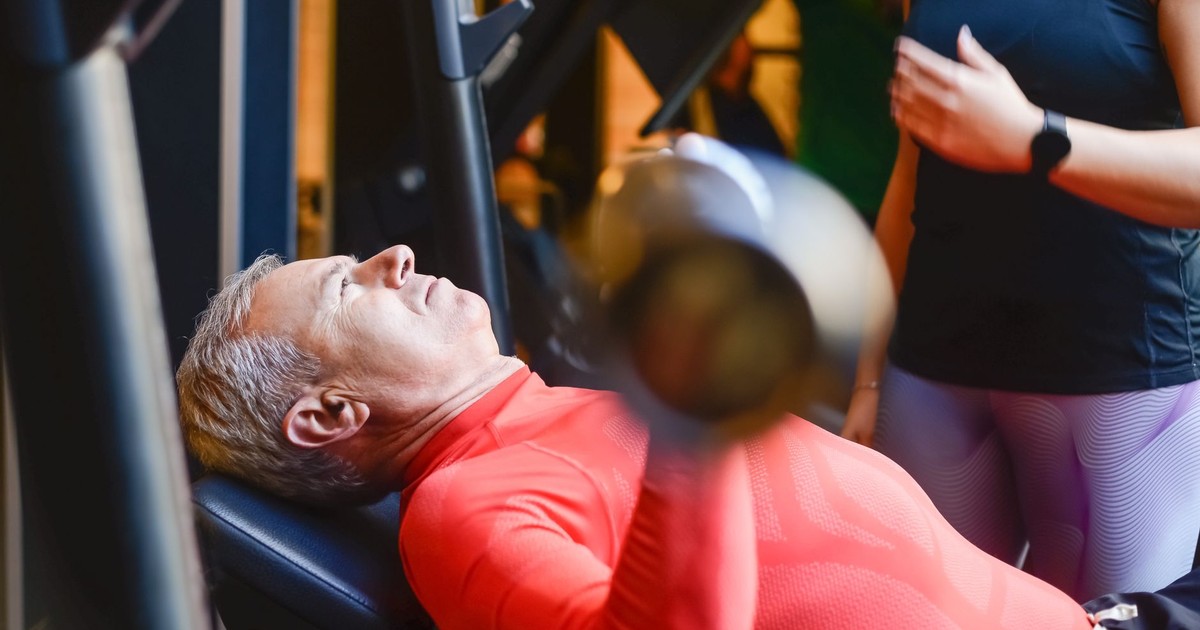
Obama’s recalibration, from full-court basketball to shooting contests, from ignoring flexibility to treating it as a priority, mirrors a shift that sports medicine researchers have tracked in physically active adults moving through their 60s. The change isn’t about giving up. It’s about switching from high-impact, high-risk activities to the kinds of movement that compound over decades rather than create injury debt.
Protecting the knees and Achilles tendon isn’t just caution for its own sake. The Achilles is the largest tendon in the body, running from the calf muscles to the heel bone, and research published in a 2017 study in the American Journal of Sports Medicine found that older patients with existing Achilles tendon stress are significantly more vulnerable to rupture than younger individuals. Obama’s “I don’t want to pop nothing” has real physiological backing. A tendon rupture at 64 means surgery, months in a boot, and a long rehabilitation. His preference for HORSE over pickup ball is, functionally, the right call. Anyone who has watched an otherwise-healthy person in their 60s try to return to the sport they played in their 40s knows that the ego recovers slower than the tendon does.
Flexibility and mobility work, the stretching and yoga territory Obama says he’s now moving toward, tend to get dismissed as the less serious end of fitness. The evidence doesn’t support that dismissal. Reduced flexibility in the hips and calves is one of the primary contributors to knee pain and Achilles strain in older adults. If Michelle has been ahead of him on this for years, and if his calves are still chronically tight, the yoga mat probably should have come out sooner. It’s the kind of thing that feels low-stakes until the morning you can’t get out of bed.
The Couple Doing It Together
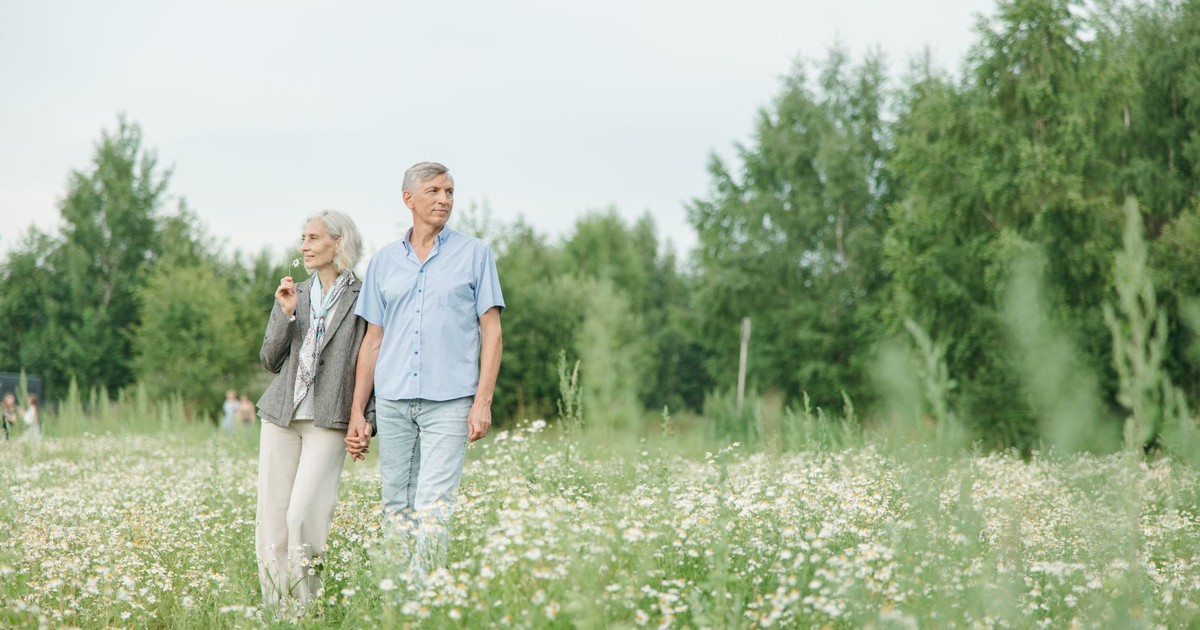
One thread running through the entire People interview that deserves more attention than it’s getting is the dynamic between them. This isn’t two people talking about their separate fitness routines. It’s two people openly comparing notes, teasing each other, and using each other as motivation in opposite directions.
Michelle is ahead on flexibility. Barack is still the one she’d challenge to a tennis match if he’d just deal with his calves. She calls him out publicly and affectionately. He defers to her lead on where his fitness is going next. That kind of relationship, where each person raises the bar for the other without it feeling like a competition, is a real thing. It doesn’t happen automatically, and it doesn’t happen in every marriage. The fact that they were describing it this way, laughing in the middle of it, suggests it’s genuine rather than performed for the interview.
In his speech at the center’s opening, Obama described what he wanted the space to be: “We wanted it to be a vibrant, living celebration of community, where we can learn together and share the joys of art and music and sport and play, because it’s in those moments that we’re reminded of our common humanity.” That’s a vision for a building, but it also describes, fairly accurately, how the two of them seem to be approaching this chapter of their lives.
Getting Older Without Pretending Otherwise
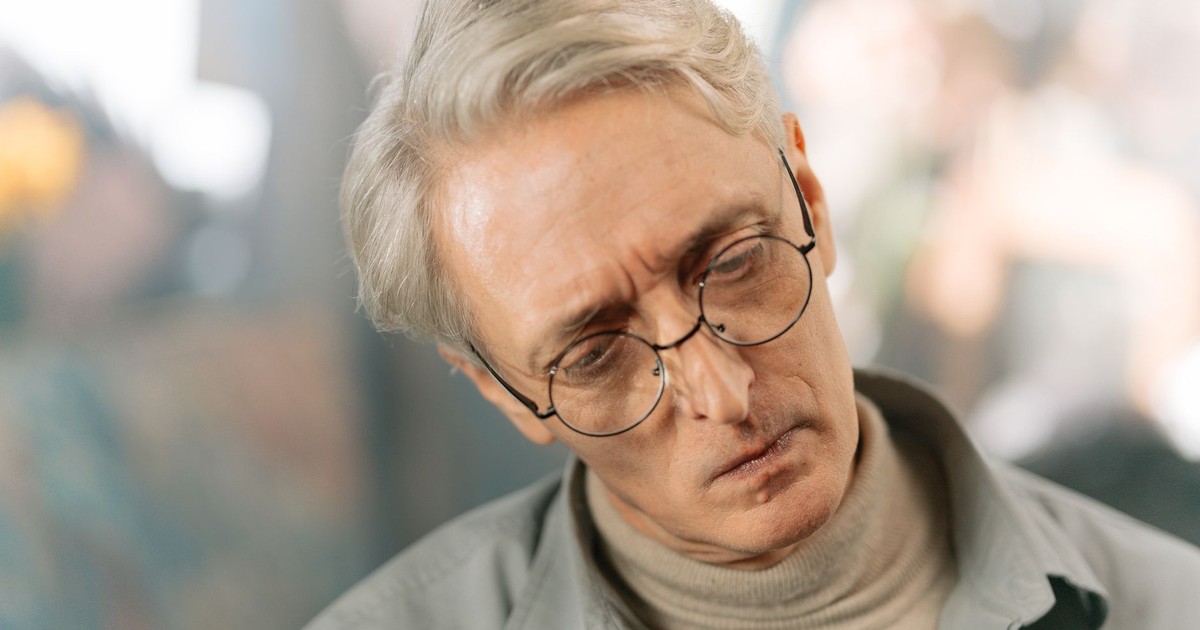
What Obama did in this interview, almost accidentally, is model something that’s harder than it looks: talking about physical limitations without performing distress about them, and talking about what you still enjoy without overselling it. He’s not playing full-court basketball anymore. He’s fine with that. He’s not as flexible as his wife. He’s working on it. He’s 64, he feels great, and he knows he looked better before the gray came in. He’s not particularly bothered by any of it.
That posture, accepting the real shape of where you are while staying genuinely curious about where you can go, is worth more than a perfect workout routine. The obsession with looking ageless tends to produce a specific kind of exhaustion. The alternative, deciding what you actually want your body to be able to do and building toward that, is less photogenic but considerably more sustainable. Obama’s next stage, the yoga mat and the stretching and the shooting contests, is a reasonable one. And for anyone else in their 60s who is still trying to move the same way they did at 40, his knees-and-Achilles conversation is probably the most useful health advice they’ll hear all week.
AI Disclaimer: This article was created with the assistance of AI tools and reviewed by a human editor.