

The habit nobody warns you about isn’t the dramatic one. It’s the ordinary stuff. The gradual dimming of a social calendar. The chair that becomes the default position by 2pm. The medicine cabinet that keeps growing without anyone asking why. These are the bad habits aging brings in through the side door, while you’re busy assuming they’re just what getting older feels like.
Most of them don’t feel like bad habits at all. They feel like common sense, or like rest, or like just not wanting to make a fuss. And because nobody around you is going to walk up at Thanksgiving and say “I’ve noticed you’ve stopped doing things you used to love,” these patterns have a way of compounding for years before anyone names them. The people closest to you notice. They just don’t say anything.
Many of these habits have real physiological roots in how the body and brain change with age. Most of these patterns are more reversible than they look.
1. Sitting for Most of the Day
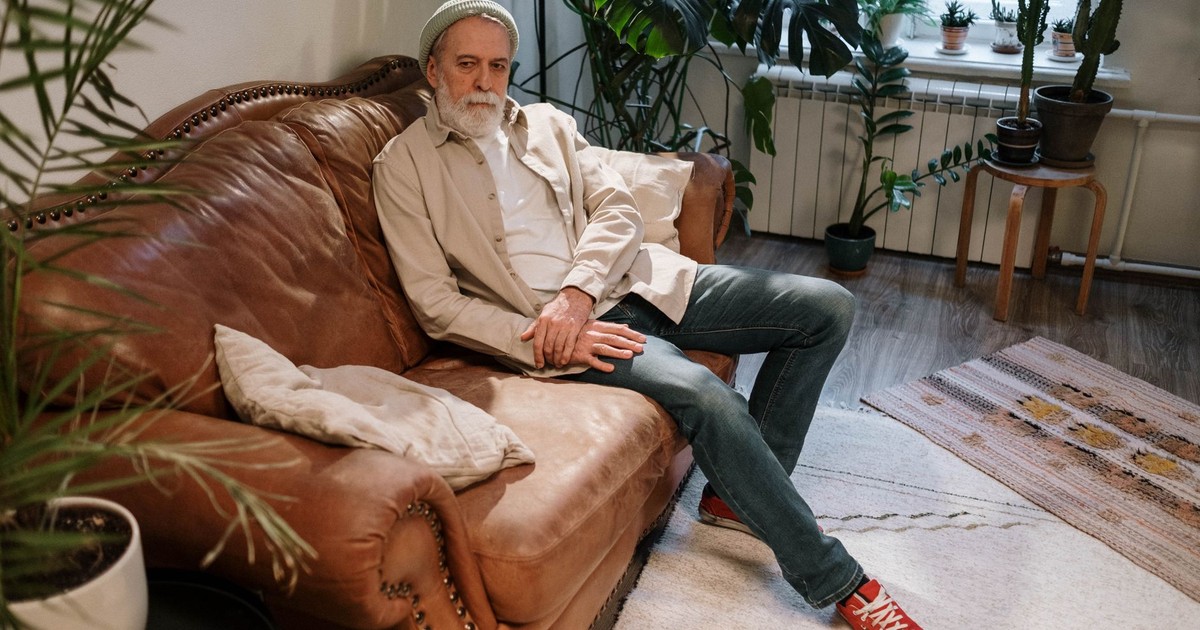
Older adults are the most sedentary and fastest-growing demographic. When researchers spoke with community-dwelling adults aged 75 and older, participants were largely unaware of their sedentary behavior or the associated health risks. The sitting activities they reported were predominantly leisurely in nature, occurring almost entirely in their own homes.
Sustained sitting does more than keep you still. The body adapts to stillness in ways that make movement progressively harder: muscles weaken and shorten, balance deteriorates, and the cardiovascular system gets less of the low-level stimulus it needs to stay efficient. Every hour in the chair is also an hour when nothing is being asked of the brain in any physical or spatial sense, which matters more than most people realize for cognitive maintenance.
Retirement is often where this starts. The 7am commute disappears, the reason to walk anywhere specific vanishes, and the days that used to be structured around movement become structured around screens and comfort. It doesn’t feel like a bad habit because it feels like the freedom you earned. Spending 20 minutes walking after lunch, not as exercise, just as movement, is one of the simplest and most evidence-backed ways to interrupt this pattern before it becomes structural.
2. Withdrawing from Social Life
Isolation sneaks up as people age. Friends pass away, hearing or mobility challenges make socializing harder, and retirement reduces daily interactions. Each of those is a real force. But the cumulative result, fewer phone calls returned, fewer invitations extended, fewer reasons to leave the house on a given day, tends to accelerate rather than stabilize. The less often you use those social muscles, the more effortful it feels to use them at all.
About one in three older adults reported feeling lonely some of the time or often in the past year, according to the National Poll on Healthy Aging, which surveyed a nationally representative sample of adults aged 50 to 80. That number doesn’t reflect people who are housebound or grieving a recent loss. It reflects the ordinary, undramatic withdrawal that happens when social effort starts to feel like more trouble than it’s worth.
The poll found associations between high measures of loneliness and poor mental and physical health. Social isolation has moved from the lifestyle category to a genuine public health concern, with research consistent enough that clinicians now screen for it alongside diet and exercise. Even one or two meaningful social interactions per week create a measurable difference in mood, cognitive engagement, and sense of purpose compared to complete withdrawal.
3. Dismissing Sleep Problems as Normal Aging
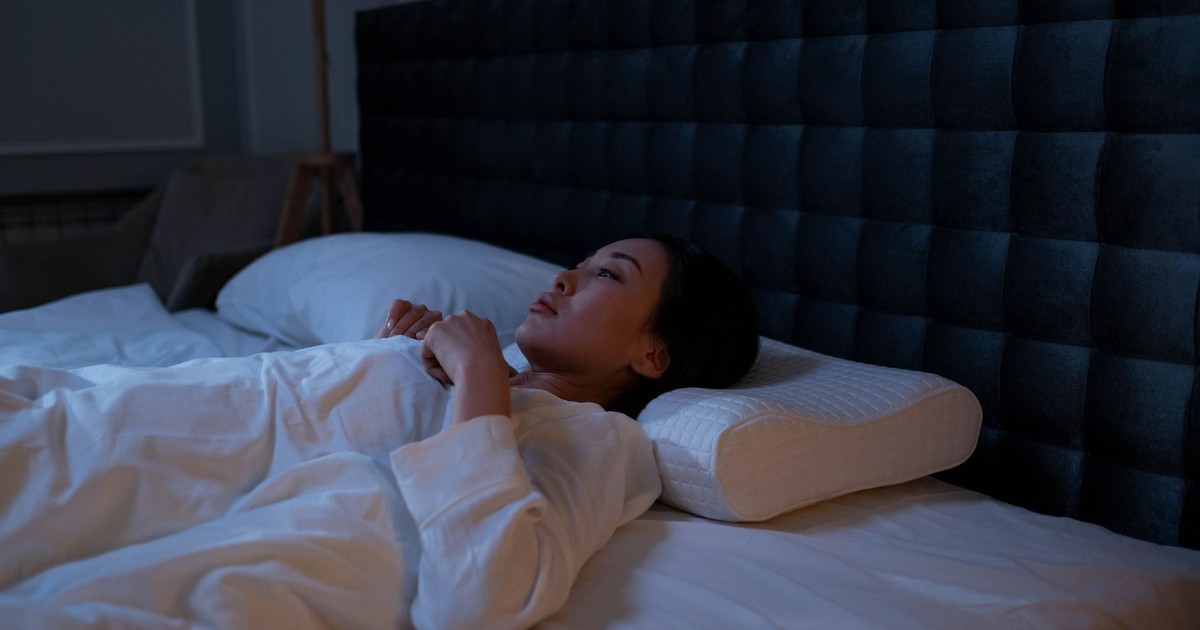
Sleep problems are common among older adults, yet most people mention disrupted sleep to no one, assume it’s just what happens at their age, and never have a conversation that might actually help. That space between lived experience and medical attention is where a lot of unnecessary suffering lives.
Aging does affect sleep structure and quality, and these changes cause adverse medical and cognitive effects. The circadian rhythm shifts earlier, deep sleep becomes harder to reach and easier to lose, and the architecture of a full night’s rest changes in ways that feel like simple insomnia but often have identifiable contributors. Older adults tend to take more medications than younger people, and the combination of drugs, as well as their side effects, can impair sleep. Changing a medication, not adding a sleep aid, is sometimes the actual solution.
The habit here isn’t the sleep disruption itself. It’s the fatalism about it. When someone wakes at 3am for the fourth night running and shrugs it off as “just how I sleep now,” they’re skipping a conversation that has real options on the table. Poor sleep is linked to accelerated cognitive decline, increased fall risk, and lower immune function. Bringing it up at a medical appointment isn’t complaining, it’s the exact kind of information a doctor needs to do their job.
4. Eating the Same Foods on the Same Rotation
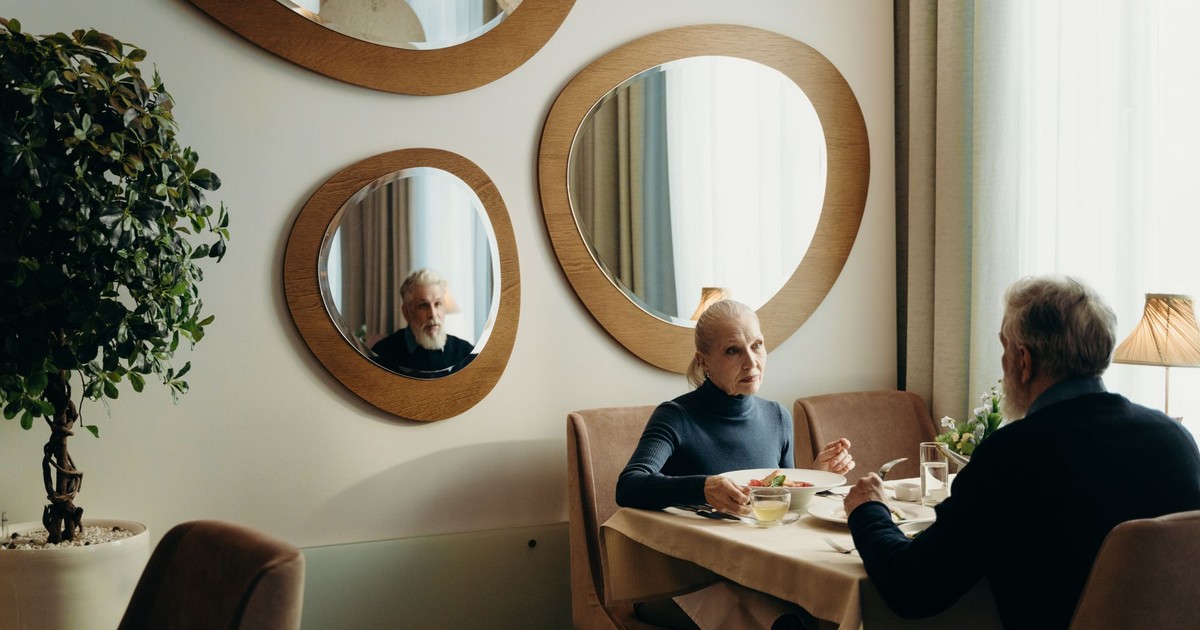
Nobody talks about how eating habits calcify with age. By the time most people reach their late 60s and 70s, the weekly menu has narrowed to somewhere between eight and twelve familiar dishes, with very little variation. This isn’t necessarily a nutrition problem in the short term, but the monotony does tend to reflect, and then reinforce, a reduction in protein, fiber, and the dietary variety that supports gut health and cognitive function.
Research shows that the Mediterranean-style eating pattern, which includes fresh produce, whole grains, and healthy fats, but less dairy and more fish than a traditional American diet, is associated with better cardiovascular outcomes and is broadly recommended for healthy aging.
The routine-food habit is also where declining appetite meets declining motivation to cook. Meals get smaller and simpler. Protein, the one macronutrient that matters most for preserving muscle mass in later life, tends to drop off first. Anyone eating the same four or five meals on repeat is almost certainly under-eating protein and over-relying on carbohydrates by default. A target of 1.2g of protein per kilogram of body weight daily is widely cited for adults over 65 who want to stay strong.
5. Skipping Medical Appointments
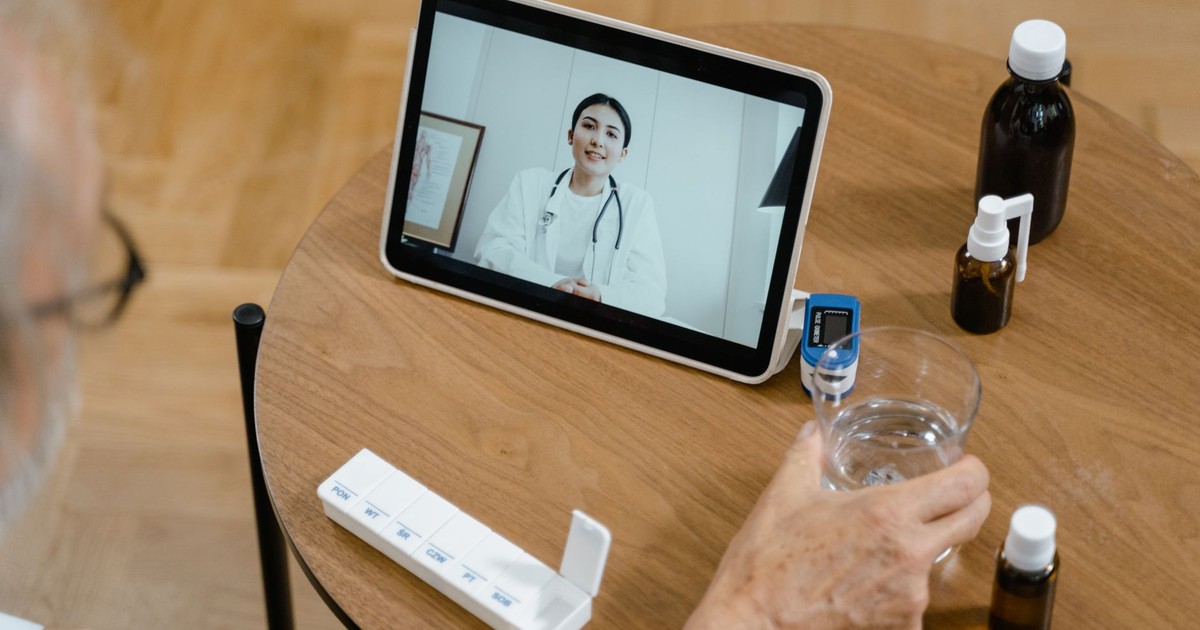
The pattern is consistent: people who were scrupulous about checkups in their 50s start spacing them out in their 70s, telling themselves everything feels fine, or that doctors only ever find things to worry about. The second part isn’t entirely wrong, but finding things to worry about early is exactly the point.
A 2023 study found that hearing aids reduced cognitive decline in older adults at high risk of dementia by almost 50% over a three-year period. That finding depends entirely on identifying and treating hearing decline, which only happens if someone is actually being seen. The connection between uncorrected hearing loss and cognitive decline is one of the stronger findings in recent aging research, and it only gets acted on when a patient is sitting in a doctor’s office.
Avoiding appointments also means avoiding the medication reviews that catch interactions, the bloodwork that catches creeping deficiencies, and the conversations where a doctor might notice something in how a patient is moving or speaking that the patient’s family hasn’t wanted to name out loud. “Everything feels fine” is a limited instrument. Annual reviews give you data that subjective experience cannot.
6. Drinking More Alcohol Than You Used To

For many people, retirement loosens the social constraints that previously kept drinking within certain bounds. There’s no Monday morning meeting to get through, no need to be sharp and presentable by 8am. A drink at lunch feels unremarkable. A glass of wine most evenings becomes two. The total intake creeps up without any single day feeling like a turning point.
The body’s ability to process alcohol also changes with age. Lean muscle mass decreases, and muscle tissue is where much of the work of processing alcohol happens. Less muscle means a higher blood alcohol concentration from the same amount of alcohol, the same glass of wine your 45-year-old self handled easily has a measurably different effect at 70. This is also why fall risk increases with even moderate drinking in older adults: coordination and reaction time are impaired at lower levels than most people expect.
There’s also the interaction problem. Older adults are more likely to be taking medications that interact badly with alcohol, from blood thinners to diabetes drugs to antidepressants. The habit isn’t always visible as a problem because it builds gradually from something that was genuinely moderate before. Taking an honest look at weekly unit intake, not just what feels normal, but what the number actually is, is worth doing.
7. Letting Physical Pain Go Unaddressed
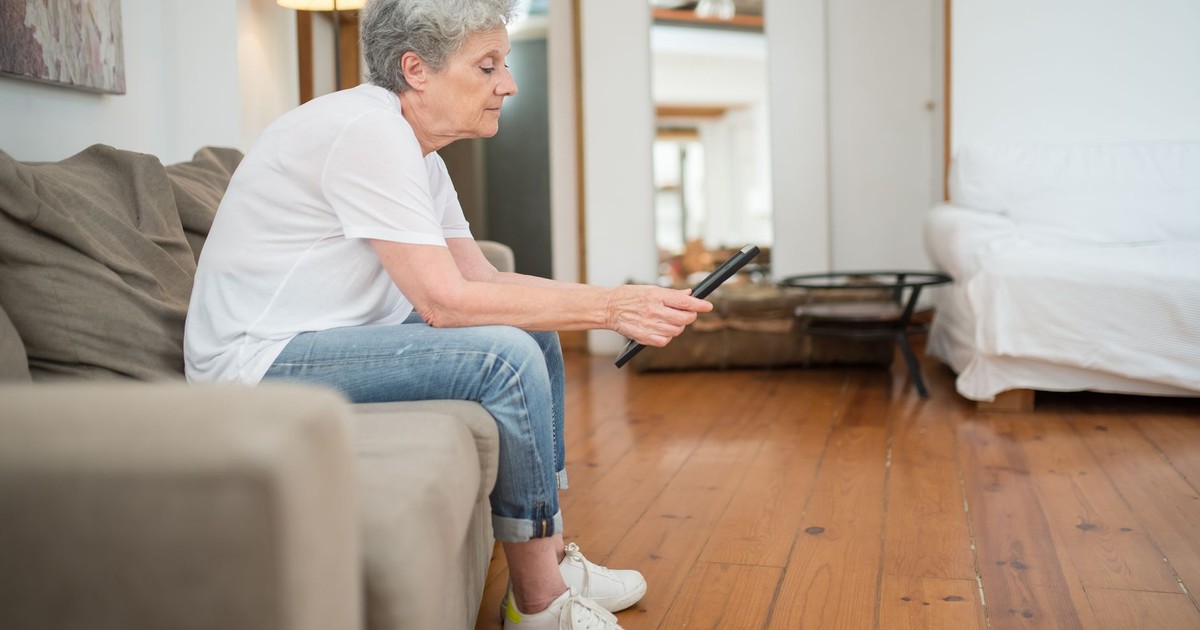
Chronic pain has an odd relationship with aging. Older adults report pain more stoically and are less likely to seek treatment than younger people with equivalent conditions. More often, they restructure their lives around pain rather than addressing it directly, stopping a walk they used to enjoy, shifting to shoes that are less comfortable to accommodate a sore foot, avoiding stairs until the knees make the decision for them.
Working around pain rather than treating it creates a compounding problem. Activity levels drop, which worsens the conditions causing the pain, which reduces activity further. Osteoarthritis, in particular, responds to movement. The instinct to rest a painful knee often does the opposite of what the knee actually needs.
Pain that has been present for more than three months in older adults is worth a specific conversation, not just a mention at the end of a GP visit. Physical therapy for joint pain, properly fitted orthotics for foot problems, and targeted resistance training for back pain all have good evidence behind them. Accepting pain as simply the inevitable price of getting older has a real cost in quality of life that doesn’t need to be paid.
8. Stopping New Learning

The brain’s ability to form new connections doesn’t stop at a specific age, but it does require use. What develops in later life is a kind of intellectual settling, doing the same crossword puzzle at the same level of difficulty every day, reading within the same genres and subjects, watching the same television formats. The input is there, but the challenge isn’t.
Genuine novelty, learning an instrument, picking up a second language, taking on an unfamiliar skill, requires the brain to build new neural pathways rather than activate existing ones. That process is tied to cognitive reserve, the brain’s ability to absorb damage from aging-related decline without it showing up as functional impairment. Crosswords keep the brain occupied; an unfamiliar skill keeps it growing.
The principle applies to learning too: the body and brain both need to be asked to do something slightly harder than what they currently find comfortable. Manageable difficulty, applied consistently, is what keeps both in better condition.
9. Reducing Water Intake Without Realizing It
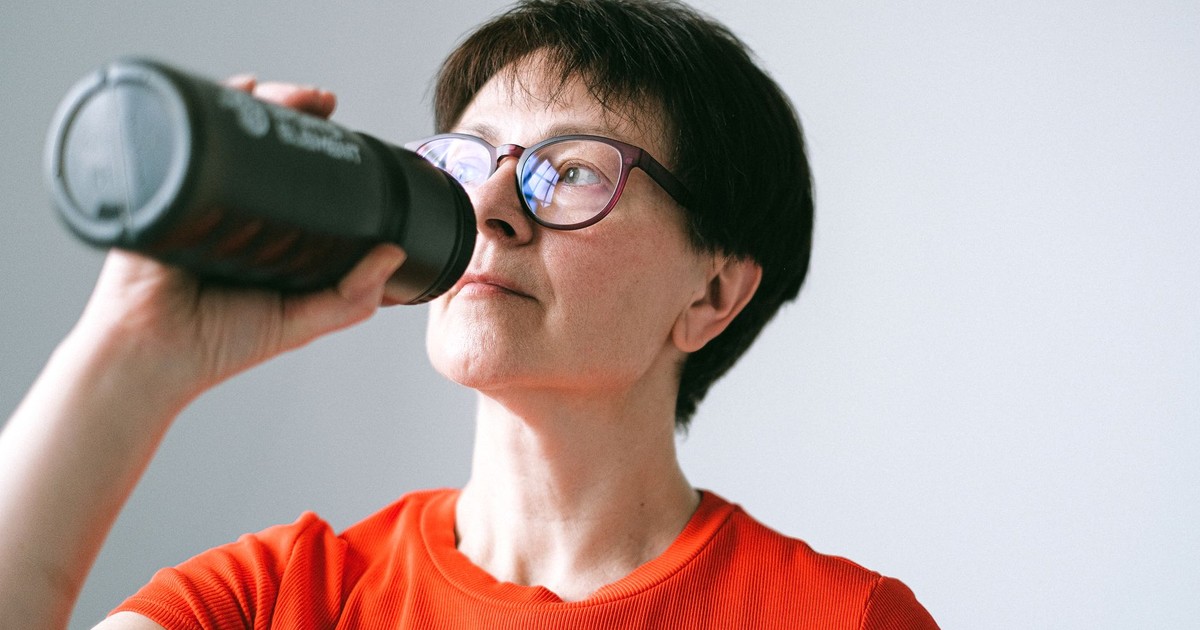
The thirst mechanism weakens with age. It’s not that older adults are choosing to drink less water, it’s that the signal that prompts you to drink, the sensation of thirst, becomes less reliable. Someone in their 70s can be genuinely dehydrated while feeling no particular urge to drink anything.
Mild, chronic dehydration in older adults contributes to constipation, urinary tract infections, kidney stress, confusion, and falls. It also tends to compound medication effects, since many drugs are metabolized differently when the body is consistently under-hydrated. The cognitive symptoms of dehydration, particularly confusion and slowed thinking, are frequently misattributed to other causes in older adults.
Eight 8-ounce glasses of water daily (approximately 2 liters) is the commonly cited target, but the more practical strategy is to drink according to a schedule rather than waiting for thirst. A glass of water with every meal, and one mid-morning and mid-afternoon, gets most people to an adequate level regardless of whether they feel thirsty. The habit of watching for thirst as the signal becomes increasingly unreliable once you’re past 65.
10. Assuming Low Mood Is Just Part of Getting Older

Depression in older adults is consistently under-diagnosed and under-treated. Part of the reason is that older adults are less likely than younger adults to identify what they’re experiencing as depression. They’re more likely to describe it as tiredness, or low energy, or “just not finding things as enjoyable as I used to,” and to attribute it to aging rather than to a treatable condition.
Low mood reduces motivation to exercise, see people, or try new things. The reduction in those activities deepens the low mood. Patterns that speed up aging often start in the assumption that feeling flat or uninterested is simply what life looks like now. Poor sleep quality feeds directly into mood, and the two problems tend to run together, each making the other harder to treat.
The barrier to naming this is often generational. Many older adults carry a strong internalized belief that managing difficult emotions is a matter of personal strength, and that seeking help for mood is unnecessary or self-indulgent. The practical cost of that belief is real: depression in older adults reduces physical activity, weakens the immune system, accelerates cognitive decline, and measurably shortens life. It’s a medical condition, not a character flaw, and it responds well to treatment at any age.
The Part Nobody Talks About
Most of these habits are invisible from the outside, and that’s partly what makes them so persistent. The person who used to fill a room is still filling a room, just with a smaller guest list. The person who used to walk every morning is still active, just not quite as often. The changes are incremental enough that neither the person experiencing them nor the people around them quite clock when the line was crossed from “I’ve slowed down a bit” to “something has actually shifted here.”
None of these patterns announce themselves as problems. Sitting more feels like rest. Eating the same meals feels like routine. Declining a social invitation feels like a reasonable choice for that particular week. The cumulative picture is only visible when you zoom out, and most of us don’t zoom out until the zoom-in is unavoidable.
These are behaviors rather than diagnoses. Behaviors change. A single conversation with a doctor about sleep, a weekly phone call that becomes a standing arrangement, a different question asked at a restaurant, none of these are large interventions. But they interrupt the drift in ways that matter, and they matter most when they happen before the drift becomes structural.
Disclaimer: This information is not intended to be a substitute for professional medical advice, diagnosis, or treatment and is for information only. Always seek the advice of your physician or another qualified health provider with any questions about your medical condition and/or current medication. Do not disregard professional medical advice or delay seeking advice or treatment because of something you have read here.
AI Disclaimer: This article was created with the assistance of AI tools and reviewed by a human editor.