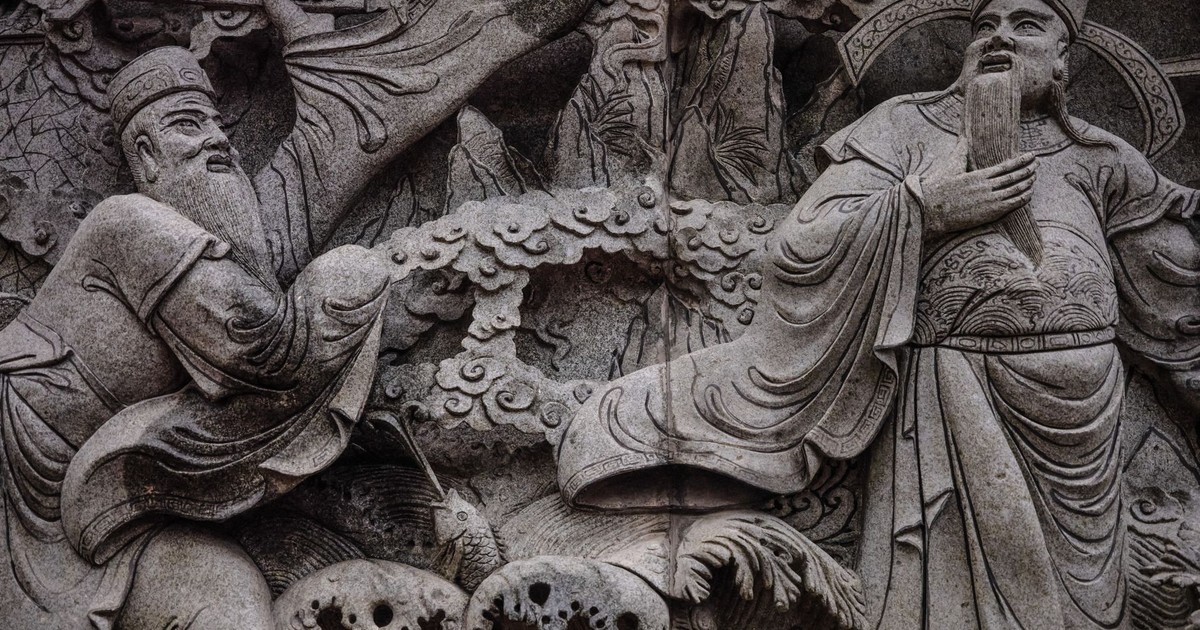

Cultures separated by thousands of miles and hundreds of years kept arriving at the same basic structure when they imagined the end of everything: catastrophe, judgment, and then, almost always, something new beginning. Norse ice winters, Hindu cosmic timekeeping, Zoroastrian fire purification, Aztec sun cycles, Egyptian divine retribution. Civilizations with no contact with each other independently built apocalypse mythology with overlapping shapes. The world ends. The wicked are punished. A remnant survives. The earth rises again, cleaner than before.
Each culture poured its own specific anxieties, its own sense of what was sacred, and its own vision of justice into the same basic mold. Strip away the local gods and specific imagery, and what remains is a set of questions that every civilization seems to ask eventually: What have we become? What would it take to start over? And what would we want to keep?
Ragnarök: The Norse Apocalypse Where Even the Gods Die
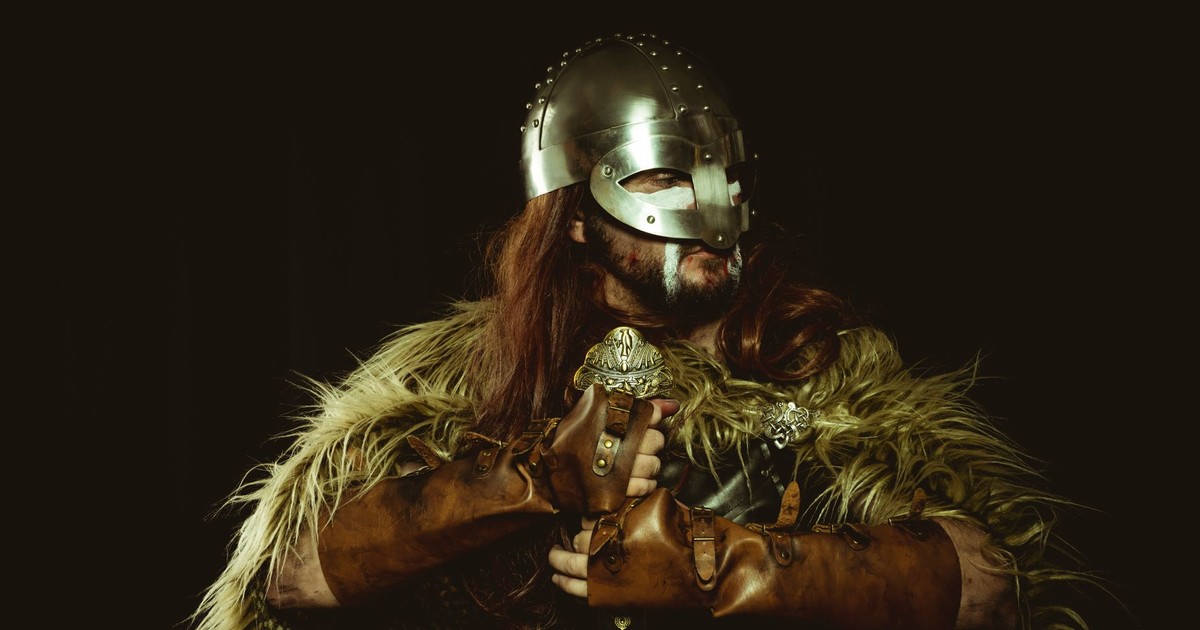
In Norse mythology, Ragnarök is the end of the world of gods and men, a series of events and catastrophes that culminate in a final battle between the gods and the demons and giants, ending in the death of the gods. The Online Etymology Dictionary notes that the name itself signals the stakes: the term comes from ragna, meaning “gods,” and rök, meaning destined end or doom.
What separates this tradition from almost every other end-times narrative in the world is one specific detail: the gods don’t win. The outcome is foretold so precisely that the gods prepare for their own defeat on a daily basis, yet fight regardless. World History Edu explains that the sequence it describes is precise and almost procedural: the death of the god Baldr, followed by Fimbulwinter (a three-year winter with no summer), then wolves devouring the sun and moon, Fenrir and the World Serpent Jörmungandr breaking free, Loki escaping imprisonment, the fire giant Surtr marching from Muspelheim.
Iceland, where much of this mythology was recorded, sits on some of the most geologically volatile land on earth. The Fimbulwinter maps closely onto the documented atmospheric effects of major eruptions. Odin has known the outcome since he consulted the Norns at the roots of Yggdrasil. He has spent the entirety of Norse mythology preparing for a battle he cannot win, gathering warriors, seeking knowledge, sacrificing his eye, hanging on the World Tree for nine days, all to face a defeat already written. He does it anyway. World History Encyclopedia notes that in some versions, the last surviving human couple repopulates the earth for a new age. For the Vikings, the willingness to fight a losing battle wasn’t tragedy. It was the highest form of dignity.
Hindu Kali Yuga: The Age That Ends in Purification
In Hindu cosmology, time moves in vast cycles of four ages called Yugas, from perfect virtue to deep darkness. We are currently in the fourth and darkest age, Kali Yuga, an era of strife, ignorance, and moral decline. Unlike most Western apocalypse frameworks, this isn’t a linear countdown to oblivion. It’s a wheel.
Kali Yuga lasts 432,000 years total. The Puranic texts describe conditions that worsen as the age progresses. The Vishnu Purana (Book IV, Chapter 24) states that property alone will confer rank, wealth will be the only source of devotion, and falsehood will be the only means of success in litigation, a description that reads less like ancient prophecy and more like a commentary on any number of historical moments.
The culmination involves the appearance of Kalki, the tenth avatar of the god Vishnu, who eradicates evil, restores dharma (the moral law that holds cosmic order together), and inaugurates a new Satya Yuga, the age of truth, resetting the entire cosmic cycle. Kalki is typically depicted arriving on a white horse with a blazing sword. The Hindu end isn’t about punishment for individual sins. It’s about the cosmos itself running down, like a clock that needs resetting. The reset is violent. The new age is inevitable.
Zoroastrian Frashokereti: The World Made Fresh
Zoroastrianism, one of the oldest continuously practiced religions in the world, produced what may be the earliest structured apocalypse narrative, one that almost certainly influenced the later Jewish, Christian, and Islamic traditions that billions of people still follow.
The final messiah, the Saoshyant (“One Who Brings Benefit”), would usher in the End of Time, Frashokereti, and bring redemption, purification of all souls, resurrection of the physical bodies, and reunion with Ahura Mazda in paradise, where all would be reunited in eternal bliss, the old world would pass away, and the evil of Angra Mainyu would be utterly destroyed. This concept of bodily resurrection, the dead literally rising to face judgment, was among the first religious traditions to introduce it, and the echoes run forward through Jewish apocalypticism, Christianity, and Islam.
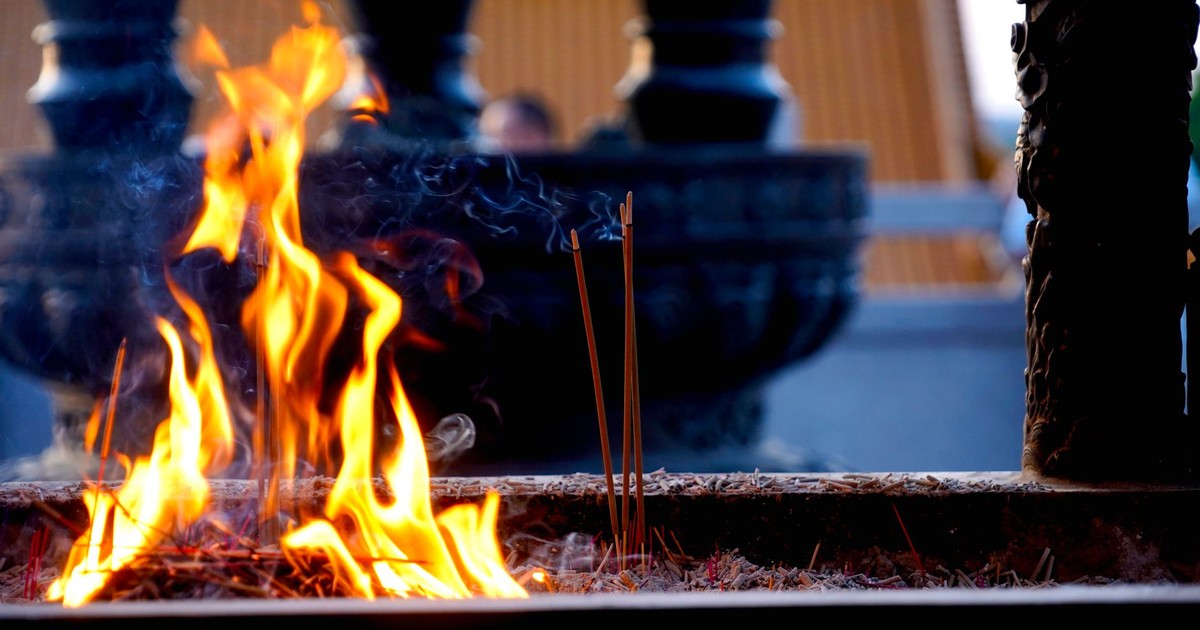
What distinguishes Frashokereti from many other end-time visions is its emphasis on purification rather than punishment. Zoroastrian texts describe molten metal flowing across the earth, a river of fire that burns the wicked but feels warm as milk to the righteous. The same event, experienced completely differently depending on how you lived. The physical world doesn’t end. It’s cleaned.
The Mayan Long Count: When the Calendar Ends
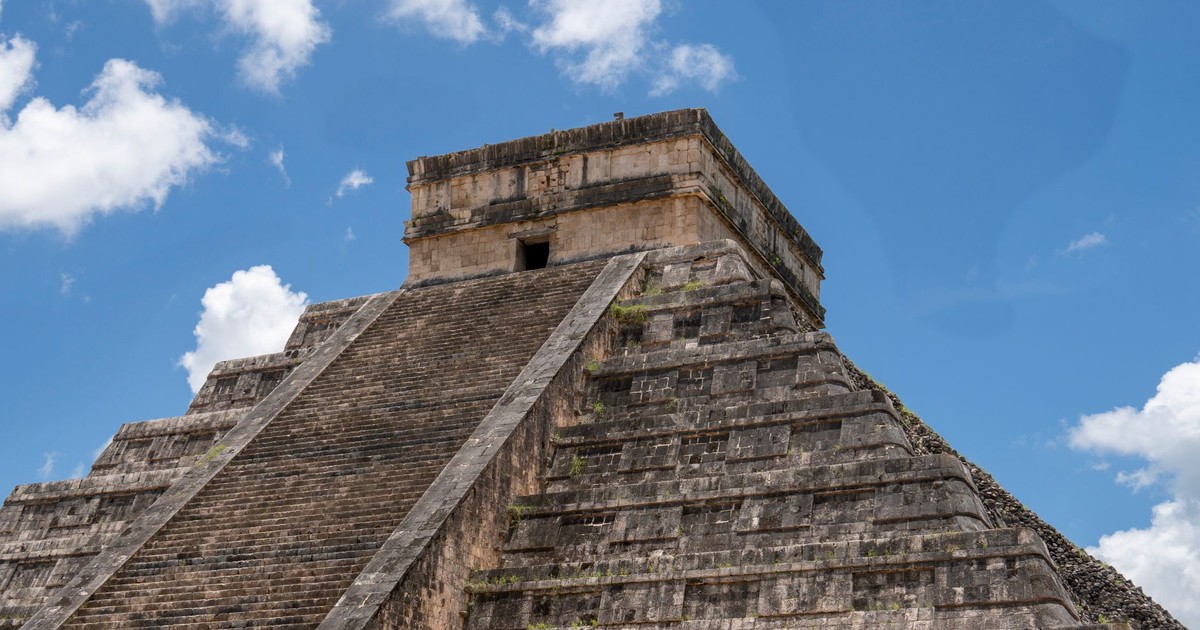
Few pieces of apocalypse mythology have been more thoroughly misunderstood in modern times than the Mayan calendar. When December 21, 2012 arrived, it came with paperback books, survivalist forums, and at least one Hollywood disaster film. It also came and went without incident, exactly as Mayan scholars had been patiently explaining for years.
The actual Mayan view of time had almost nothing in common with the linear “countdown to zero” that Western media projected onto it. For the Maya, cycles of creation and destruction were integral to their worldview. Their myths speak of previous worlds that were created and destroyed, each serving as a lesson for the next.
The Mayan Long Count calendar is built on nested cycles of time. The Smithsonian’s Living Maya Time explains that the primary Long Count cycle spans 13 baktuns, totaling 1,872,000 days (roughly 5,125 years), with each individual baktun measuring 144,000 days. The end of a cycle wasn’t feared as annihilation. It was treated more the way a culture might treat the end of a century: significant, worthy of ceremony, a moment to take stock. The 2012 panic said much more about modern anxieties than it did about what the Maya actually believed.
The Aztec Five Suns: Four Worlds Already Destroyed
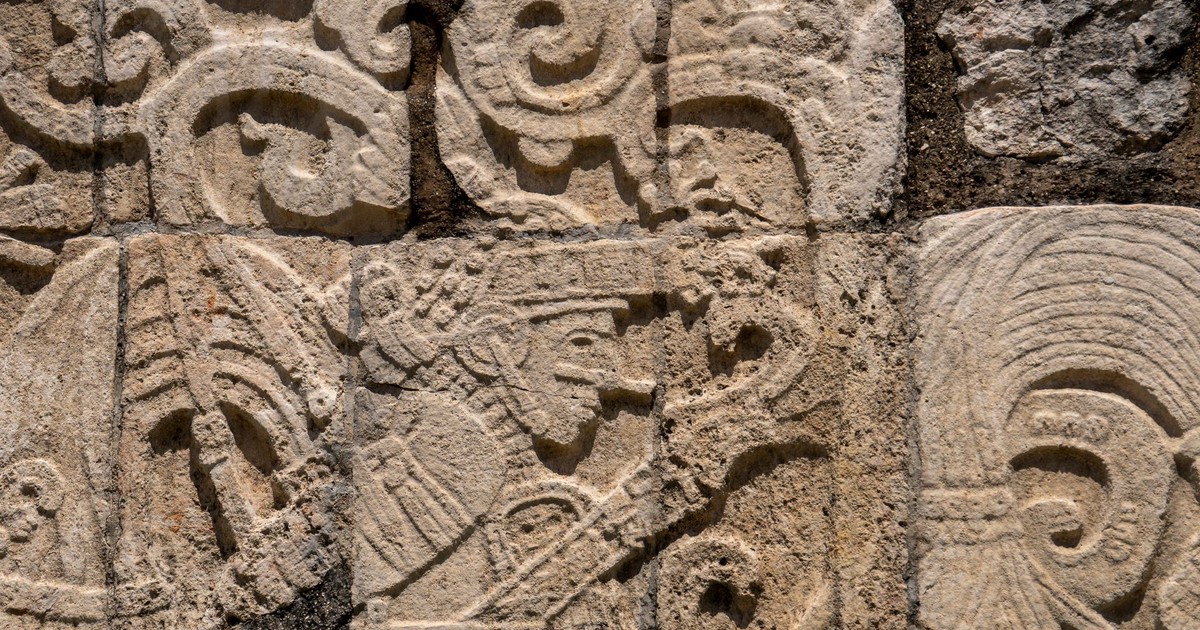
Where the Maya saw cycles as continuous renewal, the Aztecs built their cosmology around a more harrowing premise: that the world has already ended four times, and the one we’re living in is the fifth attempt.
Aztec cosmology describes successive eras or “suns,” each ending in a cataclysmic event. The current Fifth Sun faces potential destruction through various means, such as earthquakes or floods. Each previous sun was destroyed in a different way: the First Sun ended when jaguars consumed all people, the Second when humans were destroyed by a great wind, the Third by a rain of fire, the Fourth by a great flood, and the present Fifth Sun is predicted to end on a day called 4-Ollin (Movement), destroyed by an earthquake.
The gods had sacrificed themselves to create this fifth sun, and maintaining it required reciprocal sacrifice from humans. The sun didn’t rise automatically. It needed to be sustained. Every generation carried an ongoing responsibility: the apocalypse in Aztec mythology wasn’t a distant prophecy to be feared at the end of time. It was a constant threat that required constant management. The world could unravel any day if the proper rituals weren’t maintained.
Islamic Qiyamah: Signs, Sequence, and Final Judgment
In Islam, Qiyamah denotes the final day when all individuals are resurrected for judgment by Allah. Signs preceding this event include the emergence of the Mahdi, the return of Isa (Jesus), widespread moral decay, and natural disturbances. The righteous attain eternal paradise, while the wicked face punishment, emphasizing accountability and divine justice.
Islamic eschatology, the theology of the end times, is among the most detailed in any religious tradition. The signs of Qiyamah are divided into minor signs, which have been unfolding throughout history, and major signs, which mark the final sequence. The minor signs include a long list of social phenomena: the spread of ignorance, the abandonment of religious practice, wars becoming frequent, and the earth producing less. These are described not as predictions of a single date but as conditions that accumulate. The major signs (the Mahdi’s appearance, the Dajjal, the deceiver, a figure roughly analogous to the Antichrist, the return of Jesus, the sun rising from the west) mark the irreversible approach of the end.
The Islamic apocalypse is striking for how thoroughly it centers on individual moral accountability. Other traditions tend to end the world at the level of cosmic forces or divine battles. In Qiyamah, every person who has ever lived stands before God and answers for their choices. The scale of the judgment is individual. A person matters not because of their tribe, their nation, or their birth, but because of what they did with their time.
Egyptian Myth: When the Sun God Withdraws
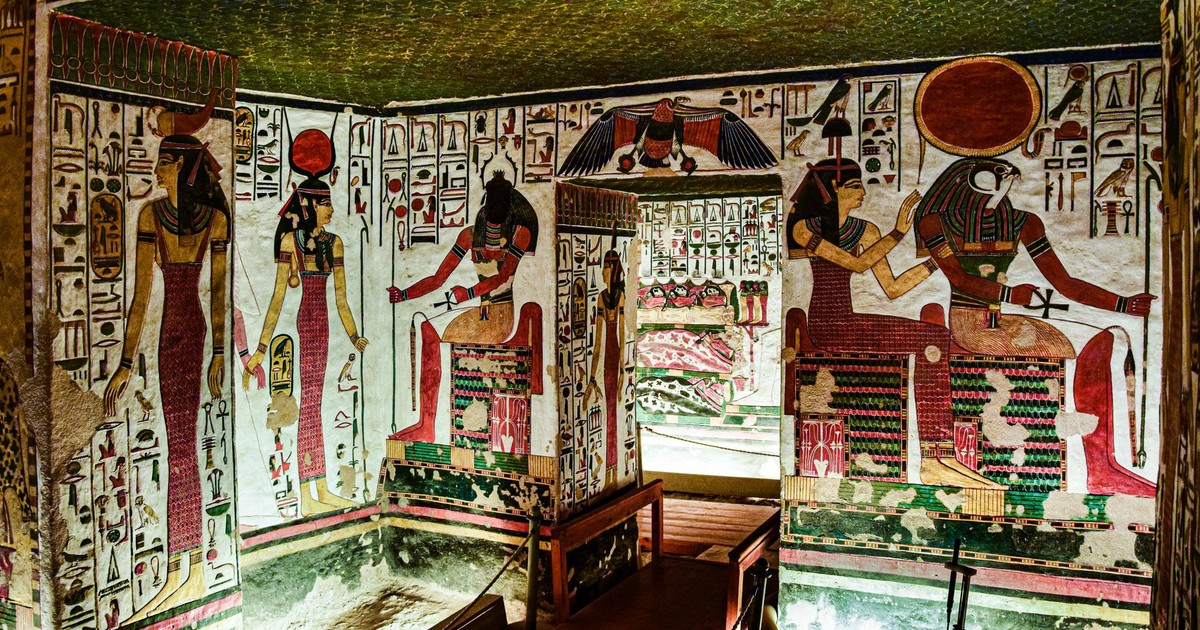
Ancient Egypt didn’t build a single, formal apocalypse narrative the way Norse or Hindu cosmology did. Egyptian mythology arrives at apocalyptic thinking through the story of the Destruction of Humanity, in which the sun god Ra decides to punish humankind for their disobedience and rebellion. Angered by the disrespect of humans, Ra sends his daughter, the lioness goddess Sekhmet, to punish them. Sekhmet goes on a rampage, slaughtering humans until the land is soaked with blood. To prevent total annihilation, Ra devises a plan: he orders his priests to brew a vast quantity of beer mixed with red ochre to resemble blood. Sekhmet, mistaking it for blood, drinks it, becomes intoxicated, and falls into a deep sleep. Humanity survives by a trick. The apocalypse is averted, not defeated.
What the Egyptian tradition adds to the broader picture of apocalypse mythology is its focus on the fragility of the divine-human relationship rather than an inevitable end. The threat in the Egyptian story isn’t time running out or a predetermined cosmic sequence. It’s the gods losing patience. Ra can choose to withdraw, and if he does, darkness and chaos return. The ancient Egyptian theological concept of Ma’at, the principle of truth, order, and cosmic balance, was understood to require constant maintenance. Pharaohs performed daily rituals to sustain it. The universe was not self-sustaining. It needed tending.
Egyptian apocalyptic thinking clustered around the idea of disorder rather than destruction. The real catastrophe wasn’t a battle or a flood. It was the unraveling of order itself. A world without Ma’at was a world undone by its own entropy.
What All of This Is Actually Saying
Strip away the specific gods and cultural details, and the architecture underneath these seven traditions is nearly identical. A world in moral decline. A catastrophic reckoning. Destruction that has a purpose. And then, in almost every case, something new.
The Norse world rises green from the sea. The Hindu Satya Yuga begins its golden arc again. Zoroastrian humanity walks through the river of fire and comes out immortal. The Aztec sixth sun might yet be born. Islamic paradise awaits those who answered rightly. The Egyptian balance of Ma’at is restored before the darkness can fully take hold. Even the Mayan “end” was understood as a transition, not a terminus. That persistence of renewal across all these traditions isn’t coincidence or comfort. It reflects something genuinely consistent in how human beings process the idea of endings: they can’t quite let them be final.
The Part We Keep Getting Wrong
When we treat these stories as primitive disaster forecasts, we miss what they were actually doing. Every tradition in this list describes the signs of collapse in terms that are immediately recognizable: moral decay, political corruption, leaders who take from the people, a society that has forgotten its own values. These weren’t alien concerns. They were the everyday anxieties of the civilization that built the myth, translated into cosmic language and projected forward as prophecy.
The world these myths describe ending is always the world the storyteller was already worried about losing. The Völuspá’s vision of an axe age, a sword age, brothers killing brothers, that wasn’t abstract eschatology. It described a present that felt like it was already coming apart. The Vishnu Purana’s kings who are quick to anger and dishonest, who inflict suffering on women and children, the text wasn’t imagining a distant future. It was naming something the authors recognized in their own time. Apocalypse mythology, at its core, is a diagnostic tool dressed in the grammar of the future. The end being described is always the end of the specific thing a culture is terrified of losing. Some of those fears are thousands of years old. Most of them are still recognizable.
Disclaimer: This information is not intended to be a substitute for professional medical advice, diagnosis, or treatment and is for information only. Always seek the advice of your physician or another qualified health provider with any questions about your medical condition and/or current medication. Do not disregard professional medical advice or delay seeking advice or treatment because of something you have read here.
AI Disclaimer: This article was created with the assistance of AI tools and reviewed by a human editor.