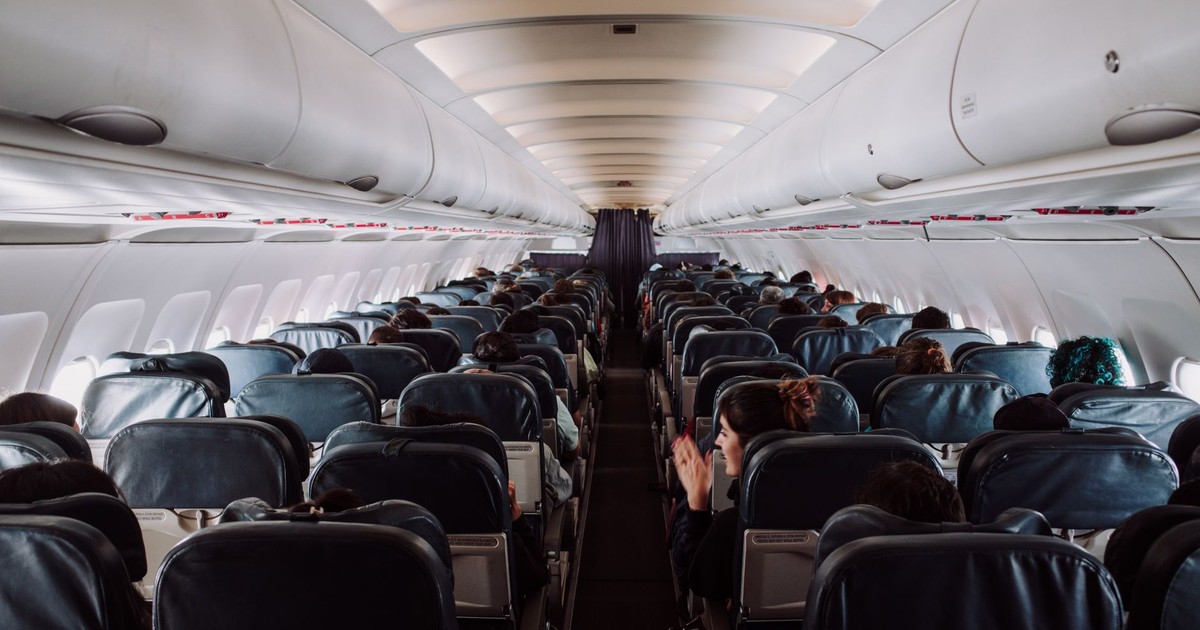

The aisle seat armrest on most commercial aircraft can be raised entirely. The button that does it sits on the underside, near the hinge, and has been there every flight you’ve taken. Most passengers never find it because it wasn’t put there for them.
The feature exists for a specific legal and operational reason, and passenger comfort isn’t it. Understanding why the button is hidden tells you something useful about how airline design actually works, and why so much of it goes unexplained.
The aisle seat armrest is one of those features that, once you know about it, you’ll notice on every flight. The release sits right where your hand would naturally rest. It just takes knowing to look.
Why the Button Is There at All
The ability to lift the aisle seat armrest exists primarily to comply with regulatory and airline requirements so that passengers with reduced mobility can be helped in and out of seats. Accessibility, not passenger comfort. And the regulation behind it is federal law.
Under the Air Carrier Access Act, new aircraft with 30 or more seats must have movable aisle armrests on at least half the aisle seats. The U.S. Department of Transportation has enforced this requirement for U.S. carriers on aircraft initially ordered after April 5, 1990, or delivered after April 5, 1992, with foreign carriers following under later amendments. It’s not a design choice airlines make voluntarily. It’s a civil rights requirement, built into the structure of the seat itself.
Under 14 CFR Part 382, a movable aisle armrest is one that can be moved to allow a passenger with a mobility impairment to make an unobstructed transfer from an aisle wheelchair to their aircraft seat. The feature exists to allow someone who boards in a wheelchair to slide across into their seat horizontally, without being lifted over a fixed barrier.
The armrest is intended to be raised by a flight attendant to assist passengers with reduced mobility into and out of the seat, which is also why it is deliberately hidden. Positioning the release out of sight keeps it from being operated accidentally by anyone reaching down during the flight.
Where to Find the Aisle Seat Armrest Release
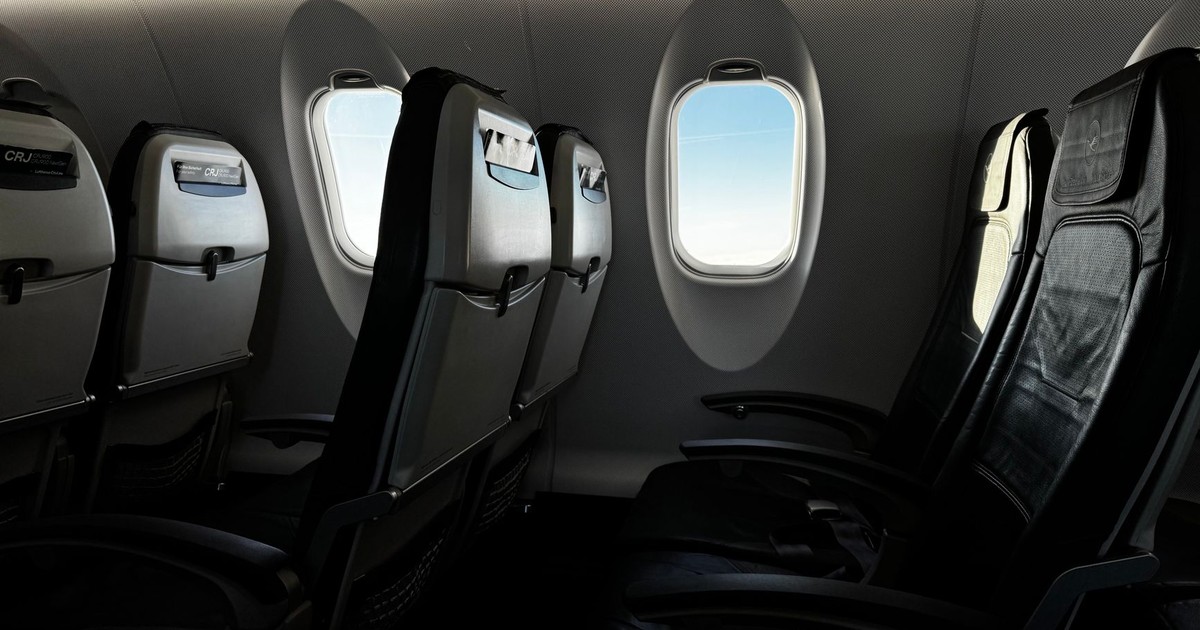
Most airplane aisle seats have a small lever or button on the underside of the armrest, near the hinge. Pushing or sliding this lever releases the hinge lock, allowing you to raise the armrest.
The catch is that it doesn’t feel like a button in the usual sense. It’s often a narrow plastic tab, or a recessed ridge that slides rather than clicks. Running your fingers along the underside of the armrest from the hinge outward is the most reliable way to find it. If it’s there, you’ll feel a slight interruption in the surface, usually within two or three inches of where the armrest meets the seat frame.
The button is common but not universal. Economy class aisle seats on aircraft configured for accessibility compliance typically have it, and the DOT requirement effectively means at least one side of the aisle in the main cabin must have these armrests.
The Boeing 737, particularly older models like the 737-800, often has a hidden lever underneath the aisle armrest. The Airbus A320 family, including the A318, A319, A320, and A321, frequently includes a release switch under the aisle seat armrest. The Boeing 757 and Boeing 767 also appear in older configurations with the same lever system. Even newer aircraft like the Airbus A350 sometimes include the feature.
The easiest way to confirm whether your specific seat has it: reach under the armrest toward the hinge before the flight even boards.
The Safety Side You Should Know
The locked aisle seat armrest isn’t just a design inconvenience. It’s a safety device.
FAA guidance recommends that the aisle armrest remain down during taxi, takeoff, and landing. A raised armrest can cause an obstruction and delay egress in an emergency evacuation, where protruding armrests between seat passageways could slow access to emergency exits.
This is why, even on aircraft where the feature exists and crew members are aware of it, the feature isn’t intended as a comfort upgrade. Cabin crew generally expect armrests to remain down, and if they notice one raised during flight, they’ll usually ask you to lower it.
The practical takeaway is simple: the armrest can be raised during the cruise phase of a flight on many aircraft, but it should go back down before the plane begins its descent. Taxi, takeoff, and landing are the three phases where cabin crews are trained to keep armrests locked, in line with FAA safety guidance that airlines incorporate into their procedures.
Raised armrests help crew during cleaning and maintenance, especially in tight rows, which is another reason the feature exists beyond passenger use. Cabin turnover between flights is fast, and the ability to move armrests out of the way during cleaning is a minor but real efficiency consideration.
Why Most People Have Never Used It
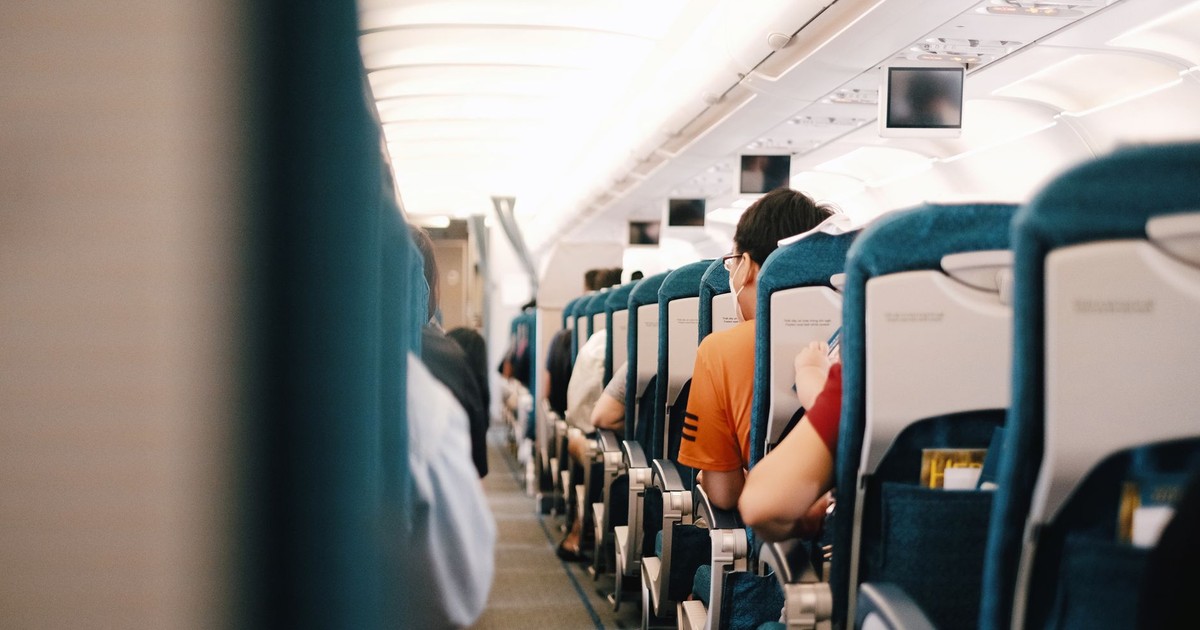
The feature was never meant for the average passenger to discover independently.
The federal code at 14 CFR Part 382 is explicit that airlines must ensure their personnel are trained in the location and proper use of movable aisle armrests, including appropriate transfer techniques. The training requirement is aimed at flight attendants assisting passengers with disabilities, not at passengers discovering the feature on their own. There’s no passenger announcement, no diagram on the safety card, no mention in the pre-flight briefing. The release sits on the underside of the armrest, doing nothing for most of the flights where no one thinks to look for it.
That same regulation applies to aircraft with 30 or more passenger seats, requiring movable aisle armrests on at least one-half of the aisle seats in rows where passengers with mobility impairments are permitted to sit. It also specifies that these armrests must be distributed proportionately across all classes of service, not concentrated in one part of the cabin. So if you’re flying business or premium economy, seats in those cabins fall under the same rule.
Awareness of the feature spreads almost entirely through the informal channel of one person showing another. Someone raises the armrest mid-flight, the person across the aisle watches with something between confusion and mild suspicion, asks how it was done, and gets told. That exchange happens on flights all over the world, constantly, because the gap between “the feature exists” and “anyone told you about it” has never been closed by the airlines themselves.
The feature also has nothing to do with seat cost, comfort tier, or ticket price. Whether you paid $189 or $890 for your seat, the release on an aisle armrest is there for the same regulatory reason either way.
What to Do With This Information
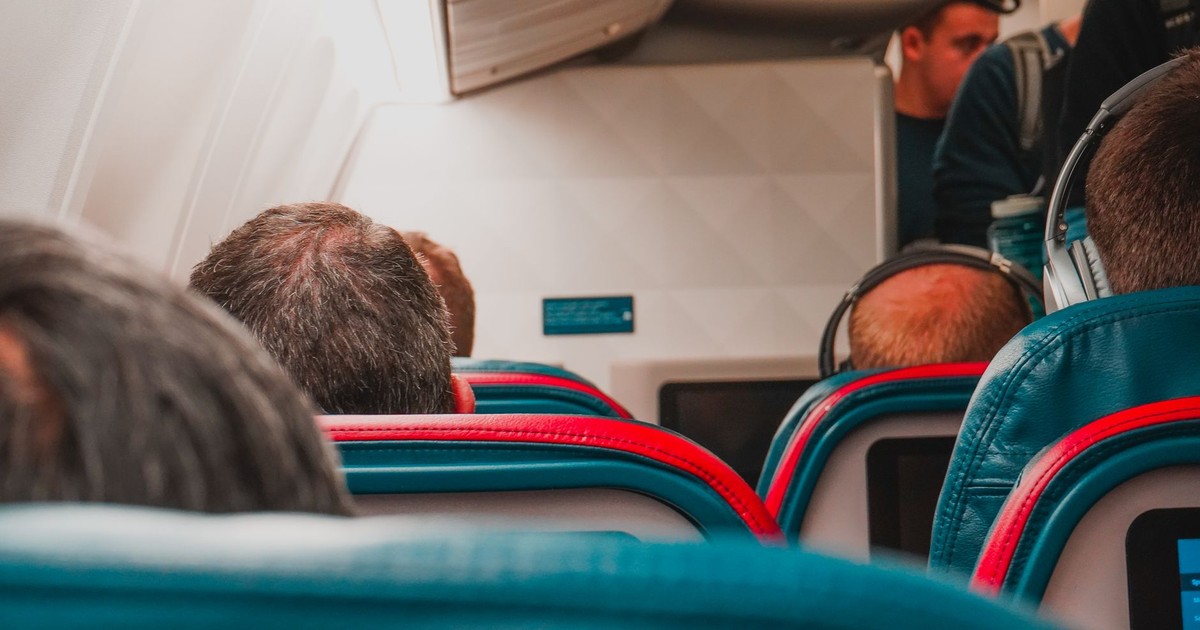
Finding the release lever is genuinely useful, and not only for the obvious reason of getting out of your seat more easily. For anyone who flies with a stiff knee, a healing hip, a bad back, or just a frame that doesn’t fold neatly into an aisle seat, raising the aisle seat armrest changes the whole experience of getting in and out. The sideways slide is significantly easier than the swing-and-duck that most passengers accept as standard.
It won’t get you more room during the flight in any meaningful sense, since the armrest folds up rather than disappearing, and it still occupies vertical space. What it does do is remove the lateral barrier that makes boarding and deplaning in an aisle seat feel like an obstacle course involving other people’s luggage and elbows.
Down during taxi, takeoff, and landing, always. Up during the cruise portion, on most aircraft, as long as no one from the crew asks you to lower it. On some airlines, flight attendants enforce armrest position throughout the flight regardless of the phase, so if a crew member asks you to put it down, that’s not a mistake on their part.
A lot of the most practically useful things about flying are like this: technically findable, never broadcast, sitting exactly where they’ve always been. Reach under the armrest near the hinge. You’ll either find the lever, or you won’t. If you do, you’ve just inherited a small piece of information that most people sitting around you don’t have.
AI Disclaimer: This article was created with the assistance of AI tools and reviewed by a human editor.