
People who rely on GPS for navigation consistently perform worse on independent spatial memory tasks than people who don’t. The ability to build a mental map of the world, one of the defining skills of our species, is measurably degrading. Not because of a virus or an injury, but because of a turn-by-turn voice prompt.
Navigation is just one item on a long list of human abilities that appear to be fading, not through genetic mutation over thousands of years, but through disuse across a few decades. Some of these losses are biological, baked into our evolutionary past. Others are happening right now, as the tools we build absorb functions our brains used to perform themselves.
Not every ability on this list is gone entirely. Many survive in individuals who practice them deliberately, or in communities that never stopped using them. But for most people in modern, technology-saturated environments, these eleven capacities have gone from a core part of daily existence to something between a party trick and a forgotten instinct.
1. Natural Wayfinding
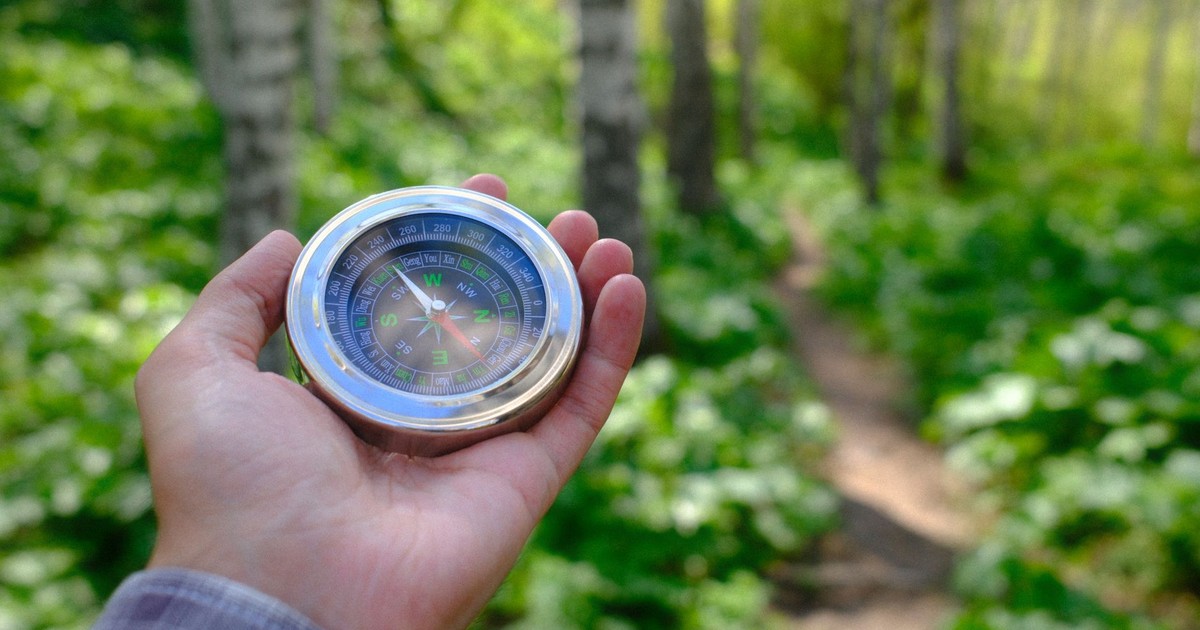
For most of human prehistory, navigating was a survival skill as fundamental as finding water. Before GPS and paper maps, our ancestors spread out across the world and learned to cross vast, seemingly featureless terrain. They read the sun, the stars, prevailing winds, the behavior of birds, and the direction of ocean swells. Communities like the Inuit, Aboriginal Australians, and the Polynesian peoples of the Marshall Islands developed navigational systems precise enough to cross thousands of miles of open water without instruments. All children in those cultures were taught from an early age how to move through landmark-free environments.
A 2020 UCL study published in Scientific Reports found that people with greater lifetime GPS experience have worse spatial memory during self-guided navigation. Self-guided navigation engages the hippocampus in a way that turn-by-turn GPS does not. The hippocampus, a seahorse-shaped structure deep in the brain, builds cognitive maps of physical space and only strengthens when it actually has to do that work. A 2000 study by UCL cognitive neuroscientist Eleanor Maguire found that London taxi drivers have larger posterior hippocampi than non-taxi-drivers, with volume increasing with career length, because the job required memorizing thousands of routes without electronic assistance.
The consequences go beyond getting lost. Exercising cognitive mapping skills supports hippocampal grey matter, and atrophy in the hippocampus is associated with impaired memory, dementia, Alzheimer’s disease, depression, and PTSD. Walking a familiar route without a phone keeps a critical brain structure in working order.
2. Reading the Sky

Pre-industrial humans across every culture could read the sky the way literate people today read text. They knew which stars rose where, how the moon’s position signaled the time of night and season of year, how clouds formed before weather changed, and what color on the horizon at dawn meant for the coming day. Farmers depended on it. Sailors built entire civilizations on it. Shepherds used it to time their movements across mountain pastures. This was not expert knowledge passed between specialists; it was the basic operating literacy of being alive outdoors.
Today, roughly 80% of North Americans and 60% of Europeans cannot see the Milky Way from where they sleep, due to light pollution. The skill of celestial navigation has largely transferred to instruments and apps, and with it has gone the underlying perceptual practice: watching the sky long enough to understand it. Most adults under 40 in urban environments cannot name more than two or three constellations, let alone use any of them to establish direction or time.
3. Acute Smell

Humans are far better at smelling things than we give ourselves credit for. Research over the past decade has consistently dismantled the assumption that our sense of smell is inferior to other mammals because we prioritized vision. We retained a robust olfactory system, but largely stopped using it with any attention or intention. The COVID-19 pandemic, which led to millions of people losing their sense of smell, accelerated research into olfactory function. According to a 2025 review in PubMed Central, COVID-19 increased general awareness of olfactory disorders and drove new research into the role of smell in nonverbal communication and mental health.
Our ancestors used smell in ways that now sound almost extraordinary: tracking animals, detecting water sources, identifying safe plants, reading the fear response of others in a group. The olfactory system connects more directly to the brain’s emotional and memory centers than any other sense. A smell bypasses the thalamus entirely and fires straight into the amygdala and hippocampus, which is why a particular scent can return a twenty-year-old memory with more force than any photograph. The ability itself hasn’t degraded genetically. Attention is what made it sharp, and attention is what has been withdrawn.
4. Sleeping in Two Segments
The idea that humans naturally sleep in one long unbroken block from darkness to dawn is almost certainly a product of artificial lighting, not biology. Historical records from before the industrial era describe a pattern of “first sleep” and “second sleep,” with a waking period of one to two hours in the middle of the night spent in prayer, conversation, or sex, before returning to sleep until morning. This bimodal pattern was documented across a wide range of pre-industrial historical sources as the unremarkable way the night worked.
According to historian Roger Ekirch, the dominant pattern of sleep in Western societies from time immemorial to the nineteenth century was biphasic: most pre-industrial households retired between 9 and 10pm, slept for around three to three and a half hours, woke after midnight for an hour or so, then took a second sleep until dawn. Gas and electric lighting, sharper time-consciousness, and chronic sleep deprivation dismantled that pattern during the 19th century. Many people who experience middle-of-the-night waking and lie anxious about insomnia are, physiologically speaking, doing exactly what their ancestors did.
5. Lip Reading and Micro-Expression Reading

For most of human history, reading faces was a genuine survival skill. Detecting whether a stranger was hostile, whether a group member was concealing illness, whether a trading partner was lying, these were matters of life and death rather than social niceties. Our ancestors lived in small, high-stakes social groups where misreading a face could mean expulsion or violence. Much of the brain expansion over the last two million years is thought to have been driven by social demands: modelling other minds, anticipating behavior, and reading emotional states from minimal cues.
The modern erosion of this capacity is measurable and recent. People who grew up communicating primarily through text report significantly lower ability to read facial micro-expressions than those who grew up with more face-to-face interaction. Masks during the COVID-19 pandemic provided a natural experiment: people who relied on lip-reading as a supplementary input during conversation discovered how much they depended on mouth movement to parse meaning. The ability to read faces isn’t gone, but it is substantially less practiced and therefore less precise than in any pre-smartphone generation.
6. Tracking and Reading Animal Behaviour
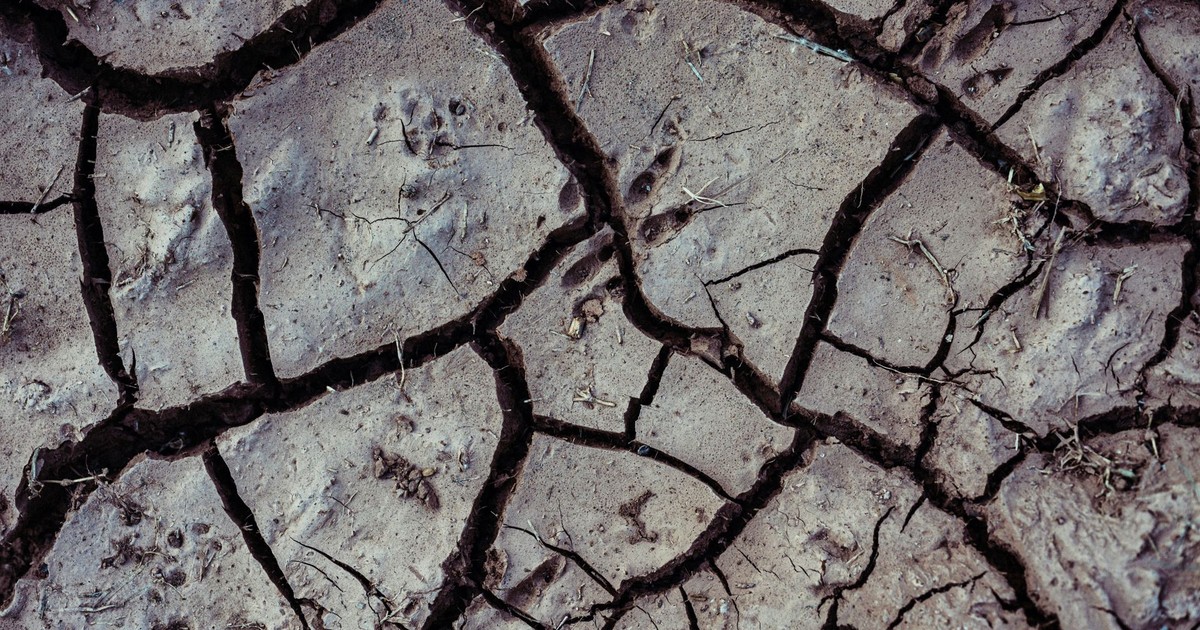
San Bushmen hunters in the Kalahari can follow an animal’s tracks for twenty miles across hard ground, identifying not just species and direction but gait, speed, age, and physical condition from subtle impressions in the soil. Hadza foragers in Tanzania cover enormous ranges with a fluency that GPS-dependent observers consistently underestimate. Research using GPS devices worn by Hadza foragers to record over 2,000 person-days of movement found that men walked further per day, explored more land, followed more sinuous paths, and were more likely to be alone, consistent with a navigational and tracking intelligence built by millennia of practice.
Environmental literacy of this kind, knowing what disturbed vegetation means, how a bird’s alarm call differs from its feeding call, which insects cluster near water, is not genetic. It is learned through sustained, attentive time in natural environments. It existed across virtually every pre-agricultural culture and has largely vanished in industrial societies within two or three generations. Most urban adults have lost the attentional habits required to read an environment at all, because the environments they move through daily offer very few signals worth reading.
7. Physical Endurance Navigation

Separate from the cognitive skill of wayfinding is the raw physical capacity our ancestors used to cover ground on foot. The !Kung San of the Kalahari were documented by anthropologists running prey to exhaustion over distances of up to 20 miles in midday heat, a hunting strategy called persistence hunting that relies on humans’ unique ability to thermoregulate through sweating while maintaining a steady running pace. Modern industrialized humans retain the biological machinery for this: the same sweat glands, upright posture, arched foot, and long Achilles tendon. What has collapsed is the trained capacity.
Hunter-gatherers listened to the environment and moved toward sounds, avoiding predators, tracking prey, and locating water sources. That full-body environmental engagement, running, listening, smelling, and tracking simultaneously, created a unified perceptual skill that modern gym-based exercise does not replicate. The individual components, cardiovascular fitness and sensory acuity, can still be trained in isolation. The integrated skill, body and environment working as a single system, has largely disappeared from daily life.
8. Digesting a Wider Range of Foods

Just 10,000 years ago, no human past infancy could digest lactose. That point illustrates how rapidly human digestive capacity changes in response to diet. The reverse is also true: capacities that go unused can decline across generations. The industrialized human gut appears to have lost significant microbial diversity compared to both hunter-gatherer ancestors and contemporary communities eating traditional diets. Studies comparing the gut microbiomes of industrialized Westerners with those of the Hadza people show that Westerners have lost entire families of microorganism that the Hadza retain. Those missing bacteria are not recoverable through probiotics; they require the dietary inputs that feed them, specifically diverse, fermented, and fibrous foods that most modern diets no longer consistently supply.
9. Vitamin C Synthesis

Most animals synthesize their own vitamin C internally. Humans lost that ability through a mutation in the gene GULO, which codes for the enzyme that makes ascorbic acid. The mutation became fixed in the primate lineage tens of millions of years ago. Because the diet at the time was fruit-rich enough to supply vitamin C externally, there was no selection pressure to maintain internal synthesis, so the gene stayed broken. Humans now depend entirely on dietary sources for a molecule every other mammal produces in its own liver. This is an ancient loss rather than a modern one, but it illustrates how evolution does not preserve what it does not need.
10. Deep Concentration Without External Stimulation
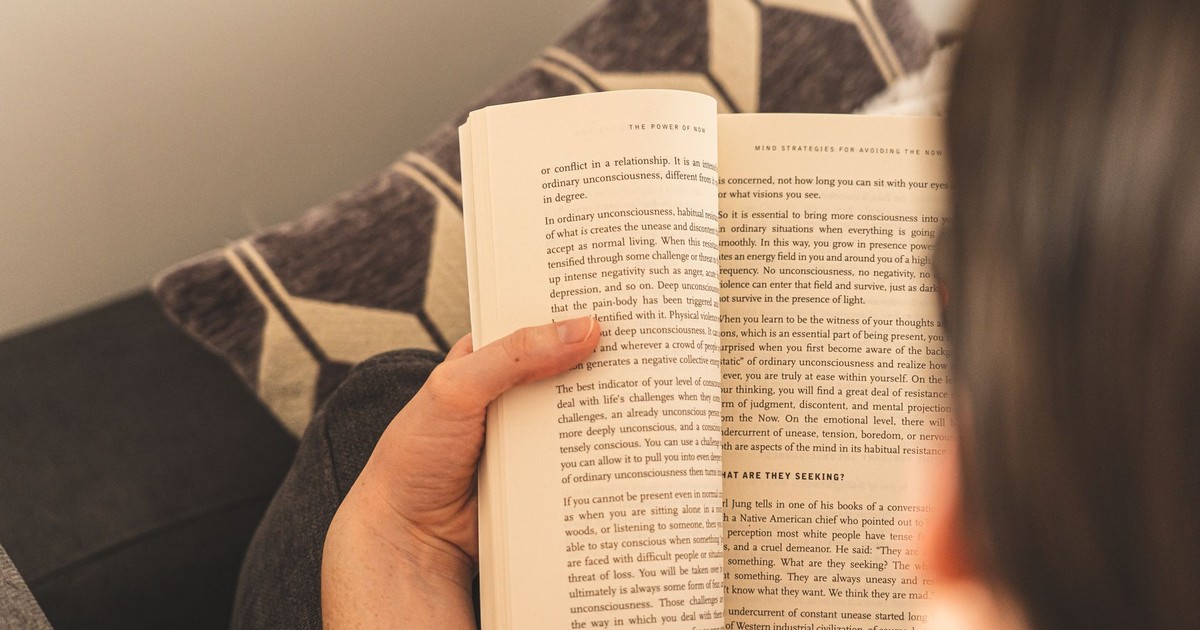
The ability to stay with a single task or thought for an extended period, without interruption or external entertainment, used to be a default state of human experience. Waiting, walking, and working with hands were long uninterrupted stretches in which the mind had nothing to process but the immediate task or its own contents. That kind of sustained, inward attention was not considered a discipline or a skill. It was simply what being alive felt like when there was nothing else happening.
Constant low-grade sensory fragmentation, of the kind produced by notification-driven devices, appears to impair the formation of deep, consolidated memories. Attention researchers now describe “directed attention fatigue,” the depletion of focused concentration required for demanding cognitive tasks, as a widespread condition in digital environments. The capacity for deep concentration hasn’t been lost genetically, but the practice of exercising it uninterruptedly has become genuinely rare, and practice is what makes the capacity robust.
11. Communal Memory and Oral Tradition

Before writing, memory was not a private act. Oral traditions carried the equivalent of law, history, geography, ecology, and medicine across generations in the form of story, song, and ritual. Individuals within those traditions developed mnemonic capacities that appear extraordinary by modern standards: the ability to retain and reproduce hours of complex narrative material with precise accuracy. Aboriginal Australians encoded detailed geographic information across thousands of miles into “songlines,” oral maps that functioned as navigational and ecological guides simultaneously.
Writing externalized memory, and in doing so reduced the cognitive demand for internal storage. The printing press reduced it further. The internet reduced it again. Each step brought genuine advantages but also transferred capacity out of the brain and into a medium. The average person’s ability to hold and reproduce long verbal material from memory is a fraction of what was normal in pre-literate cultures. When the technology fails, the knowledge doesn’t just become inaccessible. For most people, it simply isn’t there.
What This Actually Means

None of these eleven losses are uniform. Some, like vitamin C synthesis, are permanent at the species level and require acknowledgment rather than remedy. Others, like natural wayfinding and deep concentration, are being actively degraded by specific technology habits that deliberate adjustment can partially reverse. London taxi drivers didn’t start their careers with larger hippocampi than everyone else; they built that structure through years of unmediated practice. The brain is plastic enough that even occasionally putting the phone away and navigating a familiar neighborhood from memory will, over time, exercise the systems being neglected.
The less comfortable implication of this list is not that technology has made us worse. Every capability offloaded to a device, whether navigation, memory, attention, or environmental reading, was costing the brain real effort and real resources to maintain. We outsource because it’s easier. Easier, when it comes to cognitive and sensory skills, usually means the same thing it means for physical fitness: less use, less capacity, less resilience when the shortcut disappears.
AI Disclaimer: This article was created with the assistance of AI tools and reviewed by a human editor.