

Most people who think of themselves as selfish can still remember the last time they quietly made things easier for someone else without saying a word about it. Kindness lives there, between how we see ourselves and what we actually do. Not in the grand gestures or the viral moments. In the everyday ones that happen and then disappear without ceremony.
Kindness boosts mood, compassion, empathy, and self-esteem. A 2024 international trial found that acts of kindness can reduce loneliness and social isolation, both of which are increasingly linked to a range of negative health effects. And yet most kind people don’t think of themselves that way. They assume kindness requires more than what they’re already doing, more time, more money, more visible sacrifice. They’re usually wrong.
The 12 behaviors below are the real signs of kindness, the ones that show up in daily life without fanfare. Some are things you might do without even registering them. Others might make you pause and recognize something in yourself you hadn’t named before. Either way, they count.
1. You Actually Listen When Someone Talks

Not planning your response. Not half-listening while you scan your phone. Actually listening, catching the tone shift mid-sentence, noticing when someone’s words don’t quite match what their face is doing, following the thread of what they’re really saying underneath the surface story.
Research published in 2025 identified kindness as a construct with three distinct dimensions: emotional, related to positive feelings toward others; cognitive, expressed in beliefs about other people; and behavioral, involving specific actions aimed at improving someone’s situation. Active listening sits at the intersection of all three. It requires emotional attunement (caring that someone is speaking), cognitive engagement (tracking what they mean, not just what they say), and a behavioral choice (putting your own agenda down). Most people manage one or two of these. Doing all three at once is rarer than it sounds.
The person who really listens is the one people call when something goes wrong. Not because they have the best advice, but because they make the other person feel genuinely heard. That feeling is often the thing people are most hungry for and least able to ask for directly.
2. You Apologize Without Turning It Into a Defense
“I’m sorry you felt that way” is not an apology. Most people know this, and most people have said it anyway, because a real apology requires sitting with something uncomfortable: the possibility that you actually got it wrong.
If you can apologize cleanly, “I got that wrong, I’m sorry,” without immediately redirecting to your intentions, your stress levels that day, or what the other person also did, you’re doing something that costs real effort. The instinct to soften an apology by contextualizing it is almost universal. Resisting that instinct is an act of genuine care for the person you wronged.
A clean apology says: your experience matters more to me right now than protecting my image. Researchers who study kindness describe it as encompassing positive thoughts and opinions about others alongside actions aimed at benefiting them. The clean apology delivers both at once, and it costs more than it looks like from the outside.
3. You Notice When Someone Is Struggling Before They Say So

The coworker who is a little too quiet in the meeting. The friend who texts back in one word when they normally send paragraphs. Your partner who says “I’m fine” in the exact tone that means the opposite.
Noticing these signals isn’t magic. It’s attention, sustained over time. It requires that you actually look at people rather than through them. And it requires caring enough to act on what you notice, the check-in text, the “you seem off today, what’s going on,” the presence that doesn’t demand explanation before it shows up.
Kindness, at its core, is rooted in a genuine concern for others. It draws on feeling, thinking, and action, and the emotional side activates before anyone has asked for anything. Picking up on someone’s distress before they name it is that emotional side doing its work.
4. You Give Genuine Compliments With No Agenda

There’s a difference between a compliment that makes the giver feel good and one that lands for the receiver. The first is about the speaker, often general, slightly performative, arriving at a convenient moment. The second is specific and timed for the person, not the occasion.
Telling someone their presentation was great because they seem to want validation is different from telling a colleague on a random Tuesday that the way they handled a difficult client call last week showed real patience, and you noticed. The second one costs something: it requires that you were actually paying attention, that you remembered, and that you cared enough to say it unprompted.
Unsolicited, specific recognition is one of the behaviors most reliably tied to stronger relationships. A compliment that arrives with nothing attached, no favor needed, no awkward timing, no obvious personal benefit, carries a weight that generic praise never does.
5. You Share Credit Naturally

When something goes well, who do you talk about first? Some people default to “I,” not out of malice, but out of habit. The person who instinctively says “we figured it out” or “that was really Sarah’s idea, I just helped execute it” is doing something that steadily builds trust across every relationship they’re in.
Shared credit costs you exactly one thing: the full shine of a moment. What you get back is a reputation as someone safe to collaborate with, and, more importantly, a relationship with the person whose contribution you named. People remember when their work is seen. They remember even more when it’s named out loud by someone who didn’t have to say anything.
A 2024 study found that people who engaged in prosocial behaviors, actions directed outward toward others, reported higher well-being across measures of happiness, flourishing, optimism, and resilience, while those focused on self-oriented strategies saw fewer of those gains. Sharing credit is prosocial in a way that’s easy to overlook: it prioritizes someone else’s sense of contribution over your own visibility.
6. You Follow Through on Small Promises

You said you’d send that article. You said you’d check in after the appointment. You said you’d look into that recommendation. And you actually did.
Small promises are treated as social filler by most people, said sincerely in the moment, forgotten by the next morning. The person who follows through on them is communicating something that no single grand gesture can replicate: that they take other people seriously enough to remember what they said. Reliability is an act of care. It tells someone that their time and their expectations matter to you, not just in theory.
The accumulation of small follow-throughs is what builds the kind of trust that survives the harder moments in a relationship. People forgive a lot in someone they know will actually show up. They forgive very little in someone who keeps promising and disappearing.
7. You’re Kind to People Who Can’t Do Anything for You

How someone treats a waiter, a parking attendant, or a customer service rep who is clearly having a terrible shift reveals something that polished social behavior can’t. There’s no social reward for being warm to someone who has no influence over your life, no professional connection to offer, no favor to return. Which is exactly why it matters.
Research published in 2025 confirmed that prosocial behavior, actions intended to help others, benefits well-being, yet modern society often places greater emphasis on self-focused acts in the pursuit of personal gain. The person who extends real warmth to someone from whom they have nothing to gain is acting against that cultural current. That difference, between what’s socially incentivized and what they actually do, is where you find the cleanest read on someone’s character.
It also tends to be contagious. People around you notice when you’re decent to someone who didn’t expect it. It changes the temperature of a room in ways that are hard to trace but easy to feel.
8. You Give People the Benefit of the Doubt
The default human response to an unanswered message, a cancelled plan, or a snapped reply is to generate a story, usually an unflattering one. They’re avoiding me. They don’t care. They meant that as a dig.
The kind person’s default runs the other way. Something came up. They’re probably overwhelmed. That probably didn’t come out how they meant it. This isn’t naivety. It’s a deliberate, or deeply practiced, choice to not fill in the spaces with the most negative possible interpretation.
Researchers who study kindness in younger populations describe it as connected to moral courage, the willingness to uphold fairness even when no one is watching. Extending the benefit of the doubt is its own form of that: choosing fairness toward someone in the story you tell yourself about them, even when you could get away with assuming the worst.
9. You Remember the Details

The surgery they mentioned two months ago. The name of their dog. The job interview they were nervous about. The fact that they hate receiving cut flowers but love plants. Remembering things people told you, unprompted, and bringing them back in future conversations is one of the most intimate things you can do in an ordinary relationship.
It tells the person: I was actually listening. You stayed in my head. You mattered enough for me to hold onto. For people who feel chronically unseen, and many people do, a single unprompted “how did that thing go?” can be genuinely moving.
This connects directly to the social attunement habits that researchers associate with people who treat others’ lives as genuinely interesting rather than as background noise to their own.
10. You Check In Without Needing a Reason

The text that isn’t prompted by anything. The call just to say you were thinking about someone. The message that arrives not because something happened but because you thought of them and let yourself act on it.
Most people wait for a reason, a birthday, a crisis, a favor request, before reaching out. The kind person closes the distance without one. They send the message that has no utility whatsoever except to say: you exist in my mind, and I wanted you to know that.
Research also found that outward-focused acts provided a psychological boost even during periods of significant stress, a benefit that wasn’t consistently found with self-focused approaches. The unprompted check-in is a clean example of this: it serves someone else first, and what it gives back to the sender is a sense of connection that no amount of solo self-care reliably produces.
11. You Don’t Make People Feel Bad for Needing Help
Helping someone while making them feel like a burden, through a sigh, a pause, a subtle look, a later mention, cancels out the help. The person who got what they needed now owes a psychological debt they didn’t ask to take on.
The genuinely kind person helps without the performance of sacrifice. They don’t need the other person to know how inconvenient it was, how much they rearranged, how many other things they had going on. The help arrives without a receipt attached. This takes more emotional discipline than it looks like from the outside, especially on a hard day when the inconvenience is real.
What it gives the other person is the ability to actually receive the help, to feel cared for rather than indebted. That’s the difference between an act of kindness and an act of generosity that leaves a small bruise.
12. You’re Kind to Yourself When You Get It Wrong

Neuroscientific research has found that training in compassion produces measurable changes in brain structure and function related to empathy and prosocial behavior. Researchers define self-compassion as treating oneself with kindness and understanding rather than harsh self-criticism, especially in moments of difficulty.
People who extend none of that understanding to themselves tend to extend less to others over time. Chronic self-criticism depletes exactly the emotional resources that kindness draws from. The person who can say “I handled that badly, I’ll do better” and then actually move on, without weeks of internal flogging, is more available, more present, and more capable of kindness in the next moment than the person still buried in self-recrimination about the last one.
Self-compassion means seeing the mistake clearly, taking it seriously, and not adding unnecessary suffering on top. It’s the same thing you’d want for someone you love, and it turns out you need it for the same reasons they do.
What the Signs of Kindness Actually Tell You
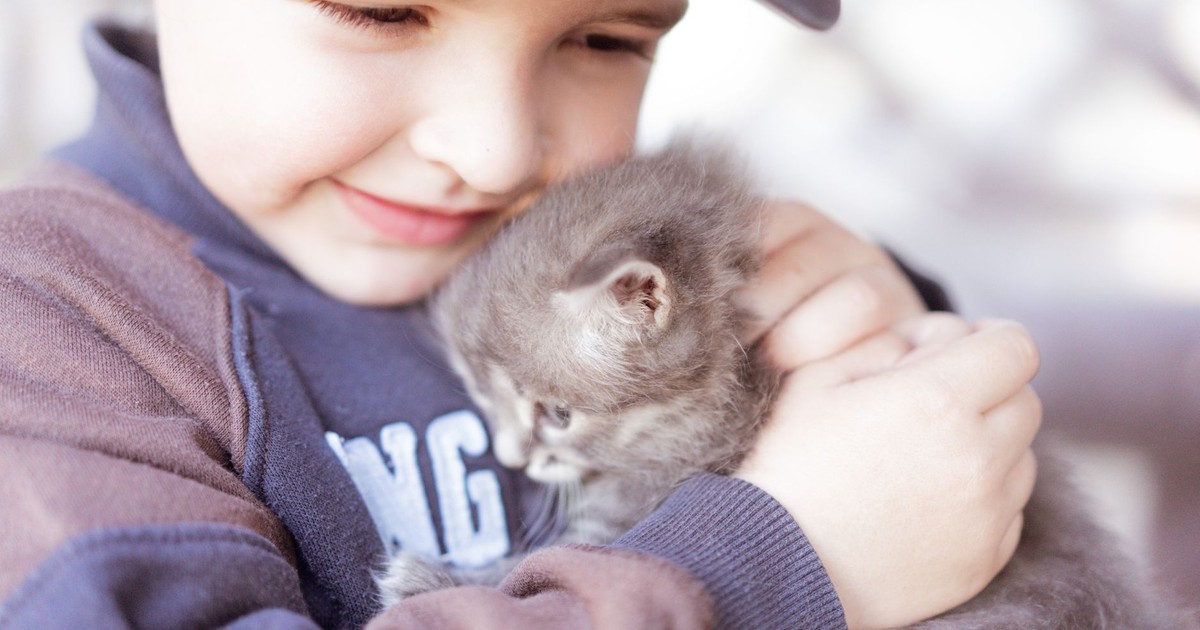
The common thread running through all twelve of these is that they’re oriented outward. They require paying attention to someone else’s experience, not as a performance, not as a strategy, but as a genuine habit of noticing. That’s a harder thing to fake than most people realize, which is why these behaviors are such reliable signals.
None of these require grand circumstances, either. They happen in ordinary moments, on ordinary days, with people who are not in crisis. That’s actually the harder test. Anyone can rise to an emergency. Kindness in the unremarkable parts of life, the meeting that runs long, the text that got forgotten, the off-handed remark you could have made and didn’t, is where character is built and rebuilt, one small decision at a time.
If you recognized yourself in several of these, you’re probably kinder than you’re giving yourself credit for. And if one of them landed a little differently, that’s useful information, too. Some of these patterns go back further than any single relationship does. Naming that isn’t a solution, but it’s usually where the real conversation starts.
Disclaimer: This information is not intended to be a substitute for professional medical advice, diagnosis, or treatment and is for information only. Always seek the advice of your physician or another qualified health provider with any questions about your medical condition and/or current medication. Do not disregard professional medical advice or delay seeking advice or treatment because of something you have read here.
AI Disclaimer: This article was created with the assistance of AI tools and reviewed by a human editor.