
Most drivers have never once gone looking for their spare tire. It lives somewhere in the trunk, beneath a panel they haven’t lifted since the car was new, probably with a jack that may or may not work, and a lug wrench that fits a wheel they’ve never inspected.
In 2024, AAA received over 27 million emergency roadside service calls across the United States. Roughly 7 million involved battery issues, one of the two most common call types, accounting for about 74% of total incidents along with towing requests. The things people wish they had during those breakdowns are almost always the same: a working flashlight, a first aid kit that goes beyond bandages, jumper cables or a jump starter, and a phone with enough battery to call for help.
Spend thirty minutes once, put a few things in a bag, and don’t think about it again until the day you need them.
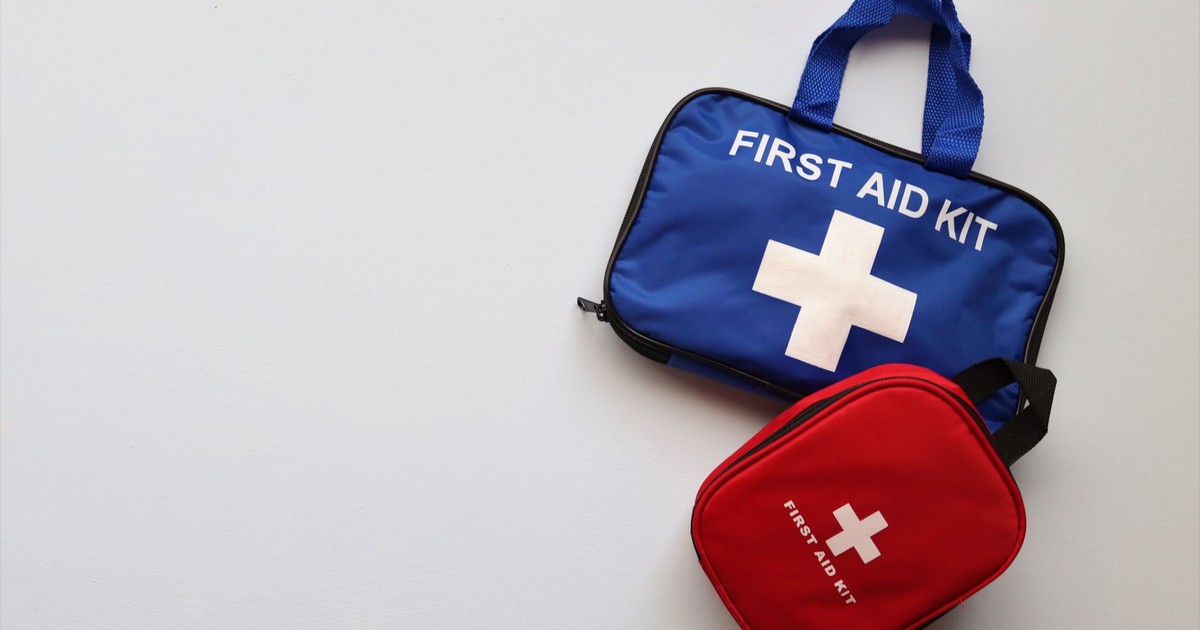
1. A First Aid Kit That’s Actually Stocked
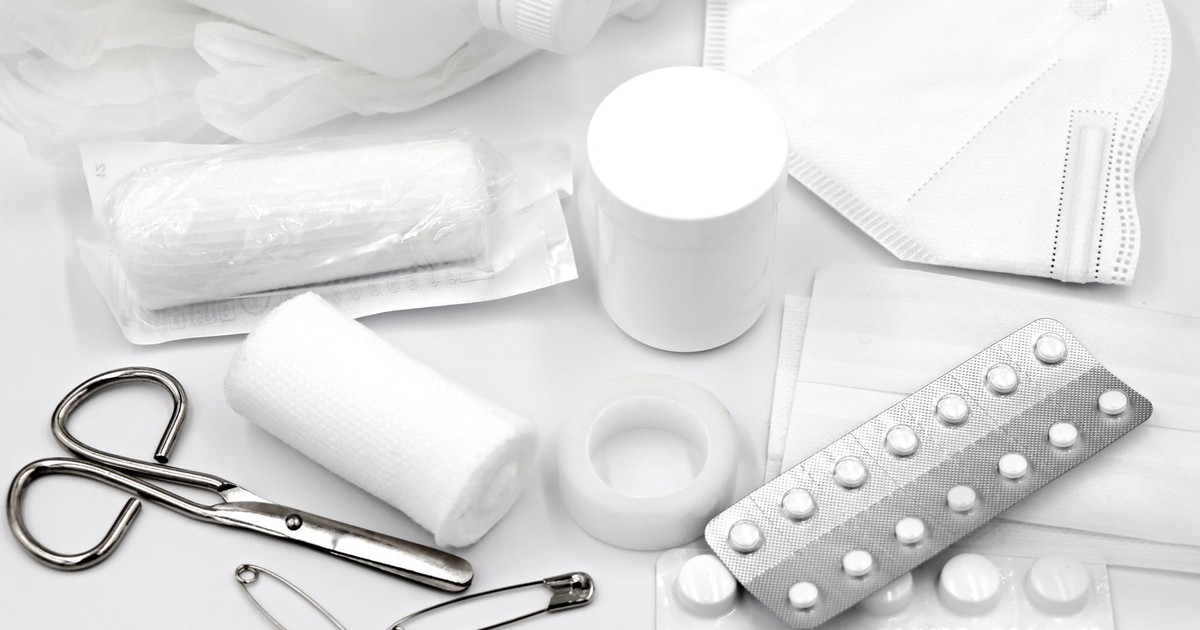
The average store-bought first aid kit comes loaded with bandages in three sizes and a pamphlet. What you actually want is a kit that covers the situations most likely to happen on a road: lacerations, sprains, burns, and the kind of blunt-impact injuries that come with fender-benders and roadside falls.
A solid kit includes adhesive bandages in multiple sizes, sterile gauze pads, antiseptic wipes, medical tape, a triangular bandage (which doubles as a sling), scissors, tweezers, and over-the-counter pain relievers. A 2025 automotive kit guide also recommends including a windlass tourniquet, gauze pads, triangular bandages, oral glucose, and aspirin for a well-prepared car kit.
Check the expiration dates on anything in the kit at least once a year. Antiseptic wipes dry out, medications expire, and adhesives lose their grip. A first aid kit that hasn’t been opened in four years is barely a kit at all. Tie the inspection to something you already do annually, like a registration renewal or an oil change, so it actually happens.
2. Jumper Cables or a Portable Jump Starter
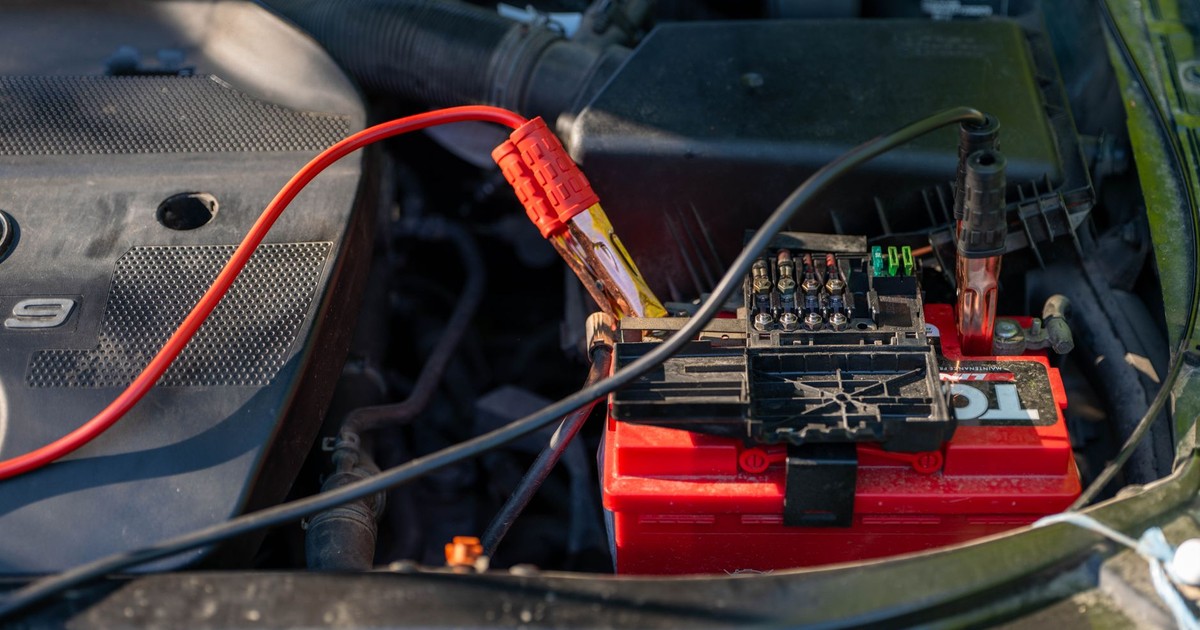
In 2024, AAA received over 27 million emergency roadside service calls across the United States, with roughly 7 million of those involving battery issues, one of the two most common call types, accounting for about 74% of total incidents along with towing requests. That number makes dead batteries the single most predictable roadside crisis in the country, which makes jumper cables or a portable jump starter one of the highest-value things to keep in car.
Traditional jumper cables require a second vehicle and a willing stranger, which works fine on a busy highway. A portable lithium jump starter, now widely available for under $60, lets you restart your car independently without needing anyone else. They’re compact enough to fit in a glove compartment and can typically handle 20 or more jump starts on a single charge. If you drive an older vehicle or live in a climate with cold winters, a portable jump starter is the more practical option of the two.
One note: if your car battery dies repeatedly, the jump starter is a stopgap, not a solution. A battery that’s dying needs replacing, and most auto parts stores will test it for free.
3. Water
A car breakdown in summer heat, a highway traffic standstill that stretches into hours, a minor accident that leaves you waiting on the roadside while everyone sorts out insurance: all of these are situations where having water on hand shifts from a comfort to a genuine necessity.
The Red Cross recommends bottled water as a standard vehicle kit item and advises stocking supplies that help you stay hydrated during extended roadside delays. Dehydration sets in faster than most people expect when temperatures are high and stress levels are elevated. Keeping two or three 16-oz bottles in the car, rotated every few months since heat degrades plastic containers over time, costs almost nothing and takes up almost no space.
If you drive in desert regions or frequently travel long stretches of highway, err on the side of more. A few bottles of water will just sit there doing nothing until the one day they matter.
4. A Flashlight With Extra Batteries
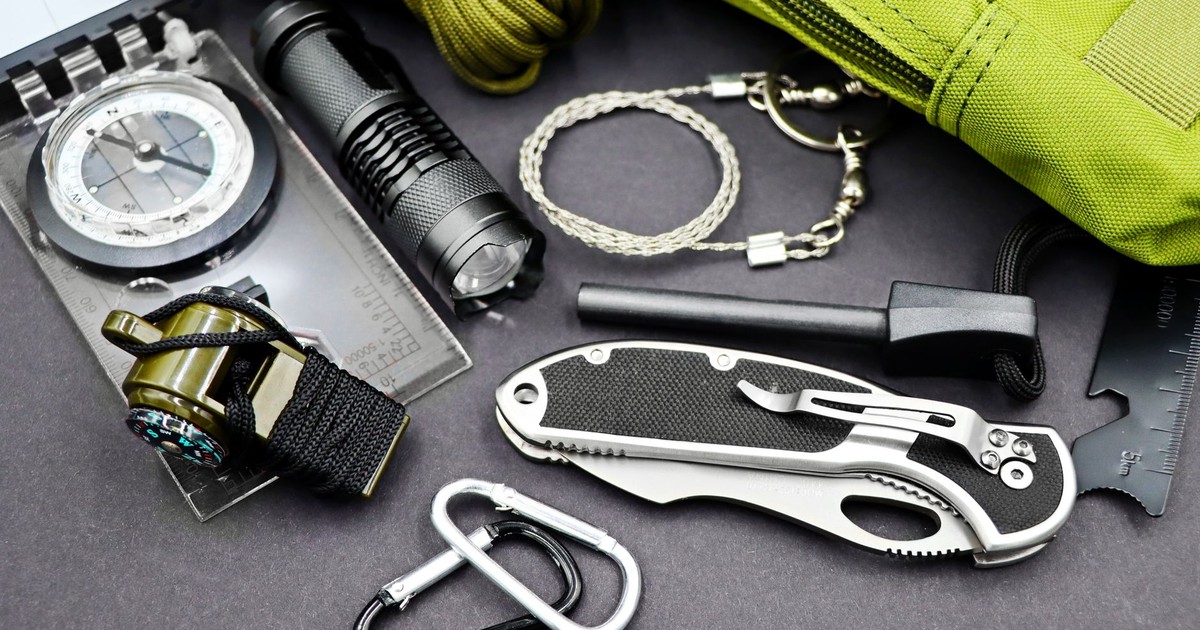
Phone flashlights exist, which is exactly why most people no longer keep a dedicated flashlight in the car. The problem is that a phone flashlight is your phone flashlight. When you’re kneeling next to a flat tire in the dark, pointing your phone at the lug nuts while also trying to follow a video tutorial on how to use the jack, the battery drops fast. If your phone dies at that moment, you’ve lost your light, your navigation, and your ability to call for help simultaneously.
A compact LED flashlight runs for hours on a set of AA batteries and can be tucked into a door pocket or the bottom of a trunk bag without taking up meaningful space. Headlamp-style flashlights are worth considering too: they keep both hands free, which matters when you’re doing anything practical in the dark.
Pack extra batteries with it, and store the batteries separately from the flashlight to prevent accidental drain.
5. A Blanket

A blanket in the car serves more situations than most people anticipate. The obvious one is being stranded overnight in cold weather, which is genuinely dangerous. But a blanket is also useful for staying warm while waiting for a tow truck on a cold evening, covering a car seat that’s been baking in August sun, keeping a child comfortable during a long unplanned delay, or providing a clean surface to kneel on when changing a tire in rain.
A Mylar emergency blanket is the most space-efficient option, folding down to the size of a deck of cards, and its retroreflective surface makes it useful for warmth and visibility in one. A standard fleece blanket works too and has the advantage of being useful in more everyday scenarios without feeling like survivalist gear.
6. A Tire Repair Kit and Pressure Gauge
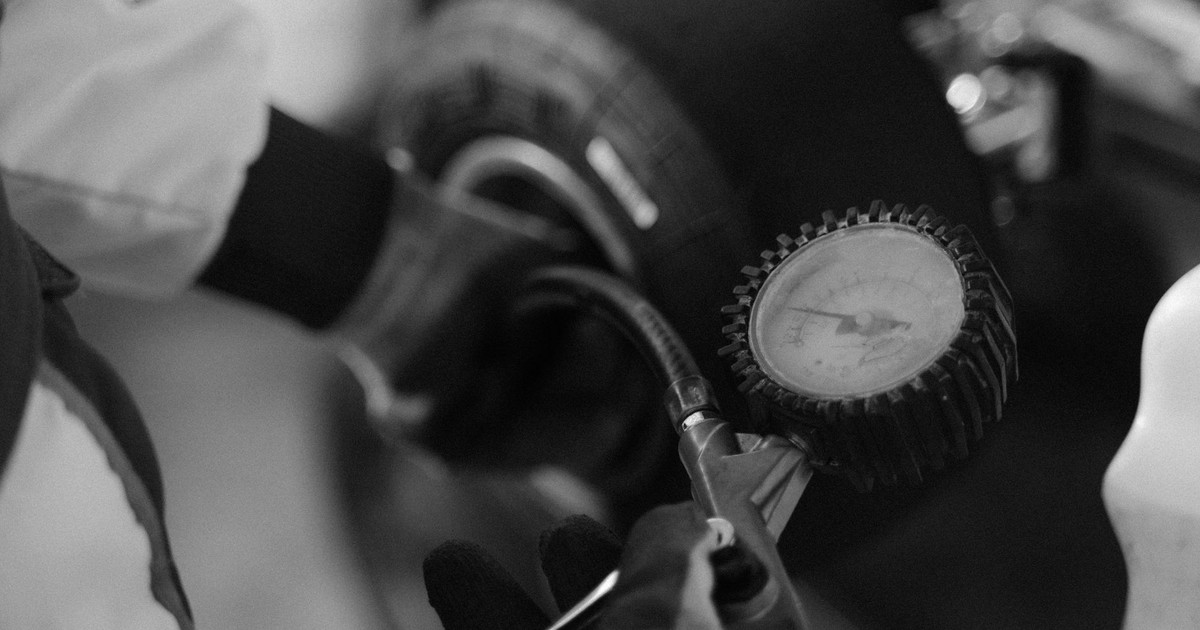
Flat tires are the second-most-reported roadside issue after battery failures, and the gap between having a spare tire properly set up and not having one is measured in hours of waiting. The situation is getting more complicated: a growing number of new vehicles no longer come with a full-size spare. Many now include only a compact temporary spare (commonly called a “donut”), and some come with nothing but a can of tire sealant.
If your vehicle has a spare tire, you’ll need a car jack and lug wrench. Newer cars often store these with the spare, but double-check, because if they’re missing and you don’t have replacements, you’re stuck even when you have the spare. Beyond the spare itself, a tire pressure gauge costs about five dollars and takes up no space. Tires that are significantly under-inflated handle poorly, wear faster, and are far more vulnerable to blowouts.
A can of tire inflator and sealant is worth adding as well. It won’t fix a serious blowout, but it handles slow leaks and small punctures well enough to get you to a repair shop, which is often all you need.
7. A Phone Charger and a Portable Power Bank

A dead phone in a breakdown scenario is a particular kind of stress. Your maps are gone. Your ability to call for help is gone. Any photos you might need for an insurance claim are inaccessible. Plenty of drivers regularly arrive at a breakdown with a phone already running low from a full day’s use, which is the worst possible moment to realize there’s no charger in the car.
Keep a charging cable and car charger adapter in the glovebox permanently. These are small enough that there’s no reason they shouldn’t just live in the car. A portable power bank gives you the ability to charge your phone even if the car itself isn’t running. BYU Emergency Management lists a power bank and charger among its core car kit essentials, alongside jumper cables, a flashlight, and a first aid kit.
The one thing to check: some power banks discharge slowly over time even when not in use. Give yours a top-up charge every couple of months so it’s actually ready when you need it, not showing 12% at the worst possible moment.
8. Reflective Triangles or Road Flares
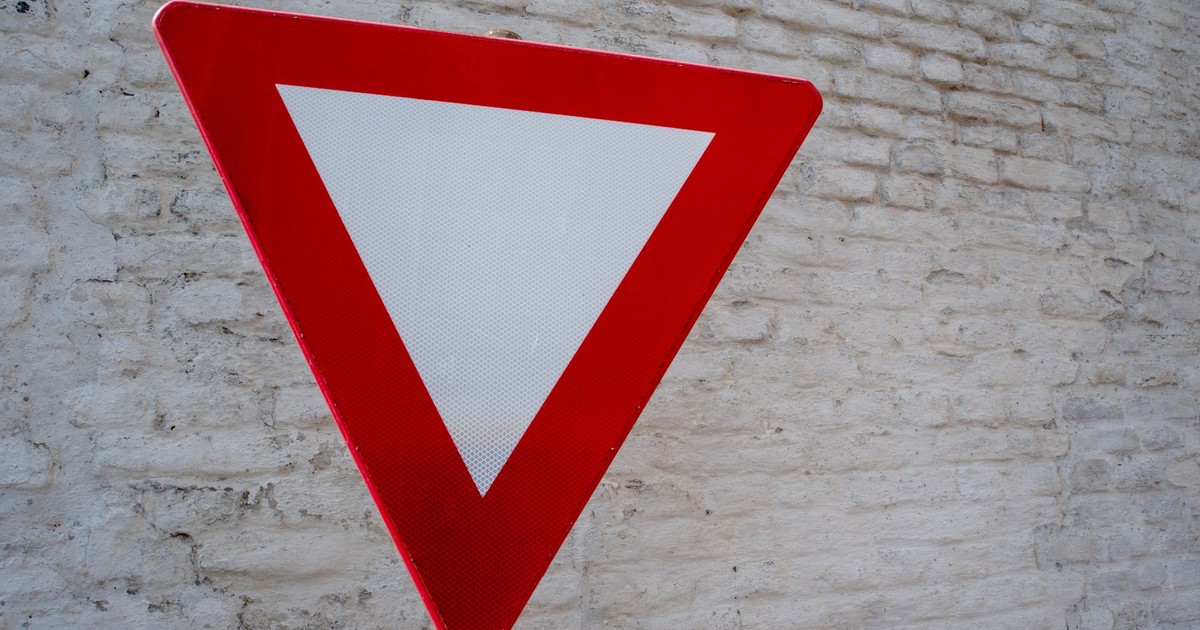
A car pulled over on the shoulder with only its hazard lights on is much harder to spot than one with reflective triangles or flares set out behind it. Most roadside accidents involving stopped vehicles happen because approaching drivers didn’t see the car until it was too late, and that gap in visibility is entirely preventable.
Reflective triangles are reusable, pack flat, and should be placed 50 to 100 feet behind your vehicle to give approaching drivers adequate warning. Road flares are single-use but highly visible and work well in rain or fog where reflective surfaces may be less effective. A high-visibility safety vest is worth adding too: the ANSI/ISEA 107 standard ensures the retroreflective material is bright enough in headlights to be seen by drivers approaching at speed, which matters whether you’re a road worker or someone who just pulled over with a flat.
Set something out behind the car before you do anything else. Get it in place while there’s still a safety buffer, then deal with the breakdown.
You can also think about this in the context of traffic rules most drivers forget, like the requirement in many states to move off the roadway entirely when stopped, and how far from traffic you’re legally required to place your warning devices.
9. Cash in Small Bills

This is the item that surprises people most, and also the one most consistently flagged by anyone who has spent time stranded in an unfamiliar area. Towing companies, small-town repair shops, parking attendants, and some emergency services still operate in cash-only or cash-preferred environments. A card reader that “just stopped working” is more common than it should be in a roadside context.
Small bills matter specifically because they let you make change, tip appropriately, and cover a transaction without needing the other party to have exact change. A $50 bill is less useful than five tens when you’re trying to pay a $15 parking fee at an unstaffed lot at 9pm with no cell service. Keep $40 to $60 in mixed denominations in a small envelope in the glovebox, separated from your wallet, so it stays put even on days when you clean out your cash paying for something else.
Cash also serves a second purpose: it’s the one payment method that doesn’t require cell service, a functioning card reader, or a charged phone. In a roadside situation where all three are unavailable at once, that redundancy is worth more than it costs.
Read More: Criminal Lawyer Reveals 7 Items You Should Never Keep In Your Car
What Happens Next
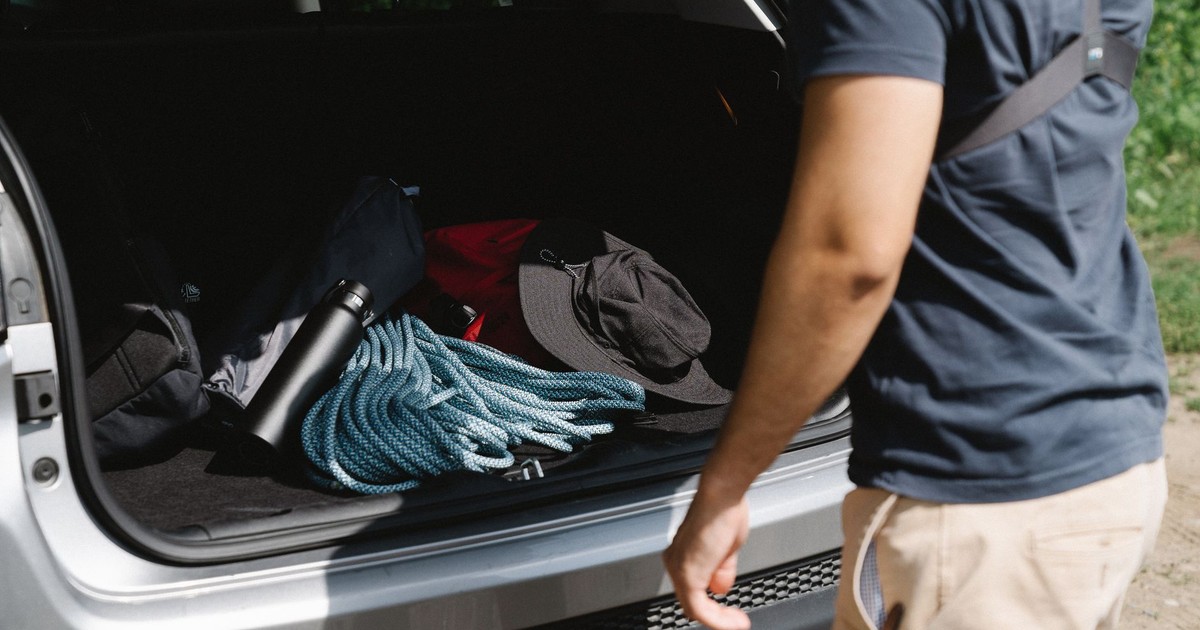
The friction that stops most people from putting these things to keep in car isn’t cost. Nearly all of it can be assembled for under $100, and often much less if you already own some of it. The friction is inertia: the gap between knowing something is a good idea and actually doing it on a random afternoon when nothing has gone wrong recently and the stakes feel abstract.
Spend 30 minutes this week putting together a basic kit in a small bag or bin and put it in the trunk. Not the perfect kit, not the complete kit. Just a starting point. The first aid kit, the flashlight, the jumper cables or jump starter, the water, the cash. Those five things cover the majority of roadside scenarios by themselves. Add the rest over the next few weeks as you come across the items.
With AAA fielding over 27 million roadside calls in a single year, roughly 7 million of them for battery issues alone, car trouble doesn’t announce itself in advance. The people who handle it without too much drama are usually just the ones who didn’t wait to find out.
Disclaimer: This information is not intended to be a substitute for professional medical advice, diagnosis, or treatment and is for information only. Always seek the advice of your physician or another qualified health provider with any questions about your medical condition and/or current medication. Do not disregard professional medical advice or delay seeking advice or treatment because of something you have read here.
AI Disclaimer: This article was created with the assistance of AI tools and reviewed by a human editor.