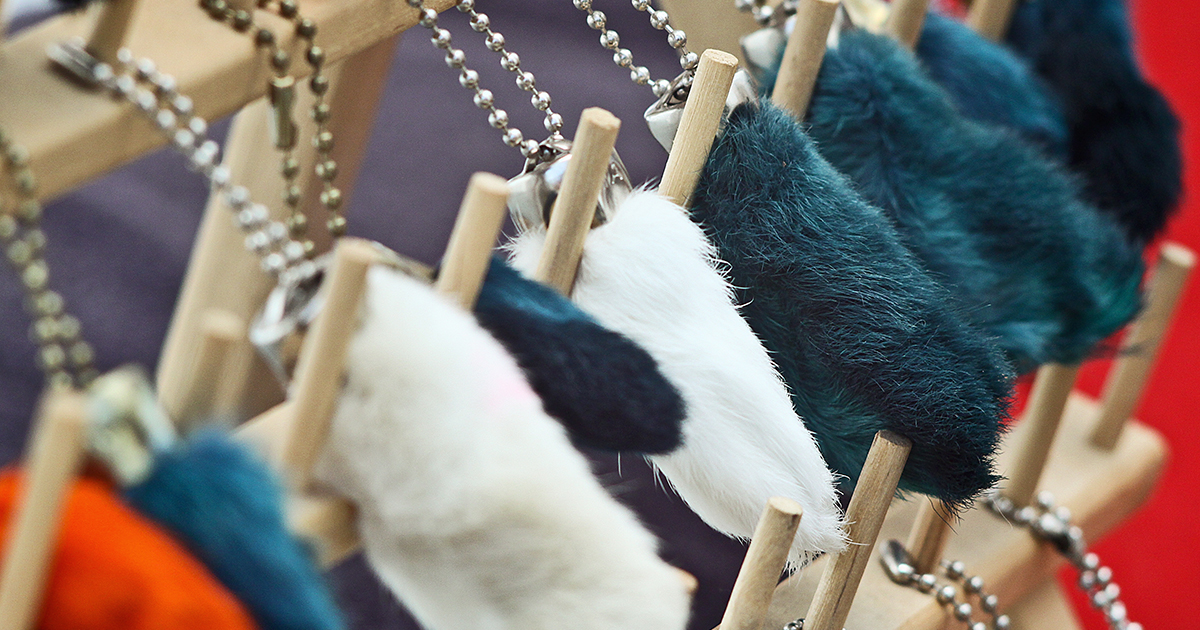

Few objects in Western folklore have a stranger biography than the rabbit’s foot. It has dangled from keychains and zipper pulls for well over a century, handled absently by people who couldn’t name a single reason it was supposed to help them. Most assume the belief is ancient and self-explanatory, something to do with rabbits being prolific breeders, or spring, or Easter. Almost none of that is right. The actual history of the rabbit’s foot lucky charm runs through African American folk magic, medieval European superstition, the graves of notorious outlaws, and one surprisingly credulous sitting president.
Researchers and folklorists have pieced together not a single origin story but several competing traditions that converged across continents and centuries before fusing into the keychain trinket sold in gas stations today. Written records of the rabbit’s foot as a good-luck charm appear primarily in the late 19th century, with earlier records documenting rabbit and hare feet carried for medicinal purposes. Assumed antiquity and documented reality are two different things, and the distance between them is where the story begins.
Understanding why the rabbit’s foot became lucky requires tracing three largely separate threads: the ancient status of the rabbit itself across multiple cultures, the specific traditions of African American hoodoo in the 19th-century American South, and the peculiar European logic that treated the most ominous circumstances of a talisman’s creation as the clearest sign of its power.
The Rabbit as a Sacred Animal

Before anyone was carrying around a severed foot, the rabbit was already loaded with supernatural meaning across multiple cultures. In Celtic tradition, rabbits and hares were associated with subterranean spirits and the underworld, a connection rooted in the hare’s burrowing habits and its role in divination. Since these animals lived or nested close to the earth, it was believed they could communicate with the spirits below, carrying messages from the living to the dead and from humankind to the faeries.
The rabbit was simultaneously feared and revered in Celtic tradition. Ancient Celts were wary of rabbits precisely because they spent so much time underground. But that same habit led the Celts to believe rabbits were in touch with subterranean spirits, which made them creatures of power rather than ordinary animals.
There is an important distinction, though, between Celtic reverence for the rabbit as an animal and the specific practice of carrying a severed foot. Many sources identify the rabbit as a luck talisman in Celtic Europe, often attributing this status to the rabbit’s habit of nesting underground, and thus closer to benevolent spirits. But the rabbit wasn’t introduced to the British Isles until, at the earliest, 100 or 200 A.D., by the Romans. The island Celts would instead have known about the hare, which nests above ground. The hare’s role in Celtic mythology was distinct from the rabbit’s, and conflating the two has muddied the historical record considerably.
The Celts used rabbits and hares for divination and other shamanic practices by studying the patterns of their tracks, the rituals of their mating dances, and signs within their entrails. Caesar recorded that rabbits and hares were taboo foods to the Celtic tribes. In Ireland, it was said that eating a hare was like eating one’s own grandmother, perhaps due to the sacred connection between hares and various goddesses, warrior queens, and female faeries, or else due to the belief that old “wise women” could shapeshift into hares by moonlight.
That shapeshifting association became critical later. As Christianity took hold in western Europe, hares and rabbits, so firmly associated with the Goddess, came to be seen in a less favorable light, viewed suspiciously as the familiars of witches, or as witches themselves in animal form. Numerous folk tales tell of men led astray by hares who are really witches in disguise, or of old women revealed as witches when they are wounded in their animal shape. The rabbit had gone from a spirit messenger to a potential witch, and that transition seeded a very different kind of lucky charm logic.
Fertility played a parallel role. Some carry rabbit’s foot charms because they associate rabbits with fertility, due to their fast-paced breeding. In many cultures, rabbits are symbols of renewal and sexual potency, strongly associated with spring. Over time, the rabbit’s foot specifically became a gambler’s and hunter’s good luck charm.
Hoodoo and the American Origins of the Charm

The Celtic and European context establishes a background of rabbit symbolism, but it doesn’t explain the specific object, the severed left hind foot, that became a commercial phenomenon in 20th-century America. For that, the trail runs through the African American tradition of hoodoo.
In hoodoo, which was an American blend of African folk spirituality and certain European traditions, a rabbit’s foot came to be a common item used for various purposes. Hoodoo is not the same as voodoo. Hoodoo is a catchall phrase, originally used in a negative context by white slave traders and owners to describe traditional African folk practices. Voodoo, by contrast, is a Caribbean creole folk religion. Hoodoo was predominant in areas with large slave populations.
Bill Ellis, in his book Lucifer Ascending, traces back what we know about this iteration of the rabbit’s foot charm and explains the logic that made it powerful. It first shows up in published writings in the late 19th century, primarily by Southern white writers anthropologically discussing the beliefs of Black America. By the 1880s, rabbit’s feet were a popular trinket to purchase in places such as New Orleans. Ellis also argues that the use of lucky rabbit’s feet might have started as a misinterpretation of esoteric customs within Black America. The ritual requirements were extraordinarily specific, and they varied: the foot had to be collected in a cemetery, on a Friday, on Friday the 13th, under a full moon, with a silver bullet, by a Black man, by a cross-eyed man, by a man with red hair. Although the specifics differ, these are all thought to be “unlucky” conditions. As Ellis explains, possessing a fetish that embodies the essence of a dangerous Other and using it for one’s own purposes effectively neutralizes the threat that Other represents. The more bad luck surrounded the procurement of the charm, the more concentrated its good luck became. As the charm was adopted by white American consumers and eventually British ones, the ritual context that gave it meaning was largely stripped away, leaving just the object itself: a dried foot on a keychain.
The rabbit had an important place in West African folklore, the same as it did in Mexico and China and Brittany, though in Africa any rabbit-adjacent folklore likely referred to the very common African savannah hare rather than the relatively uncommon species of rabbit that inhabit various parts of Africa. In West Africa, the hare is a trickster, not necessarily a uniformly “good” figure. That trickster association is crucial to understanding why the charm works the way its tradition says it does.
In the 19th century, the lucky rabbit’s foot saw a particular transformation in American folklore, especially within African American communities practicing hoodoo. The specifics of the charm’s effectiveness began to solidify: it was widely held that it must be the left hind foot of a rabbit, and in many cases, one that was captured or killed in a cemetery to ensure its potency.
Capturing and controlling something dark renders you powerful. The idea runs through numerous folk magic traditions and helps explain why the ritual mattered as much as the object itself.
The Hand of Glory Connection
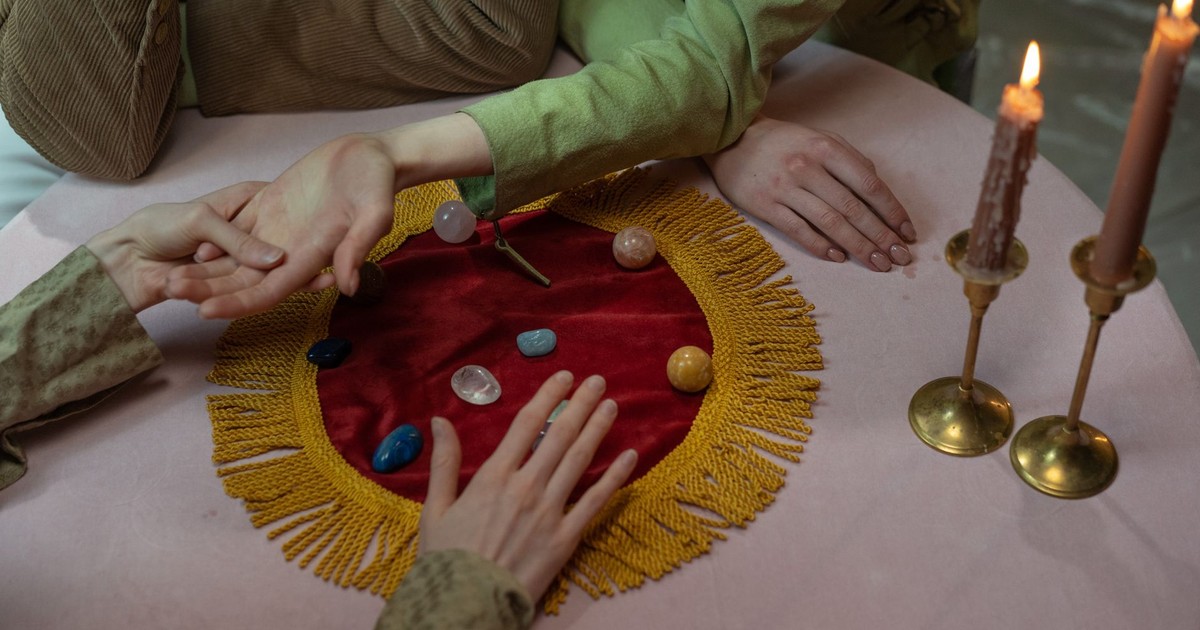
One of the more disturbing proposed origins of the rabbit’s foot lucky charm connects it to a medieval European practice that has nothing to do with rabbits at all. Benjamin Radford, deputy editor of Skeptical Inquirer, suggests the rabbit’s foot could be connected to a European good luck charm called the Hand of Glory. “The Hand of Glory was a hand cut from a hanged man,” he explains. In medieval Europe, authorities sometimes left hanged men’s bodies out in public to warn others against committing crimes, “but oftentimes, people would go and cut off one of the hands, usually the left one, and pickle it.” Like the Hand of Glory, rabbit’s feet were sometimes considered lucky because of their association with the body of a criminal.
Europeans believed witches could transform into animals, including rabbits, so a rabbit’s foot could represent a dead witch. If a rabbit was in fact a witch in disguise, then shooting it in a graveyard at midnight and taking its left hind foot was the functional equivalent of severing a hanged criminal’s hand. The carrier of either talisman was borrowing the power of a dangerous supernatural entity.
These widely varying circumstances may share a common thread suggesting that the true lucky rabbit’s foot is actually cut from a shapeshifted witch. The specific insistence on the left foot also carries weight: the Latin word for “left” is sinister. Choosing the sinister foot from a potentially sinister creature, killed under sinister conditions, produced a charm of maximum potency. The logic is consistent, even if it requires accepting a cosmology in which old women turned into rabbits by moonlight.
In 1584, Reginald Scot’s The Discoverie of Witchcraft recorded that people carried hare and rabbit feet to ease arthritic episodes and cramping, notably as a medical remedy rather than a luck charm, though in folk medicine of the period the two were not always sharply distinguished. It is one of the earliest documented European records of the rabbit’s foot as a carried object, and it predates any written account of the charm as a straightforward good-luck talisman.
Presidents, Outlaws, and the Charm Goes Mainstream
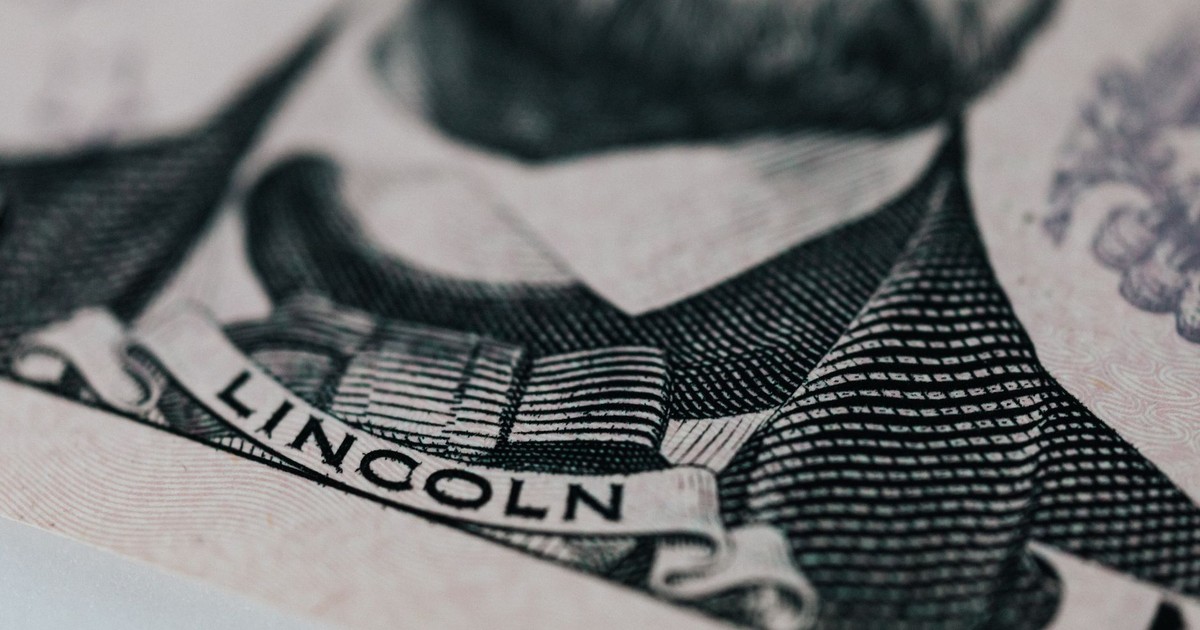
By the latter half of the 19th century, the rabbit’s foot had crossed from regional folk tradition into broader American cultural life.
According to early 20th-century folklorist Newbell Niles Puckett, Grover Cleveland was said to have received the foot of a rabbit killed on the grave of Jesse James when Cleveland was running for president in 1884. Writing about this more than 50 years later, Puckett observed: “the more wicked the person who is dead, the more effective the charm associated with his remains.” Whether or not Cleveland actually carried the charm, the anecdote illustrates how thoroughly the superstition had penetrated mainstream American life by the 1880s. Killing a rabbit on the grave of Jesse James, one of the most notorious outlaws in American history, was the logical apex of the tradition: maximum wickedness, maximum power.
President Theodore Roosevelt wrote in his autobiography that he had been given a gold-mounted rabbit’s foot by John L. Sullivan. President Franklin Delano Roosevelt also carried a rabbit’s foot for good luck. Three sitting presidents connected to a single folk charm within a few decades is a reasonable measure of how completely the rabbit’s foot had moved from the margins of African American hoodoo practice into the American mainstream.
The sale of rabbit’s feet as good luck charms in Europe began with a 1908 report from Britain claiming that imported rabbit’s feet from America were killed in special conditions which gave them supernatural powers. That 1908 account described the conditions for a properly lucky foot in almost satirical detail: the foot had to come from “the left hind foot of a rabbit killed in a country churchyard at midnight, during the dark of the moon, on Friday the 13th of the month, by a cross-eyed, left-handed, red-headed bow-legged Negro riding a white horse.” Whether this was a sincere marketing claim or a knowing parody of the tradition is not clear, but either way, it shows the superstition had crossed the Atlantic and was being packaged as an export.
Global Variations and Cross-Cultural Parallels
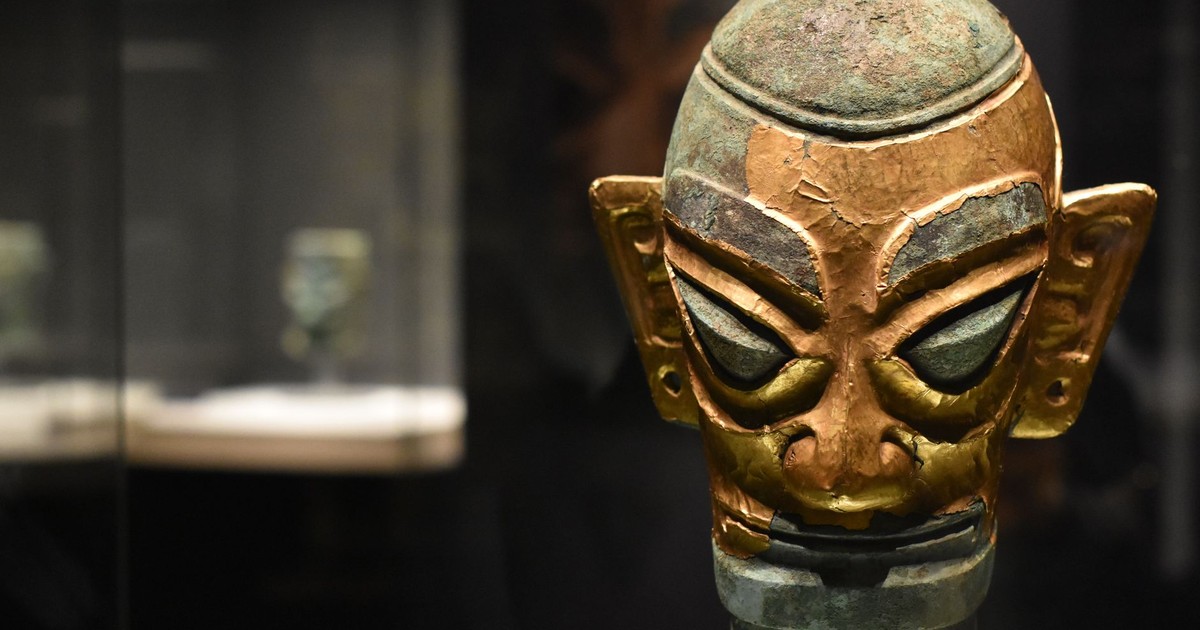
The rabbit’s symbolic importance was never exclusively American or European. The tradition is evident not just in North and South American folklore but also in Europe, China, and Africa.
A dried and preserved rear foot of a rabbit, typically attached to a keychain or worn as a small pendant, has been used as a luck charm for centuries across European, American, and African diaspora traditions. The charm’s specific associations include gambling luck, general good fortune, fertility, swift success, and sometimes specifically protection against evil.
In hoodoo, the rabbit’s foot often appears alongside other luck-drawing items: High John the Conqueror root, lodestone, lucky coins, in mojo bags and as standalone charms. The mojo bag context matters: the rabbit’s foot in hoodoo was never simply a trinket. It was one component in a coherent system of folk protection, placed alongside other specific items chosen for their symbolic properties. Removing it from that context and selling it on a keychain changed what it was fundamentally.
Not all beliefs regarding the rabbit’s foot granted luck unconditionally. Some held that the good luck only came if the owner gave the rabbit’s foot to another person. This would bless both giver and receiver, but if the receiver lost the talisman, both would be met with bad luck. That reciprocal dimension, the charm as a shared social bond rather than a personal possession, is almost entirely absent from the modern pop-culture version.
The Inversion Principle: Why Bad Luck Makes Good Luck

The single most consistent feature across all rabbit’s foot traditions, Celtic, African American, European, is the inversion principle. Good luck does not come from inherently benign sources. It comes from captured, controlled, or reversed darkness.
For the rabbit’s foot to be a powerful token, the animal must be killed on a grave, and the more wicked the person buried beneath, the better. Carrying tokens from the dead is not a new practice. The veneration of relics is a manifestation of the power that body parts can hold for some people.
In folk magic, animal bones are often used to represent human bones. This type of magic, called sympathetic magic, uses imitations of humans to control them. A rabbit killed on Jesse James’s grave was symbolically borrowing the outlaw’s power. A rabbit shot on a Friday the 13th under a new moon by a cross-eyed man was a catalogue of misfortune, concentrated into something small enough to carry in a pocket. The charm didn’t ward off bad luck by being pure. It warded off bad luck by having absorbed more of it than you could possibly encounter.
The various rituals, though they differ widely, share a common element of the uncanny, a reversal of what is considered good-omened and auspicious. That reversal is the engine of the belief, and understanding it changes how the charm reads. It was never really a cute keepsake. It was a small, portable piece of controlled danger.
The Charm in Modern Culture

The belief spread and was popularized further during the 20th century, often stripped of its original cultural context, and the rabbit’s foot became a ubiquitous symbol of good luck in the United States.
From there, the rabbit’s foot became a fixture of American pop culture: a staple of minstrel show imagery, blues lyrics, and eventually the novelty gift industry. The rabbit’s foot is mentioned in the American folk song “There’ll Be a Hot Time in the Old Town Tonight,” once popular in minstrel shows.
Although imitation rabbit’s feet made out of fake fur and plastic are sold everywhere in the world, there are still people who prefer a real rabbit’s foot. Today, the rabbit’s foot is more often seen as a quirky relic of past superstitions, or a media trope for a threadbare gambler waiting on their next big win. Synthetic versions have replaced real ones, reflecting changing attitudes toward animal welfare and distaste for the macabre.
Animal rights activists have concerns regarding the killing of rabbits for such a purpose, and encouragement toward the rabbit’s foot as a lucky charm is increasingly passing into history. The commercial rabbit’s foot sold today is almost always synthetic, its fur dyed in colors no rabbit ever wore, its connection to the original tradition reduced to a shape and a name. The inversion principle, the graveyard, the wicked dead, the cross-eyed man on a white horse: all of it has been laundered out.
What the Object Was Actually For
The rabbit’s foot lucky charm is not a simple folk belief with a single origin. It is the sedimentary result of at least three distinct traditions: Celtic and pre-Christian European reverence for the rabbit as a spirit-world messenger; African and African American hoodoo practice, in which the rabbit’s trickster associations made its foot a potent ward against misfortune; and a specifically European logic of sympathetic magic in which the foot of a potentially shapeshifted witch conferred protection against the supernatural forces it represented.
The documented history of the charm as a commercial object begins in 19th-century America, specifically in New Orleans and the broader African American South, and migrated to white American culture and then to Britain in the early 20th century. By the time presidents were carrying them (and they were, at least three of them), the hoodoo context had already begun to fade. What persisted was the object, stripped of its ritual logic, passed from president to gambler to schoolchild to gas station novelty rack.
The ritual conditions for a properly lucky rabbit’s foot were so uniformly ominous (the graveyard, the outlaw’s grave, the inauspicious date, the unlucky procurer) that most modern accounts skip right past them. But that darkness was not incidental. It was the whole point. A lucky rabbit’s foot wasn’t lucky because it came from something benign. It was lucky because whoever carried it had taken control of something dangerous. Somewhere between the 1880s and today, that idea got lost. What remained is a dyed synthetic keychain that carries the name of the tradition without any of its logic, which, depending on how you look at it, might be the most American ending possible.
AI Disclaimer: This article was created with the assistance of AI tools and reviewed by a human editor.