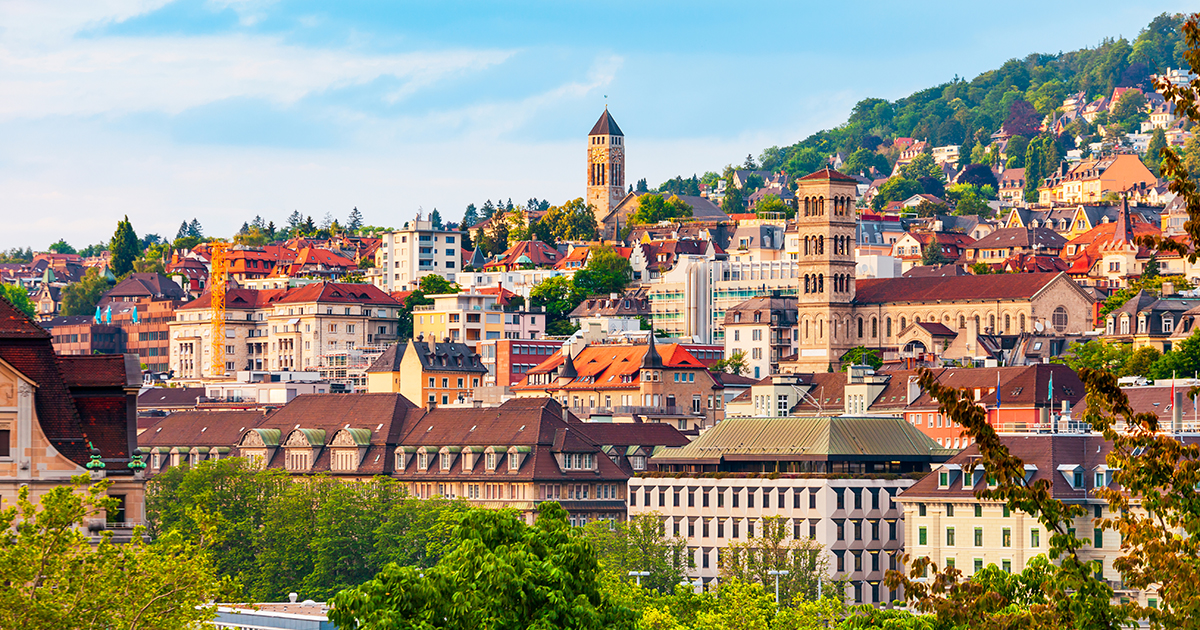

Zurich has more public restrooms per visitor than any other major tourist city in the world. That comes from a cross-city analysis of over 500 destinations, and the gap between Zurich and second place is substantial.
Most cities treat public bathroom access the way they treat street lighting: essential until budget pressures arrive, then the first thing to go. Zurich went the other direction. While other European capitals have been steadily reducing public facilities for two decades, Zurich built out, maintained what it had, and mapped all of it. The result is a city where you can walk for hours without the low-level anxiety that reshapes itineraries in less-prepared destinations.
Access to public restrooms affects people experiencing homelessness, older adults managing health conditions, parents with young children, and people with disabilities. A city that takes this seriously tends to be one that takes public space seriously in general.
What the Numbers Actually Show
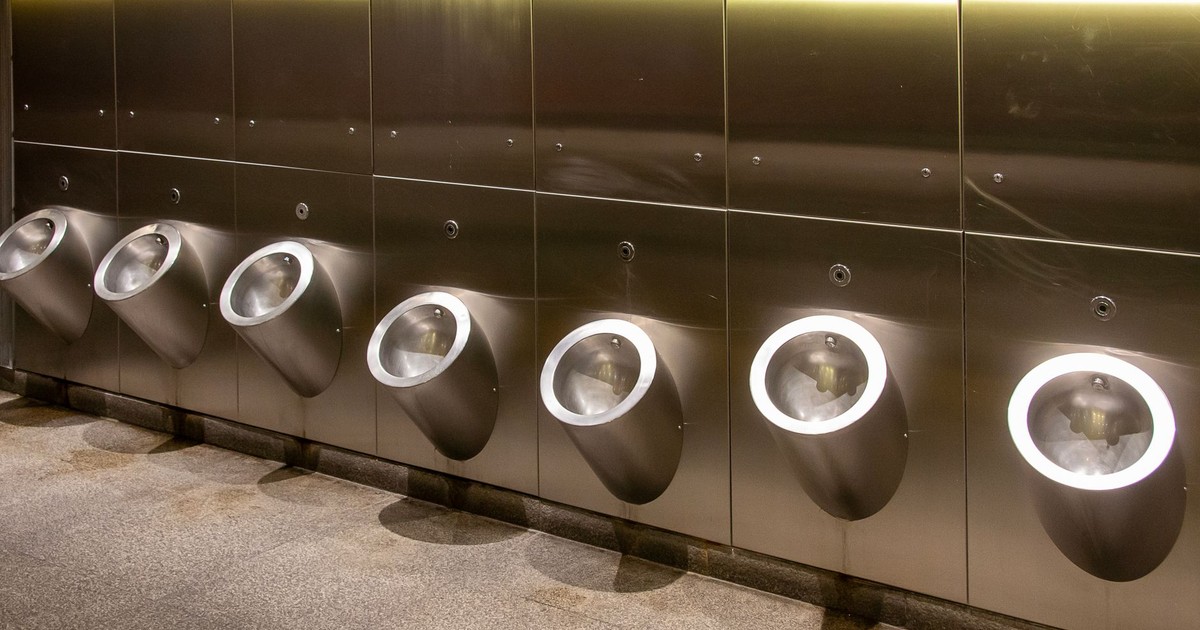
The Global Public Toilet Index, produced by QS Supplies, analyzed over 500 cities worldwide to determine which offer the most public restrooms per capita. Researchers identified amenities labeled as toilets on OpenStreetMap, then adjusted the figures to remove facilities that aren’t genuinely accessible to the public, like university bathrooms logged in mapping data but closed to non-students. The data used is current as of March 2026.
Among the world’s most-visited tourist cities, those featured on Euromonitor’s Top 100 City Destinations Index, Zurich leads the global rankings with 76.5 public facilities per 100,000 people. Lisbon takes second place at 52.5 public restrooms per 100,000 inhabitants. Sydney, Australia, holds third place at 45 per 100,000. Copenhagen ranks fourth with 38.8 facilities per 100,000 inhabitants, followed by Tallinn, Estonia, in fifth.
The contrast with American cities is stark. Salt Lake City leads the United States at 66.6 per 100,000. Honolulu comes second at 56.5, while San Francisco has 32.6, New York City has around 8.4, and Providence, Rhode Island, has just 2.6 toilets per 100,000 people. A New Yorker has roughly thirty times fewer public restroom options than someone in Zurich.
Switzerland’s Wider Clean-Bathroom Culture
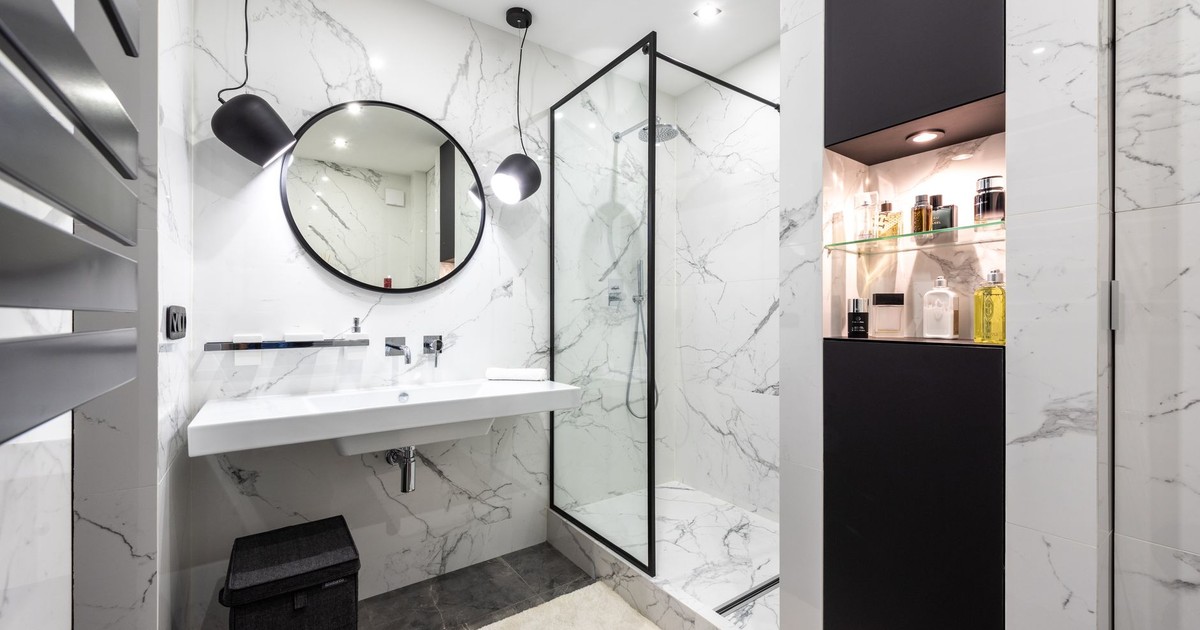
Zurich’s ranking doesn’t exist in isolation. Three of the top five global cities overall are in Switzerland, with Bern leading at 91.2 restrooms per 100,000 people, Basel close behind at 79.4, and Zurich at 76.5. That reflects a consistent national investment in urban infrastructure that most cities treat as an afterthought.
The facilities themselves are notably well-maintained. Public restrooms, called “WC” or water closets locally, feature dual-flush systems and constant supplies of toilet paper. Travelers consistently describe Zurich’s facilities as “spotless,” with convenient access at train stations, cable car platforms, parks, and tourist attractions. Facilities typically charge around 2 Swiss Francs (approximately USD $2.25) per use, a fee that directly funds that maintenance quality.
Zurich has 2.9 public toilets per square kilometer, and the city maintains an interactive map showing all locations including accessible ones. The information is in German: look for the word “gebührenfrei” under Gebühren to find a free facility, or “Eurokey Gratis” if you have a Eurokey accessibility pass. For everyone else, carrying a small amount of cash remains the most reliable approach. Some facilities now accept contactless payment, but not all.
Where Zurich Sits in the Global Picture
The top overall global ranking across all city types goes to Chiang Mai, Thailand, with 92.7 public toilets per 100,000 people, the highest per capita count of any large city in the analysis. Three Swiss cities hold the second, third, and fourth spots overall: Bern at 91.2, Basel at 79.4, and Zurich at 76.5. Zurich’s specific distinction as number one among tourist cities comes from applying the Euromonitor list of top global destinations as the filter.
In the UK, public toilet provision varies widely by city. The British Toilet Association reports that the number of public toilets in the UK has fallen by 40% since 2000, with austerity measures and the absence of any legal requirement on councils to provide facilities blamed for much of the decline. Zurich’s infrastructure has moved in the opposite direction of a global trend toward fewer public facilities.
Beyond the Bathrooms: Zurich as a Destination
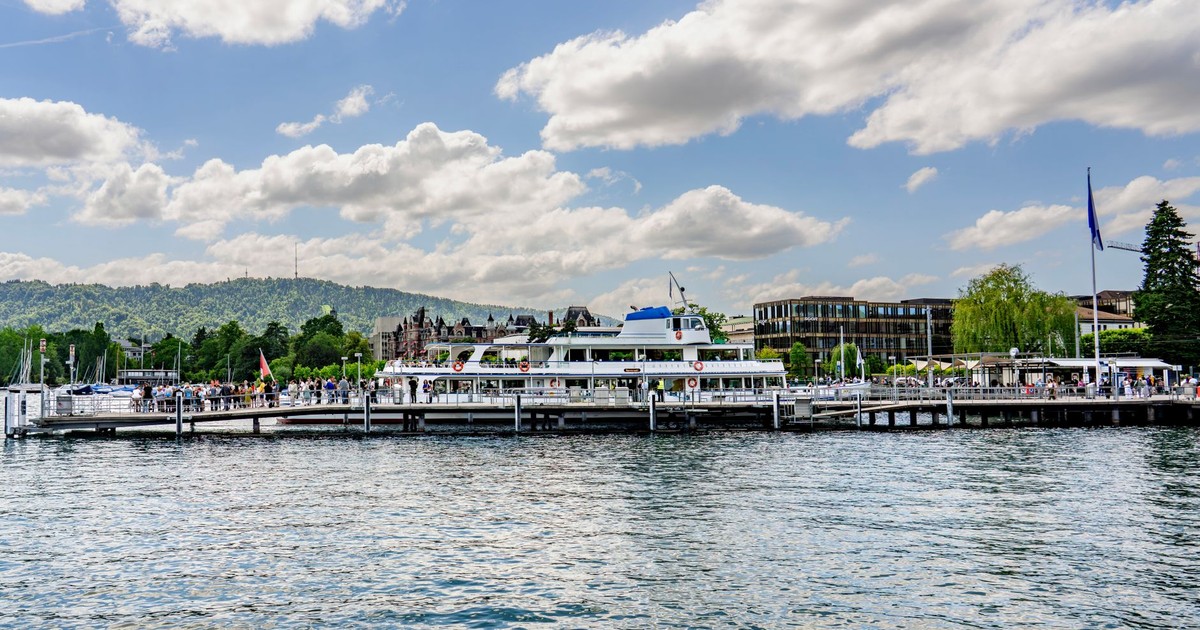
The bathroom ranking is genuinely useful information, but Zurich offers considerably more. Visitors find historic buildings in the old town, the Bahnhofstrasse shopping street, and Lake Zurich.
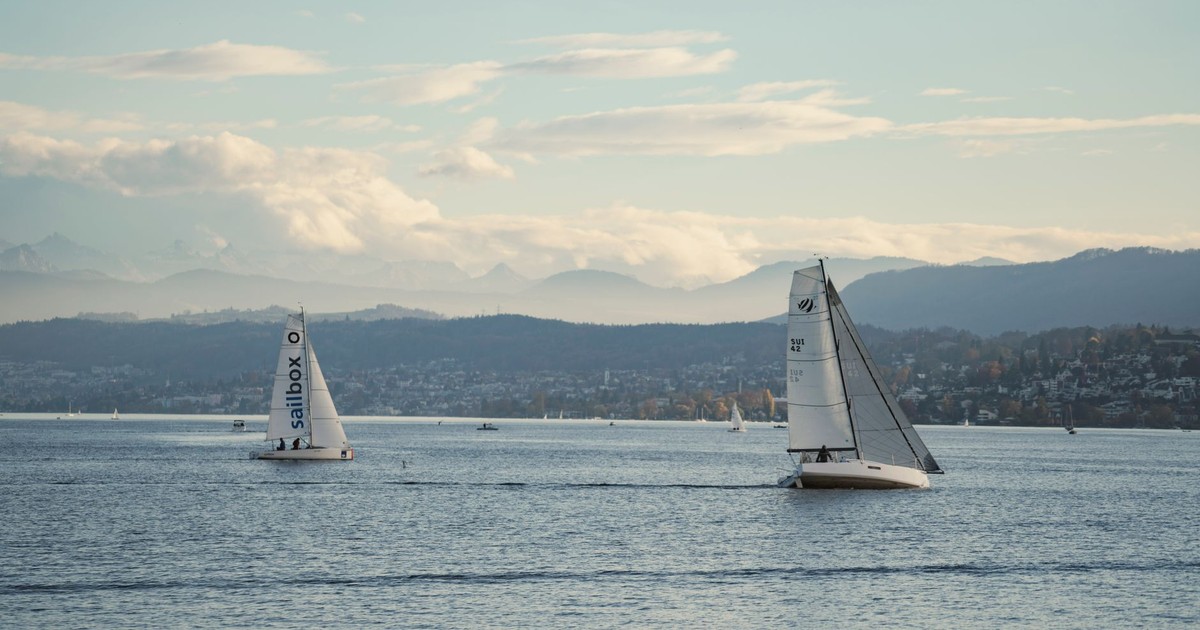
Lake Zurich is Switzerland’s sixth-largest lake, stretching between Zurich in the north and Uznach in the east. The lake is popular for water sports, boat trips from Zurich to Rapperswil, swimming, boating, and paddling. In summer, the lakefront fills with locals and visitors in equal measure. The lake itself is free.
The Old Town, or Altstadt, has cobbled streets leading to medieval churches like Grossmünster and Fraumünster, and art lovers can explore Kunsthaus Zürich and the Rietberg Museum. Kunsthaus Zürich holds the largest Edvard Munch collection outside of Norway. The city transforms into a winter destination between November and February, with Christmas markets at Sechseläutenplatz and Hauptbahnhof, ice skating at Dolder Kunsteisbahn, and traditional Swiss fondue restaurants.
Zurich’s trams, buses, and trains are efficient, and a Zurich Card provides unlimited travel plus discounts on attractions. For a city that consistently ranks among the world’s most expensive, the card helps soften the daily cost.
What to Do With All of This
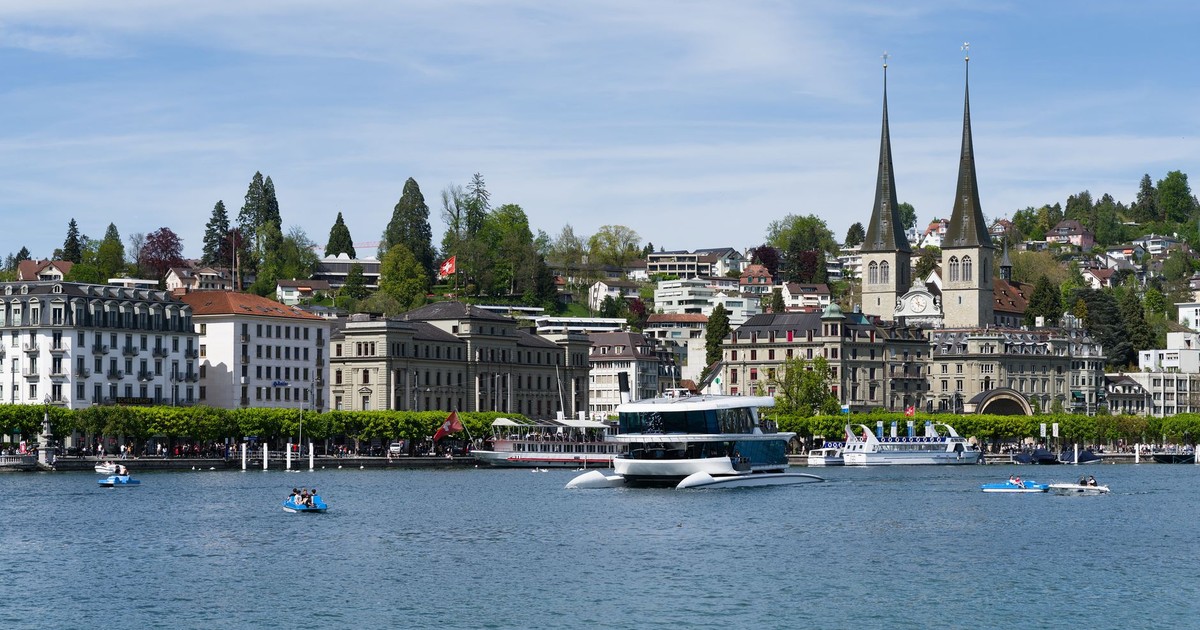
The bathroom ranking is a proxy for something harder to quantify: a city that genuinely considers what it’s like to be there. A city with 76.5 accessible, well-maintained public restrooms per 100,000 residents has made a series of deliberate decisions about public infrastructure, funding, maintenance, and accessibility.
For travelers, the practical upside is that Zurich rewards walking around without an exit strategy. You can follow a tram line without having mapped the nearest café, take a longer route along the lake, linger in the Altstadt an extra hour. The low-level background anxiety that reshapes itineraries in less-equipped cities doesn’t have much of a grip in Zurich. Carry a few Swiss Francs in coins, download a mapping app that shows restroom locations if you want the extra reassurance, and spend your planning time on the things worth planning for.
Disclaimer: This information is not intended to be a substitute for professional medical advice, diagnosis, or treatment and is for information only. Always seek the advice of your physician or another qualified health provider with any questions about your medical condition and/or current medication. Do not disregard professional medical advice or delay seeking advice or treatment because of something you have read here.
AI Disclaimer: This article was created with the assistance of AI tools and reviewed by a human editor.