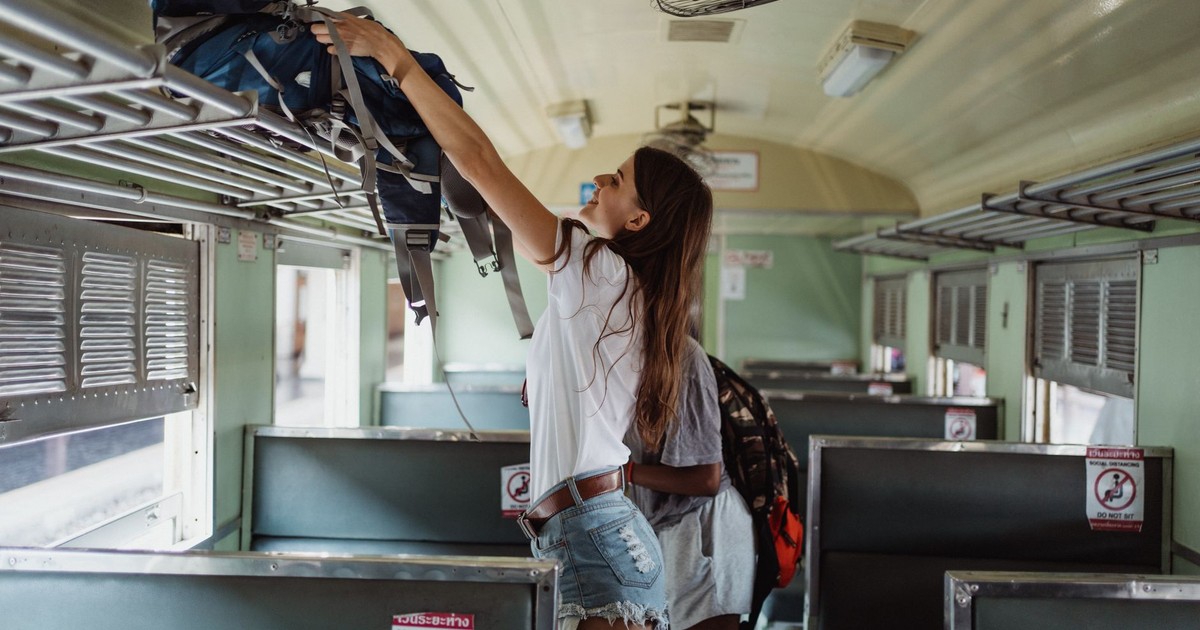

The first time I booked a one-way ticket with no one to consult, no itinerary to share, and no travel partner to split the cab with, I felt something between pure freedom and low-grade panic. Both feelings turned out to be completely accurate previews of what solo travel is. Fifteen countries later, I can tell you that the panic almost always lasted about forty minutes, usually somewhere in an unfamiliar arrivals hall, and the freedom outlasted every trip.
Most of solo travel is learnable. Not the spontaneous, seize-the-moment stuff, which takes care of itself, but the practical layer underneath every good trip: how you prepare before leaving, what you do when things go sideways, how you find a city on its own terms rather than as a curated highlight reel. Those things come from experience. Or, if you’re lucky, from reading what someone else figured out the hard way.
These are the ten things I wish I’d known from the beginning. Some of them sound simple. A few of them genuinely changed the way I travel.
1. Treat the Global Peace Index Like a Second Passport
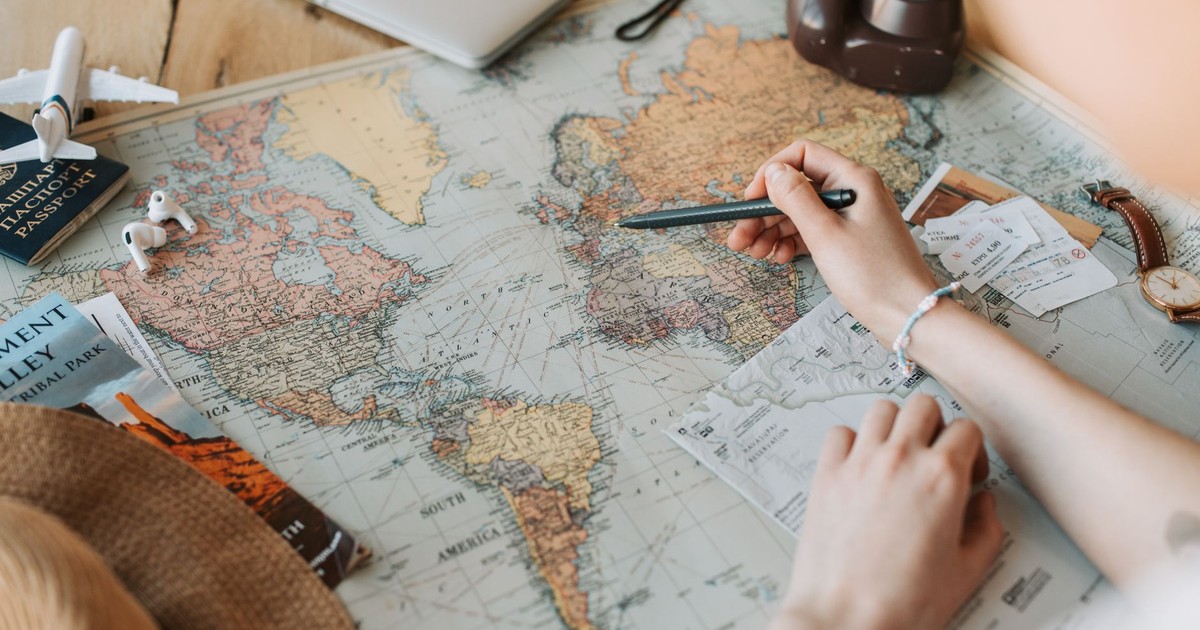
Before booking anything, look up your destination on two free, publicly available tools: the U.S. State Department’s travel advisories, which publish tiered safety ratings for every country on earth, and the Global Peace Index, which ranks nations annually across three domains: societal safety and security, ongoing domestic and international conflict, and militarisation.
Coming into 2025, Iceland, Ireland, and New Zealand held the top three spots on the overall Global Peace Index rankings. Low crime, reliable infrastructure, and minimal political instability directly affect your day-to-day experience, whether you’re figuring out a bus route at midnight or asking a stranger for directions.
Check both resources in the same sitting you check flights. If the State Department has issued a Level 3 or Level 4 advisory, that’s a hard stop. If it’s Level 1 or 2 with a few specific regions flagged, read the specifics. Most destinations that scare people on paper are completely reasonable once you understand which areas to sidestep and why.
2. Pack Like You’re Going to Have to Run for a Bus
This is the one piece of solo travel advice that almost every experienced traveler agrees on and almost every first-timer ignores. Overpack on your first trip and you’ll never do it again. Heavy luggage on solo travel isn’t just inconvenient, it’s a liability. A huge rolling suitcase on cobblestones in Lisbon, a bus station in Vietnam, or a steep hostel staircase in Edinburgh will cost you energy, time, and occasionally, your dignity.
A carry-on or a 30 to 40 liter backpack is genuinely enough for most two-week trips if you choose clothing strategically. The test most experienced solo travelers swear by: if you can’t wear a piece of clothing at least three different ways or in at least three different contexts, leave it at home. A working packing list covers five tops, two pants, one jacket, one pair of shoes, one pair of sandals, and seven pairs of underwear and socks, with a strong preference for versatile fabrics like merino wool.
Packing light also means freedom of movement. When you can carry everything you own in one bag, you can change accommodation on a whim, take a last-minute overnight train, or walk forty minutes across a city without dreading the return trip.
3. Understand the Real Costs Before You Go

According to Vogo’s 2026 solo travel data, 65% of solo female travelers are worried about expenses, and solo travel bookings have risen 24% since 2019. The single supplement issue, where hotels charge nearly the same rate for a single room as for a double, makes solo travel genuinely more expensive per person than group travel. Knowing this going in lets you plan around it rather than be blindsided by it.
Before every trip, estimate costs across five categories: transportation, accommodation, food, activities, and emergencies. Give the emergency line real money, not a token amount. A 10 to 15 percent buffer on your total budget handles most situations, from a missed connection to a last-minute change of accommodation. Flight comparison tools like Google Flights, Skyscanner, and Kayak give you real-time price data, and the best time to use them is six to eight weeks before departure for most international routes.
On the accommodation side, the single supplement issue is avoidable. Hostels have evolved well beyond their cramped reputation, with many now offering private rooms that maintain shared communal spaces for meeting other travelers. A private room in a well-reviewed hostel in most European or Southeast Asian cities will consistently undercut a comparable hotel room while putting you in an environment where meeting people is built into the design.
4. Choose Accommodation That Does Social Work for You

One of the stranger things about solo travel is that loneliness, when it shows up, often has less to do with being alone and more to do with being in the wrong kind of place. A sterile business hotel in a city center where you don’t know a single person is isolating in a way that a well-chosen hostel or guesthouse never is.
Hostels with group events, hotels offering free tours, or homestays with prepared meals can shape your entire trip. The common room, the communal kitchen, the organized city walk: these remove the friction from meeting people. You don’t have to try. You just have to show up to breakfast.
Facebook groups and Reddit’s r/solotravel community offer real-time recommendations from travelers who’ve recently been to your specific destination. These are more useful than review sites for solo travelers because the people posting there are asking and answering the exact same questions you have: about neighborhood safety at night, which hostel has the best community atmosphere, which areas to avoid on a tight budget.
5. Register With Your Government Before Every International Trip
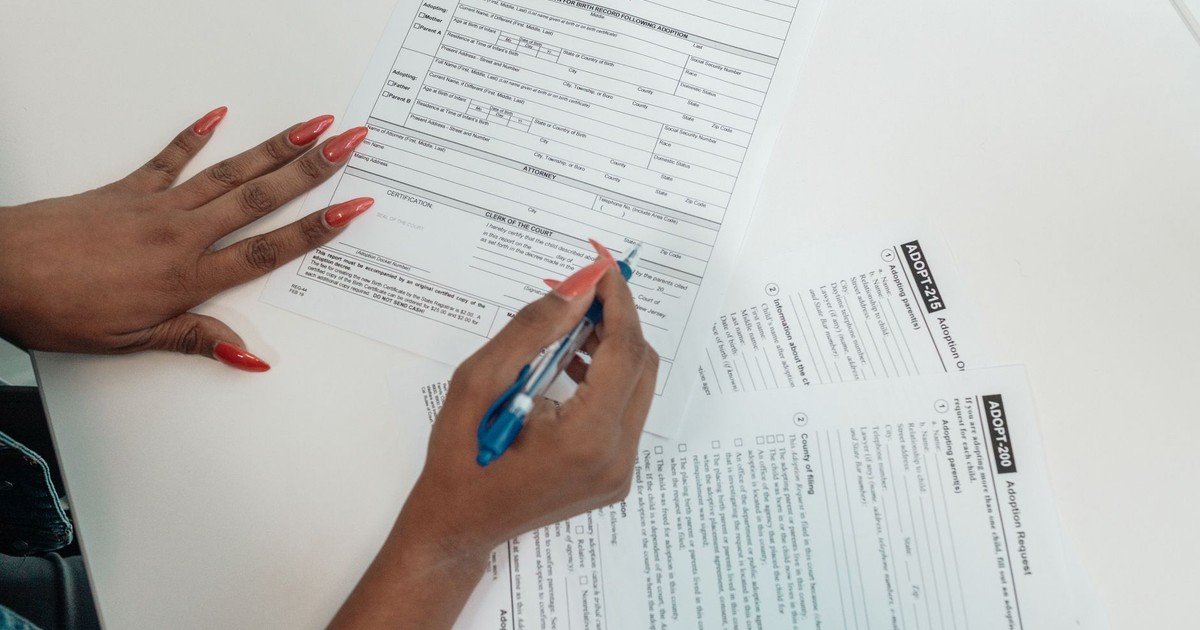
The U.S. State Department’s Smart Traveler Enrollment Program (STEP) allows officials to reach you during natural disasters or civil unrest, and it makes it significantly easier for the nearest embassy to assist you if anything goes wrong. Enrollment is free, and the process takes around twenty minutes.
You enter your itinerary, your accommodation, and an emergency contact back home. In return, you receive automatic alerts about any developing situations in the country you’re visiting, and the nearest embassy has your information if things go sideways. It doesn’t track your movements in any meaningful way. It just means that when something unexpected happens, which it eventually does for every solo traveler, someone with real resources knows you’re there.
Non-U.S. travelers have equivalent programs. The UK runs Foreign Travel Advice, Canada has the Registration of Canadians Abroad service, and Australia operates Smartraveller. All of them work on the same principle and all of them take under twenty minutes to set up before departure.
6. Build a Real Safety System, Not Just a Vague Plan

Personal safety is the top concern for 66% of solo female travelers, according to the 2025 Solo Female Travel Trends Survey, which surveys 5,000 women globally each year. While some of that reflects genuine risk, a significant portion reflects the absence of a clear, practical safety framework, which is fixable.
A working safety system for solo travel has three components. The first is a daily check-in with someone at home: a text, a location share, or even a brief voice message sent at a regular time. If you miss a scheduled contact, someone knows to start looking. The second is digital safety: avoid logging into bank accounts on public Wi-Fi, and rely instead on mobile data or a VPN service. The third is environmental awareness. Planning transportation in advance, avoiding traveling alone at night in unfamiliar areas, and selecting accommodation with solid security addresses the majority of situations where solo travelers run into trouble.
None of this requires anxiety or hypervigilance. It requires the same kind of low-level situational awareness you’d apply at home, applied with a little more intentionality because the environment is unfamiliar.
7. Learn at Least Ten Phrases in the Local Language

Apps like Duolingo and Google Translate have made it possible to get through most situations in a language you don’t speak, and that’s genuinely useful. What they don’t replace is the effect of making a real effort with a few words of someone’s language before reaching for your phone.
“Hello,” “thank you,” “please,” “do you speak English?”, “where is the bathroom?”, “how much does this cost?”, “I need help,” and “I’m sorry” cover a remarkable percentage of daily solo travel interactions. Learning them takes an hour or two before departure and pays dividends in ways that are hard to quantify. Downloading offline language packs to Google Translate before arriving means you have translation capability even without a cellular connection, which matters more than most people realize in rural areas or on overnight trains.
Walking into a situation with even a clumsy attempt at the local language signals respect, and that signal tends to come back to you. People are more helpful, more patient, and more generous with their time when you’ve made an effort. It changes the quality of interactions in a way that’s real and consistent across cultures.
8. Solo Travel Loneliness Is Real and Manageable

Solo travelers are increasingly intentional in how they plan their trips, with cultural experiences ranking as the top priority across multiple surveys. Part of the reason is practical: cultural activities, walking tours, cooking classes, and group day trips are built-in social structures. They put you in the same space as other people who are curious, open, and in some cases, also traveling alone.
The moments of loneliness that do arrive in solo travel tend to land at specific times: Sunday afternoons with no plan, the first meal alone in a restaurant where everyone else seems to be in couples, the long afternoon in a city where nothing is clicking. These aren’t crises. They’re part of the rhythm. The practical move is to have a few default activities that work in any city: find the main market, walk into a bookshop, sit at the counter of a busy café rather than at a table for one. Counter seating specifically tends to generate conversation in a way that table seating doesn’t.
Hostel hangouts, free city tours, group activities, and local events all create natural opportunities to connect with other travelers and with locals, without any of the effort of actively seeking people out. You don’t have to be outgoing. You just have to show up to the right spaces.
9. Get Travel Insurance and Actually Read What It Covers

Comprehensive travel insurance often covers theft, assault-related medical bills, and emergency evacuation, but cheaper policies sometimes exclude these protections entirely, so reading the fine print before you buy is essential.
Solo travel creates specific insurance needs that group travel doesn’t. When you’re with other people, someone can cover a situation while you sort out the admin. When you’re alone, a medical emergency, a stolen bag, or a cancelled flight is entirely your problem to manage in real time, often in a place where you don’t speak the language and don’t know how the local system works. Insurance doesn’t prevent those situations. It determines whether they cost you $200 or $20,000.
The specific categories to confirm your policy covers: emergency medical evacuation, trip cancellation for any reason (not just illness), theft of electronics and documents, and 24/7 emergency assistance. If a policy doesn’t explicitly list emergency evacuation, it probably doesn’t cover it. That’s the one that tends to generate the largest bills. A notable share of solo travelers skip travel insurance entirely, leaving them exposed to the full cost of a medical or logistical emergency abroad.
10. Let the Trip Change Your Itinerary

Solo travel bookings have risen 24% since 2019, driven largely by travelers who value the freedom to pursue personal interests without group compromises. That freedom is the point. An over-scheduled solo trip that races through twelve cities in fourteen days misses it entirely.
Book the first two nights of accommodation in any new city before arriving. Leave the rest open for at least the first 48 hours, so you can get a feel for the place and make decisions based on what you actually find there rather than what the itinerary says you should be doing. The best day I ever had in Copenhagen wasn’t on any list. It was a Tuesday morning when I missed my planned museum because of a street market I walked past instead.
The trip that changes you is usually the one that didn’t go quite according to plan.
What You Actually Learn Out There

Online searches for “solo travel” increased by 72.6% from April 2023 to April 2024 alone. Something is shifting in how people think about their own company, their own pace, and their own right to go somewhere without waiting for everyone else to agree on the destination.
Fifteen countries taught me the gap between how daunting something looks from the outside and how manageable it turns out to be once you’re actually in it. The forty-minute panic in the arrivals hall always ends. The rest of the trip then starts.
The solo travel tips that matter most aren’t the gear lists or the app recommendations, though those help. They’re the habits of mind: staying curious rather than anxious, building simple safety systems and then trusting them, being willing to change the plan when the plan stops serving you. Most people who’ve done it more than once will tell you the same thing: the hardest part was booking the first ticket. Everything after that was just the trip.
Disclaimer: This information is not intended to be a substitute for professional medical advice, diagnosis, or treatment and is for information only. Always seek the advice of your physician or another qualified health provider with any questions about your medical condition and/or current medication. Do not disregard professional medical advice or delay seeking advice or treatment because of something you have read here.
AI Disclaimer: This article was created with the assistance of AI tools and reviewed by a human editor.