
The argument over what counts as real food has never been politely settled between Gen X and anyone born after 1995. Ask a 50-year-old to describe the perfect weeknight dinner and you might hear words like “Hamburger Helper,” “Shake ‘n Bake,” or “those little foil TV dinner trays.” Ask a 22-year-old and watch their face do something involuntary.
Gen X, born roughly between 1965 and 1980, grew up in an era when both parents working full-time was newly normal, the microwave was a miracle appliance, and convenience was not a dirty word. Coming of age at a time when both parents often worked for a living, they were frequently left to their own devices after school, earning the nickname “the Latchkey Generation.” The food that shaped them wasn’t curated or artisan. It was fast, filling, shelf-stable, and, to hear Gen X tell it, absolutely perfect.
Gen Z sees sodium content and artificial dye. Gen X sees a Tuesday night in 1987. The foods at the center of that divide are specific, identifiable, and worth knowing.
1. Kraft Macaroni & Cheese
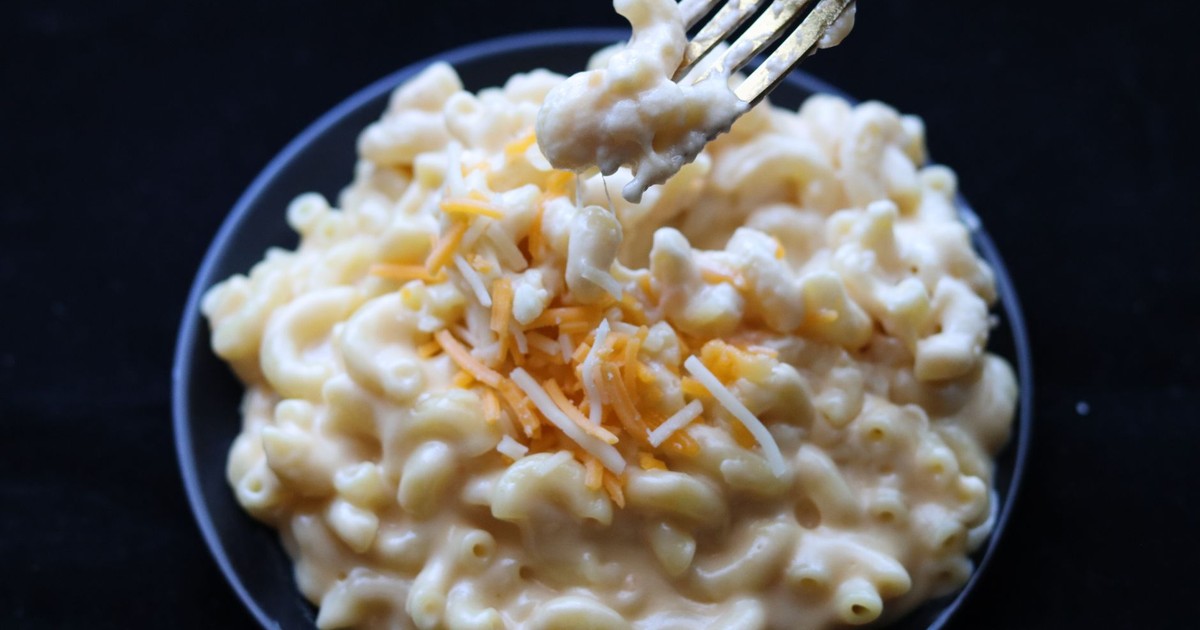
Few convenience foods defined postwar American kitchens as durably as the Kraft Mac & Cheese Blue Box, a product that has remained a supermarket staple across multiple generations.
The appeal isn’t purely about flavor. It’s about the ritual: boiling the pasta, draining it badly so there’s still a little water left, adding the butter (always slightly too much), and then tipping in that packet of fluorescent orange powder that turns into something which cannot technically be called cheese but delivers an almost narcotic hit of salt and fat. Gen X doesn’t just remember eating this. They remember the exact sound of the spoon against the pot.
Younger generations, particularly those raised on Banza chickpea pasta and cashew-based sauces, tend to look at the ingredient list on a Kraft box and respond with the energy of someone who has just read a ransom note. The artificial color, the processed milk derivatives, the sodium: none of it scans as food to a Gen Z palate shaped by clean labels and ingredient transparency. To Gen X, it scans as dinner.
2. Bologna Sandwiches
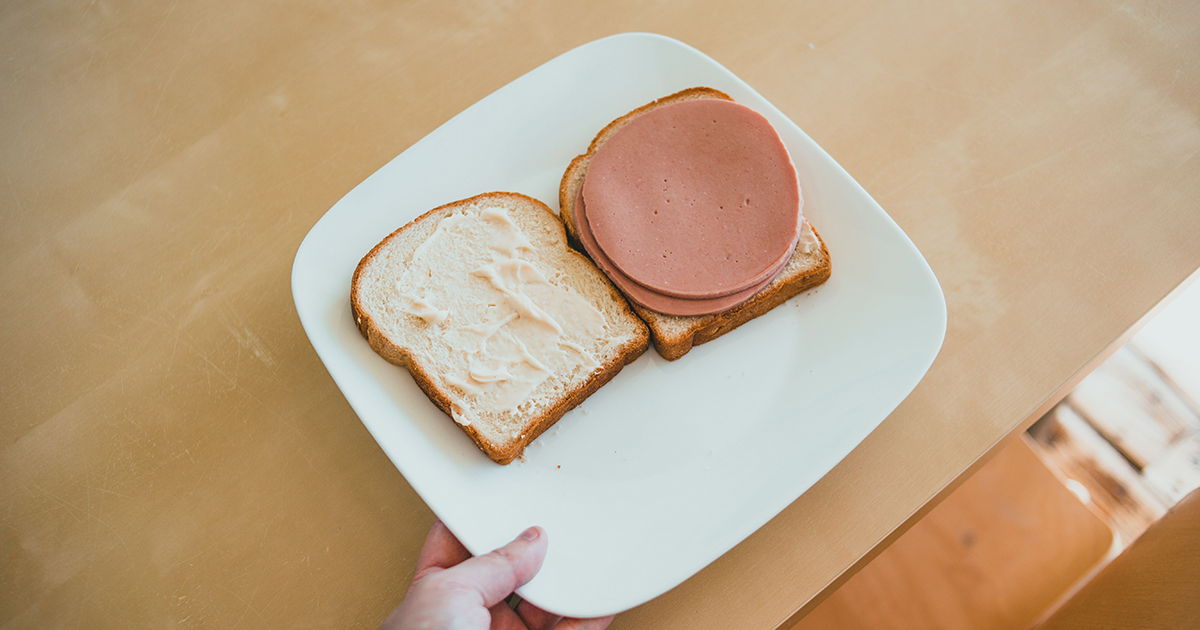
Before artisan deli meats were a thing, bologna was the lunchbox king. Gen X kids peeled apart those plastic-wrapped slices every single day, slapping them between two pieces of white bread with mustard and calling it a meal. There was no irony involved. It wasn’t a “guilty pleasure.” It was just lunch, packed by a parent who was already running late and didn’t have time for sourdough contemplation.
Bologna is processed pork and beef, ground fine and packed into a casing. Its journey from deli case to lunchbox involves a meaningful amount of sodium nitrate, corn syrup, and mechanically separated chicken. Teenagers today opt for turkey avocado wraps or banh mi, but there’s something deeply comforting about a cold bologna sandwich that Gen Xers just can’t shake.
Fried bologna is its own category entirely. A thick slice dropped into a hot pan, allowed to puff up in the center and brown around the edges, then laid on white bread with yellow mustard: this is not food that can be explained to someone who didn’t grow up with it. Gen X considers it a legitimate delicacy. Gen Z considers it a cry for help.
3. Jell-O Molds and Gelatin Salads

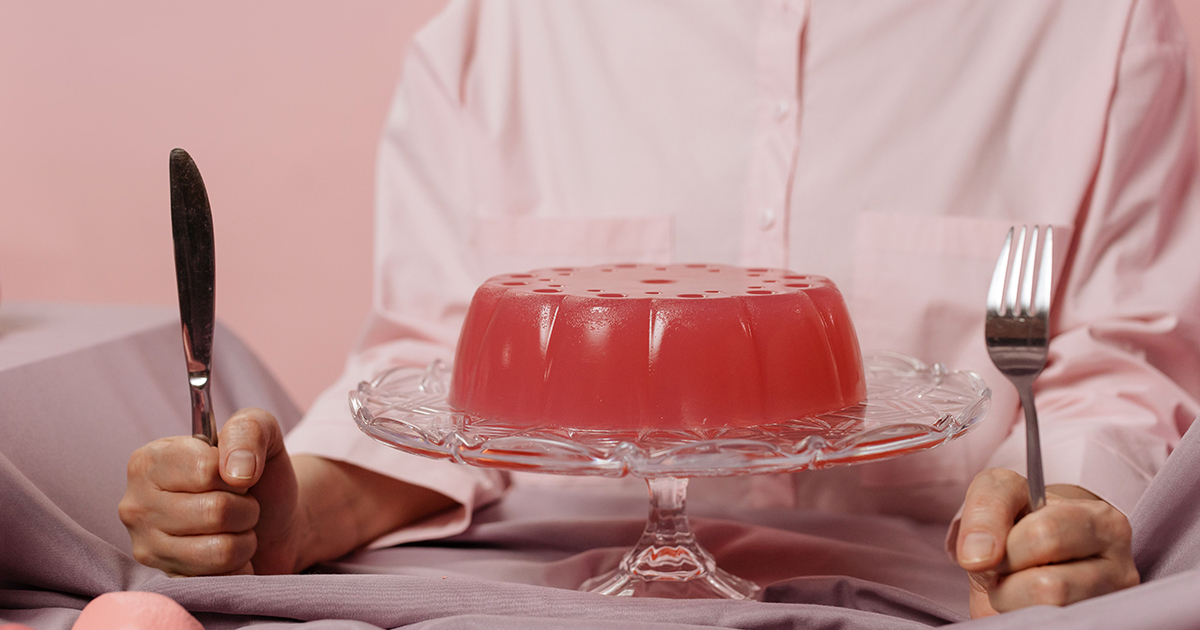
Few foods illustrate the generational food divide more vividly than Jell-O suspended in a bundt pan. Nothing screams 1970s potluck quite like a jiggly, fruit-filled Jell-O salad sitting proudly on a folding table. Gen X ate these at family gatherings, holiday dinners, and church socials without batting an eye.
The Jell-O mold was, for a specific period of American culinary history, considered elegant. Cookbooks from the 1960s and 1970s featured elaborate gelatin recipes as centerpieces for holiday tables. Home cooks suspended fruits, vegetables, and even meats inside colorful molds. For Gen X kids, watching a green lime Jell-O mold filled with crushed pineapple emerge from the refrigerator felt genuinely festive.
Younger cooks more often opt for fresh fruit bowls or yogurt parfaits. Gen Z’s objection is partly aesthetic (a wobbly mound of lime-green gelatin does not photograph beautifully for Instagram) and partly philosophical: the idea of suspending a vegetable inside a dessert medium simply does not compute for anyone whose food values were formed in the age of whole ingredients.
4. TV Dinners
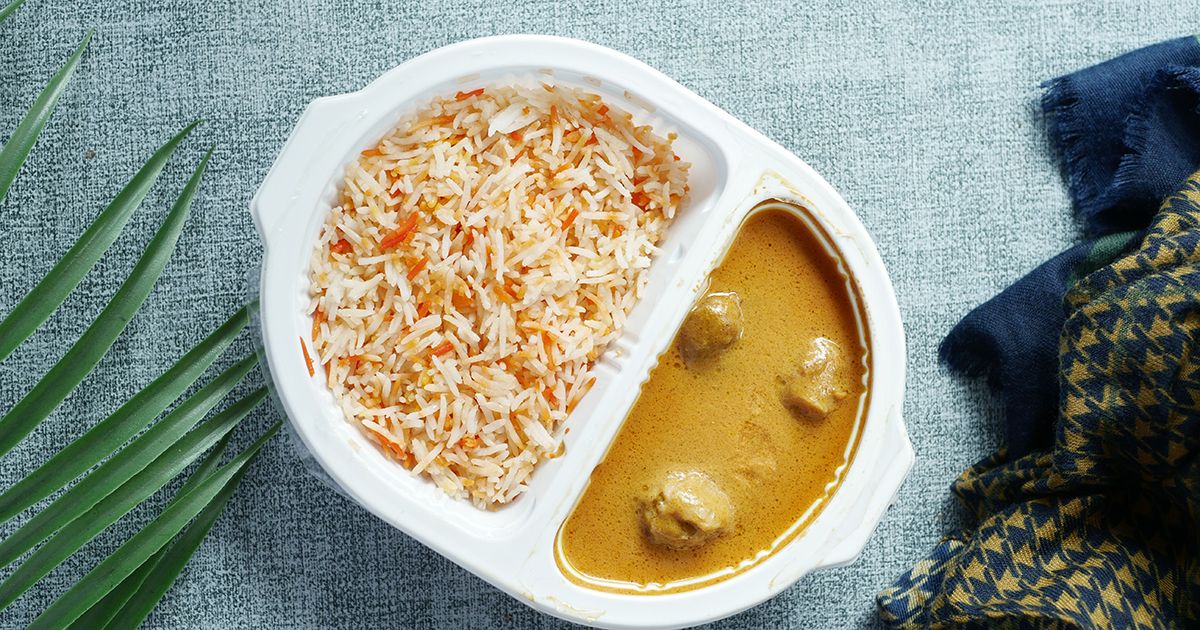
TV dinners, precooked frozen meals typically packaged in three-compartment aluminum trays, were first introduced to consumers in the fall of 1953 by C. A. Swanson and Sons. By the time Gen X arrived, they had become a standard Wednesday night solution. Nothing said dinnertime like peeling back foil on a compartmentalized tray.
For a Gen X latchkey kid home alone after school, this was not a compromise meal. It was freedom. You chose your tray, you read the instructions, you nuked it, and you ate in front of whatever was on cable. The fact that the brownie was always scalding hot while the mashed potatoes remained mysteriously cold in the center was not a complaint. It was just part of the deal.
The classic compartmentalized TV dinner has since evolved into modern frozen offerings as brands and formats shift to meet demand for higher-quality, cleaner ingredients. Gen Z reaches for a grain bowl from Trader Joe’s. Gen X reaches for the memory of peeling back that foil and hoping tonight’s tray had the fried chicken.
5. Hamburger Helper
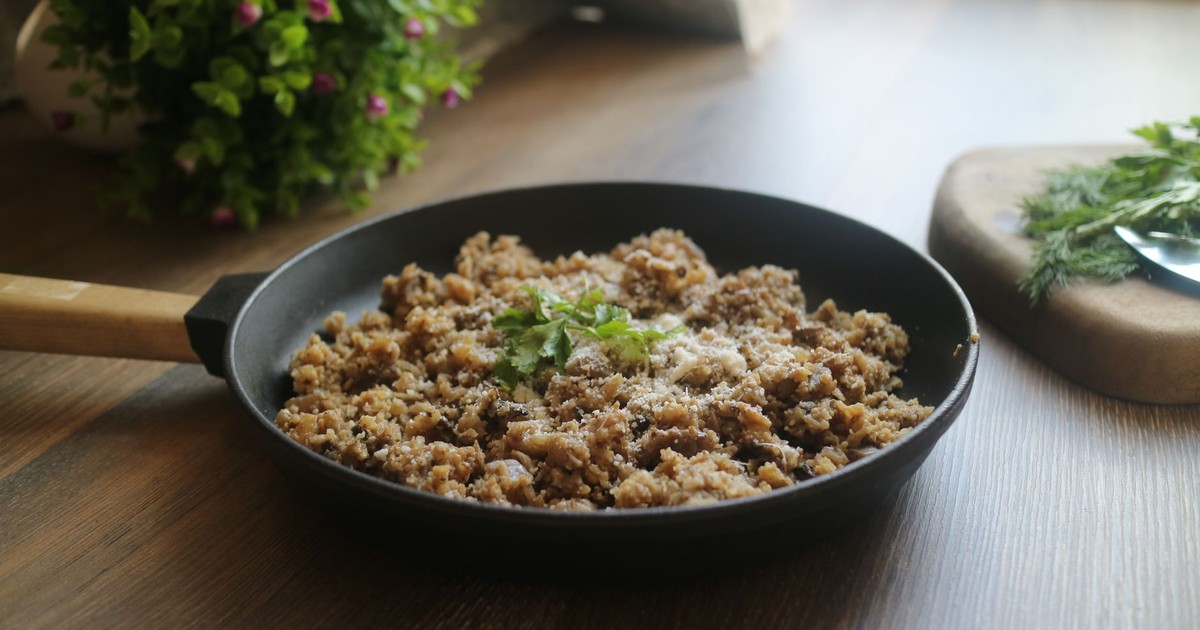
Hamburger Helper made its national debut in 1971, with flavors including Beef Noodle, Potato Stroganoff, Hash, Rice Oriental, and Chili Tomato. The premise was simple: a box containing dried pasta and a flavor packet, designed to be combined with a pound of ground beef and turned into dinner in under 30 minutes. For millions of American families in the 1970s, 1980s, and 1990s, this was not a shortcut. It was the plan.
Gen X has a particular relationship with Hamburger Helper because it was often the meal they cooked themselves. A 12-year-old home alone could brown the beef, add the water, follow the instructions, and have something hot ready before their parents got home. That sense of competence and independence is baked into the nostalgia. The food itself was never going to win a Michelin star. But it filled the kitchen with a smell that meant someone was handling things.
For Gen Z, Hamburger Helper is the food equivalent of a dial-up modem: they know it exists, they understand it was once essential, and they cannot fathom why anyone would choose it now. The combination of ultra-processed flavor packets, high sodium, and the general beige-ness of the finished dish puts it firmly in the category of foods they are willing to acknowledge as historical but not to touch.
6. Spam
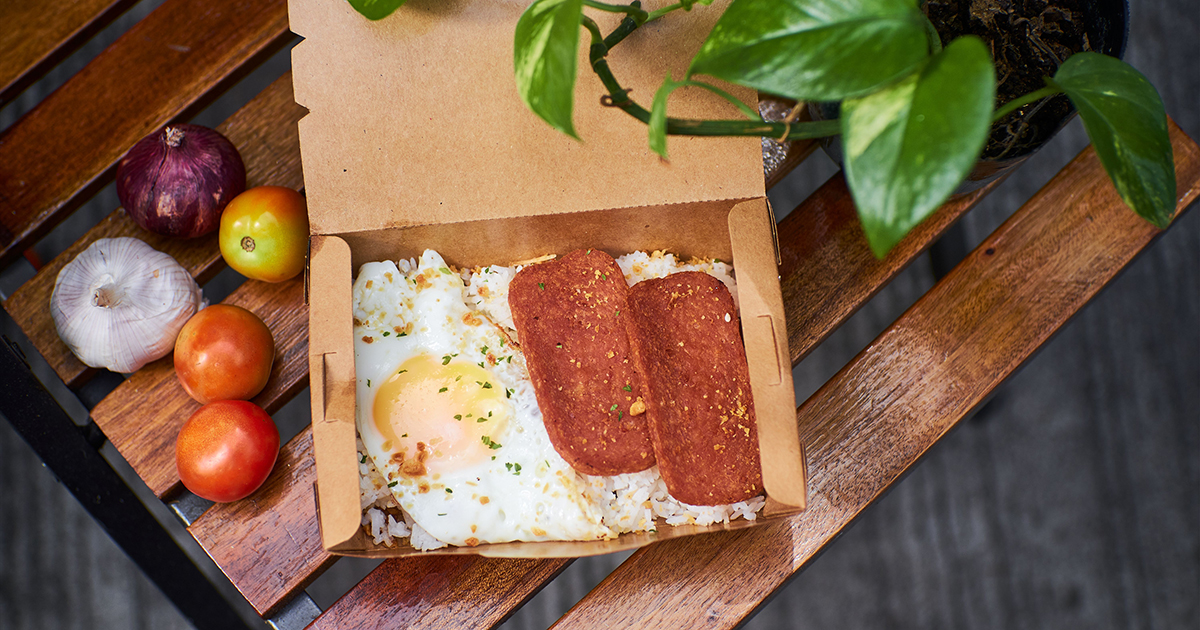
Produced by the Hormel Foods Corporation in Austin, Minnesota, this canned ham has been a staple on supermarket shelves since 1937. Gen X grew up eating it fried, sliced cold, or tucked into sandwiches without a second thought. It was cheap, shelf-stable, and surprisingly versatile.
Fried Spam on a weekend morning, cut thick and cooked until the edges caramelize, this is something Gen X defends with the conviction of people who have eaten it recently and would eat it again. The salt level is not modest. The original recipe included chopped pork shoulder meat with ham, salt, water, sugar, and sodium nitrite, unchanged until 2009, when Hormel added potato starch to eliminate the gelatin layer created by the cooking process.
Hawaii embraced Spam during the war, and the love affair never ceased. The state leads the nation in per-capita Spam consumption. But outside of Hawaii and the Philippines, where Spam occupies genuine cultural prestige, the reaction from younger American eaters ranges from bemused to appalled. They see a can of compressed pork product. Gen X sees a frying pan already heating on the stove.
7. Velveeta
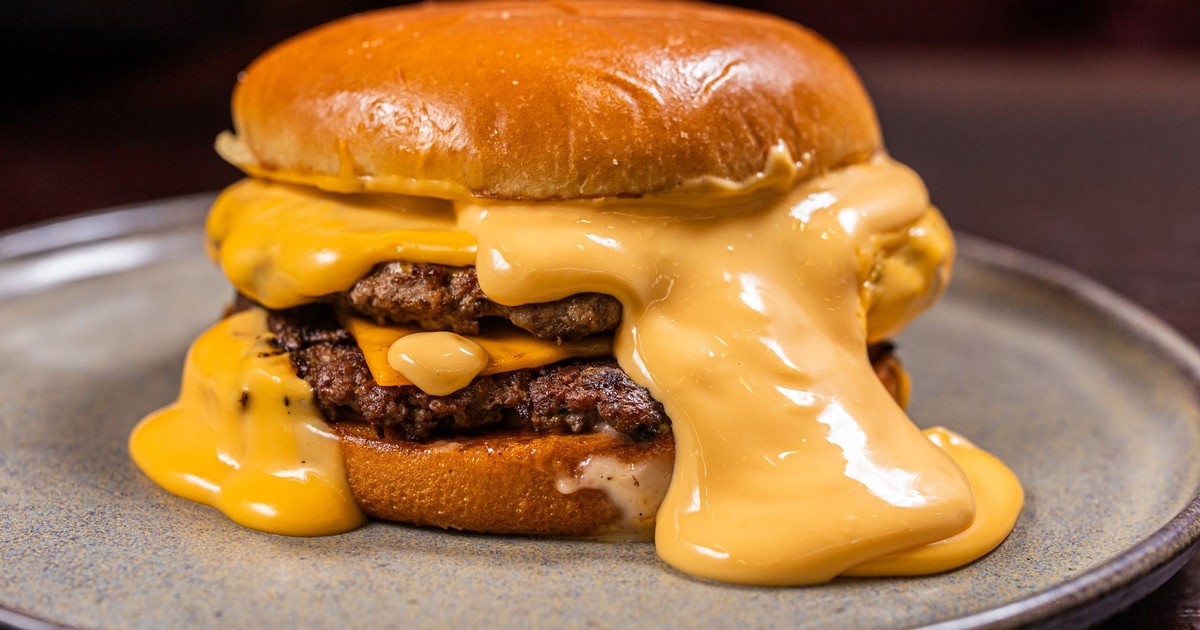
No food in the Gen-X-versus-everyone-else food debate generates more passionate argument than Velveeta. It is not technically cheese. The FDA classifies it as “pasteurized prepared cheese product,” which tells you approximately nothing useful about what it is and everything useful about why a 25-year-old won’t eat it. Gen X, meanwhile, considers it the superior queso base and will hear no argument to the contrary.
The appeal is textural and practical. Velveeta melts perfectly, every time, into a smooth, glossy sauce that does not break or grain the way real cheese can when overheated. For nachos, for queso dip, for the cheese sauce poured over broccoli at every holiday gathering, this was the workhorse of Gen X entertaining. You can still find it in the dairy aisle, still in that gold foil-wrapped block, still triggering something warm in anyone born before 1981.
Gen X food loyalty runs deep, and Velveeta is a useful case study in exactly why. Gen X gravitates toward traditional food with a twist, often customizable, seeking a balance between convenience and better-for-you products. Of all generations, this demographic is the most brand loyal and an ideal target audience for brands that address their needs.
8. Canned Vegetables

There is a generation of Americans for whom the phrase “green beans” conjures the sound of a can being opened, not a fresh vegetable being snapped. Convenient staples like Shake ‘n Bake, Hamburger Helper, and TV dinners defined Gen X weeknight eating, right alongside canned fruits and veggies. Canned corn, canned green beans, canned peas: these were not a failure of cooking ambition. They were a rational response to a lifestyle where nobody had 45 minutes to blanch vegetables before dinner.
Gen X will argue, correctly, that canned vegetables are genuinely useful: they are shelf-stable, affordable, and consistent. The Del Monte green bean that came in that pull-top can tasted exactly the same every single time, which in a household where nothing else was predictable had a particular comfort to it. The texture, soft to the point of being nearly liquid, was not a bug. It was a feature.
Gen Z does not share this view. The generation that buys air fryers before they buy sofas has opinions about vegetable texture that border on philosophical. A mushy canned green bean is not food to them. It is a processing failure. They reach for frozen or fresh. Gen X reaches for the can opener and feels nothing but nostalgia for those flavors.
9. Tang

Tang was invented by General Foods in 1957, but it became a household fixture during the Gen X era, partly because NASA used it on space missions (which was, to a child in the 1980s, the ultimate endorsement of anything). You mixed the orange powder with water, stirred it until your arm got tired, and drank something that tasted less like orange juice and more like orange ambition: sweeter, sharper, more aggressively orange than any actual orange could manage.
The nutritional profile is not reassuring: Tang is primarily sugar and citric acid, with added vitamins that were meant to offset the absence of anything naturally occurring. By Gen Z’s standards, this is not a drink. It is a delivery system for artificial flavoring and fructose. By Gen X’s standards, it was breakfast, and the fact that astronauts drank it made it basically futuristic.
Kool-Aid occupied the same emotional territory. The packets cost almost nothing. You made a pitcher. You drank it by the cup all afternoon. The appeal was total: it was sweet, it came in colors that did not exist in nature, and making it yourself felt like a small act of independence. The idea that a child today would be offered a tall glass of cherry Kool-Aid and respond with anything other than delight would have been unthinkable in 1984.
10. Shake ‘n Bake
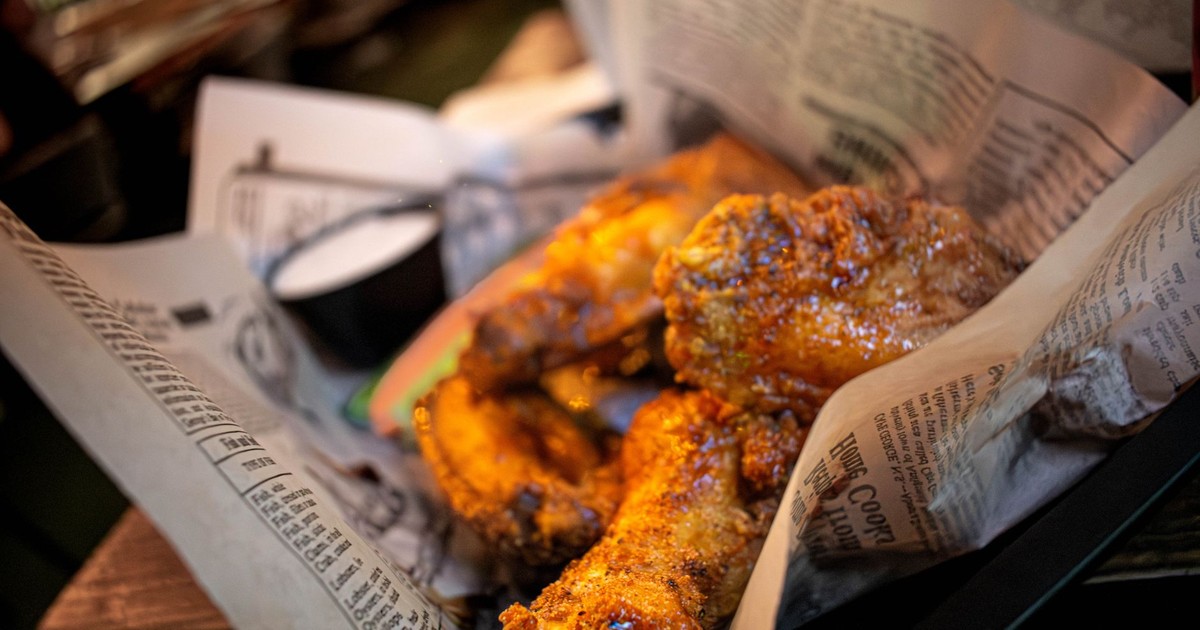
Shake ‘n Bake chicken defined many a Gen X weeknight: the coating mix that let you put chicken in a bag, shake it, and slide it in the oven without any of the mess of traditional breading. The tagline was “It’s Shake ‘n Bake, and I helped!” and Gen X children genuinely, earnestly said this at the dinner table. There was real pride involved in shaking that bag. You were cooking.
The finished product had a particular quality that Gen X still defends: a slightly salty, faintly paprika-flavored crust that softened on the underside where it touched the chicken and stayed crunchy on top. It wasn’t fried chicken. It wasn’t roasted chicken. It was its own category, a convenient hybrid that required less than ten minutes of actual effort and still felt like a real dinner. To this day, Gen Xers are still fond of their favorite dishes they grew up eating. Shake ‘n Bake appears in those threads regularly, described in the same breath as a warm memory and a weeknight fallback they still use.
Gen Z’s objection is predictable: the coating packet is a processed mix of modified food starch, dextrose, and a salt level that would concern a cardiologist. The chicken underneath is real, but what’s on top would not pass the clean label test that younger consumers apply to everything they buy.
What the Food Was Actually About

The foods on this list have one thing in common that has nothing to do with flavor: they belong to a specific American moment when convenience was aspirational, not shameful. The working mother of 1983 who put a Swanson tray in the oven and a pitcher of Tang on the table wasn’t cutting corners. She was using the tools available to her. Gen X ate those meals, watched TV while they did it, and grew up thinking this was just how dinner worked.
When Gen Z looks at a can of Spam or a box of Hamburger Helper and recoils, they’re not wrong about the ingredients. They are wrong about what the food meant. Gen-X foods nostalgia is rarely about the actual taste. It’s about the particular texture of an era when food was functional rather than aspirational, when nobody photographed their dinner before eating it, and when a meal that took 20 minutes and cost three dollars was something to be genuinely grateful for rather than embarrassed about.
The Jell-O mold is probably finished. Tang is not going to reclaim its NASA-adjacent prestige. But Velveeta is still on the shelf, Kraft Mac & Cheese still sells millions of boxes a year, and somewhere right now, a Gen Xer is frying a thick slice of bologna in a pan and not apologizing to anyone. Some of these foods outlasted every prediction about them because they were never really about food to begin with. They were about a specific version of ordinary American life: rushed, unpretentious, and, to the people who lived it, enough.
Disclaimer: This information is not intended to be a substitute for professional medical advice, diagnosis, or treatment and is for information only. Always seek the advice of your physician or another qualified health provider with any questions about your medical condition and/or current medication. Do not disregard professional medical advice or delay seeking advice or treatment because of something you have read here.
AI Disclaimer: This article was created with the assistance of AI tools and reviewed by a human editor.