

Most of us don’t walk around thinking of ourselves as messy. We think of ourselves as busy, sentimental, practical, or just temporarily behind on something we’ll definitely get to. The phrases we reach for to describe our homes do real work on our behalf: they frame the clutter as circumstantial, temporary, or even virtuous. And because the person saying them usually believes them completely, they land as fact rather than excuse.
People with genuinely cluttered homes would resist that label entirely, because their inner monologue has already reframed what they’re living with. The phrases below are that reframing in action, the messy homeowner phrases that sound completely innocent until you recognize what they’re actually doing.
1. “I Know Where Everything Is”

This is probably the most universally deployed defense of domestic chaos, and it’s delivered with genuine confidence. The person saying it means it. They can locate the blue charger, the spare keys, and last month’s electric bill. The system works, for them, in that moment, under current conditions.
“I know where everything is” is a system that lives entirely in one person’s head. It can’t be delegated, it doesn’t survive a bad week, and it collapses the moment someone else needs to find anything. More importantly, it describes a coping strategy for disorder, not the absence of disorder. Knowing where things are in a cluttered space is a skill born of necessity, the same skill you’d develop if you lived out of a suitcase long enough.
What this phrase actually defends is the right not to change anything. A genuinely organized home doesn’t require its owner to memorize a mental map of where things got put down. The items live somewhere logical. Other people can find them too.
2. “I’ve Just Been Really Busy Lately”

“Lately” is doing a lot of lifting in this sentence. For some people, “lately” stretches back eighteen months. The dishes on the counter weren’t put there today, and neither was the pile of mail on the stairs, but in the mind of the person who lives there, the mess feels recent because they’re always meaning to address it.
Being genuinely busy and living in chronic clutter are not the same thing, but the phrase treats them as identical. A busy season has an end point: the project wraps up, the kids go back to school, the calendar clears a little. Clutter that “just happened lately” and has been there since before the last holiday season isn’t describing a temporary state. It’s describing a permanent one with better PR.
“Lately” never ends. Busy seasons come and go; the clutter stays. If the phrase has been true every time it’s been said for the last two years, it’s stopped being an explanation and become a habit.
3. “It’s Cozy”

“Cozy” is a word that covers a lot of ground. A home that is warm, softly lit, and full of comfortable places to sit is genuinely cozy. A home stacked with unopened boxes, three layers of throw blankets on every surface, and a kitchen counter permanently occupied by things waiting to be put away somewhere else is something different, but “cozy” is the word that gets borrowed to describe it.
The cozy reframe is a particularly effective piece of self-persuasion because it imports aesthetic value. It’s not just that the mess is manageable, it’s good, actually. It’s inviting. The alternative (a minimal, emptier home) is recast as cold or sterile. Decluttering gets repositioned as a personality sacrifice rather than a practical improvement.
A 2025 study published in the Journal of Consumer Research found that most relatively affluent consumers are fighting a losing battle with material disorder in their homes, and that no matter how hard they try to rein it in, material disorder always comes out on top. “Cozy” is one of the reasons why: it turns the disorder into a feature.
4. “I Might Need That Someday”
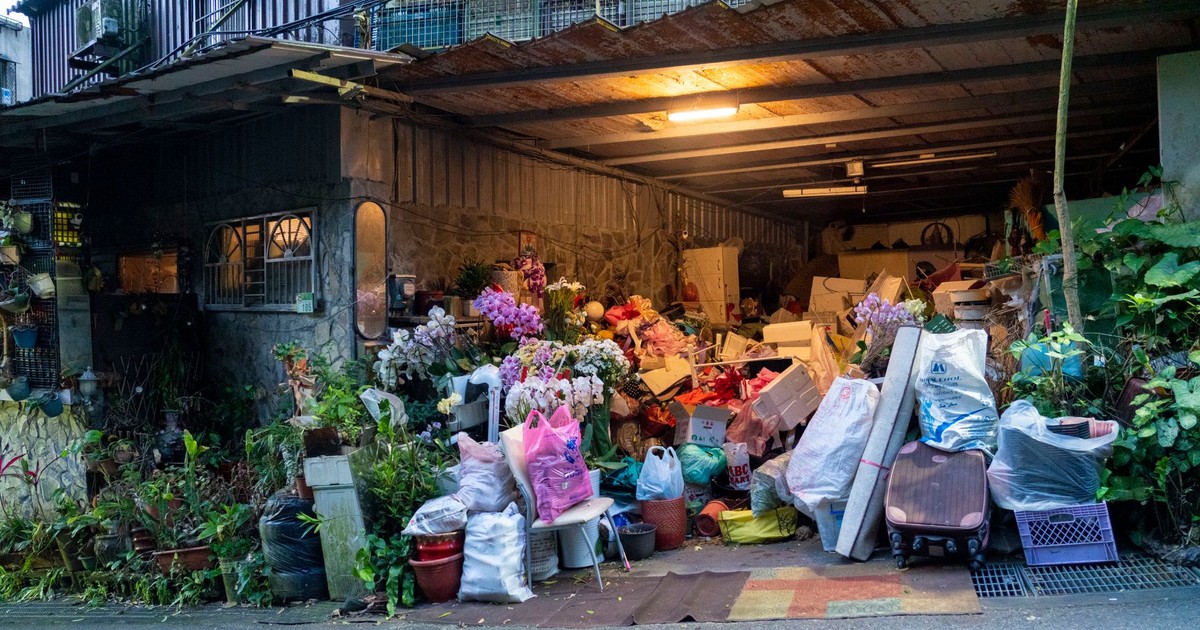
The outdated cable in the kitchen drawer. The single crutch in the hall closet. The box of cassette tapes from a road trip twenty-two years ago. These items all survive on the same logic: the remote possibility of future need. It’s not irrational to hold onto things with potential utility. Holding onto everything on that basis indefinitely is where it tips over.
People often form strong emotional attachments to possessions, giving them sentimental value that prevents disposal. Objects can symbolize memories, relationships, or identity, which makes decisions about discarding them genuinely complicated. But “I might need that someday” is most often used for items that have no emotional weight at all. It’s applied to broken appliances, outgrown equipment, and single-use packaging from something bought three years ago.
The practical test is straightforward: if you replaced the item tomorrow and it cost under twenty dollars, the “someday” argument collapses. Leaving it where it is just feels easier than making a decision about it.
5. “I’m Not a Very Visual Person”

This one appears when someone is explaining why the clutter doesn’t bother them. Other people notice it; they don’t. They process space differently. It’s just how they’re wired.
The underlying idea is real: people do differ in how much visual information they consciously register. But visual clutter exhausts cognitive resources, reduces focus capacity, and impairs memory processing. These effects operate below the level of conscious awareness, which means someone who genuinely doesn’t “see” the mess can still be experiencing its neurological cost without connecting the two. “I’m not a visual person” describes how the mess feels to them. It doesn’t describe what the mess is doing.
The person who claims not to notice clutter very often also reports feeling inexplicably stressed at home, difficulty settling down to work, or a persistent sense that they can’t fully relax in their own space. The brain registered what the eyes passed over.
6. “It’s a Work in Progress”

Every home is, in some sense, a work in progress. But “it’s a work in progress” used to explain the current state of a messy house is different from describing a home mid-renovation. It’s a promissory note: the mess you’re seeing isn’t the real version. The real version is coming.
Indefinite works in progress require a completion date to be meaningful. Without one, “work in progress” simply describes the permanent state of the home, wrapped in language that implies movement toward something better. It’s forward-facing language doing backward-facing work.
The intention is always genuine. The follow-through is the part that disappears. “Work in progress” is how that gap gets narrated away.
7. “I Just Haven’t Had the Time to Deal With It”

Time is the most socially acceptable explanation for any domestic shortcoming, which is exactly why it gets used so frequently. Nobody argues with “I haven’t had time.” It’s unanswerable and broadly sympathetic.
The things we genuinely want to deal with tend to get dealt with, even in busy lives. Meals get made, appointments get kept, and the things that matter personally get found within the schedule. Clutter that persists is usually clutter that hasn’t risen high enough on the priority list, not clutter that has been actively attempted and thwarted by a shortage of hours.
Research by Talker Research for BISSELL found that a quarter of Americans consider housekeeping and cleaning clutter to be harder than their actual full-time job, and many don’t have the time to manage their home to their own standards, leading to shame about the state of their home when other people come over. The shame is the tell. People who simply don’t care about clutter don’t preemptively apologize for it. The apology signals that the gap between the current state and the desired state is real, it’s just being explained rather than closed.
8. “I’m Saving It for the Kids”

Saving meaningful things for children is a genuinely good impulse. “Saving for the kids” becomes a problem when it becomes the justification for an entire attic, three storage units, and a garage that hasn’t held a car since 2019.
The adult children in question, when eventually asked, often don’t want most of it. They’re living in apartments, they have their own things, and they don’t have storage for grandmother’s dining set or forty years of National Geographic issues. “Saving for the kids” is frequently a way of postponing a decision by routing the emotional weight of it through someone else’s future.
One of the cultural habits that feeds chronic accumulation is the idea that physical objects represent love and legacy. They can. But the item itself isn’t the love, and passing on an overstuffed storage problem along with it isn’t a gift.
9. “It’s Not Dirty, Just Cluttered”
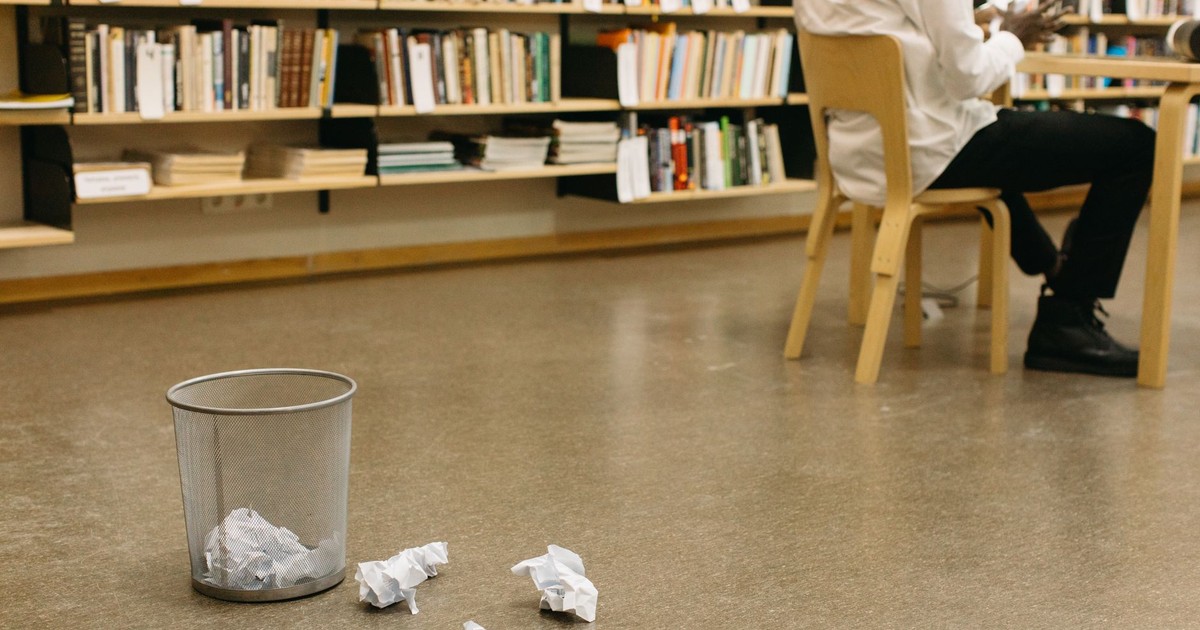
This distinction is meant to be reassuring, and in one sense it is accurate. A home can have accumulated clutter without being unsanitary. But “it’s not dirty” has a way of functioning as a ceiling on further self-examination. Once the bar of “not dirty” has been cleared, no further reflection seems necessary.
Research published in Current Psychology found that behavioral procrastination was directly tied to a belief that living spaces have too much stuff, feelings of being overwhelmed by excessive possessions, and a sense that one’s personal life is negatively affected, and that clutter in one’s living space, negative emotions, and impaired social ability all predicted high procrastination scores. None of that requires dirt. The threshold isn’t hygiene. It’s the cognitive and emotional load of living with excess.
The phrase “not dirty, just cluttered” also gets used when guests are coming over, as a preemptive calibration of their expectations. Which is another form of evidence that the speaker already knows the clutter is a problem.
10. “I’m a Creative Person, It’s How I Work”

Certain creative fields do involve working with physical materials spread across a large surface. But “I’m a creative person” gets borrowed as an explanation for a general domestic disorder that has nothing to do with any creative practice. The stack of unwashed plates isn’t part of anyone’s creative process. Neither is the pile of last year’s mail on the dining table.
The creative personality explanation works partly because it’s true of a narrow set of circumstances and then gets applied broadly. It also carries a flattering subtext: my mess is a symptom of intellectual vitality. Other people need tidy spaces because they need external structure; I operate at a higher level.
Clutter causes cognitive chaos because the brain doesn’t know how to prioritize attention among distractions, which makes it difficult to focus. That applies to creative work too. The belief that creative people work better in chaos has been repeated enough to feel like common knowledge, but the neurological processes of attention don’t make exceptions for personality type.
11. “Once I Have More Space, I’ll Get Organized”
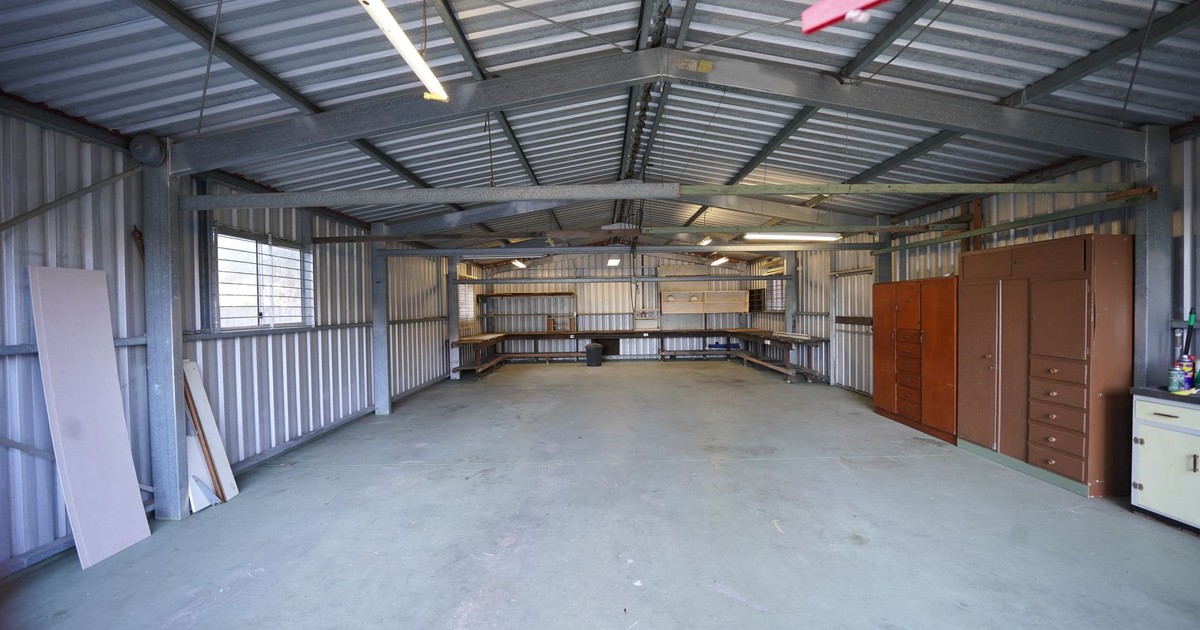
More space solves a specific problem: not having enough room. It does not solve the problem of accumulating more things than you can organize, making decisions about what to keep, or building consistent habits for putting things away. People who genuinely need more space and move to a larger home often fill the new space within two years.
The phrase puts the organizational failure outside the speaker, it’s a spatial problem, not a behavioral one. But research on clutter consistently points toward decisions, habits, and attachment as the core drivers. A bigger house with the same habits produces a bigger cluttered house. What changes when you have more space is the timeline, not the outcome.
12. “I Know It Looks Like a Lot, but I Have a System”

Systems are good. Most functioning households run on them. The question is whether the “system” being described actually exists as a system, meaning rules, habits, and structures that consistently operate, or whether it exists as a post-hoc explanation for a pattern of accumulation.
“I have a system” implies predictability and repeatability. It implies that the current state of the home is intentional and could be reproduced, maintained, or taught to someone else. In practice, the systems that get described this way often have one member (the person who came up with the phrasing) and survive only as long as that person is actively holding them in their head. That’s not a system. That’s a person compensating.
People who struggle with clutter tend to fall into distinct groups based on how they make decisions about objects. The hesitant and indecisive ones experience greater negative impacts from clutter than action-oriented people, because the hesitance isn’t just about the stuff, it’s baked into how every object gets treated the moment it enters the house. “I have a system” is often how that indecision gets framed as structure.
13. “I’m Just Not One of Those People Who Gets Stressed About Mess”

This is the most confident of all the messy homeowner phrases, and often the last line of defense. Other people may find clutter stressful. Not this person. It doesn’t affect them the way it affects everyone else.
Research from IFS Studies found that women in particular find a cluttered home more stressful than men do, on average, and this leads to detrimental daily patterns of the stress hormone cortisol. But regardless of who reports feeling more affected, the physiological impact of living in a cluttered space doesn’t ask for permission before it operates. Home clutter has been found to predict more negative affect, lower life satisfaction, and reduced mental wellbeing, effects that hold even when the person living in the clutter doesn’t consciously register the stress.
The person who claims immunity to mess-related stress isn’t wrong that they’ve adapted. But adaptation and immunity are different. Getting used to something that costs you isn’t the same as that thing not costing you.
Why These Phrases Matter

None of these phrases make someone a bad homeowner or a flawed person. They’re the ordinary vocabulary of anyone trying to live a full life inside an imperfect home. What makes them worth examining isn’t the phrases themselves but what they’re protecting: the gap between how the home looks and how the person wishes it looked, held in place by language that makes the gap sound like a choice.
Clutter, an overabundance of possessions, can impede quality of life by interfering with space livability and social connections, and by prompting negative emotions and financial strain. The phrases above exist partly because that summary feels too stark to sit with directly. It’s easier to have a system, or to be a creative person, or to just be busy lately.
The gap between the home you have and the one you want doesn’t close through language. It closes through decisions, one item at a time. That part is genuinely hard, and anyone who tells you otherwise has probably never stood in front of a box of things that belonged to someone they loved. But noticing which phrases have been on rotation for a while is usually where the real conversation starts.
AI Disclaimer: This article was created with the assistance of AI tools and reviewed by a human editor.