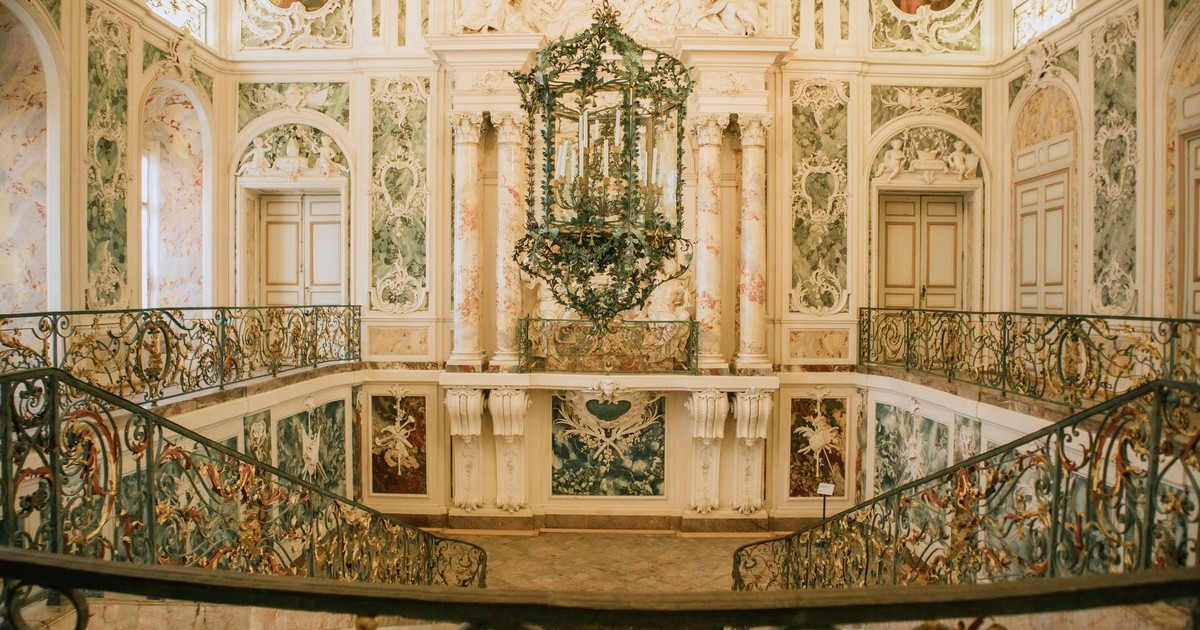

Some places hold onto you. You walk through, then hours later you’re still thinking about a particular corridor, how a room smelled, how still it was. That doesn’t happen at the Grand Canyon or the Eiffel Tower. It happens at places where human suffering occurred in documented fact, where the architecture is still standing, and where the official tour can’t quite contain what the walls are holding.
Historic haunted locations occupy a strange category in travel. They’re not amusement parks. The history they carry is documented, often grim, and in most cases far more disturbing than whatever ghost story has been layered on top. The ghost story is usually the easiest part to dismiss. The documented record beneath it is considerably harder.
These 15 places are all still open to visitors. Most are open year-round. Some you can sleep in. All of them carry a past that is real, verifiable, and in several cases actively being reconsidered by the people who manage them today.
1. Eastern State Penitentiary, Philadelphia, Pennsylvania
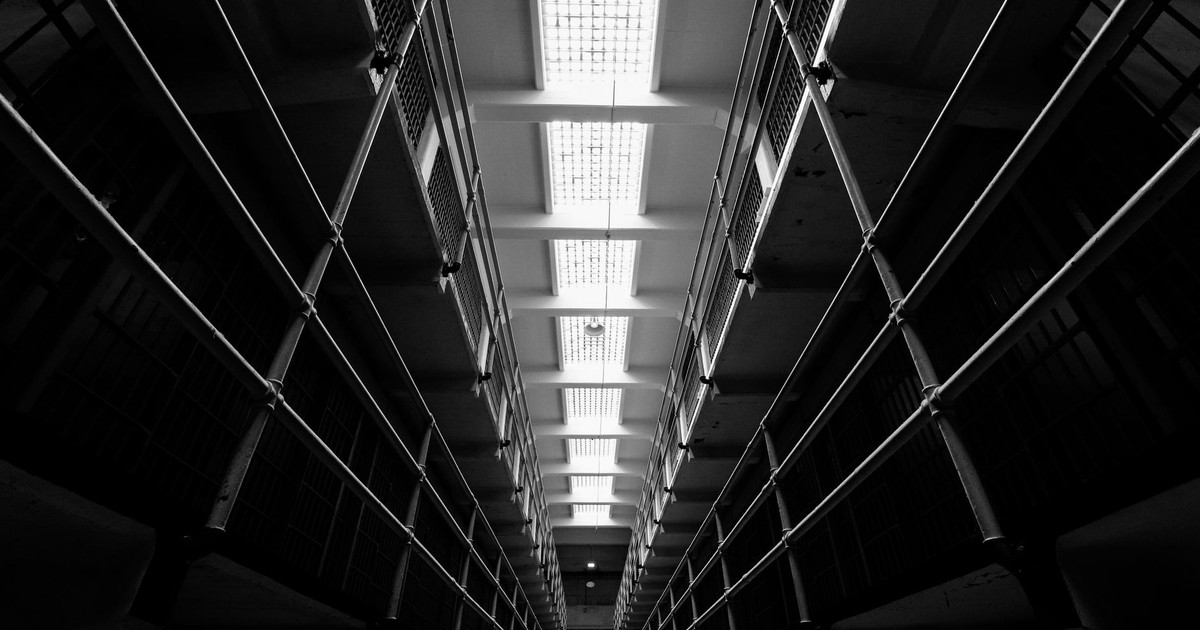
Built in 1829 on Fairmount Avenue in Philadelphia, Eastern State Penitentiary was designed with a singular, radical vision. The prison’s architects wanted solitude to do what punishment couldn’t: force genuine reflection. Inmates faced as many as 23 hours a day in isolation, a practice that many historians believe drove prisoners to severe mental deterioration. When you tour the crumbling cell blocks today, that logic lands with a specific kind of weight.
Eastern State Penitentiary once housed some of the most infamous criminals in United States history, including notorious gangster Al Capone and famed bank robber Willie Sutton. Despite his relatively comfortable cell, complete with antique furniture and Oriental rugs, Capone was constantly on edge. He told guards he was being haunted by James Clark, one of his victims from the St. Valentine’s Day Massacre.
Pennsylvania ceased operation of the prison in 1970, and after a brief period of use as a city jail, the building was finally closed in 1971. It has been open as a museum since 1994, where members of the public can tour the ruins of one of America’s most well-known penitentiaries. The prison’s current preservation mission is actively shifting, with staff now running re-entry simulations alongside the history tours, an effort to reckon honestly with what incarceration means, not just what it looked like.
2. Alcatraz Island, San Francisco, California
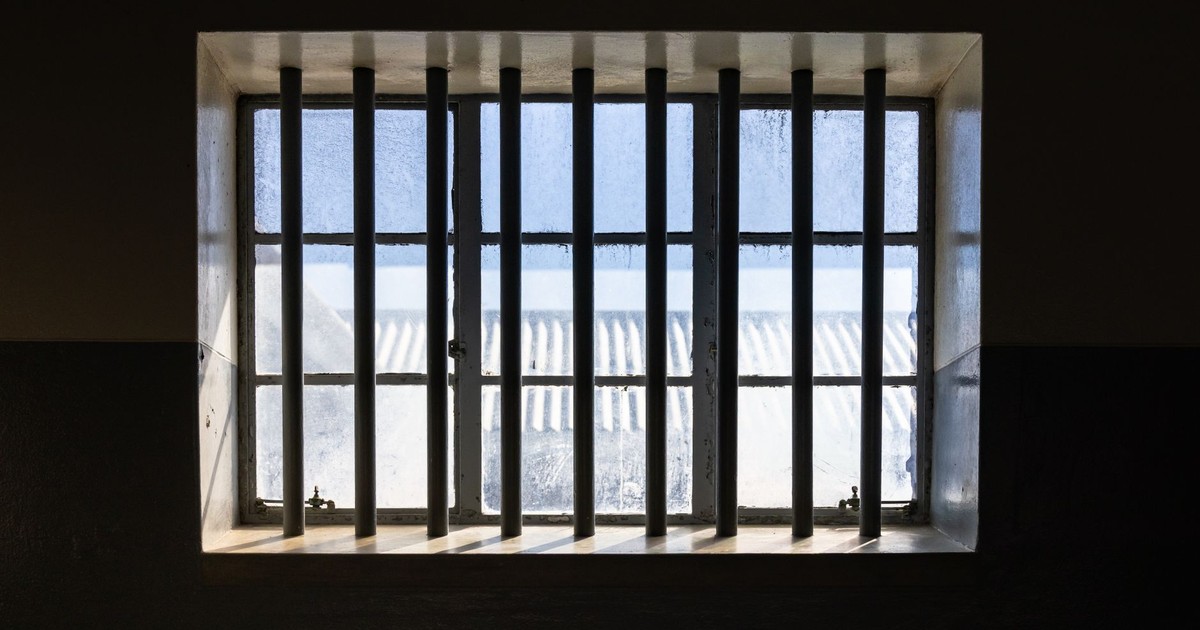
Before it became synonymous with America’s most notorious criminals, Alcatraz was a fortified military outpost built to guard San Francisco Bay. In the mid-1800s, it housed coastal cannons and served as a Civil War-era military prison. The transition to federal penitentiary came in 1934. Though the facility had a maximum capacity of 336 inmates, it never housed more than 306 prisoners at a time. The strict federal system sent only the “worst of the worst” to the island.
Paranormal investigators and visitors often report unexplained cold spots, footsteps, and whispers in Cell Block D, which housed inmates in complete solitary confinement. Some say they’ve felt sudden fear or dread while walking through it. One night in the 1940s, an inmate locked in isolation cell 14-D spent the twilight hours screaming that a deadly intruder was inside his cell. Guards found nothing.
Today, Alcatraz is a National Historic Landmark visited by over 1.5 million tourists each year. The history of Alcatraz goes well beyond ghost stories: the prison closed in 1963 not because of its reputation but because the saltwater air was corroding the building faster than repairs could keep up, and operating costs far exceeded those of any mainland facility. You can take a self-guided audio tour through the cell blocks any day of the week, ferries departing from Pier 33.
3. Gettysburg Battlefield, Gettysburg, Pennsylvania
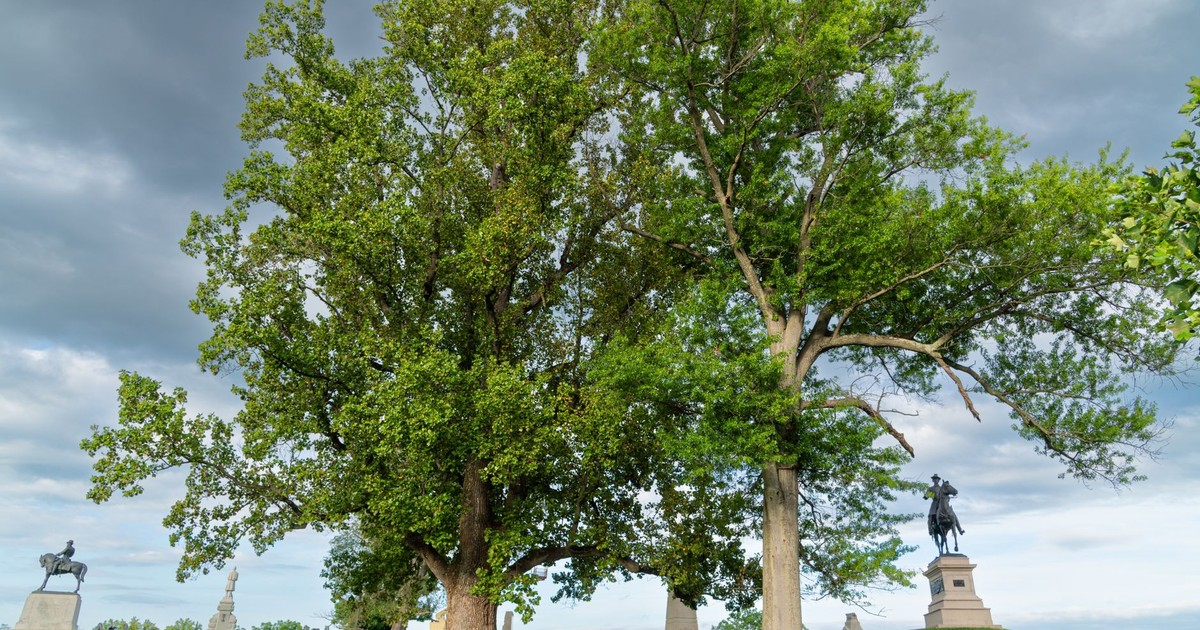
Over three days in July 1863, roughly 51,000 soldiers were killed, wounded, or went missing across the fields and ridges around a small Pennsylvania town. Gettysburg Battlefield is a place where history and hauntings are deeply intertwined. As the site of a pivotal Civil War battle, it witnessed immense tragedy and loss, which many believe has left a lingering presence. The scale of what happened there is almost impossible to absorb in a single visit.
Gettysburg College served as a field hospital for both Confederate and Union soldiers during the Civil War and has a long history of reported hauntings. Visitors often report seeing apparitions of soldiers, hearing the sounds of battle, and experiencing an overwhelming sense of sadness. Whether those experiences are paranormal or simply the emotional weight of standing on ground soaked in history is a distinction that tends to blur on a quiet morning in the Devil’s Den.
The National Park Service provides tours that explore the key moments of the battle and its lasting impact on American history. For those interested in the ghostly reputation, evening ghost tours offer the chance to hear the battlefield’s more unsettling stories. The visitor center and museum are open year-round, and the battlefield itself is free to walk.
4. Waverly Hills Sanatorium, Louisville, Kentucky
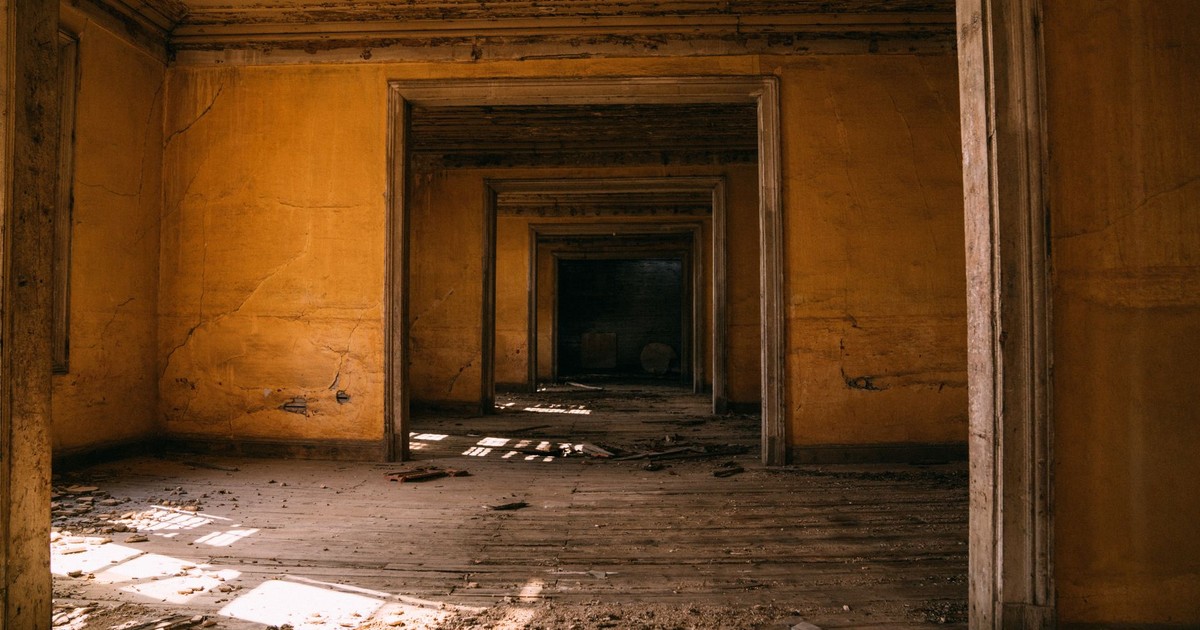
When Waverly Hills opened as a tuberculosis hospital outside Louisville in 1910, the disease was killing thousands of Americans every year and no reliable treatment existed. The facility eventually housed hundreds of patients simultaneously. During its worst years, the death toll was significant, and the exact figures remain uncertain due to incomplete historical records. Waverly Hills Sanatorium is infamous for its “body chute,” a tunnel hospital administrators used to transport bodies out of the building without patients seeing how many of their fellow residents were dying.
Stories surround Room 502 on the fifth floor, where two nurses reportedly took their own lives, one by hanging, one by jumping, and are said to still haunt that corridor. The building was later converted into a geriatric facility before closing for good in 1982. Today it operates as one of the most visited haunted attractions in the country, with overnight paranormal investigations that regularly sell out months in advance.
What makes Waverly Hills land differently from a conventional ghost tour is the structure itself. The building hasn’t been restored into something comfortable. The paint is peeling from the walls in long strips, the floors creak beneath every step, and the light barely reaches the far end of the corridors. You are genuinely walking through a place that is falling apart, and the history of what happened inside it is impossible to separate from what you’re seeing.
5. Winchester Mystery House, San Jose, California
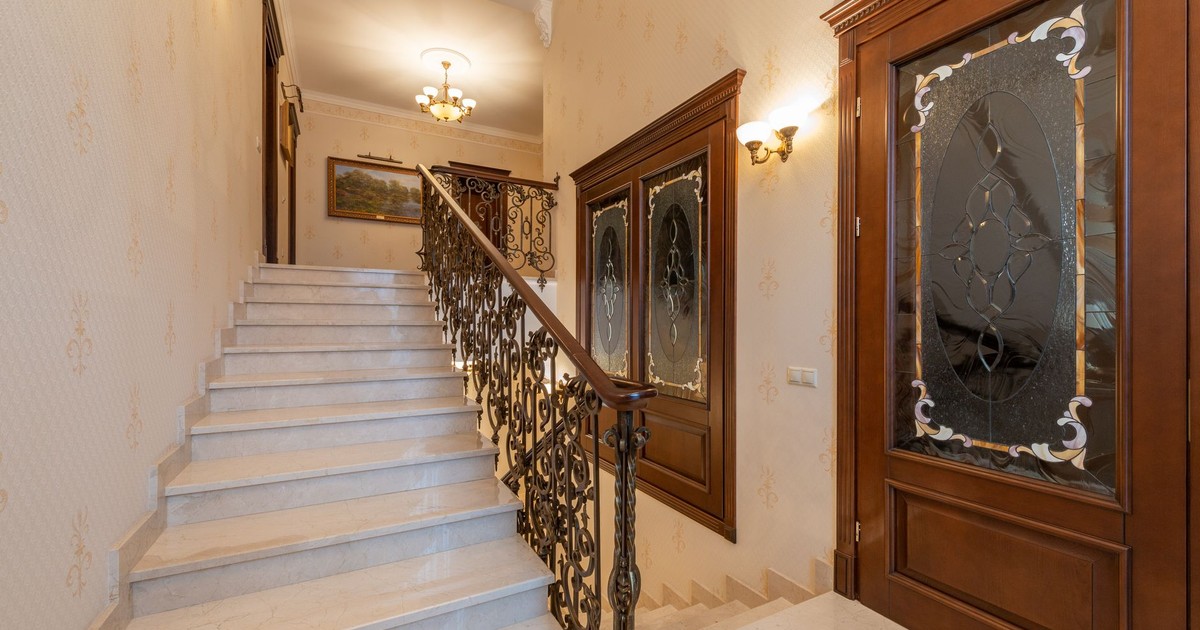
Built under the direction of Sarah Winchester, heiress to the Winchester rifle fortune, the house is a labyrinth of 160 rooms, staircases leading to nowhere, and doors opening to walls. Sarah believed she was haunted by the spirits of those killed by Winchester rifles and constantly added to the house to appease them. Construction ran continuously for 38 years, from 1884 until her death in 1922.
The architecture alone justifies the visit. Stepping inside the mysterious 160-room mansion, a guided tour takes you through 110 of the most iconic rooms, filled with puzzling architecture, rich history, and legendary tales. Staircases climb seven steps to a ceiling. Doors open onto sheer drops to the floor below. A séance room sits at the heart of the building, designed so Sarah could enter and exit through any of three separate doors. The whole structure feels less like a house and more like a mind that got away from itself.
Visitors report hearing phantom footsteps, whispers, and doors slamming shut when no one else is in the room. Winchester Mystery House has been recognized in TripAdvisor’s Travelers’ Choice Awards for 2025. Flashlight tours through the mansion in near-total darkness are offered on select evenings and book out well in advance.
6. The Tower of London, London, England
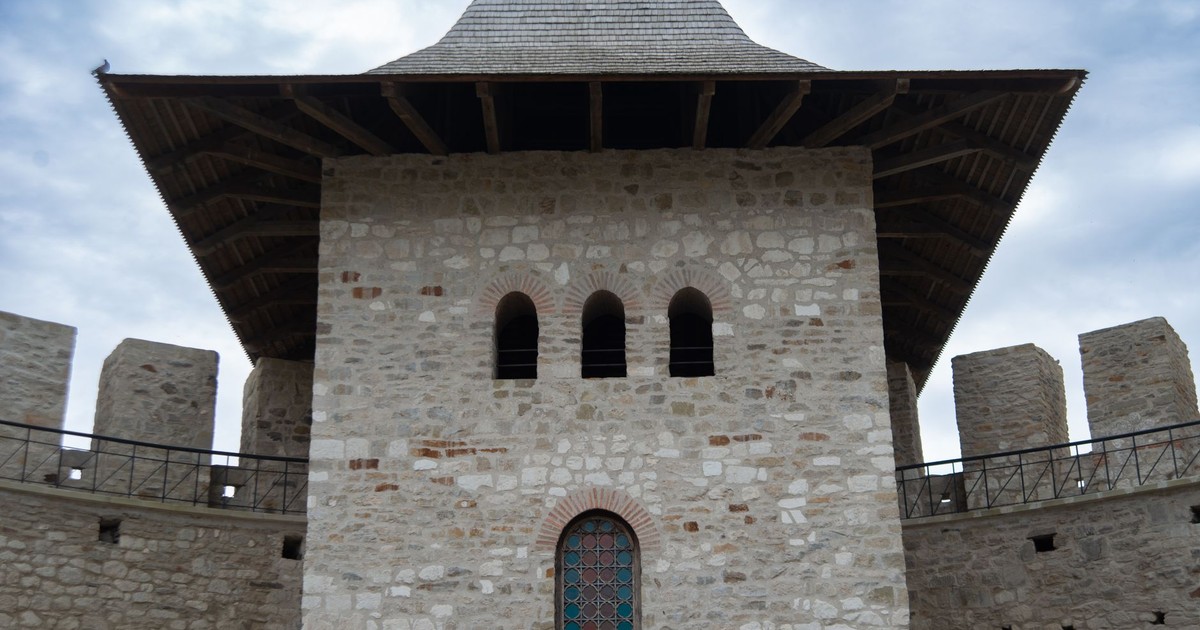
Few buildings on earth have held as many prisoners, witnessed as many executions, and accumulated as many centuries of violent history as the Tower of London. Construction began under William the Conqueror in 1078, and the site has functioned variously as a royal palace, a treasury, a menagerie, and a prison where figures including Anne Boleyn, Catherine Howard, and Lady Jane Grey spent their final days before execution on Tower Green.
The ghost most frequently reported by guards is Anne Boleyn herself, said to appear near the Chapel of St. Peter ad Vincula, where she is buried. The Yeoman Warders who live and work within the Tower complex have their own catalog of unexplained sounds and sightings accumulated over years of overnight duty. The Tower of London is steeped in ghostly tales that have persisted for centuries alongside its official history.
Visitors can walk the towers, enter the dungeons, see the Crown Jewels, and take guided tours that cover both the documented history and the centuries of folklore. The site draws millions of visitors annually and is open year-round, managed by Historic Royal Palaces. Evenings occasionally offer special tours focused specifically on the darker chapters of the Tower’s past.
7. Edinburgh Vaults, Edinburgh, Scotland
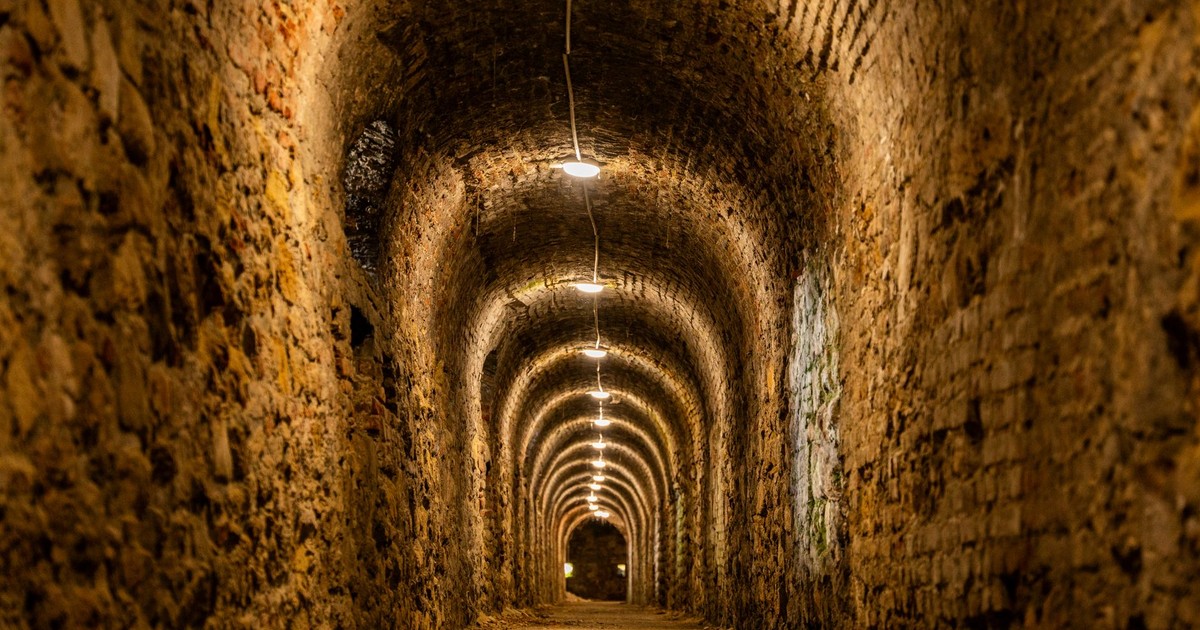
Beneath the South Bridge in Edinburgh lies a series of underground chambers that were built into the bridge’s arches when it was completed in 1788. For decades, the vaults were used by tradespeople, tavern keepers, and eventually the city’s poorest residents, who had nowhere else to go. The close has become well known worldwide for its wide variety of ghostly phenomena, with many visitors reporting seeing apparitions of those who once lived and died there.
The conditions in the vaults during the 18th and early 19th centuries were genuinely awful. No light, no ventilation, constant damp from the water that seeped through the bridge above. The people who lived there were not doing so by choice. Eventually the vaults were sealed and forgotten until their rediscovery in 1985. What archaeologists found inside told a story of extreme poverty that no ghost tour can quite fully convey.
Tours run daily and nightly through the vaults, operated by several competing companies in Edinburgh’s Old Town. The most detailed are the ones that take you into the deeper chambers, the ones farthest from the entrance where the air is coldest and the ceiling drops low enough to force you to duck. It is genuinely one of the more disorienting experiences available in a major European city.
8. The Myrtles Plantation, St. Francisville, Louisiana
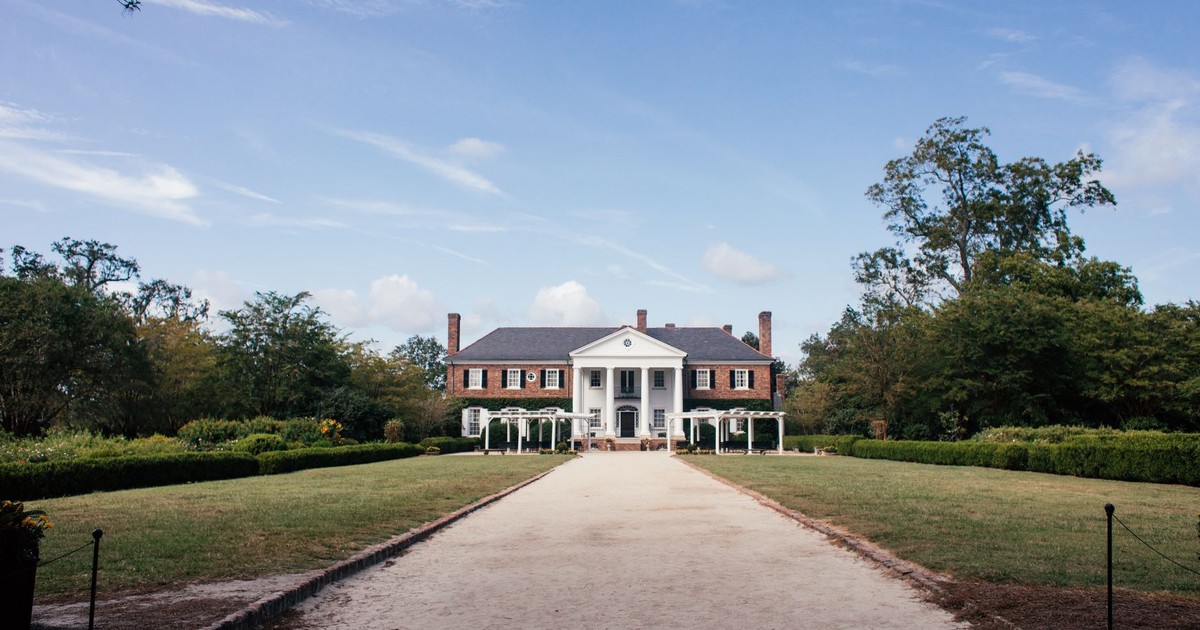
The Myrtles Plantation was built in 1796 on land that had served as a Tunica burial ground, and its history since has accumulated layer after layer of tragedy. At least ten people are known to have died on the property. The most famous story involves an enslaved woman named Chloe, who is said to have poisoned a family she worked for after being punished by the plantation’s owner, a story whose details have been disputed and embellished over generations, but whose presence still defines how the house is presented to visitors.
The plantation is included on the National Register of Historic Places and operates as a bed and breakfast. The experience of sleeping in a room where the documented history of slavery and violence sits so close to the surface is not comfortable, which is part of what distinguishes it from an ordinary historic house tour. Guests routinely report sounds and figures in rooms they believed were empty. The most photographed piece of evidence is a mirror in the entry hall, which reportedly shows handprints that cannot be cleaned away.
Morning tours cover the documented antebellum history of the house and its construction. Evening tours take a different approach entirely.
9. The Stanley Hotel, Estes Park, Colorado
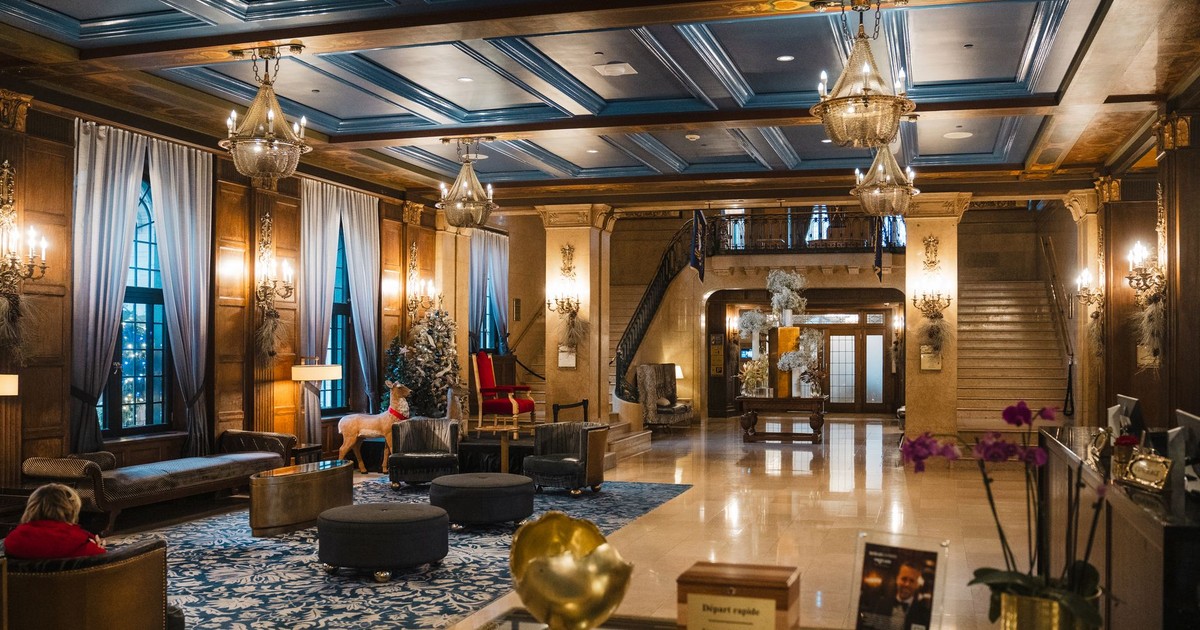
Stephen King stayed in room 217 of the Stanley Hotel in 1974. He checked in near the end of the season, when the building was almost empty, and the experience unsettled him enough to become the seed of The Shining. The Stanley opened in 1909 and sits at an elevation of 7,522 feet in the Colorado Rockies, surrounded on most sides by national park. It has never actually closed.
Perched in Estes Park, Colorado, the Stanley Hotel is as breathtaking as it is eerie. Its grandeur and isolation served as the perfect inspiration for Stephen King’s The Shining, a story that has haunted readers and viewers for decades. Room 217, where King stayed, is the most requested room in the hotel and books out months in advance. The children’s floor, room 428, and the ballroom are the locations where staff most frequently report unexplained activity.
The hotel offers a range of tour options including a dedicated history and ghost tour. You can also simply book a room and stay. The building itself, grand, isolated, half-empty in the off-season, does a great deal of the atmospheric work on its own, especially once the sun drops behind the mountains and the corridors stretch long and dark ahead of you. For more on places where history and alleged hauntings blend into an overnight experience, the world’s most haunted hotels tell a surprisingly similar story.
10. Leap Castle, County Offaly, Ireland
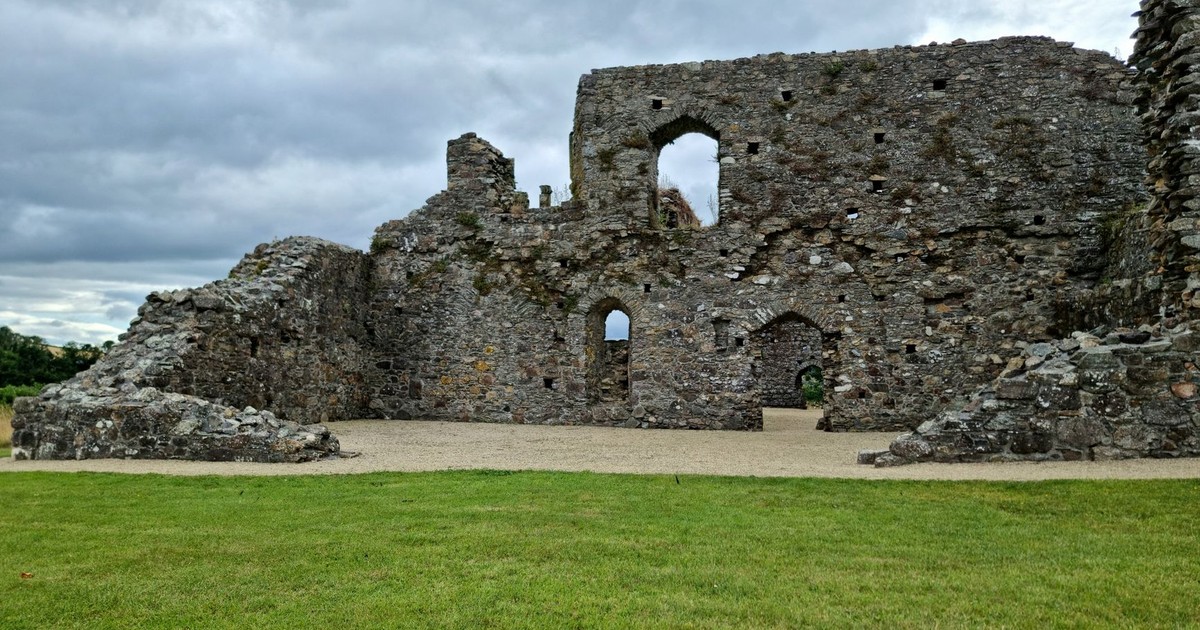
Leap Castle in County Offaly, Ireland, is home to what visitors describe as a terrifying “Elemental” spirit, a foul-smelling shadow reportedly seen with glowing red eyes. One of the bloodiest castles in Ireland, it is haunted by centuries of betrayal, family murders, and supernatural forces. The castle’s most notorious moment came in 1532, when a member of the O’Carroll clan murdered his own brother, a priest, on the altar of the chapel during mass. The room is still called the Bloody Chapel.
In 1909, workers clearing a dungeon beneath the Bloody Chapel discovered a pit filled with human remains. Three cartloads of bones were removed from the site. Some were centuries old. The pit, known as an “oubliette,” was a common enough feature in medieval castles, a space where prisoners were dropped through a trapdoor and left. The name comes from the French word for “to forget.”
Leap Castle is privately owned and has been under restoration by the current owners for decades. Tours are available by appointment and fill quickly, particularly in the autumn months. It is not a museum or a heritage site run by a national body. It is someone’s home, which makes walking through it feel entirely different from any state-managed attraction.
11. The LaLaurie Mansion, New Orleans, Louisiana
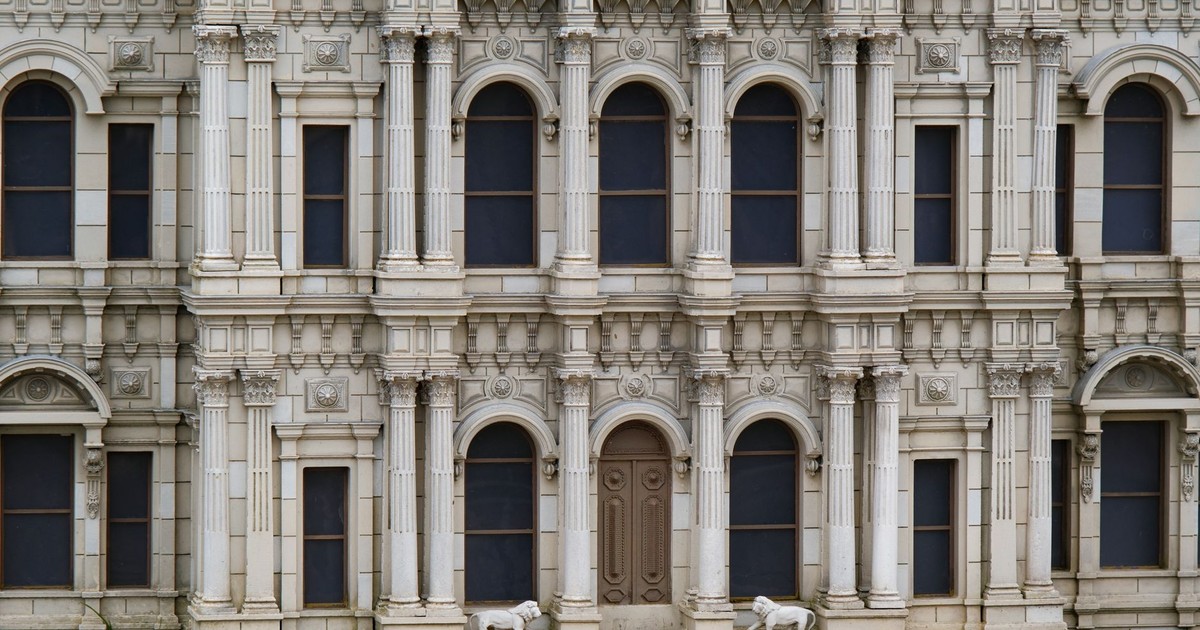
The house at 1140 Royal Street in New Orleans looks like many of the grand Creole mansions in the French Quarter. In 1834, a fire broke out inside it and what firefighters found in the attic, chained, tortured enslaved people, exposed the activities of its owner, Madame Marie Delphine LaLaurie, in a way that made the house infamous overnight. LaLaurie fled the city that same night and never returned.
The mansion changed hands dozens of times over the following two centuries. It has been an apartment building, a school, and a private residence. Actor Nicolas Cage owned it briefly in the early 2000s. People just passing the LaLaurie Mansion on a tour report fainting or becoming nauseous, and reports of disembodied screams and wailing are among the most frequently cited experiences at the site.
No tours currently operate inside the private residence, but it sits on a well-trafficked stretch of the French Quarter and features prominently in New Orleans’ many walking ghost tours. The house itself, with its wrought-iron balconies and shuttered windows, is visible from the street. The history is not hard to find once you start looking, and it is considerably darker than the ghost stories attached to it.
12. The Whaley House, San Diego, California
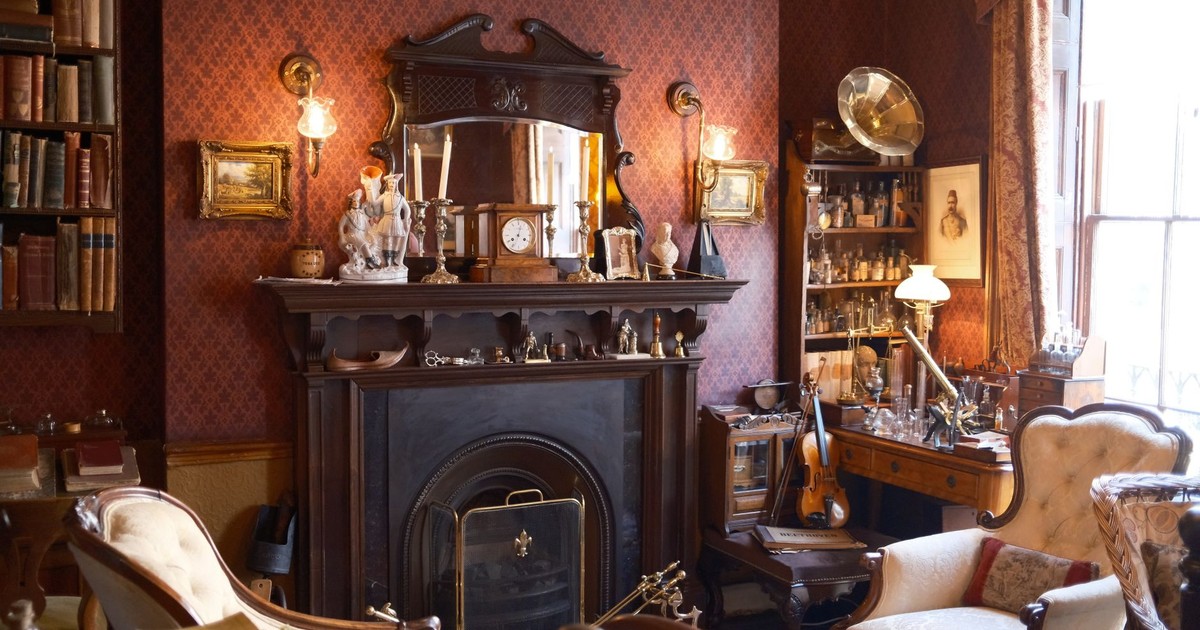
The Whaley House in Old Town San Diego was built in 1857 by Thomas Whaley on the site of a public gallows. A man named Yankee Jim Robinson had been hanged there just four years earlier for attempted grand larceny, and Whaley reportedly said he could hear heavy footsteps throughout the house after it was built, footsteps that didn’t belong to anyone living there.
The house subsequently served as a granary, a courtroom, a theater, a polling place, and a family residence across several generations of the Whaley family. Multiple members of the family died inside the house, including a young child. The US Commerce Department officially recognized the Whaley House as one of the two most haunted houses in the United States. The California State Parks system now operates it as a museum open to the public.
Tours run daily, with evening candlelight tours available on weekends. The rooms are furnished as they would have been during the family’s residence, which creates a particular atmosphere, everything arranged as if people are about to come back and sit down, except that they aren’t.
13. Poveglia Island, Venice, Italy
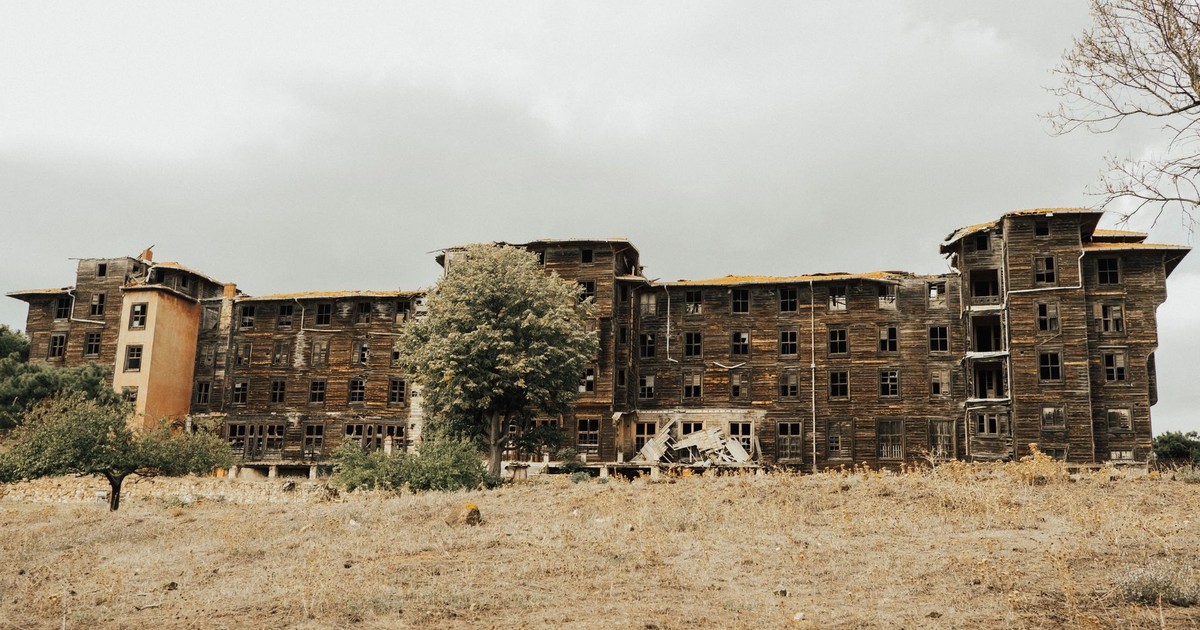
Poveglia sits in the Venetian Lagoon between Venice and the Lido, and it is not currently open for regular tourist visits, which is precisely why it belongs on this list. The Italian government periodically allows limited guided access, and its history is unlike almost any other place in Europe. The island was used as a quarantine station for plague victims beginning in the 14th century. An estimated 160,000 people died there during various outbreaks. The bodies were burned in mass pyres on the island’s soil.
In 1922, a psychiatric hospital was built on Poveglia, which operated until 1968. The stories from that period are sufficiently grim that they’ve generated their own mythology. The building is now decaying, the island overgrown, and access remains tightly controlled by Italian authorities. When limited tours have been offered, they have sold out within hours. The soil on much of the island is reportedly made up of a significant percentage of ash and bone.
If any location on this list earns the description “historic haunted location” without needing to try, it is Poveglia. The history is sufficient without embellishment.
14. The Queen Mary, Long Beach, California

The RMS Queen Mary was launched in 1934 as one of the grandest ocean liners ever built. She crossed the Atlantic hundreds of times, was converted to a troopship during World War II, and carried over 800,000 soldiers before returning to passenger service. During the war, she earned the nickname “The Grey Ghost.” A collision with her escort ship, HMS Curacoa, killed 338 men. The Queen Mary never stopped, under strict wartime orders to keep moving.
The ship has been permanently docked in Long Beach since 1967 and operates as a hotel and tourist attraction. The engine room, the boiler room, and the bow are the areas where staff most commonly report unexplained activity. At least 49 deaths occurred on the ship during its active years at sea. Room B340 was reportedly sealed for years due to disturbances before being reopened to guests.
Daily tours cover the ship’s history as both an ocean liner and a wartime vessel. Overnight stays are available in the original staterooms. The combination of genuine maritime history and a building that has been afloat, at war, and in service for nearly a century gives the Queen Mary a quality that purpose-built attractions simply can’t replicate.
15. The Lizzie Borden House, Fall River, Massachusetts
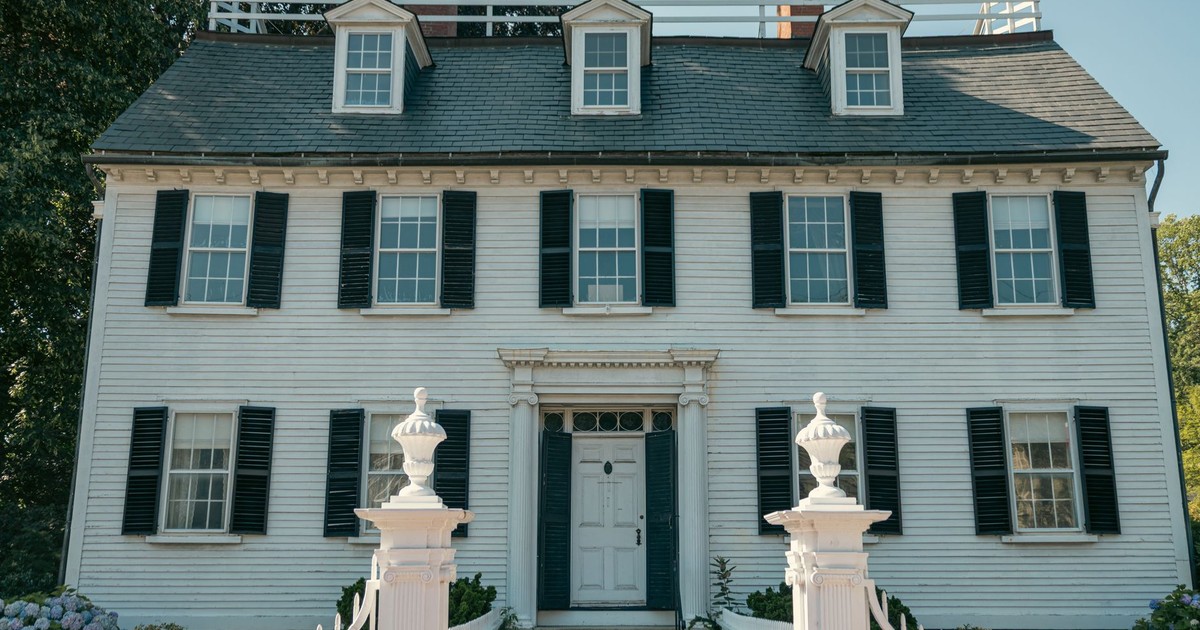
On the morning of August 4, 1892, Andrew and Abby Borden were found axe-murdered in their home at 92 Second Street in Fall River, Massachusetts. Their daughter, Lizzie, was charged with both killings and acquitted at trial. The case was never solved, the real perpetrator never identified, and the question of what actually happened inside that house that morning has remained open for over 130 years.
The house operated as a bed and breakfast for years and continues to offer overnight stays and daily tours. It has been preserved largely as it appeared in 1892, with period furnishings and the original floor plan intact. The room where Abby Borden was found is a guest room. The sitting room where Andrew Borden was killed is another. Guests can book either.
What the Lizzie Borden house offers that most historic haunted locations don’t is a genuinely unresolved true crime at its center. The ghost stories are secondary. The primary draw is that you are standing in a place where something happened that was never explained, in a house where the evidence was gathered, where the family ate breakfast that morning, and where, 130 years later, nobody still knows for certain what occurred. That is a particular kind of discomfort that no amount of restoration or rebranding has managed to smooth over.
What It Actually Feels Like to Walk Through History
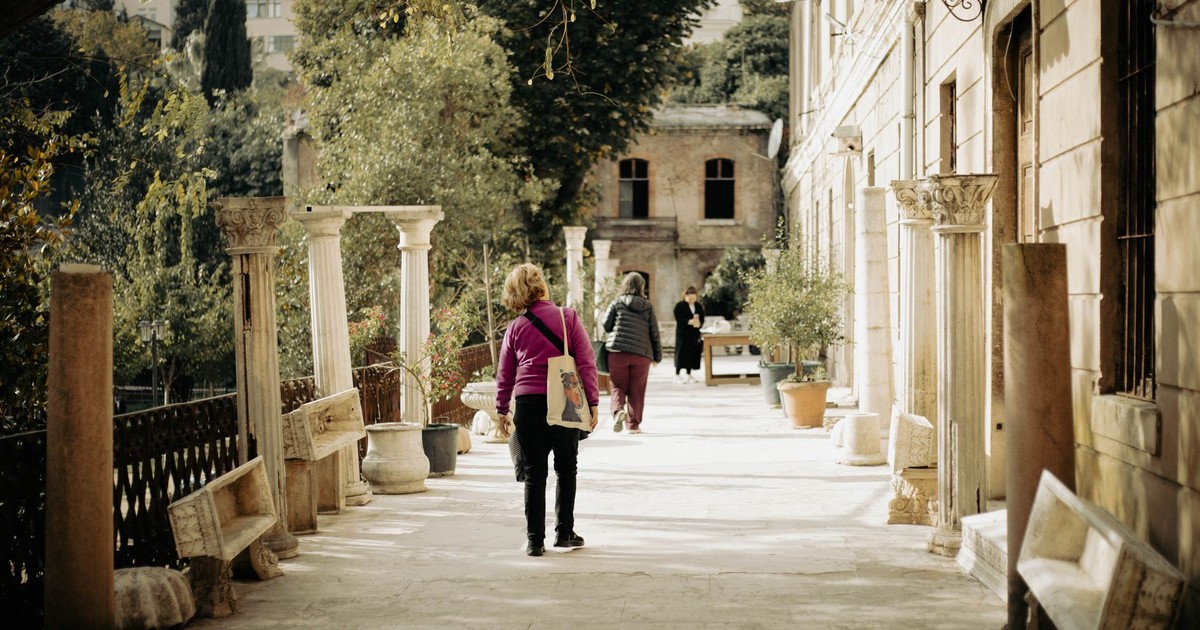
These historic haunted locations keep drawing visitors long after their initial notoriety has faded. It’s not really about the ghost stories, though those help. It’s about what happens when you stand inside a space where history wasn’t theoretical, where decisions were made, punishments were carried out, people suffered or died or simply disappeared, and the physical structure is still standing right around you.
The specific quality of Eastern State’s collapsed cell blocks, the cold of Alcatraz’s isolation wing, the weight of Gettysburg’s fields on an early morning: none of that is manufactured. The architecture, the scale, the stillness in places that once held thousands of people, those things are real, and they work on you in ways that a documentary or a museum exhibit doesn’t. You don’t have to believe in ghosts to feel the accumulated weight of those rooms. Some of these places have simply absorbed too much human experience to feel entirely empty, and walking through them makes that fact very hard to ignore.
Disclaimer: This information is not intended to be a substitute for professional medical advice, diagnosis, or treatment and is for information only. Always seek the advice of your physician or another qualified health provider with any questions about your medical condition and/or current medication. Do not disregard professional medical advice or delay seeking advice or treatment because of something you have read here.
AI Disclaimer: This article was created with the assistance of AI tools and reviewed by a human editor.