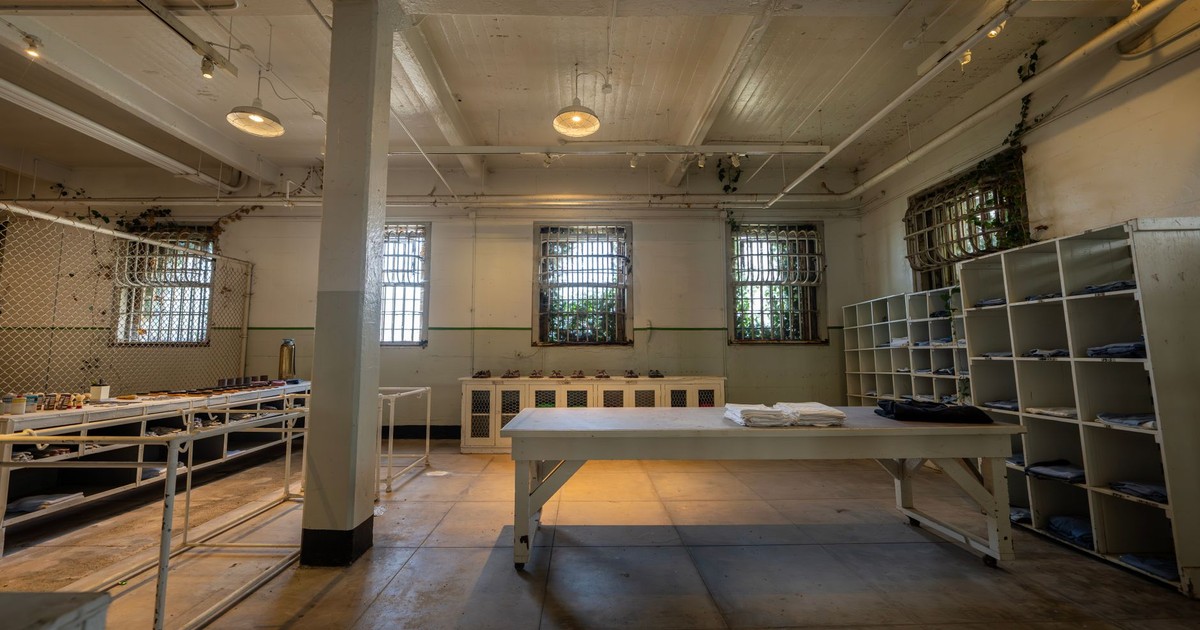

The stone wall separating the Museum of Colorado Prisons from its neighbor isn’t decorative. On the other side of it, behind armed guard towers, sits the Colorado Territorial Correctional Facility, a working prison that has held inmates continuously since 1871. You can sometimes hear them in the yard.
The Building Itself Has a Past
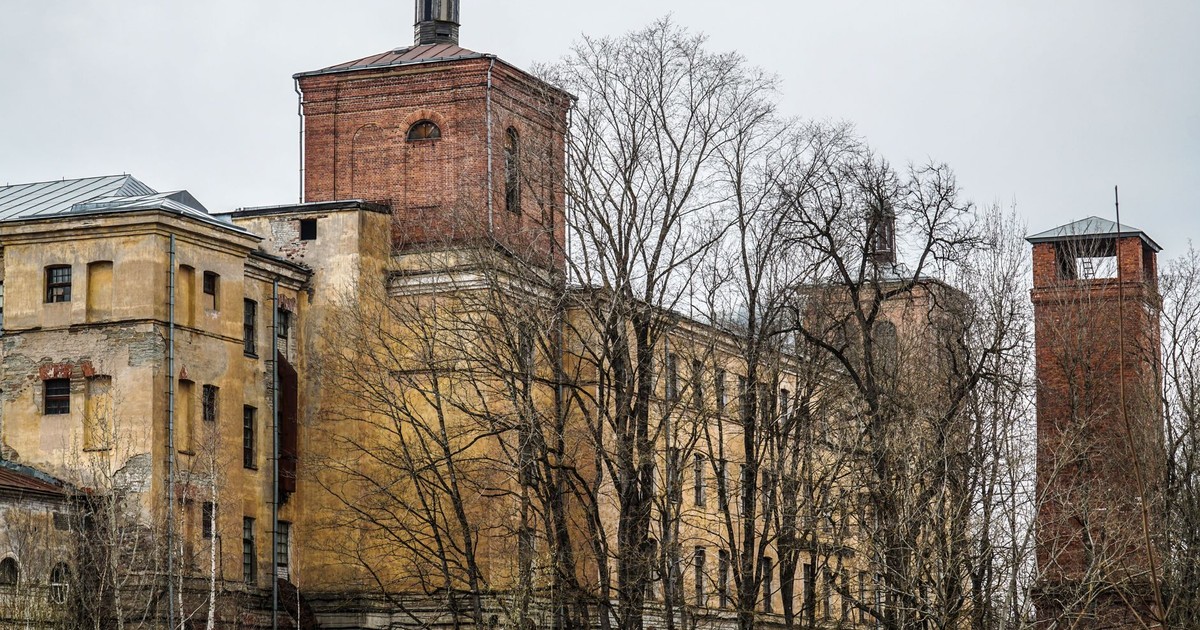
The museum is housed in the former Colorado State Women’s Prison, a building that witnessed the lives of incarcerated women from 1935 until its conversion in 1988. The Colorado State Legislature approved the conversion request on April 24, 1986. Cañon City granted a 99-year lease to the Foundation to operate a museum in the cell house.
Located in Cañon City, the museum shares a stone wall and armed towers with a prison that’s been in operation since 1871. The Colorado State Penitentiary opened in 1871 as part of the federal prison system when Colorado was still a territory. It was built by convicts using stone quarried and cut on-site. In 1876, when Colorado achieved statehood, it was deeded to the State.
Cañon City’s relationship with incarceration runs deeper than most American towns would care to admit. There are nine State of Colorado Correctional Facilities in Fremont County alone. One of them is the federal Administrative Maximum Penitentiary, better known as ADX Florence, widely considered the most secure prison in the country.
The Colorado Historic Prison Gas Chamber
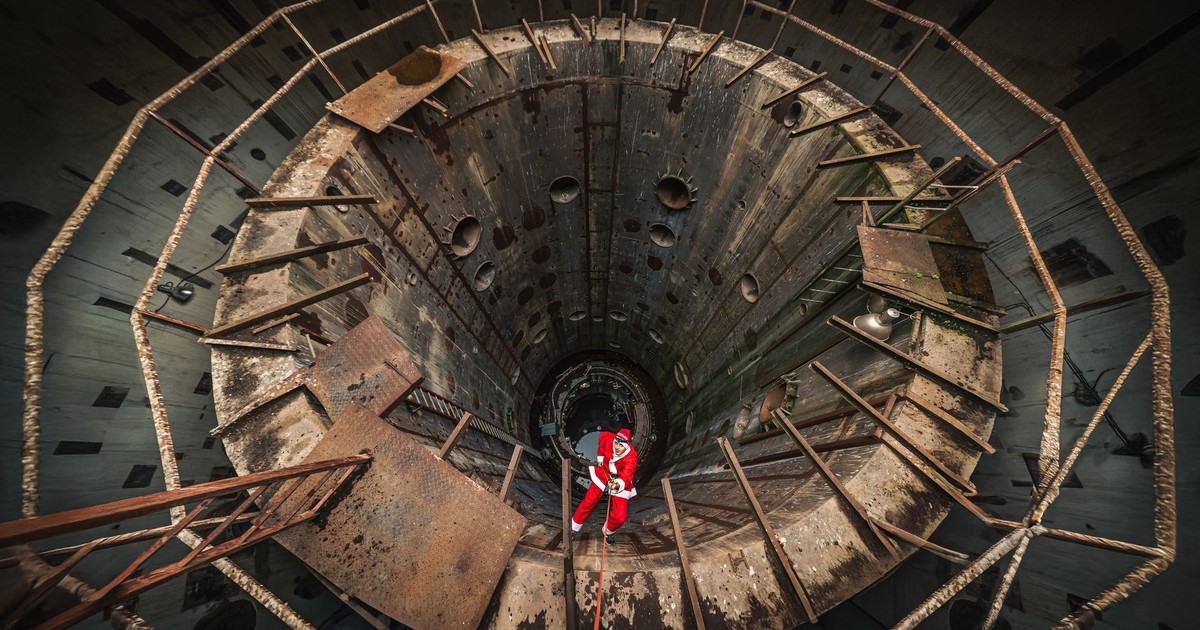
The museum’s star attraction is Colorado’s state gas chamber, a solid steel instrument of capital punishment. It sits on the grounds outside. The prison’s first chamber could kill three prisoners at the same time.
According to the Death Penalty Information Center, the first execution in Colorado was the hanging of John Stoefel in 1859. All executions were carried out by hanging until 1934, when the state adopted lethal gas as its new execution method. The Colorado Sun’s death penalty timeline records that Colorado became the second state in the country to adopt the gas chamber.
Hanging in Colorado had included a device the museum still documents: the noose of Walter “Shorty” Jones, the last prisoner hanged in 1933, is exhibited next to a display about Old Max’s 19th century “Do-It-Yourself Hanging Machine,” a contraption of valves and pulleys that was triggered when the condemned convict stepped on a hidden switch.
The Death Penalty Information Center also confirms that Colorado switched to lethal injection in 1988 before abolishing the death penalty in March 2020. Roadside America’s account of the museum records 78 executions in total: 45 by hanging, 32 by gas, and 1 by lethal injection.
What You Actually See Inside
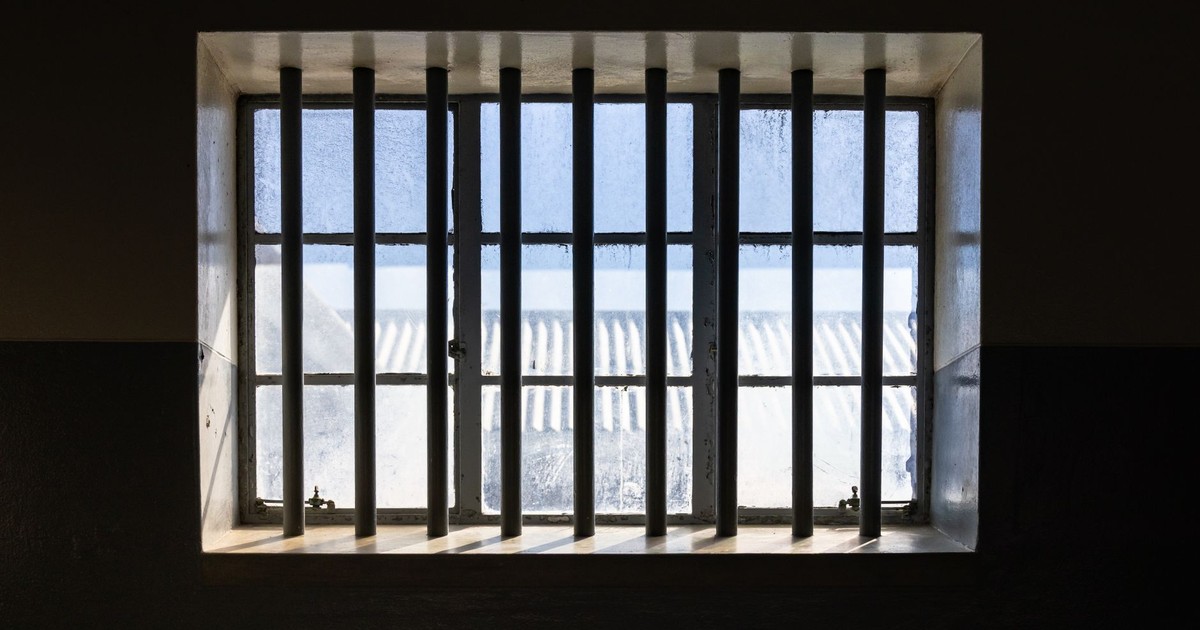
The two-story cell house contains 30 original cells, each transformed into exhibits showcasing over 140 years of Colorado’s prison history, displaying artifacts, photographs, and stories of both inmates and guards.
The Execution Suite is the most confrontational section. Beyond the gas chamber and the hanging noose, the cell contains the table used for lethal injection, with a sign reading “Please Do Not Touch or Stand on Execution Table.”
Warden Roy Best appears throughout the museum as a recurring figure. Exhibits include the office furnishings used by Best during his tenure. One of the items on display is a replica of “Old Gray Mare,” a sawhorse used for prisoner flogging. The Mare was popular with Best, and when prisoners were whipped, he did the job himself. The first two Mares were worn out from overuse, and the third was burned by prison officials to destroy it as evidence.
Each cell depicts an aspect of life in prison for inmates and guards, including working and living conditions and punishments. The 1929 riot, documented through photographs and written accounts, was a particularly brutal moment in the facility’s history. Riot damage is illustrated in a cell with a trashed bed and smashed toilet.
A wide main hall leads to former cells turned into galleries devoted to all aspects of convict life, with themes such as “Gangs,” “Escape,” and “Women Behind Bars.” The “Women Behind Bars” section matters specifically because the building itself once housed female inmates. Because Colorado was one of the few states with a dedicated women’s prison, it sometimes housed inmates from other states, including Wyoming, South Dakota, and Utah.
The Inmates Who Left a Mark

A gallery of notables who did time in Old Max and survived includes Alferd Packer, the Colorado cannibal, and two child offenders: Antone Wood, who killed a man for his gold watch in 1892, and Jimmy Melton, who killed his sister in 1947.
Packer’s story has taken on a kind of dark celebrity status in Colorado. He was convicted of killing and consuming his traveling companions during a brutal mountain winter, though the exact circumstances have been debated ever since.
In November of 1892, 11-year-old Anton Woode was on a hunting trip near Denver when he shot and killed a man named Joseph Smith, then stole Smith’s gold watch. He was convicted the following year and sent to the Colorado State Penitentiary in Cañon City, a boy in an adult prison, with no juvenile system to divert him anywhere else.
The museum also documents the lives of guards and correctional officers, not only inmates. Several cells are dedicated to officers. One shows early-day tower duty with a rifle, a jug of drinking water, a straight-backed chair, and a chamber pot. Elsewhere, officers killed in the line of duty, in riots, fights, escapes, and escape attempts, are memorialized.
After Dark: Paranormal Investigations and Ghost Tours
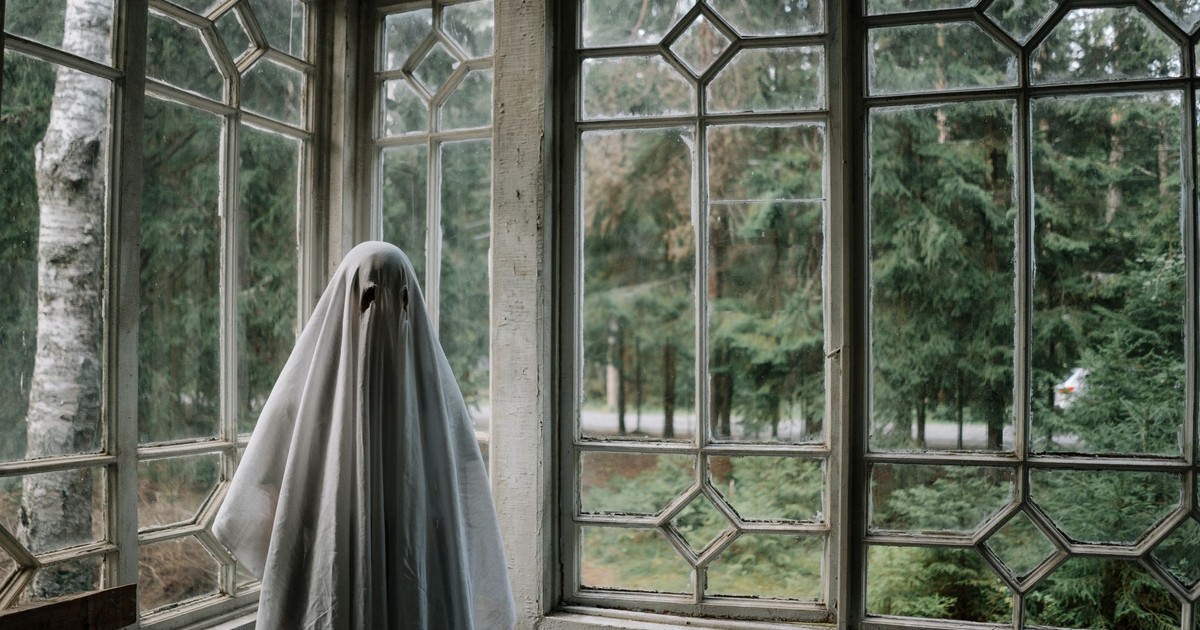
The museum also hosts “Paranormal Investigation Nights,” in which visitors can engage in a night of ghost hunting. The museum also offers ghost tours of historic downtown Cañon City from Memorial Day through Labor Day, with guides dressed in period costumes leading visitors through the city’s streets with stories of haunted buildings, lynchings, and the city’s frontier years.
Numerous employees of the Museum of Colorado Prisons have reported paranormal activity in the museum, including books falling off shelves, lights flickering on and off, broken pianos playing on their own, and even reports of dark figures with bright green eyes appearing in front of them. Whether or not you believe any of that, the setting does its part.
Special exhibits are also present throughout the year, highlighting female wardens, K-9 training programs, and more. The museum is not trying to be a horror attraction, even when visitors treat it like one. The paranormal angle coexists with a genuine archival ambition.
Read More: Step Into the World’s Most Spine-Chilling Hotels
Visiting a Place Like This
The Museum of Colorado Prisons sits in an unusual position among American tourist attractions. It’s not comfortable, and it’s not trying to be. A solid steel gas chamber doesn’t become a centerpiece because someone thought it would be fun.
Visitors can stand behind plywood cutout caricatures of headless convicts in striped suits and pretend to be one of Old Max’s prisoners before they were shocked, flogged, hanged, or gassed. That photo opportunity is strange and slightly uncomfortable, and it exists ten feet from execution equipment that actually worked on actual people. Colorado abolished the death penalty in 2020. The gas chamber stopped being used decades before that. But the machine is still there, behind the museum in Cañon City, and the wall between you and the active prison is close enough that on certain afternoons you can hear what’s on the other side of it.
Disclaimer: This information is not intended to be a substitute for professional medical advice, diagnosis, or treatment and is for information only. Always seek the advice of your physician or another qualified health provider with any questions about your medical condition and/or current medication. Do not disregard professional medical advice or delay seeking advice or treatment because of something you have read here.
AI Disclaimer: This article was created with the assistance of AI tools and reviewed by a human editor.