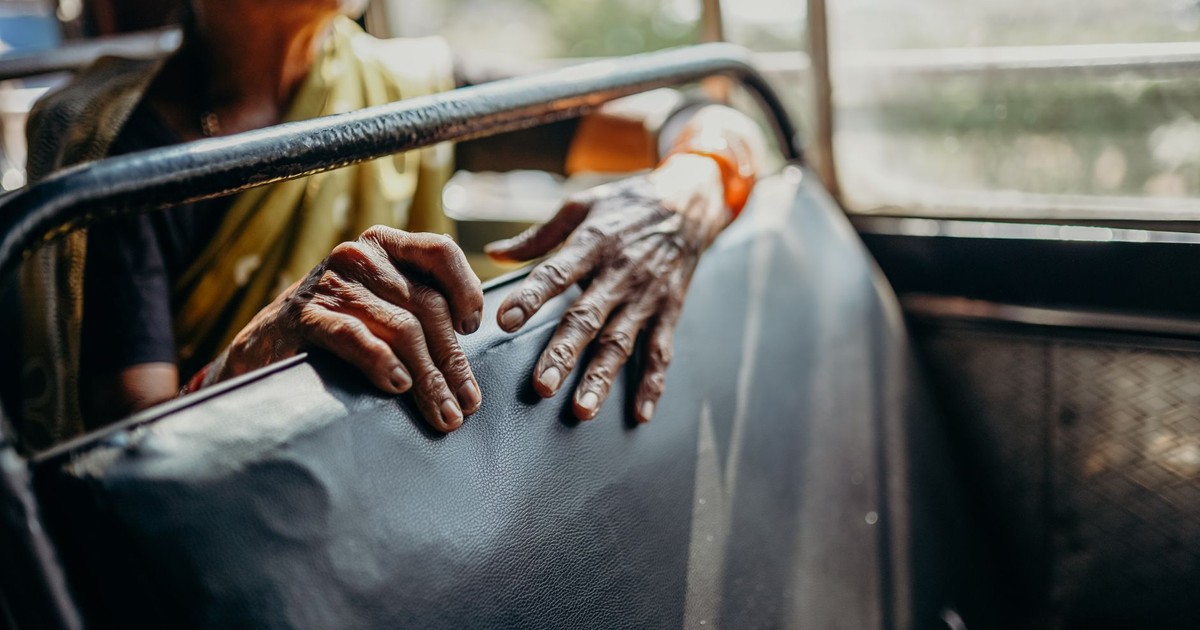

Most people who’ve spent time in Southeast Asia will tell you that the hardest part of planning the first trip wasn’t the flights or the itinerary. It was convincing themselves that a place where a full dinner costs $3 and a clean hotel room runs $15 a night was real. Asia has a way of making the numbers feel like someone made a rounding error in your favor, and then you arrive and discover they didn’t.
For older travelers going it alone, the appeal runs deeper than price. The continent offers something that’s harder to find elsewhere: the combination of low daily costs, high personal safety, and reliable infrastructure that matters when you’re traveling without a companion. That means good public transport, English-language signage in hospitals and pharmacies, and cities where a solo dinner at a restaurant doesn’t feel like an exercise in awkward table management.
The five destinations below are not interchangeable. Each suits a different kind of traveler, a different budget ceiling, and a different tolerance for the unexpected. What they share is a track record of being good for solo travel seniors across Asia, backed by current safety data and real cost figures.
1. Japan
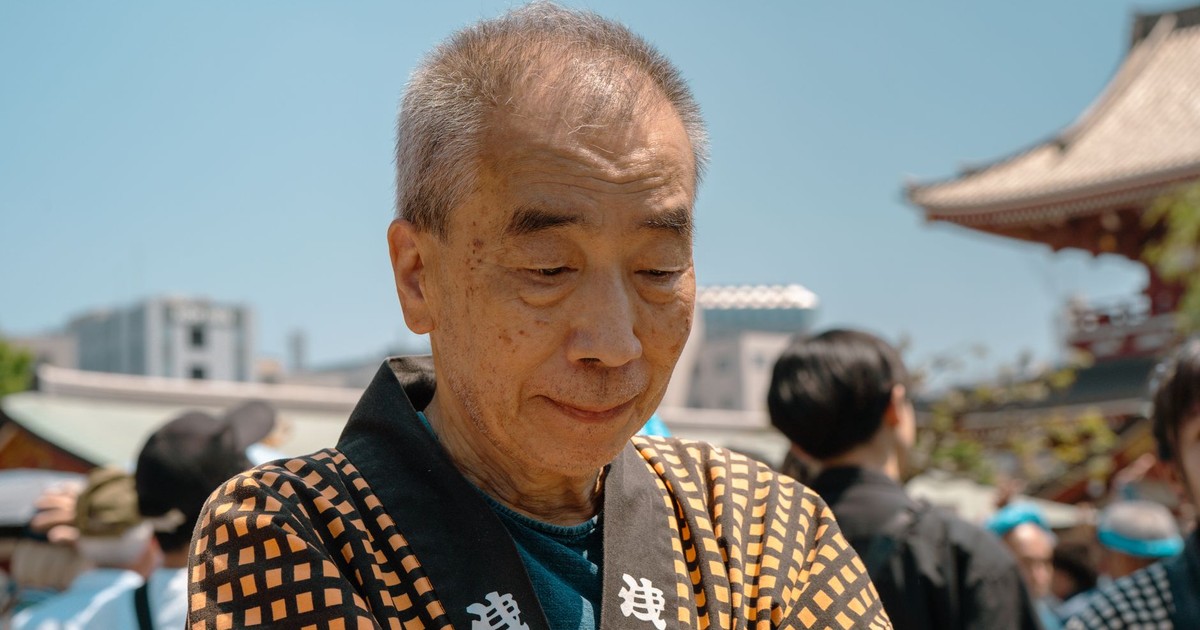
Japan ranked 12th globally on the 2025 Global Peace Index, a tier occupied mostly by Nordic and Central European nations. Crime against tourists is rare to the point of being a footnote. Lost wallets get turned in. Strangers go out of their way to help you find a train platform.
The public transport network is reliable and easy to navigate even without Japanese language skills. Solo dining is not just accepted but celebrated, with counter seating at ramen shops, sushi bars, and izakayas designed precisely for eating alone. For a senior traveler, that matters considerably. The social friction that sometimes accompanies solo travel in other countries simply doesn’t exist in Japan in the same way.
The honest caveat is cost. A daily budget in Kyoto runs roughly $70 to $120, which is higher than anything else on this list. Japan rewards travelers who plan around it: the JR Pass (a rail pass for foreign visitors) makes train travel vastly cheaper when bought before arrival, and convenience store meals from chains like 7-Eleven cost under $5. Tokyo, Kyoto, and Osaka form the classic route, but Kanazawa, Hiroshima, and Hakone reward those who venture further. The country is also accessible by design, with elevator access at most major train stations and clear English signage at hospitals and clinics in tourist areas.
2. Vietnam
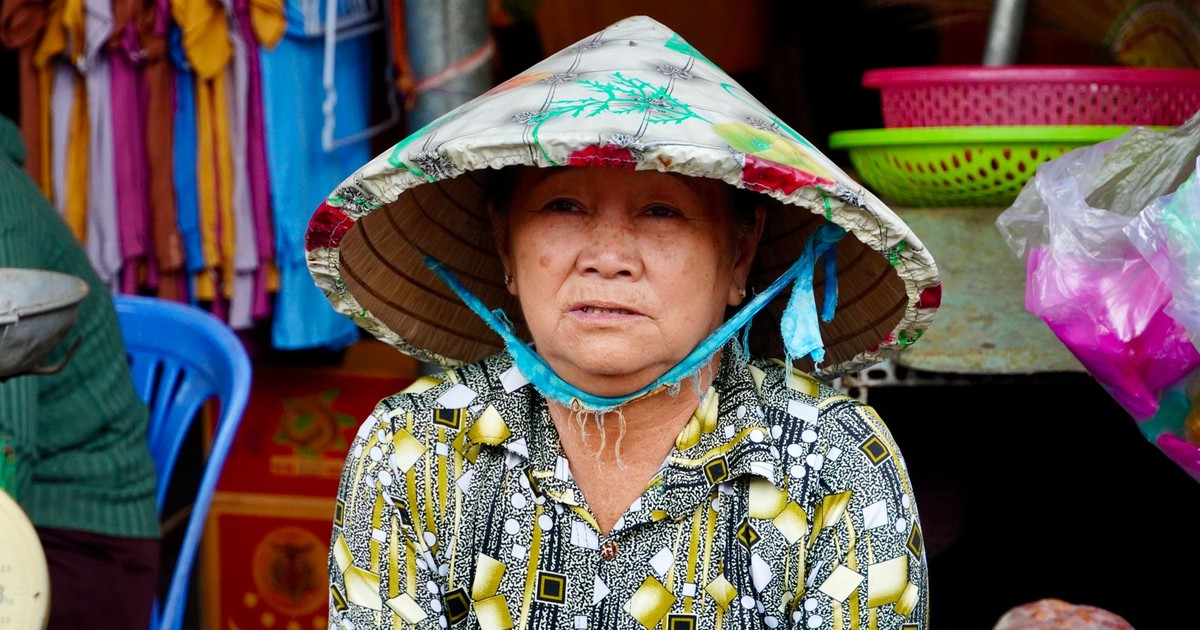
Vietnam is among Asia’s most affordable destinations for solo seniors, with a 2026 budget guide putting daily costs at $30 to $50 for budget travelers covering accommodation, food, transport, and sightseeing. A 14-day mid-range trip comes in at $1,400 to $2,800 excluding international flights. Street food and local restaurants keep daily food costs to $10 to $18, and mid-range hotels remain widely available well under $50 a night.
Affordable domestic flights, sleeper trains between cities, and a vast network of reputable tour operators running day trips make getting around straightforward and cheap. Ha Long Bay cruises and the ancient town of Hoi An are accessible and widely enjoyed by older travelers.
Vietnam provides variety within a single trip. A few days in Hanoi’s French Quarter, a sleeper train to Da Nang, the lantern-lit streets of Hoi An, and a final stretch in Ho Chi Minh City can all fit within two weeks and still feel like four complete experiences. The one practical note for longer stays: Vietnam does not currently offer a formal retiree visa, so travelers planning extended visits will need to work with the e-visa system and plan for occasional exits or renewals.
3. Chiang Mai, Thailand
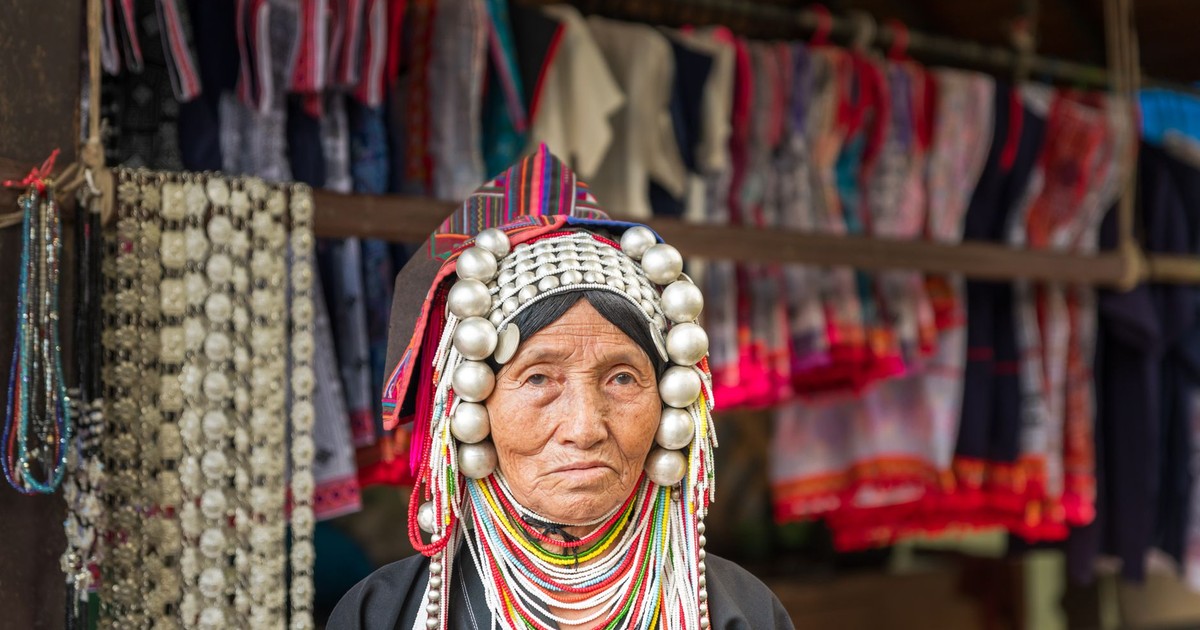
Chiang Mai suits seniors who want comfort alongside low costs: excellent private hospitals, English-speaking staff at most tourist businesses, and a calm pace of life that doesn’t demand constant adjustment. The city has been drawing long-term foreign residents for three decades, and the infrastructure built around them (international pharmacies, English-language medical consultations, established guesthouse networks) now functions almost invisibly in the background.
According to expatden.com, Chiang Mai Ram Hospital and Bangkok Hospital Chiang Mai are the only two private hospitals in the city accredited by Joint Commission International (JCI), the gold standard for international hospital quality assessments. The standard of care at both is comparable to Western Europe at a fraction of US prices.
Daily costs stay manageable, with a realistic budget of $30 to $40 covering an air-conditioned guesthouse and everyday expenses, and a single retiree can live comfortably on around $1,100 a month including rent. Thailand’s Non-Immigrant O-A Visa offers a clear annual pathway for travelers aged 50 and over. One thing to plan around: air quality in Chiang Mai deteriorates significantly during the burning season, typically February through April, when agricultural fires in the surrounding region push pollution levels high enough to affect people with respiratory conditions.
4. Malaysia (Penang)
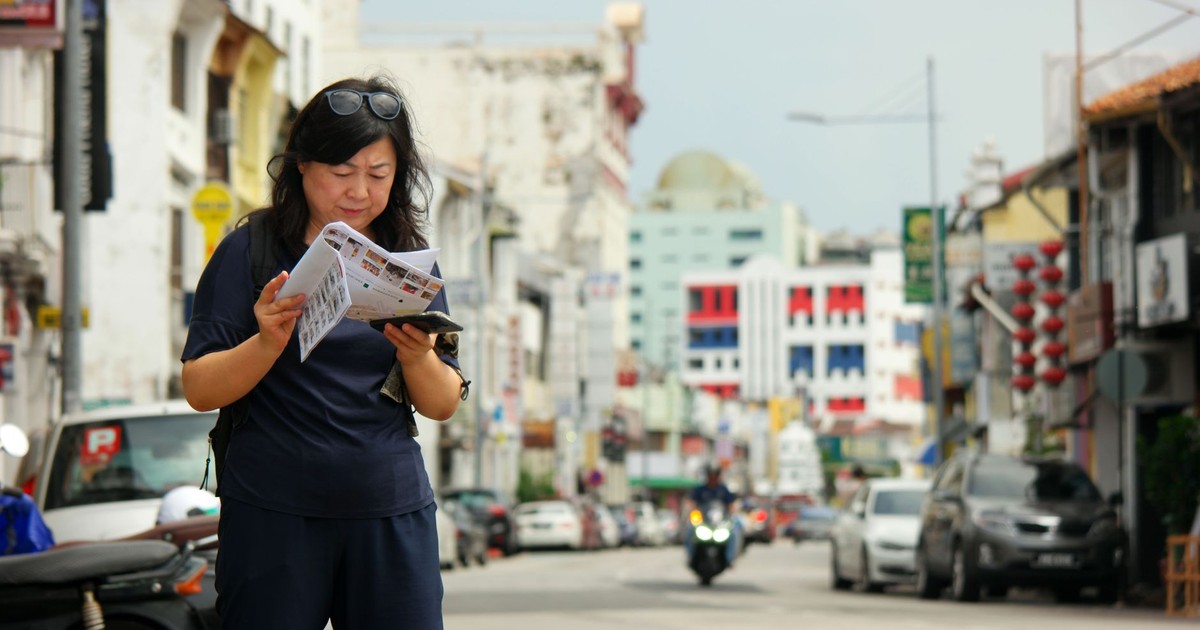
Malaysia ranked 13th globally on the 2025 Global Peace Index, placing it alongside Singapore and Japan in Asia’s top tier for safety. English is spoken widely thanks to the country’s colonial history, which removes a lot of the friction that comes with navigating pharmacies, banks, or hospital paperwork alone. Being able to read a prescription label, describe symptoms to a doctor, or sort out a bank card issue without an interpreter is the kind of practical ease that makes or breaks a trip.
Penang has emerged as the standout destination for older solo travelers within Malaysia. The island combines urban energy (Georgetown’s street food scene is among the best in Asia) with a manageable size and excellent private medical facilities. The Gleneagles and Island Hospital networks both operate here. A solo senior can typically spend comfortably on $1,500 to $2,200 per month for longer stays, and shorter-stay daily costs are similarly competitive with Thailand.
Malaysia also benefits from food diversity. The country’s Chinese, Malay, and Indian culinary traditions overlap on every street corner, which means a solo diner has an almost unlimited range of options at local prices. Traveling solo in Southeast Asia gets easier when the social anchor of every day (where to eat, what to order) is something you can decide on instinct rather than planning. Malaysia’s My Second Home (MM2H) program has financial requirements that put it out of reach for some, but for shorter visits the standard tourist visa is straightforward.
5. Taiwan
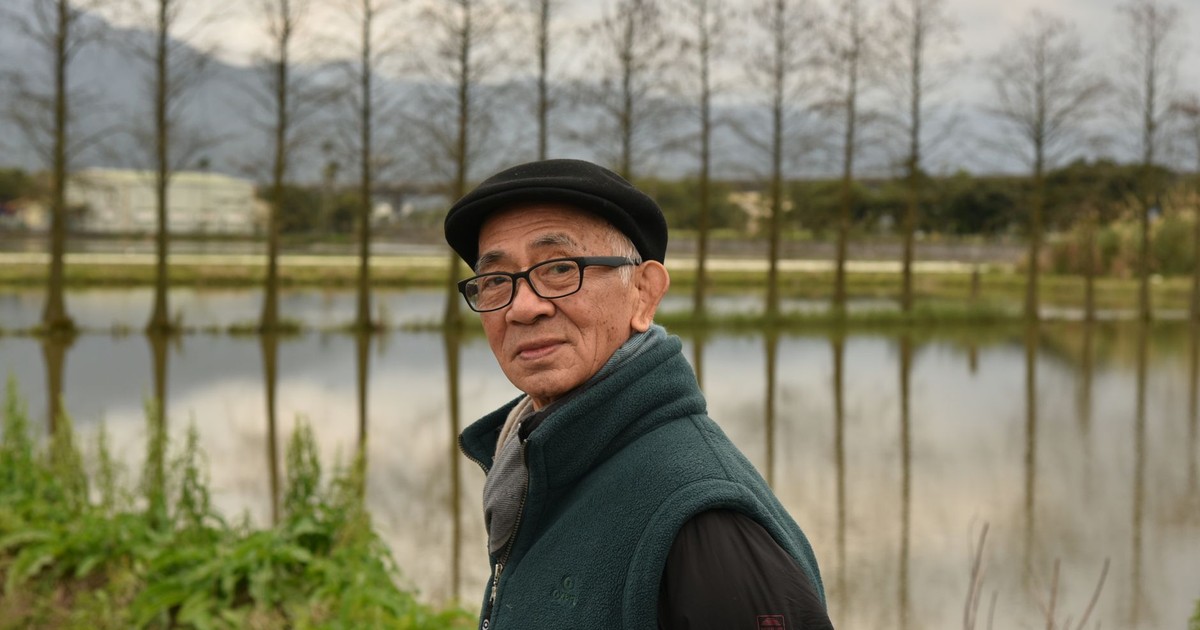
Taiwan tends to be underrated in conversations about solo travel seniors across Asia, partly because it sits between the more obvious choices of Japan and Southeast Asia in the popular imagination. According to the 2026 Global Peace Index, Taiwan ranked 42nd globally with a score of 1.751, placing it 9th among Asia-Pacific countries, well ahead of South Korea, Indonesia, and most of the region.
As of 2026, a studio apartment in Taipei runs NT$15,000 to 25,000 per month (roughly $460 to $770), while Kaohsiung and Tainan run about 40% cheaper. For shorter-stay travelers, the day-to-day costs are equally reasonable: a bowl of beef noodle soup from a local shop costs around $3, and the metro systems in Taipei and Kaohsiung are both clean, air-conditioned, and simple to navigate with English signage. Taiwan’s hospital network is consistently ranked among Asia’s best, and private hospitals in major cities offer English-language consultations at costs well below comparable care in the US or Europe. Travelers should note that Taiwan’s National Health Insurance system covers enrolled residents, not short-stay tourists, so international travel insurance is essential before arrival.
The country is also compact in a way that rewards a solo itinerary. Taipei’s night markets and mountain day trips, the hot spring towns of the north, the cycling routes of the east coast, and the slower pace of Tainan in the south can all be connected by high-speed rail in under two hours. English is widely spoken in cities, and the culture is warm toward foreign visitors traveling alone.
What to Know Before You Go

One piece of logistics applies across every destination on this list: Medicare does not cover medical expenses abroad. Seniors must purchase separate international travel medical insurance before leaving the country. For solo travel, where there’s no one else to handle paperwork or make decisions in a medical situation, this is non-negotiable. Policies that specifically cover pre-existing conditions are available and worth the additional premium.
Why These Five Work

The region’s infrastructure has, in many ways, caught up to and in some cases overtaken what travelers expect from major Western destinations. JCI-accredited hospitals, English-language pharmacies, well-mapped metro systems, and decades of experience welcoming independent foreign visitors mean the logistical challenges are often smaller than they appear from a distance.
The real question isn’t whether Asia works for older solo travelers. These five destinations make clear that it does. The question is which version of the experience you want. Japan and Taiwan offer safety and excellent systems at a higher daily cost. Vietnam and Chiang Mai offer value with slightly more variables to manage. Malaysia sits comfortably in the middle on both counts. All five offer something that, once experienced, is difficult to find at home: the combination of newness and ease that makes the world feel like it still has things you haven’t seen yet.
Disclaimer: This information is not intended to be a substitute for professional medical advice, diagnosis, or treatment and is for information only. Always seek the advice of your physician or another qualified health provider with any questions about your medical condition and/or current medication. Do not disregard professional medical advice or delay seeking advice or treatment because of something you have read here.
AI Disclaimer: This article was created with the assistance of AI tools and reviewed by a human editor.