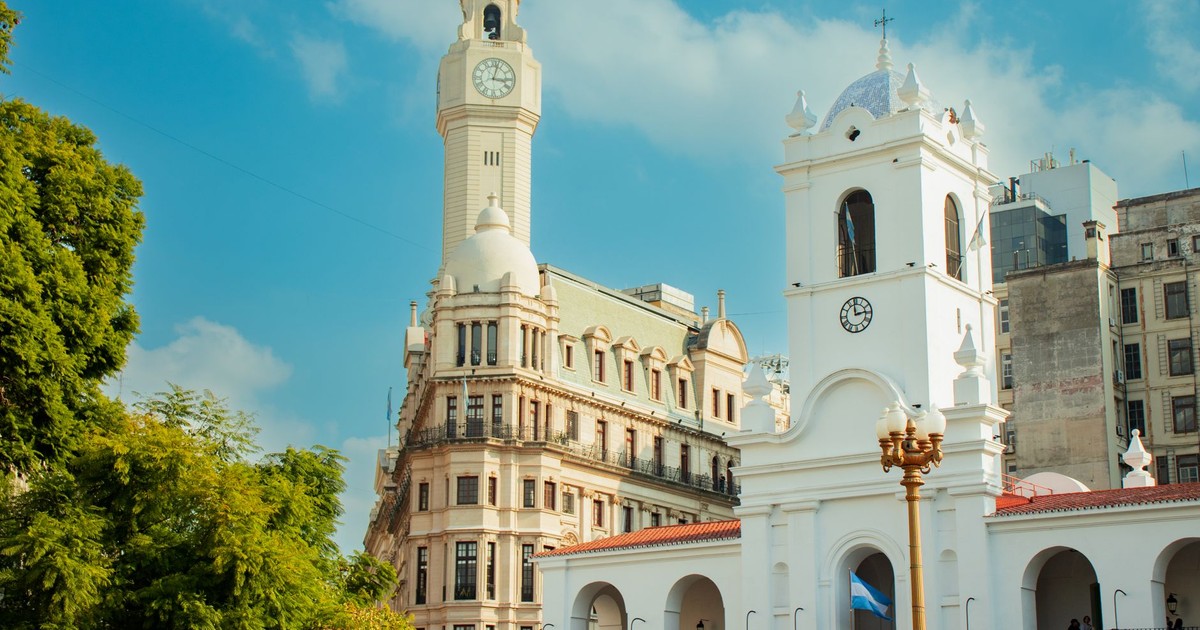

Pick a city in South America at random and ask someone what makes it beautiful. Nine times out of ten, they’ll say the location. Not the buildings, not the plazas, not the street art. The location. Virtually every remarkable city on this continent was built in a place that most urban planners would have rejected: too steep, too hot, too high, too hemmed in by ocean and mountain. The cities didn’t choose easy ground. They fought their way into existence in exactly the wrong spot and ended up looking extraordinary because of it.
Ranking the beautiful cities of South America requires accepting that beauty here is not one thing. Rio de Janeiro overwhelms with raw physical drama. Cusco earns it through accumulated history. Cartagena delivers it through color and Caribbean heat. The seven cities below were chosen for beauty in its fullest sense: the look of the place, the feeling it creates, the way its architecture reflects where it came from and what it survived.
7. Medellín, Colombia
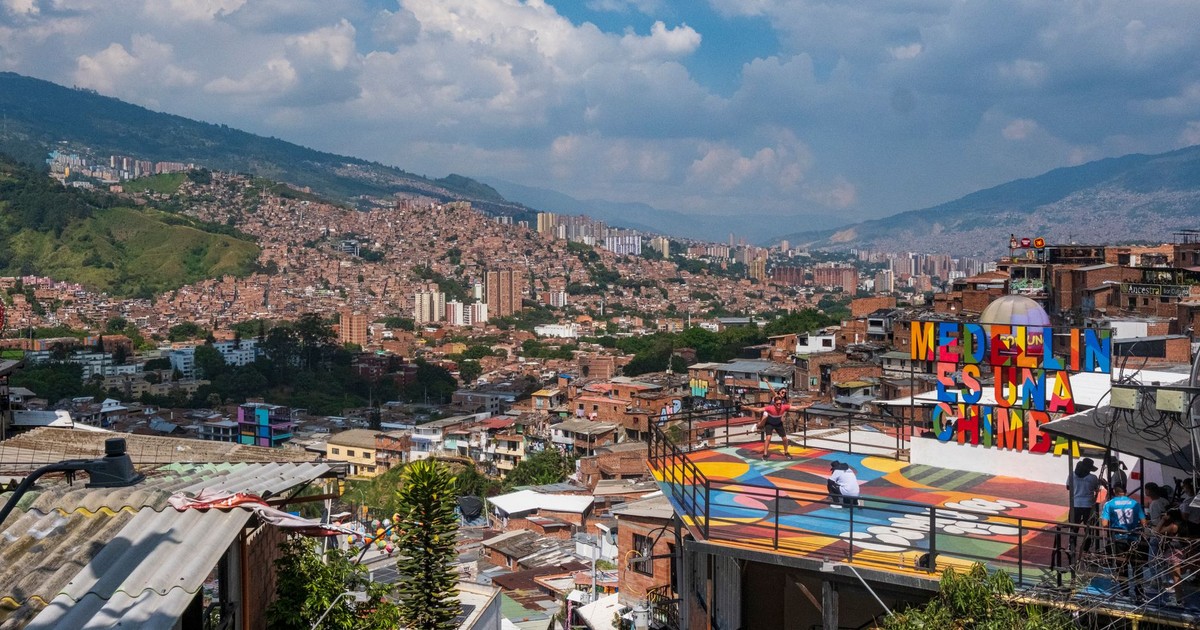
Medellín sits inside a narrow valley in Colombia’s central Andes, ringed by steep green mountains that drop sharply into a dense, buzzing city below. Where Rio de Janeiro is geographically dramatic in an oceanic sense, Medellín’s drama is vertical. Neighborhoods stack up hillsides so steep that in the 1990s, getting between them meant either a dangerous walk or not going at all. The city solved that problem with a network of cable cars and outdoor escalators that turned the hillside barrios into something that now looks almost deliberately designed.
The turnaround in Medellín over the past thirty years is visible on every hillside. The once-notorious neighborhood of Comuna 13 is now covered floor-to-ceiling in vivid murals, the escalators that replaced dangerous footpaths running right through them. It’s a neighborhood that has literally painted itself into something new. According to TravelPulse, South America’s nations continue to raise their profile as destinations in 2026, with new hotels and infrastructure improvements across the continent. In Medellín, that investment is visible in recent openings like the York Medellín, Curio Collection by Hilton.
What gives Medellín its beauty isn’t a single monument or a grand historic square. It’s the improbable contrast between the city and the mountains that contain it. At night, the lights of the hillside homes cascade down the slopes like a slow-moving river of amber, and the valley below glows with the kind of energy that cities with nothing to prove tend not to have.
6. Quito, Ecuador
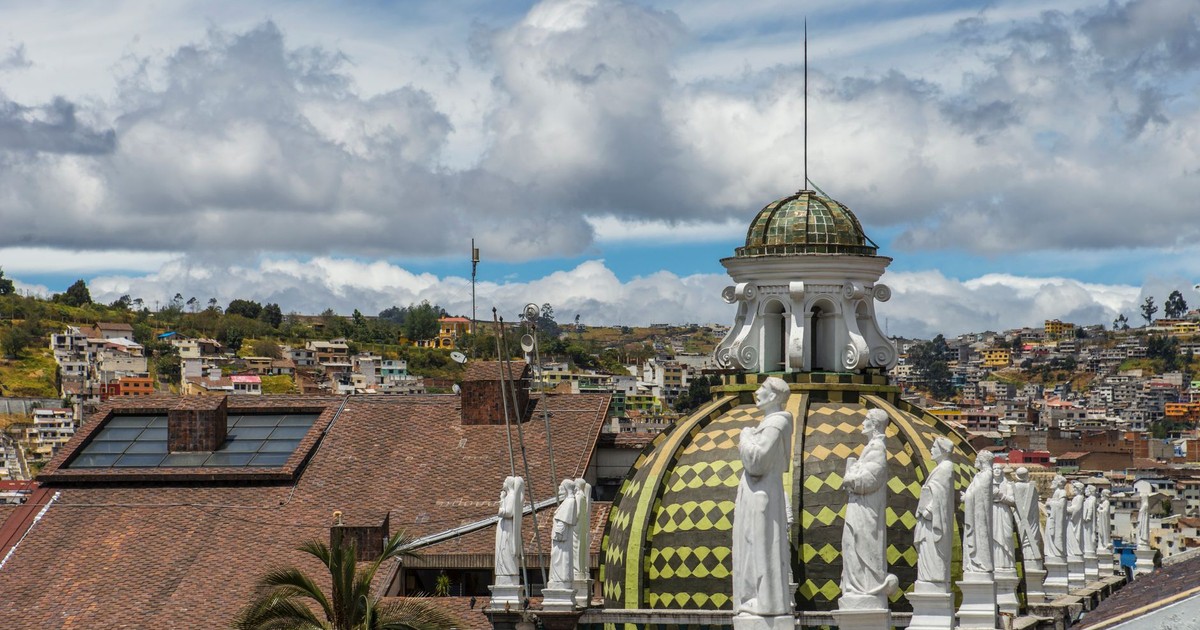
Most cities are built on flat ground. Quito was built on a slope, at nearly 9,350 feet above sea level, inside a narrow Andean valley bracketed by a volcano on one side and a wall of mountains on the other. The altitude catches most visitors off guard: the air is thin enough that a brisk walk up a cobblestone street leaves you genuinely short of breath in a way that a city at sea level never would. The setting, in return for that inconvenience, is extraordinary.
Set in a narrow, high-altitude valley hemmed in by the active Pichincha volcano and the rugged peaks of the Andes, Quito holds what historians widely regard as the least-altered historic center in Latin America. The city’s steep streets climb volcanic hillsides, and its historic fabric is built around Baroque architecture, with whitewashed colonial buildings opening into grand plazas dominated by stone churches with shimmering, gold-leaf interiors.
Unlike other colonial South American cities where the historic core has been hemmed in or partially swallowed by modern development, Quito’s old town feels genuinely intact. The Basílica del Voto Nacional, still technically unfinished after more than a century of construction, looms over the city with gargoyles shaped like Galápagos iguanas and Andean condors. That detail captures what Quito is: European bones with South American soul. Walking through the old city at dusk, when the colonial facades turn gold in the fading Andean light, the designation as one of the first cities ever inscribed on the UNESCO World Heritage List, in 1978, stops feeling like a bureaucratic fact and starts feeling like an obvious statement.
5. Valparaíso, Chile
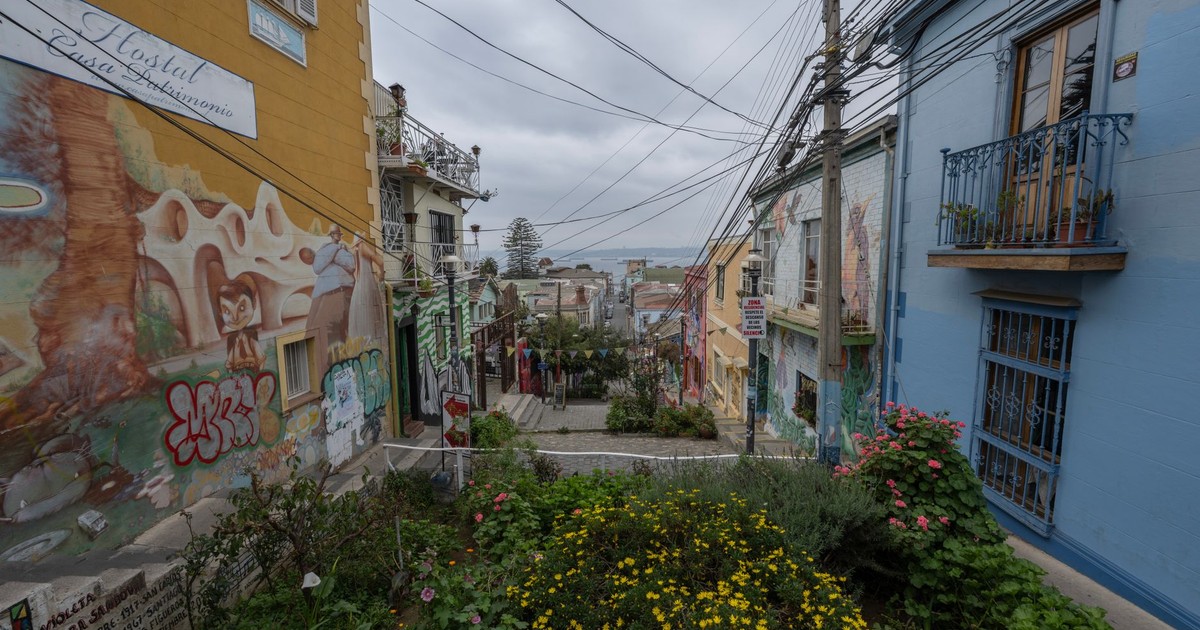
About 63 miles northwest of Santiago, draped across forty-two hills that tumble down to the Pacific Ocean, Valparaíso operates on its own visual logic. There are no grid streets here, no orderly colonial plazas. The UNESCO World Heritage Centre recognized the city’s historic quarter in 2003 as an extraordinary example of industrial-age heritage, noting that after the opening of the Panama Canal in 1914 slowed the city’s commercial development, its harbor and distinctive urban fabric survived as an exceptional record of early globalization. The bay was first reached by Spanish explorers in 1536, and the settlement received official status in 1544 when Pedro de Valdivia designated it the main port for Santiago. Valparaíso has since survived pirate raids, storms, fires, and earthquakes. Every catastrophe that should have erased it instead left it stranger and more layered than before.
The hills, called cerros, are the whole point. Each one has a different character: Cerro Alegre is pastel-colored art nouveau, Cerro Concepción is Victorian timber houses with Pacific views, and practically every retaining wall in between has been turned into a mural by someone with a can of spray paint and a strong opinion. The funiculars, called ascensores, some of them more than a century old, haul residents up gradients too steep for roads. Riding one is a brief, creaking, wonderful experience that no cable car app can replicate.
What holds Valparaíso at number five rather than higher is the honesty that the city requires of the traveler. It’s a working port city, not a manicured tourist destination. The chaos is part of it, and not everyone finds chaos beautiful. Those who do will find it the most painterly city on the continent.
4. Cartagena, Colombia
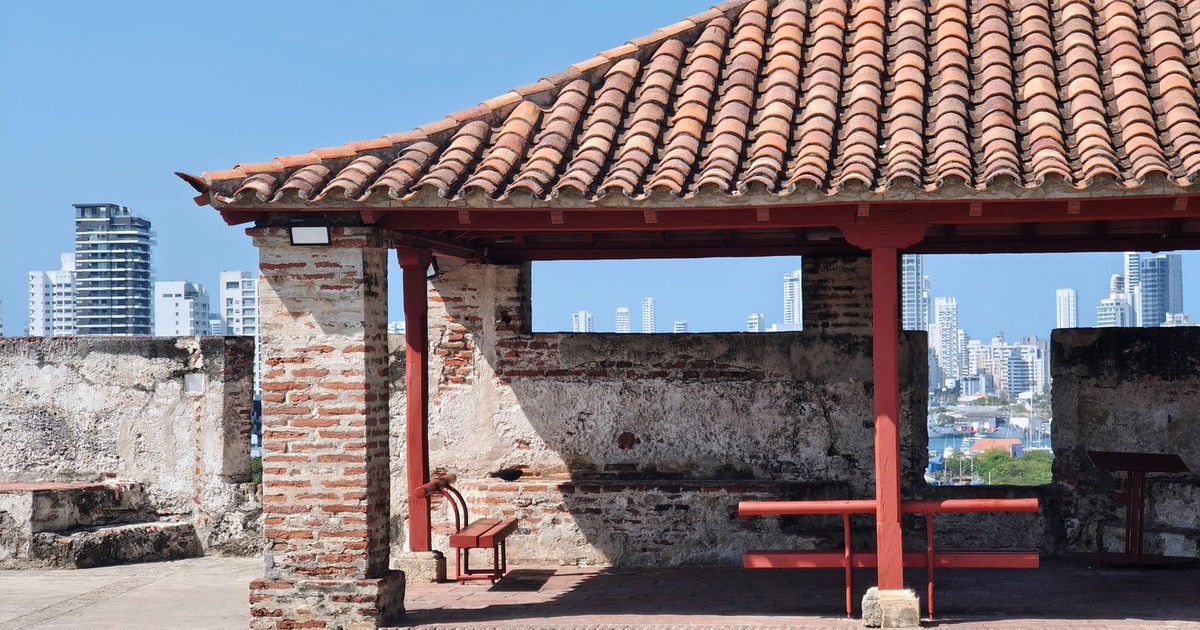
Cartagena earns its reputation with centuries of stone, color, and Caribbean heat. Situated on the northern coast of Colombia on a sheltered bay facing the Caribbean Sea, the city boasts the most extensive system of military fortifications in South America, built by the Spanish to protect what was the most important port in the Americas at the time. The walls that encircle the old city, wide enough to drive a car along the top of, did their job. The city behind them survives today in extraordinary condition.
The UNESCO World Heritage Centre designates Cartagena as an eminent example of military architecture from the 16th, 17th, and 18th centuries, and the most complete set of fortifications in the New World, recognized as a World Heritage Site in 1984. The architecture inside those walls emphasizes spacious courtyards, stone facades, and shaded balconies, features designed to withstand tropical heat, combining decorative ironwork with Spanish Baroque elements. The balconies overflow with bougainvillea in magenta and orange. The streets are narrow enough that the buildings provide shade for most of the day. At night, the old city glows under warm amber streetlights, and the restaurants spill out into the plazas.
What keeps Cartagena at four rather than higher is the humidity, the tourist crowds, and the fact that the city’s beauty is relatively concentrated. Step outside the walled city and the visual drama drops sharply. Inside those walls, though, the combination of color, history, and Caribbean light produces a density of beauty that is genuinely hard to match.
3. Cusco, Peru
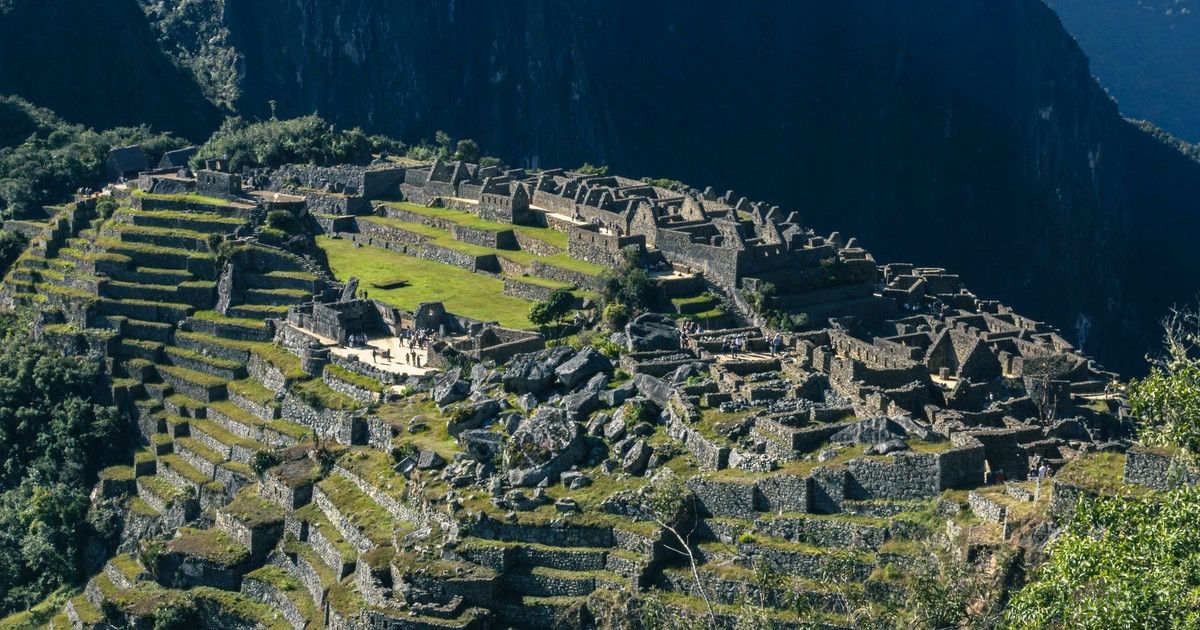
Cusco sits at 3,400 meters above sea level in the Peruvian Andes, and it was once the capital of the largest empire in pre-Columbian history. The Inca built their city in the shape of a puma, with the massive fortress of Sacsayhuamán forming the head and the streets below radiating out through the body. The Spanish arrived in the 16th century, systematically dismantled the Inca temples, and built Catholic churches and colonial mansions directly on top of the foundations they found. The result is a city where original Inca stonework protrudes through the bottom of Spanish baroque facades, forming a literal physical argument between two civilizations that neither side won outright.
The Plaza de Armas at the center of Cusco is one of those city squares that immediately rearranges what you thought a public space could be. On three sides, Spanish colonial arcades curve around the edges. On the fourth, the Cathedral took nearly a century to build and contains a painting of the Last Supper with a guinea pig on the table as the main course. It’s the kind of detail that tells you more about a place than any guidebook paragraph. The altitude remains real: 3,400 meters is high enough that arriving visitors typically spend the first day horizontal, sipping coca tea and reconsidering their itinerary.
The modern restaurant scene in Cusco has genuinely surprised critics in recent years, with chefs drawing on Andean ingredients that most of the world has never heard of. The mountain backdrop is ever-present and vertiginous. And unlike most cities on this list, Cusco is surrounded by a wider area of ruins, sacred valleys, and mountain passes that make even a week feel insufficient. The city earns third place not in spite of its altitude and complexity but precisely because of them.
2. Buenos Aires, Argentina
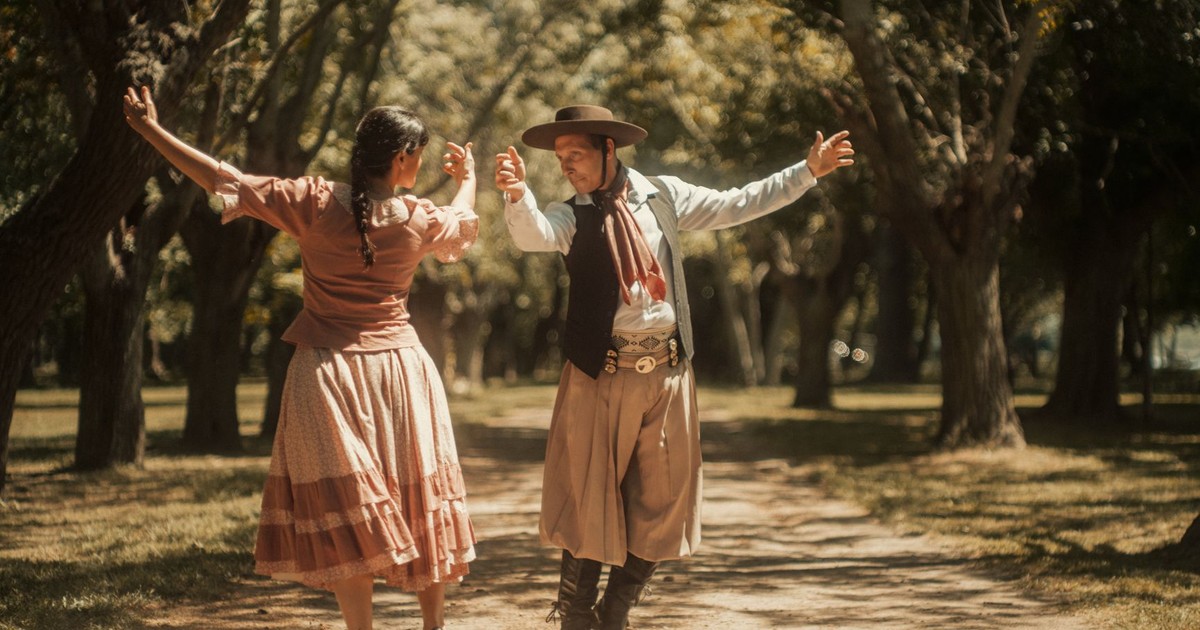
Buenos Aires is the city that comes closest on this continent to the grand European urban tradition, and it does so while remaining unmistakably Argentine. Often styled as the “Paris of South America,” Buenos Aires features sweeping tree-lined boulevards, monumental neoclassical architecture, and sprawling green parks, all shaped by a late 19th-century urban planning ambition that was genuinely European in scale. This aristocratic aesthetic is balanced by the vibrant waterfront neighborhood of La Boca, famous for its brightly painted, corrugated-iron tenement houses.
The city rewards slow walking in a way that few others on this continent do. The neighborhood of Palermo Soho has the density of a Paris arrondissement but with jacaranda trees turning the sidewalks purple in November. San Telmo’s cobblestone streets and Sunday antique market feel genuinely old in a way that doesn’t require any effort from the city to maintain. Recoleta, with its famous cemetery where Eva Perón is buried among a neighborhood of marble mausoleums, is the kind of place that takes fifteen minutes to enter and an hour to leave because there is always one more thing around the corner.
Buenos Aires tips into second rather than first because its beauty is horizontal and additive: you collect the city block by block over days. It demands time, and it gives back in proportion to what you invest. Argentina continues to improve its visitor infrastructure, with new accommodations like Casa Lucía and ongoing airport expansions that make the investment of arriving easier than it once was. Buenos Aires is a city that genuinely repays the effort.
1. Rio de Janeiro, Brazil
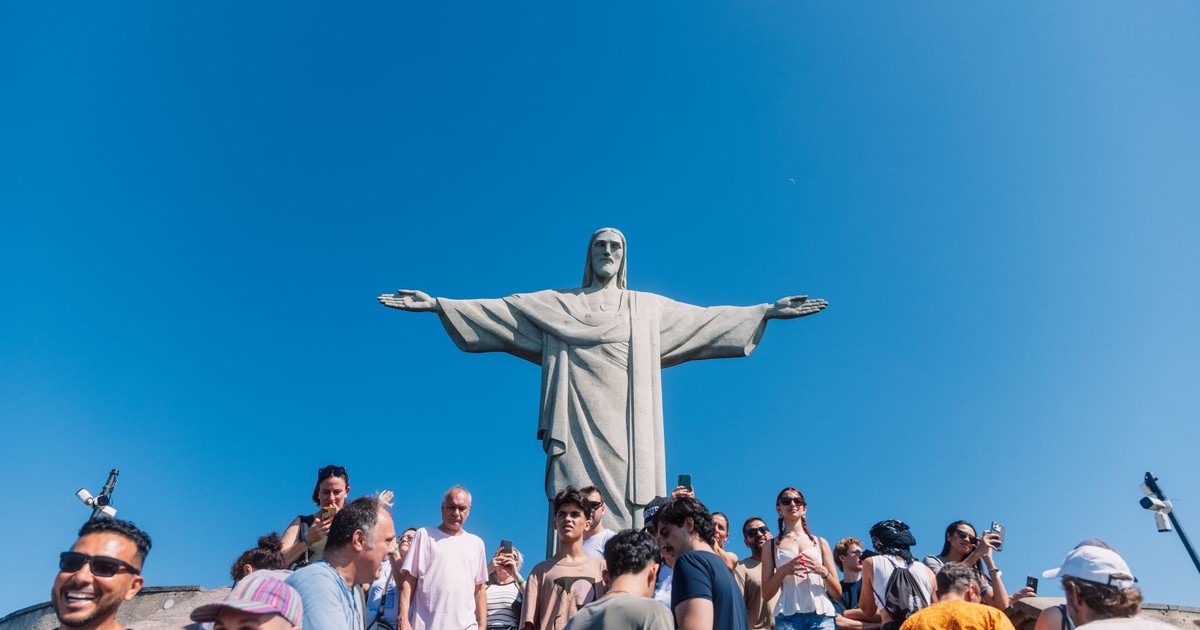
No city on this continent, and very few anywhere on Earth, have the raw geographical beauty of Rio de Janeiro. The city was built in the gaps between the things that could not be moved: the granite peaks that erupt straight out of the ocean floor, the Atlantic bays that carve the coastline into a series of perfect crescents, the Tijuca rainforest that covers the hills behind the city in unbroken green. Squeezed between deep-blue ocean and emerald-green slopes, its layout curves along magnificent crescent bays in a way that looks less like urban planning and more like accommodation to forces too large to argue with.
The Cristo Redentor statue at the top of Corcovado, arms outstretched 98 feet above the mountain, is visible from virtually every point in the city. Below it, the Copacabana and Ipanema beaches stretch for miles of fine pale sand, backed by a solid wall of 1970s residential towers that somehow make the whole scene feel more alive rather than less. The colonial heart of the city in Santa Teresa perches on a hill above the center, connected by a yellow tram that dates back to 1896. Carnival, five days each February when the city’s samba schools parade through the Sambódromo, is among the largest street festivals on Earth, drawing enormous crowds to the city’s streets and neighborhoods.
Rio de Janeiro received 12.5 million visitors throughout 2025, a record year, with international arrivals growing by nearly 45% compared to 2024. Four Seasons has announced a new hotel in Rio’s Leblon district, set to open by 2029, alongside the 2026 opening of the Sofitel Rio de Janeiro Ipanema. What Rio has, above all the others on this list, is the feeling that the city was placed exactly where it is on purpose, by some force with a very good eye. The mountains and the sea and the city itself feel like they were designed to work together. No amount of time there reduces that feeling. It compounds it.
The One Thing They All Share
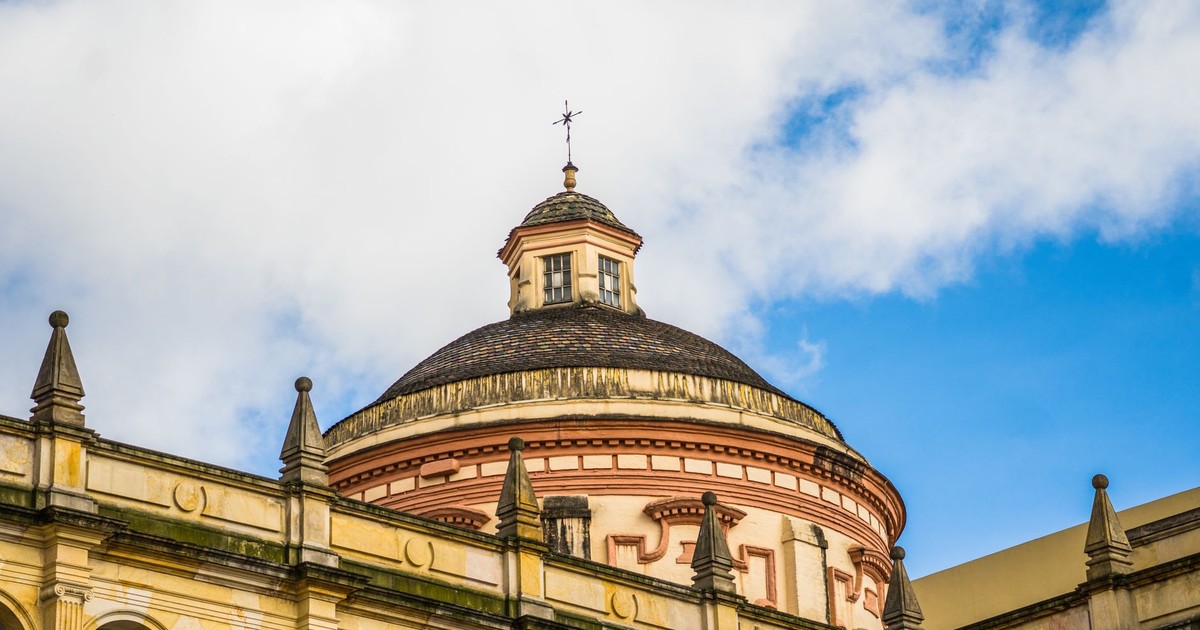
Every city on this list sits somewhere unexpected on a map: perched at altitude, wedged between ocean and mountain, built inside a crater, carved into a valley. South America didn’t give its cities the comfort of flat ground and stable weather. It gave them drama and extremity and the need to be ingenious about where and how to build. The beauty of these places comes directly from that constraint, and it’s why photographs rarely do justice. The camera captures the view. It doesn’t capture what it costs the terrain to produce it.
Ranking them is a useful exercise, but the honest answer is that the gap between first and seventh here is much smaller than the gap between any of these seven and most of the world’s other cities. What they share is something that good travel writers have struggled to name precisely: the sense that the city has not been managed into beauty but has simply arrived at it, through centuries of pressure, color, catastrophe, and a refusal to look like anywhere else. You feel it the moment you step off the plane into a city that knows exactly what it is. All of these cities have that. And all of them, in different ways, make it very hard to leave.
Disclaimer: This information is not intended to be a substitute for professional medical advice, diagnosis, or treatment and is for information only. Always seek the advice of your physician or another qualified health provider with any questions about your medical condition and/or current medication. Do not disregard professional medical advice or delay seeking advice or treatment because of something you have read here.
AI Disclaimer: This article was created with the assistance of AI tools and reviewed by a human editor.