

The generation that came of age during Vietnam protests, the civil rights movement, and the sexual revolution was never going to sit still in its sixties and seventies. Baby Boomers, born between 1946 and 1964, built their identities around the idea that the world could be different from the one they inherited. The same restlessness has followed them into late life, pushing them to question assumptions they’ve held for decades.
Boomers changing worldviews isn’t a fringe phenomenon. It’s showing up in retirement statistics, fitness industry data, housing arrangements, and workplace surveys in ways that are genuinely reshaping how American society functions. Some of these shifts are driven by economic pressure, some by proximity to grandchildren with different values, and some by the simple accumulation of lived experience. The result is a generation in active, ongoing revision of itself.
What follows is a look at 19 of the most significant ways that revision is happening, grounded in recent research and data.
1. Rethinking What Retirement Actually Means

For decades, the Boomer version of retirement meant a gold watch, a pension, and a hard stop at 65. That picture has been dissolving in real time. In 2025, a record 4.18 million Americans turned 65, equivalent to more than 11,400 people each day, marking the high point of the Baby Boomer retirement wave, with elevated levels expected to continue through at least 2027. The sheer scale of this transition has forced a rethink of what “retirement” even means in practice.
Almost six in ten Baby Boomer workers say they expect to retire at age 70 or older, or don’t plan to retire at all. Retirement is increasingly understood as a shift in how you work rather than a departure from working entirely. Consulting, part-time roles, encore careers in different fields, volunteering with serious time commitments have all become legitimate versions of what “retired” looks like in 2025 and 2026.
Rising healthcare and housing costs are eroding savings faster than anticipated for many Boomers, and the shift from defined-benefit pension plans to defined-contribution plans has left some underprepared for a full stop. But the cultural shift goes beyond money. Many Boomers describe full retirement as existentially uncomfortable. The loss of structure, identity, and purpose is a harder adjustment than they anticipated. The redefinition of retirement as something more fluid is, in large part, a psychological adaptation.
2. Embracing Technology With More Enthusiasm Than the Stereotype Allows

The idea that Boomers are helpless around technology has always been an exaggeration, and the data in recent years has made it look increasingly absurd. AARP revealed that 71% of older adults bought technology in 2025, up from 67% in 2024, while two in five were already planning another technology purchase in 2026. These aren’t reluctant adopters dragged into the digital age. Many are deliberate, enthusiastic consumers of new devices.
The motivation matters here. Boomers tend to adopt technology when it solves a specific problem: staying connected with grandchildren across the country, managing a chronic health condition, or maintaining independence in daily life. That’s a different relationship with tech than the “I need the latest model” impulse, but it isn’t a lesser one. It’s more purposeful.
A Security.org survey found that 83.9% of Boomers say social media is improving their lives, compared with 71.6% of Gen X and 66.4% of millennials. A generation often portrayed as resistant to social platforms is, by some measures, enjoying them more than their younger counterparts.
3. Letting Go of Lifetime Loyalty to Employers

There was a time when staying with one company for thirty years was a source of genuine pride for Boomers. The organization was a second family. Changing jobs was slightly shameful. That mindset has been comprehensively revised, and not entirely voluntarily.
Reduced pensions, frequent restructuring, and corporate takeovers have shifted the old loyalty framework. AARP found that 24% of workers aged 50 and older planned to change jobs in 2025, up from 14% in the comparable 2024 survey. When corporations stopped offering the lifelong security they once implied, the social contract around employee loyalty dissolved from both sides.
Many Boomers now describe job mobility at this stage of life not as a defeat but as a kind of liberation. The identity scaffolding that tied self-worth to a single employer is weaker than it was, and that has created space for a more honest assessment of what work is actually for. For some, that means finding something more meaningful in their final working years. For others, it means working purely for income without pretending it’s anything more. Both are, in their own way, more honest positions.
4. Reconsidering the Fixed Idea of “Aging Well”
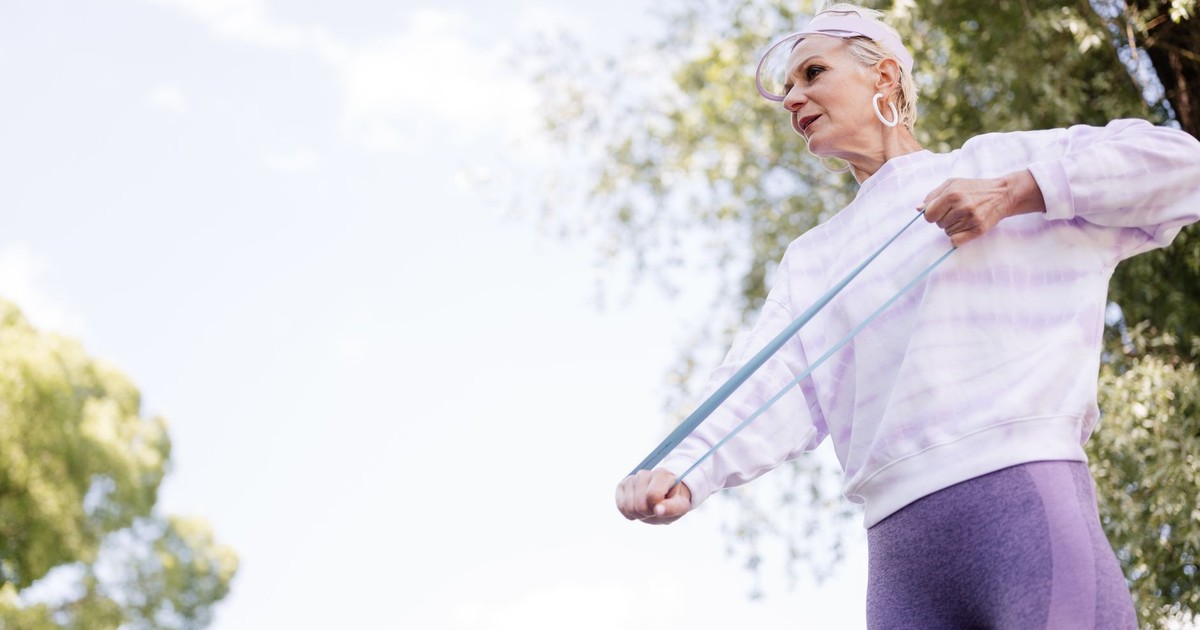
The image of a Boomer aging well used to look a certain way: a comfortable home, afternoon golf, grandchildren on holidays, minimal fuss. According to the ABC Fitness Wellness Watch Fall 2024 Report, 80% of Boomers consider themselves physically active, outpacing both Generation X and Generation Z in their commitment to fitness. The generation that invented the jogging boom is not slowing down.
Unlike previous generations, Boomers are not merely maintaining activity levels. They are actively seeking ways to enhance performance, prevent age-related decline, and optimize overall well-being, with many embracing strength training, high-intensity interval workouts, yoga, and even endurance sports to maintain mobility and independence for as long as possible.
The underlying belief has changed: aging is no longer understood as a passive process to be managed gracefully. Many Boomers now approach it as something to be actively fought, delayed, and shaped. Whether that’s entirely healthy is its own conversation, but as a shift in how an entire generation thinks about physical decline, it’s significant.
5. Opening Up About Mental Health
Boomers came of age in a culture where mental health problems were kept private, often out of genuine shame. Therapy was for people who couldn’t cope. Depression was a character flaw. Anxiety was something you pushed through. That framework is weakening noticeably among Boomers in their sixties and seventies now.
The change is partly generational osmosis. Decades of watching their children and grandchildren speak openly about therapy, anxiety disorders, and emotional wellbeing has had a normalizing effect. It’s also partly driven by the stresses that cluster in later life: retirement transitions, the death of peers and spouses, caregiving responsibilities, declining health. Problems that couldn’t be ignored any longer eventually got addressed.
Baby Boomers were the most likely of any generation, at 52%, to say they have enough money to spend on self-care, according to a Bank of America report analyzing consumer spending data across generations. Mental health services, once written off as unnecessary, now fall within that self-care definition for a growing segment of the Boomer population. The stigma hasn’t disappeared, but the wall is lower than it was.
6. Accepting Multigenerational Living
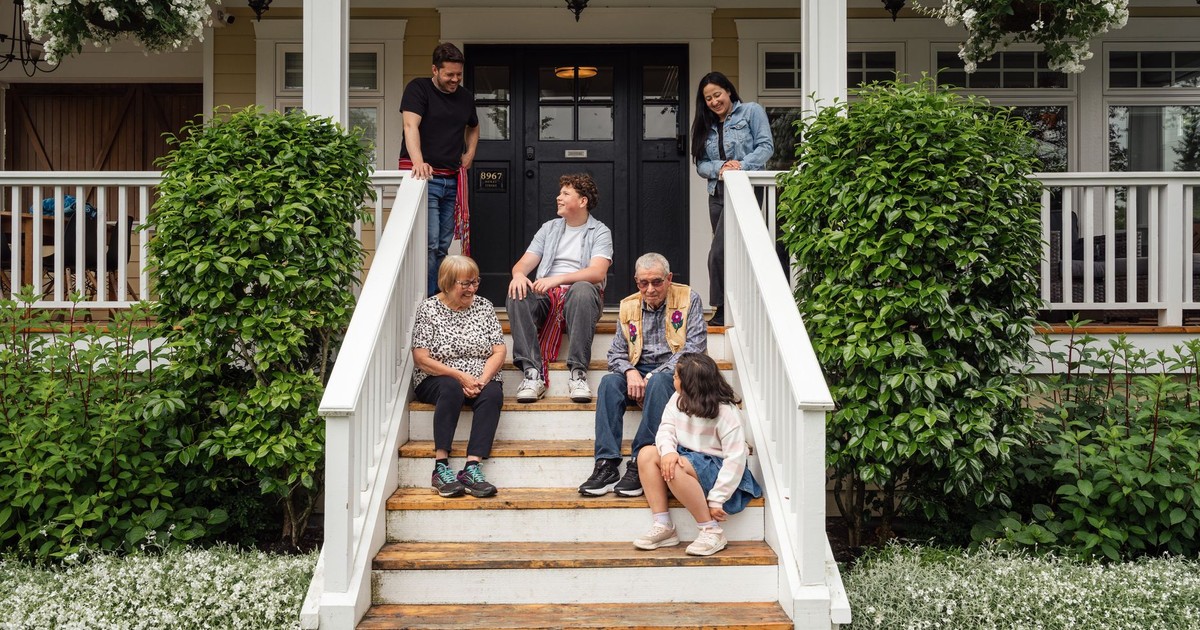
The postwar suburban ideal that shaped so many Boomers was built around nuclear family independence: two parents, two kids, detached house, no grandparents in the spare room. That model has cracked under the weight of contemporary housing economics, and Boomers have had to revise the worldview that came with it.
When multigenerational living is intentional, research shows it is associated with better health outcomes, decreased loneliness among older adults, and better educational outcomes for children, and is also linked to lower poverty levels and cost savings on items like rent and childcare. For many Boomer parents, what started as an economic concession to an adult child who couldn’t afford a deposit has turned into something they’ve come to value.
Boomers who once measured success partly by a child’s ability to leave and become independent are increasingly measuring it by connection and proximity instead. The multigenerational household, once associated with poverty or failure to launch, is being reconceived as a legitimate and even desirable arrangement, and Boomers are central to that cultural renegotiation.
7. Shifting Their Relationship With Gender Roles

Boomer women were the first generation to enter the workforce in large numbers, and many built careers while simultaneously shouldering most of the domestic labor at home. The tension between those two realities has informed a slower but real evolution in how Boomer men and women think about gender roles within relationships.
The shift shows up in what gets negotiated differently in Boomer households now versus thirty years ago. Men who once considered domestic work beneath them, or simply outside their department, are taking on more as partners age, retire, and reassess what equity actually looks like at home. It’s not complete, and it’s not uniform, but the expectation that gender determines who handles which responsibilities has softened considerably among this cohort.
For Boomer women specifically, the worldview shift often runs in the opposite direction: toward claiming more for themselves. Women who deferred personal ambitions for decades are increasingly unwilling to keep doing so in their sixties and seventies. That expresses itself in everything from pursuing delayed education to ending marriages that no longer work.
8. Becoming More Engaged With the Environment
The standard line on Boomers and climate change is that they’re either indifferent to it or actively hostile. Reality is more complicated. Majorities of Americans support an array of measures to address climate change, though they stop short of a full break with fossil fuels. Among Boomers specifically, that measured support is growing, driven partly by direct experience of extreme weather events and partly by concern for what their grandchildren will inherit.
American Psychiatric Association polling highlights clear generational divides in climate perceptions, with younger adults significantly more likely than those 65 or older to recognize climate change’s mental health consequences, feel personally affected, and express anxiety over governmental response. But that gap is narrowing. Boomers who have watched wildfires, flooding, and sustained heat waves affect people they know are increasingly less abstract about the issue than they were a decade ago.
The evolution isn’t from denial to activism for most Boomers. It’s something subtler: a shift from climate change as a political abstraction to a real thing happening in real places. That’s not a small move, even if it doesn’t make headlines.
9. Renegotiating the Meaning of Wealth

In 2022, all Boomer households combined owned $77 trillion in wealth, with the top 10% of Boomer households holding 71% of that total. The concentration of wealth within the generation is staggering, and it has created an unusual dynamic: many Boomers who are technically wealthy don’t feel it, while those who are genuinely comfortable are grappling with what to do with resources that exceed their own needs.
A generation that largely defined success through accumulation is gradually reorienting toward questions of legacy, giving, and intergenerational transfer. Some are accelerating inheritance timelines, giving money to adult children now rather than after death, partly because the children need it now. Others are directing resources toward causes, communities, or institutions in ways that earlier generations of retirees rarely did.
The conversation about wealth is also shifting inward. Many Boomers, especially those who spent careers in corporate environments, are reexamining whether what they accumulated reflects the life they actually wanted to live. That’s less a financial question than a philosophical one, and it’s happening more than the stereotype of the satisfied Boomer suggests.
10. Evolving Attitudes Toward Same-Sex Relationships

Boomers came of age when homosexuality was classified as a mental disorder (until 1973) and same-sex relationships were largely invisible in mainstream culture. The evolution in how many Boomers think about LGBTQ+ people and relationships over the last few decades is genuinely significant. Not complete, not linear, but real.
According to PRRI’s 2024 American Values Atlas, which surveyed over 22,000 adults, fewer than one in ten baby boomers identifies as LGBTQ. But identification and acceptance aren’t the same thing. Boomers who have a gay child, grandchild, sibling, or colleague have consistently shown more accepting views than those who don’t, and at this point in life, most Boomers know someone.
The shift isn’t about politics for most Boomers who have changed their views. It’s about specific people. An abstract position on same-sex marriage looks different when your daughter brings her partner home for Thanksgiving. That’s how worldview change actually happens: not through argument, but through relationship.
11. Embracing Online Healthcare Management

A Boomer in 1995 went to the doctor, received information, and largely deferred to whatever they were told. The internet, and more recently telehealth platforms and patient portals, have changed the power dynamic entirely. Boomers increasingly arrive at medical appointments having already researched their condition, their medications, and their alternatives.
This is a significant attitudinal shift for a generation raised to treat physicians as unquestionable authorities. The change has been uneven. According to Altera Health’s 2024 report, 64% of Boomers still prefer in-person healthcare visits, which reflects an ongoing tension between digital convenience and the face-to-face trust they were raised to value. But “preferring in-person” no longer means being passive in that encounter. Boomers are comparing what their doctor says to what they found online in a way that would have been almost unimaginable a generation ago.
Managing prescriptions online, booking specialist appointments through apps, monitoring blood pressure through a wearable, accessing test results through a portal before the doctor calls: these behaviors are now widespread among Boomers. The relationship with healthcare has shifted from passive receipt to active participation.
12. Updating Views on Work-Life Balance

Boomers built careers during an era that glorified overwork. The sixty-hour week was a badge of honor. Taking all your vacation was a sign you weren’t serious. That ethos shaped not just their own working lives but the workplace culture they created for younger colleagues, and many Boomers are now quietly revising their assessment of whether it was worth it.
Proximity to the end of working life has a clarifying effect. Boomers watching peers retire or become ill are taking a harder look at what the sacrifice actually bought. The answer, for many, is not as satisfying as the decades of effort implied. This hasn’t translated into a wholesale embrace of work-life balance as younger generations articulate it. The instinct to define identity through productivity runs deep. But the reverence for overwork as a virtue in itself has softened considerably.
The practical expression of this shift shows up in how Boomers manage their final working years: taking the remaining leave, being more protective of weekends, being more selective about what demands on their time they’ll accept. Small behaviors, but they represent a real change in the underlying belief about what work owes to life.
13. Rethinking Long-Term Relationship Expectations
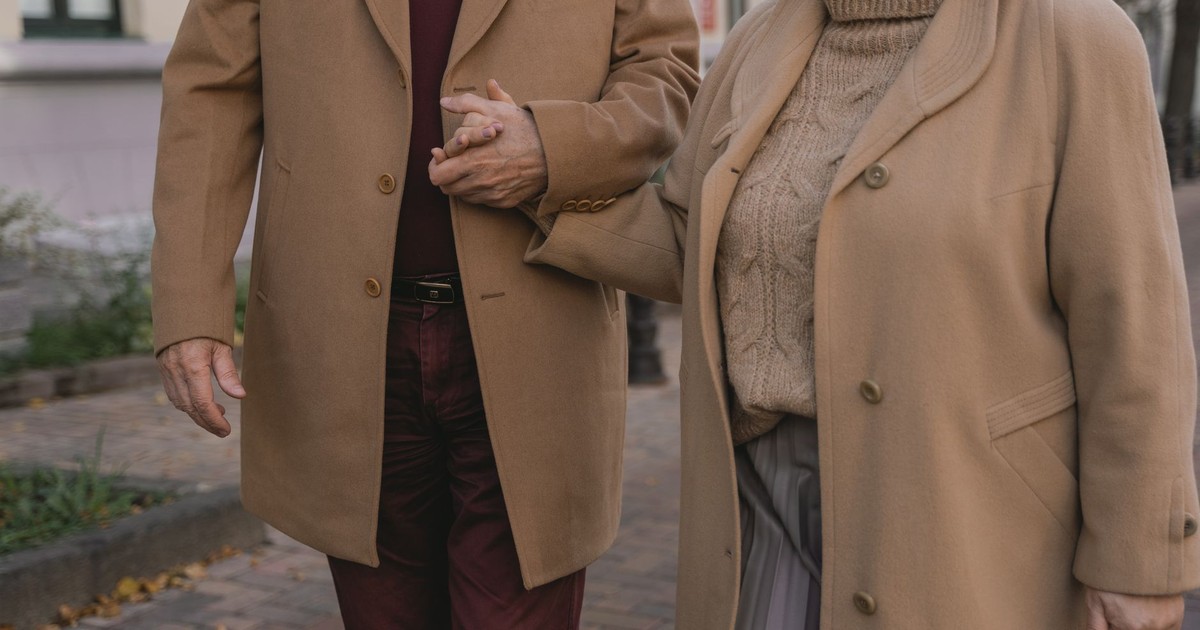
The divorce rate among Americans aged 50 and older has roughly doubled since the 1990s, a phenomenon researchers began calling “gray divorce,” and Boomers are the primary driver of that trend. The willingness to end a marriage in one’s sixties or seventies, rather than simply seeing it through to the end, represents a serious shift in how many Boomers understand what a relationship is supposed to provide.
The old framework was durability: you committed, you stayed, you managed. The revised framework is something closer to mutual fulfillment: if the relationship isn’t working, staying in it isn’t virtuous, it’s just stubborn. That’s a significant philosophical update for a generation that came of age when divorce still carried social stigma, especially for women.
What drives gray divorce is rarely a single event. It’s more often the accumulated recognition, once careers are done and children are gone and the busyness that insulated both people falls away, that two individuals grew in different directions without noticing. The Boomer willingness to act on that recognition, rather than live with it, is itself a worldview shift.
14. Discovering the Value of Intergenerational Connection

Boomers spent most of their working lives surrounded almost entirely by age peers. Segregated workplaces, segregated neighborhoods, segregated social circles: the default pattern of adult American life kept generations largely apart. Retirement, and particularly grandparenthood, has disrupted that for many Boomers in ways that have genuinely changed how they see the world.
Boomers are increasingly mentoring younger professionals, providing leadership in civic organizations, and sharing expertise in business and education. The direction of exchange runs both ways. Boomers who spend real time with their adult grandchildren report updating their views on topics ranging from social media to sexual identity to environmental urgency, not because they were lectured at, but because they found people they loved holding different views, which made those views harder to dismiss.
Worldview shifts across generations tend to flow through relationships, not arguments. Boomers who have close, genuine relationships with younger people are measurably more likely to update their positions on social issues than those who don’t. Proximity matters more than persuasion.
15. Reconsidering What Success Actually Looks Like

For most of their adult lives, Boomers measured success the way their era trained them to: title, salary, house size, neighborhood. The external markers were clear, and the internal ones often followed, or were expected to. Retirement and later life have disrupted that equation in ways many Boomers didn’t fully anticipate.
When the title disappears and the salary stops and the children are long gone, what’s left is the actual life: the relationships, the daily texture, the sense of whether the choices made added up to something felt meaningful. Many Boomers arriving at this reckoning are finding the traditional metrics were incomplete at best. The reorientation toward meaning over achievement is one of the more significant worldview shifts of this generation’s later years.
This shows up in how Boomers talk about the past. The pride that once attached to career accomplishments is increasingly complicated by the recognition of what was sacrificed for them. Not everyone arrives at regret. Plenty of Boomers feel their priorities were right. But the conversation is more honest than it used to be, and the automatic equation of professional achievement with a life well-lived is no longer taken for granted.
16. Warming to the Concept of Lifelong Learning

The idea that education belongs to youth is one Boomers are actively dismantling, partly by necessity and partly by choice. Technological change alone has required continuous skill acquisition that would have been unimaginable to someone retiring in 1985. But the shift goes beyond keeping up with new software.
Boomers are enrolling in university courses, online learning platforms, language classes, and professional certifications at rates that challenge the notion that learning stops at a certain age. Some of this is practical: retraining for a new kind of work, or maintaining professional credentials. But a significant portion is driven by pure curiosity, the desire to finally study the thing there was never time for, or to understand a field that the grandchildren work in.
The underlying belief that the capacity to learn is not fixed in youth runs counter to a deep assumption many Boomers absorbed: that education was a phase, not a practice. Unlearning that assumption has opened up intellectual territory that many describe as one of the best things about later life.
17. Changing Their Approach to Food and Nutrition
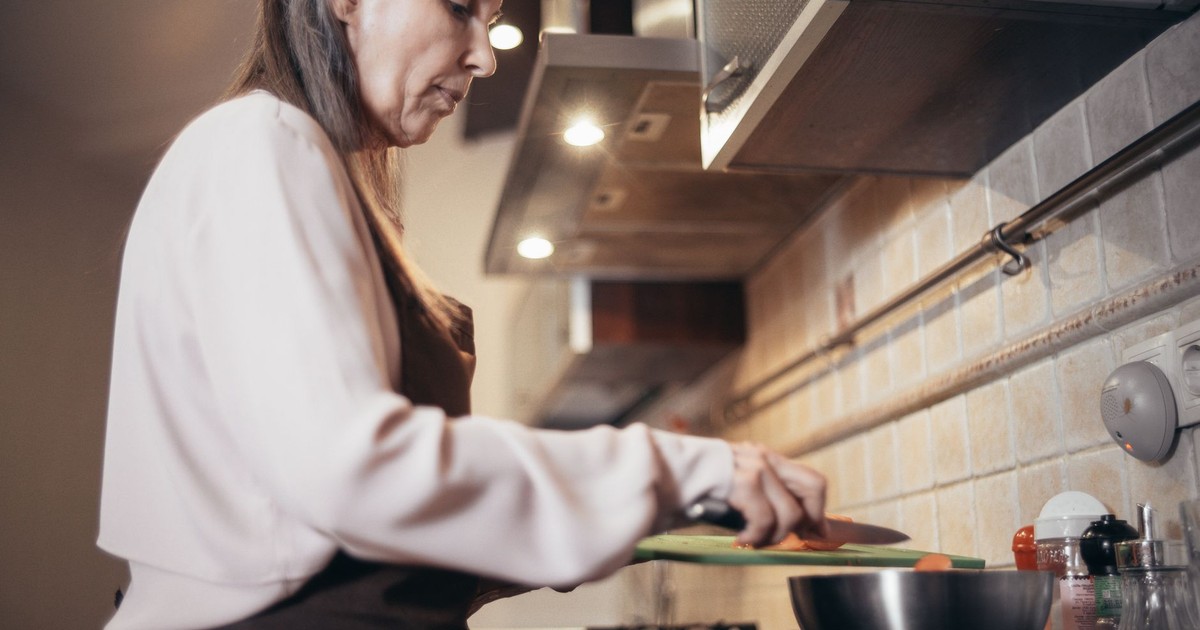
The Boomer relationship with food was shaped by postwar abundance and the particular diet culture of the 1970s and 80s: low-fat everything, portion control, a deep suspicion of pleasure in eating. That framework has aged about as well as low-fat yogurt. Many Boomers are revising their approach to nutrition in ways that reflect both better science and a belated interest in actually enjoying what they eat.
The shift toward whole foods, reduced processed food consumption, and paying attention to gut health reflects changes in nutritional understanding over the past two decades, but also a generational willingness to admit that the old approach wasn’t working well. Boomers tend to avoid fat, salt, excess sugar, processed meats, and full-fat dairy rather than chasing organic food trends, and are more likely than other generations to prioritize chronic disease management through diet.
The deeper shift is from food as fuel to food as health investment. Boomers who grew up treating meal planning as a logistical problem are increasingly treating it as a form of preventive care, one that connects directly to how mobile, independent, and cognitively sharp they remain in their seventies and eighties. That’s a meaningful change in how food gets thought about.
18. Redefining What Community Means
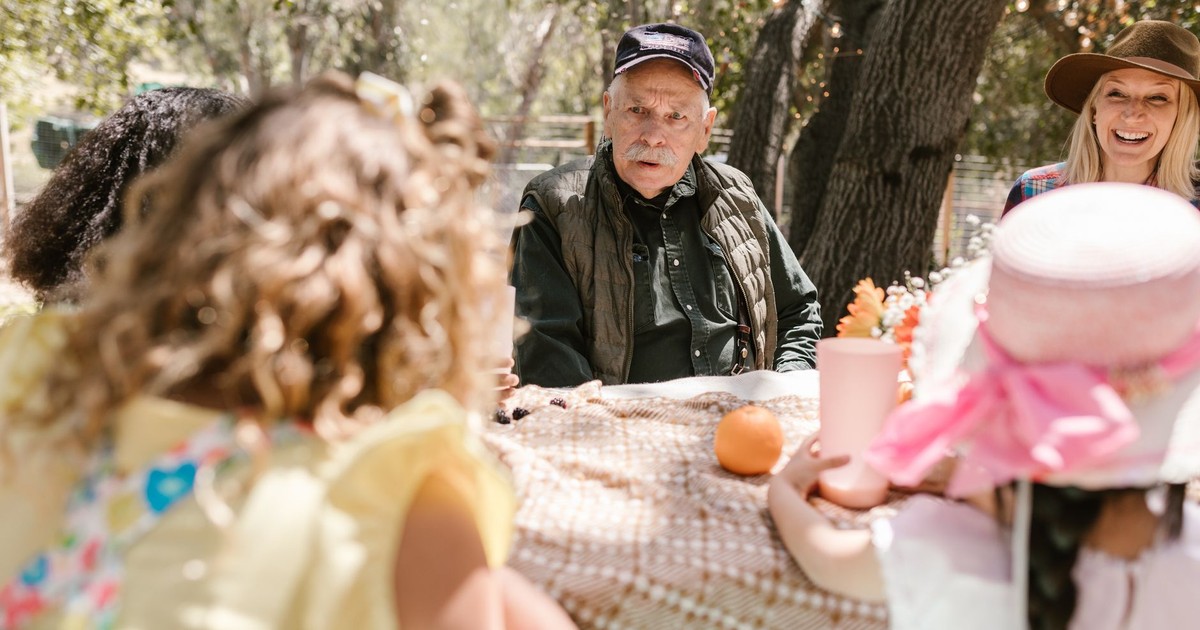
The Boomer model of community was largely residential: you knew your neighbors, you belonged to a church or civic organization, your social world was physically local. That model started fragmenting in the 1990s and has continued eroding. Boomers who defined themselves through specific local institutions, the Rotary Club, the parish, the golf club, are finding that the institutions are thinner or gone, and are having to construct community differently.
Social isolation is a genuine risk for this generation, and many Boomers are aware enough of that risk to be actively addressing it. Online communities, interest-based groups, fitness classes designed for active seniors, and multigenerational volunteer organizations are all filling gaps that the old local structures no longer do. Group exercise classes designed for active seniors have become increasingly popular, fostering both physical health and social connection simultaneously.
Community doesn’t arrive automatically through geography or institutional membership anymore. It has to be built deliberately. That requires initiative in a way the old model didn’t. Boomers who have adapted to that new reality tend to report higher satisfaction with their social lives than those still waiting for community to reassemble itself around them.
19. Softening Their Position on Asking for Help

Perhaps no shift is more personally significant than this one. Boomers came up in a culture that treated self-sufficiency as an unqualified virtue. Asking for help, financial, emotional, practical, carried a shame charge that was hard to shake. The generation that prided itself on handling things is slowly learning to let other people in.
This is not easy for a cohort whose identity is so thoroughly tied to competence. But the practical realities of aging make the revision unavoidable for most: health limitations, the loss of a spouse who handled certain things, technology gaps, housing changes that require assistance. The choice becomes whether to accept help gracefully or refuse it at significant personal cost.
Many Boomers who have made this shift describe it not as a defeat but as a relief. The energy that went into maintaining the appearance of total self-sufficiency was considerable, and releasing it turns out to free up something. Learning to receive care, rather than only give it, is a different kind of competence, and one that Boomers are, in growing numbers, working to develop. Some patterns take decades to shift. This one is shifting now.
What This Actually Means
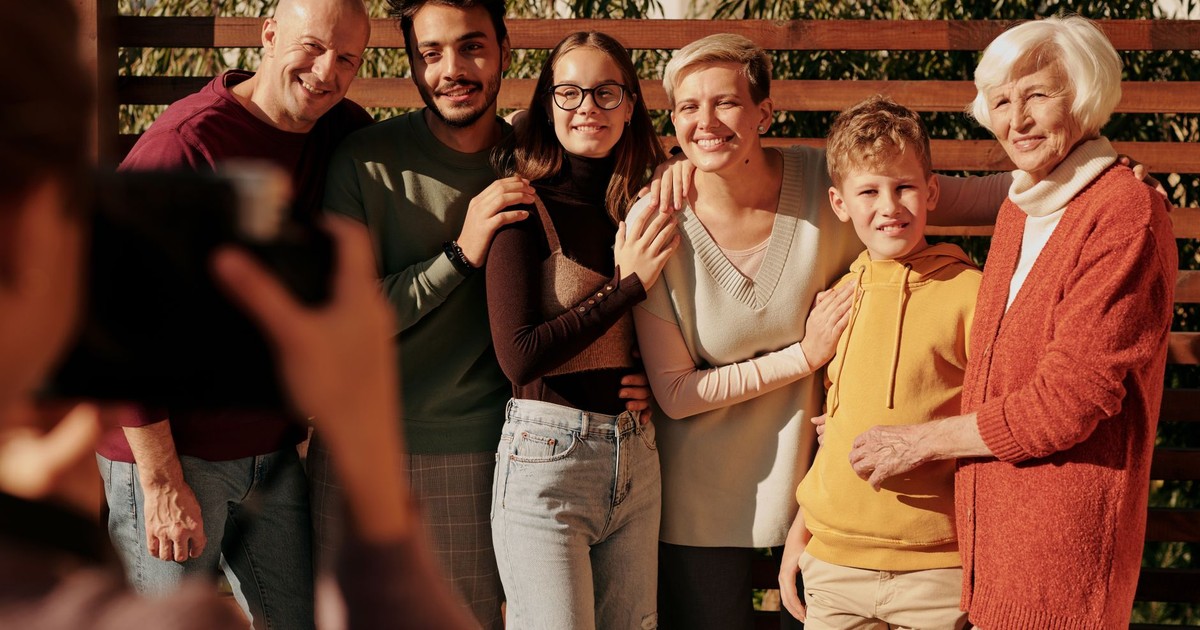
The through-line across these 19 shifts isn’t ideological drift or capitulation to younger values. It’s something less tidy than that: the accumulated pressure of lived experience forcing contact with reality. Pensions didn’t materialize the way Boomers expected. Housing didn’t work out for their children the way it did for them. The body didn’t age the way they assumed it would. The marriage, or the career, or the retirement, turned out to need renegotiation.
Worldviews don’t usually change because someone made a compelling argument. They change because the old view stopped accounting for what was actually happening. For Boomers changing worldviews, that process is ongoing, and it’s happening on enough fronts simultaneously that the generation looks meaningfully different at 70 than it did at 50. Not unrecognizable. The core orientations are still there. But revised, updated, and in many cases more honest than the original.
If you have a Boomer in your life who seems different from the person you expected them to be, that might not be decline or inconsistency. It might be someone who has been paying attention and updating accordingly. That, for whatever it’s worth, is exactly what you’d hope any person would do.
Disclaimer: This information is not intended to be a substitute for professional medical advice, diagnosis, or treatment and is for information only. Always seek the advice of your physician or another qualified health provider with any questions about your medical condition and/or current medication. Do not disregard professional medical advice or delay seeking advice or treatment because of something you have read here.
AI Disclaimer: This article was created with the assistance of AI tools and reviewed by a human editor.