
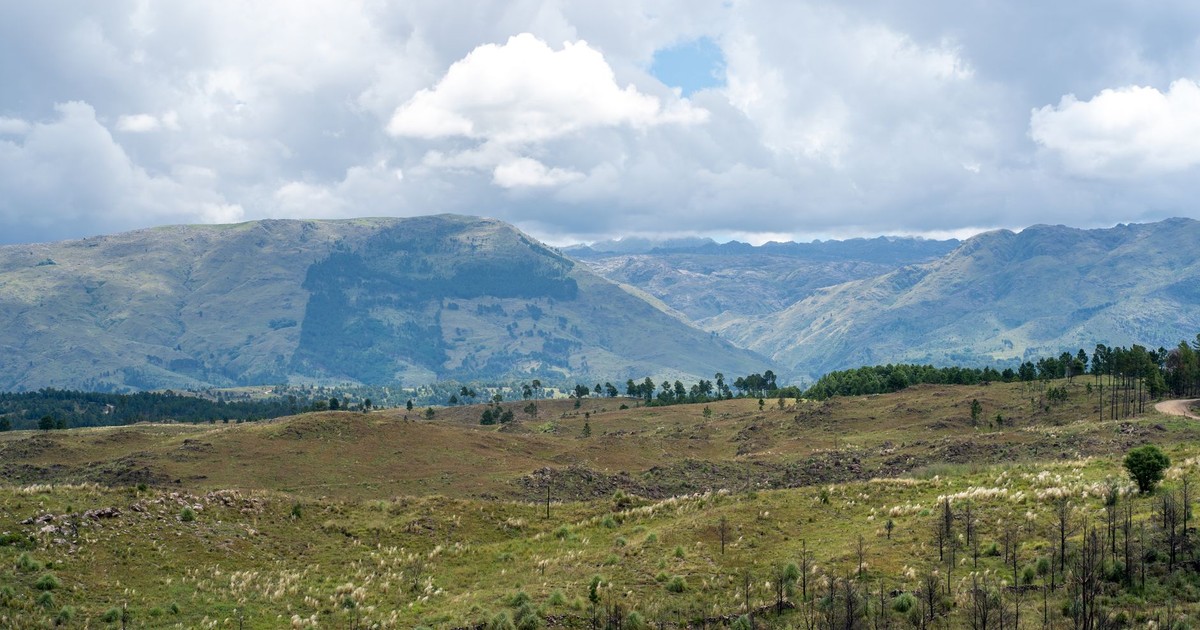
The desert region of Urumaco in northwestern Venezuela looks nothing like a swamp. It’s parched, wind-scoured, and almost completely empty of life for miles in every direction. This bone-dry landscape has given up some of the most extraordinary aquatic creature fossils ever pulled from the ground, including the shell of an animal so large that, laid across a standard freeway lane, it would take up most of the width.
That animal was Stupendemys geographicus, a giant prehistoric turtle that paddled through the rivers and wetlands of northern South America somewhere between 5 and 13 million years ago. It was roughly the size and length of a sedan car. It weighed more than a metric tonne. The males grew a pair of forward-facing horns out of their shells.
A Turtle Half a Century in the Making
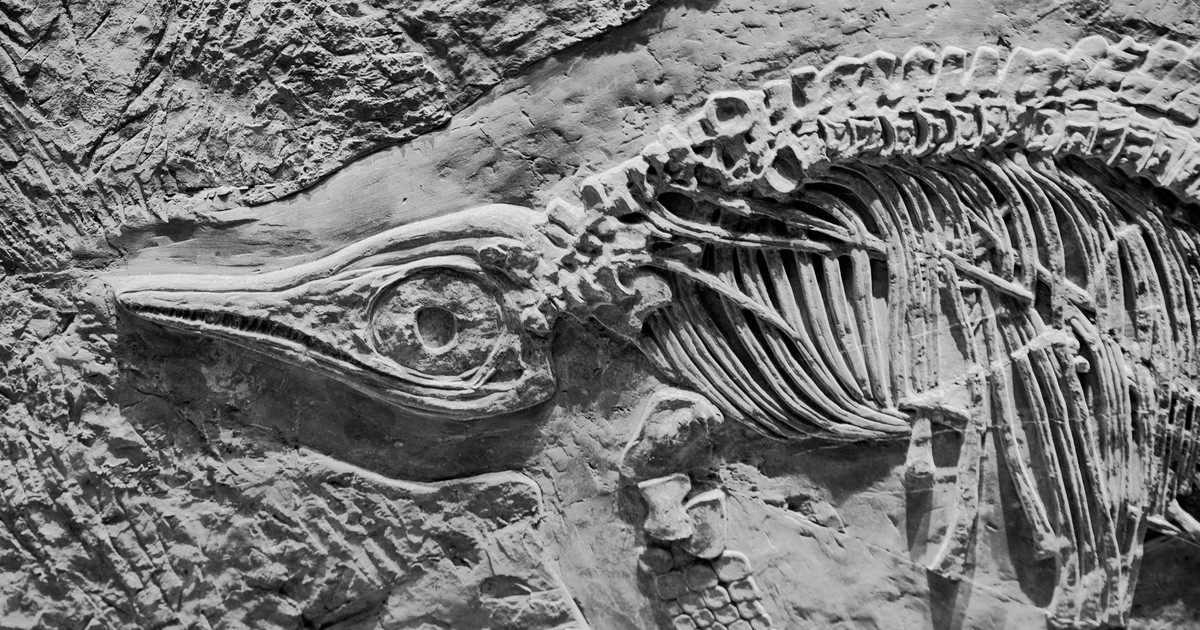
Stupendemys geographicus was first described in the 1970s, but with little archaeological evidence, scientists didn’t have much to go on. For most of the 20th century, Stupendemys existed as fragments: oversized shell pieces that pointed at an animal of improbable dimensions, but couldn’t tell researchers how it moved, what it ate, how it reproduced, or even how wide its geographic range truly was.
Fieldwork carried out across multiple sites in Colombia and Venezuela eventually produced the most comprehensive examination of the species ever published. Paleontologist Edwin Cadena of the Universidad del Rosario in Bogotá led the resulting paper, published in Science Advances in February 2020. The findings drew on fossils collected from two primary sites: the Urumaco region in Venezuela and Colombia’s Tatacoa Desert. Cadena and his colleagues analyzed almost 30 fossils found since 1994.
The Numbers Behind the Shell
CBC News reported that one of the largest turtles that ever lived was about the size of a car, prowling the lakes and rivers of northern South America from about 13 million years ago to 7 million years ago. Scientists unearthed new fossils that for the first time provided a comprehensive understanding of the reptile, which got up to four metres long and weighed as much as 1.25 tonnes.
The shells of S. geographicus turtles reached up to ten feet across. A standard United States freeway lane is 12 feet wide. The animal’s total body length, when you account for the head, neck, and limbs extending beyond the shell, brought it to roughly the footprint of a family sedan. The documented carapace length reached 2.40 metres, with an estimated mass of 1,145 kg, almost 100 times the size of its closest living relative, the Amazon river turtle Peltocephalus dumerilianus, and twice that of the largest living turtle, the marine leatherback Dermochelys coriacea.
The leatherback is not a small animal. It regularly exceeds 600 pounds and has a shell wider than most people are tall. Stupendemys was twice its mass.
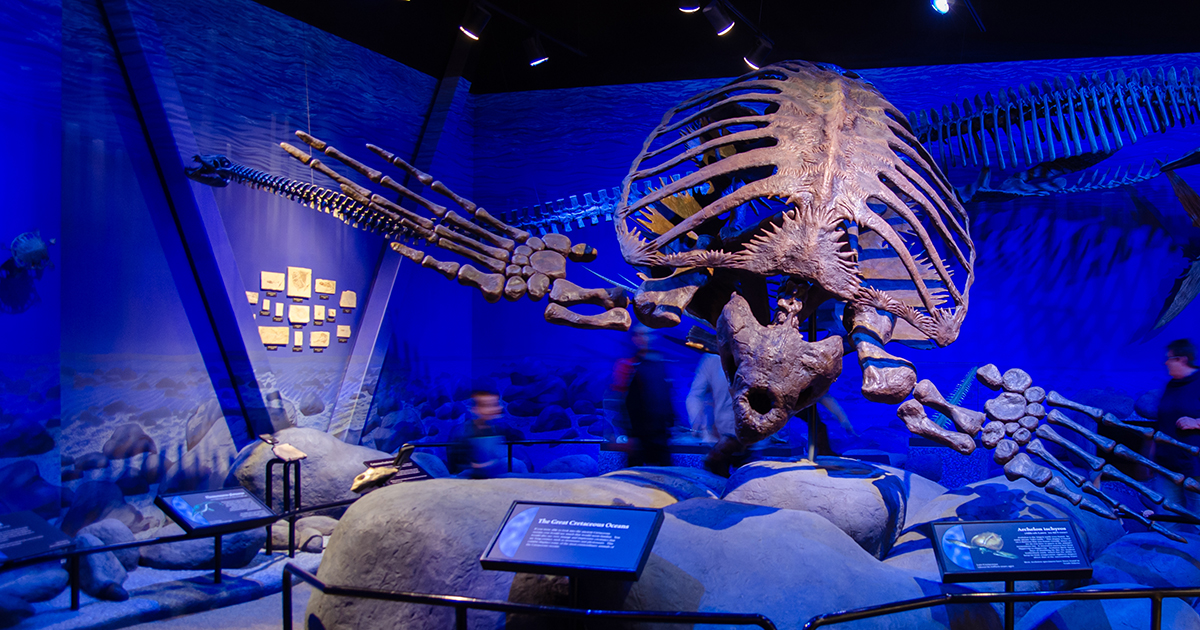
Stupendemys is the second-largest known turtle overall, behind the seagoing Archelon, which lived roughly 70 million years ago at the end of the age of dinosaurs and reached about 4.6 metres in length. Archelon was a marine animal, built for open ocean. Stupendemys was a freshwater giant, living in rivers and lakes, and in that category, it has no equal in the fossil record.
What the New Fossils Actually Revealed
The scientists discovered jaws and other skeleton parts of Stupendemys, allowing them to thoroughly revise the evolutionary relationships of this species within the turtle tree of life. “Based on studies of the turtle anatomy, we now know that some living turtles from the Amazon region are the closest living relatives,” said Marcelo Sánchez, director of the Paleontological Institute and Museum at the University of Zurich, in a statement reported by Smithsonian Magazine.
That skull and jaw material was the first of its kind for the species. For decades, researchers had been working almost entirely from shell fragments. Having a jaw changed the picture considerably, allowing direct anatomical comparison with living turtles and a much more precise placement of Stupendemys on the evolutionary tree. Cadena noted that putting together all the anatomical features of the species suggested its lifestyle was “mostly in the bottom of large freshwater bodies including lakes and large rivers.” It probably spent most of its time at depth, moving along lakebeds and river floors rather than basking at the surface the way smaller turtles do today.
The new discoveries and investigation of existing fossils from Brazil, Colombia, and Venezuela indicated a much wider geographic distribution of Stupendemys geographicus than previously assumed. The animal lived across the whole of the northern part of South America. Earlier assumptions had placed the species in a more limited range. The updated picture shows a single giant turtle species distributed across what is now Venezuela, Colombia, Brazil, and Peru.
Horns on a Turtle Shell
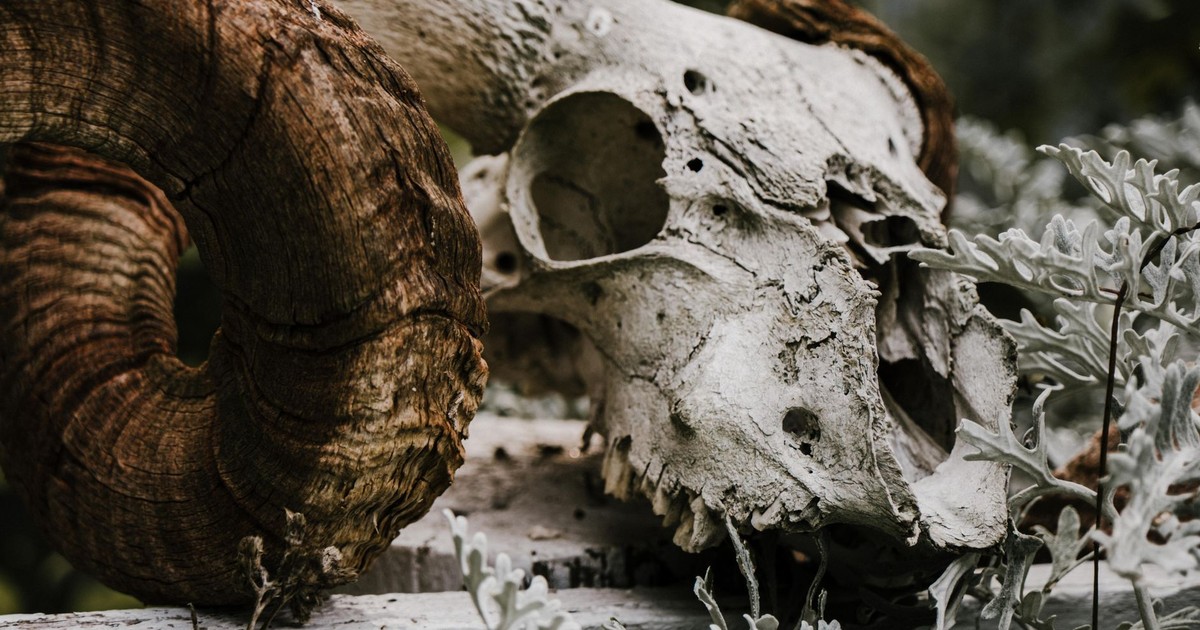
In some individuals, the complete carapace showed a peculiar and unexpected feature: horns. “The two shell types indicate that two sexes of Stupendemys existed, males with horned shells, and females with hornless shells,” said Sánchez, adding that it’s the first time that sexual dimorphism in the form of horned shells has been reported for any of the side-necked turtles, one of the two major groups of turtles.
Stupendemys males boasted sturdy front-facing horns on both sides of the carapace, very close to the neck. Deep scars detected in the fossils indicated that these horns may have been used like a lance for fighting with other Stupendemys males over mates or territory. The scar evidence is critical. Paleontologists can read the damage pattern in the fossil shells themselves, and those patterns look like the kind of contact you’d expect from horn-to-horn combat between rivals.
Fighting occurs among certain turtles alive today, particularly between male tortoises, according to Cadena. Male Galápagos tortoises, for instance, engage in head-butting and ramming contests to establish dominance. Stupendemys appears to have evolved a structural specialization for exactly this kind of combat, building the weapon directly into the shell itself.
The turtles apparently needed the horns for more than just competing with each other.
Life Inside a World of Giants
Northern South America during the Miocene epoch (roughly 23 to 5 million years ago) bore almost no resemblance to the region today. Stupendemys inhabited a colossal wetlands system spanning Colombia, Venezuela, Brazil, and Peru, before the Amazon and Orinoco rivers were formed. This proto-Amazonian mega-wetland was warm, shallow, and extraordinarily productive.
Stupendemys was not the apex predator. It shared the environment with giant crocodilians including the 11-metre-long caiman Purussaurus and the 10-metre-long gavial relative Gryposuchus. Purussaurus in particular was in a category of its own. According to a 2015 PLOS ONE study, an adult Purussaurus brasiliensis was estimated to reach around 12.5 metres in length, weighing around 8.4 metric tonnes, and was capable of generating a sustained bite force of approximately 69,000 newtons, around 7 metric tons-force. That bite force exceeds any animal alive today, including saltwater crocodiles and great white sharks.
In many areas, the occurrence of Stupendemys geographicus coincides with Purussaurus, the largest caimans, which was most likely a predator of the giant turtle given not only its size and dietary preferences, but also as inferred by bite marks and punctured bones in fossil carapaces of Stupendemys geographicus.
One of the Stupendemys fossils was found with a five-centimetre crocodile tooth still embedded in it. Something bit this turtle hard enough to leave a tooth behind in the bone. The fact that the shell preserved around it suggests the turtle survived, at least long enough for the wound to become part of the fossil record.
The horns, in this context, take on additional meaning. They were almost certainly useful in male-to-male combat, but facing down an 11-metre caiman with a one-tonne body and a shell the size of a car door, every structural advantage counted.
Why It Got So Big
The species likely achieved its colossal size thanks to the warm wetlands and lakes in its habitat, according to Sánchez. Warm, resource-rich freshwater environments allow ectotherms (cold-blooded animals that rely on external heat sources to regulate body temperature) to grow larger than they could in cooler climates, because warmth accelerates metabolism and food availability is high.
In the Miocene mega-wetlands of northern South America, conditions didn’t just permit larger size. They seem to have rewarded it aggressively. Giant rodents, giant crocodilians, giant turtles, giant catfish: the fossil fauna of this region reads like a size competition run across every vertebrate group simultaneously.
An animal that grows large enough that even an 11-metre caiman has to work hard to kill it has a meaningful survival advantage over a smaller relative. At 1.25 tonnes with a multi-centimetre-thick shell, Stupendemys was not easy prey. The bite marks on the fossil shells confirm that Purussaurus tried, and the embedded tooth confirms it sometimes succeeded, but the very survival of the species for millions of years suggests the size was working in its favor more often than not.
What the Fossil Record Still Can’t Tell Us

Researchers still don’t have a clear picture of how Stupendemys reproduced, how large the eggs were, how many it laid, what the juveniles looked like or where they sheltered. Five to ten million years ago, the region that is now Venezuelan desert was a humid, swampy region teeming with life. But what happened at the margins of that system, where juvenile turtles would have been most vulnerable, remains largely unknown.
The question of exactly when and why the species went extinct is also unresolved. The Miocene mega-wetlands eventually dried out as the Andes continued their geological rise and the Amazon and Orinoco river systems took on their modern form. The rich, shallow, interconnected water system that had sustained Stupendemys for millions of years fragmented and contracted. Purussaurus went extinct around the same time, for the same broad reasons.
What It All Adds Up To
For 45 years, this animal existed in the literature as little more than a size estimate attached to some shell fragments. Then a sufficiently ambitious excavation campaign produced enough material to identify sexual dimorphism, pin down the closest living relatives, map a continental-scale geographic range, and document direct evidence of predator-prey interaction, all from the same deposits that had yielded almost nothing useful for half a century.
The giant prehistoric turtle was exceptional because it was armored, horned, bottom-dwelling, and apparently tenacious enough to survive regular encounters with the largest crocodilian that ever lived. Some of these questions, how it reproduced, exactly when it disappeared, what the juveniles looked like moving through a world full of things that could eat them, may never be answered. The fossil record gives up exactly as much as the rock decides to give, one carefully excavated bone at a time.
Disclaimer: This information is not intended to be a substitute for professional medical advice, diagnosis, or treatment and is for information only. Always seek the advice of your physician or another qualified health provider with any questions about your medical condition and/or current medication. Do not disregard professional medical advice or delay seeking advice or treatment because of something you have read here.
AI Disclaimer: This article was created with the assistance of AI tools and reviewed by a human editor.