

The skeleton found in a limestone cave in northern Spain in 2006 had dark hair, dark skin, and startlingly blue eyes. He was 7,000 years old. For decades, scientists had assumed Europe’s ancient hunter-gatherers looked more or less like the pale-skinned people who live there today. That assumption, it turned out, was entirely wrong.
Over the past fifteen years, ancient DNA research has rewritten the story of how Europe came to be populated. The people we once imagined as static, rooted to their territories for tens of thousands of years, were in fact restless. They moved in massive waves, replaced one another, mixed and unmixed, and left behind a continent whose genetic heritage is layered like geological strata.
The science currently available, drawn from the best research as of 2026, covers more than 40,000 years, three enormous migrations, and a cast of people who were, genetically speaking, nothing like us, and everything like us.
The Three Waves That Made Europe
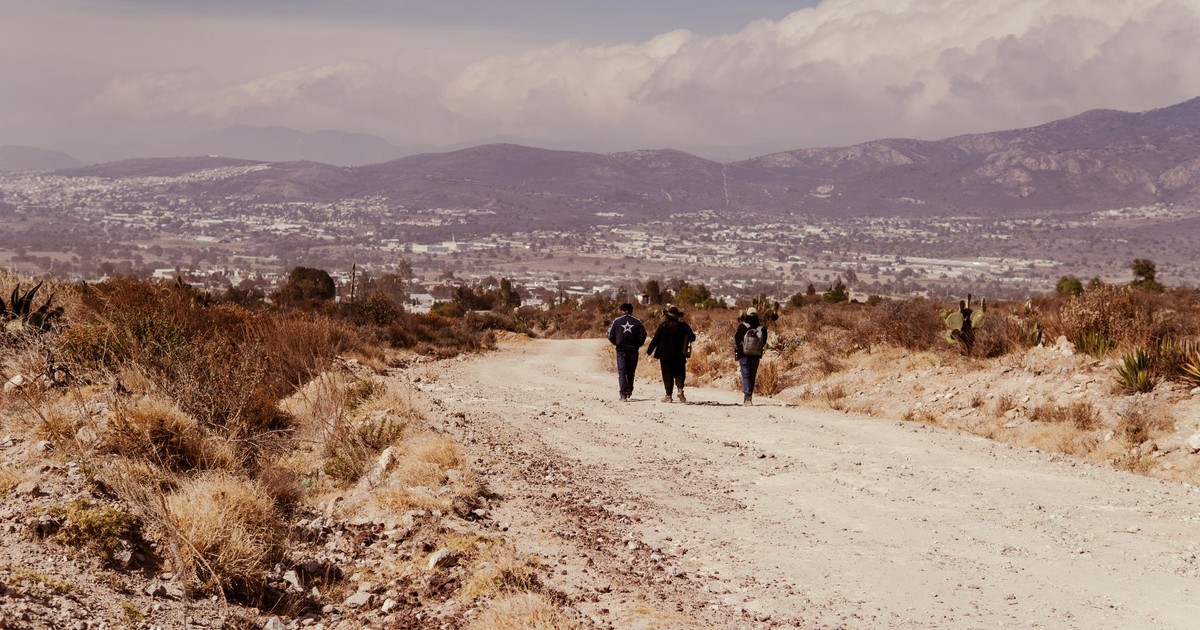
For more than a decade, geneticists held that Europe was settled in three massive migrations from the east. According to a May 2026 study reported by SciTechDaily, drawing on ancient genomes from northwest Europe, that three-wave model was always an oversimplification. The first arrivals were hunter-gatherers who reached Europe more than 40,000 years ago, followed after 9,000 years ago by an expansion of farming people from Anatolia during the Neolithic age, and finally, from around 5,000 years ago, a wave of people from the Russian steppe who inaugurated what we now call the European Bronze Age. The new research reveals that the interactions between these groups were far more complex than those three broad strokes suggest.
The orthodoxy that preceded this finding – that present-day people are directly descended from whoever had always lived in their region – turned out to be wrong almost everywhere. Europe is one of the clearest places where that assumption collapsed entirely.
Who Were the First Hunter-Gatherers?
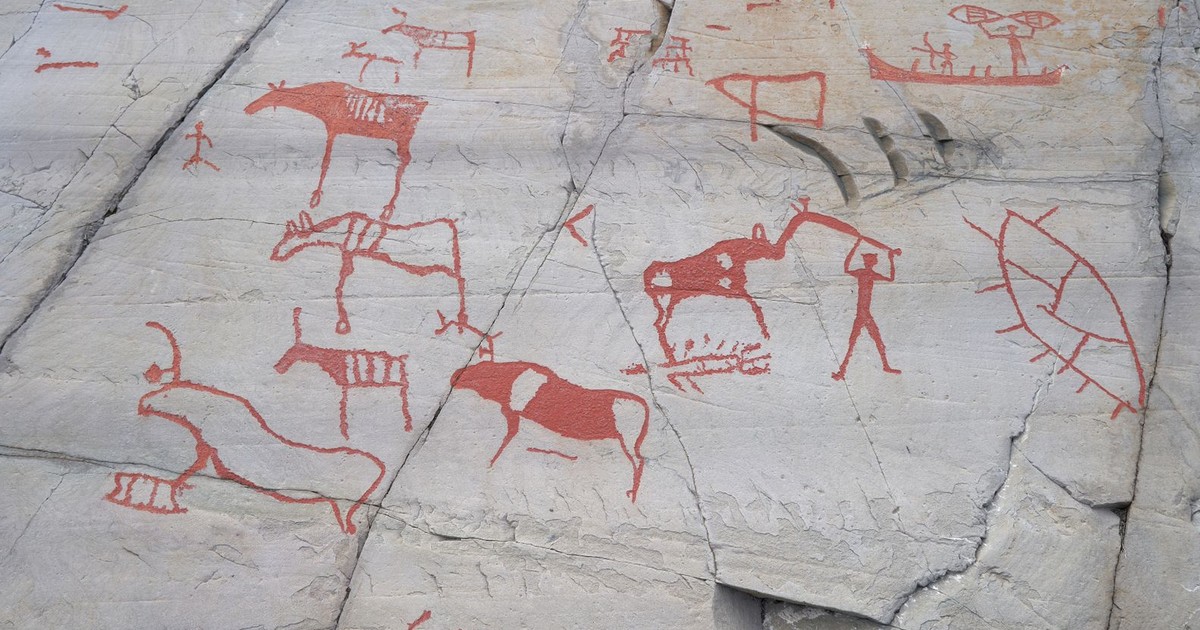
The first arrivals were hunter-gatherers who reached Europe more than 40,000 years ago. They came from Africa, via the Middle East, following the gradual spread of anatomically modern humans across Eurasia. When they arrived, Europe was already occupied by Neanderthals, who had been there for hundreds of thousands of years.
These early modern humans were skilled foragers. Their diets were rich in fish, game, and wild plants. They made tools from flint, created cave art, and built social structures complex enough to bury their dead with ceremony. Genetically, they were entirely distinct from any population living in Europe today. Their descendants survived Ice Ages, retreated into refugia during glacial maxima, and slowly recolonised the continent as temperatures rose.
What Neanderthals Left Behind
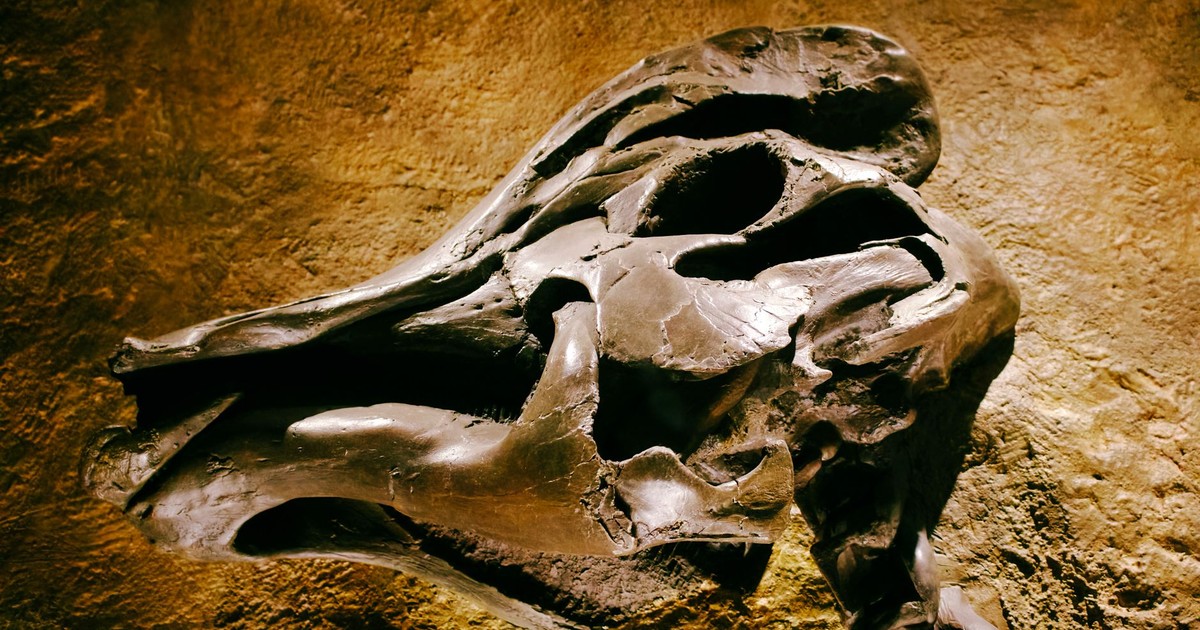
For thousands of years, early modern humans shared the continent with Neanderthals, and the evidence strongly suggests they interbred. Ancient DNA research has revealed that human populations, including Neanderthals and Denisovans, are not neatly delineated into isolated groups. The boundaries were permeable in ways that surprised even the researchers doing the sequencing.
Most people of non-African ancestry today carry roughly 1-2% Neanderthal DNA in their genomes, inherited from those early encounters. Some of those Neanderthal-derived gene variants appear to have been genuinely useful, influencing immune responses, for example. The modern European gene pool contains traces of populations that no longer exist in any identifiable form.
The Mystery of Their Appearance
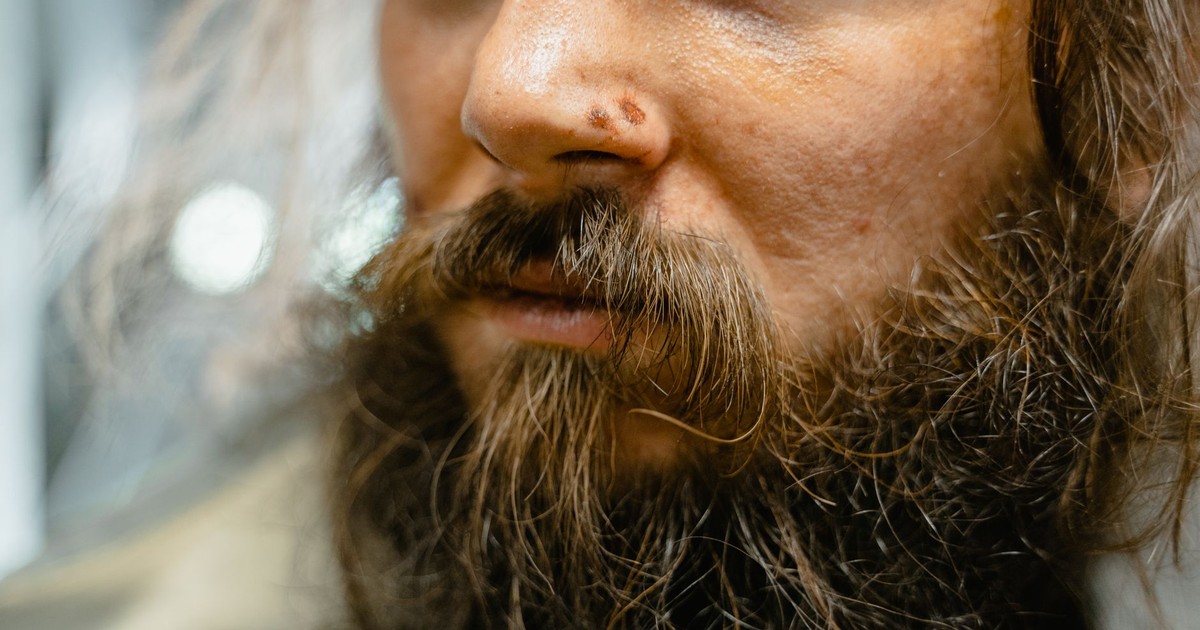
The hunter-gatherers who roamed Europe for tens of thousands of years did not look like modern Europeans. A 2025 study published in Archaeology Magazine, led by geneticist Guido Barbujani and evolutionary biologist Silvia Ghirotto, found that early European hunter-gatherers had dark skin, a characteristic that lasted for tens of thousands of years. For much of that period, 63% of ancient Europeans had dark skin, while only 8% had light skin.
The blue eyes came first, and separately. Dark skin was predominant in Europe until only around 3,000 years ago. Blue eyes were far older, common in hunter-gatherer genomes long before fair skin emerged. That 7,000-year-old Spaniard from the cave in León was carrying a combination we almost never associate with ancient Europe, yet the DNA is unambiguous.
Why Pale Skin Arrived So Late

The first signs of lighter pigmentation appeared in the Mesolithic, around 14,000 to 4,000 years ago, with a few individuals in Sweden and France showing light skin and blue eyes. By the Bronze Age, the proportion of dark-skinned individuals had dropped to about half. Lighter skin tones began to dominate only during the Iron Age, roughly 3,000 to 1,700 years ago.
The farmers who replaced the hunter-gatherers had a different problem. Cereals and grains, for all their caloric abundance, lacked vitamin D. In regions where sunlight was scarce, pale skin, better at absorbing weak UV rays, became a necessary adaptation. The lightening of skin was not about beauty or racial identity. It was about survival.
During the Copper and Iron Ages, which lasted between 5,000 and 3,000 years ago, half of the analyzed people still had dark or intermediate skin tones. This slow transition raises the real possibility that lighter skin was not as immediately advantageous as previously assumed.
The Arrival of Anatolian Farmers
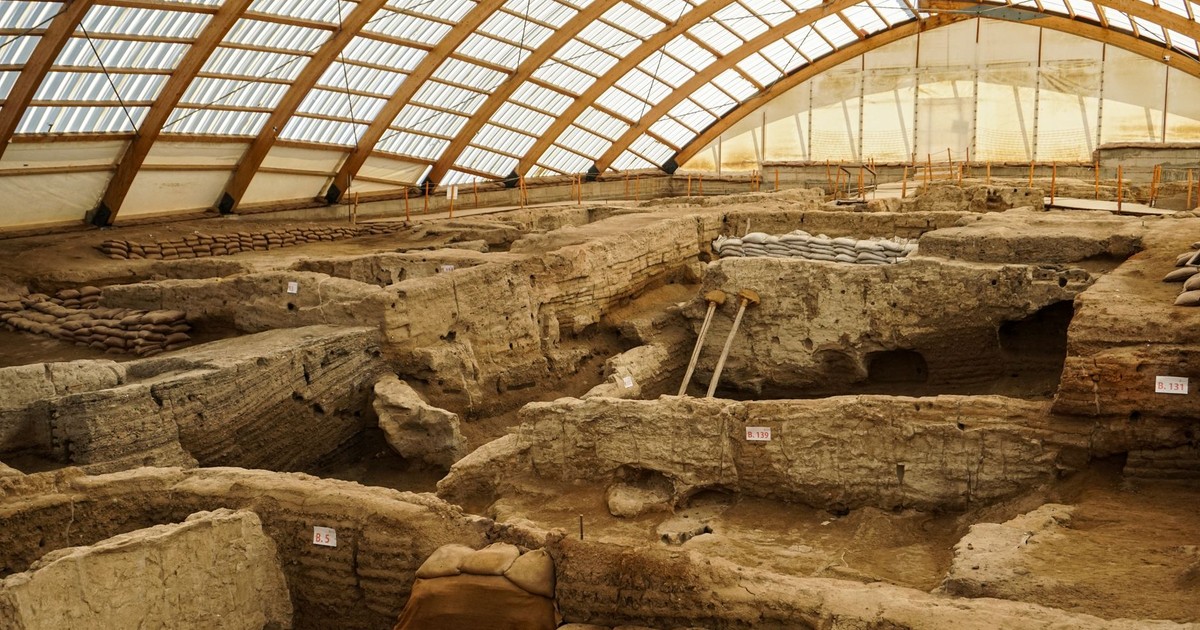
Around 9,000 years ago, something extraordinary happened in what is now Turkey. The first Neolithic societies originated around 12,000 to 10,000 years ago in a region of the Near East traditionally known as the Fertile Crescent. From there, farming knowledge and farming people began to push westward, eventually entering Europe via the Aegean and southeastern Europe.
Ancient DNA studies showed that the spread of agriculture across Europe was not simply a transfer of ideas and technologies. It was mediated by the physical expansion of early farmers, a process known as demic diffusion. The people who brought grain and livestock to Europe were genetically distinct from the hunter-gatherers already living there.
Farmers vs. Hunter-Gatherers: Who Gave Way?
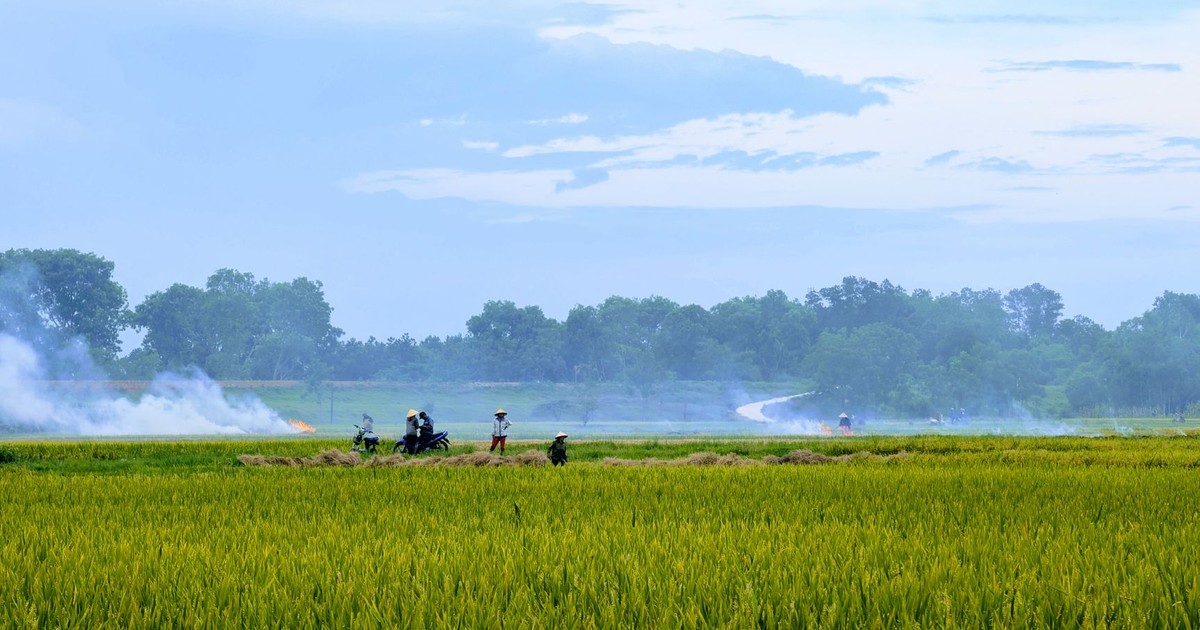
The meeting between incoming Anatolian farmers and the long-established European hunter-gatherers was not a simple story of conquest. For stretches of time, they coexisted in the same landscapes without mixing much at all. Archaeological evidence of this coexistence shows that the two groups maintained distinct genetic profiles for centuries, sometimes millennia, living side by side but not becoming one people.
Ancient DNA analyses revealed significant ancestry changes during Europe’s Neolithic transition, suggesting a primarily demographic expansion rather than simple cultural adoption. Nonetheless, hunter-gatherer ancestry persisted in farming populations across Europe, with proportions that varied substantially by region, ranging from negligible in some areas to roughly 50% in parts of northwestern Europe where hunter-gatherer communities endured for thousands of years longer than elsewhere.
Gradually, the farmers’ genetic signature spread. Their populations were denser, their food supplies more stable, and their numbers grew faster. The hunter-gatherers were not exterminated, their DNA persists in every modern European, but they were diluted.
What Farming Changed in the Human Body
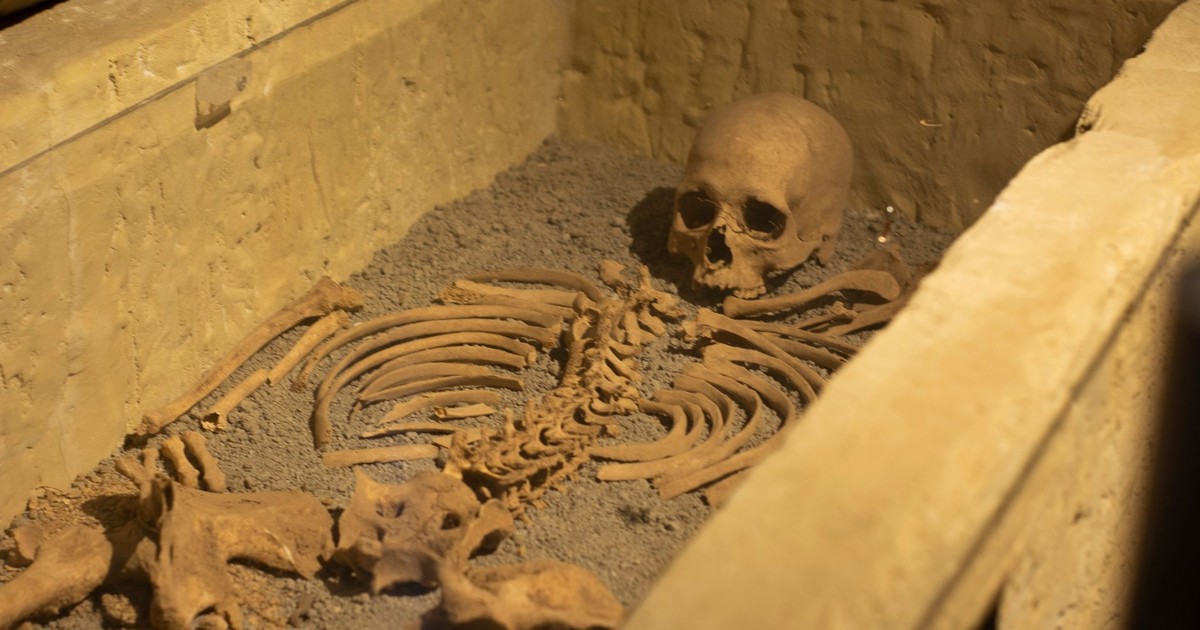
The shift to agriculture did not come without physical cost. The negative effects of settling into farming showed up in an increased prevalence of infectious, metabolic, and nutritional deficiency diseases, favored by sedentary lifestyles, growing populations, and close contact with domesticated animals.
The gut changed too. Hunter-gatherers couldn’t digest milk into adulthood, they had no need to. DNA analysis has shown that ancient Europeans remained intolerant to lactose for 5,000 years after they adopted agricultural practices and 4,000 years after the onset of cheese-making among Central European Neolithic farmers. The ability to drink milk as an adult spread slowly, driven by the selective advantage it gave to people in populations that kept cattle.
Two Routes Into Europe
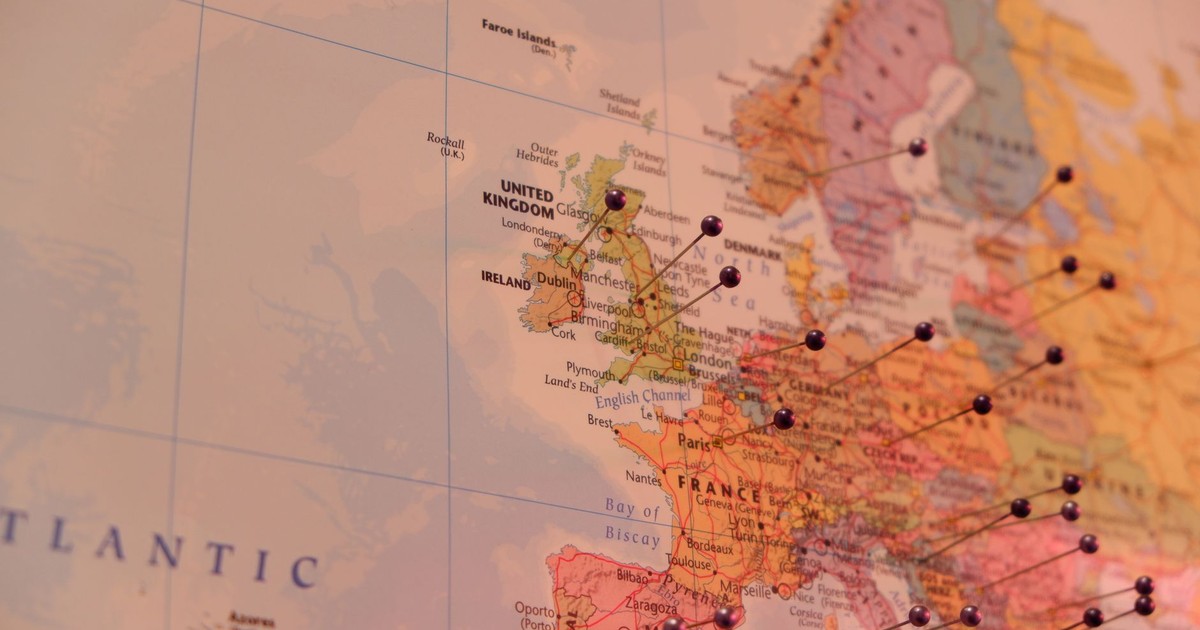
The Anatolian farmers didn’t enter Europe through a single corridor. The evidence points to at least two distinct routes. One went overland through southeastern Europe, following river valleys northward and westward into Central Europe. The second was maritime, a sea-borne colonisation along the Mediterranean coast, island-hopping through Cyprus and the Aegean before reaching the Iberian Peninsula. Genetic affinities between ancient Near Eastern farmers and modern populations in Cyprus and Crete suggest that the Neolithic was first introduced into parts of Europe through pioneer seafaring colonisation.
The two streams eventually merged, but they left distinct genetic traces. Mediterranean European populations today carry a somewhat different ancestral blend from their Northern and Central European counterparts, partly as a result of which farming route reached them first.
The Yamnaya: Europe’s Third Wave
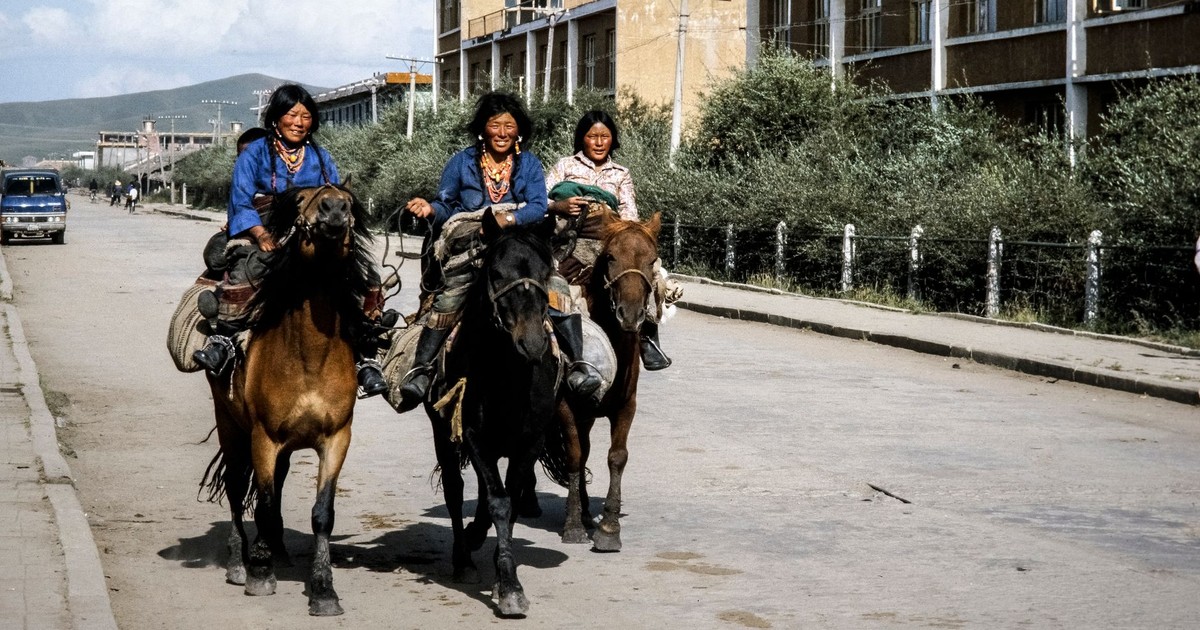
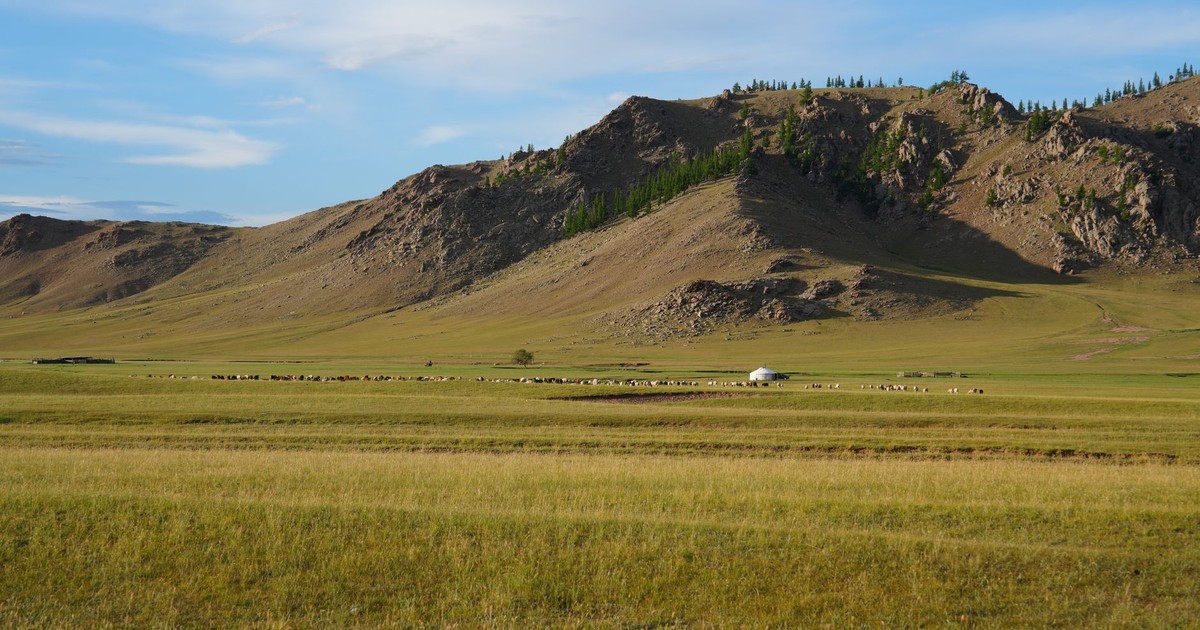
Around 5,000 years ago, pastoralists of the Yamnaya culture from the Pontic-Caspian steppe, a vast grassland stretching across eastern Europe and central Asia north of the Black and Caspian seas, rode west into Europe and transformed the cultural and genetic character of the continent permanently.
They were herders, not farmers. They kept cattle and horses, lived in wheeled wagons, and buried their dead under mounds of earth called kurgans. They were extraordinarily mobile. The migration of the Yamnaya population has been estimated to have been two times faster than the Anatolian early farmer migration into Europe a few thousand years earlier.
How Completely the Yamnaya Reshaped Europe
Within a few centuries of the Yamnaya’s arrival, the genetic composition of the Rhine-Meuse region was completely overturned. Less than 20% of the ancestry of people living there 4,400 years ago traced back to earlier farmers and hunter-gatherers. At least 80% of their ancestry was now from the steppe.
Nearly half of modern Europeans can trace their ancestry back to the Yamnaya people. In Eastern Europe, that proportion is higher still. Populations including Russians and Ukrainians show Yamnaya genetic contributions ranging from approximately 42.8% to 50.4%.
Where the Yamnaya Came From
For years, the origin of the Yamnaya themselves was unclear. Hunter-gatherers from the Middle Don region contributed ancestry to them, which means they were themselves the product of earlier mixing, not a population that appeared from nowhere.
A 2025 study in Nature put significant detail on the picture, using ancient genomes from modern Ukraine and Russia to trace the pre-Yamnaya populations that eventually coalesced into this world-changing group, revealing the origins of pastoralists who migrated from the Eurasian steppe to Europe 5,000 years ago, spreading their ancestry, culture, and probably their language.
The Corded Ware Culture
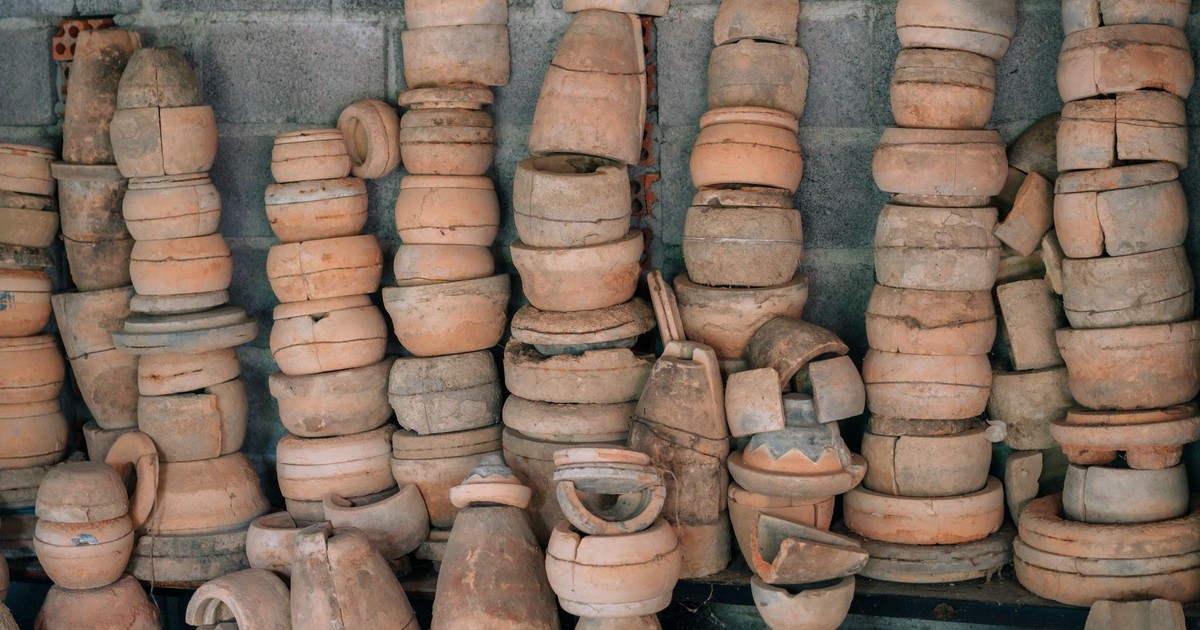
The Yamnaya didn’t enter Europe as the Yamnaya. By the time their descendants reached central and northern Europe, they had transformed into what archaeologists call the Corded Ware culture, named for the distinctive cord impressions on their pottery. Around 4,600 years ago, a new wave of pastoralist-farmers from the Russian steppe began moving into the Rhine area under this cultural identity.
The genetic data on sex composition during this migration is striking. Research on ancient X chromosomes suggests that for every female migrant, there may have been somewhere between four and fifteen male migrants from the steppe arriving in Central Europe. It was not a balanced migration in demographic terms, it was predominantly men moving into territories where farming populations already lived.
The Bell Beaker Phenomenon
As growing numbers of steppe migrants moved in from the east, they were transformed, through processes that researchers still don’t fully understand, into what is known as the Bell Beaker culture. The Bell Beaker people are named for their distinctively shaped pottery, found in graves from Iberia to eastern Europe and up into Britain.
The Bell Beaker people rapidly expanded and rippled out in all directions, creating the Bronze Age of central Europe. They also spread across the English Channel and throughout Britain, extending as far north as Orkney. In Britain, the genetic replacement was so thorough that within a few centuries, the island’s Neolithic farming population had been almost entirely replaced.
Language Follows DNA

A study published in Nature traced the genetic origin of Indo-European speakers, finding that Yamnaya steppe migrations had the largest effect on European human genomes of any demographic event in the last 5,000 years and are widely regarded as the probable vector for the spread of Indo-European languages. The connection between the steppe expansion and the spread of languages, including the ancestors of English, German, French, Spanish, Greek, Russian, and dozens of others, is one of the most significant arguments in the ancient DNA debate.
The words you are reading now trace back, in part, to the same steppe pastoralists who poured into Europe five millennia ago.
The Role of Women in Spreading Farming
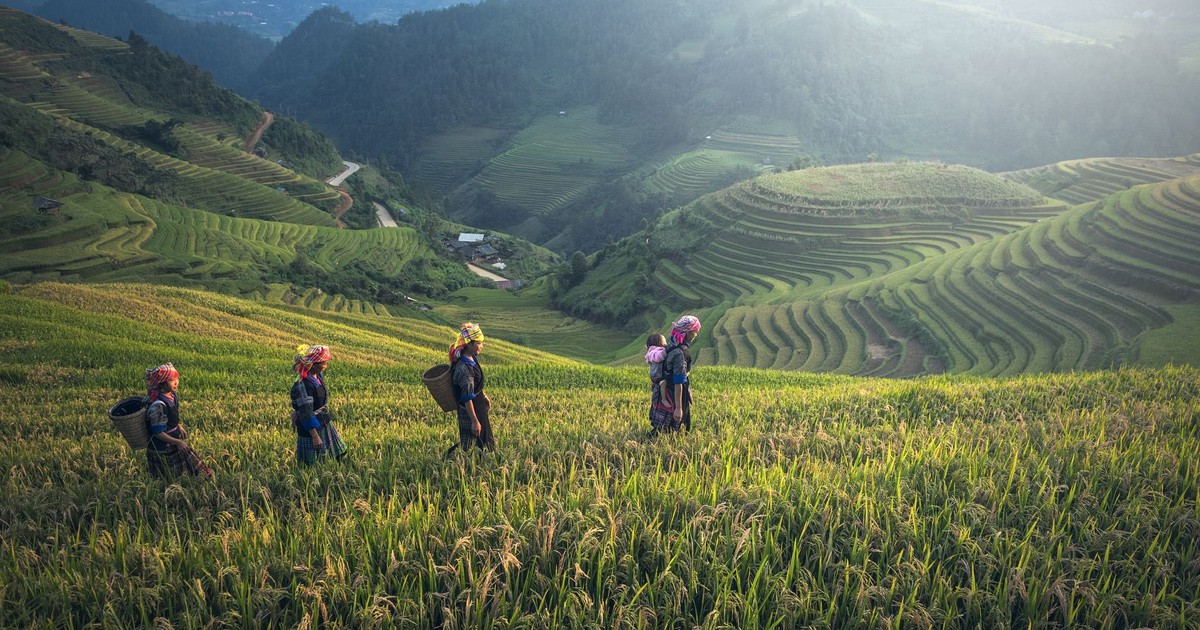
The story of Europe’s genetic transformation is not only about mass migrations of warriors and herders. New DNA evidence shows that women played a crucial role in spreading farming across northwestern Europe. Centuries later, the arrival of Bell Beaker migrants triggered another sweeping population transformation that extended to the Atlantic coast.
The picture emerging from recent research shows that female migration patterns differed from male ones at different moments in prehistory. During the Neolithic farming expansion, women from Anatolian farming communities moved into Europe as part of family groups, bringing agriculture with them. During the later steppe expansion, the pattern shifted: men arrived in larger numbers first, with mixed-sex groups following over subsequent generations.
Southeastern Europe: The Crossroads
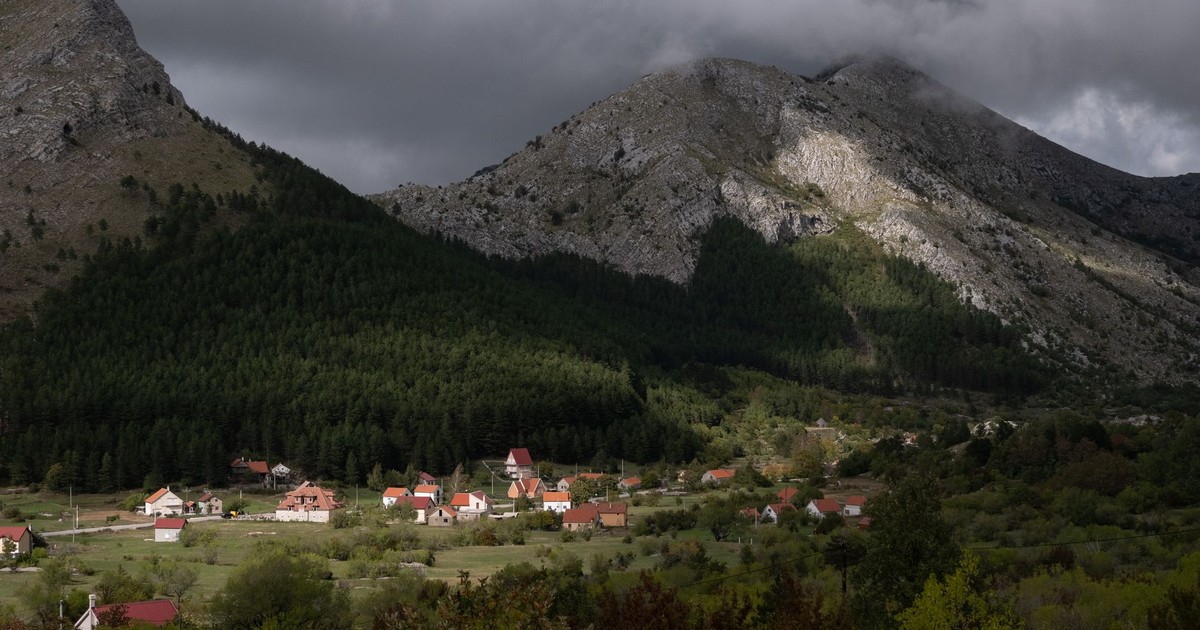
Southeastern Europe was a major nexus and genetic contact zone between East and West during prehistoric times. It was the place where the Anatolian farmers entered Europe, where the first mixing between farmers and hunter-gatherers occurred at scale, and later where steppe ancestry filtered in from the northeast. Its populations carry, in layered form, the clearest record of all three migration events.
The genetic diversity of modern Balkan populations reflects that history directly. They carry older proportions of both hunter-gatherer and early Anatolian farmer ancestry than many Western Europeans, and their steppe ancestry arrived through routes that differed from those affecting Central and Northern Europe.
Ancient DNA and the Science That Made It Possible

None of this was knowable until recently. Two papers published in Nature in February 2018 more than doubled the number of ancient humans whose DNA had been analyzed and published, reaching 1,336 individuals, up from just 10 in 2014.
The techniques involved are genuinely difficult. Ancient DNA degrades rapidly, especially in warm climates. The most reliable extractions come from the dense petrous bone of the skull, which preserves genetic material far better than most other tissues. Even then, researchers work with fragmented sequences that must be painstakingly reconstructed. Contamination from the DNA of the people handling the bones is a constant risk. The field has had to develop its own methodology almost from scratch.
What Modern Europeans Actually Carry
Every modern European is, in genetic terms, a mixture of all three migration waves: hunter-gatherer, Anatolian farmer, and steppe ancestry, in proportions that vary by region. From approximately 5,000 years before present, an ancestry component related to Early Bronze Age steppe pastoralists rapidly spread across Europe through the expansion of the Corded Ware culture and related groups.
Northern and Central Europeans tend to carry higher proportions of steppe ancestry. Southern Europeans, particularly those from the Iberian Peninsula, Italy, and Greece, retain more Anatolian farmer ancestry, with the steppe signal slightly less dominant. Sardinians are a special case: their relative isolation preserved a particularly high proportion of early Neolithic farmer ancestry, making their genomes invaluable reference points for researchers mapping the original Anatolian contribution.
The Multiple Sclerosis Connection
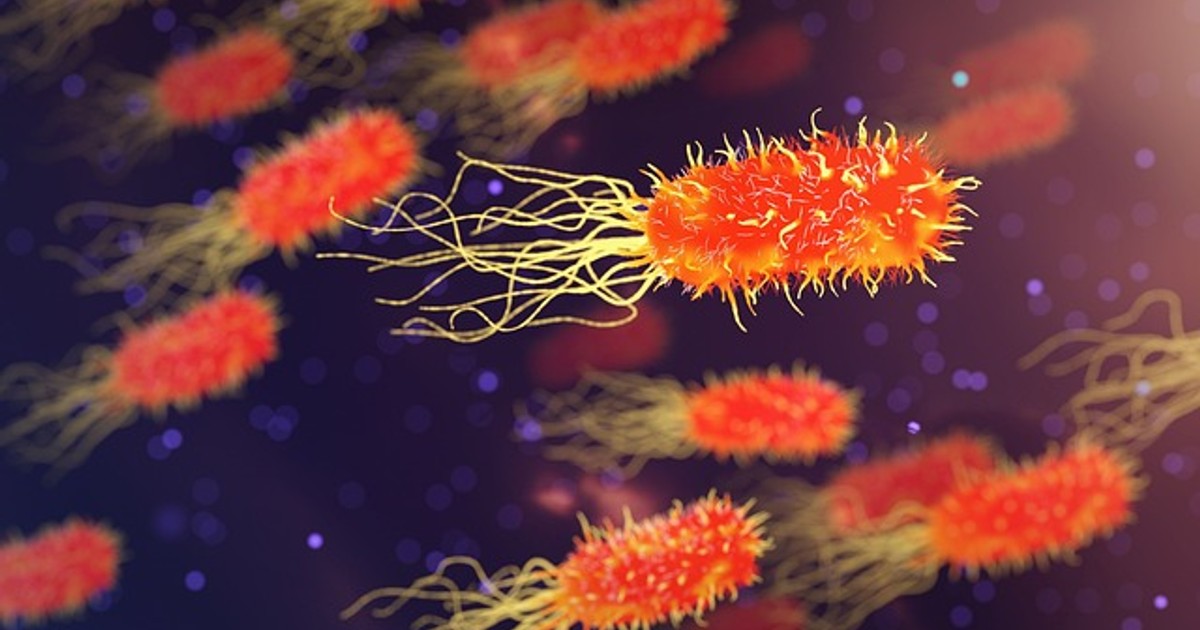
One of the more unexpected findings from ancient DNA research concerns autoimmune disease. Researchers have created the world’s largest ancient human gene bank by analyzing the bones and teeth of almost 5,000 humans who lived across western Europe and Asia up to 34,000 years ago, and one significant finding relates to the elevated rates of multiple sclerosis and Alzheimer’s disease in European populations. The genetic variants that predispose people to MS appear to have arrived with the steppe migrants. They may have offered protection against livestock-transmitted infections in pastoral communities, useful on the steppe, costly in modern populations.
Migrations Never Fully Stop
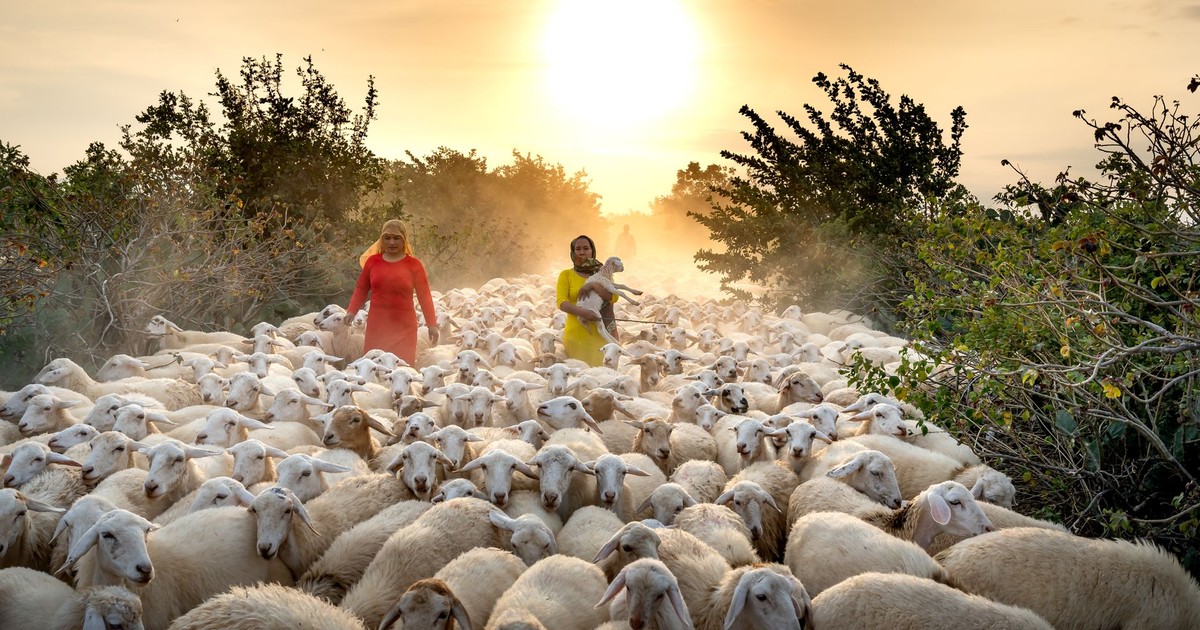
A data analysis method called Twigstats, developed by scientists at the Francis Crick Institute, allows the differences between genetically similar groups to be measured more precisely, revealing previously unknown details of migrations in Europe. Researchers applied the new method to over 1,500 European genomes from people who lived primarily during the first millennium AD, encompassing the Iron Age, the fall of the Roman Empire, the early medieval Migration Period, and the Viking Age.
The three-wave model is not a complete picture, it describes the foundations. On top of those foundations, subsequent migrations layered in Roman-era movements, Germanic expansions, Viking diaspora, Slavic spreads, and the complex population shifts of medieval Europe. Each added new variation. The Slavic expansion alone, now documented through ancient DNA, replaced more than 80% of the local gene pool in parts of Eastern Germany, Poland, and Croatia during the sixth to eighth centuries CE.
The Collapse of the “Pure European” Myth
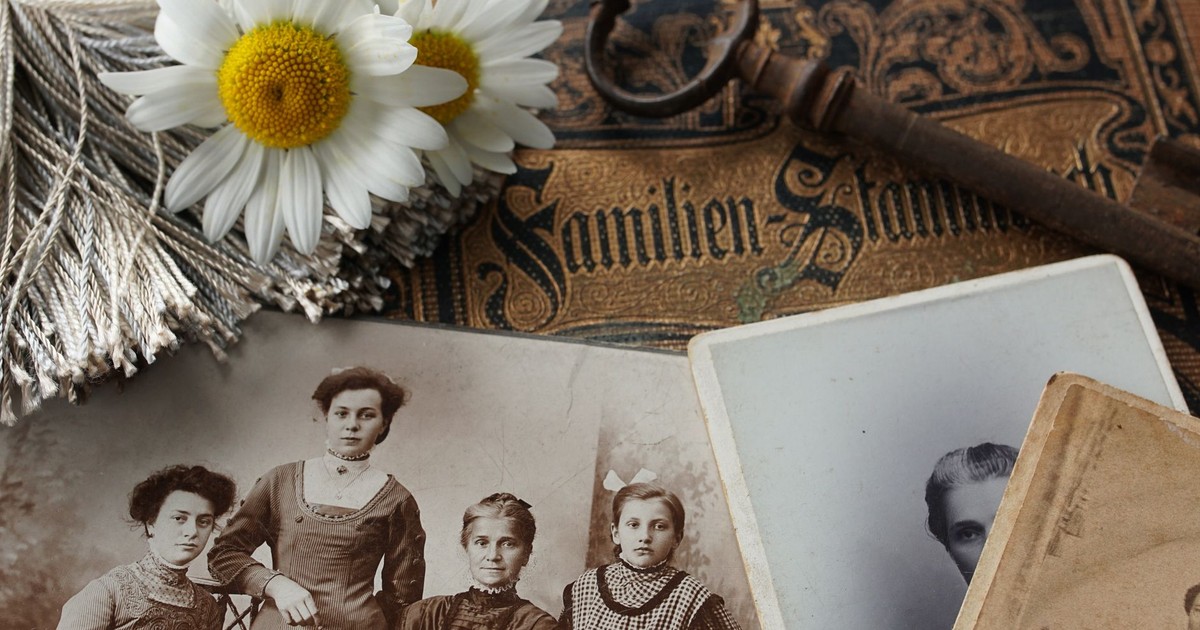
Genetic tests of ancient settlers’ remains show that Europe is a melting pot of bloodlines from Africa, the Middle East, and today’s Russia. The idea that any European population has been genetically stable and unchanged since time immemorial is not supported by any ancient DNA evidence anywhere on the continent. Every population tested carries the marks of movement, mixing, and replacement.
This is not a politically convenient or inconvenient finding, it’s simply what the data says. The people who built Stonehenge were genetically replaced by Bell Beaker migrants. The people who painted the caves at Lascaux left little direct genetic trace in modern French people. Europe’s “natives,” at every layer of its past, were themselves immigrants from somewhere else.
What the DNA Can’t Tell Us
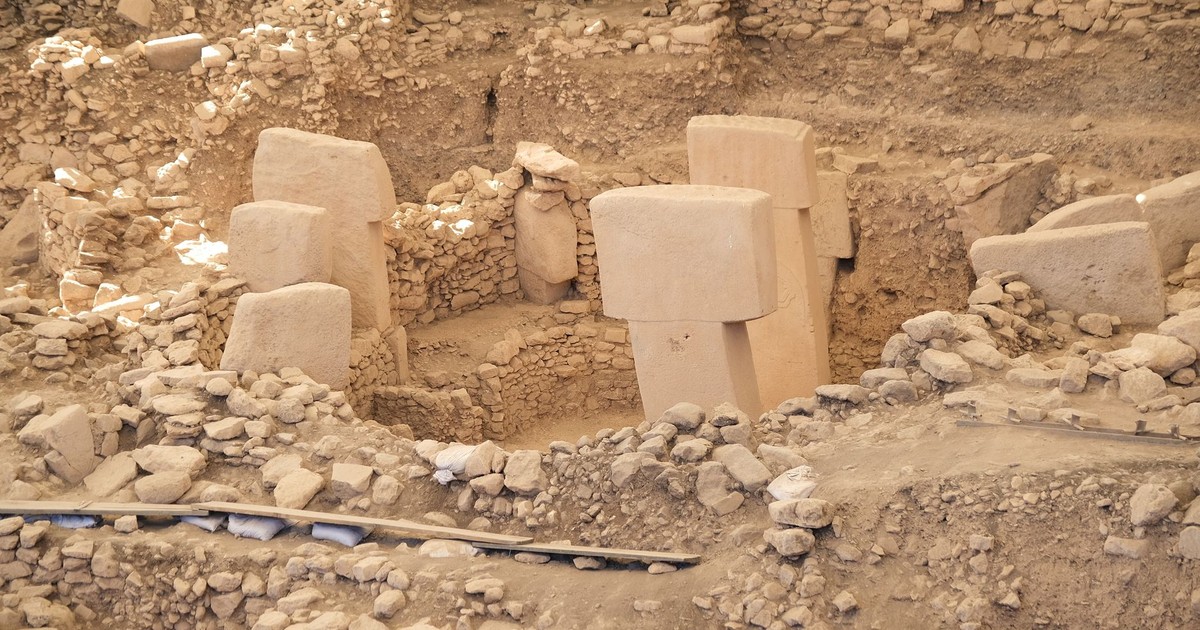
Genes carry a great deal of information, but they have limits. They can tell us where people came from and how populations mixed, but they don’t tell us what languages pre-Neolithic Europeans spoke, what their spiritual lives looked like, or what they understood about the world. The genetic record and the archaeological record often don’t align neatly, a cultural practice can spread without a migration, and a migration can happen without a culture visibly changing.
There’s also the problem of sampling. Ancient DNA research depends entirely on which bones survive, in which conditions, and which have been excavated and sequenced. Large parts of Europe, particularly the warmer, wetter south, are underrepresented in the current dataset simply because DNA degrades faster there. Every new find reshapes the picture.
What It All Adds Up To
The current understanding of Europe’s first settlers is not a tidy story. Multiple waves of people moved across a continent over tens of thousands of years, encountering, mixing with, and sometimes displacing those who came before them. The people who arrived 40,000 years ago are not the same as the people who farmed the continent 8,000 years ago, who are not the same as the people who swept in from the steppe 5,000 years ago. Modern Europeans carry pieces of all three, and the proportions depend on where in Europe you were born.
Ancient DNA research has made the past genuinely strange again. The hunter-gatherer with dark skin and blue eyes sitting by a fire in a Spanish cave 7,000 years ago was not a primitive prototype of the people who live in Europe now. He was a full human being carrying a specific genetic history, living in a world that would be transformed beyond recognition within two thousand years. The Yamnaya herders who drove their wagons west across the steppe were not an invading force by any simple definition, they were a population in motion, as populations have always been, reshaping the world they moved through.
Some of these stories go back further than written history can reach. Naming the three waves isn’t a conclusion, it’s the frame through which the real complexity starts to come into view.
Disclaimer: This information is not intended to be a substitute for professional medical advice, diagnosis, or treatment and is for information only. Always seek the advice of your physician or another qualified health provider with any questions about your medical condition and/or current medication. Do not disregard professional medical advice or delay seeking advice or treatment because of something you have read here.
AI Disclaimer: This article was created with the assistance of AI tools and reviewed by a human editor.