
The painting has been sitting on a rock shelter wall in South Africa’s Free State Province for at least two hundred years. Most of the figures around it are recognizable: warriors, animals that would have grazed within a day’s walk of the site. But one creature sits apart from all of them. Long-bodied, short-legged, spotted, with two heavy tusks curving sharply downward from its snout. Nothing like it has ever walked this region in recorded history.
Scientists have been puzzled by the image for decades. Every known animal from the area, past and present, fails to account for those tusks, that body shape, that odd combination of features. For a long time, the assumption was that it must be a spiritual or mythological figure. Something the painters imagined. A creature of the mind, not the earth.
Then a paleontologist from Johannesburg visited the site in 2024, looked at the painting, looked at the ground, and found something that changed the question. The answer had been eroding out of the hillside for centuries, right under the painters’ feet.
The Horned Serpent Panel and Its Unexplained Visitor
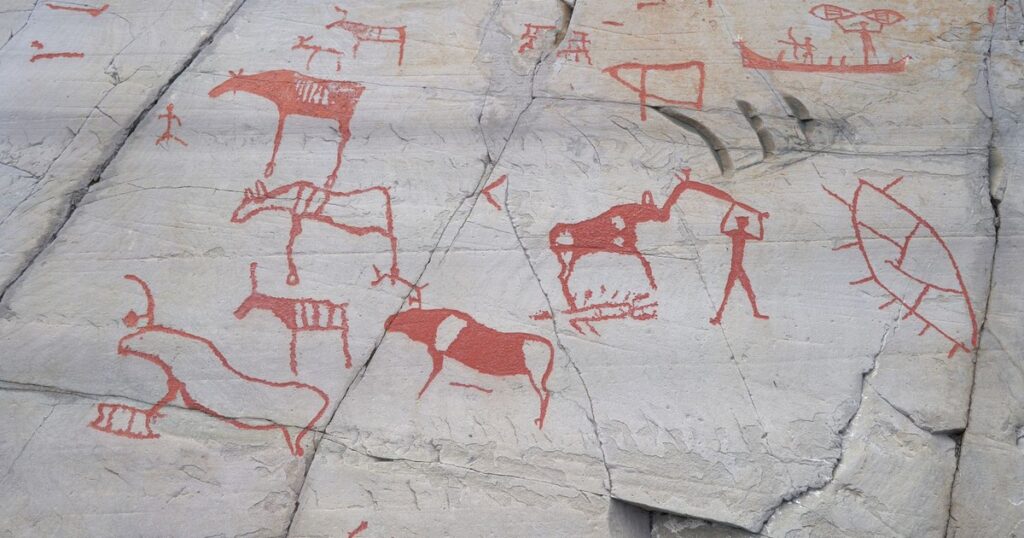
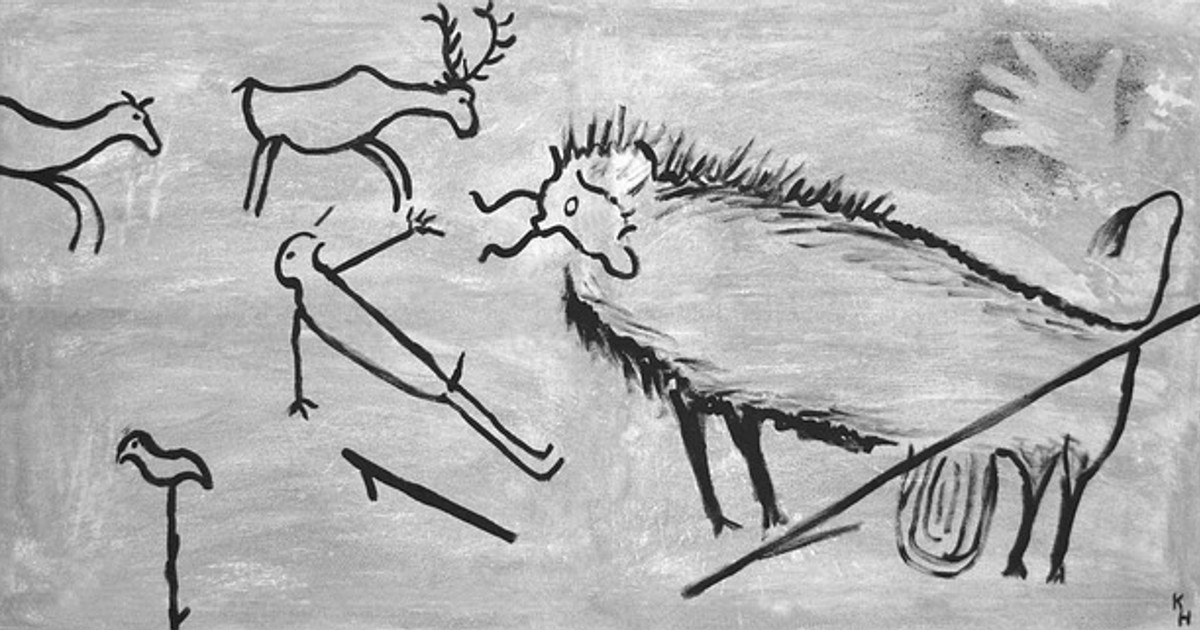
The Horned Serpent panel is a section of rock wall featuring artwork of animals and other cultural elements associated with the San people of South Africa, originally painted between 1821 and 1835. It sits at a site called La Belle France, in the Karoo Basin, and it takes its name from a central serpentine figure that curves across the stone. Among the painted figures is a long-bodied animal with downward-turned tusks which doesn’t match any known modern species in the area.
The creature has a long body, spotted skin, and what appear to be two large tusks pointing down. It bears an uncanny resemblance to a walrus, an animal that has never lived anywhere near this region’s arid plains.
What the San Knew and What Scientists Didn’t

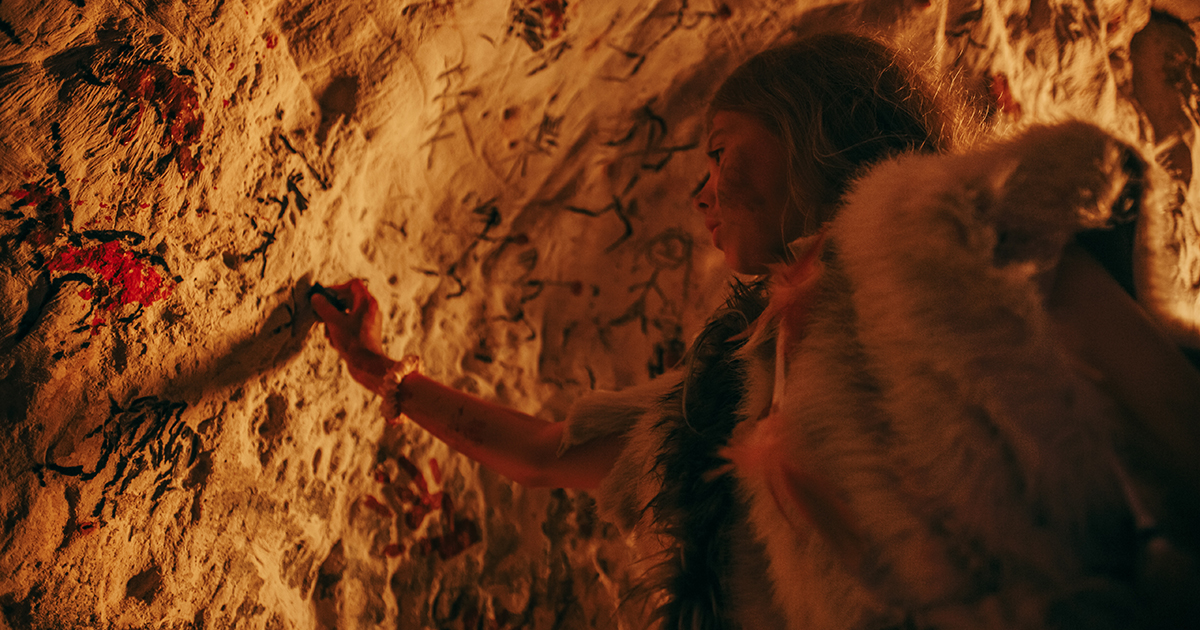
The San people of southern Africa are one of the oldest continuous cultures on Earth, and their rock art is not random decoration. Across thousands of sites, they recorded the animals they hunted, the ceremonies they performed, and the spiritual beings they believed governed rain, sickness, and death. When they painted a creature, it meant something: either something they had seen, or something that held deep significance in their belief system.
According to colonist accounts, a local San myth tells of large animals, bigger than hippos or elephants, that once roamed the area. The panel pictures a tusked animal with a head that resembles that of a dicynodont, the fossils of which are abundant and conspicuous in the Karoo Basin.
That alignment between the painting and the myth is what first caught the attention of Julien Benoit, a researcher at the Evolutionary Studies Institute at the University of the Witwatersrand in Johannesburg.
The Researcher Who Connected the Dots
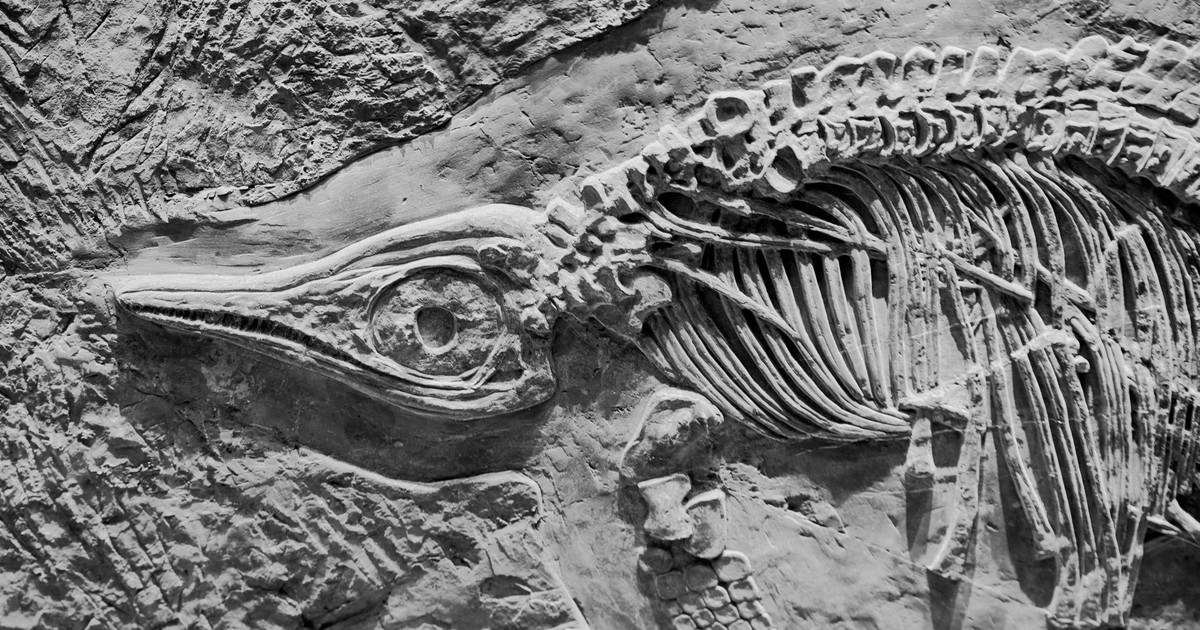
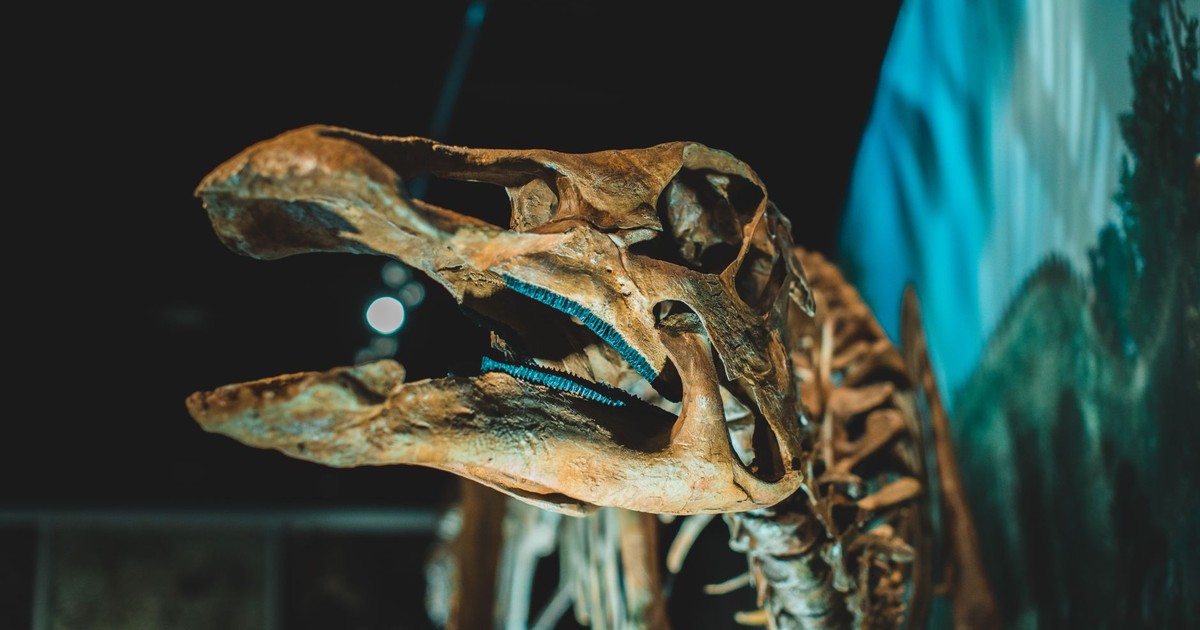
When Benoit came across a book about San rock art and saw a reproduction of the tusked animal, he immediately thought it could be a dicynodont. He needed to see the original painting with his own eyes. A 2024 study in PLOS ONE by Benoit examined the case for the painted animal being a dicynodont. Dicynodonts were ancestors of mammals, but they appeared more like reptiles and sported beaks and tusks. They walked the Earth with the earliest dinosaurs and went extinct around 200 million years ago.
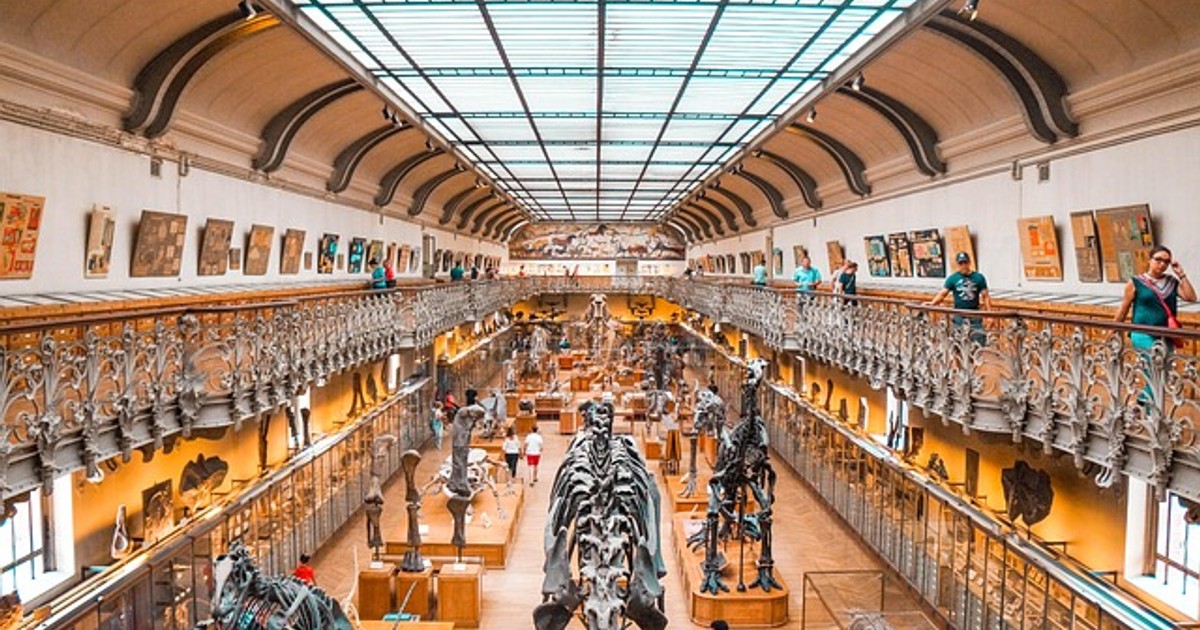
The Karoo Basin makes the idea plausible. Benoit noted that therapsid fossils are abundant and diverse in the Karoo Basin, where the Horned Serpent Panel is located, including 250-million-year-old fossils of dicynodonts found near the La Belle France site. In many cases, their skulls are naturally exposed by erosion in spectacular ways, making them easy to find and collect, and their tusks are so conspicuous that their anatomy is not difficult to interpret, even to the untrained eye.
What Is a Dicynodont?
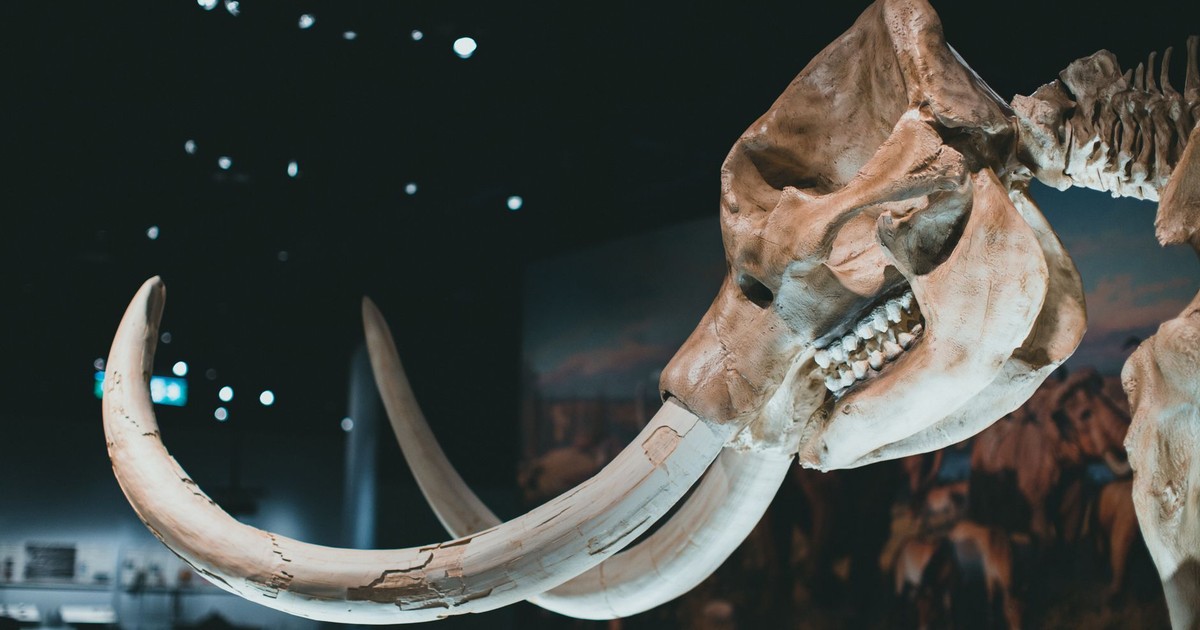
The word sounds intimidating, but the creature itself is almost easy to picture. Think of a stocky, barrel-bodied animal roughly the size of a large pig, low to the ground, with a beak instead of teeth, and two prominent downward-sweeping tusks projecting from the upper jaw. They weren’t predators. They were grazers, moving through a landscape that would become the Karoo long before any human footprint touched African soil.
Dicynodonts generally lived from around 270 million to nearly 200 million years ago. They were among the dominant large land animals of their era, and then the end-Triassic extinction event swept most of them away. By the time the San were mixing ochre and painting on rock walls, dicynodonts had been gone for roughly 199.8 million years.
The Evidence on the Ground
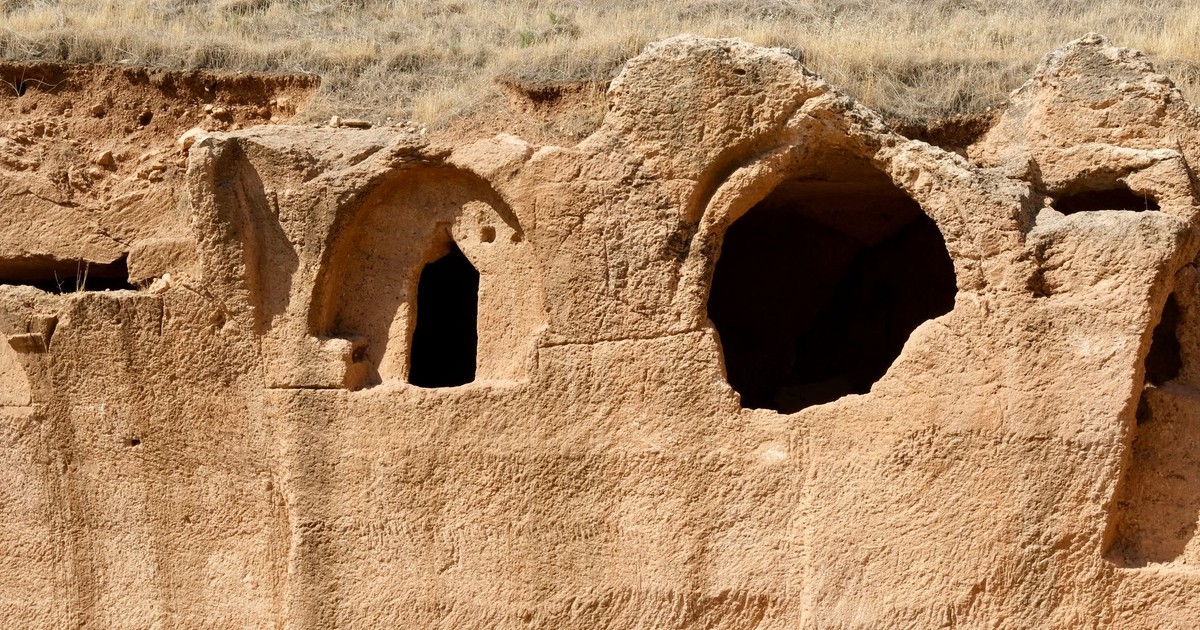
When Benoit visited La Belle France to examine the site in person, the ground helped his case. He reported unidentified fossil fragments from four-limbed animals in loose rock and bedrock about 165 feet north of the panel. Those pieces were not identified as dicynodont remains, but fossil-rich layers containing dicynodonts occur within roughly 6 to 8 miles.
Researchers have found San stone tools on several eroding outcrops containing dicynodont fossils. Those sites lie within 100 kilometers of the Horned Serpent panel. The tools suggest the San weren’t just passing through those fossil-rich outcrops, they were stopping, working, spending time. Whether they were collecting fossils deliberately or simply noticed the strange bones while making tools, the proximity is hard to dismiss.
A Painted Body Covered in Spots
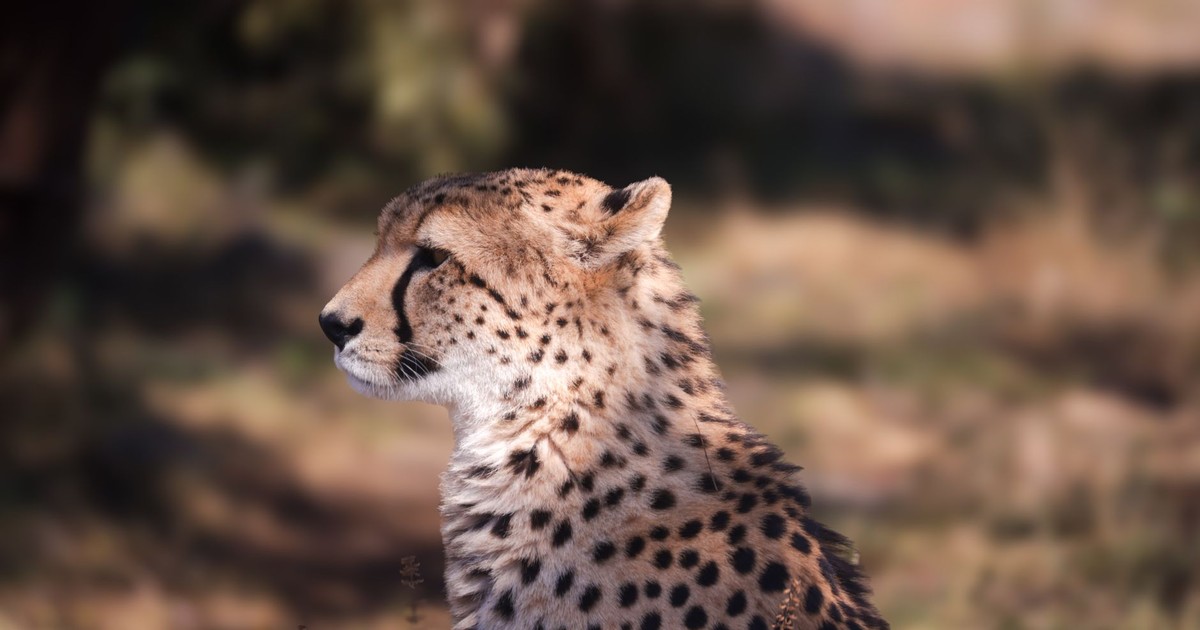
The creature’s body is covered in dots, almost polka-dot markings across its skin. According to Smithsonian Magazine, the painted creature certainly has tusks, and its polka-dots may be in reference to the animal’s bumpy skin, which was preserved on some fossils. Some dicynodont fossils preserve impressions of skin texture, a rare occurrence, and those impressions show a bumpy, knobbed surface that, to someone looking at a partially eroded skull and body impression weathering out of sandstone, might well read as spots or circular markings.
The spotted patterning, combined with the body shape and the tusk orientation, starts to feel like observation rather than invention.
The Spiritual and the Scientific Are Not Opposites

Benoit himself argues: “Even if one considers that the Horned Serpent panel has a purely spiritual meaning, it does not invalidate the hypothesis that the tusked animal itself may have been imagined based on a dicynodont fossil.” The spiritual and paleontological interpretation of this painting are not mutually exclusive.
The tendency in Western scholarship has been to treat indigenous spiritual imagery as categorically separate from empirical observation, as if a painting can either be science or mythology, but not both. The San tradition suggests that division was never theirs to make. The fossil was real. The myth grew around it. Both things can be true at once.
The Rain-Animal Connection

The dicynodont may have been depicted as a “rain-animal,” a mythical creature in San cosmology. The rain-animal is one of the most significant figures in San spiritual life, a powerful being associated with storms and water, whose capture by a shaman in trance could bring rain to drought-stricken land. The San painted rain-animals frequently, and they were often depicted as large, heavy, water-associated creatures.
Benoit argues that the rock wall painting of a toothed creature made by the ǀXam-ka ǃʼē people is suggestive of a “geomyth,” an oral or written tradition used to explain geological events and phenomena, like fossils or natural features of the landscape. If a community kept finding the skulls of enormous tusked animals eroding from the earth, it would be entirely natural to weave those animals into existing spiritual frameworks. The bones needed an explanation. The rain-animal framework provided one.
A Timeline That Upends the History of Science
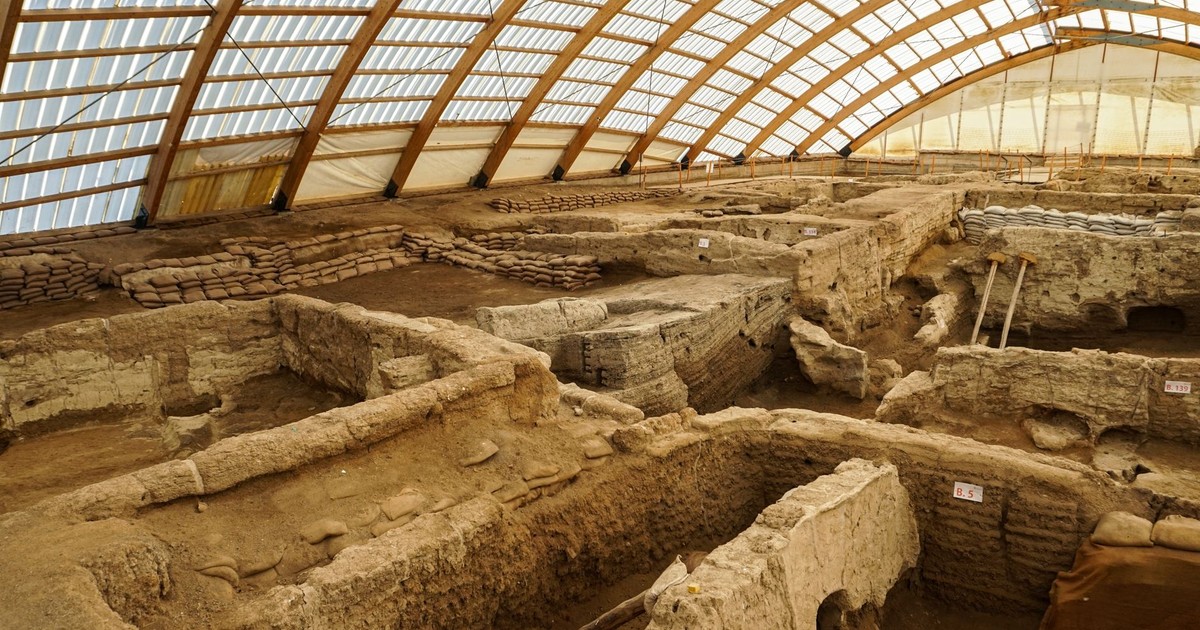
The Karoo Basin of South Africa is famous for abundant well-preserved fossils, including tusked animals called dicynodonts, which are often found eroding out of the ground. As EurekAlert reported in the official press release for the study, Benoit stated: “The painting was made in 1835 at the latest, which means this dicynodont was depicted at least ten years before the western scientific discovery and naming of the first dicynodont by Richard Owen in 1845. This work supports that the first inhabitants of southern Africa, the San hunter-gatherers, discovered fossils, interpreted them and integrated them in their rock art and belief system.”
If Benoit is right, Indigenous artists reconstructed an extinct creature before Western scientists formally described the first dicynodont in 1845. The formal scientific discipline of paleontology, with its named species and published descriptions, was operating under the assumption that it was the first to notice these things. A peer-reviewed challenge published in 2026 argues the evidence is not yet strong enough to support that conclusion.
Not Everyone Is Convinced

Earth.com reported that rock-art researcher David Witelson argued in a peer-reviewed paper that the panel does not provide convincing evidence of a dicynodont reconstruction. His assessment says the supporting rock-art and myth evidence is insufficient and that stronger methods are needed before such a conclusion can stand. His central objection was visual: the supposed tusks may be a separate, inverted U-shaped mark beneath the creature’s chin rather than teeth attached to its mouth. He also argued that weathering and digital enhancement made the marks look more connected than they appear on the original rock.
That skepticism is legitimate. Benoit’s hypothesis rests on visual comparison and circumstantial evidence: the similarity between the painted figure and known dicynodont anatomy, the presence of fossils in the general area, and the alignment with San mythology. None of these individually constitute proof. The painting could represent a purely imagined spiritual creature that happens to share features with an animal it was never based on. Visual resemblance, in interpretation of ancient imagery, can mislead as easily as it can illuminate.
Indigenous Paleontology: A Growing Field
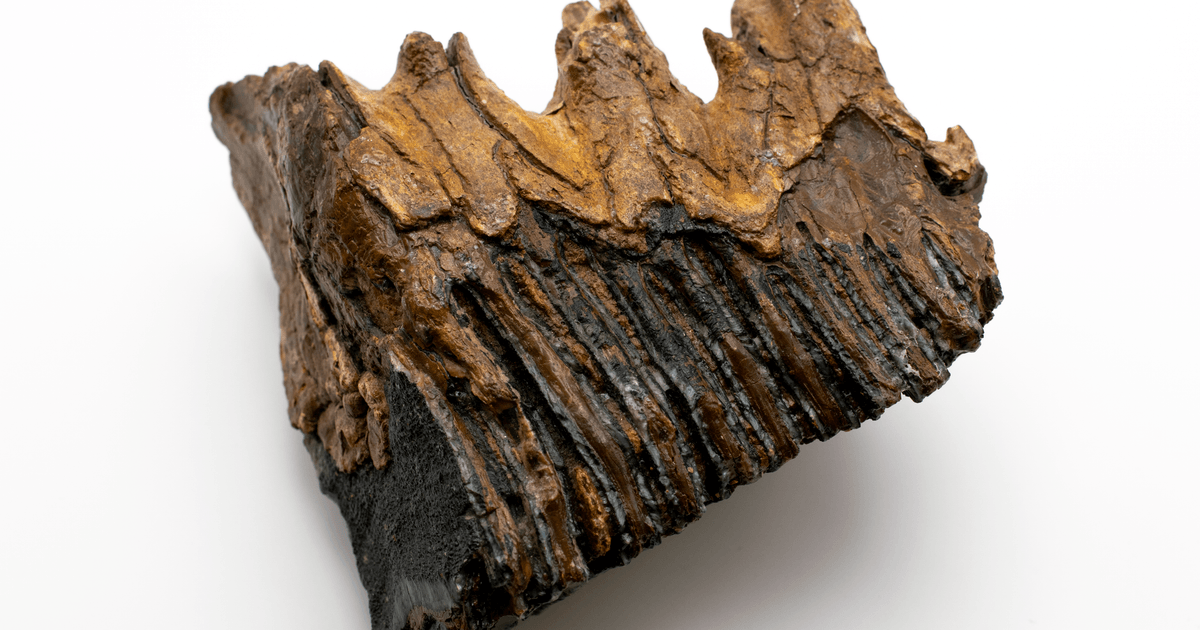
This case in South Africa is part of a broader recognition that Indigenous cultures around the world engaged with fossil evidence long before European scientific institutions did. Archaeological evidence suggests that San ancestors found and transported fossils like these over great distances. The deliberate collection and movement of fossils implies not just curiosity but active engagement: these were objects considered worth carrying, worth keeping.
The study, published in PLOS ONE in September 2024, adds to a small but growing body of research that takes Indigenous knowledge systems seriously as sources of scientific observation. Finds like this one reshape the history of discovery, not as a single timeline running from ancient ignorance to modern knowledge, but as multiple parallel traditions of observation, each developing its own methods for understanding the natural world.
The Lascaux “Unicorn”: France’s Own Unexplained Figure
The San painting is not the only ancient cave art showing creatures that science has struggled to place. The Lascaux Cave in southwestern France, discovered in 1940, contains approximately 600 paintings across its galleries, and among them sits one of prehistoric art’s most persistently baffling figures. The famous Lascaux Cave contains one of prehistoric art’s most enigmatic figures, an animal dubbed the “Lascaux unicorn.” Created approximately 17,000 years ago, this creature features a long, straight horn or antler projecting forward from its head, along with a stocky body and distinctive markings. For decades, archaeologists and zoologists have debated its identity, with theories ranging from a stylized horse or deer to a completely extinct species. Some researchers propose it could represent a now-extinct form of rhinoceros, while others suggest it might be a composite creature with symbolic rather than literal meaning.
The “Unicorn” That May Have Been a Real Animal
Among the most remarkable pictures at Lascaux are huge depictions of aurochs, a two-horned animal nicknamed the “unicorn,” red deer with fantastic antlers, numerous horses, the heads and necks of several stags, a series of six felines, two male bison, and a rare narrative composition. The “unicorn” designation is informal: the unicorn bears little resemblance to the legendary animal of that name. It even has a pair of straight horns. Its body appears awkward with a pregnant belly, heavy legs, a short tail, a hump on its back, and a head with one eye. Its back is decorated with half a dozen black ovals.
The current leading theory links it to Elasmotherium sibericum, a massive Eurasian rhinoceros once thought to have gone extinct long before humans arrived in Europe. More recent fossil finds have revised that timeline, showing the animal may have still been alive 29,000 years ago, well within the range of the Lascaux painters. The spotted markings on the Lascaux figure, the Karoo painting, and many other ancient cave art animals seem to carry meaning the painters considered important. Whether those spots recorded real skin texture, symbolic significance, or both remains open.
The Lion-Man of Hohlenstein-Stadel
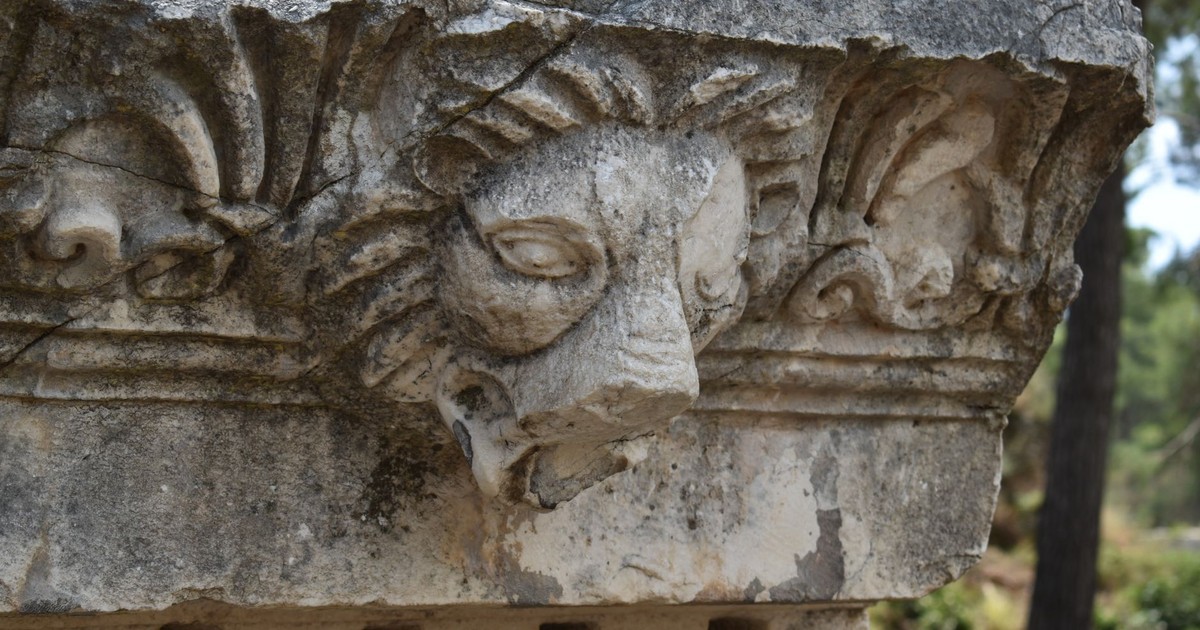
Notable examples of composite creatures in Paleolithic art include the “lion-man” of the Hohlenstein-Stadel, which is 40,000 years old, the “bird-man” panel in the Lascaux cave, and figures found in San rock art in South Africa, including a male figure with the head and hooves of an antelope, holding on to the tail of a large beast. The lion-man, carved from mammoth ivory in what is now Germany, stands about a foot tall and shows a human body with an unmistakably feline head. No culture in that region at that time had any written language, no record of what this figure meant or how it was used. It is simply there, 40,000 years old, asking a question no one living can answer.
Chauvet Cave’s Unexplained Composite

Chauvet Cave in southeastern France has drawings and engravings that date to around 32,000 years ago. The cave’s interior includes images of horses, bears, lions, rhinoceroses, deer, panthers, bison, owls, and mammoths. There is one enigmatic image that shows the lower half of a woman’s body alongside what appears to be a bison. The figure is rendered in detail precise enough to be intentional, ambiguous enough that scholars have argued about its meaning for decades. Is it a transformation scene? A fertility image? A depiction of a mythological event? The cave offers no clarification.
Chauvet contains more than a thousand paintings and artifacts, including tools and imprints left by artists, indicating a deep connection to the spiritual and natural world. The sheer volume of the site makes clear that whoever used it returned to it repeatedly, over generations. It was not a one-time act. It was a sustained tradition of image-making whose logic is partially, but not fully, legible to modern observers.
When Cave Art Records Real Extinct Animals
Animals Around the Globe reports that in the Kimberley region, rock paintings dated to more than 17,000 years ago depict the Thylacoleo carnifex, or marsupial lion, a powerful predator that disappeared approximately 46,000 years ago. Cave paintings in Chauvet Cave, dated to around 30,000 years ago, show cave lions with distinctive features that differ from modern African lions. The artwork reveals that, contrary to earlier scientific assumptions based solely on skeletal remains, cave lions lacked the prominent manes seen in contemporary lions. This artistic evidence was later confirmed by discoveries of cave lion figures carved in ivory and, more recently, by preserved specimens found in permafrost in Siberia.
The Chauvet cave lions demonstrate that ancient artists could depict extinct animals with genuine anatomical accuracy, details that skeletal remains alone couldn’t provide. The preciseness of these ancient depictions has allowed scientists to reconstruct the appearance and possibly the behavior of this lost species, demonstrating how cave art serves as a form of prehistoric scientific documentation.
The Dot-and-Line Symbols That No One Has Decoded
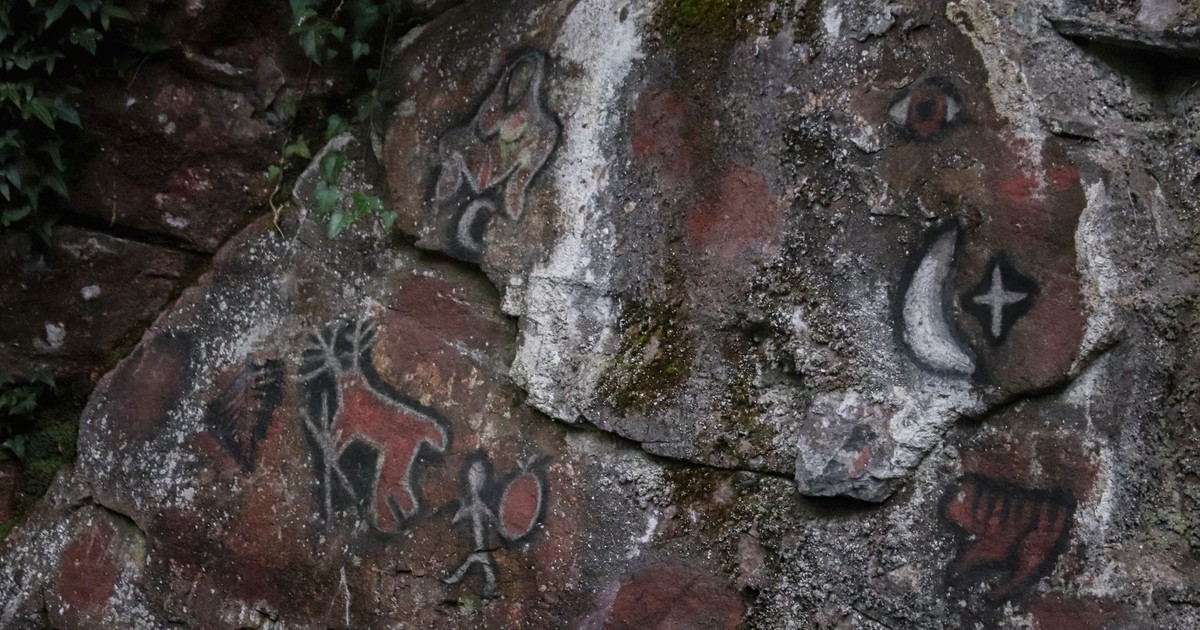
The Lascaux Cave in France is home to some of the most famous prehistoric artwork ever discovered. While the lifelike images of animals are stunning, it’s the strange symbols, dots, geometric shapes, and enigmatic patterns, that intrigue researchers the most. Some believe these markings could be an early form of written language or even an attempt to record celestial events.
These symbols appear at Lascaux, at Altamira in Spain, at Pech Merle in southern France, and at dozens of other sites across Europe. Their recurrence across different sites and centuries suggests they carried shared meaning. But the meaning itself remains sealed. No Rosetta Stone exists for Paleolithic symbol systems. No translator. Just the marks themselves, repeated with a consistency that implies intention without revealing content.
The Bradshaw Figures of Australia
In the Kimberley region of Western Australia, a style of ancient rock art known as Bradshaw paintings, or Gwion Gwion, as the local Ngarinyin people call them, depicts human-like figures in elaborate headdresses and multi-layered clothing. They are thin, elongated, and painted with a technical sophistication that archaeologists have found difficult to date with precision. Some estimates place them between 17,000 and 50,000 years old. The figures wear what appear to be tassels, sashes, and structured garments, at a time when the accepted picture of human material culture doesn’t account for such complexity.
Analysis of pigments used in animal depictions at sites like Font-de-Gaume in France has shown that artists deliberately selected specific mineral compounds to represent different animal species, using reddish ochre for certain herbivores and black manganese for predators or nocturnal animals. The same deliberate, sophisticated approach to material and technique shows up in Australian rock art, underlining that these artists were not making random marks. They were making choices.
Swimming in the Sahara

In Egypt’s Libyan Desert, ancient cave paintings show people swimming, an odd image for one of the driest places on Earth. Scientists believe these paintings may be proof that this now-barren region was once lush and filled with water. The Cave of Swimmers, as it is known, sits in the Gilf Kebir plateau in southwestern Egypt. The figures appear to be doing exactly what the name suggests: floating, moving through water, in an environment that receives almost no rainfall today.
The paintings are estimated to be between 8,000 and 10,000 years old, which aligns with what geologists know about the African Humid Period, a stretch of thousands of years when the Sahara was dramatically wetter, with lakes, rivers, and grasslands covering terrain that is now desert. The cave art is, in this case, a climate record. A community documenting a world that would eventually disappear.
The Sorcerer of Les Trois-Frères
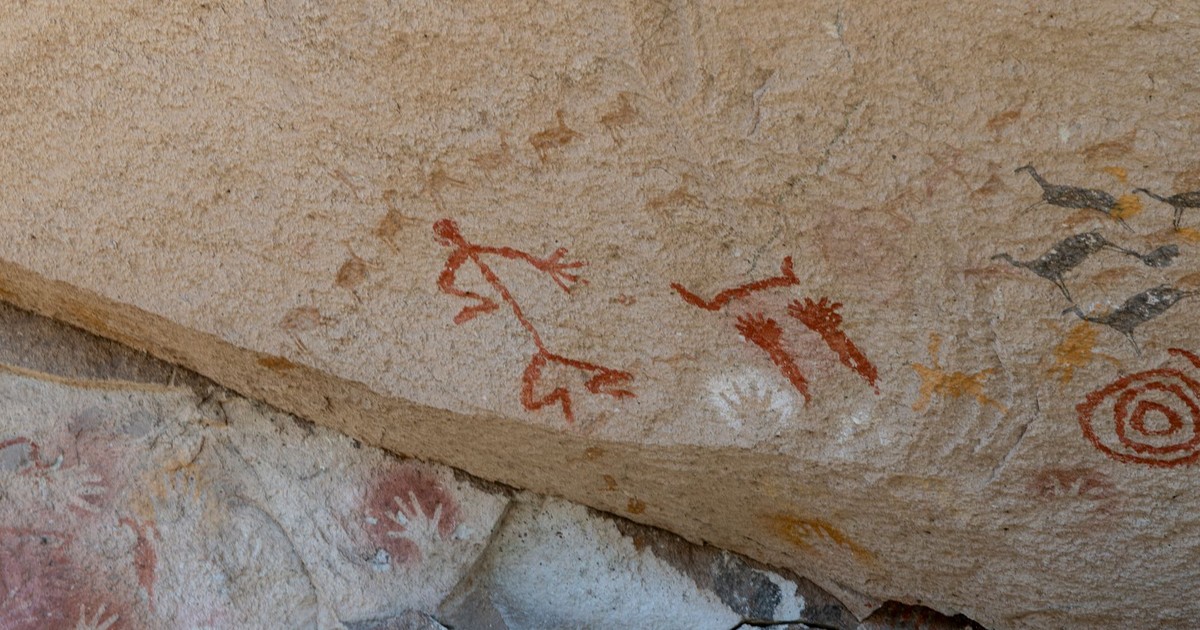
Deep in the cave system of Les Trois-Frères in the French Pyrenees, there is a figure painted high on the wall that looks like nothing else in Paleolithic art. It has the body of a human, the antlers of a stag, the ears of a deer, the eyes of an owl, the tail of a horse, and the paws of a bear. It is known as “The Sorcerer,” though that name was given to it by 20th-century archaeologists, not by the people who painted it. It dates to approximately 13,000 years ago.
The depiction of imaginary creatures suggests a highly developed creative ability amongst many early humans. These artists were not only interested in capturing what they saw in the world around them, but also in creating new worlds and sharing them with their communities, an urge that connects artists of all eras. Whether the Sorcerer was a deity, a shaman figure, a story character, or something without a modern equivalent, it represents a tradition of image-making that operated far outside simple documentation.
What Geomyths Tell Us About Ancient Knowledge

The term Benoit uses, “geomyth,” describes a story or image that encodes real geological or paleontological observation. The picture seemingly relates to a local San myth about large animals that once roamed southern Africa and are now extinct. This suggests the existence of a San geomyth about dicynodonts.
The concept has wider application. Flood myths from cultures across the world may encode memories of real climate events. Stories of giants found in cultures near fossil beds of large prehistoric mammals may trace back to actual discoveries of enormous bones. The line between mythology and natural history observation is not always where modern scholarship has drawn it. Communities that lived close to the land, over many generations, accumulated observational knowledge that had no formal scientific vocabulary but was no less real for that.
The Piece of the Puzzle That’s Still Missing

The study’s author was careful about one point: “Though we don’t know for sure, there’s a chance that the San considered fossils to have magical potency.” Spiritual art, in other words, could still grow from close observation of the ground.
That caveat carries real weight. Even if the San did find dicynodont skulls, even if those skulls shaped their picture of what a rain-animal looked like, the creature on the wall was still, in their understanding, a spiritual being. The distinction between the observed fossil and the painted image is not a flaw in the hypothesis. It is the most interesting part of it. A community looked at a 250-million-year-old skull emerging from the hillside and understood that something vast and unknowable had once lived there. They incorporated it into their cosmology. They gave it a name and a role. They painted it on the wall.
That is a sophisticated response to encountering deep time, the intuition that the earth holds histories longer than human memory. Western science formalized that intuition into stratigraphy and radiometric dating. The San formalized it into myth and pigment. The result, in both cases, was a record.
What This Actually Means

The tusked creature on the Horned Serpent panel may or may not be a dicynodont. The debate sparked by Benoit’s 2024 study and the challenge published in 2026 is genuinely open. But the more durable point sits underneath the specific dispute. Ancient cave art, from South Africa to France to Australia to Egypt, has functioned as science, as history, as mythology, and as art simultaneously, and the modern habit of separating those categories has made it harder, not easier, to understand what it contains.
The Karoo Basin paintings predate the formal scientific description of the dicynodont by at least a decade. The Chauvet lions depicted soft-tissue anatomy that bone alone couldn’t tell us. The Cave of Swimmers recorded a climate that has since vanished. Every time researchers revisit ancient cave art with fresh questions, the images turn out to carry more information than previously assumed. The San painters who stood in the Free State in the early 1800s, mixing pigment and pressing images of a strange tusked animal onto stone, were doing something. Whether that something was science, prayer, storytelling, or all three at once is a question the painting keeps asking, in a language that is almost, but not quite, legible.
Disclaimer: This information is not intended to be a substitute for professional medical advice, diagnosis, or treatment and is for information only. Always seek the advice of your physician or another qualified health provider with any questions about your medical condition and/or current medication. Do not disregard professional medical advice or delay seeking advice or treatment because of something you have read here.
AI Disclaimer: This article was created with the assistance of AI tools and reviewed by a human editor.