

Phone numbers used to live in your head. Not all of them, but the ones that mattered: your best friend’s number, your mom’s, the pediatrician’s after-hours line, the pizza place that didn’t have a website. You knew them the way you knew your own address. Today, most people couldn’t recite three phone numbers from memory if their lives depended on it, because the phone in their pocket handles all of that. A single device has swallowed up what used to be an entire ecosystem of tools, habits, and objects that filled American daily life.
The smartphone didn’t replace one thing. It replaced a drawer full of things. The alarm clock on the nightstand. The Thomas Guide stuffed under the passenger seat. The address book with the coffee stain on the cover. Each of those objects had its own texture, its own place in the rhythm of the day, and its own set of skills required to use it well. Losing them was so gradual that most people didn’t notice until the objects were already gone, sitting in a thrift store bin or the back of a junk drawer.
These six pre-smartphone everyday items weren’t just functional. They shaped how Americans moved through the world, how they planned, remembered, and got from here to there.
1. The Standalone Alarm Clock
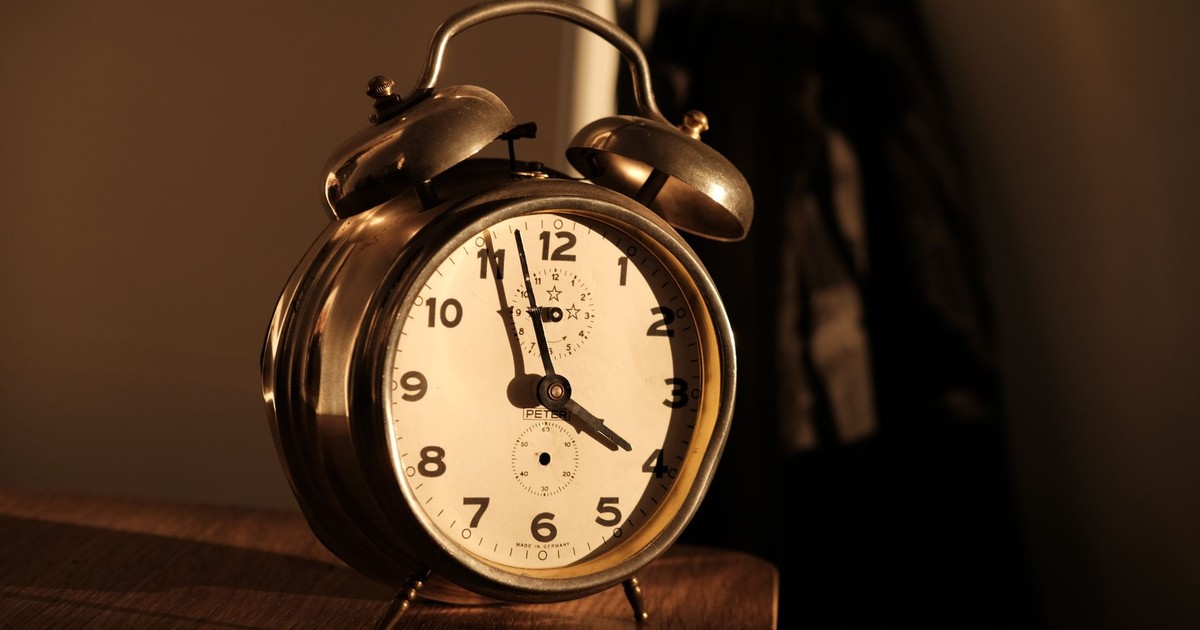
The alarm clock had been a fixture of American bedrooms for well over a century before the smartphone came along. American company Seth Thomas was producing around 100 of its “Nutmeg” model alarm clocks per day starting in 1876; by 1877, production had reached a thousand a day. That rapid scaling tells you something about how quickly Americans adopted the idea that they needed a machine to drag them into consciousness each morning. By the early 20th century, the alarm clock wasn’t a luxury; it was simply part of the furniture.
Since alarm clocks began mass production around the 1870s, a large proportion of Americans had been summoned into the morning by machine. The alarm clock, first in its double-bell form, then electric, then adding a radio, became the first thing many people touched each day. The snooze button came later, arriving after World War II, and quickly became one of the most used features in the American bedroom. For generations, the bedside clock was the anchor of the morning. You set it the night before, you heard it go off, and your day began.
Smartphone alarms have largely replaced the standalone clock for younger adults, with millennials leading adoption rates well above other generations. On average, Americans unlock their phones 47 seconds after waking up in the morning, and 31% check their phones before speaking to their partner or family. The standalone alarm clock didn’t just tell you the time, it also kept your phone out of the bedroom.
2. The Paper Road Map
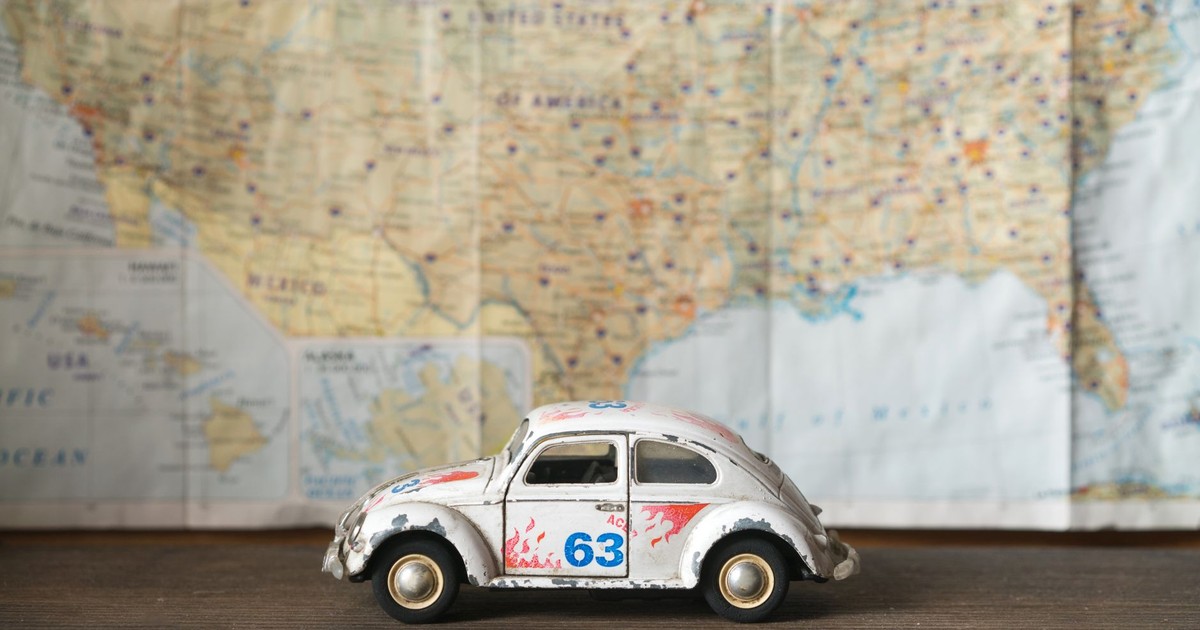
A father would stuff a half-dozen folded maps into the glove box before heading out with the family. Colorful maps bearing the logos of oil companies like Texaco, Gulf, and Esso once brimmed from displays at filling stations, free for the taking. This was simply how Americans navigated. You studied the map before you left, you handed it to the passenger when things got confusing, and you occasionally pulled into a gas station to ask someone who actually knew the roads.
GPS didn’t break out of niche status in automobiles until the 2000s. Google Maps debuted in 2005 in the U.S. Within a few years, the paper map was effectively extinct as a practical daily tool. State transportation departments began printing fewer. Gas stations stopped stocking them. The skill of reading a map, of understanding scale and compass orientation, of planning a route in your head before turning the key, started to fade from the general population.
The paper map has staged something of a comeback. Rand McNally’s vice president Kendra Ensor told USA Today that by 2015, the company began seeing increases in Road Atlas sales. Paper doesn’t lose signal in a canyon or a rural stretch of highway. It doesn’t need to buffer. And it gives you the full picture at once, something a phone screen, with its zoom-dependent sliver of geography, can’t quite replicate.
3. The Printed Phone Book
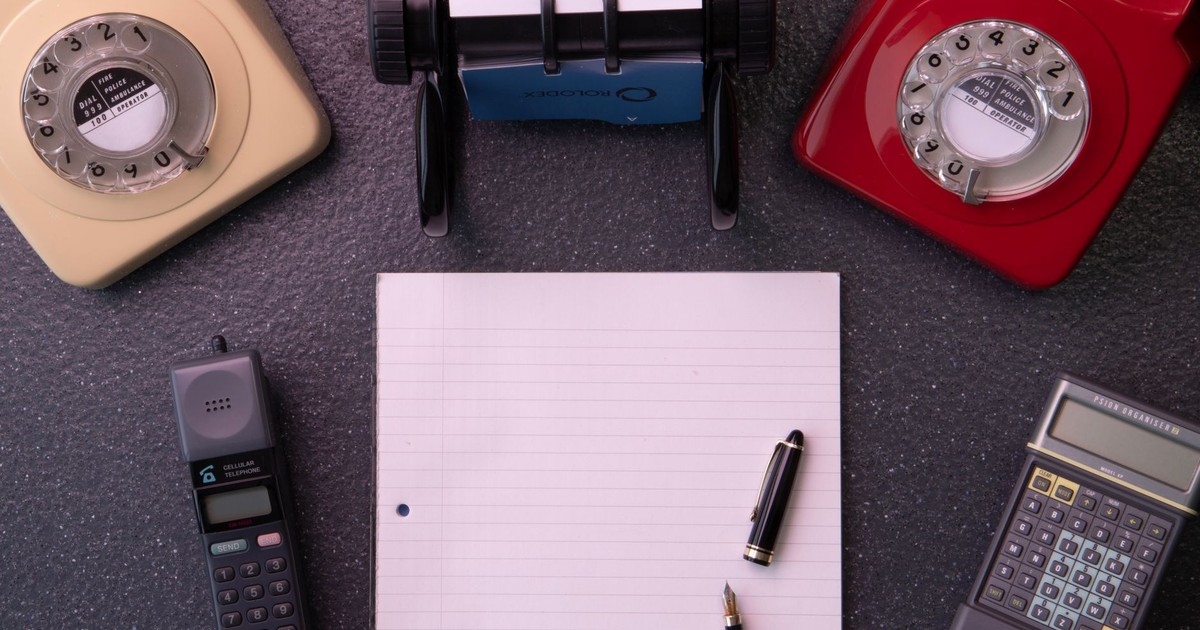
Before search engines, GPS, and social media, people used phone books for the numbers and addresses of local people and businesses. Phone companies published the books, White Pages for residential and Yellow Pages for businesses, organized by city or district. Every household got one automatically. You looked up a plumber, a doctor, the hours of the hardware store. The Yellow Pages, with their category-based layout and quarter-page advertisements, were their own kind of search engine, just alphabetical and printed once a year.
The phone book’s decline was sealed by a combination of technology and a specific piece of legislation. A 2004 law stipulated that cell phone numbers could not be included in phone directories, which left just landline numbers in the books and quickly rendered them largely obsolete as more than 7 in 10 adults were wireless-only by the end of 2022, according to the NCHS. Once cell numbers were off the table, the phone book stopped reflecting how most people actually communicated, and its authority collapsed.
Most phone companies stopped dropping the directories on doorsteps in the 2010s. What had once been an annual ritual, the thud of the new book on the front step, became just another piece of recycling. The personal address book, that smaller, handwritten cousin of the phone directory kept in a kitchen drawer, went with it. Knowing someone’s number by heart was replaced by having it in your contacts. A phone number in your head is yours permanently. One saved in a device is only as permanent as the device.
4. The Wristwatch
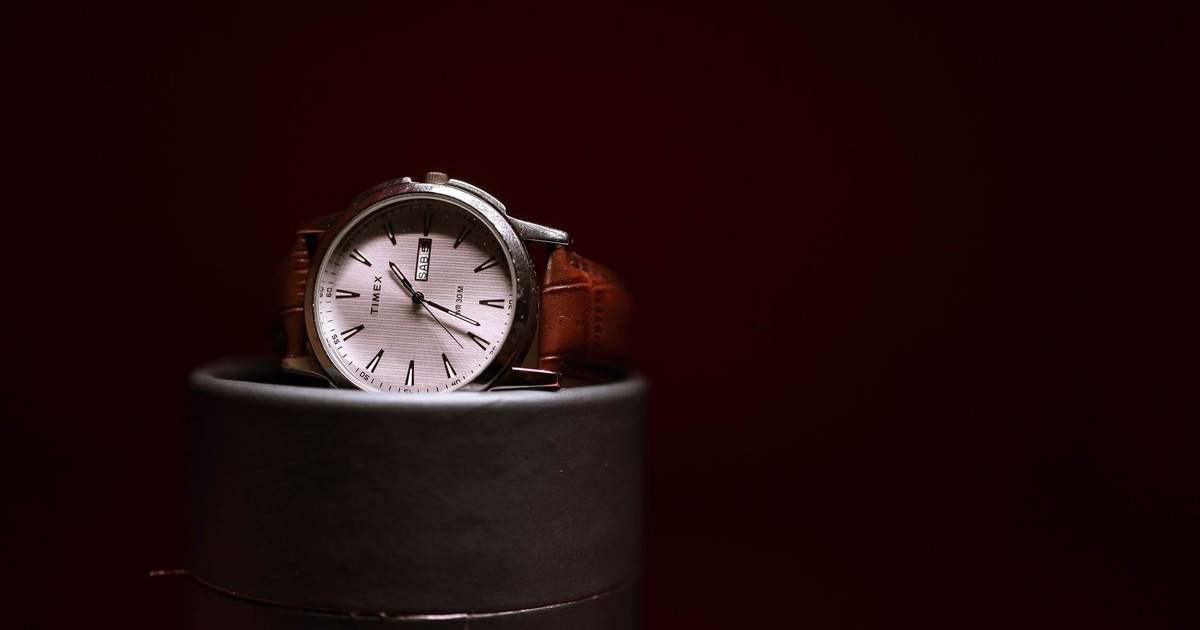
Long before the iPhone existed, the wristwatch was the everyday timekeeping tool for most Americans. You wore it on your left wrist, you glanced at it dozens of times a day, and the action was so habitual that many people still reflexively check their bare wrist before remembering they stopped wearing one. The wristwatch as a mass-market object had been a staple of American daily life since the early 20th century, first popularized among soldiers in World War I who needed to synchronize movements without fumbling for a pocket watch.
The smartphone didn’t make watches obsolete entirely; it transformed them from a necessity into a fashion accessory or a fitness tracker. Sales of traditional watches collapsed as smartphone adoption grew, because checking the time on a phone is marginally easier than looking at your wrist, and the phone was already in your hand for other reasons. The wristwatch’s disappearance from everyday carry is one of the more telling signs of how the smartphone absorbed not just tools but gestures. The glance at the wrist was a punctuation mark in the day. The glance at the phone opens a door, and walking back through it takes longer than most people plan for.
The watch has seen a revival of sorts, particularly among younger adults who’ve rediscovered mechanical and automatic timepieces as objects of craft. But it’s a different relationship now, more deliberate, more curated. The watch you wore because you had to know the time is not the same as the watch you wear because you appreciate it.
5. The Physical Calendar or Planner
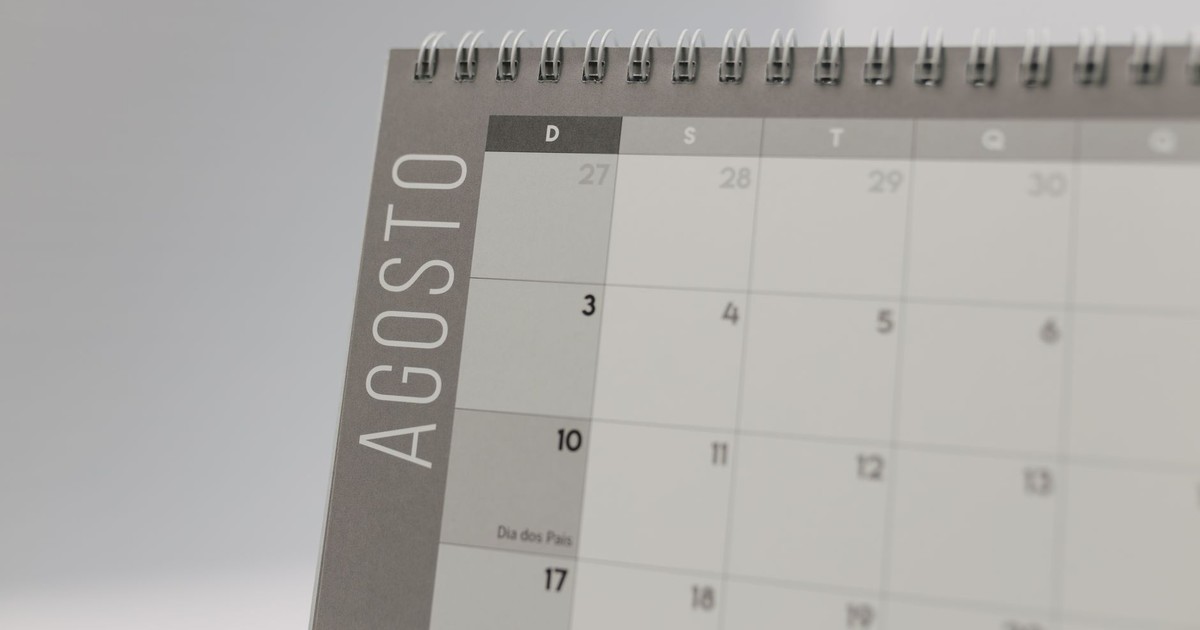
The family calendar hung in the kitchen and was shared by everyone who lived in the house. Dentist appointments, soccer games, school picture day, the date someone’s lease ran out. It was color-coded by person if the family was organized, covered in scratched-out entries and penciled-in changes if they weren’t. You couldn’t check it from the car. You had to actually be in the kitchen, looking at the wall, to know what was coming.
Personal planners served the same function in the office and on the road: a physical, tactile, week-by-week account of where you were supposed to be and when. Brands like Day-Timer and Filofax built entire industries around the idea that a well-organized life required a well-organized binder. The ritual of writing something into a planner, pen on paper, was understood to help you remember it. EEG and fMRI research has consistently found that handwriting activates different cognitive processes than typing, with studies linking handwritten note-taking to stronger memory encoding and deeper understanding of material.
The shift from paper to digital planning happened around the same time as everything else: the early 2010s, when smartphones became common enough that digital calendars synced across devices and could send reminders. The paper planner didn’t disappear entirely. Bullet journaling became a genuine cultural phenomenon in the mid-2010s and remains popular, partly as a productivity system and partly, one suspects, as a form of resistance to the same screen that holds everything else. But as a standard everyday item, the paper calendar’s reign ended when Google Calendar started syncing to your pocket.
6. The Dedicated Camera
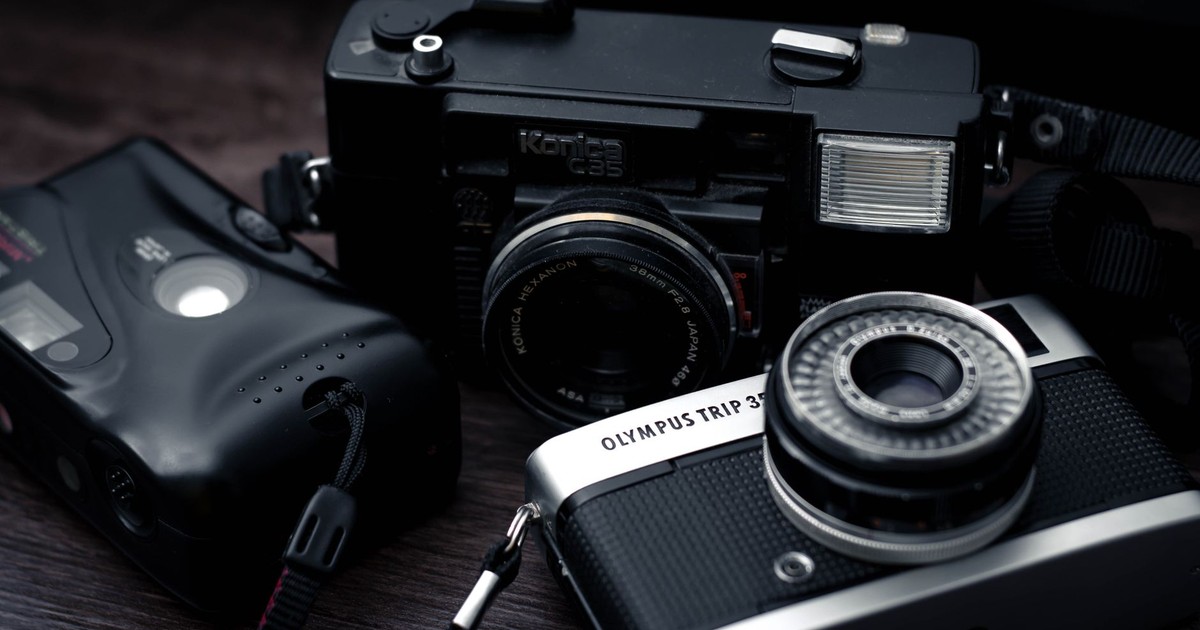
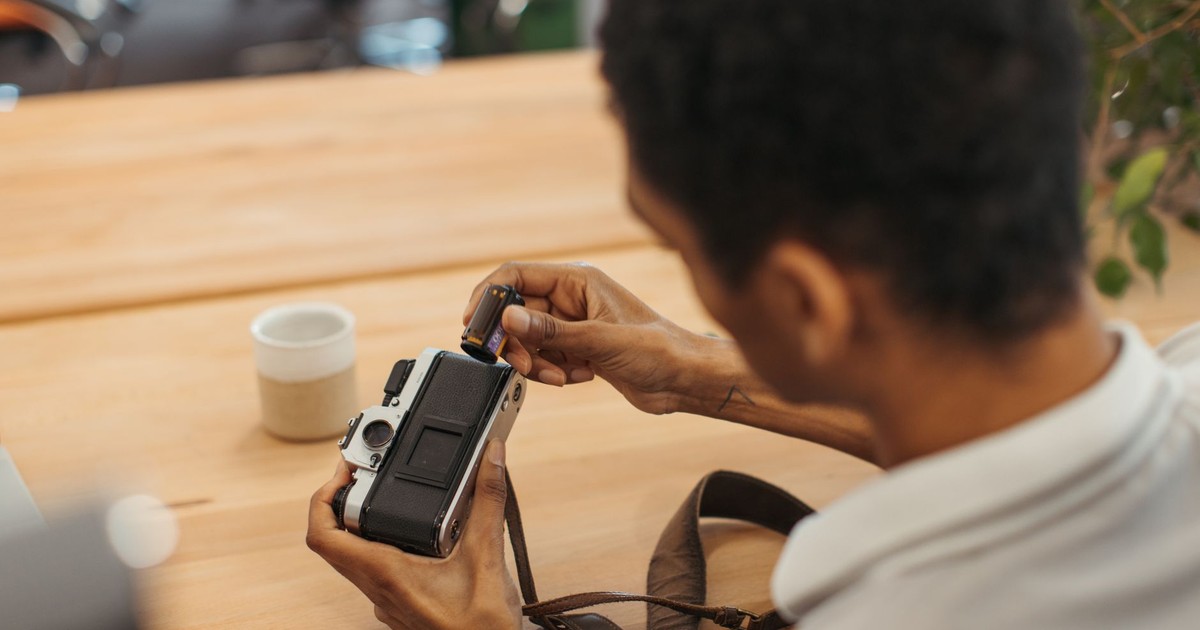
Point-and-shoot cameras were everywhere before smartphones consolidated photography into a single device. They lived in purses, glove compartments, and junk drawers. They came out at birthday parties and graduation ceremonies and any vacation that involved leaving the state. You loaded a roll of 24 or 36 exposures, you shot carefully because film wasn’t free, and then you waited. Sometimes a week. Sometimes longer, if the roll sat half-finished in the camera for months before you finished it and brought it in for developing.
The waiting was its own thing. You didn’t know exactly what you had until you picked up the envelope of prints from the drugstore and shuffled through them on the drive home. Some were blurry. Some were beautiful in ways you hadn’t anticipated. The uncertainty was part of it. You couldn’t delete the bad ones before anyone else saw them. You couldn’t take seventeen versions of the same shot and choose the best one afterward. You made your best guess at the moment, pressed the shutter, and moved on.
The smartphone camera didn’t just replace the point-and-shoot. It replaced the behavior around photography. The iPhone is turning 20 next year, and in those two decades, Americans went from taking perhaps a few hundred photographs a year to taking thousands. The average smartphone user now generates more images in a week than a typical amateur photographer once produced in a year.
What We Actually Gave Up
Each of the six objects on this list did one thing. Just one. The alarm clock woke you up. The map got you there. The phone book found you a number. That single-purpose nature imposed a kind of order on the day. You picked up the tool, you used it for the thing it did, you put it down. The interaction had a beginning and an end.
The smartphone has no end. Every task it helps you complete is surrounded by seventeen other things it’s also capable of, and the path from checking the time to watching a video about something you didn’t know you were curious about is shorter than most people think. That’s not an argument for going back. Nobody genuinely misses the limitations of a paper map when they’re lost in an unfamiliar city at night. But there’s a real difference between replacing a tool and replacing the mental space that tool used to occupy. The alarm clock didn’t just wake you up. It was all it did in the bedroom. The phone wakes you up and then immediately presents you with every message, notification, and piece of information that arrived while you slept. That 47-second gap between waking and unlocking isn’t a quirk of smartphone culture. It’s the whole story.
Some of these pre-smartphone everyday items are staging low-key comebacks, sold in boutique shops and recommended by productivity writers and sleep specialists who’ve noticed what the tradeoff actually cost. The objects themselves were never just objects. They were decisions about how much attention any one thing deserved, made in advance, before the day even started.
Disclaimer: This information is not intended to be a substitute for professional medical advice, diagnosis, or treatment and is for information only. Always seek the advice of your physician or another qualified health provider with any questions about your medical condition and/or current medication. Do not disregard professional medical advice or delay seeking advice or treatment because of something you have read here.
AI Disclaimer: This article was created with the assistance of AI tools and reviewed by a human editor.