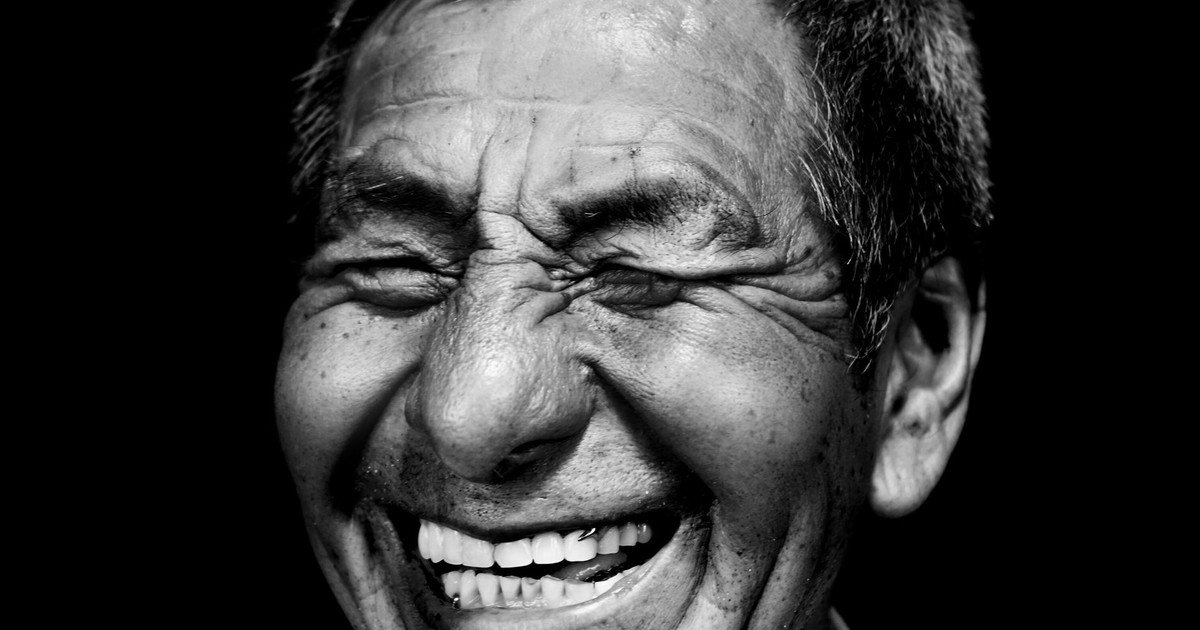

When the doctors pulled Monique Heller aside and told her “your father is a very sick man,” she and her sisters replied in unison: “You have no idea.” That line, the opener of her father’s obituary, landed in the Hartford Courant in September 2019 and within days had ricocheted around the world. People in Australia were calling the family. The New York Times ran it as a full spread in Section A with a color photo. NPR put Monique on air. For a piece written for a small Connecticut town’s local newspaper, it had done something almost no piece of published writing does: made complete strangers genuinely wish they’d known the man.
Joseph “Joe” A. Heller, Jr. of Old Lyme passed away on September 8, 2019, at age 82. His daughter Monique sat down to write a 1,300-word obituary not because she thought it would go viral, but because she wanted his local friends to read something and nod along. “I was writing it kind of as a memoir of my father. His local friends could relate and say, ‘oh, that was a Joe story,'” she told WFSB. What she didn’t anticipate was that “a Joe story” would turn out to be a human story, recognizable to anyone who has ever loved someone who refused to behave properly at the worst possible moments.
The funny obituary sits at the intersection of grief and mischief, love and irreverence, the deeply personal and the wildly public. Joe Heller’s is probably the most famous of them. It also points to a small, growing shift in how families are choosing to send people off, and what research is starting to suggest that choice might do for the people left behind.
The Man Himself
Joe was born in January 1937 in New Haven as the Great Depression rocked the nation, a day and age that shaped his formative years and resulted in a lifetime of frugality, hoarding and cheap mischief, often at the expense of others. He was the eldest of five children. The pranks began early. He named his first dog Fart so that, if the dog needed to be called back home, she’d have to scream his name out loud. There were laxative-laced chocolate cakes laid as traps for lunch thieves. There were background checks on his daughters’ boyfriends. Joe met his wife Irene while working as a self-taught chemist at Cheeseborough-Ponds. Monique wrote that Joe embarrassed Irene daily with his words and choice of clothing, but she was the love of his life.
Joe was also a consummate napper. There wasn’t a road, restaurant or friend’s house in Essex that he didn’t fall asleep on or in. There wasn’t an occasion too formal or an event too dour that Joe didn’t interrupt with his apnea and voluminous snoring. The obituary also noted, with exquisite specificity, that Heller would frequent the Essex Dump and leaves his family with a “house full of crap, 300 pounds of birdseed and dead houseplants that they have no idea what to do with.”
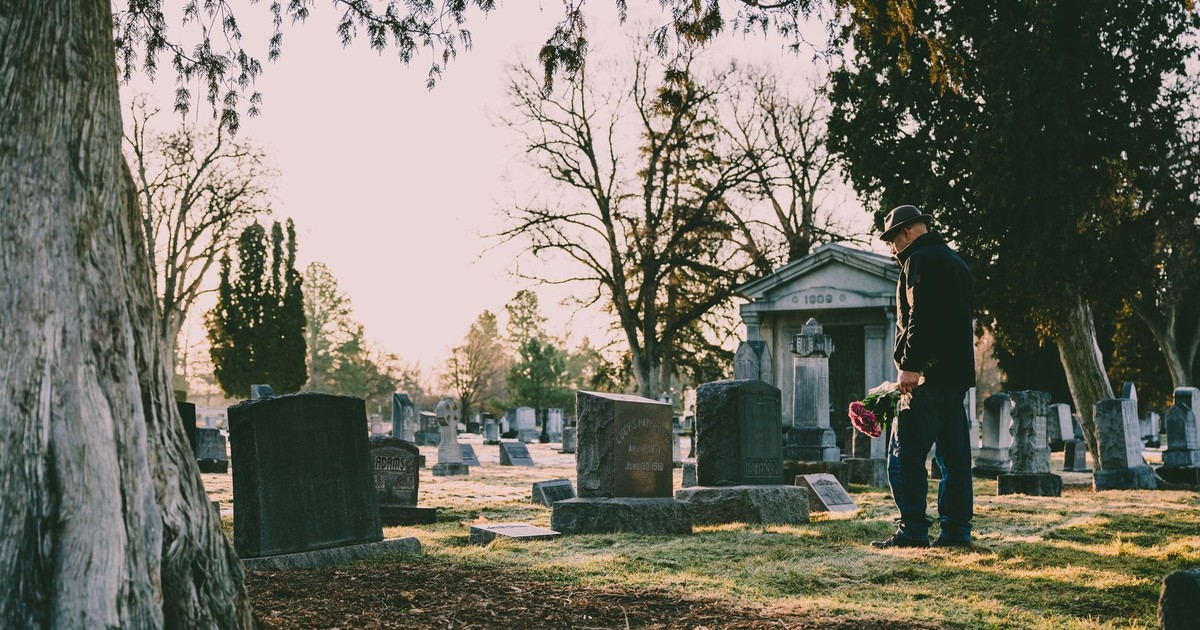
Heller was to be laid to rest at Centerbrook Cemetery, but his family urged attendees to dress casually. Joe despised formality and stuffiness and would really be ticked off if you showed up in a suit. The family encouraged everyone to don the most inappropriate T-shirt they were comfortable being seen in public with, as Joe often did.
That sentiment carried over to Joe Heller’s wake, with attendees wearing inappropriate T-shirts at the family’s encouragement. Patches were also shared that read “Centerbrook Pornographic Studios,” a fake business Joe Heller had invented as a means to get a rise out of people.
Why It Went Everywhere
Monique told reporters she had been writing the piece for Joe’s local crowd, not for the internet. “Who would guess it would be trending on Twitter,” she said, “and he doesn’t even know what Twitter is. I have people from Australia calling me. It’s insane.”
Joe’s obituary went viral and made headlines across CNN, People magazine, National Public Radio, WTNH, WFSB, FOX Network, Yahoo, CBC Canada, and the New York Times, which ran it as a full spread in Section A with a color photo. “My dad has an unorthodox view of life and I wanted to honor him and make people smile,” Monique told CNN.
Essex firefighter Ron Senn described Joe as “the most inappropriate guy with the biggest heart in the world.” That combination, inappropriate but warm-hearted, is exactly why the piece worked. The obituary didn’t make Joe Heller sound like a saint. It made him sound like a person. A specific, irreplaceable, deeply annoying, genuinely beloved person. Readers responded not just with amusement but with a kind of longing, the wish that they too had someone in their life worth describing that honestly.
The piece’s reach kept growing well after 2019. In 2024, a Texan named Charles Boehm was looking up advice on how to write his own father’s obituary when he stumbled on Joe Heller’s and “immediately started to chuckle,” saying, “you know what? That reminds me of my dad.” He went on to write a similarly viral funny obituary for his own father. Joe Heller’s piece had, in its own small way, given people permission to do the same.
The Science Behind Laughing While You Grieve

The instinct to crack a joke at a funeral is older than funerals themselves. The question of whether humor actually helps people grieve, or whether it’s just a way to avoid grief, has been taken seriously by researchers only relatively recently.
Researchers have found humor is important for lifting the spirits of ill people and for aiding healing or recovery. However, humor does not appear to have been recognized as a technique that could benefit mourners. A multi-database search revealed only 11 English-language research articles published in the last 25 years that focused in whole or in part on bereavement humor, according to a 2022 scoping review published in Current Psychology. The relative thinness of the research is striking given how consistently people describe humor as part of their grief experience.
Studies indicate bereaved people often use humor for a number of reasons, and bereaved people should perhaps be encouraged to use humor in their daily lives. The same review noted that humor was often employed to manage grief, providing moments of relief and recontextualization, and holds potential as a supportive measure for some bereaved individuals. Separately, research on spousal bereavement has found that widows and widowers who could smile and laugh when remembering a loved one experienced less anxiety and depression at 6, 12, and 24 months, suggesting that the ability to laugh while remembering someone isn’t a sign of insufficient grief, but may in fact be one of the things that gets you through it.
The obituary as a form fits naturally into this. Writing a funny obituary requires you to hold your grief and your love and your humor in the same paragraph at the same time. You’re not avoiding the fact of death. You’re placing it inside a story that also contains the person’s full, absurd, specific humanity.
When Humor Becomes a Form of Honoring
There’s a subtle difference between a funny obituary and a disrespectful one. It comes down to whether the humor is in service of the person or in service of the writer’s cleverness. Joe Heller’s obituary works because every joke in it could only have been written about him. Monique described writing it “kind of as a memoir of my father” so that “his local friends could relate and say, ‘oh, that was a Joe story.'” The humor was never decorative. It was forensic. It described the exact shape of who he was.
A former colleague described Joe as “the most inappropriate guy with the biggest heart in the world.” That’s the ratio that makes a funny obituary work. The bigger the heart underneath, the more the irreverence reads as love rather than dismissal. Monique didn’t write a piece full of sharp jokes to prove she was a good writer. She wrote it because her father was the kind of man who would have been deeply satisfied to know that strangers in Australia were reading about his dog named Fart.
The comparison to a formal obituary is instructive. Most death notices are exercises in compression and decorum: born, worked, survived by. They describe a life in the past tense in a way that inadvertently makes the person feel already gone. A funny obituary does the opposite. It makes the person present in the room. These tributes generate hundreds of thousands of shares not because they’re disrespectful, but because they’re deeply human. They show someone’s authentic self, complete with flaws and humor, which creates connection in a way that formal language never could.
The Robert Boehm Effect
Joe Heller’s obituary turned out to be a template, whether its author intended it or not. One advice article about how to write obituaries linked to the viral and comical 2019 obituary for Joe Heller of Centerbrook, Connecticut, which opened with a line about the deceased having made his “last undignified and largely irreverent gesture.” Charles Boehm found Heller’s obituary in 2024 while trying to figure out how to write his own father’s.
Charles Boehm paid tribute to his late father, Robert Adolph Boehm, by writing a comical obituary that honored his father’s sense of humor. One of Charles’s last memories of his father was when he nearly burned his tent down during a family camping trip, then spent the rest of the day swearing about it like a sailor. The resulting obituary, published in 2024 and covered by CBC Radio, went viral in its own right, with the headline “He is God’s problem now.” As Charles described his father: “A lot of other people took him seriously. But any time I remember him, he was always joking around.”
What Boehm’s experience illustrates is the knock-on effect of Heller’s piece: it gave grieving families a model for doing something they wanted to do but didn’t have permission for. Funny obituaries are understandably rare, but when a family chooses a lighthearted approach to a deceased loved one’s obituary, the results usually generate a lot of public interest, sometimes even going viral. The internet has amplified that effect dramatically. A funny obituary that would once have circulated among a small Connecticut town now has a readership measured in millions.
What It Takes to Write One
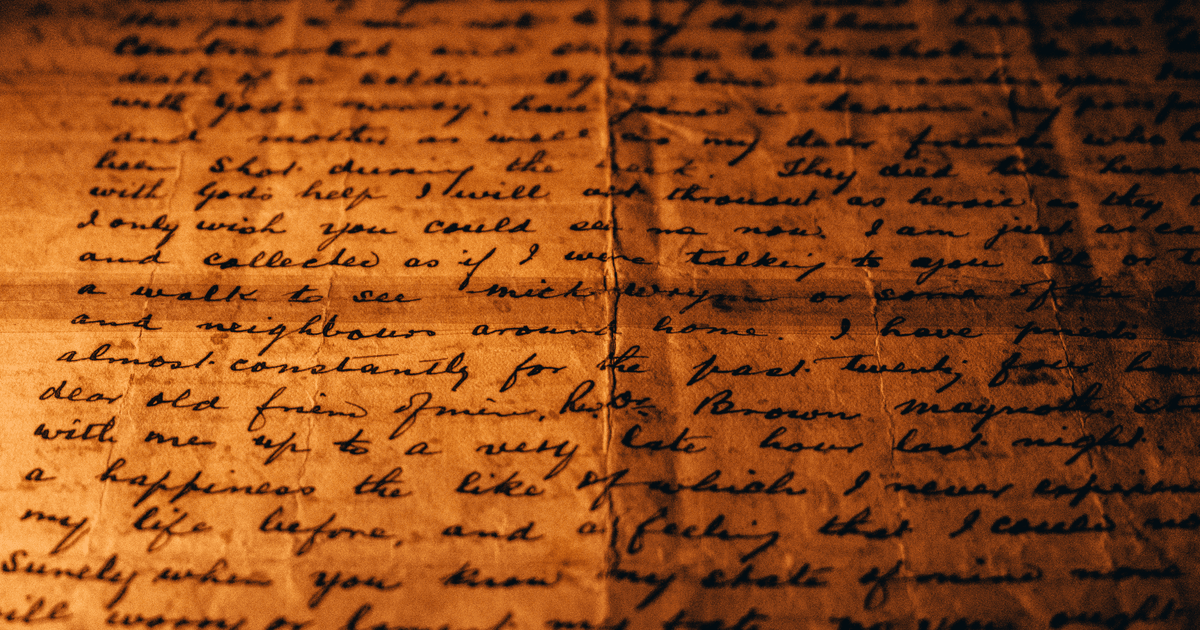
Writing a funny obituary for someone you loved is not the same as writing a roast for someone who is still alive to wince at it. The subject can’t object. The family hasn’t slept in days. The humor has to be earned, and it has to be true, and it has to come from the same place that grief comes from, which is love.
Monique’s stories about Joe included everything from pranking others with laxative-laced cakes to his background checks on his daughters’ boyfriends. As she said simply: “My dad loved to humiliate us and he loved to poke fun at us.” What she understood intuitively is that a person’s capacity for mischief is not separate from their love. For Joe Heller, they were the same thing expressed through different means.
The practical advice for anyone considering this for a parent or partner comes down to one question: what are the stories that only this person generated? Not the achievements, not the résumé, not the things you’d say in a performance review. The dog named Fart. The 300 pounds of birdseed. The snoring through a funeral that wasn’t his. Those details don’t diminish a life. They preserve it.
What a Funny Obituary Actually Does

Monique Heller’s comical obituary honoring her father was eventually immortalized in “Fast Funny Women,” a collection of essays written by 75 different women ages 20 to 89, each story under 750 words, all meant to add some laughter to life. It’s an unusual afterlife for a piece of writing that began as a local newspaper death notice. The right funny obituary is not really about death at all. It’s about the specific, irreplaceable texture of one person’s presence in the world.
Grief researchers note that what often undoes people isn’t the moment of loss but the erasure that follows, the way a person’s oddness and specificity and stubborn personality get sanded down by the conventions of mourning into something generic and past-tense. A funny obituary resists that. Joe Heller, five years after his death, is still being described as a man who fell asleep in every restaurant in Essex. That’s not forgetting. That’s the opposite.
The impulse to laugh at a funeral isn’t an avoidance of grief. It’s a refusal to let the person disappear into it. Monique Heller wrote 1,300 words that made the whole world wish they’d known her father. Some people get a two-line notice in the local paper. Joe Heller got readers in Australia. The difference wasn’t money or fame or a particularly extraordinary life. The difference was that someone who loved him sat down and wrote the actual truth.
Disclaimer: This information is not intended to be a substitute for professional medical advice, diagnosis, or treatment and is for information only. Always seek the advice of your physician or another qualified health provider with any questions about your medical condition and/or current medication. Do not disregard professional medical advice or delay seeking advice or treatment because of something you have read here.
AI Disclaimer: This article was created with the assistance of AI tools and reviewed by a human editor.