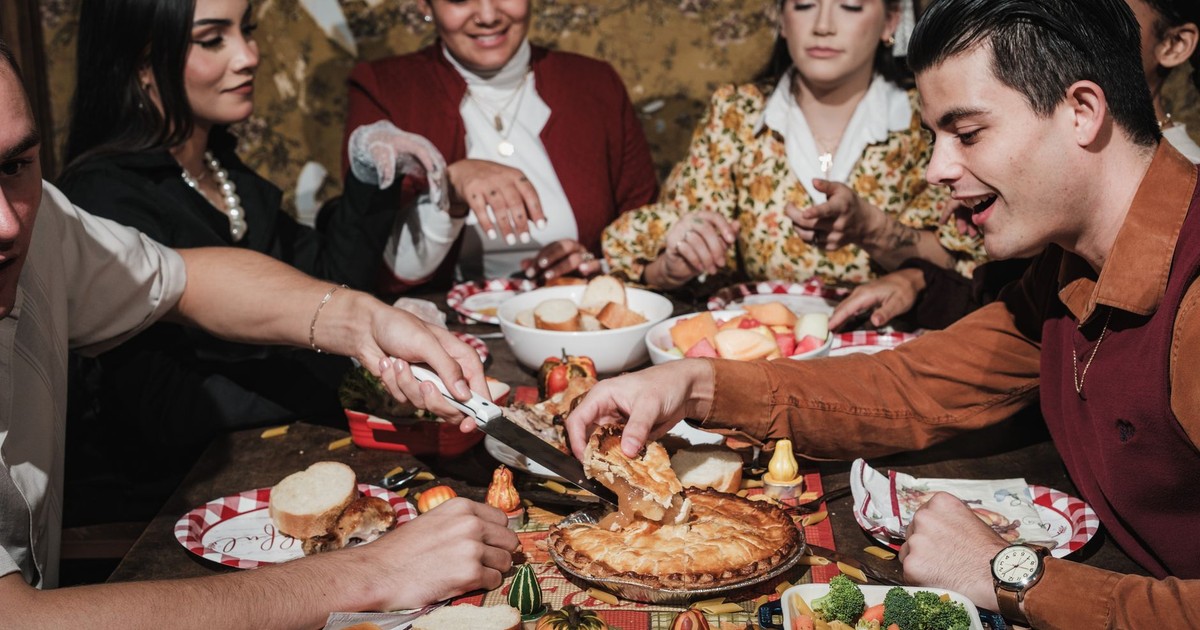

The argument for putting a roasted chicken at the center of a Thanksgiving table used to be a matter of pure arithmetic. In the early 1930s, turkey cost more than ten hours of a working man’s wages. For a family already stretching every dollar to get through the week, that kind of math didn’t add up to a holiday bird. So they got creative. They swapped, substituted, rolled, stuffed, and simmered their way through the most ambitious meal of the year, and what they produced wasn’t a lesser version of Thanksgiving. It was a different one, and in some cases, a genuinely better one.
Depression-era Thanksgiving meals weren’t about deprivation dressed up in good china. They were about applying real ingenuity to a fixed set of constraints, the way a good chef approaches a challenge round. An old laying hen slow-braised until the meat fell from the bone. Flank steak rolled tight around stale bread stuffing, then roasted until it looked like something from a French brasserie. Dandelion greens plucked from the backyard and tossed with whatever citrus was in the house. These weren’t sad stand-ins. They were dishes with history, technique, and flavor behind them.
Grocery prices have climbed sharply in recent years, and the annual cost of a traditional Thanksgiving spread keeps nudging upward. The cooks of the 1930s faced something far worse: true scarcity, compounded by a collapsing economy and, in much of the country, the Dust Bowl wiping out crops entirely. But the solutions they found weren’t just about surviving. Some of them were genuinely worth keeping. Here are eight Depression-era Thanksgiving meal ideas that hold up just as well today as they did ninety years ago.
1. Roasted Old Hen
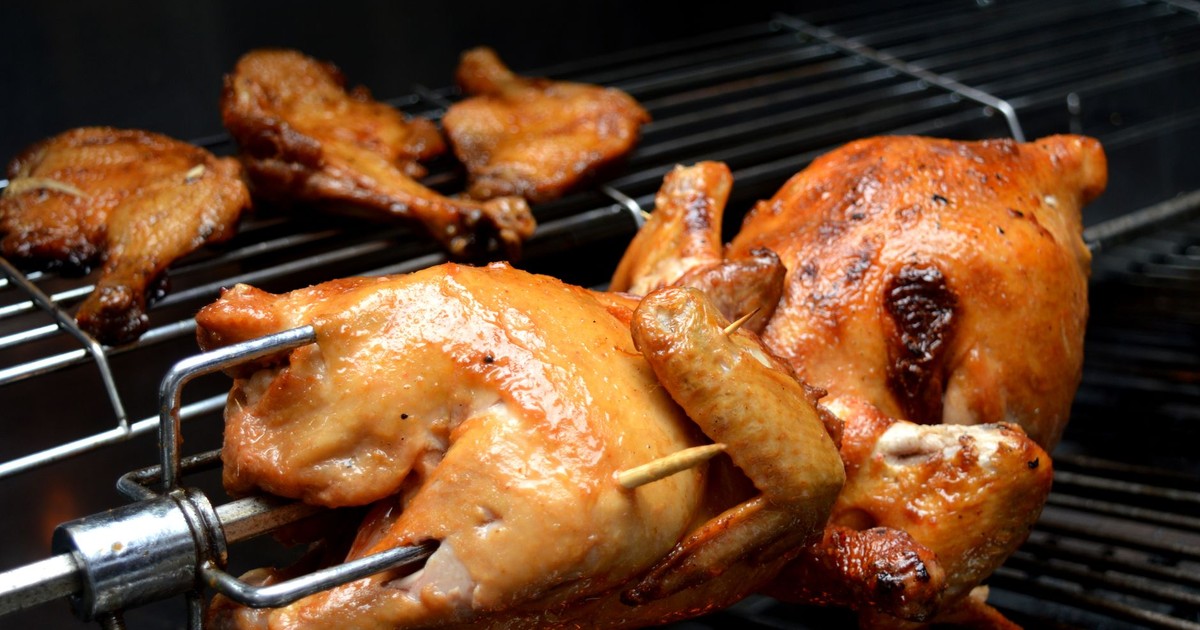
According to a 2023 report from Mashed, turkey cost $0.23 per pound in 1933, and with wages sitting at roughly $0.52 an hour, a Thanksgiving dinner for six ran more than ten hours’ worth of pay. Many families simply couldn’t justify buying one, so they turned instead to one of the cheapest roaster birds available: an old hen. These were hens past their laying prime, sold cheaply precisely because they’d served their main purpose on the farm. What they lacked in tenderness they made up for in flavor, and Depression-era cooks knew how to handle them.
The U.S. government even created a fictional radio persona called “Aunt Sammy,” operated by the Bureau of Home Economics, to give tips to families looking to stretch their meals, and advice on cooking tougher birds featured prominently. The key was patience. An old hen doesn’t roast the way a young chicken does. It needs a low oven, a covered pot, and time, often three hours or more, to break down the connective tissue and draw out the depth that a younger bird simply doesn’t have.
The result is something between a roast chicken and a braise: meat that pulls apart easily, a cooking liquid that collapses into a glossy, deeply savory pan gravy, and a smell in the kitchen that will draw people in from two rooms away. At a time when smaller, more affordable birds are showing up at farmers markets alongside the standard supermarket option, the old-hen approach is worth trying again. Ask your butcher for a stewing hen and cook it low and slow with onion, celery, thyme, and a splash of cider. It will outperform anything that comes in a plastic-wrapped tray.
2. Mock Duck
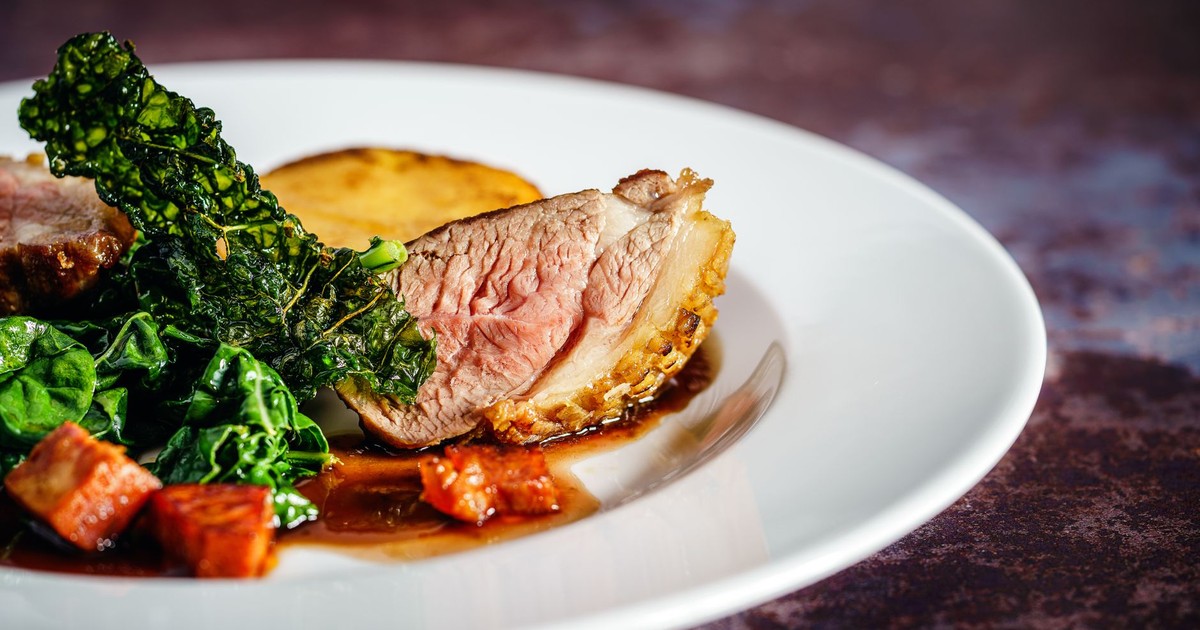
One of the most legendary Depression dishes was “mock duck.” Instead of an actual duck, cooks spread flank steak with stuffing, rolled it tight, seared it, and roasted it until it tasted like something far fancier than it actually was. The stuffing inside, typically made from stale bread crumbs, sage, onion, and a little fat, absorbed the meat’s juices as it cooked, turning the whole thing into something that genuinely did resemble a slow-roasted holiday centerpiece.
Flank steak was cheap in the 1930s, as it still tends to be relative to prime cuts. The technique of rolling and tying it is no more difficult than rolling a roulade, and the searing step locks in the juices before the roast goes into the oven. The stuffing inside means it’s essentially a two-course situation in one pan: the meat and the dressing cook together, trade flavors, and emerge as something that reads as far more labor-intensive than it actually is.
For a modern Thanksgiving, mock duck makes a compelling alternative for smaller households or people who find a whole turkey absurdly large for their gathering. A two-pound flank steak, rolled with sage-and-onion stuffing, seared, then roasted at 325°F for about ninety minutes, will serve four to six people generously. Slice it like a pinwheel. The cross-section alone will make it the most visually interesting thing on the table.
3. Chestnut Stuffing
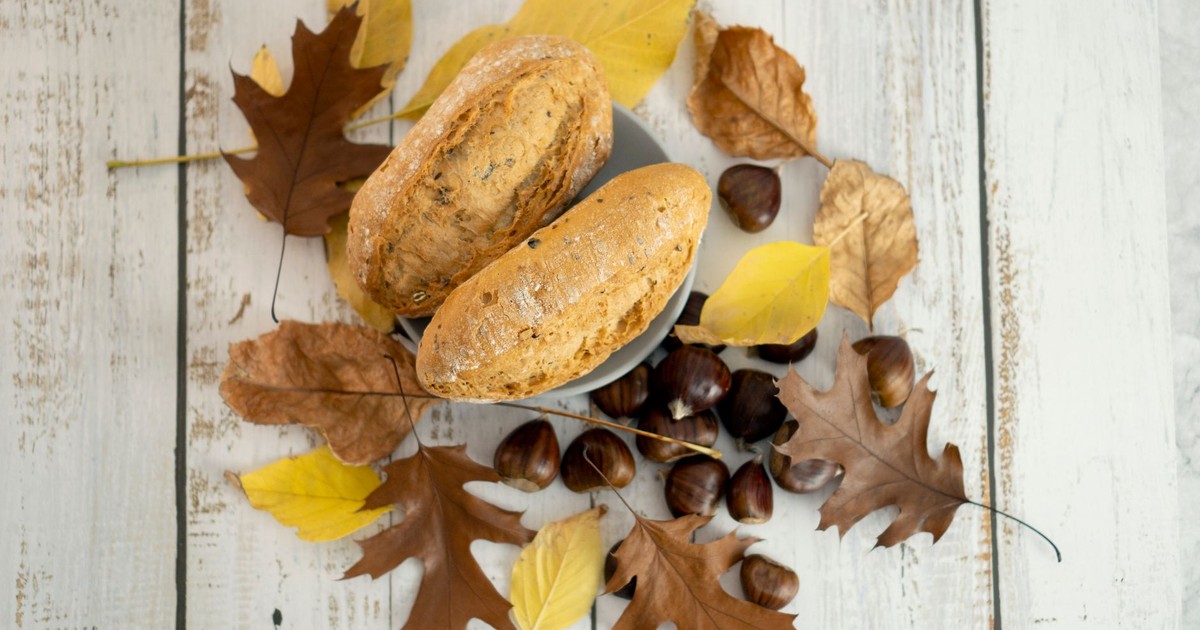
Chestnuts were far more abundant and affordable in Depression-era America than they are today, before a blight had already begun devastating the American chestnut population. Cooks would boil them, peel them, press them through a sieve, and fold the paste into bread stuffing with butter, onion, and herbs.
Chestnut stuffing, apple-and-raisin stuffing, and spiced cranberry stuffing were all Depression-era favorites. Some recipes required extra labor, like pressing boiled chestnuts through a sieve, but the flavor payoff was worth it then and remains so now. The chestnut adds an earthy sweetness that’s quite different from the more common sausage-or-sage stuffings that dominate modern Thanksgiving tables. It pairs especially well with a braised hen or mock duck, where the richness of the meat stands up to the nuttiness of the stuffing.
Imported chestnuts are now readily available at most grocery stores in November, and the effort of roasting and peeling them is less than an hour’s work. If you want to shortcut it, vacuum-packed cooked chestnuts are sold at most specialty food stores and online. Crumble them coarsely into a standard bread stuffing base and you have something with genuine depth, a stuffing that tastes like it took more thought than it did.
4. Potato Pancakes
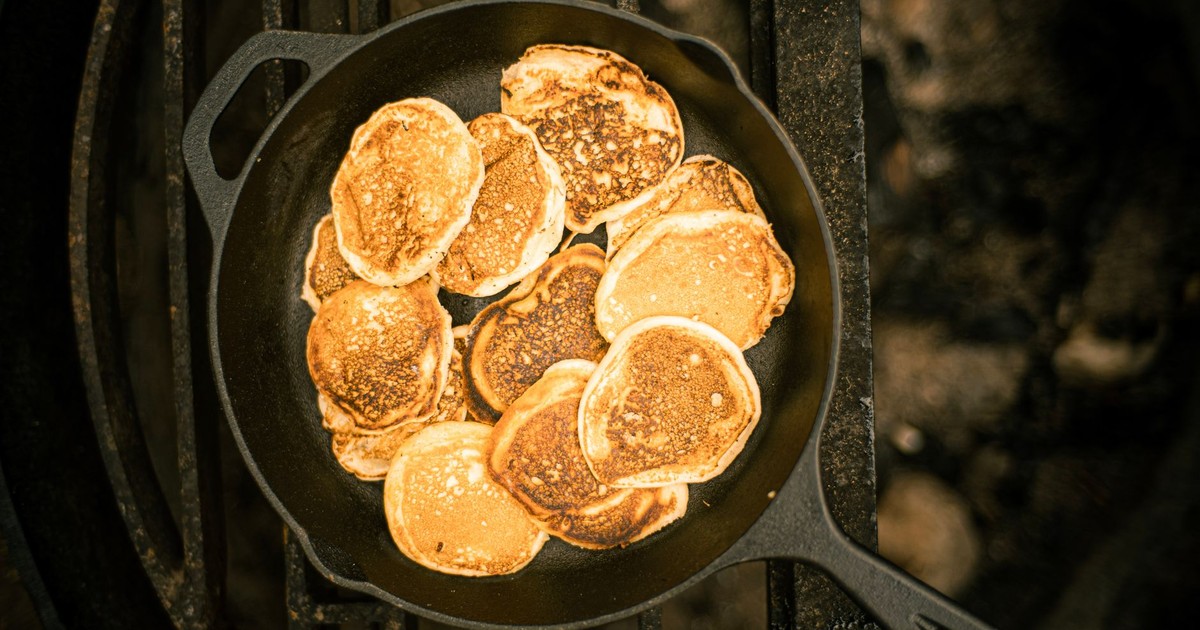
Potatoes were one of the most affordable ingredients of the Depression era, and potato pancakes made frequent holiday appearances, a way to make a single potato go further than it would as a side of mashed or roasted. Grated raw, seasoned with onion and salt, bound with a little egg and flour, then fried in fat until the edges were crisp and the center held together, they were the kind of dish that satisfied even when the rest of the table was thin.
They’re crispy, filling, and perfect for scooping up gravy or topping with applesauce. The applesauce pairing, in particular, is a combination that’s stood the test of time in Central European cooking, where potato pancakes have appeared under various names for centuries. During the Depression, American home cooks arrived at the same pairing by necessity and stuck with it for good reason.
At a modern Thanksgiving table, potato pancakes hold their own as a side dish that requires no oven space, a practical advantage when every rack is already spoken for. Make the batter ahead of time and fry them in batches just before serving. Keep them warm on a sheet pan in a low oven. They take about four medium potatoes and twenty minutes of active cooking time, and they’ll disappear faster than the turkey.
5. Porcupine Meatballs
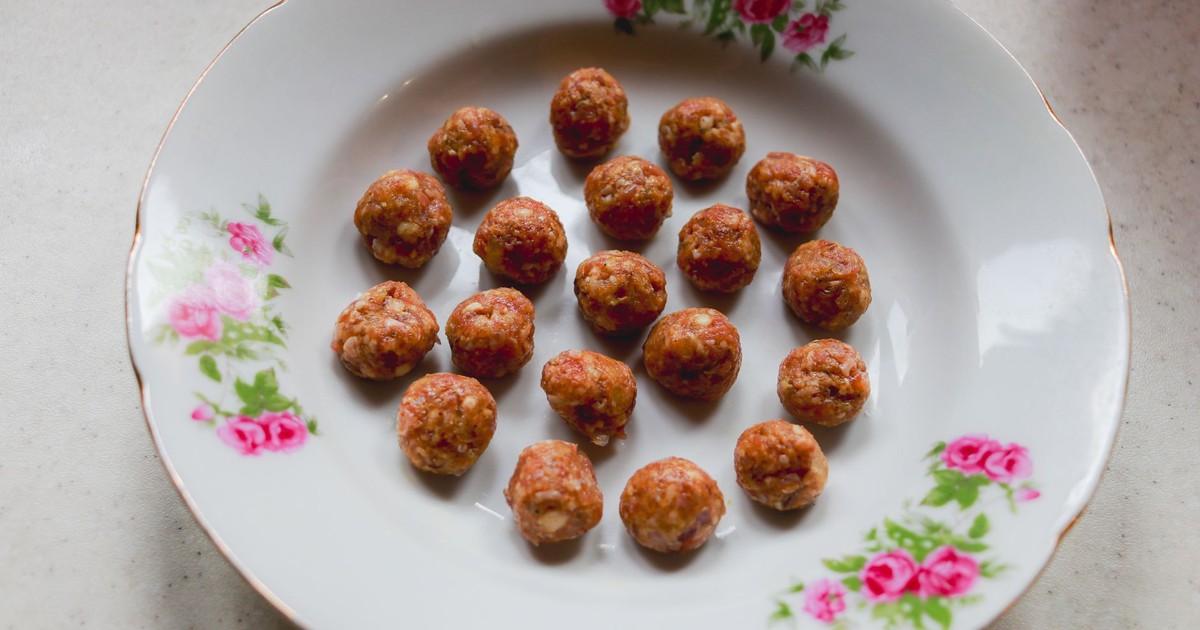
No porcupines involved. One Depression-era family’s Thanksgiving recipe, unearthed by food writers at Mashed, was for porcupine meatballs, named not for their ingredients but for the uncooked rice mixed into the ground meat, which poked out like spiky quills after cooking. The rice was the point: it bulked up the meat and made it more filling. Rice cost fifteen cents for five pounds in 1933, which made it one of the most efficient calorie extenders a cook could reach for.
The uncooked rice absorbs the cooking liquid as it simmers, usually a tomato-based sauce, though cream soups appeared in some Depression-era versions, and swells as it cooks, giving the meatball a uniquely tender, almost pillowy texture. The logic was straightforward: less meat, same satisfaction, and a dish that looked more substantial than its ingredient list suggested.
For a Thanksgiving table, porcupine meatballs work as an appetizer or a secondary protein for households that find turkey redundant or impractical. Roll them small, about the size of a golf ball, simmer them in a savory tomato sauce with bay leaf and onion, and serve them in a warmed dish. They’re the kind of thing guests will ask about because the texture surprises them every time. The answer, that it’s uncooked rice mixed into the meat before it’s even shaped, tends to delight people in direct proportion to how skeptical they were at the start.
6. Dandelion Salad
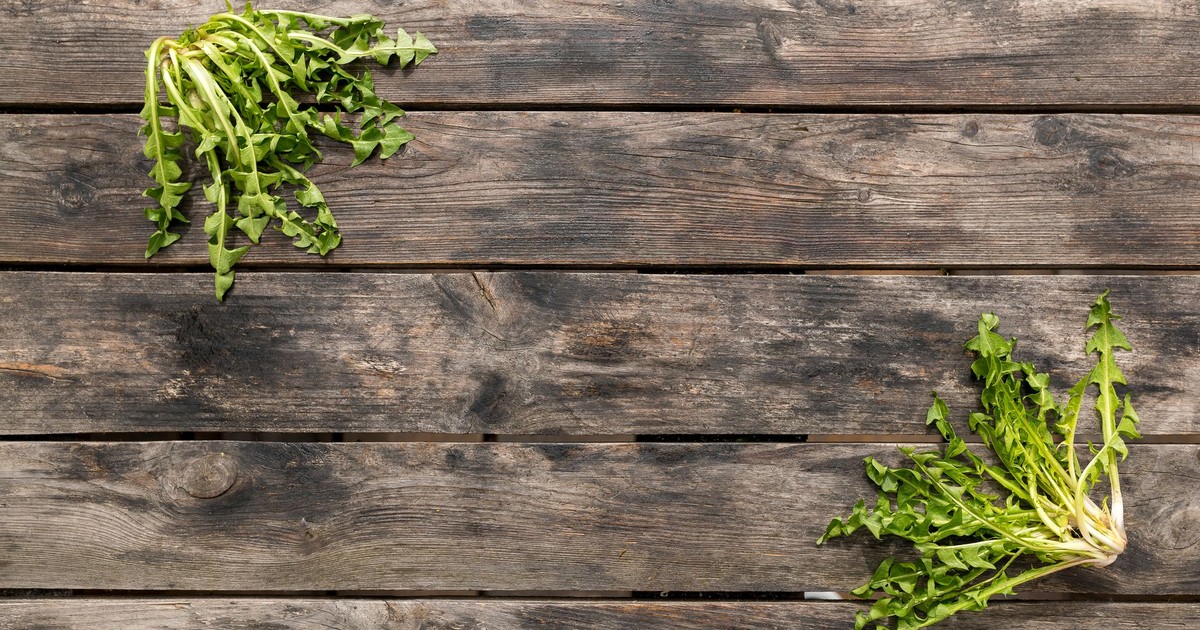
Clara Cannucciari, the host of Great Depression Cooking With Clara on YouTube, recalled that dandelion greens were nutritious and easy to find growing wild during the 1930s. She’d simply forage for them in her yard or at the park, remove the roots and dead leaves, and use them as instant greens for a salad or to incorporate into cooking. According to Tasting Table, the greens offer vitamins C, B, and A, as well as calcium, magnesium, potassium, and carotene, which is why foraging for them was so common across Depression-era households.
Dandelion greens are versatile, nutritious, and were readily available long before their recent reintroduction as a fashionable superfood. A Depression-era starter salad might include citrus, eggs, and leeks alongside the greens. The bitterness of the dandelion works like arugula, adding contrast to the richness of the main course. Dressed simply with a vinaigrette made from vinegar, oil, and a small amount of sugar, the salad was inexpensive and could be assembled from almost nothing.
Beyond being nutrient-dense, the greens can be eaten solo as a simple salad, paired with other leafy greens, or served alongside braised meats. At a Thanksgiving table, they function as a counterpoint to all the starchy, sweet, heavy dishes that tend to pile up by mid-meal. A handful of bitter greens, dressed sharply and served before the main course, resets the palate and earns its place on the table as something deliberately chosen, not just habit.
7. Vinegar Pie
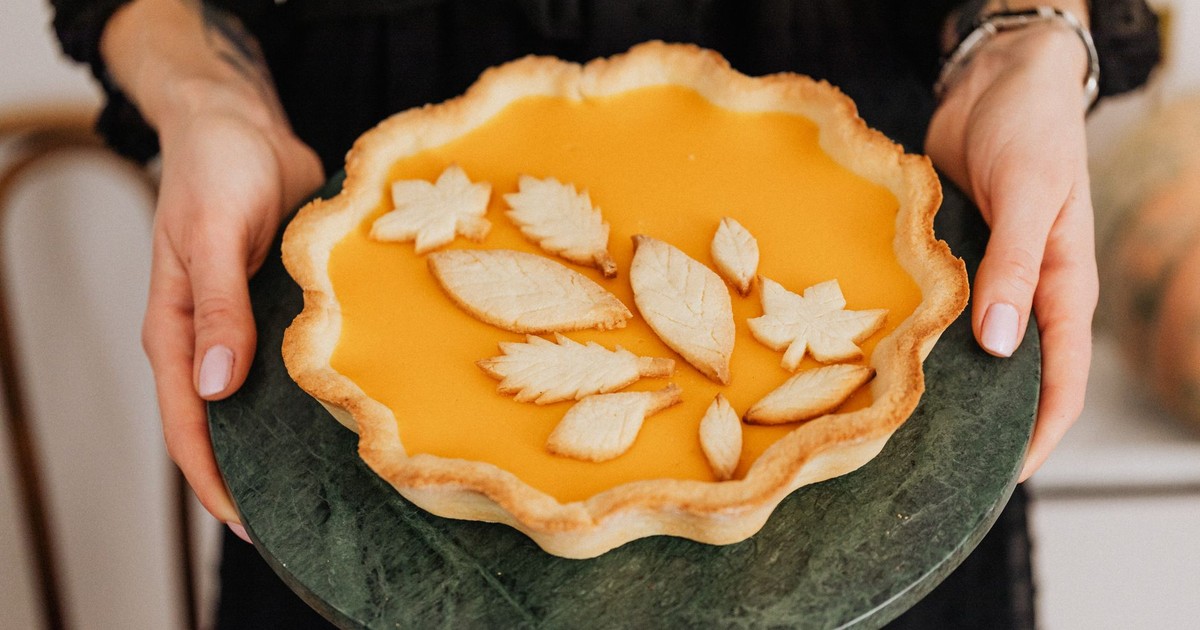
During the Great Depression, vinegar pie was a resourceful substitute for fruit pies. With fruit scarce or unaffordable, cooks used vinegar to mimic the tartness of apples or lemons, creating a surprisingly flavorful dessert from basic pantry staples. The concept sounds alarming to modern ears, but vinegar pie is a custard pie at heart. The filling combines eggs, sugar, butter, and a few tablespoons of apple cider vinegar, enough to brighten the custard and cut through its richness without ever tasting sharply acidic.
A closely related 1930s recipe, also known as “hard times pie,” used water as the primary filling component, accompanied by smaller amounts of sugar, flour, butter, and vanilla. Vinegar pie represents a step up from that, adding a flavor dimension that the water pie lacked. The result is something closer to a chess pie or a buttermilk pie: silky, just sweet enough, with an edge of tartness that makes the second slice as interesting as the first.
For a modern Thanksgiving, vinegar pie offers something most dessert tables are missing: something genuinely light. After a plate of turkey, gravy, stuffing, and sweet potato, a slice of custardy vinegar pie with a spoonful of crème fraîche is exactly the right note to end on. The whole pie comes together in under an hour and uses nothing that isn’t already in most kitchen pantries. It also keeps well overnight, making it an ideal make-ahead option for a crowded cooking schedule.
8. Mock Apple Pie
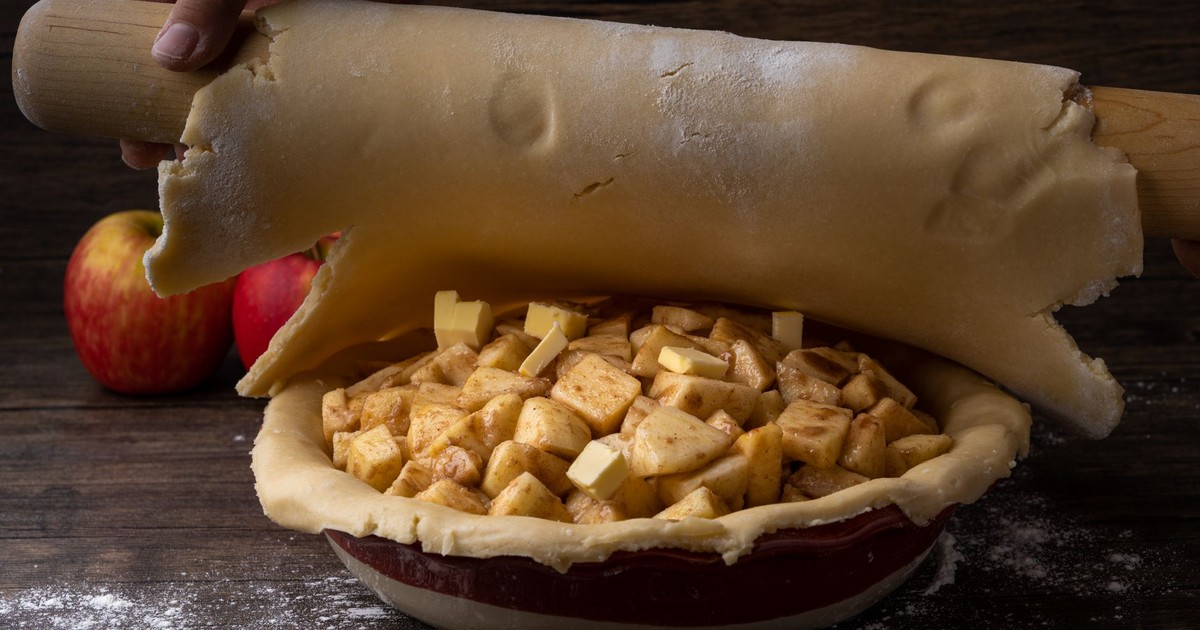
When apples were scarce during the Depression, cooks invented a pie using crackers, sugar, and cinnamon to mimic the taste of apple filling. According to Eats History, early versions of this recipe appeared in The Settlement Cook Book, which was revised through the 1930s and contained some of the earliest documented mock apple pie recipes. The Ritz cracker version became the most famous, partly because Nabisco printed the recipe on the box, but the pantry-cracker approach appeared in home kitchens years before Ritz made it mainstream.
Cream of tartar reacts with water and sugar to produce a flavor compound that genuinely suggests apple. Add cinnamon, a touch of lemon, and a flaky butter crust, and most people tasting it blind can’t immediately identify that they aren’t eating fruit.
Mock apple pie has become something of a party trick over the decades, but it also has real merit as a pantry dessert that requires no seasonal fruit shopping in November. Though the economic hardships of the Great Depression eventually passed, its influence on American food culture remains strong. Many of the survival techniques developed in the 1930s, including home canning, nose-to-tail eating, and waste-free cooking, have continued, and mock apple pie sits squarely in that tradition. Make it for guests without telling them what it is. The conversation that follows is worth the slight deception.
What the 1930s Kitchen Actually Understood
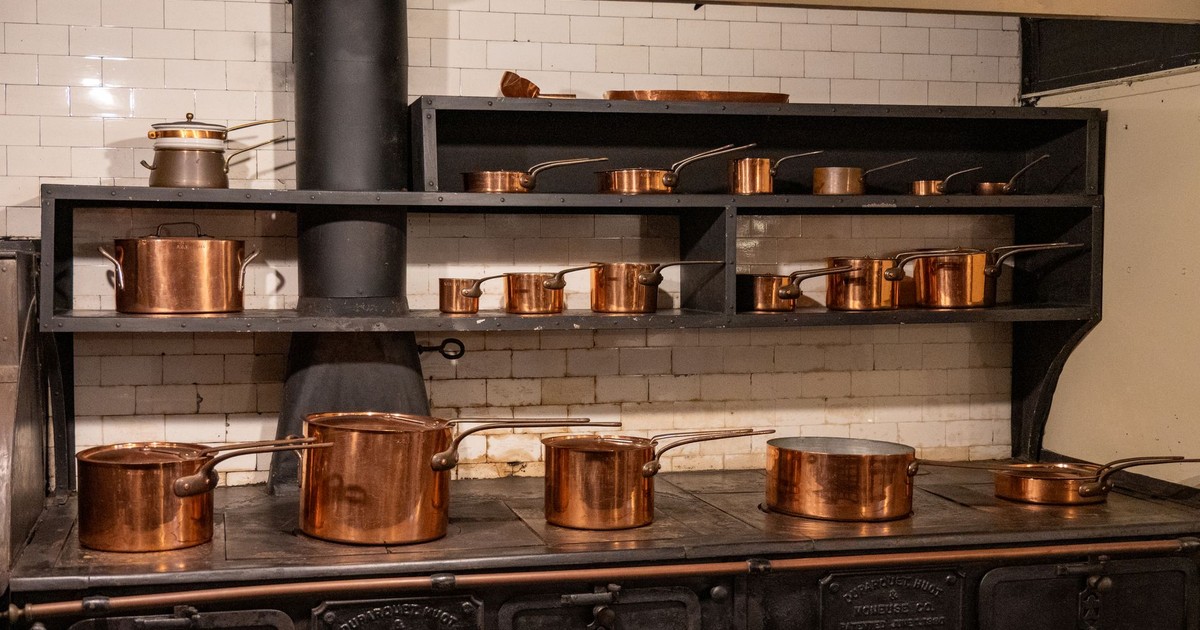
A practical wisdom runs through all of these Depression-era Thanksgiving meals that modern cooking has largely walked away from: the idea that flavor comes from technique, not from expensive ingredients. The cook who braised an old hen low and slow for three hours wasn’t making do. She was extracting something a forty-minute roast at high heat could never produce. The cook who rolled flank steak around a bread stuffing wasn’t settling for less than duck. She was solving a flavor equation that worked on its own terms.
The early 1930s also saw the Dust Bowl, a series of devastating droughts that hit the Great Plains, destroying crops and turning once-fertile farmland into barren dust fields. This environmental disaster forced thousands of farming families to migrate and deepened the food crisis as wheat, corn, and meat prices soared. The people cooking through that period weren’t consulting a budget cookbook. They were feeding families with whatever hadn’t failed, and they built a body of recipes that survived precisely because they were good.
None of these dishes require an apology at the table. A plate of crisp potato pancakes next to a tangle of braised hen and a bowl of chestnut stuffing isn’t a Depression meal in a sad, museum-piece sense. It’s a Thanksgiving that required thinking rather than just shopping. That’s a different kind of abundance, and it turns out it tastes pretty good.
Disclaimer: This information is not intended to be a substitute for professional medical advice, diagnosis, or treatment and is for information only. Always seek the advice of your physician or another qualified health provider with any questions about your medical condition and/or current medication. Do not disregard professional medical advice or delay seeking advice or treatment because of something you have read here.
AI Disclaimer: This article was created with the assistance of AI tools and reviewed by a human editor.