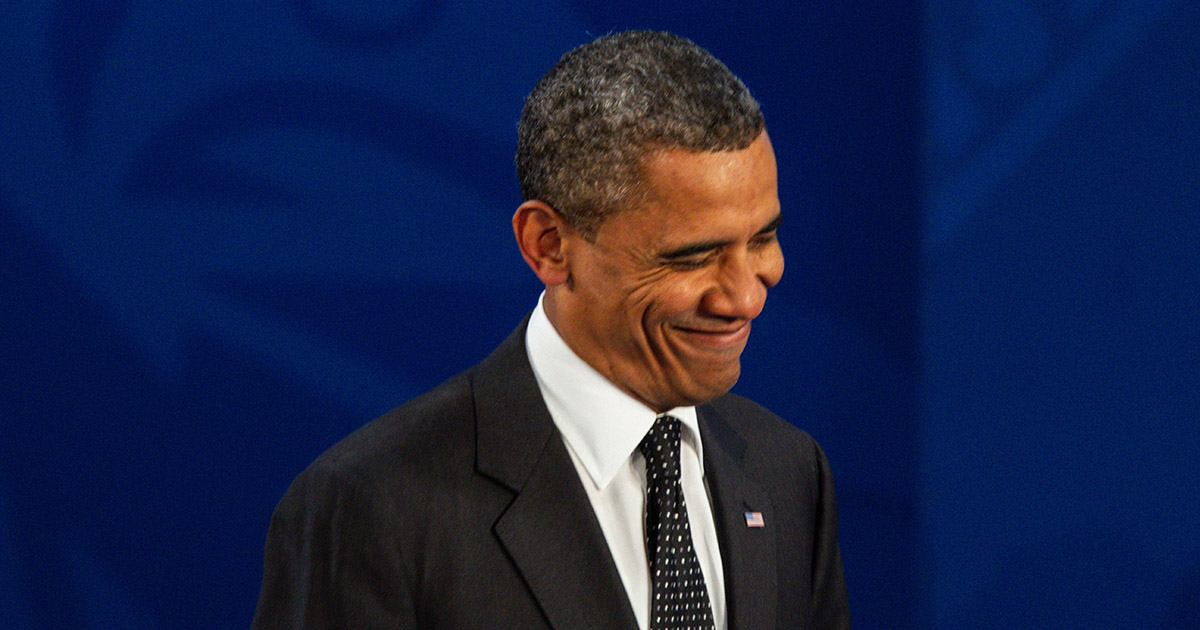

On the morning of May 20, 2013, Shannon Richardson waited for her husband Nathan to leave for work. Once she heard the door close, she printed three mailing labels, one addressed to the White House, one to the New York City Mayor’s office, and one to a gun control advocacy group in Washington, D.C. She stuffed each envelope with a letter soaked in a homemade toxin, drove to the New Boston, Texas post office, and mailed them. Then she went about her day as a mother of five, pregnant, waiting.
Ten days later, she walked into the Shreveport, Louisiana police department and reported her husband for the crime.
Investigators noticed almost immediately that nothing about her story held together. Shannon Richardson, a small-time actress from rural Texas who had appeared in bit parts on The Walking Dead and The Vampire Diaries, had sent the sitting President of the United States a letter laced with ricin and tried to pin it on a man whose only apparent crime was filing for divorce.
A Poison Anyone Can Order Online
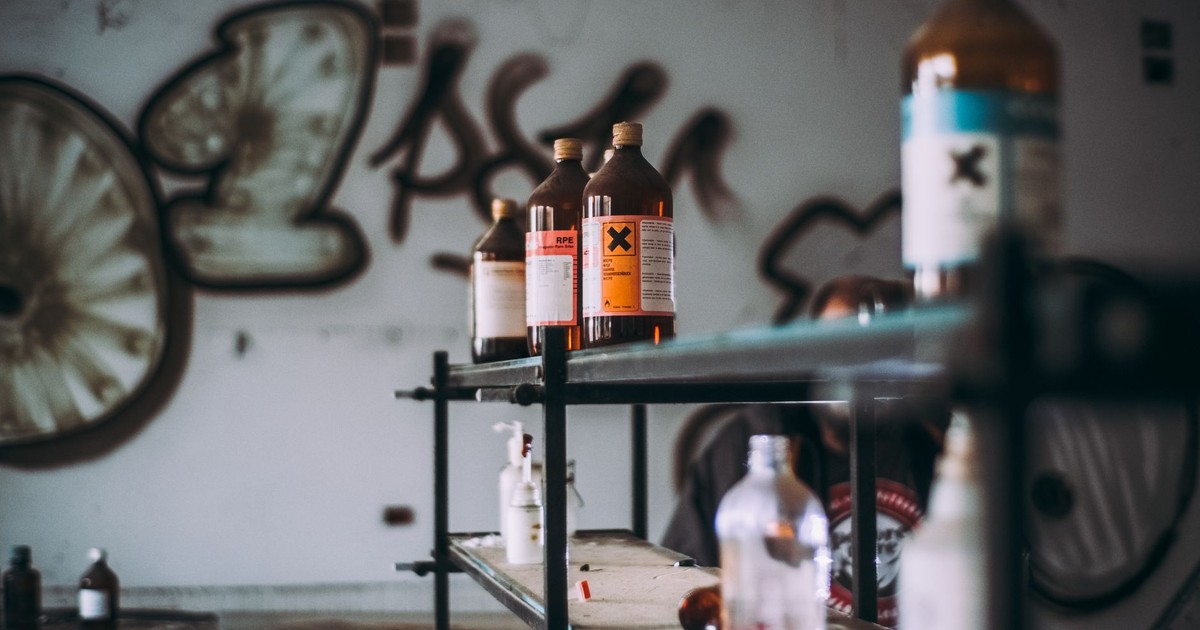
Ricin is an extremely toxic protein derived from the seeds of the castor bean plant. Castor beans are sold online, legally, used in everything from ornamental gardens to industrial lubricants. The Mayo Clinic reports the poison can kill a person within three days, and even a small amount can be fatal. There is no antidote.
The FBI later described the letters as containing very low concentrations of ricin, and they were discovered before causing any injuries or fatalities. But the intent was unmistakable. One letter read: “You will have to kill me and my family before you get my guns. The right to bear arms is my constitutional God-given right. What’s in this letter is nothing compared to what I’ve got planned for you.”
The Letters, the Lies, and the Husband Who Didn’t Know What Ricin Was

Richardson produced ricin from castor beans and mailed three threatening letters contaminated with the toxin to President Barack Obama, New York City Mayor Michael Bloomberg, and Mark Glaze of a gun control advocacy group, on May 20, 2013. The letters sent to President Obama and Bloomberg’s New York office were intercepted at off-site mail screening facilities. The letter sent to Bloomberg’s gun control organization in Washington was opened by Mark Glaze, who was not injured.
On May 30, 2013, Richardson traveled to the Shreveport, Louisiana Police Department and reported that her husband was responsible for the ricin-laced letters. She showed up with a story loaded with supporting details: castor beans she claimed to have found at their home, a sticky note she said she’d seen on his desk with the addresses of Obama and Bloomberg, descriptions of small brownish bean residue she had apparently found lying around. She had clearly prepared.
Richardson had been married to her husband less than two years when she went to authorities. Prosecutors later described it as a bizarre case of marital conflict crossing with bioterrorism.
The framing attempt began to unravel almost immediately. Richardson failed a polygraph test, and investigators found numerous inconsistencies in her story. Her husband would have been at work at the time internet searches related to the letters were made on the couple’s laptop, and when the envelopes were postmarked.
Her husband, Nathaniel Richardson, filed for divorce after Shannon implicated him, around the time of her arrest. His attorney told the Associated Press that the 33-year-old Army veteran may have been set up by his wife. Nathaniel himself said he didn’t even know what ricin was when investigators first mentioned it. He kept mispronouncing it.
According to the FBI arrest affidavit, Richardson eventually admitted she had received syringes and lye, a caustic chemical used in making ricin, in the mail, that she had printed the labels for the letters, and that she mailed them. She insisted, however, that her husband had typed the letters and made her print and send them. That claim didn’t survive contact with the timeline. At the time of her arrest, she was pregnant with their child, and she gave birth in July, while in jail.
What the Investigation Found
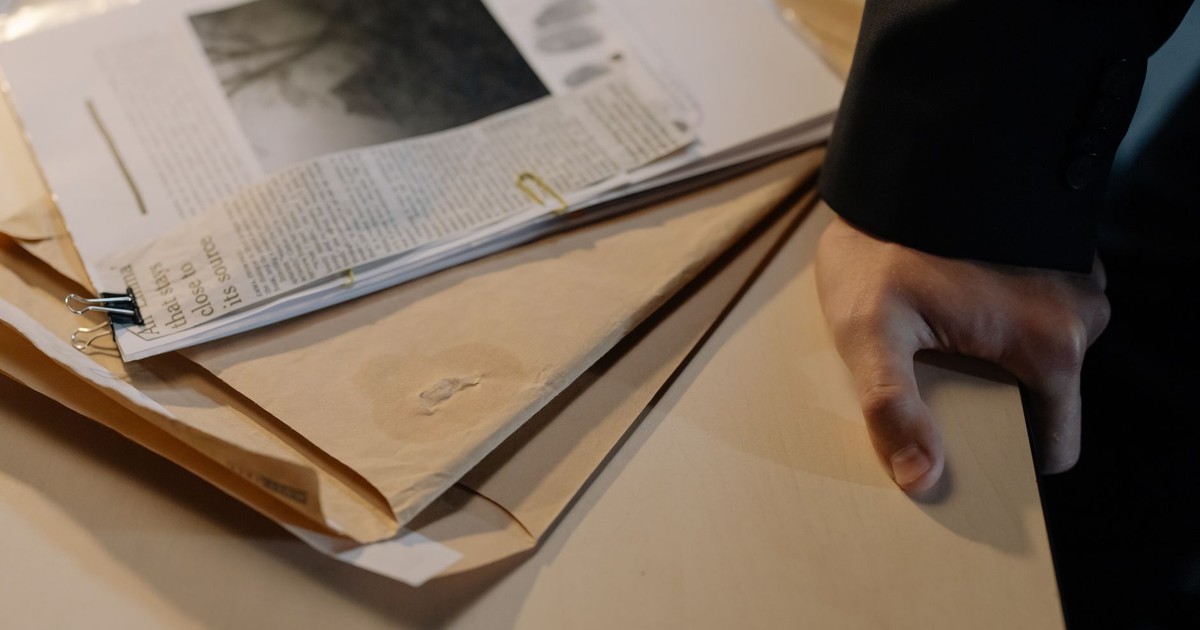
On December 10, 2013, Richardson pleaded guilty to a charge of possession of a toxin for use as a weapon before U.S. Magistrate Judge Caroline M. Craven. She had obtained an email address, a PayPal shopping account, and a post office box in her husband’s name without his knowledge. She used those accounts to order the supplies she needed, creating a paper trail that would point directly at him.
Court documents state that on the morning of May 20, 2013, Richardson said she waited for her husband Nathan to go to work, and after he left, she printed the mailing labels for President Barack Obama, New York City Mayor Michael Bloomberg, and Mark Glaze.
Her estranged husband later told NBC’s Today show that she really wanted to be an actress and sought media attention to get her face out there. Whether that was the real driver or a convenient post-arrest narrative from a man who had every reason to be furious with her, investigators never resolved it fully. What they could prove was the act itself.
Richardson spent weeks ordering materials under a false identity, researching how to process castor beans into a viable poison, writing letters calibrated to an ongoing national debate over gun control, and constructing a false paper trail. All while pregnant, living with the person she was framing, and maintaining what presumably looked from the outside like a normal domestic life.
The Sentence and the Appeal That Went Nowhere

Though the charge carried a maximum penalty of life in prison, prosecutors had agreed at the time Richardson entered her plea deal that she would not serve more than 18 years. She was sentenced to 216 months in federal prison by U.S. District Judge Michael H. Schneider and ordered to pay restitution of $367,222.29. John Bales, U.S. attorney for the Eastern District of Texas, said in a statement, “Today’s sentencing brings an appropriate and just end to what is surely one of our most unusual, even bizarre cases.”
She addressed the court before sentencing. “I never intended for anybody to be hurt,” she told the court. “I’m not a bad person. I don’t have it in me to hurt anyone.”
Later, Richardson tried to have her sentence reduced. A federal judge in East Texas declined to reduce the 18-year sentence, after Richardson had appealed on the grounds of ineffective counsel. Judge Caroline Craven issued a ruling determining her claims were without merit.
The FBI’s official press release on the case noted that the investigation involved not just the FBI but the U.S. Secret Service, the U.S. Postal Inspection Service, the Texas Department of Public Safety, the New Boston Police Department, the Shreveport Police Department, and the New York City Police Department. Mail destined for the President and major public officials is screened at off-site facilities because threats like this one, however amateurish in execution, are a known category of risk.
The Part That Doesn’t Quite Add Up

Richardson admitted her guilt, pleaded to it, and the forensic evidence was overwhelming. But her plan required investigators to believe that an Army veteran with no apparent motive and a clear alibi had somehow orchestrated a bioterrorism plot targeting the President of the United States. It required them not to check the internet search history on the household laptop. It required them not to notice that the timestamps put her husband at work when every relevant search was conducted.
The plan failed so quickly, and so completely, that she may not have thought she would actually be caught. Or perhaps some part of her didn’t entirely care if she was. Her husband’s attorney noted the divorce proceedings, the acrimony, and the setup, but never offered an explanation for how a person gets from an unhappy marriage to mailing ricin to the White House. There may not be a satisfying one.
The case left behind a federal conviction, an 18-year sentence that survived appeal, and a moment in 2013 when the country’s mail screening infrastructure did exactly what it was built to do. Nobody died.
The letters that threatened the President of the United States were stopped at a facility most people have never heard of, handled by workers who never made headlines. The actors, the poison, the frame job, the pregnancy, these details tend to overshadow the outcome. No injuries, no fatalities, a conviction. That was the result of a system working the way it was supposed to.
Richardson’s minor television career, the bit parts she’d accumulated across shows like The Walking Dead, had given her something like a public identity before any of this. After June 2013, it became the opening line of every news story about her. It still is.