

Most parents can name the moment they first held their child. Very few can name the moment a single sentence they said in a rush, in traffic, in the middle of a Tuesday argument, lodged itself permanently in that child’s mind. Yet those moments happen all the time, and the asymmetry is striking: the child files the sentence away for thirty years while the parent forgets it before dinner.
For the adult child, the discovery often comes from realizing that a parent’s voice is still in their head decades later, narrating their own internal commentary about a failure or inadequacy. The realization can take years to arrive, partly because the voice has been internalized so completely that the adult child often experiences it as their own. For the parent, it usually arrives from a conversation they didn’t see coming, when a now-grown son or daughter says, “You told me I was too sensitive,” and the parent has absolutely no memory of it.
Children’s brains are not neutral recording devices. They prioritize emotional and identity-forming experiences, filing away moments that feel significant in ways that purely factual information never does. The 12 phrases below are the ones that most consistently survive that process intact, sometimes word for word, often across a lifetime.
1. “I’m So Proud of You.”

When a parent says this after a school play, a report card, a hard conversation where the kid finally told the truth, it lands differently than any other praise. Not “good job,” which attaches to the performance. Not “well done,” which evaluates the outcome. “I’m proud of you” is about the person. Children understand that distinction without being able to articulate it.
The phrase gets stored as identity-level information: someone I love and whose opinion shapes my world looked at me and decided I was worth being proud of. Adults who remember hearing it regularly describe a floor of confidence they can return to, even when things are going badly. Adults who rarely heard it often describe searching for that feeling in the approval of bosses, partners, and strangers.
The specificity matters too. “I’m proud of you for keeping your word to your friend even though it cost you” is recalled far more vividly than a general “I’m proud of you, honey.” When the reason is attached, children understand what quality is being recognized and internalize it as a real part of themselves. The parental words impact here is cumulative: each specific instance adds to a child’s sense of who they are.
2. “You’re Just Like Your Father/Mother.”
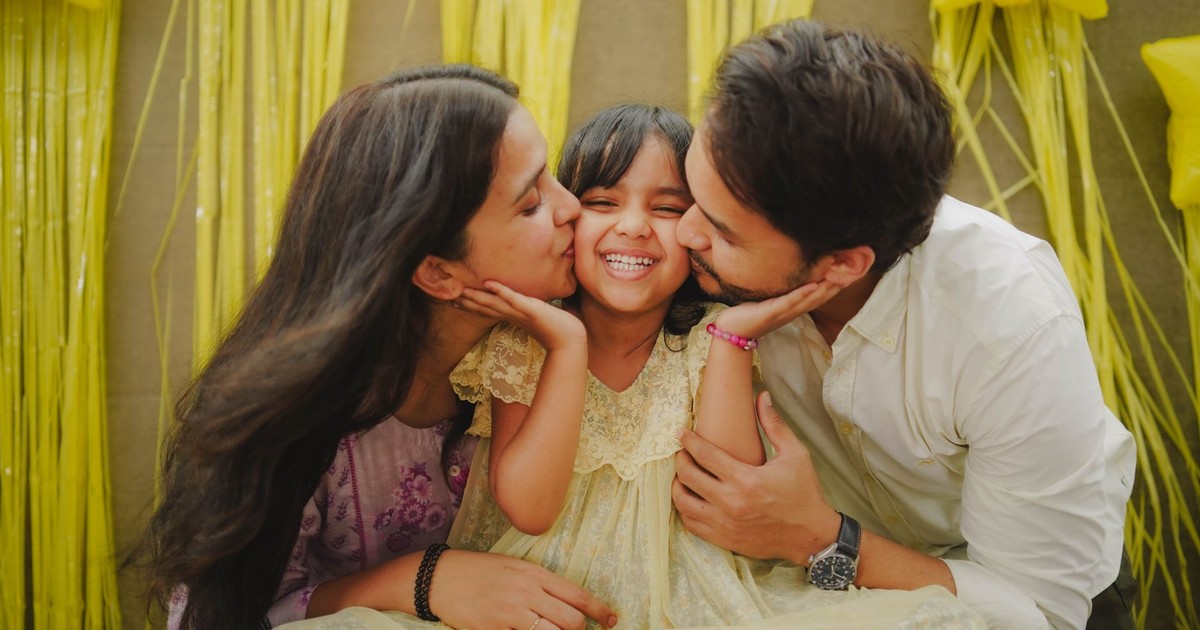
Said warmly during a funny moment, this phrase is harmless. Said during a fight, when the parent is at the end of their rope, it does something more complicated. The child receives it as a verdict. Not “you’re behaving like” but “you are.” A statement about character, not conduct.
A 2024 review in the Journal of Education, Humanities and Social Sciences found that negative parenting styles, including excessive criticism, blame, and negative evaluations, reduce adolescents’ self-esteem and lead them to doubt their own worth and abilities. Adolescents frequently exposed to these patterns are more likely to experience anxiety, depression, and related psychological problems.
Children who grow up hearing this phrase in negative contexts often spend years trying to disentangle what is them and what is the parent they were compared to. If the relationship with that parent is strained, the comparison feeds shame rather than connection. If the relationship is loving, the same phrase, said the same way, can become something a person holds close for decades.
3. “Stop Crying, There’s Nothing to Cry About.”

The intention here is almost always comfort, a kind of shorthand for “you’re okay, you can handle this.” The effect, especially repeated across childhood, is something else: the child learns that their emotional reality requires external validation before it counts. The feeling they are having is only real if a parent agrees it warranted.
A parent who consistently dismisses a child’s emotional experience is, in effect, delivering repeated criticism of that child’s inner life. Adults who grew up hearing dismissals of their emotions frequently describe the same difficulty: they can’t tell, in the middle of a hard feeling, whether what they’re experiencing is proportionate or whether they’re “overreacting.” That voice asking whether the tears are warranted? Often, that’s the parent’s voice. It’s so well-internalized by then that it sounds like their own.
4. “We Don’t Talk About That.”

Every family has a subject that gets this treatment. The grandfather who drank. The pregnancy that didn’t go to term. The brother who stopped speaking to everyone. The money that disappeared. Children understand that something is behind the closed door, and the door being shut sends its own message: some truths are too dangerous to name.
A child’s narrative sense of self develops through conversations with parents about the past. When those conversations are cut off, children fill the silence with their own explanations, and those explanations are usually harder on everyone than the actual story would have been. A child told “we don’t discuss that” doesn’t stop thinking about the thing. They just start thinking about it alone.
Adults who grew up in households with an off-limits topic often remember the exact phrasing used to shut down questions. Not the topic itself, but the shutdown. “We don’t discuss that.” “That’s in the past.” “You don’t need to know about that.” The sentence becomes a marker of the family’s emotional limits, and many people spend years in adulthood trying to push past it.
5. “Why Can’t You Be More Like Your Sister/Brother?”
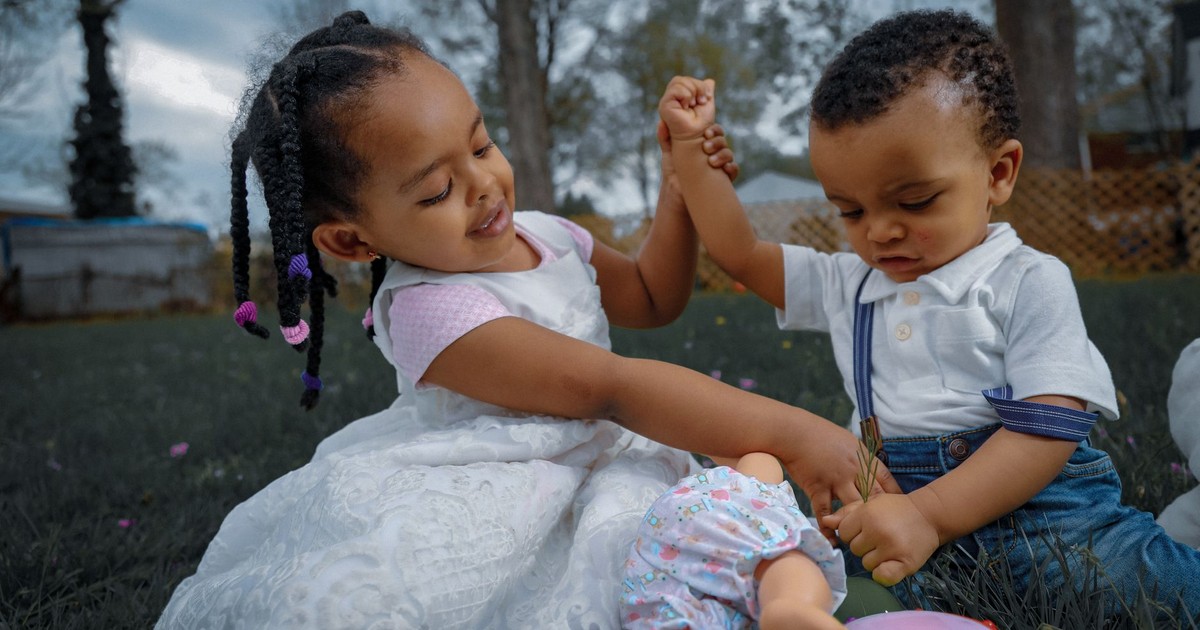
The punishment a child remembers 20 years later isn’t the grounding or the lost screen time, it’s the look on a parent’s face during disappointment. And even when parents think they’re being helpful or motivating with comparisons, what children hear is that their unique self isn’t valuable enough on its own.
The comparison phrase doesn’t just hurt in the moment. It plants a competition that runs in the background for years, sometimes decades. Adult siblings who are close can often trace one thread of their childhood friction back to a single offhand remark made by a parent who was frustrated on a Thursday morning and has no memory of saying it. The sibling rivalry didn’t start there, but it was confirmed there. The sentence became evidence.
Parental favoritism and siblings shape family dynamics in ways that reach well into adulthood, and the comparison phrase is one of the clearest ways favoritism gets communicated, even when no favoritism was actually intended.
6. “I Love You.”

Obvious, maybe. But worth naming, because it doesn’t go without saying for every child. Some households use the phrase constantly and casually; others reserve it for significant moments; others never say it at all, on the assumption that it’s understood.
Children in that last category grow up and often say one of two things. Either “my parents showed their love in other ways, they just didn’t say it,” said with a certain amount of practiced acceptance. Or: “I always wondered.” Those two outcomes are not equally common. The phrase, repeated across a childhood, creates a certainty that no amount of shown love quite replicates. It is heard, stored, and returned to. Adults who heard it regularly almost always remember specific moments when a parent said it unexpectedly, out of context, for no particular reason. Those are the moments that stay longest.
7. “You’re So Smart/Talented/Special.”
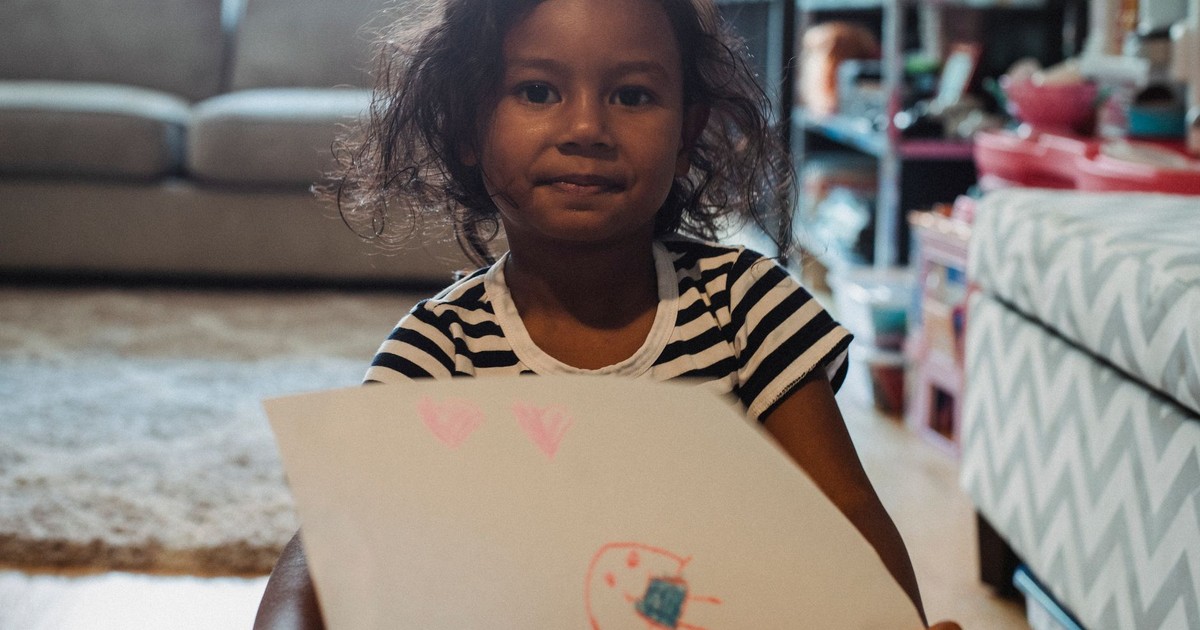
Praise that attaches to identity rather than effort is a particular kind of double-edged gift. A child told repeatedly that they’re “so smart” learns, over time, to protect that label by avoiding situations where they might fail. The smarter move is to praise the process: “you really worked hard on that” rather than “you’re so smart.” But many parents don’t know this, and the label they attach with love can create a constraint the child carries into adulthood.
Adults who grew up with heavy intelligence labels often remember the exact moment the label felt like a trap. The first test they failed. The class where effort wasn’t enough. The moment they realized “smart” was a promise they weren’t sure they could keep.
8. “I’m Sorry. I Was Wrong.”

This one is remembered because it’s rarer than it should be. Parents who apologize to their children, who say “I lost my temper and that wasn’t fair” or “I was wrong about what I said last week,” are doing something that sticks in memory not because it’s dramatic but because it’s unexpected.
Children need to know that their relationship with a parent can survive their mistakes. When parents respond to difficult confessions with measured calm, they teach that honesty is safe and that a child can bring their whole self to the relationship, not just the polished parts. The same logic applies in reverse. When a parent apologizes, the child learns that adults can be wrong without the world ending, that repair is possible, and that honesty is valued over the appearance of authority.
Adults who remember a parent apologizing often describe it as one of the more formative moments of their childhood. Not because the original incident was catastrophic, but because the repair was so unexpected. They’d never seen an adult own a mistake before.
9. “You’ll Never Amount to Anything.”

This phrase, and its variants (“you’re useless,” “you always mess everything up,” “I don’t know what’s wrong with you”), is almost always said in a moment of parental exhaustion or anger. The parent is at zero. The sentence is an expression of frustration, not a considered assessment. But a child’s brain doesn’t have access to that context. What it hears is a prediction, made by the person who knows them best, about who they are and what their future holds.
A study in the Journal of Child Psychology and Psychiatry found that parental criticism is a risk factor for poor youth mental health, including self-harm, and that youth with parents showing increasing criticism showed less improvement in suicidal ideation over 12-month follow-up. Children exposed to sustained parental criticism begin to internalize that critical voice, carrying it forward as their own internal standard.
The adults who carry this sentence longest are often the ones who spent years either trying to disprove it, building a whole life around the need to prove a parent wrong, or believing it, holding back from exactly the opportunities that would have challenged the prediction.
10. “I Don’t Have Time for This Right Now.”

Said occasionally, this phrase is just life. Parents are busy. Children need to learn that the world doesn’t pause for their emotional needs. Said habitually, across years of childhood, it becomes a different kind of message: your needs are an inconvenience. The timing of your feelings is inconvenient. You, essentially, are inconvenient.
The accumulation of “not now” moments doesn’t produce a child who learns patience. It produces a child who learns to need less, at least visibly. Adults who grew up on the receiving end of consistent dismissal often describe the same pattern: they got very good at seeming fine. They stopped bringing things to people who might be too busy. They pre-emptively managed their own emotional needs out of the conversation, long before anyone asked them to.
11. “Because I Said So.”
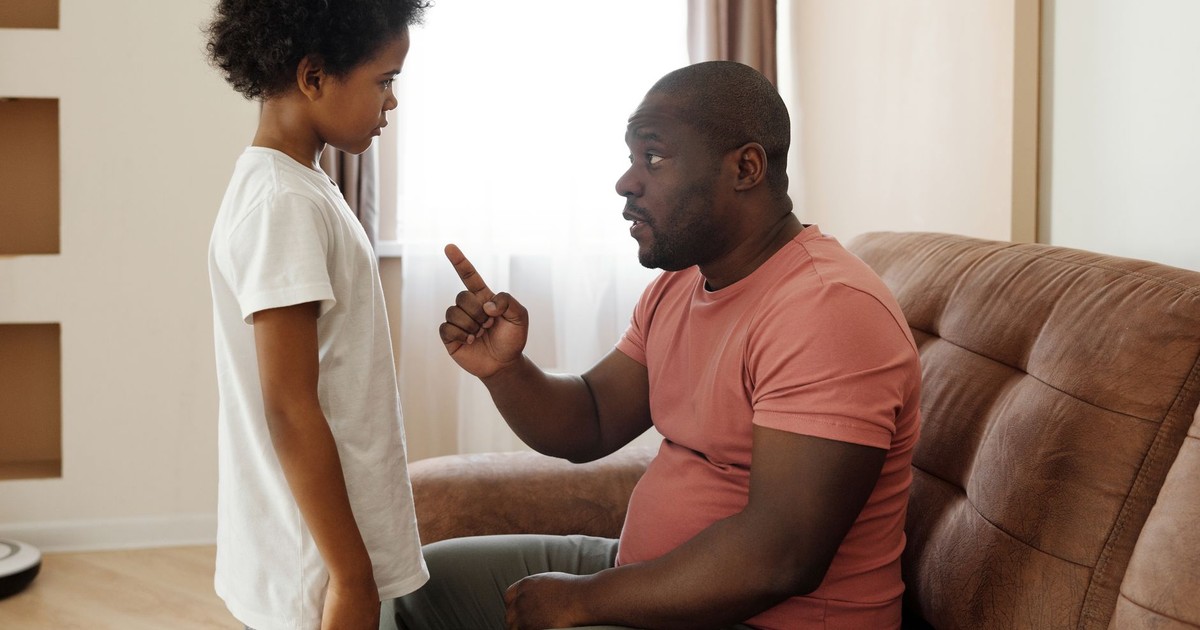
There’s a practical case for this phrase. Children who receive a full debate-club explanation for every family decision often don’t develop the ability to follow reasonable instructions in contexts where explanations aren’t available. Some things just need to be done, and parental authority is a legitimate reason.
But the version that gets remembered decades later is the one deployed not to end a reasonable discussion, but to end a legitimate question. “Why do I have to stop seeing that friend?” “Because I said so.” “Why don’t we ever talk about Grandpa?” “Because I said so.” When authority replaces explanation on questions that deserved an answer, children learn that their curiosity is unwelcome. Narrative memory forms through parent-child conversations about the past. Closing those conversations down has an effect that runs longer than the conversation itself.
12. “I Believe in You.”

Said at the right moment, this is perhaps the most durable thing a parent can give a child to carry. Not “I know you’ll be great” (a prediction) or “you’ve got this” (a pep talk) but “I believe in you,” which is a statement of trust placed in the person before the outcome is known.
Children who grow up hearing that they are fundamentally believed in develop a different relationship with risk. They try things. They fail and try again, because the belief is not contingent on the result. The parent believed in them before the test, before the audition, before the conversation they were terrified to have. That’s what they remember. Not the outcome, but the unconditional nature of the trust.
Adults who carry this sentence often report bringing it out in moments of doubt, decades after the parent who said it has died. It functions less like a memory and more like a resource.
The Part No One Warns You About
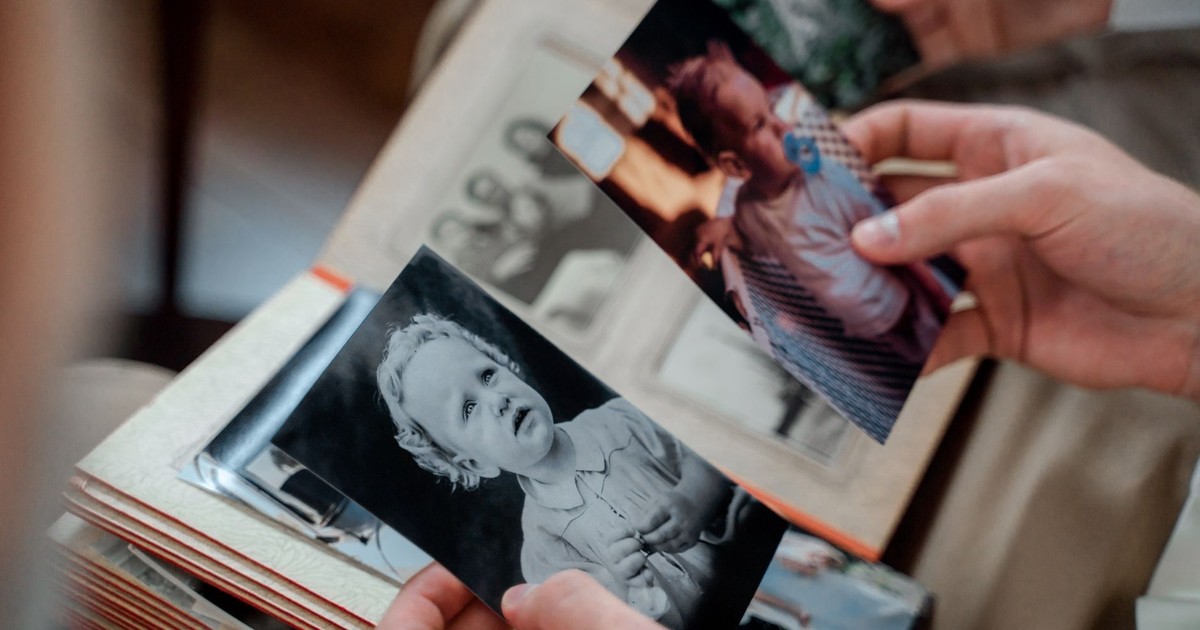
The most unsettling aspect of parental words impact isn’t that the damaging phrases stick. It’s that the parents rarely know they stuck. The adult child carries a parent’s voice for decades, narrating their own internal commentary about a failure or perceived inadequacy. The realization can take years to arrive because the voice has been internalized so completely that the adult child often experiences it as their own. For the parent, the discovery usually arrives from a conversation they did not see coming.
This isn’t a reason for guilt. Parents are tired, underpaid by the emotional economy of the job, and operating in real time without the benefit of replaying the tape. Every parent has said something on this list. Some of the phrases here are damaging, some are nourishing, some are both depending on when and how they were said. The point isn’t to build a case against anyone. It’s that children are listening more carefully than adults remember being, and the words don’t have to be loud or frequent to last. Sometimes one sentence, said on an ordinary afternoon in a year the parent has long since stopped thinking about, is still running in the background of someone’s daily life thirty years later.
AI Disclaimer: This article was created with the assistance of AI tools and reviewed by a human editor.