
The Korea Meteorological Administration has issued a warning: “Move immediately to a cool place.” On August 2, 2026, the southeastern city of Yangsan recorded a temperature of 42.5°C (109°F), the highest in South Korea since weather records began 122 years ago.
Yangsan had already exceeded 40°C (104°F) for five consecutive days by the time that record fell. Seoul and parts of Gyeonggi Province came under the capital region’s first Heat Wave Emergency Warning on Monday, as record-breaking heat spread westward from the southeast. The weather agency issued that warning for Tuesday, when the daily maximum perceived temperature is expected to exceed 38°C and the actual daytime high is forecast to surpass 39°C.
What 42.5°C Actually Means
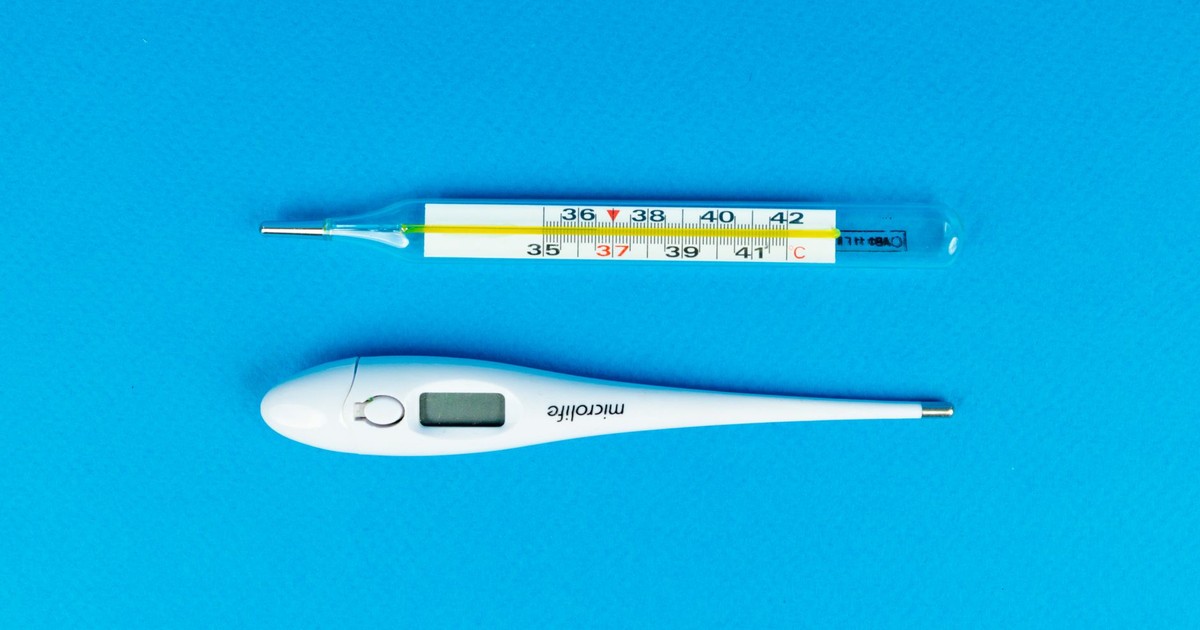
According to a 2026 report, Yangsan reached 42.5°C (108.5°F) on August 2, 2026, establishing South Korea’s highest temperature since meteorological observations began. That reading superseded a 41.4°C record measured at the same location just two days earlier, on July 31. The Korea Meteorological Administration described the July 31 reading as the highest daily maximum among South Korea’s Automated Synoptic Observing System stations since 1973, before it was eclipsed again on August 2.
A reservoir in Gyeongju, North Gyeongsang Province, has been reduced to small pools amid the ongoing drought and heat, as the city recorded 40.2°C on Sunday. Cities like Daegu and Busan, both major urban centers, have seen temperatures climb into the high 30s. South Korea’s professional baseball league canceled games in Changwon and Busan after severe heat wave warnings were issued for both cities, marking the second consecutive day of cancellations. The Korea Baseball Organization said: “The decision was made with the safety and health of spectators and players as the top priority.”
The KMA attributed the persistent heat to the simultaneous influence of the Tibetan High in the upper atmosphere and the North Pacific High at middle and lower levels. The overlapping pressure systems allowed a deep layer of hot air to build over the Korean Peninsula as temperatures rose from July 10 onward.
The South Korea Heat Warnings System and a New Category It Had to Create
South Korea has a tiered heat alert system, and this summer authorities had to add a new tier to it. More than 20 localities were under emergency heat wave alerts on Sunday, a warning category introduced this year. An emergency alert is issued when areas experiencing a heat wave are forecast to hit perceived temperatures of 38°C (100°F) or an actual temperature of 39°C (102°F) for the day.
The highest warning tier applies where a maximum apparent temperature of at least 35°C (95°F) has been observed for two consecutive days and the KMA forecasts either an apparent temperature of at least 38°C or an air temperature of at least 39°C. The KMA said the warning denotes a substantially elevated risk of severe heat-related effects, including effects on otherwise healthy people.
The relentless heat is showing no sign of easing, with the worst of it now shifting toward the western and central parts of the country. As of Monday afternoon, severe heat wave warnings, the highest alert level calling for an immediate halt of all outdoor work, were in effect for the Gyeongsang region and parts of South Jeolla Province, while heat wave warnings were issued for most of the rest of the country.
Issuing the South Korea heat warnings, the weather agency urged people to “immediately stop all outdoor activities,” adding that “indoor spaces without air conditioning are dangerous.” “Move immediately to a cool place, such as a designated cooling center or a shaded area, and stay hydrated while resting,” it advised.
The Human Cost

Residents across South Korea sought relief at cooling shelters, beaches, water parks, and riverside recreation areas as the heat made outdoor city life difficult.
Reuters reported that data released by the Korea Disease Control and Prevention Agency showed that 14 people had died and 1,889 had suffered heat-related illnesses since mid-May. About one-fifth of all heat-related illness cases nationwide have been reported in Busan, Ulsan, Daegu and the North and South Gyeongsang provinces, the southeastern corridor that has been absorbing the worst of the heat for weeks. The death toll is expected to rise, as additional suspected heat-related deaths were reported in Busan and other areas. In Dangjin, South Chungcheong Province, two elderly farmers were found collapsed after going out to work in the fields.
The KDCA said hospitals and emergency departments have recorded a sharp increase in cases involving heat exhaustion, dehydration, and heatstroke during the current heat wave. Heat exhaustion is the body’s warning that its cooling system is failing. Heatstroke is what happens when that system stops. At 42.5°C, those two conditions can follow each other within minutes.
Power authorities have activated emergency measures and are closely monitoring supply and demand as electricity consumption is expected to reach a record high in late August amid surging air-conditioning use.
The Government’s Response

Prime Minister Han Seong-sook ordered ministries and local governments to mobilize all available resources to respond to heatwave and drought risks after the government raised its heatwave response alert to the second-highest level, unlocking funding for relief efforts and more frequent inspections in affected areas.
“Each ministry shall use all available channels, including public broadcasters, emergency text messages, electronic information boards and village broadcasts, to swiftly inform the public about heat wave conditions,” Prime Minister Han said in a statement posted on a government Facebook page.
Public health agencies have expanded emergency measures, including cooling centers, welfare checks on vulnerable residents, and public information campaigns aimed at reducing heat-related risks. North Korean state media reported temperatures approaching 40°C in parts of the country and a fifth straight tropical night in Pyongyang. In Japan, severe heat persisted across eastern and western regions, prompting authorities to issue heatstroke alerts for 30 of the country’s 47 prefectures.
A Trend That Has Been Building for Decades
KMA data shows the average annual number of heat wave days in South Korea has more than doubled to 19 over the past five years, from eight in the 1970s. A heat wave day is defined as one with a maximum temperature of at least 33°C (91°F). That doubling represents a fundamental shift in what South Korean summers look like.
The most severe heat has been concentrated in the southeast. Yangsan broke the national temperature record for three consecutive days from Friday through Sunday before setting the all-time mark on August 2.
Read More: Surging heat dome brings triple-digit temperatures across the US
What to Do With All of This

For anyone in South Korea right now, the practical guidance from the KMA is specific: stop outdoor activity during peak heat hours (typically 10am to 5pm), find air-conditioned spaces, stay hydrated with water rather than alcohol or caffeinated drinks, check on elderly or vulnerable people in your life who may not have air conditioning, and take emergency heat alerts on your phone seriously rather than dismissing them as routine.
The KDCA projected at least 19 heat-related illness cases in each of six of the country’s 17 cities and provinces on Monday. The remaining regions, except Jeju Island, were expected to see between six and 18 cases each.
South Korea’s record-breaking heat wave is expected to persist through the coming week, though the path of Typhoon Dolphin could determine whether conditions worsen or ease temporarily. Forecasters are watching.
No Precedent for This
South Korea’s all-time temperature record stood for years, then fell three times in a single week. The country had to create a new warning category because the existing ones weren’t calibrated for what’s happening now. The language authorities reached for when they needed people to act was as direct as it gets: move immediately.
Disclaimer: This information is not intended to be a substitute for professional medical advice, diagnosis, or treatment and is for information only. Always seek the advice of your physician or another qualified health provider with any questions about your medical condition and/or current medication. Do not disregard professional medical advice or delay seeking advice or treatment because of something you have read here.
AI Disclaimer: This article was created with the assistance of AI tools and reviewed by a human editor.