
The argument usually goes like this: it was a long day, nobody wants to cook, and the app is right there. That’s not an unreasonable thought. But somewhere between “just this once” and the fourth delivery order this week, something happens to the budget that most people don’t fully register until they check their bank statement.
The math, when you actually do it, is uncomfortable. Not because takeout is some extravagant luxury, but because the costs pile up in ways that are deliberately hard to see. The delivery fee. The service fee. The small-print “restaurant fee.” The tip. The fact that the pad thai you ordered costs $4 more on the app than it does if you walk in and pick it up yourself. By the time the bag arrives at your door, a $15 meal isn’t $15 anymore.
This isn’t about guilt. Most people know, on some level, that takeout spending habits are costing them more than they think. What they often don’t know is exactly how much more, where it’s going, and what the structure of the whole system actually looks like from their end of the transaction.
The Baseline: What Americans Are Actually Spending
Americans spend an average of $88.50 a month on delivered or carried-out meals, according to a 2024 US Foods survey that polled 1,005 people reflecting the demographic makeup of the general American population. That’s separate from what they spend at restaurants when dining in. Add those figures together and the average monthly restaurant spend in 2024 was $191, up from $166 in 2023, a jump that goes well beyond what general inflation would explain.
Annualize the takeout figure alone and you’re at just over $1,000 a year before a single sit-down meal enters the equation. And that’s the average. For people who order more than a couple of times a week, the number climbs fast.
The National Restaurant Association’s 2025 report found that 51% of U.S. consumers, including about two-thirds of Gen Z adults and Millennials, say ordering takeout from restaurants is an essential part of their lifestyle. Not occasional, not a treat. Essential. For a generation managing student loans, housing costs, and stagnant wages, that’s a meaningful chunk of money to classify as non-negotiable.
The Price Gap Nobody Talks About: Delivery vs. Cooking at Home
The most jarring number in this conversation isn’t the delivery fee. It’s the spread between what a delivered meal costs and what you’d pay to make it yourself.
Ordering food delivery costs 79.5% more than picking up the same meal in person, an additional $9.30 per order on average. Compared to a similar frozen meal from the grocery store, delivery is 279.9% more expensive. Compared to cooking a comparable meal at home, it’s 601.7% more expensive. Those figures come from a 2025 LendingTree study that analyzed delivery orders from five major restaurant chains across the ten largest U.S. cities. The same study found that about 40% of Americans order food delivery at least once a week, with the average order running $35.42 – meaning a once-a-week habit adds up to roughly $1,840 a year.
Groceries have gotten more expensive too, but restaurant and takeout prices have risen faster, which means the gap between cooking and ordering is widening rather than closing. If you make a habit of cutting everyday spending in other categories but continue sending $88 a month through delivery apps without looking at the actual cost per meal, the math works against you in ways that compound over time.
How Delivery Apps Build the Price Before You See It
The markup on a delivery order doesn’t start with the delivery fee listed at checkout. It starts earlier, in the menu itself.
Including tip, Postmates has the highest markups at 92% above menu price, followed by DoorDash at 83% and GrubHub at 80%. Uber Eats has the lowest markups at 69% over the regular menu price. Those percentages come from a 2026 FinanceBuzz analysis that compared real order costs across popular chains, accounting for the full picture: food markups, service fees, delivery fees, and suggested tips.
The Chipotle example from that analysis makes it concrete. A chicken burrito bowl with guacamole, chips and salsa, and a drink costs $19.62 at Chipotle. Getting that same meal delivered costs between $28.33 on DoorDash and $34.73 on Postmates, an additional 44% to 77% before tip. Chick-fil-A carries the highest delivery app markups of any popular chain evaluated, between 71% and 134% above the regular menu price depending on the platform. The restaurant business runs on thin margins, and delivery apps extract their share from both ends: charging the customer extra fees and taking a commission from the restaurant, which often leads the restaurant to raise its in-app prices to compensate. The customer, at the end of that chain, pays for all of it.
Why the Spending Keeps Happening Anyway
None of this is news to people who’ve thought about it. So why does the spending continue, and often increase?
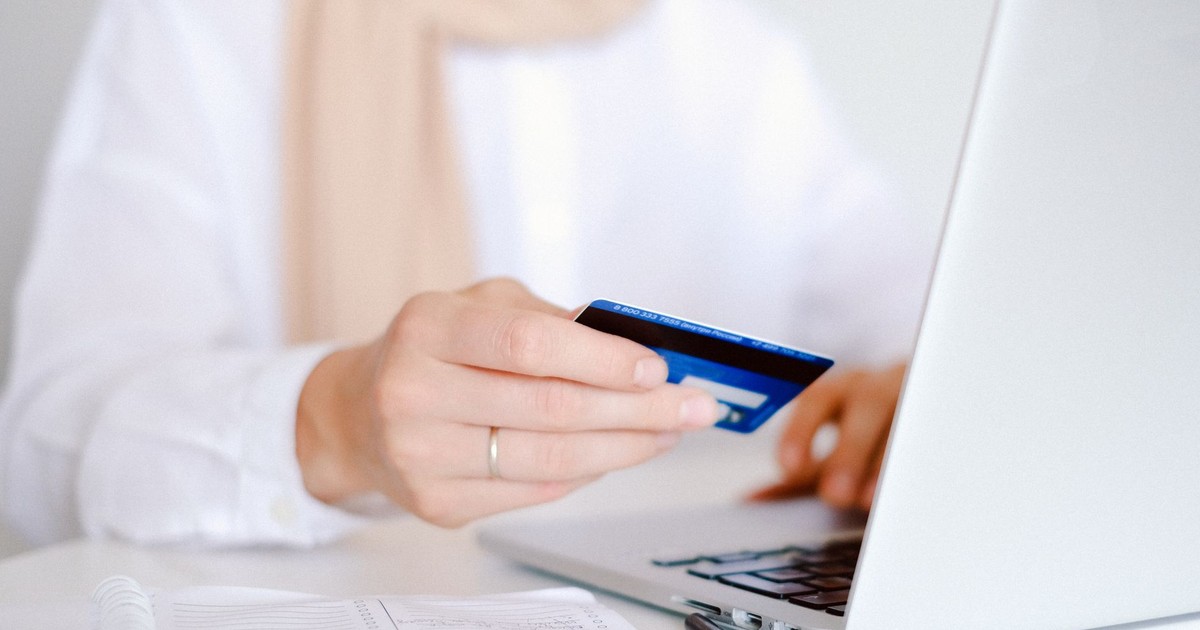
Delivery apps surface upsells and add-ons at the moment when hunger is highest and resistance is lowest. An order that starts as a $14 entree picks up sides, a drink, a dessert, and suddenly the subtotal is $30 before any fee has been added. The platform earns more per transaction when those additions happen, and the interface is built accordingly.
Food delivery expenditures have skyrocketed 924%, climbing from $9.8 billion in 1997 to $100.5 billion in 2024, according to the American Farm Bureau Federation’s analysis of USDA spending data. That’s not a niche behavior. That’s a structural shift in how Americans feed themselves, and the industry is built to sustain it.
Takeout Spending Habits and the Psychology of “Just This Once”
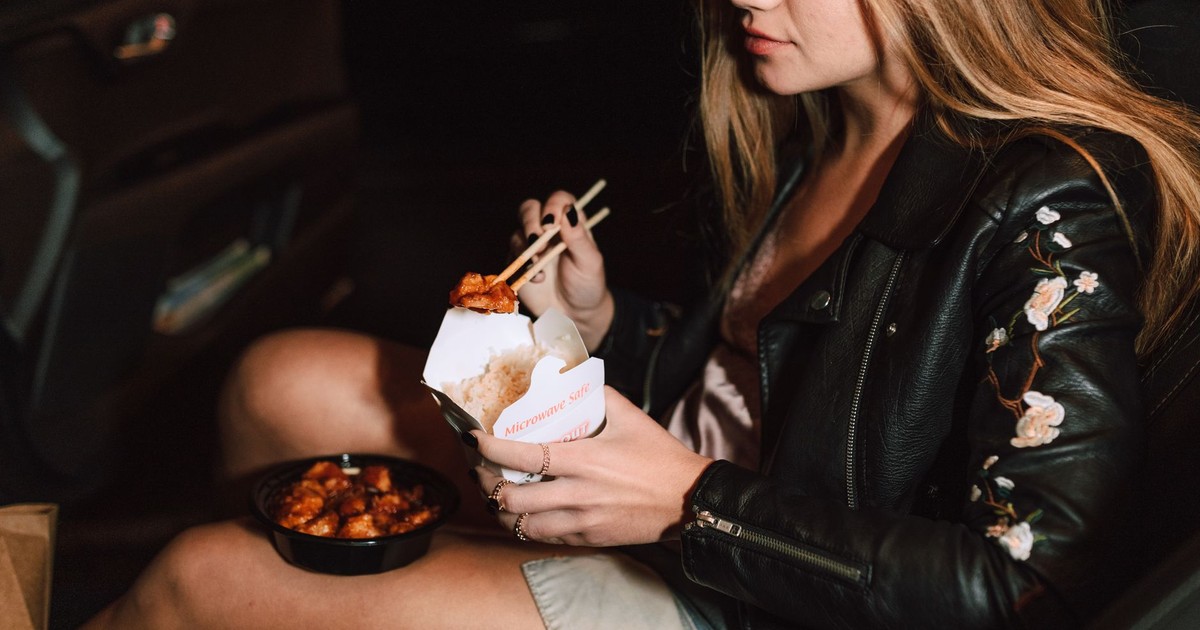
The average person doesn’t think of themselves as a heavy takeout spender. They think of themselves as someone who orders occasionally, with a few busier weeks thrown in. The trouble is that the self-perception rarely matches the bank statement.
Takeout spending habits are highly habitual in a structural sense: specific triggers, such as Friday nights, late work meetings, or days when cooking just isn’t happening, tend to produce the same response over and over without much active decision-making involved. The first time you ordered on a Tuesday because you were exhausted, it was a choice. By the fifteenth Tuesday, it’s just what Tuesdays are.
The frequency creeps up particularly during high-stress periods, because the friction to order is essentially zero and the immediate reward is tangible. There’s no running to the store, no chopping, no waiting for something to heat through. The app has your payment details, your usual order, and a forty-minute countdown. Opting out is actually the harder action.
What Pulling Back Actually Looks Like
Cutting takeout entirely is the kind of advice that sounds sensible and then lasts about ten days before reality sets in. Most people can’t and don’t want to cook every meal. The more useful question is where the unnecessary spending is actually happening, because it’s rarely evenly distributed.
Delivery fees and service charges on small orders are one of the most consistent culprits: ordering $18 worth of food and paying $11 in fees and tip means 37% of the transaction is pure overhead. Picking up the same order eliminates most of that. Choosing pickup over delivery on even a few orders a month cuts the annual total noticeably, without any change to how often you order or what you eat.
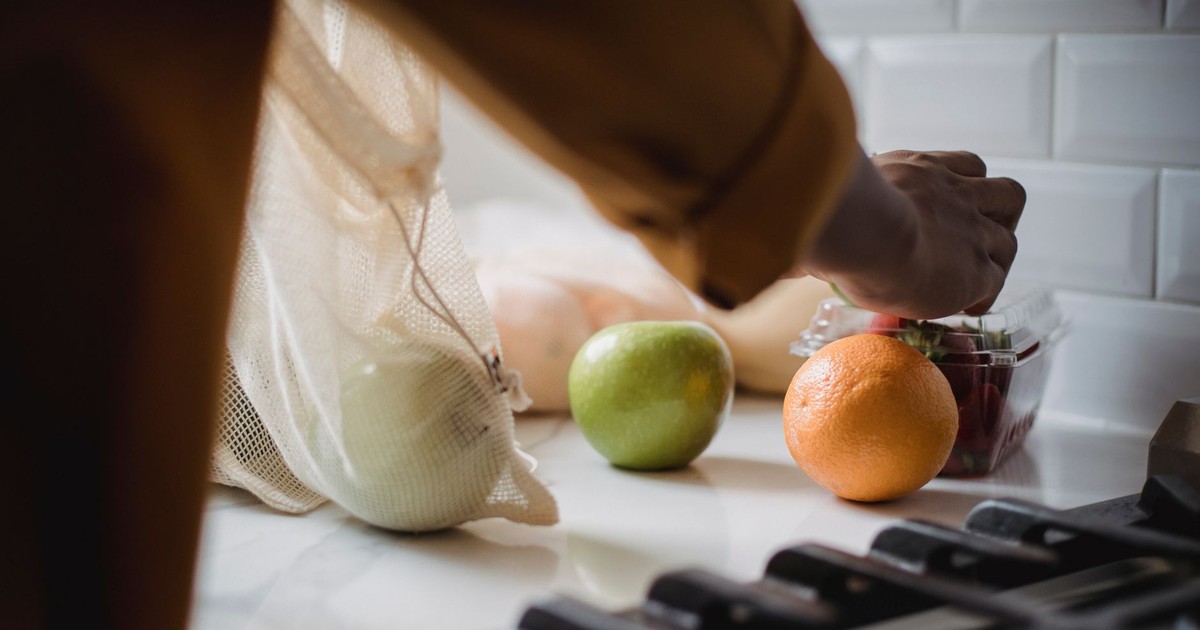
Grocery prices have climbed recently, but they’ve risen more slowly than restaurant and takeout prices, which means home cooking has quietly become a better deal relative to ordering out than it was a year ago. Batch cooking on a Sunday, keeping a few reliable quick-cook meals in rotation, and reserving delivery for genuine convenience moments rather than default habit are behaviors that tend to stick because they don’t require deprivation, just a slight shift in the default.
The Part of the Bill Nobody Adds Up
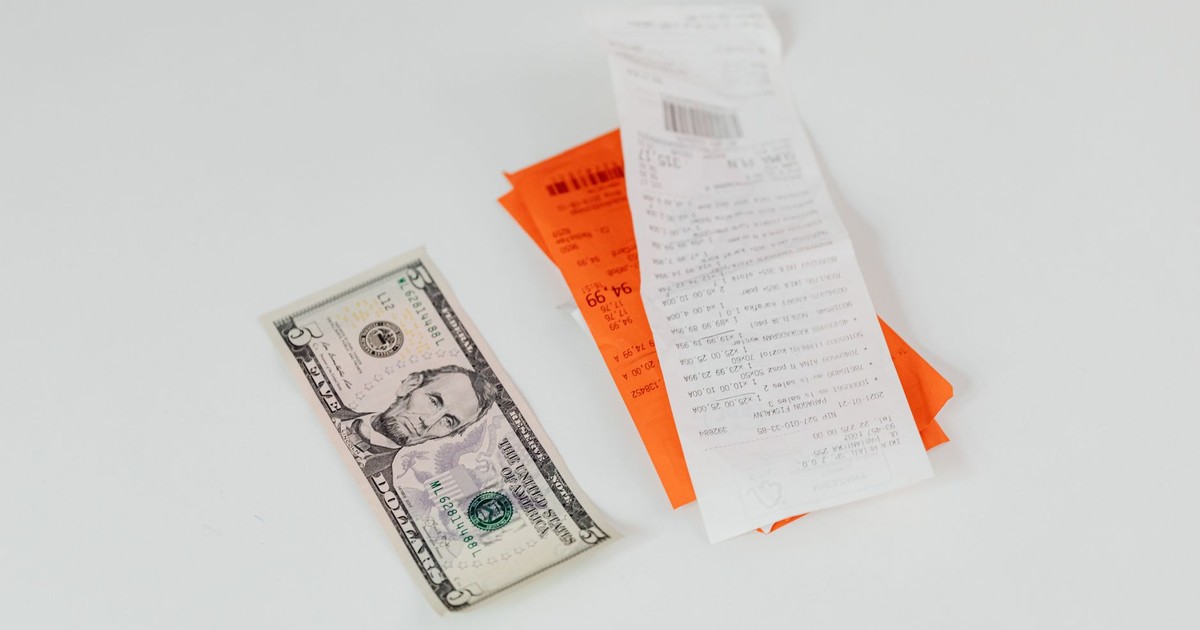
Habitual takeout spending tends to be invisible precisely because each individual order feels reasonable. Thirty-five dollars for dinner isn’t shocking. What’s shocking is $35 times fifty-two weeks.
Someone spending $150 a month on delivery, which is not unusual for a working adult in a city, spends $1,800 a year. Over five years, that’s $9,000. Most of those orders were probably fine, maybe even good. But fine doesn’t mean the spending was intentional or that the value matched the cost. Much of it was fee, markup, and habit.
Food is one of the genuine pleasures in life, and the occasional $40 Thai delivery on a Friday night isn’t a problem worth solving. The problem is when the spending becomes so automatic that the actual number never gets looked at directly. Delivery apps are extraordinarily good at making each transaction feel smaller than it is, at separating the decision from the bill, and at making the weekly total something you reconstruct only when the credit card statement arrives. Checking your actual monthly food delivery spend, just once, with real numbers, tends to be the thing that changes the conversation with yourself.
Disclaimer: This information is not intended to be a substitute for professional medical advice, diagnosis, or treatment and is for information only. Always seek the advice of your physician or another qualified health provider with any questions about your medical condition and/or current medication. Do not disregard professional medical advice or delay seeking advice or treatment because of something you have read here.
AI Disclaimer: This article was created with the assistance of AI tools and reviewed by a human editor.