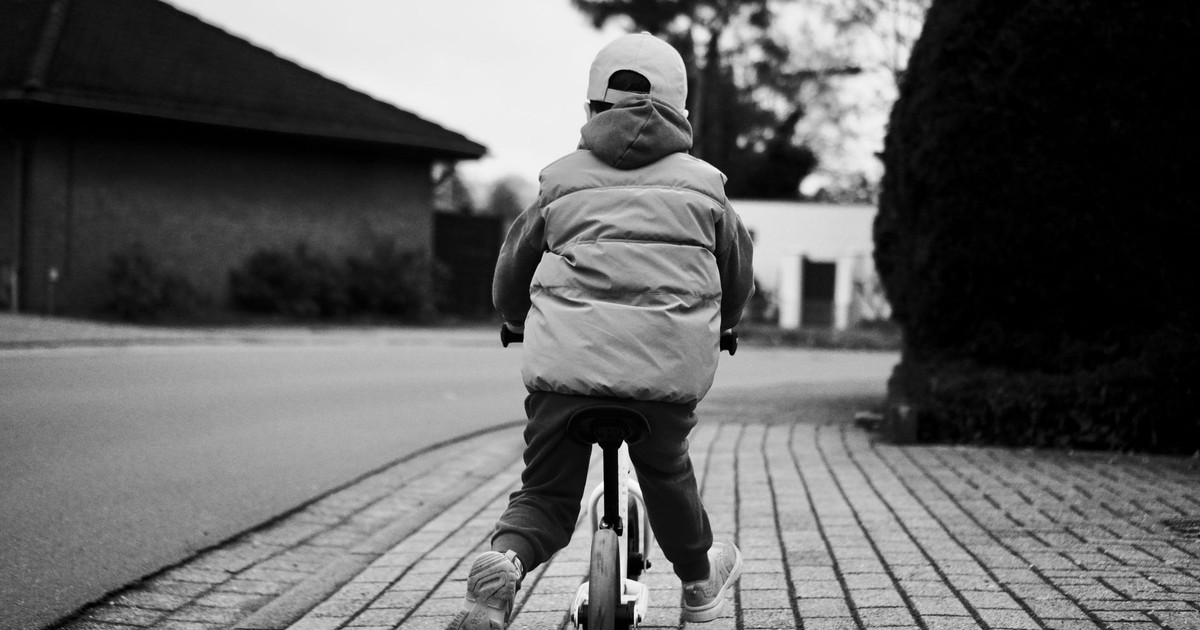

Children in the 80s and 90s were often left to their own devices, and with both parents working in many households, a generation of latchkey kids learned how to solve problems without much supervision. Riding bikes five miles to a friend’s house without a phone, cooking dinner alone, taking a city bus solo at age ten, handling real tools in a real workshop – these weren’t unusual acts of precocity. They were Tuesday afternoons.
Kids independence in the 80s and 90s wasn’t some accident of neglect. It was the default. The parent who walked their nine-year-old to school was the exception, not the reassuring norm. A study of English schoolchildren found that between 1971 and 1990, the proportion of seven-year-olds who traveled to school without adult accompaniment fell from more than 70% to less than 10%. By the time the 2000s arrived and smartphones gave parents a tether, the slow withdrawal of childhood freedom was almost complete.
1. Walking or Biking to School Alone
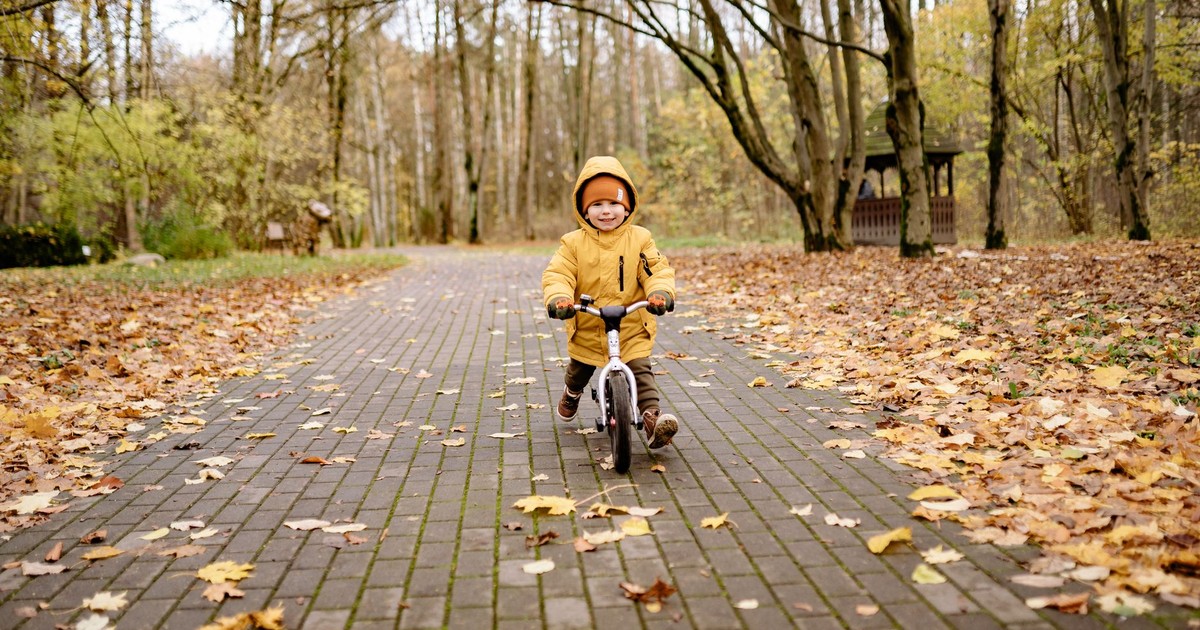
A child who walks a mile to school alone, across real intersections, past unfamiliar yards and unpredictable dogs, is doing something that requires ongoing risk assessment. They read the environment. They adjust. They develop what developmental psychologists call spatial reasoning and environmental confidence, and they do it every single morning before the school bell rings.
Broad surveys show that childhood norms have shifted drastically over a generation: in 1971, 80 percent of third-graders walked to school alone, but by 1990 only 9 percent did. And even within the 80s and 90s, it was still vastly more common than today. An eight-year-old working out how long the route takes, which crossing to use, whether to cut through the park depending on weather – that’s executive function training delivered for free, five days a week.
Independent mobility while walking or cycling to destinations within the local neighborhood provides unsupervised opportunities for interaction with the built and natural environments and for development of spatial and navigational skills. It may be beneficial also for building friendships and a sense of community. None of that happens in the back seat of an SUV.
2. Navigating the Neighborhood Without a Phone
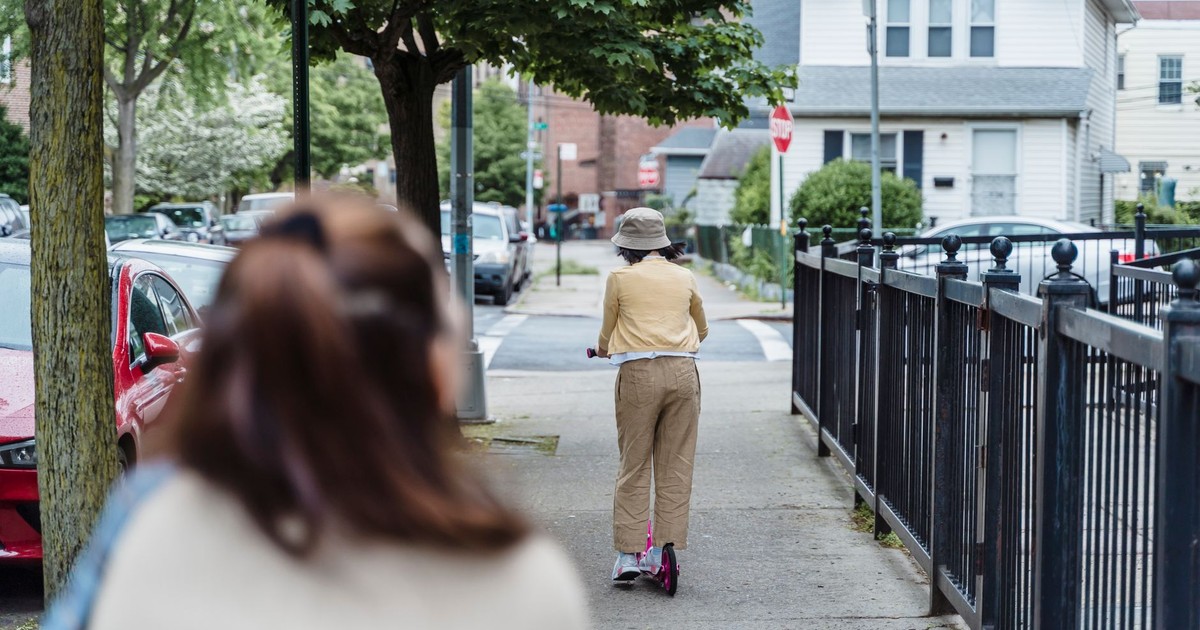
A child who spent any significant time outdoors in the 1980s was, in effect, conducting a continuous exercise in geography, social negotiation, and self-reliance. You knew which streets connected to which. You tracked the time by the light and by hunger. You sorted out conflicts between kids yourself, because no adult was watching and the group needed to function.
A 2014 Slate survey of roughly 6,000 readers asked when they were allowed to walk one to five miles from home unsupervised. The cohort born in the 1940s answered second to third grade. By the time the cohort born in the 1980s was reached, the age had shifted to fifth grade, and for the 1990s cohort, the answer was solidly middle school. That slow tightening of the radius – from a mile at age seven to a mile at age fourteen – tells you something precise about what was being withheld.
Memorizing how to get places without assistance is a skill with a long tail. The child who can hold a mental map of their neighborhood at age nine is building the same cognitive infrastructure they’ll use later to understand new environments, adapt quickly, and feel competent in unfamiliar situations. That’s not a metaphor. It’s the same neural architecture working.
3. Staying Home Alone for Hours
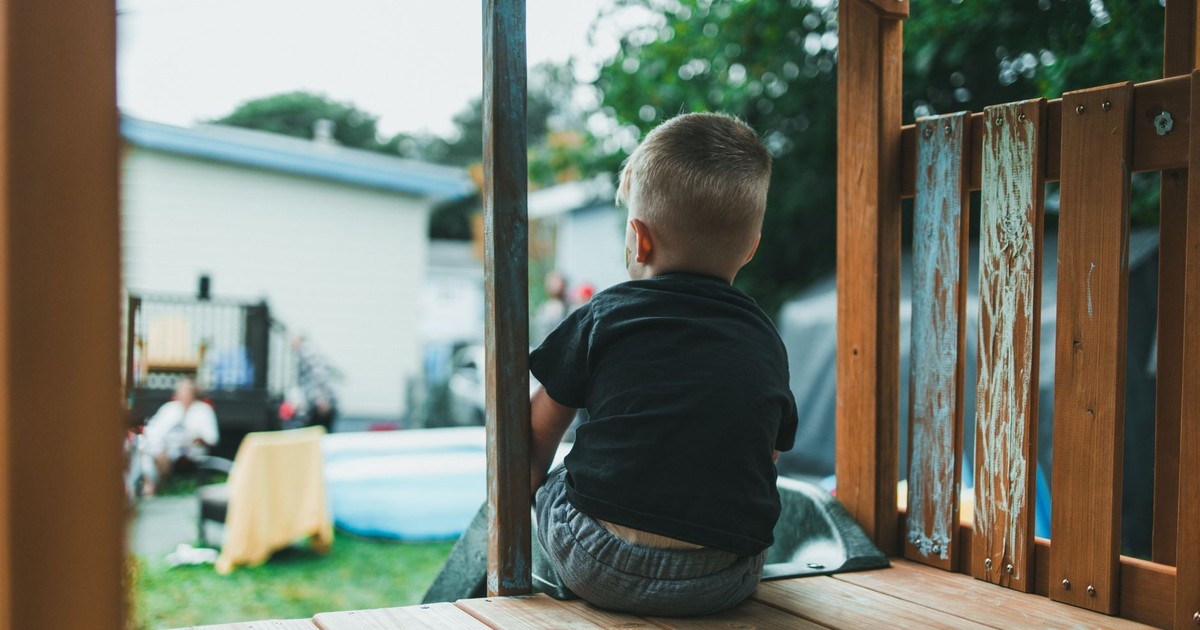
The latchkey kid of 80s mythology wasn’t a tragedy. For millions of children, it was the afternoon. You came home, unlocked the door with the key worn around your neck, made yourself something to eat, and sorted out the next three hours before a parent arrived. No check-in texts. No cameras. No virtual supervision.
What that required was a functional understanding of time, hunger, safety, and self-management. You knew what you could and couldn’t do in the house. You knew what to do if something went wrong – a stove left on, an unexpected knock, a cut that needed attention. That’s not advanced preparation. That’s a child who has been incrementally trusted with their own existence and has risen to it.
Since the mid-1980s, there has been an increasing tendency to micromanage children, intervene in most areas of their lives, and smother them, and so-called helicopter parenting has become increasingly common. What that shift means in practice is that the ordinary solo afternoon – which once built something real in children – has become so rare it now sounds almost feral to describe.
4. Using the Stove and Sharp Kitchen Knives
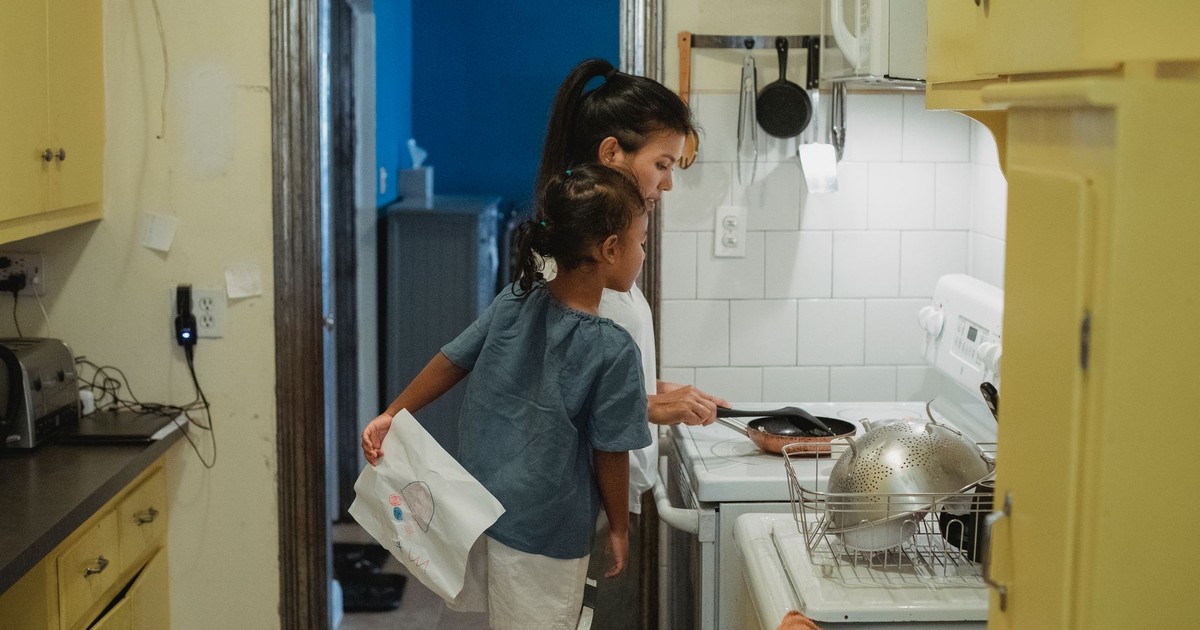
An eight-year-old in 1987 who wanted a grilled cheese sandwich figured out the stove. One who wanted to cut an apple learned, through one or two stinging reminders, how knife angles work. Kitchens were places of actual activity, not just observation.
For those born in the 1990s, cooking on the stove and using sharp tools alone didn’t happen until middle school – a generational delay that tracks precisely with the tightening of childhood supervision. Compare that to the previous generation, where using the stove by age eight or nine was unremarkable. The result of that earlier exposure wasn’t a wave of childhood injuries. It was a generation that knew how to feed itself.
A child who handles a knife correctly, who understands heat, who makes a meal and cleans up afterward, has developed fine motor skills, spatial judgment, cause-and-effect reasoning, and a foundational sense of practical competence. Every one of those things transfers into adult life in ways that are hard to manufacture through any other activity.
5. Resolving Conflicts Without Adult Intervention

The group of kids playing at the end of the street in 1989 had no referee. If someone cheated at tag, you dealt with it. If two kids wanted the same position on the same team, there was a negotiation – sometimes loud, sometimes physical, usually resolved. Adults were not summoned. The group had to function without them.
Social intelligence gets built through friction, not comfort. A child who has to talk a furious friend back from quitting the game, or who has to accept a ruling they disagree with because the group has decided, is practicing something that no adult-mediated conflict resolution session can replicate. They’re learning that relationships survive disagreement, that you can be wrong and not be destroyed by it, and that the goal is getting back to the game, not winning the argument.
Research has indicated that helicopter parenting can lead to a lack of autonomy and a decreased sense of competence, and the connection to unsupervised peer conflict is direct. When adults intervene in every interpersonal scrape, children don’t develop the tolerance for discomfort that makes real social life possible. The playground of the 80s and 90s was, among other things, an ongoing seminar in exactly that.
6. Managing Money on Small Purchases

The ten-year-old standing at the corner store in 1991 with a few dollars knew exactly what that money could do. They counted change. They made a decision – this or that, enough or not enough – and they lived with it. If they chose wrong, they’d been given a lesson that no lecture reproduces.
This is a genuine form of numeracy and decision-making that develops through practice, not explanation. A child who has had the experience of calculating whether their allowance covers two items, of paying for something themselves and waiting for the correct change, understands money in a physical, embodied way that is qualitatively different from watching a parent tap a phone to pay for something.
The shift in going out independently after dark was especially dramatic: earlier cohorts were allowed out at night in middle school, but by the 1990s the norm had moved solidly to high school. That same tightening affected solo trips to shops, markets, and local stores – the small economic transactions that, repeated hundreds of times between ages seven and twelve, built a working relationship with money and consequence.
7. Reading Maps and Finding Directions Independently

Before GPS became a pocket fixture, a road trip meant an actual map unfolded in the passenger seat, and a child who had learned to read one was genuinely useful. Kids in the 80s and 90s who navigated for their parents, or who worked out a route to a new friend’s house from a hand-drawn sketch on a piece of notebook paper, were doing spatial reasoning work with real stakes attached.
Getting lost and finding your way back is arguably more educational than never getting lost at all. The process of recognizing a wrong turn, retracing a route, identifying landmarks, and recalibrating requires the kind of active problem-solving that passive instruction never quite reaches. It’s also one of the few childhood skills where the feedback is immediate and completely honest: you either end up where you intended, or you don’t.
Spatial skills and independent navigation are consistently linked, in developmental research, to stronger problem-solving ability and adaptability in adulthood. The child who could unfold a state map and trace a route at age eleven was building cognitive architecture that outlasted the map itself.
8. Taking Public Transit Alone
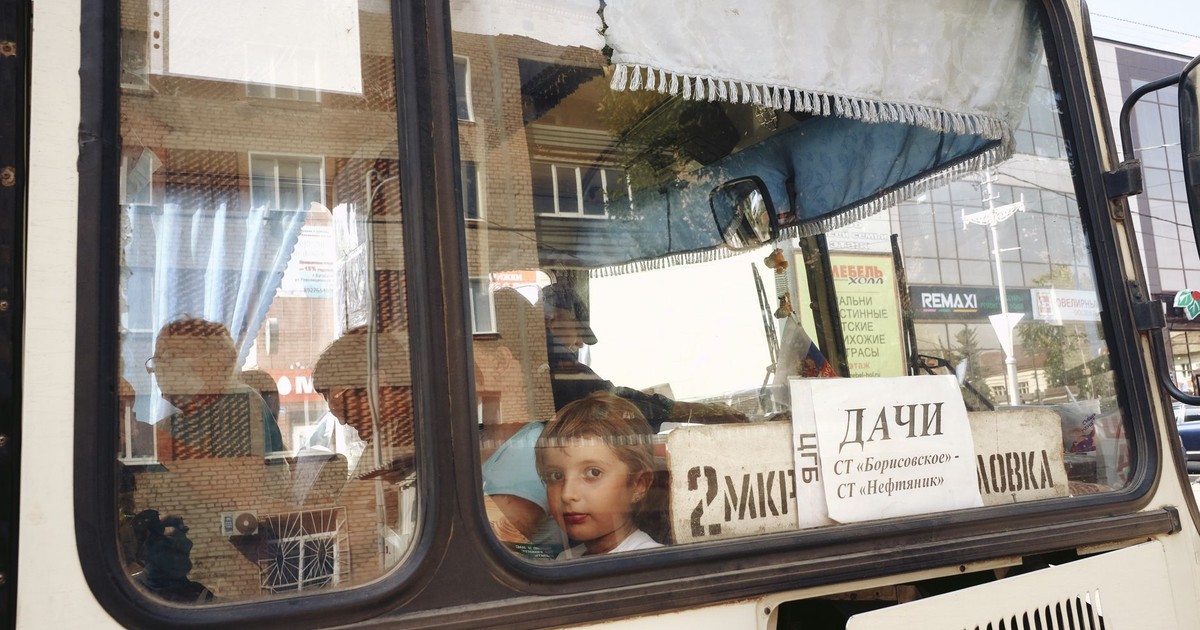
In cities across the US and elsewhere, an eleven-year-old on a bus or subway alone in the 1980s was not remarkable. They knew the route. They knew which stop to watch for. They handled the fare, the crowd, and the wait. If they missed their stop, they figured it out.
That’s not a small thing. A child who takes public transit independently is managing time, environment, and their own anxiety simultaneously. They’re reading social cues in a space full of strangers. They’re developing exactly the kind of practical urban competence that makes adult city life feel manageable rather than overwhelming.
In the literature examining the relationship between helicopter parenting and self-determination, having helicopter parents has been found to have negative effects on decision-making processes. The transit trip, small as it seems, is a daily repetition of independent decision-making in real conditions. Do it enough times and it becomes second nature. Skip that experience entirely and something specific doesn’t develop, and it doesn’t catch up easily later.
9. Handling Basic First Aid and Minor Injuries Alone

A scraped knee in the 80s was a thing you handled. You went inside, found the antiseptic, applied it with the expected amount of flinching, put on a bandage, and went back out. A sprained ankle meant ice and rest, sorted out by the child themselves or with minimal adult commentary. Pain was part of the day, not a crisis.
This calibration of physical risk – understanding the difference between something that needs attention and something that heals on its own – is a form of body literacy that’s built through repeated low-stakes experience. The child who has cleaned and dressed a cut fifty times knows how bad a cut actually is. They have an accurate internal reference point. They don’t catastrophize, because they’ve seen what catastrophe isn’t.
Children who are exposed to manageable risk, and who are trusted to handle the consequences, develop more accurate risk assessment than those who have been shielded from every small injury. The scrape that heals is not wasted pain. It’s calibration data.
10. Entertaining Themselves for Hours Without Structure

The Saturday morning of 1986 that eventually ran out of cartoons left a child with an afternoon to fill, no activities scheduled, no device to hand over. What happened in those hours was not nothing. It was the slow, sometimes frustrating, eventually productive work of inventing something to do.
Unstructured time is where creativity, self-direction, and tolerance for boredom develop. The child who builds an elaborate game out of cardboard boxes and tape is doing something cognitively richer than any organized activity, because they’re the ones generating the structure, the rules, the narrative. Boredom is not a problem to be solved by a screen. It’s a necessary precondition for the kind of play that has no predetermined outcome.
Research on helicopter parenting effects consistently shows that overprotective parenting can interfere with healthy child development, independence, and self-efficacy, particularly as children grow older and are expected to manage challenges on their own. The connection to unstructured time is direct. A child who has never been bored has never had to generate their own internal resources. What looks like freedom was, in fact, the conditions under which something essential grew.
What the Freedom Was Actually Building

None of these ten things were designed as developmental exercises. No parent in 1988 handed their child bus fare and thought, “This will build executive functioning.” They just had to get to work, and the kid had to get to school. But in that gap between parental oversight and real-world necessity, a generation learned how to navigate risks, resolve conflicts, and trust their own judgment. That freedom wasn’t a calculated strategy, it was simply life, and the quiet resilience it built remains one of the most enduring gifts of a bygone era.
Disclaimer: This information is not intended to be a substitute for professional medical advice, diagnosis, or treatment and is for information only. Always seek the advice of your physician or another qualified health provider with any questions about your medical condition and/or current medication. Do not disregard professional medical advice or delay seeking advice or treatment because of something you have read here.
AI Disclaimer: This article was created with the assistance of AI tools and reviewed by a human editor.