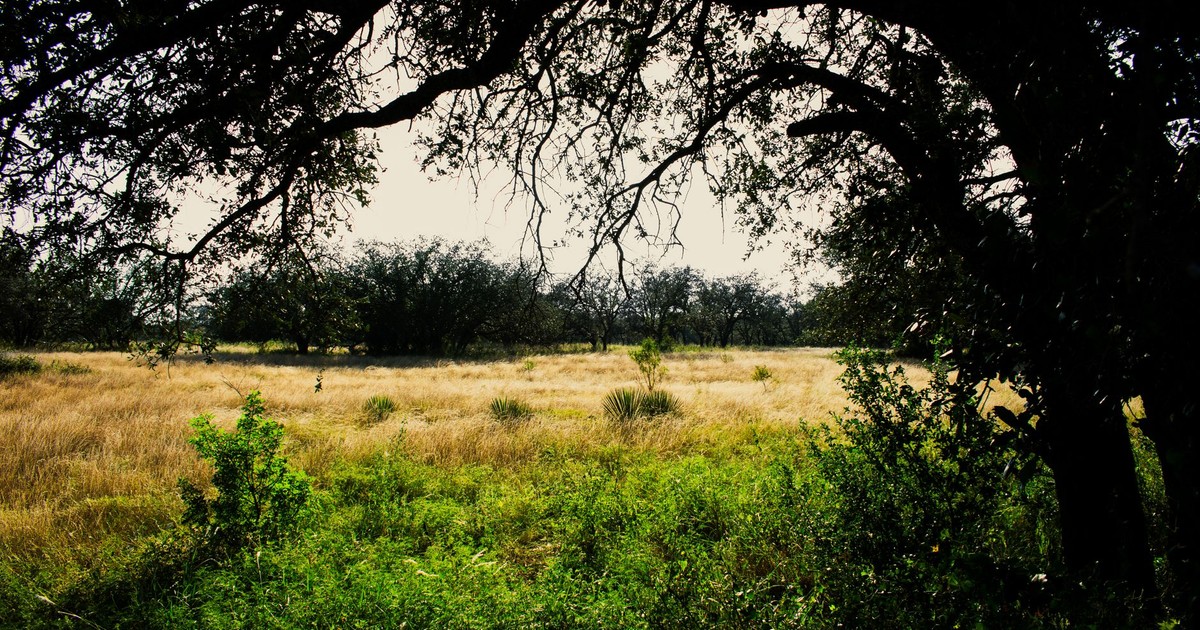

Abbott, Texas sits 24 miles north of Waco along Interstate 35. Its population hovers below 500 people. For most of its existence, it was known principally as the birthplace of one of country music’s most enduring figures. In the summer of 2026, it became something else: the latest front in a fast-escalating fight over whether the artificial intelligence boom will be allowed to consume the water, skylines, and character of rural Texas without resistance.
Country music icon Willie Nelson said in a post on Instagram that he grew up in Abbott and still has a home there with farmed land where he can still see stars at night. He called any facility near Abbott “a loud, water-thieving, light-polluting” development the town does not need. The words landed with force precisely because they named three specific grievances, noise, water, and light, that residents across dozens of Texas communities have been raising in town halls and petition drives for months.
Nelson’s statement arrived amid the proposed development of more than 50 data centers across the Central Texas region. Texas is second only to Virginia in U.S. data center development and is on track to surpass it by the end of the decade. Within Texas, the San Antonio-Austin South-Central region saw a four-fold increase in data center development between 2023 and 2025 and now ranks among the top global markets for expansion. Abbott, a town of fewer than 500 residents with farmed land and visible stars, is squarely in the path of that wave.
The Scale of What Texas Is Being Asked to Absorb

Google has committed $40 billion toward three new data centers in Texas, with planned locations in Armstrong County and Haskell County, in a deal that the company’s CEO Sundar Pichai said would create thousands of jobs and accelerate energy affordability initiatives throughout the state. Google’s announcement came in November 2025 and was described at the time as the largest investment Google has made in any single U.S. state.
More investment followed quickly. Anthropic announced a $50 billion commitment to build data centers across Texas and New York. A consortium of banks led by Morgan Stanley has been in advanced discussions to provide a $15 billion loan to Nexus Data Centers for a facility in Hubbard, Texas, a campus that would include a natural gas power plant with 1.6 gigawatts of generating capacity. Hubbard is in Hill County, the same county where Abbott sits and where Willie Nelson still owns land.
Developers announced roughly 50 gigawatts of behind-the-meter data center capacity in 2025 alone. The Electric Reliability Council of Texas has estimated that data center load in the state could reach 78 gigawatts by 2031, representing the largest projected source of new electricity demand on the grid. For a grid that failed during the 2021 winter storm, leaving millions without power for days, that trajectory raises real questions. A single hyperscale data center can draw more power than an entire small city, often several hundred megawatts per campus.
The Water Problem Nobody Is Tracking
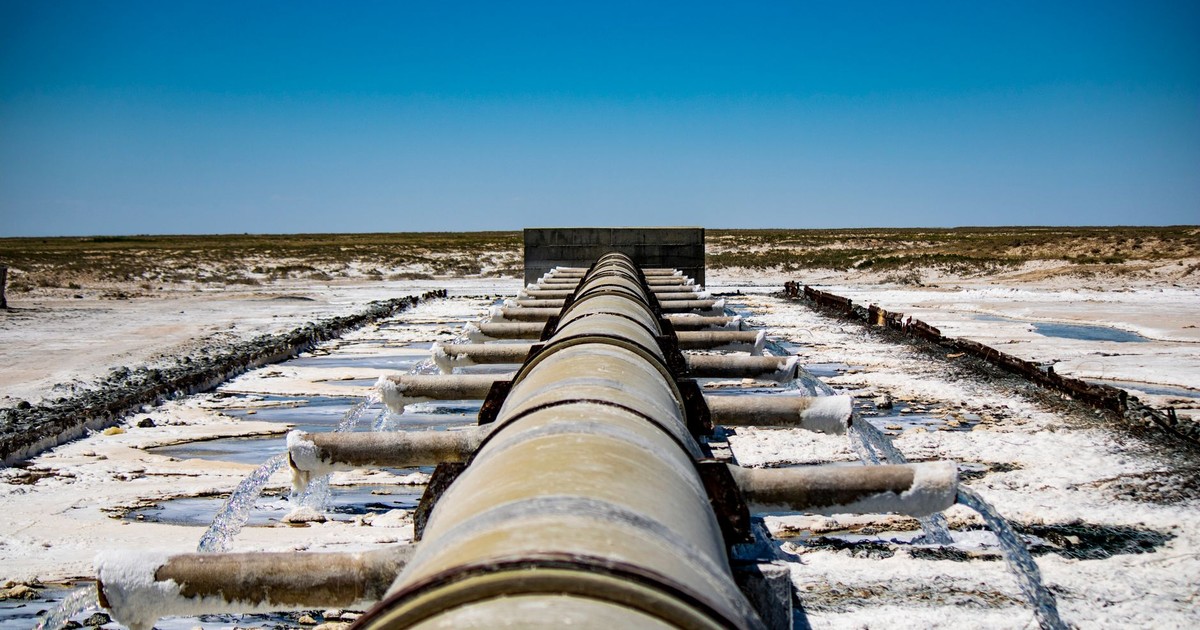
According to a January 2026 report from the Houston Advanced Research Center (HARC), for every megawatt hour of electricity consumed, data centers use an average of 793 gallons of water, a figure that can rise above 45,000 gallons in extreme cases for larger facilities. HARC estimates that in 2025, Texas data centers consumed approximately 25 billion gallons of water when both direct and indirect uses are included, representing about 0.4 percent of total statewide water use. The HARC report projects that annual consumption could reach as high as 161 billion gallons by 2030, depending on the pace of development.
That percentage sounds modest until you understand that the consumption is not distributed evenly across the state. It is concentrated in specific regions already contending with drought and population pressure. State planners are not keeping pace. A landmark 2025 state law includes no stipulations for how to track or manage data center water use, resulting in a draft state water plan for 2027 that does not mention data centers at all. When the Texas Public Utility Commission conducted a survey of data center operators, it received responses from only 28 companies representing 92 facilities. Lawmakers noted that the 92 responding facilities represent only a small fraction of the state’s existing data centers, and several legislators questioned whether the survey results would provide a reliable foundation for future planning.
For a community like Abbott, which sits in an area already facing water stress, the absence of any binding framework for tracking or limiting water consumption by incoming industrial facilities is not an abstraction. It is the specific threat Nelson was describing.
Hill County Tries to Act, and Gets Sued for $100 Million

Hill County commissioners issued a moratorium on data center construction in May 2026, the first county in Texas to take such a step. The legal risk was known going in. At least two commissioners anticipated lawsuits from data center developers and possibly from the state. The county judge described the decision as an attempt to put guardrails in place during what he called a “land rush,” even if it meant being the first county to test the limits of Texas law.
The pushback arrived almost immediately. A lawsuit filed in federal court in Austin on May 27 argued that the county had “exceeded its lawful powers” in passing the moratorium, which the plaintiffs claimed threatened their ability to meet standards set by state electricity regulators needed to petition for grid interconnection. The damages sought: $100 million. Two weeks after passing the moratorium, Hill County commissioners voted unanimously to end it, replacing it with a checklist of requirements for data center developers.
Leaders in Hays and Hood counties considered a similar moratorium approach but backed off after warnings, including from a state lawmaker, that they may lack the authority to do so. Nearly half of the 248 data centers planned for development in Texas are slated for unincorporated areas, territory where counties have the most limited regulatory tools and where residents have the fewest formal protections.
Hill County found itself hit with a nine-figure lawsuit within days of passing a temporary pause. Every other rural county in Texas was watching.
San Marcos became the first Texas city to outright ban data centers, deploying the broader zoning authority that cities hold over counties. The Data Center Coalition’s vice president of state policy responded by stating that the ban signaled San Marcos was “closed for business,” and warned that local moratoriums on data centers discourage investment from the data center industry and other advanced industries. A Texas lawmaker has already said he plans to challenge San Marcos’ ban.
The Political Conundrum for Texas Republicans

Governor Greg Abbott’s position on the data center boom has shifted noticeably as the issue has gained electoral weight. During a campaign stop in East Texas in July 2026, Abbott called for blocking new data center development in rural parts of the state. His stated conditions have hardened over time. Abbott said that any AI data center coming to Texas must bring its own money, its own power, use its own water, and do it in a way that reduces electricity costs for state residents. He called for prohibiting data centers from building in rural Texas neighborhoods and eliminating the tax breaks they currently receive.
Polling reflects widespread public opposition to the buildout. The June 2026 University of Texas/Texas Politics Project poll found 56% of Texans oppose building a data center in their community. The strongest opposition came from rural and suburban Texans, with 62% of rural residents opposed, including half who strongly oppose them. A Texas Tribune analysis found that the majority of facilities planned or under construction are in state House districts that voted for President Donald Trump and elected a Republican state representative in 2024, creating a political problem for top GOP leadership.
Tech industry investment and rural Republican voters are not natural allies in this fight. The fact that a governor who welcomed Google’s $40 billion announcement with enthusiasm in November 2025 was calling for prohibitions on rural data center construction by July 2026 tells you something about how quickly the politics of this issue have moved.
The small town of Lacy Lakeview, north of Waco, is facing a proposed $10 billion data center partnership between the city and developer Infrakey on a 520-acre site, drawing an organized opposition campaign from rural neighbors. Since November, opponents have circulated a petition with roughly 3,000 signatures, created a Facebook group and website, and held regular strategy meetings attended by political leaders including a state Republican representative. The grassroots character of the resistance matters. This is not an environmentalist campaign being imposed on communities from outside. It is coming from within the communities themselves, and in many cases from Republican voters and elected officials.
In East Texas, a volunteer coalition called Save Cedar Creek Lake formed in early 2026 to push back against a proposed data center near Cedar Creek Lake. Thousands of community members signed a petition demanding the project be canceled and asking lawmakers for strong regulations. When the coalition announced plans to take the fight to Austin during a legislative committee meeting in late July, the company withdrew the project days later.
What Nelson’s Statement Actually Does

Willie Nelson is 93 years old. He has been an activist on issues ranging from farm aid to marijuana legalization for decades, and he understands how celebrity attention works as a tool. His statement explicitly framed the threat to Abbott as a threat to rural communities across Texas, not just his hometown, arguing that the strength of rural America has never come from big industrial footprints.
Seven in 10 Americans oppose the construction of an AI data center in their local area, according to a March 2026 Gallup poll, including 48% who are strongly opposed. Nelson’s intervention connects that widespread sentiment to a specific place, a specific community, and a specific set of grievances that have been building in Texas for months. Abbott, Texas, is no longer just a tiny town on I-35. It’s the place where a national conversation about who bears the cost of the AI infrastructure boom has a name and a face.
What Comes Next for Abbott and Texas
The Willie Nelson data centers dispute is not a celebrity news story with an environmental footnote. It is a snapshot of a structural conflict playing out across an entire state, and increasingly across the country, as the infrastructure demands of the artificial intelligence industry collide head-on with communities that were never consulted about hosting it.
Texas data centers could consume up to 161 billion gallons of water annually by 2030, according to HARC projections, in a state that already faces recurring droughts and has no binding legal framework to track how much water data centers are using. The communities being asked to absorb that growth are, in many cases, rural, Republican-voting, and increasingly furious. The legal tools available to those communities are limited, as Hill County discovered when a $100 million lawsuit dissolved a moratorium in two weeks. Cities have more options than counties, as San Marcos demonstrated, but the industry and at least one state lawmaker are already pushing back against that city’s ban too.
Governor Abbott’s call for prohibitions on rural data center construction is the most significant political development in this fight so far, but it remains a campaign statement rather than law. What comes next in the Texas legislature will determine whether communities like Abbott get the regulatory tools they’ve been asking for, or whether the land rush continues with the same legal imbalance that has defined it so far. The water consumption projections already outpace current state planning by years. Some of that gap will be very hard to close once the facilities are built and operating. The stars over Abbott are still visible tonight. Whether they will be next year is a genuine open question.
Disclaimer: This information is not intended to be a substitute for professional medical advice, diagnosis, or treatment and is for information only. Always seek the advice of your physician or another qualified health provider with any questions about your medical condition and/or current medication. Do not disregard professional medical advice or delay seeking advice or treatment because of something you have read here.
AI Disclaimer: This article was created with the assistance of AI tools and reviewed by a human editor.