
The ground gives things up reluctantly. A farmer drilling a well, a shepherd throwing rocks at a cliff face, four teenagers chasing a rabbit into a hole in the French countryside – some of the most consequential moments in human history arrived without fanfare, and without anyone who understood what they were looking at. What came out of the earth changed everything we thought we knew about who we are and how far back we go.
These are not dusty academic footnotes. They are the moments when a single object or a buried city forced researchers to tear up the timeline and start again. A stone slab that unlocked a dead language. A tomb sealed so tightly that the paint on the walls wasn’t even dry when archaeologists opened it thousands of years later. A temple older than agriculture itself, built by people we had always assumed were too primitive to attempt it.
The 26 archaeological discoveries below span six continents and roughly 12,000 years of human history. Some were found by accident. Some were found after lifetimes of searching. All of them answered one question and opened ten more.
1. Tutankhamun’s Tomb (Egypt, 1922)
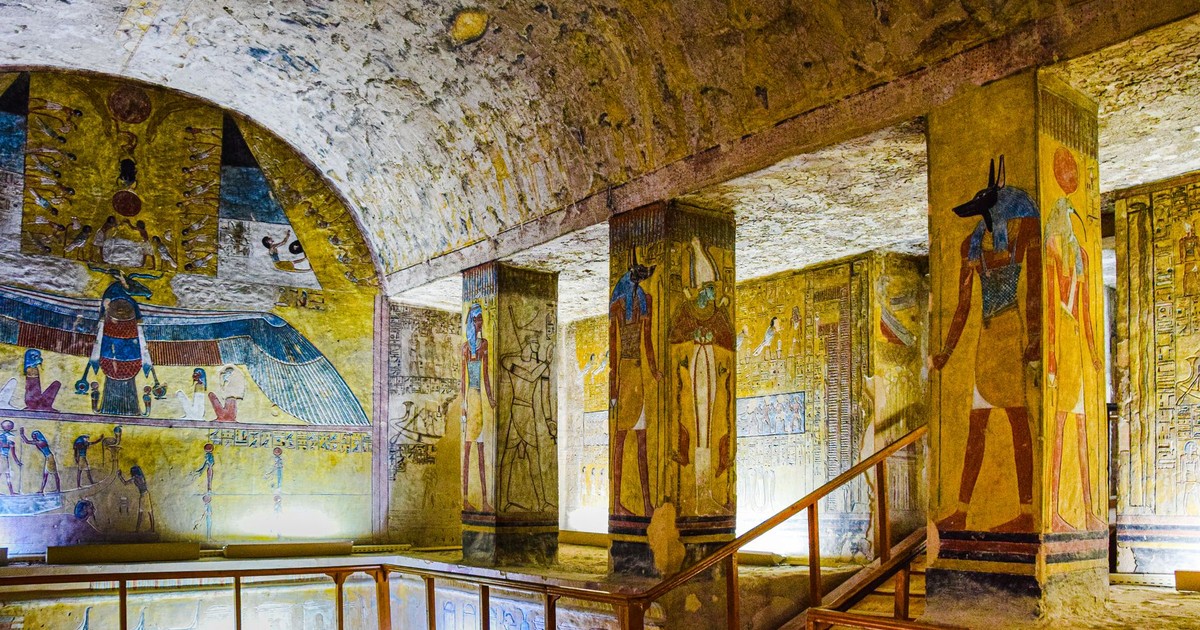
In 1922, British archaeologist Howard Carter made one of the most dramatic finds in archaeological history in the Valley of the Kings near Luxor, uncovering the nearly intact tomb of Tutankhamun, a relatively minor pharaoh who ruled in the 14th century BCE. History.com reports that Carter and his workmen discovered the first step leading to the tomb on November 4, 1922, and on November 26, Carter and Lord Carnarvon entered the interior chambers, finding them miraculously intact. When Carter peered through the first small breach in the sealed door, his patron asked what he could see. He reportedly answered: “Wonderful things.”
The tomb contained more than 5,000 artifacts, including gilded furniture, chariots, jewelry, weapons, and the iconic golden funerary mask. Discovered by Carter and his benefactor Lord Carnarvon, the tomb’s four chambers were packed with spectacular objects – gold-covered chariots, elaborately carved alabaster vessels, inlaid furniture, and the famous solid-gold mask that adorned the king’s mummy. The clearance of the tomb unfolded over a period of ten years.
The cultural aftershock was enormous. Carter’s painstaking methods set new standards for archaeological documentation, and the find fueled Egyptomania globally, spurring popular fascination with pharaonic themes in culture and design for years afterward.
2. Pompeii (Italy, 79 CE / Rediscovered 1748)
When Mount Vesuvius erupted in AD 79, the once-opulent Roman city of Pompeii, along with many of its citizens, was extinguished, buried, and ultimately perfectly preserved for archaeologists to rediscover in the mid-18th century. The volcanic ash that killed the city also sealed it. No air, no moisture, no decay – just a Roman afternoon frozen mid-sentence.
Pompeii provides an unparalleled snapshot of Roman urban life. Streets, houses, shops, bathhouses, temples, and theaters emerged from beneath the ash. Graffiti scratched on walls, loaves of bread still in ovens, and the haunting plaster casts of citizens caught in their final moments all survive. No written account of ancient Rome comes close to the intimacy of what Pompeii physically preserved.
The site is still only about two-thirds uncovered, and rather than excavate the remaining structures, attention has shifted to maintaining what is already exposed – despite the ongoing damage from rain, wind, pollution, and human activity.
3. The Rosetta Stone (Egypt, 1799)
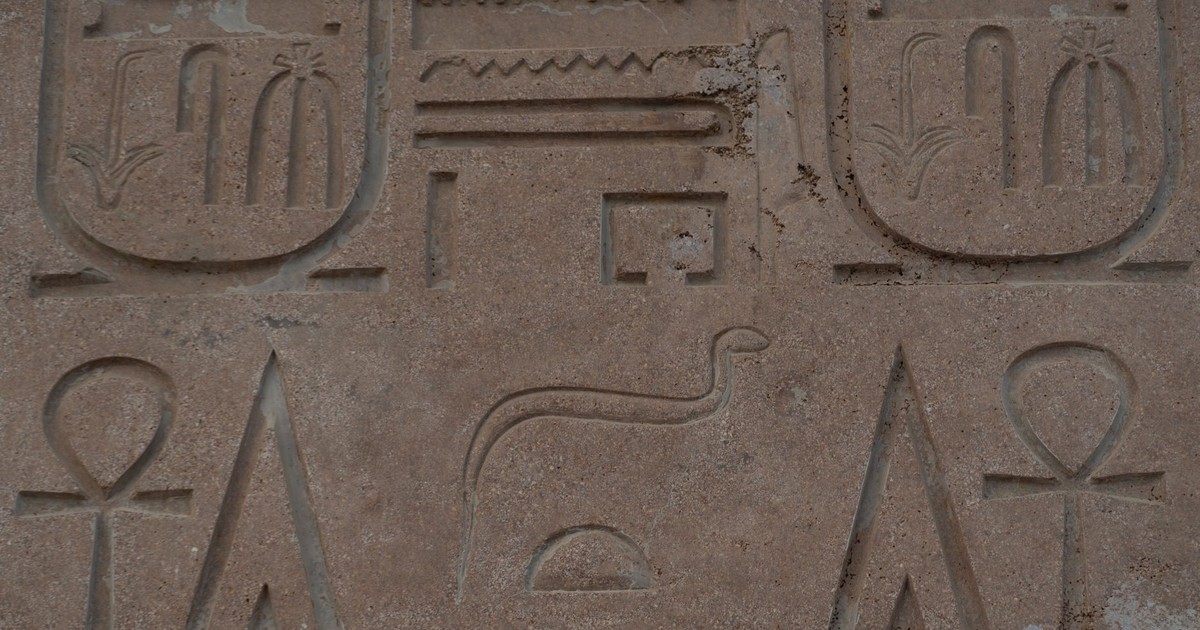
In 1799, during Napoleon’s campaign in Egypt, a French soldier near the town of Rosetta stumbled upon a slab of black granodiorite that would forever change the study of the ancient world. The stone bore a decree issued in 196 BCE under King Ptolemy V, and what made it extraordinary was not the decree itself but the fact that it was inscribed in three scripts: Greek, Demotic, and hieroglyphic.
The Rosetta Stone became the key to deciphering Egyptian hieroglyphs, a writing system that had been silent for nearly 1,400 years. Scholars had long admired the mysterious symbols carved into temple walls along the Nile but no one could read them. The breakthrough came in 1822, when French scholar Jean-François Champollion demonstrated that hieroglyphs were not merely symbolic pictures but represented sounds and words.
One inscribed stone, accidentally discovered during military construction work, gave historians access to an entire civilization’s interior life. Every translated temple wall, every decoded papyrus scroll, traces back to that moment in the Nile Delta.
4. The Terracotta Army (China, 1974)
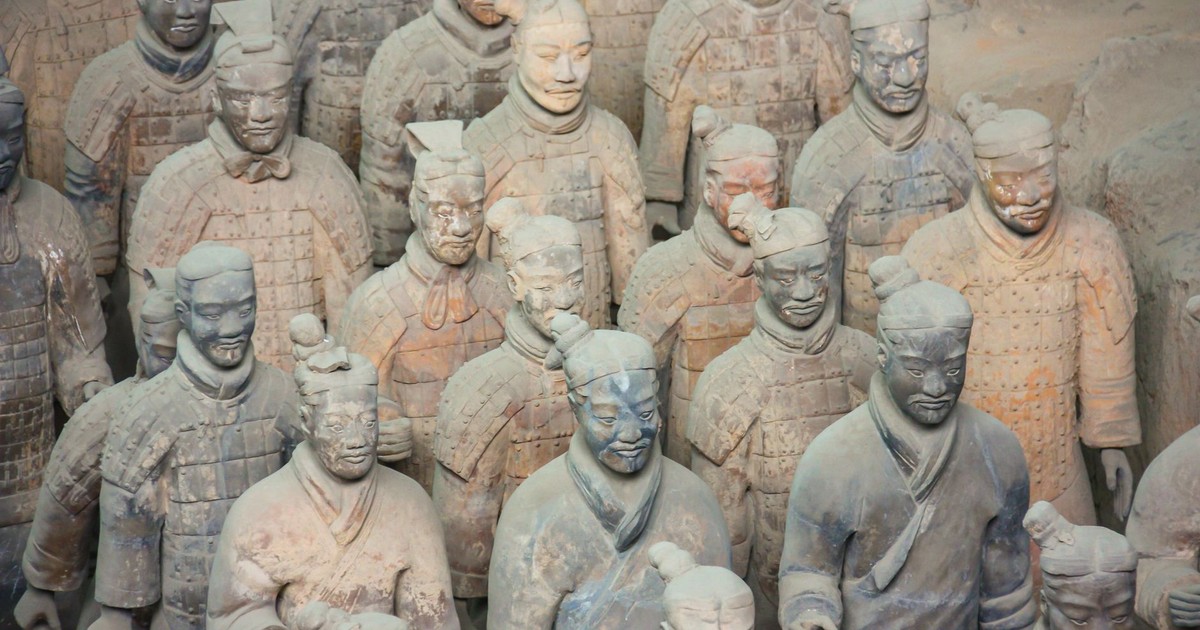
In March 1974, a group of farmers digging a well in China’s drought-parched Shaanxi province unearthed fragments of a clay figure – the first evidence of what would turn out to be one of the greatest archaeological discoveries of modern times. Near the unexcavated tomb of Qin Shi Huang, who proclaimed himself first emperor of China in 221 BCE, lay an extraordinary underground treasure: an entire army of life-size terra-cotta soldiers and horses, interred for more than 2,000 years. Smithsonian Magazine has documented the ongoing discoveries within the complex.
No two faces among the soldiers are the same. Each figure was individually crafted – different hairstyles, different expressions, different ranks indicated by their armor and posture. Thousands of artisans worked on this tomb complex, and new discoveries within it are still being made, demonstrating the artistic and engineering capabilities of ancient China.
The emperor at the center of it all, Qin Shi Huang, unified China in 221 BCE and appears to have been as obsessed with his afterlife as his reign. The sheer administrative feat required to produce thousands of unique ceramic figures – alongside bronze weapons, wooden chariots, and an entire underground palace – tells you almost everything about the kind of power he wielded.
5. Göbekli Tepe (Turkey, 1994)
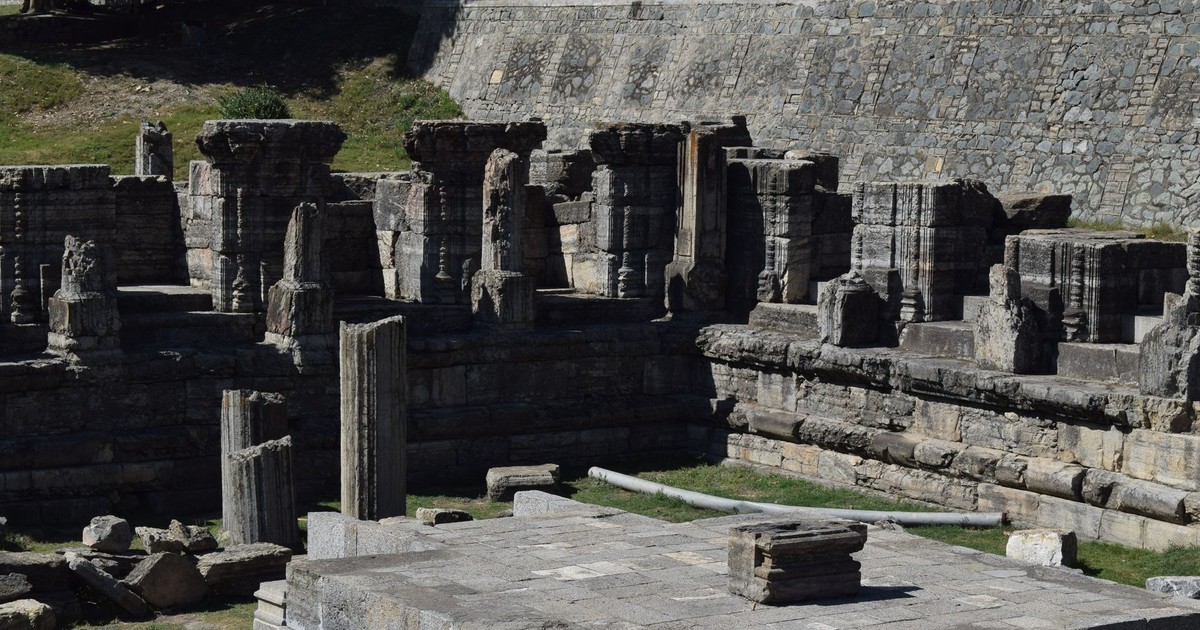
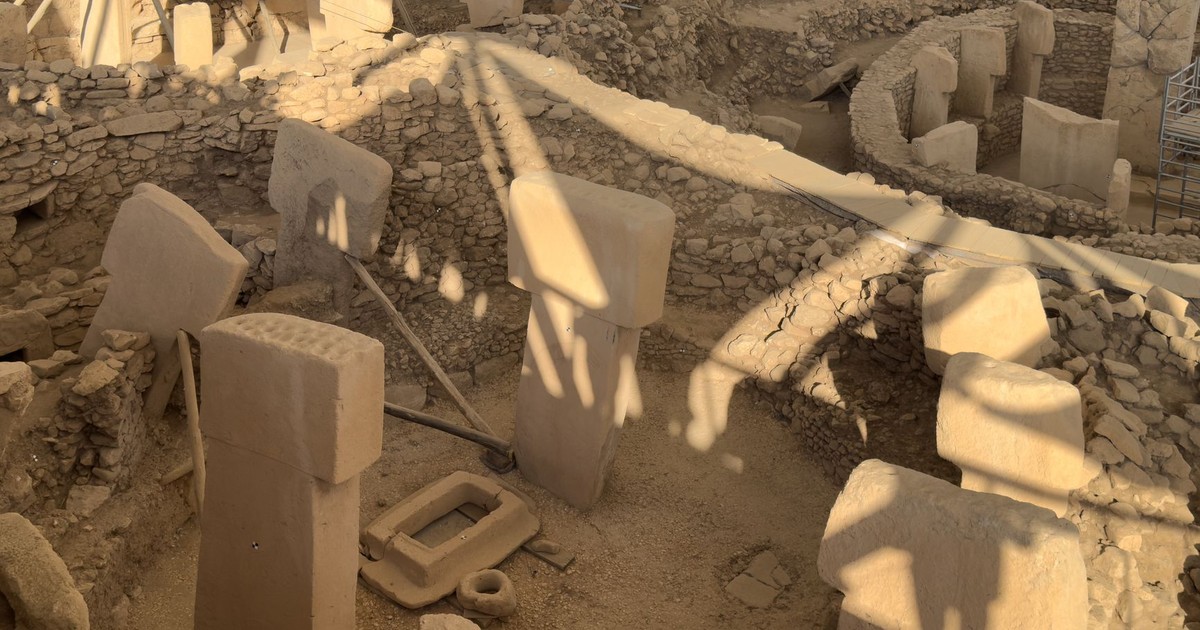
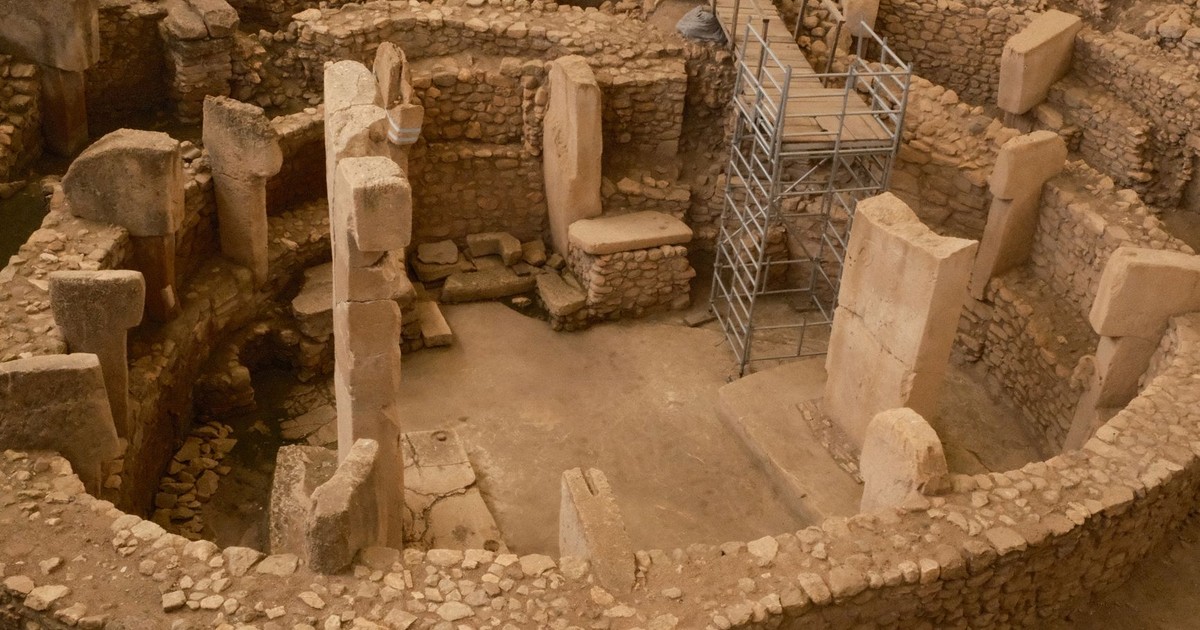
Known as Göbekli Tepe, the megalithic settlement is perched on a mountain ridge in Upper Mesopotamia, in what is now southeastern Turkey. The Neolithic site, which translates to “belly hill” in Turkish, is two times older than Stonehenge and contains a series of elaborate circular enclosures constructed of massive T-shaped limestone columns. The challenge it poses to conventional thinking is specific and significant: it revealed that monumental temples predate farming by thousands of years.
Although originally discovered in the 1960s, the area was largely dismissed by researchers until the late German archaeologist Klaus Schmidt visited in 1994. Beginning excavations a year later, researchers discovered that hunter-gatherers were responsible for the site, since no domesticated plants or animals have been recovered.
The assumption had always been that civilization came first – that you needed agriculture, surplus food, and settled communities before you could build anything that complex. Göbekli Tepe inverts that entirely. What Schmidt found beneath the surface has been rewriting textbooks ever since.
6. The Dead Sea Scrolls (West Bank, 1947)

For thousands of years the Judean Desert held secrets buried in its sands, only to be revealed by a young Bedouin shepherd in 1947. The discovery of these ancient treasures initiated a modern-day adventure into the past, revolutionizing our understanding of history and religion. Investigating a cave near Qumran, the shepherd found clay jars containing ancient scrolls. These became known as the Dead Sea Scrolls, and the Israel Antiquities Authority’s official scrolls site details their discovery and publication history.
Overall, archaeologists discovered thousands of scroll fragments within ten additional caves – in total the remains of over 900 manuscripts. They include the oldest known surviving copies of nearly every book in the Hebrew Bible, more than a thousand years older than previously known versions. For biblical scholars, the discovery was something close to finding a first edition of a book you had only ever read in translation.
The scrolls also contained texts previously unknown entirely – sectarian writings, hymns, and community rules that shed direct light on Jewish religious life in the period just before and during the emergence of Christianity.
7. Machu Picchu (Peru, 1911)
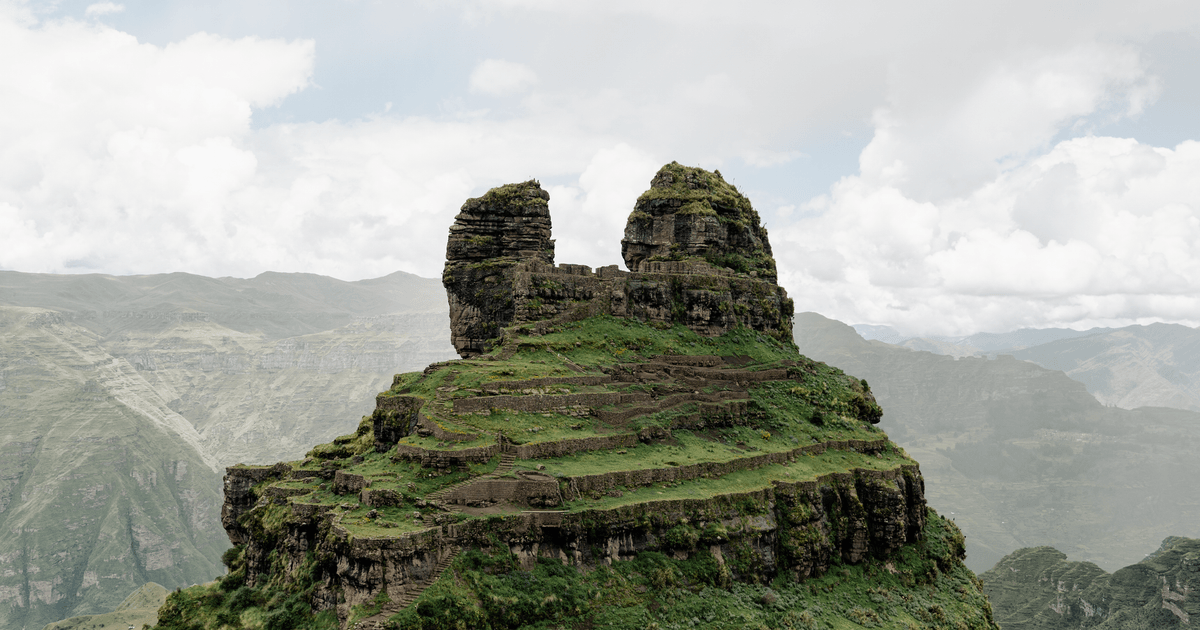
Explorer Hiram Bingham rediscovered the “lost” Inca citadel of Machu Picchu in Peru in 1911. The well-preserved site, constructed in the mid-1400s, gives historians a sense of the technological capabilities held by the Inca Empire when it was at its most powerful.
Built around 1450 and abandoned during the Spanish conquest about 100 years later, Machu Picchu represents Inca architecture and engineering at its finest. The precisely cut stone blocks fit together so perfectly that not even a knife blade can slide between them. The site’s purpose remains debated – whether it was a royal retreat, a sacred center, or an astronomical observatory. What is certain is that its builders possessed extraordinary engineering skill, creating a sustainable city at 8,000 feet above sea level with sophisticated water management systems that still function today.
That the Spanish never found it almost certainly explains its survival. The conquistadors destroyed almost everything else.
8. Sutton Hoo (England, 1939)
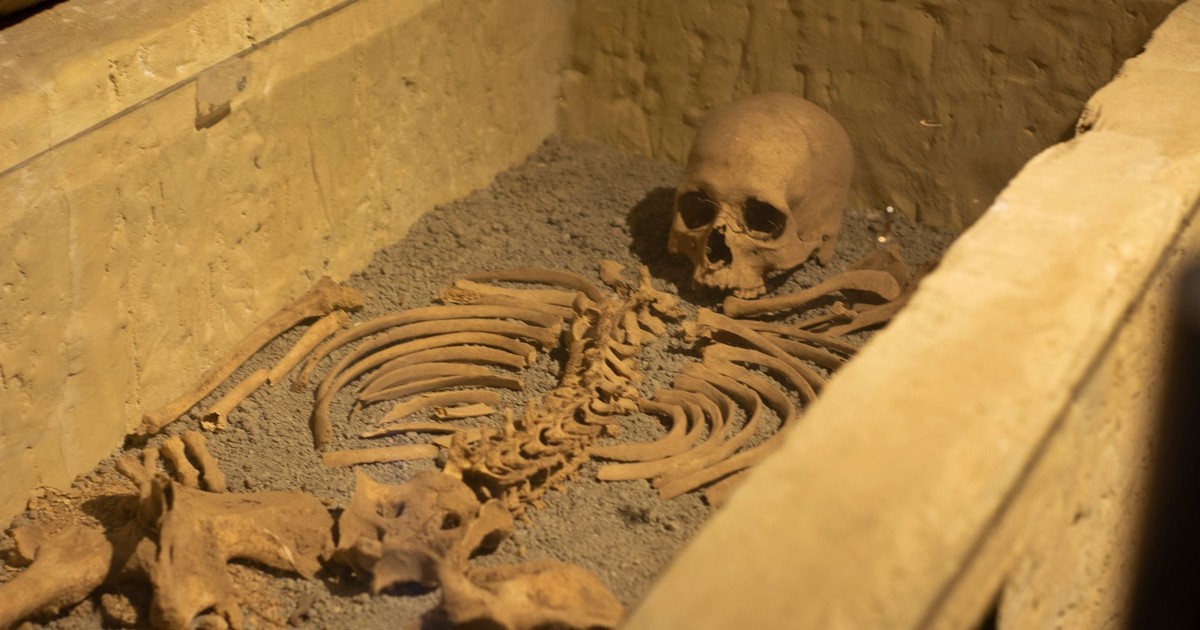
In 1939, Edith Pretty, the owner of a Suffolk estate, asked local archaeologist Basil Brown to investigate the large burial mounds on her land. What he found in one of them was a remarkably preserved Anglo-Saxon ship containing a wealth of gold, silver, and armor – thought to be the resting place of an elite figure, possibly King Rædwald. The discovery radically transformed perceptions of early medieval Britain.
Sutton Hoo revealed a society with far-reaching trade connections, artistic sophistication, and complex political structures. It bridged the gap between Roman Britain and the later medieval kingdoms, and the discovery transformed understanding of the so-called “Dark Ages,” showing them instead as a period of dynamic cultural exchange and creativity.
The famous helmet – one of only four surviving Anglo-Saxon helmets from the period – became one of the most recognized objects in all of British history. Edith Pretty, remarkably, donated the entire hoard to the British Museum. It remains there today.
9. The Lascaux Cave Paintings (France, 1940)
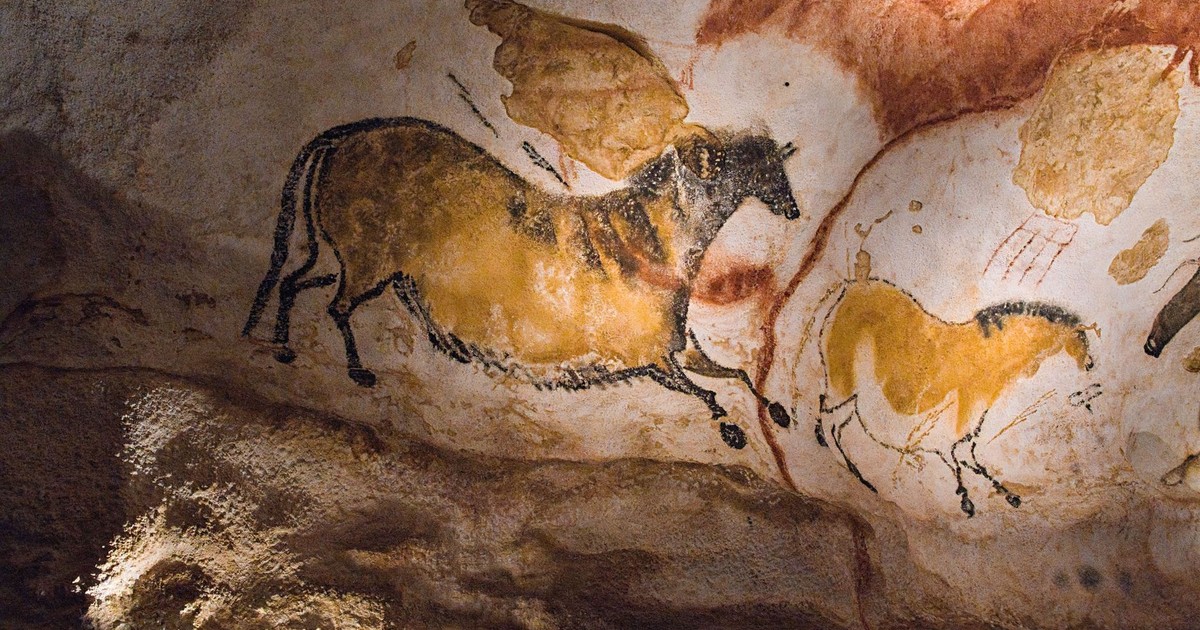
In 1940, four teenage boys and a dog chasing a rabbit stumbled into a cave in southwestern France and found the walls covered in paintings that would turn the study of early human cognition on its head.
The Lascaux cave paintings depict horses, deer, bulls, and other animals in vivid colors and dynamic motion, dating back to around 17,000 years ago. These artworks demonstrated that Paleolithic humans possessed extraordinary artistic skill and symbolic thinking far earlier than anyone had previously credited. The artistic skill and understanding of perspective on display forced researchers to reevaluate the cognitive abilities and cultural sophistication of early humans.
The cave was opened to the public in 1948, but the volume of visitors caused fungal and algae growth that began damaging the paintings. It was closed in 1963. Today, a precise replica called Lascaux IV sits nearby for visitors, while the original remains sealed and carefully monitored.
10. Ötzi the Iceman (Alps, 1991)
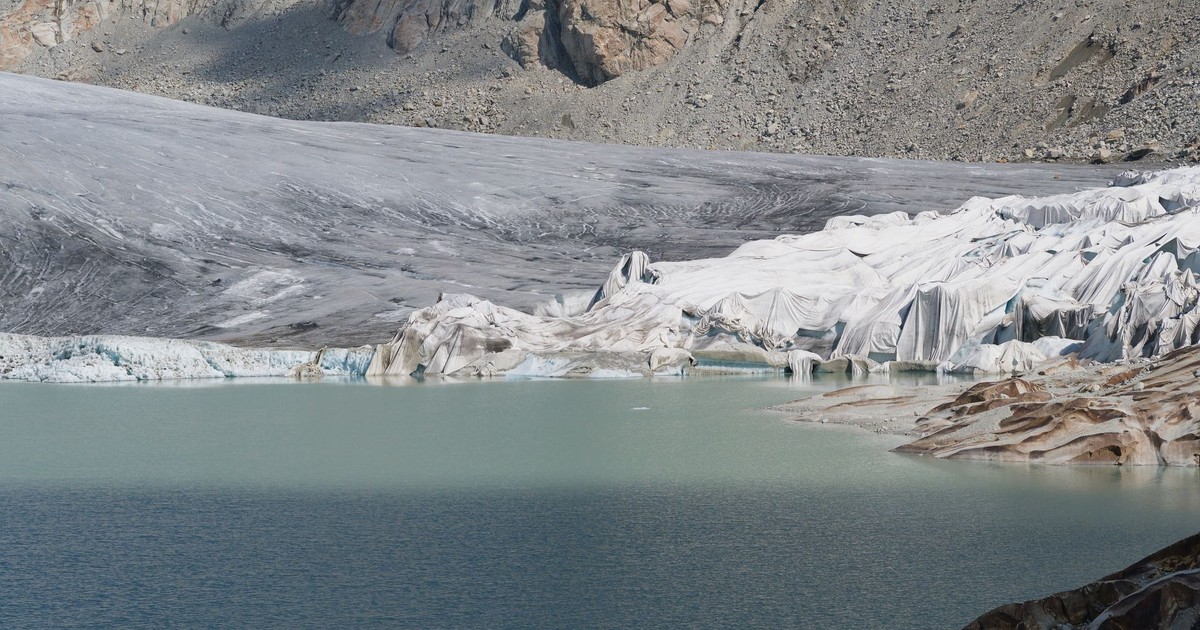
In 1991, hikers in the Italian Alps discovered the remarkably well-preserved remains of a man who lived around 5,300 years ago, now known as Ötzi the Iceman. He had been frozen in a glacier since roughly 3300 BCE, and the ice preserved not just his bones but his skin, clothing, tools, and the contents of his last meal.
Analysis of Ötzi has since revealed extraordinary detail. He had 61 tattoos, possibly marking acupuncture points used to treat his arthritis. He carried a copper axe. He had eaten red deer and einkorn wheat in the hours before he died. And he was murdered – an arrowhead lodged in his left shoulder suggests he was shot from behind. At over 5,000 years old, Ötzi remains the oldest known natural human mummy and one of the most scientifically analyzed individuals in history.
11. Cave of Altamira (Spain, 1868)
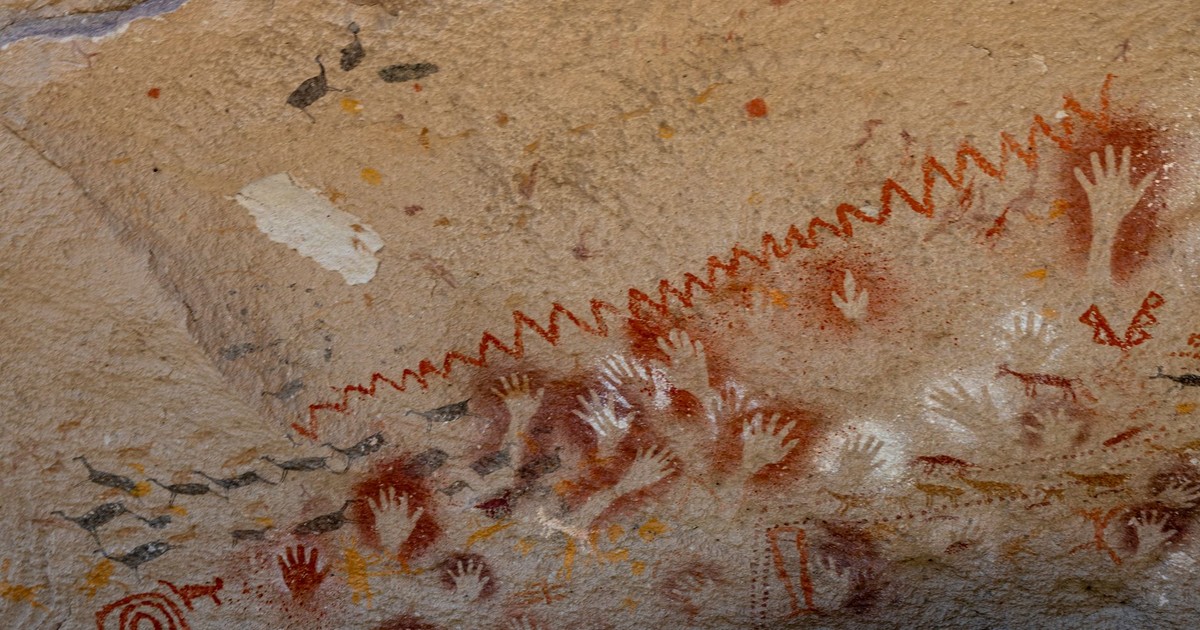
First discovered by a local hunter in 1868, the Cave of Altamira in northern Spain is now world-famous for its astonishing prehistoric paintings. In the 1870s a Spanish nobleman came to the cave to excavate the entrance, and while he unearthed animal bones and stone tools, it was his eight-year-old daughter Maria who first spotted the bison paintings adorning the ceiling of a side chamber.
It would be a while before prehistorians accepted that the 14,000-year-old artworks were genuine, as experts at the time believed that prehistoric peoples lacked the capacity for figurative art. The paintings show bison in fluid, naturalistic poses, with shading techniques that suggest a sophisticated understanding of three-dimensional form. That an eight-year-old child made the actual discovery, while the adult professionals were digging in the entrance, is one of archaeology’s better ironies.
UNESCO recognized the site as showcasing “outstanding illustrations of a significant stage in human history.”
12. The Antikythera Mechanism (Greece, 1900)
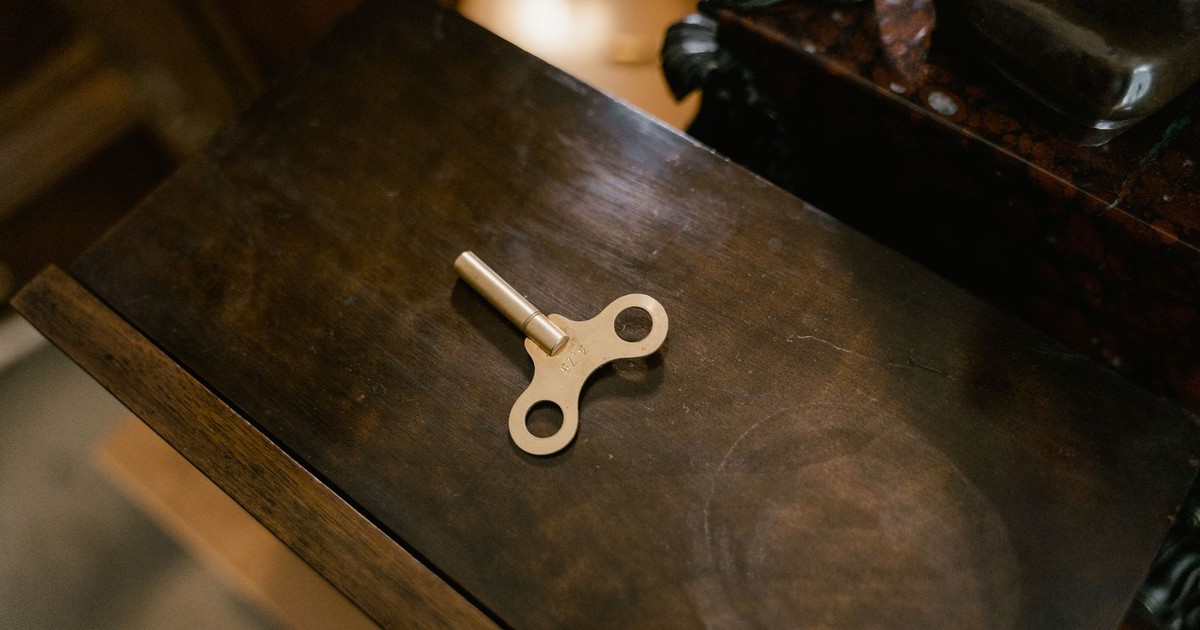
Discovered in 1900 in a shipwreck near the Greek island of Antikythera, this artifact initially appeared to be a nondescript lump of corroded metal. When it cracked open, intricate gears were revealed, leading scientists to theorize it was an advanced astronomical calculator. Researchers confirmed that the mechanism could predict celestial events like eclipses with astonishing accuracy.
Its sophistication is unmatched for its time, resembling the complexity of 18th-century clocks. The device dates to roughly 100 BCE, which means the ancient Greeks were building functioning analog computers more than 1,500 years before anything remotely comparable appeared again in recorded history. It was computing the positions of the sun, moon, and planets using a system of at least 30 interlocking bronze gears.
The full extent of what it could do is still being worked out. A 2021 study from University College London proposed a complete 3D model of the mechanism, and researchers suspect significant sections remain unaccounted for.
13. Stonehenge (England, Ongoing)
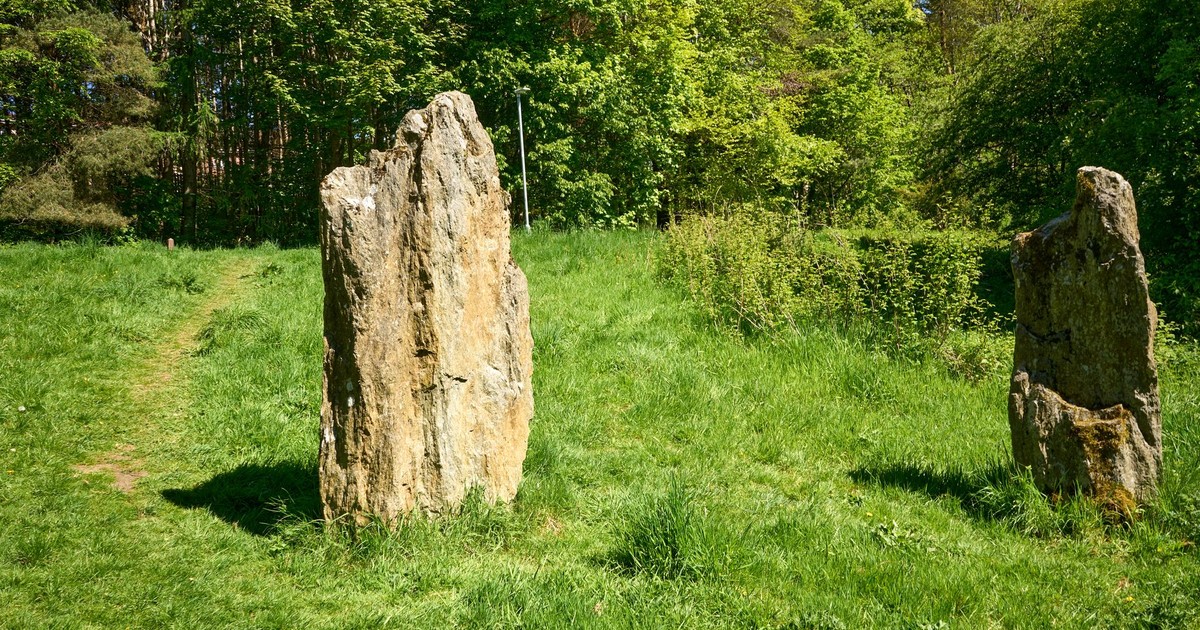
Stonehenge has been studied since the 17th century, but the archaeological discoveries surrounding it keep compounding. The monument itself was constructed in phases, beginning around 3000 BCE and continuing for roughly 1,500 years. The largest standing stones, the sarsen bluestones, weigh up to 25 tons each and were transported from Marlborough Downs, about 25 miles away.
Recent excavations at the nearby Durrington Walls site have revealed the remains of a massive settlement that likely housed the builders – with evidence of feasting on a scale that suggests workers came from across Britain. In 2020, researchers also identified a prehistoric “super-henge” of large buried shafts arranged in a circle roughly 1.2 miles in diameter surrounding the monument, the largest prehistoric structure ever found in Britain.
The question of how it was built with Neolithic technology is gradually being answered. The question of why it was built – in precise alignment with the midsummer sunrise and midwinter sunset – remains the more compelling mystery.
14. Troy (Turkey, 1871)
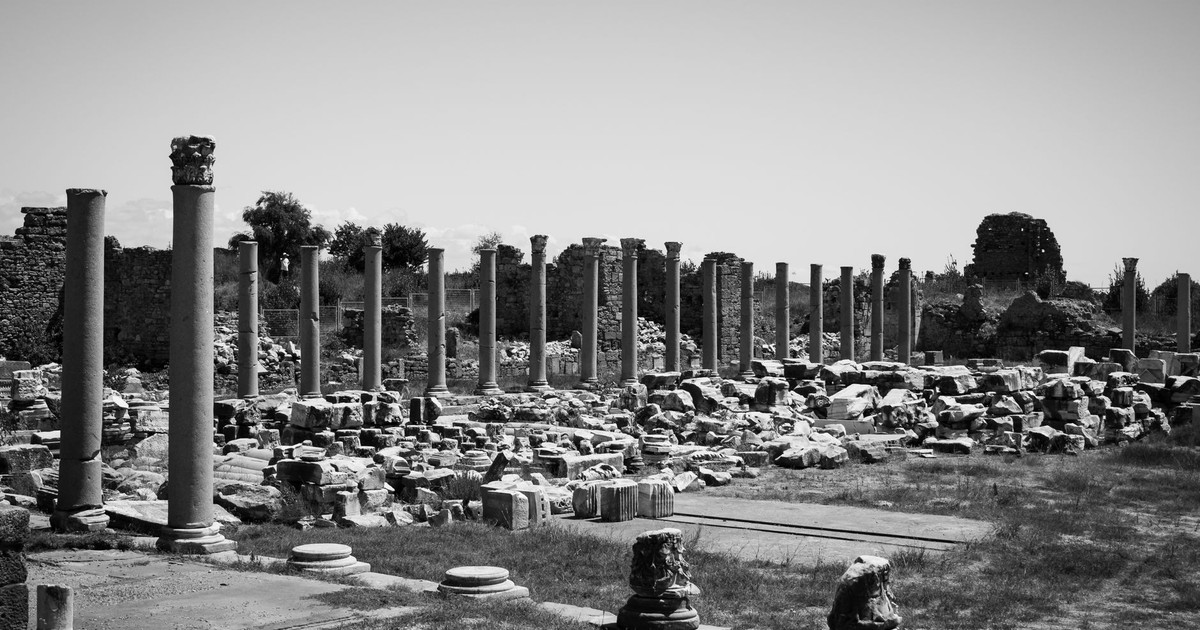
German businessman Heinrich Schliemann spent years insisting that Homer’s Iliad described a real place. When he began excavating at Hisarlik in northwestern Turkey in 1871, mainstream archaeologists mostly thought he was chasing a myth. What he found beneath the surface was not one Troy but nine successive cities, each built on the ruins of the last, spanning roughly 3,000 years of continuous occupation.
The city now known as Troy VII, dating to around 1300 – 1180 BCE, shows signs of violent destruction and fire consistent with the Trojan War period. Schliemann’s methods were often destructive by modern standards – he dug too fast, through layers he didn’t understand. But the core discovery was sound. A place that most educated Europeans had written off as poetic fiction turned out to have been among the most important cities of the Bronze Age Mediterranean.
15. Knossos (Crete, Greece, 1878 – 1900s)
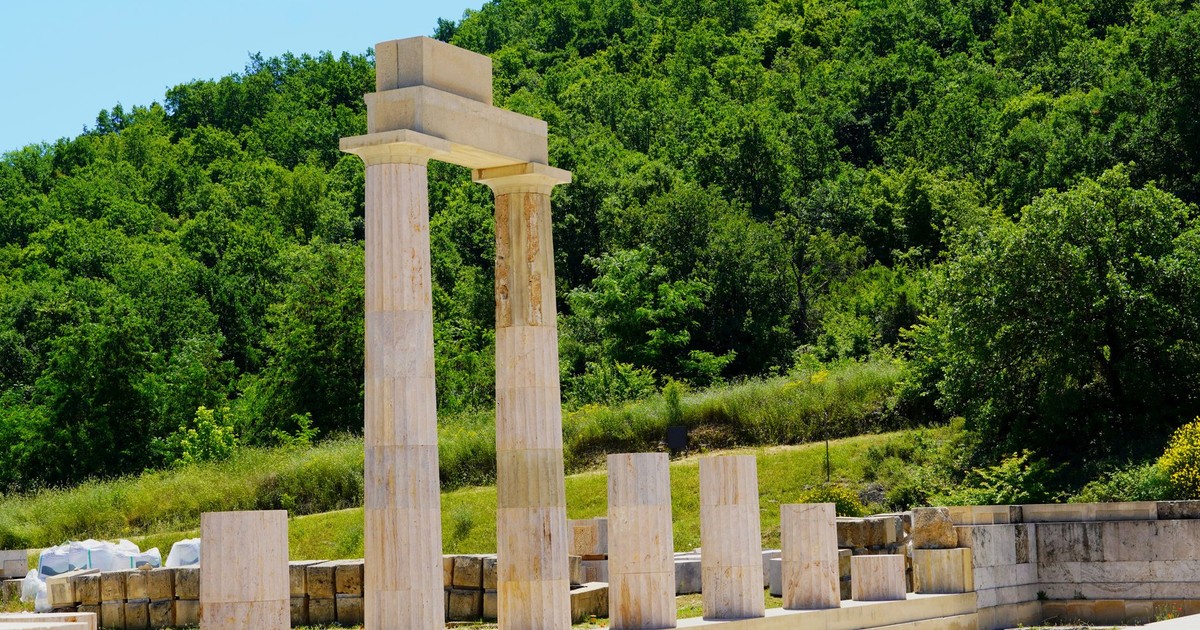
Knossos was the primary capital of the ancient Minoan civilization, which inhabited both Crete and other Aegean islands. The civilization prospered from about 3500 BCE to 1100 BCE, but it is believed that Knossos had been inhabited since the Neolithic period. An amateur archaeologist named Minos Kalokairinos discovered the location in 1878, and the ancient site was unearthed by Sir Arthur Evans throughout much of the early 1900s.
The palace complex contains around 1,300 intricately decorated rooms, along with baked clay slabs with inscriptions in an unknown language. That language – Linear A – remains undeciphered. Linear B, a later Mycenaean script also found at Knossos, was cracked in 1952, but the earlier Minoan script still yields nothing. Knossos gave us the legend of the Minotaur and the labyrinth, and the palace’s floor plan, with its endless interconnecting rooms and corridors, makes the myth feel less fanciful.
16. Derinkuyu Underground City (Turkey, 1963)
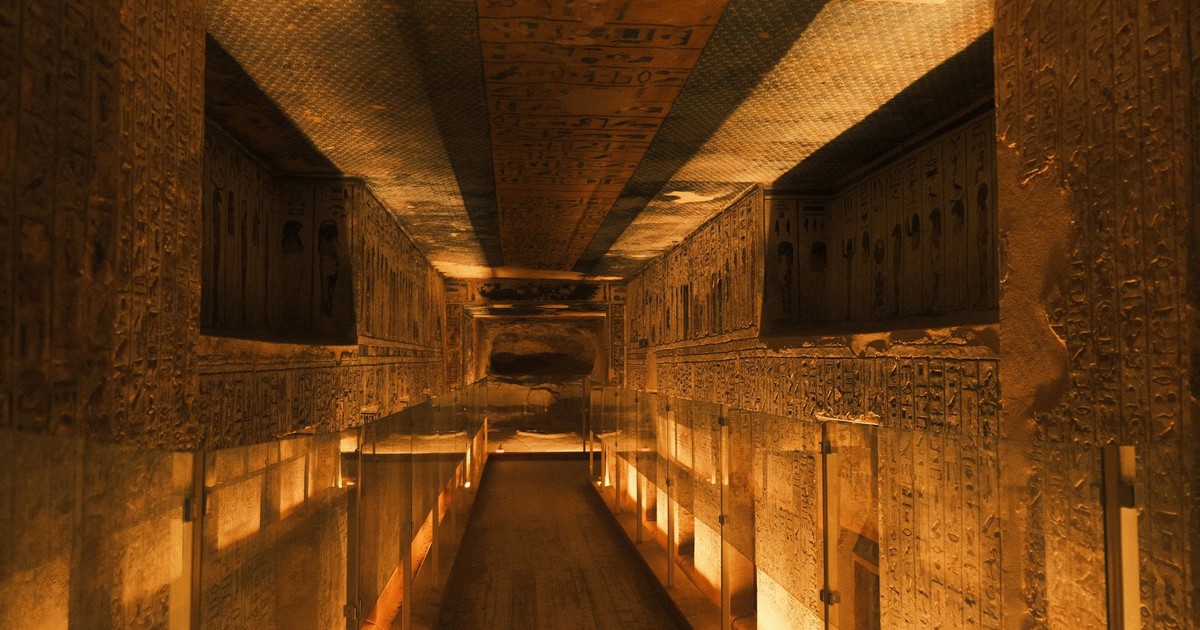
The world’s largest underground city, now called Derinkuyu, was discovered entirely by accident in 1963, when a man living in the Cappadocia region of Turkey noticed his chickens escaping through a small opening in his basement wall. When he extended the space to investigate further, he uncovered the first of what would become over 600 entrances scattered across the area, leading to a vast subterranean maze.
The ancient city, believed to have been built by the Hittites around 1200 BCE, features 18 levels of tunnels spanning hundreds of miles, descending as deep as 280 feet, and possibly linking to other underground cities. Due to repeated conflicts and an estimated peak population of 20,000, it is believed that Derinkuyu was mainly constructed as a refuge from invading forces.
The city had everything for long-term survival: ventilation shafts, wells, kitchens, wine presses, stables, schools, and chapels. Massive circular stone doors, rollable from the inside, could seal off entire levels from intruders. It was a civilization built downward instead of up.
17. The Nazca Lines (Peru, Rediscovered 1927)
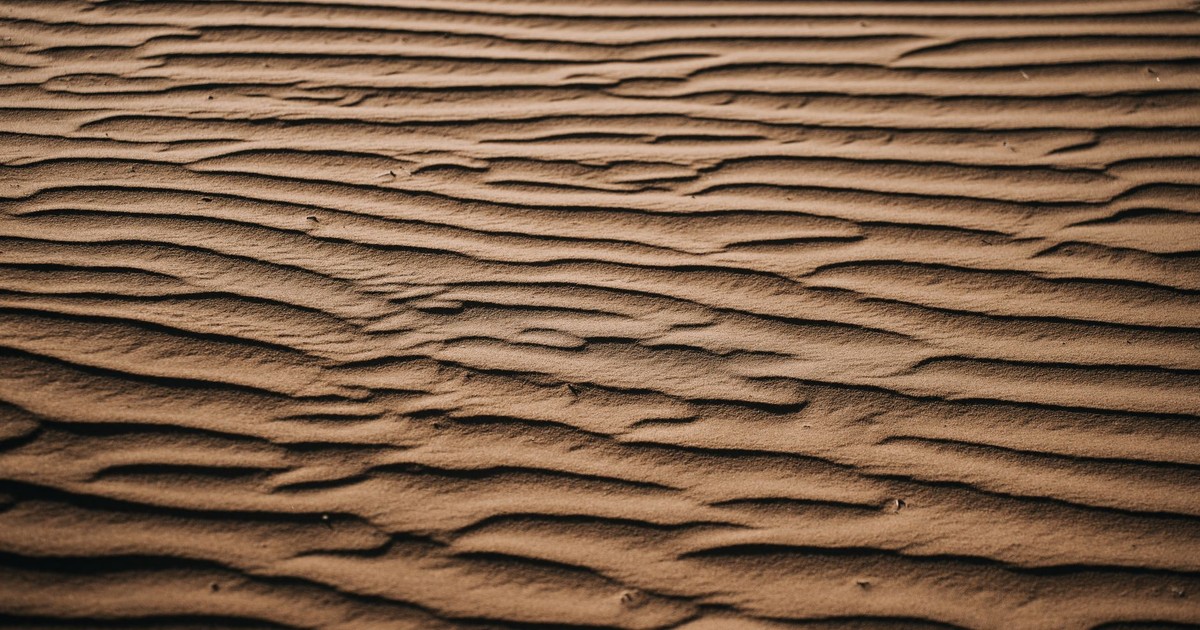
Fly above Peru’s Nazca Desert and you’ll see huge geoglyphs that resemble animals and plants. Dubbed the Nazca Lines, the archaeological finding dates back to between 1,500 and 2,500 years old.
The figures – a hummingbird, a condor, a spider, a monkey – are so large they are only fully visible from the air, which led early 20th-century researchers to speculate wildly about their origins. The more grounded explanation is that the Nazca people created them over centuries as ritual offerings to their gods, visible to the sky deities above. The lines were made by removing the reddish surface pebbles to reveal the pale ground beneath – a technique requiring no special tools but considerable collective organization.
Peruvian archaeologist Toribio Mejia Xesspe first noted them systematically in 1927, though German mathematician Maria Reiche spent decades mapping and protecting them from the 1940s onward. In recent years, AI-assisted aerial analysis has identified hundreds of new smaller figures, with teams from Yamagata University in Japan announcing dozens of new geoglyphs as recently as 2024.
18. L’Anse aux Meadows (Canada, 1960)
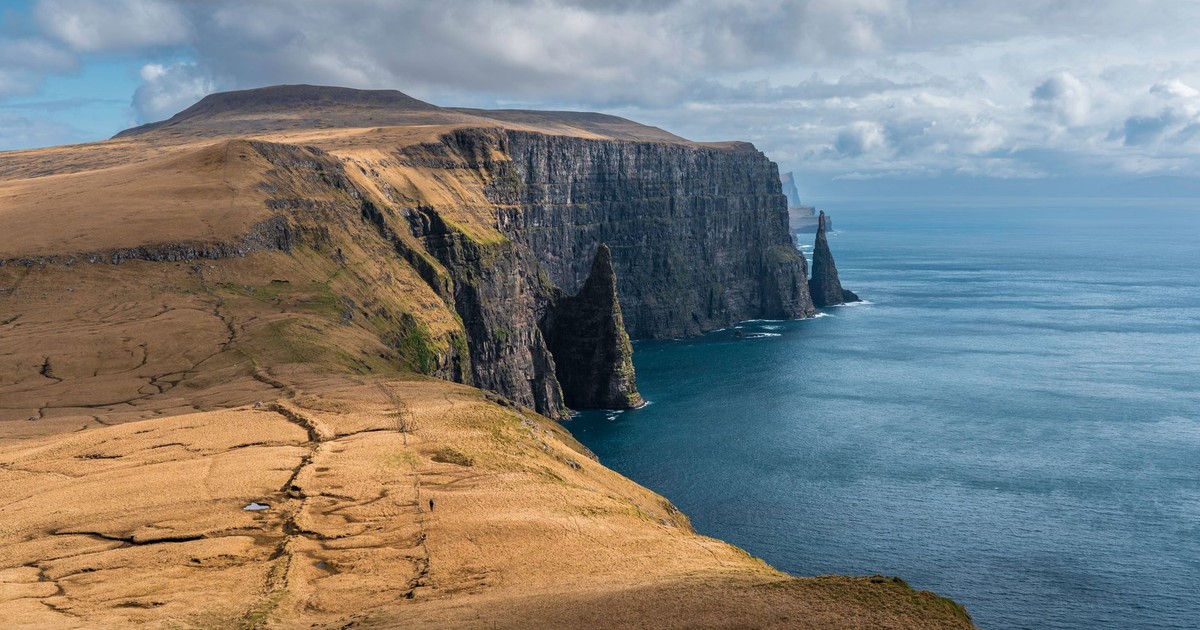
This 11th-century outpost on Newfoundland’s northern tip is the site of the earliest known European settlement in North America – and the first and only site established by the Vikings on the continent. L’Anse aux Meadows was discovered in 1960 by Norwegian explorer Helge Ingstad, and over the next eight years an international team unearthed building remnants and artifacts similar to those found in Norse Greenland and Iceland.
The site confirmed what the Viking sagas had long suggested but historians had largely dismissed: that Norse explorers reached North America some 500 years before Columbus. The settlement at L’Anse aux Meadows was likely a base camp rather than a permanent colony, used for timber gathering and exploration of the surrounding coastline. It was abandoned after what appear to have been hostile encounters with the Indigenous Beothuk people.
UNESCO designated L’Anse aux Meadows a World Heritage Site in 1978. It rewrote the story of who first crossed the Atlantic.
19. The Library of Ashurbanipal (Iraq, 1849 – 1851)
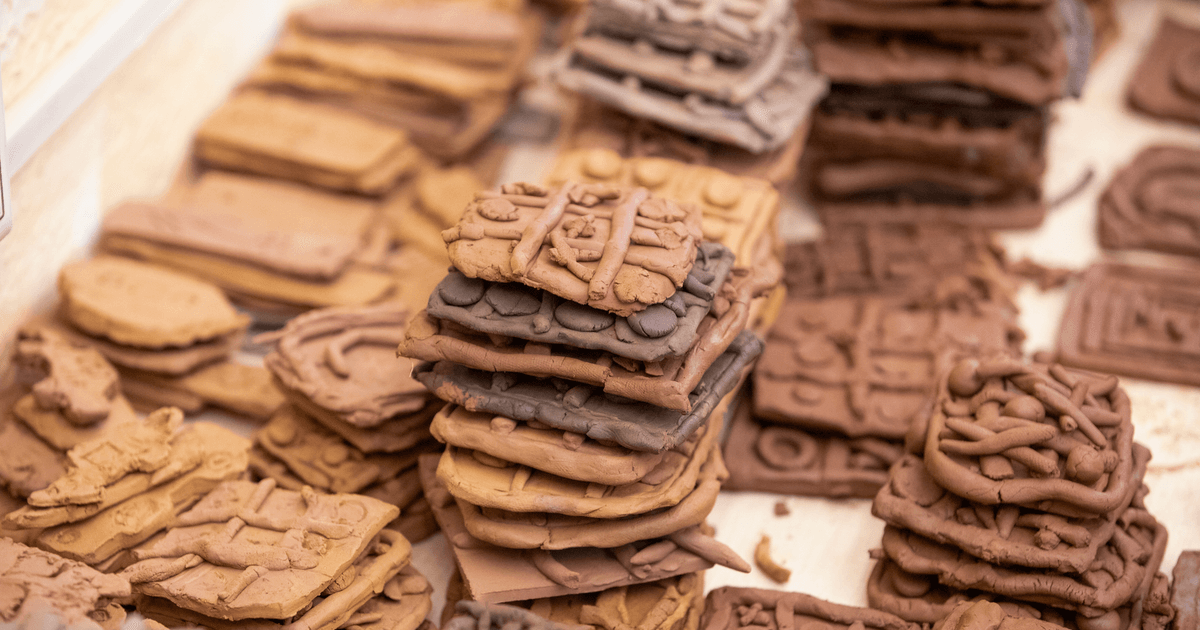
British archaeologist Austen Henry Layard began excavating the ruins of Nineveh in modern-day northern Iraq in the mid-19th century. What his team uncovered between 1849 and 1851 was the remnants of the world’s oldest systematically organized library, assembled by the Assyrian king Ashurbanipal in the 7th century BCE.
The library contained more than 30,000 clay tablets inscribed in cuneiform script, covering everything from astronomical observations to medical texts to royal correspondence. Most significantly, it preserved the Epic of Gilgamesh – the world’s oldest known piece of literature, predating Homer by at least 1,500 years. The tablets were not discovered intact and neatly shelved. They were found in fragments across collapsed rooms, requiring decades of painstaking reassembly in the British Museum.
20. Pompeii’s Neighbor: Herculaneum (Italy, 1709)
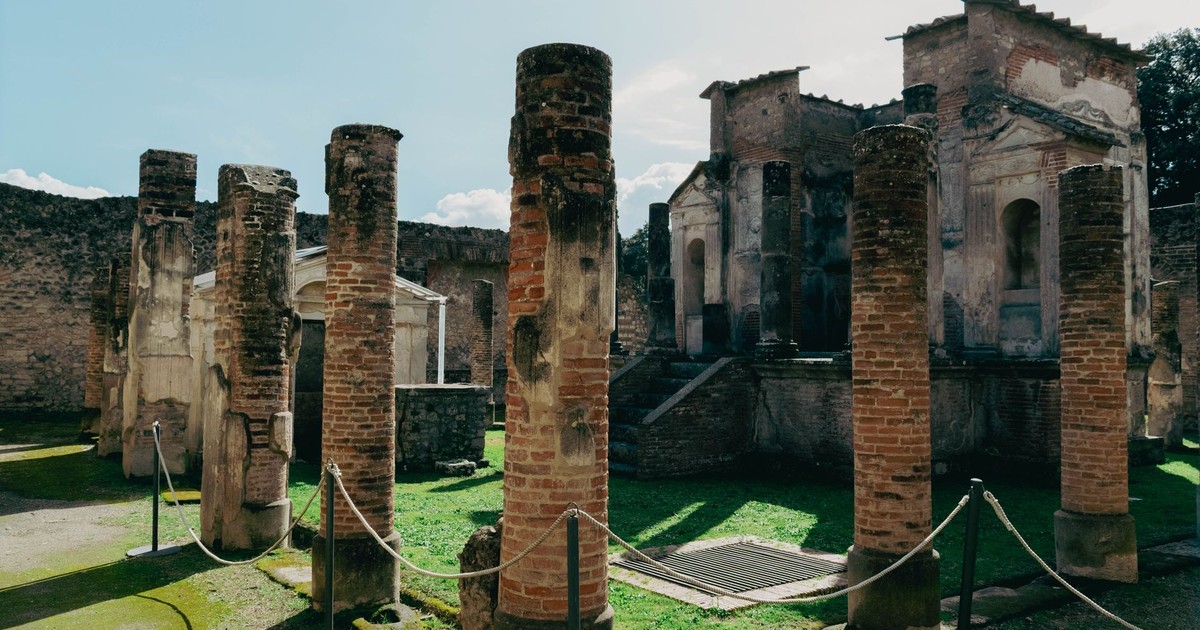
While Pompeii gets most of the attention, Herculaneum – the smaller Roman town buried by the same 79 CE eruption – is in several ways the more extraordinary find. Where Pompeii was covered in ash and pumice, Herculaneum was hit by a pyroclastic surge, a superheated flow of gas and debris that carbonized everything it touched.
That carbonization preserved wooden furniture, food, rope, and most remarkably, papyrus scrolls – the Herculaneum Papyri, a library of roughly 1,800 rolls, most of them still rolled up and too fragile to open without disintegration. Since 2019, a project called the Vesuvius Challenge has been using AI and X-ray scanning to read the scrolls without unrolling them. In 2024, researchers announced the first complete word legibly recovered: “porphyras,” the ancient Greek word for purple. An entire library of Epicurean philosophy, sealed in volcanic stone for 2,000 years, is slowly becoming readable again.
21. The Staffordshire Hoard (England, 2009)
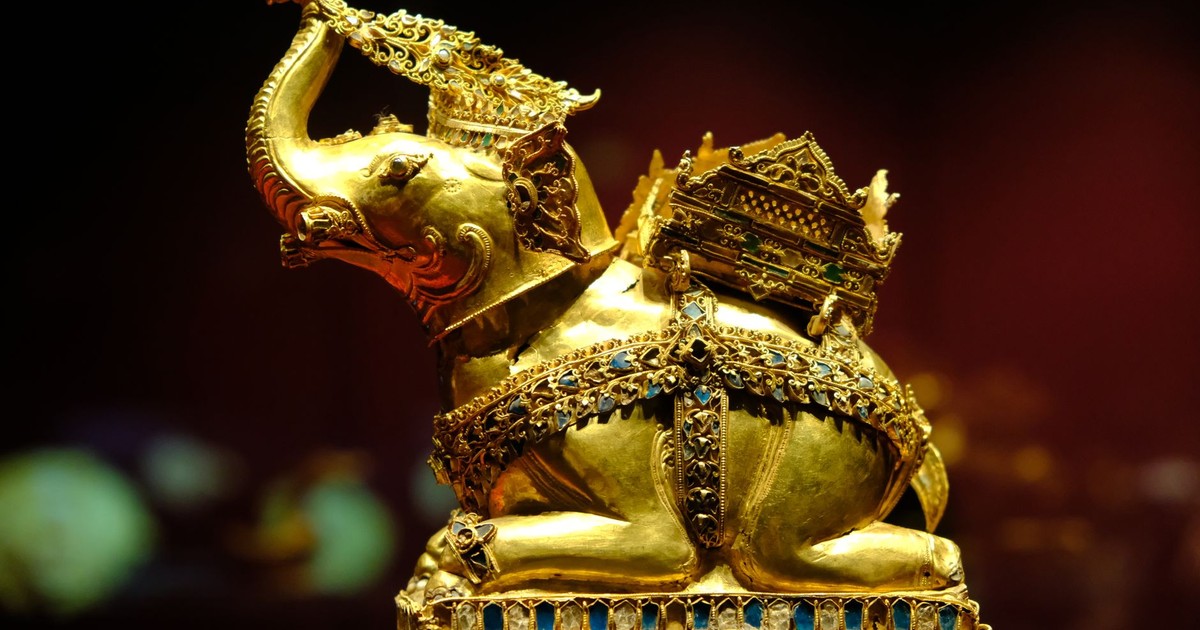
The Staffordshire Hoard is thought to have been buried during the 7th century AD, with its craftsmanship proving that Anglo-Saxon goldsmiths were capable of advanced metalwork techniques. The discovery was made by a metal detectorist in an otherwise anonymous field near the English city of Lichfield in 2009.
The hoard contained more than 3,500 pieces of gold and silver – the largest collection of Anglo-Saxon gold ever found. Almost all of it was military: sword fittings, helmet components, and decorated metalwork stripped from weapons of war. No domestic or female objects were included, which makes the hoard’s purpose puzzling. Was it war loot? A ritual deposit? A hidden treasury? No one has settled the question.
What the hoard does settle is the extraordinary quality of craftsmanship available in 7th-century England – filigree work and garnet cloisonné of a precision that rivals anything made anywhere in the contemporary world.
22. The Riace Bronzes (Italy, 1972)
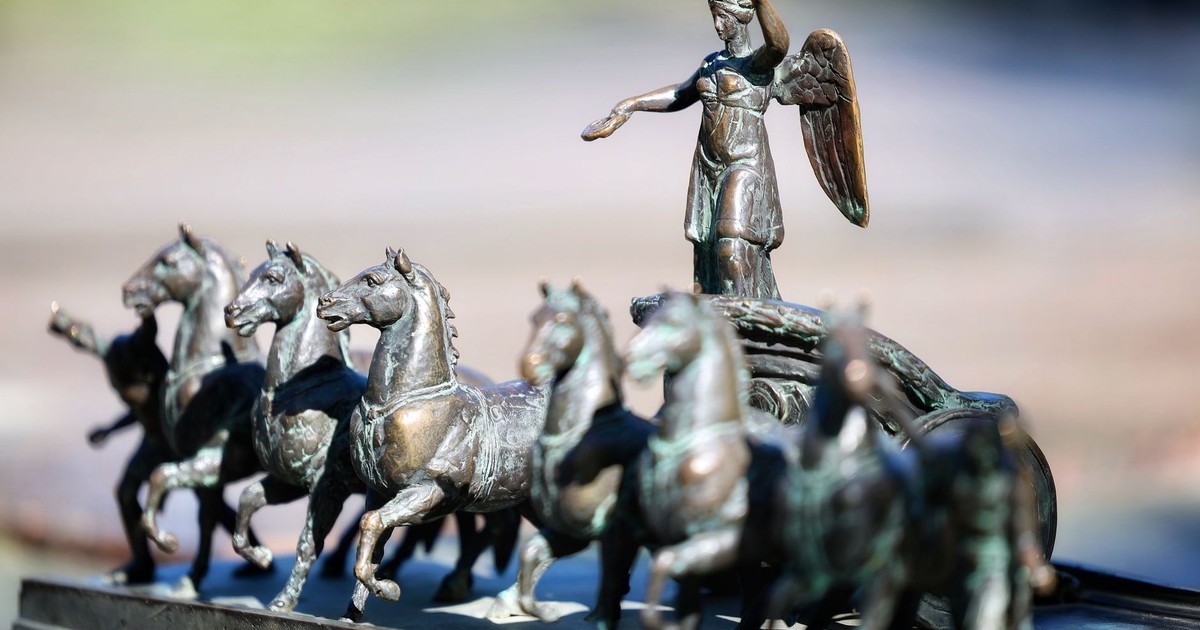
In 1972, a scuba diver swimming off the coast of Calabria discovered two bronze statues lying in the sand. The Riace Bronzes are rare surviving examples of ancient Greek sculpture, estimated to date back to the 5th century BCE.
Ancient Greek bronze sculpture almost entirely disappeared from history – not because it wasn’t made but because bronze is too useful to leave alone. The overwhelming majority of Greek bronze works were melted down during the medieval period to make weapons, coins, and church bells. The Riace Bronzes survived only because they sank in a shipwreck and were preserved under the Ionian Sea for 2,500 years. They are two life-size male figures in extraordinary condition, and they forced a complete reassessment of the scale and technical mastery of classical Greek bronze casting. They now sit in the National Museum of Magna Graecia in Reggio Calabria.
23. Akrotiri (Santorini, Greece, 1967)
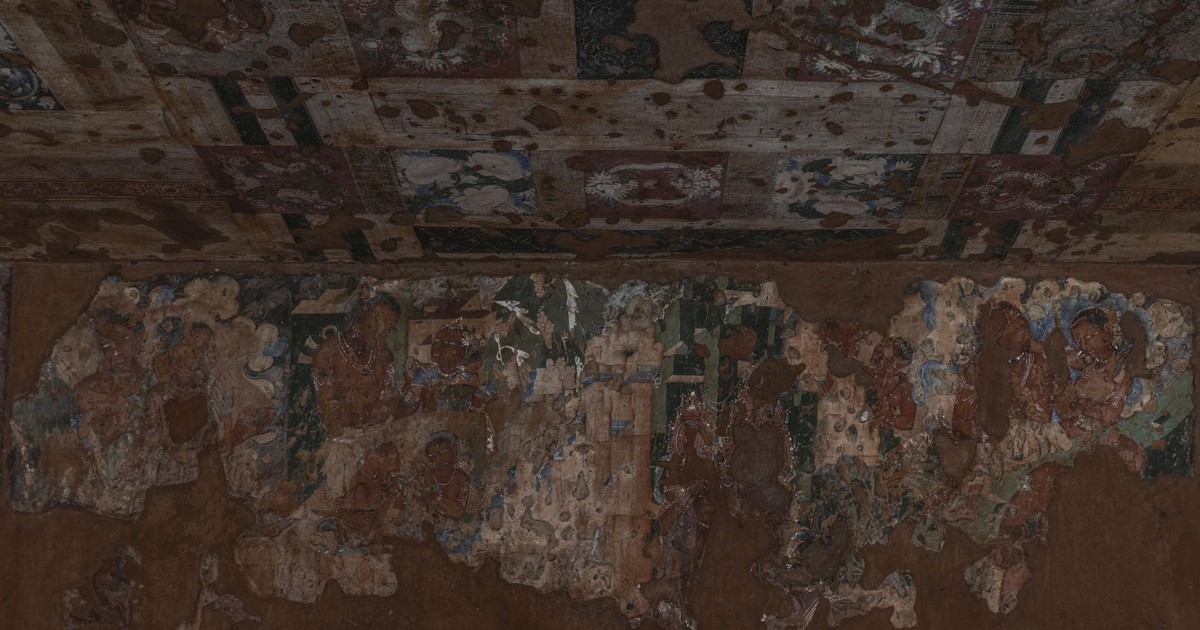
Around 1627 BCE, the volcanic island of Thera – modern Santorini – erupted in one of the largest volcanic events in recorded human history. It destroyed the Minoan settlement of Akrotiri completely, burying it under meters of ash. Greek archaeologist Spyridon Marinatos began systematic excavations in 1967, and what emerged was a Bronze Age city frozen in the moment before catastrophe.
Unlike Pompeii, no human remains were found at Akrotiri – the residents appear to have fled. What they left behind was a remarkably intact urban environment: multi-story buildings, sophisticated drainage systems, and extraordinarily well-preserved frescoes depicting landscapes, animals, and ceremonial scenes in vivid blues and yellows. The eruption may have contributed to the eventual collapse of Minoan civilization across Crete and is sometimes linked, very loosely, to the legend of Atlantis.
24. The Sanxingdui Artifacts (China, 1929 / 1986 / 2021)

In 1929, farmers in Guanghan, Sichuan province, China, unearthed jade and stone artifacts while draining a ditch. In 1986, two enormous sacrificial pits were excavated at the same site, yielding bronze masks with enormous protruding eyes, a towering bronze tree nearly 4 meters tall, and gold-foil objects of stunning craftsmanship. In 2021, six additional pits were discovered, containing thousands more objects.
The Sanxingdui culture produced these objects between approximately 1700 and 1100 BCE, completely independently of the Yellow River civilizations that traditionally dominate accounts of early Chinese history. Their style is unlike anything else found in China – or anywhere else in the world. The bronze human figures have elongated arms, exaggerated features, and appear to represent priests or rulers of a religion that left no written records. Sanxingdui rewrote the map of ancient China and raised the possibility of multiple parallel Bronze Age civilizations existing on the same landmass without apparent contact.
25. Easter Island Moai (Chile, Studied from 1722)
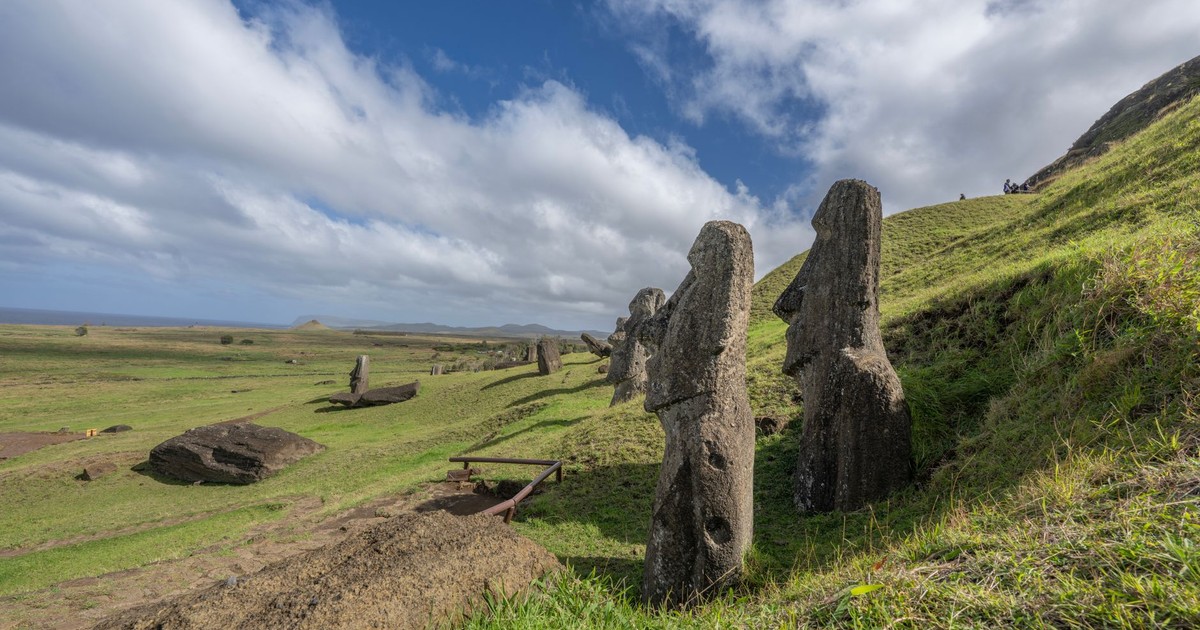
Dutch explorer Jacob Roggeveen arrived at Easter Island on Easter Sunday 1722 and found roughly 900 massive stone statues scattered across the landscape, many of them toppled, their backs to the sea. The Rapa Nui people who built them – the moai – are among the most discussed monuments in archaeology, partly because of the extreme isolation of the island (over 2,000 miles from the nearest inhabited land) and partly because of persistent questions about how they were moved.
Recent research, including work by archaeologists from the University of California Santa Barbara, confirmed that the statues were “walked” into position using ropes and coordinated rocking motions – a technique Rapa Nui oral tradition had described all along and which experimenters proved viable in 2012. The moai were not, as was long assumed, abandoned in place. They were complete monuments that included buried torsos (many taller below ground than above), red stone topknots called pukao, and inlaid coral-and-obsidian eyes that gave them a living gaze. The civilization that built them collapsed due to a combination of ecological overextension and the catastrophic effects of European contact and disease.
26. The San Casciano dei Bagni Bronze Statues (Italy, 2022)
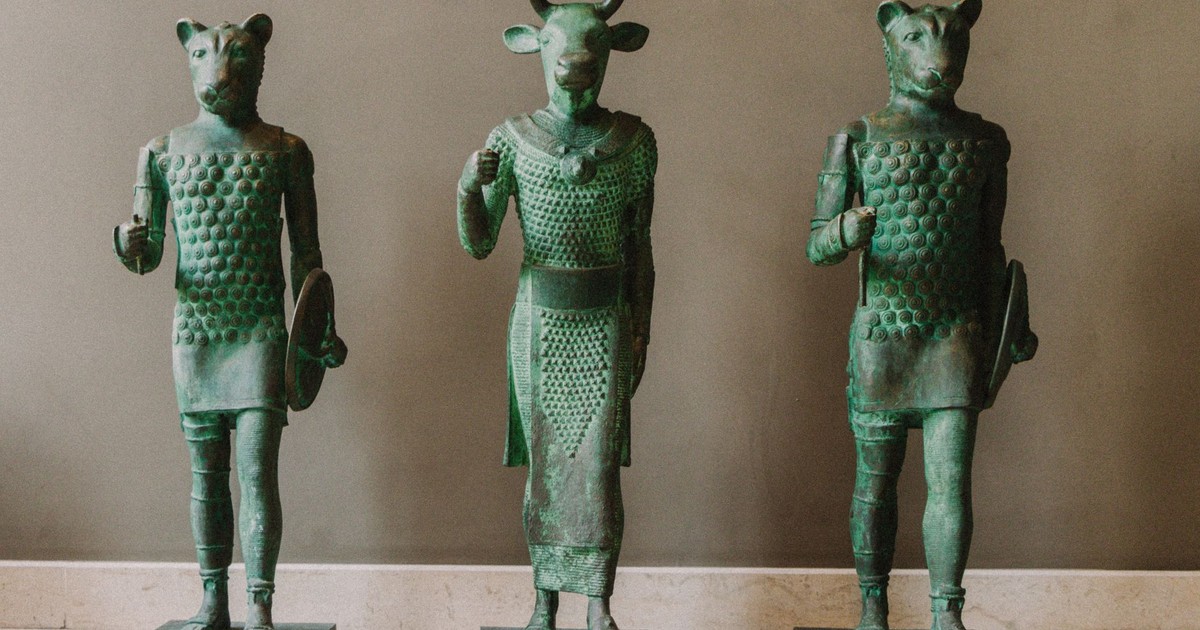
In 2022, a haul of 24 Etruscan and Roman statues were unearthed in an ancient sanctuary near the village of San Casciano dei Bagni in Tuscany. Beautifully preserved despite dating from between the 2nd century BCE and the 1st century AD, they depict divine figures and replicas of human organs that had been cast into the sanctuary’s waters by pilgrims hoping to be healed.
The statues were found at the bottom of a sacred thermal spring – the same hot springs still used by visitors today. Bronze corrodes in most environments, but the mineral-rich thermal water preserved them in extraordinary condition. Inscriptions on the statues show both Latin and Etruscan text, suggesting the sanctuary served as a meeting point between two cultures at a moment of political transition. Italian archaeologists described the find as the most significant bronze discovery in Italy since the Riace Bronzes were pulled from the Ionian Sea fifty years earlier.
What the Dirt Keeps Telling Us
The pattern across these 26 discoveries is striking: the most important ones were almost never found by the people looking for them. A Bedouin shepherd, a group of teenagers, a farmer drilling a well, a man wondering where his chickens were going. The earth hands things over on its own schedule, to whoever happens to be standing in the right field.
What each of these archaeological discoveries shares is not just age or spectacle but the specific kind of surprise that comes from realizing a question you never thought to ask has an answer buried under your feet. We assumed hunter-gatherers couldn’t build temples. We assumed no European reached America before Columbus. We assumed the Dark Ages were a cultural gap. Every item on this list is a correction. And given that researchers estimate less than one percent of all archaeological sites have been excavated worldwide, the corrections are far from over.
The finds keep arriving. A thermal spring in Tuscany. An AI algorithm reading a scroll no human hand has touched since before the birth of Christ. Six new pits in Sichuan, each one upending a tidy story about where civilization began. The ground is not done. It never was.
Disclaimer: This information is not intended to be a substitute for professional medical advice, diagnosis, or treatment and is for information only. Always seek the advice of your physician or another qualified health provider with any questions about your medical condition and/or current medication. Do not disregard professional medical advice or delay seeking advice or treatment because of something you have read here.
AI Disclaimer: This article was created with the assistance of AI tools and reviewed by a human editor.