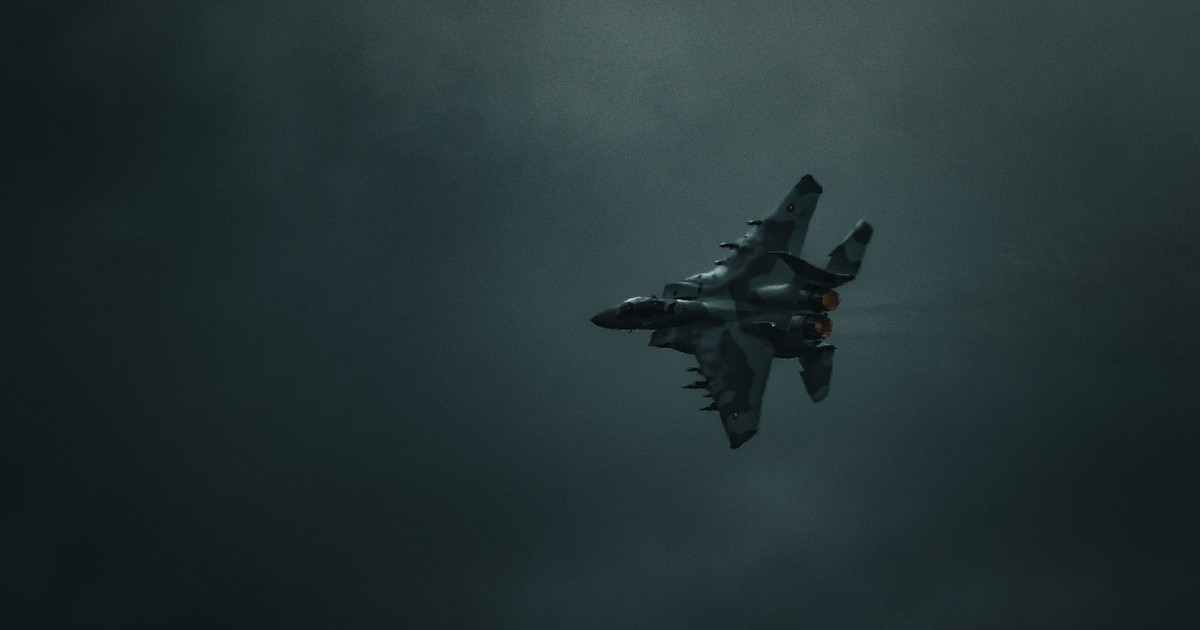

Five months ago, a war that most analysts had filed under “it will never actually happen” began with a barrage of missiles over Tehran before most Iranians were awake. Since then, the US Iran airstrikes have not paused for long. As of July 31, 2026, American forces are striking Iranian military targets for what the Pentagon describes as the latest in an unbroken sequence of operations, waves of precision strikes aimed at one of the most strategically critical waterways on the planet.
The conflict is unlike anything the United States has been involved in since the Gulf War. It is a direct, declared war against a major regional power with a sophisticated military, proxy networks across six countries, and a profound leadership vacuum at the top of its government. The stakes extend far beyond the Persian Gulf. When one of the world’s most critical oil shipping corridors comes under sustained military pressure, the consequences ripple outward from Tehran to Tokyo, from Houston to Hamburg.
How It Started: Operation Epic Fury
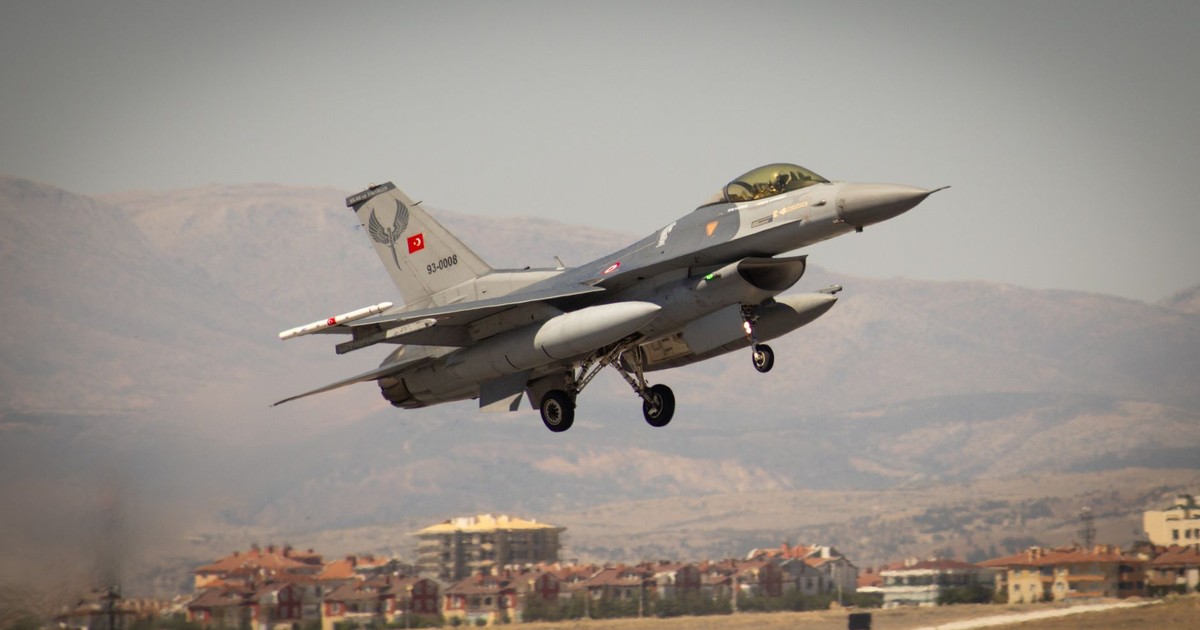
Operation Epic Fury was the U.S. code name for its joint military operations with Israel against Iran that began on February 28, 2026. A Pakistan-brokered ceasefire took effect on April 8, and the offensive stage was declared concluded in early May, though the conflict entered a contested pause rather than a formal end, with standby operations and intermittent exchanges continuing. The operation came just two days after the most substantive round of US-Iran nuclear negotiations in years had concluded in Geneva, with both parties agreeing to continue talks.
President Trump’s announcement outlined four military objectives: preventing Iran from acquiring a nuclear weapon, destroying its missile arsenal and production sites, degrading its proxy networks, and annihilating its navy. A desired political outcome was regime change from within. Three rounds of negotiations had taken place throughout February, but talks ultimately stalled. The core disagreements included whether Iran’s ballistic missile programs and proxy forces should be included in any deal, and whether Iran would be permitted to continue enriching uranium at all.
The United States and Israel launched coordinated airstrikes against Iran on February 28, 2026, targeting military installations, nuclear enrichment facilities, and key officials including Supreme Leader Ali Khamenei, who was assassinated in the opening hours. Iran retaliated under Operation True Promise IV almost immediately, extending the war’s geographic footprint to seven countries within 48 hours: Bahrain, Jordan, Kuwait, Qatar, Saudi Arabia, the UAE, and Iraq.
Within 24 hours of the initial strikes, Iran’s Supreme Leader Ali Khamenei was dead, along with several of his senior aides. Extensive military and security installations were destroyed. Iran, followed by its allies in Iraq and Lebanon, responded with strikes against Israel and US bases and interests across the region, as well as oil and gas production facilities in Gulf states.
The Strait of Hormuz: Why It All Comes Back to One Waterway
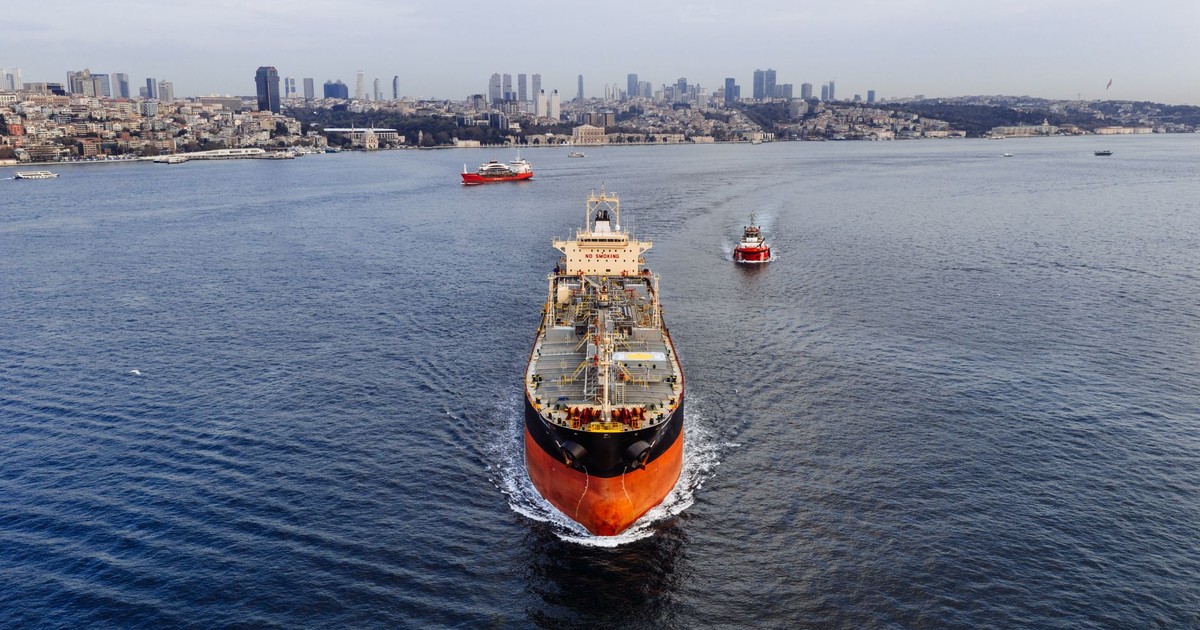
Iran’s most consequential counter-move was not a missile barrage. It was a chokepoint. In response to the US and Israeli strikes, Iran moved to close the Strait of Hormuz to all foreign shipping. The Islamic Revolutionary Guard Corps transmitted warnings via VHF radio to vessels in the Straits, stating that no ship was permitted to pass. The Strait, which borders Iran and Oman, is a key waterway for the transit of oil and natural gas to world markets. Roughly 27% of the world’s maritime trade in crude oil and petroleum products goes through it.
Closing it, or even credibly threatening to, immediately put global energy markets on edge. Oil prices surged sharply in the days after the conflict began, driven by fears over Strait access. While the increase was disruptive for much of the global economy, the surge led to a windfall for Iran, which in March saw an average boost in oil revenue of nearly $25 million per day.
That windfall for Iran was disrupted when, on April 13, the U.S. Navy began preventing ships that had docked at Iranian ports from passing through the strait. The US Department of Defense estimated that Iran had lost $4.8 billion in oil revenue by May 1.
A brief pause came in early May. The opening salvo had taken out Supreme Leader Ali Khamenei and triggered a torrent of hundreds of retaliatory missiles and thousands of drones from Iran across the Middle East. The attacks left enormous damage, thousands of people dead in Iran, Lebanon, Israel, and the Gulf Arab states, and millions displaced across the region. The ceasefire didn’t hold.
The July Escalation: Strikes Resume, Then Intensify
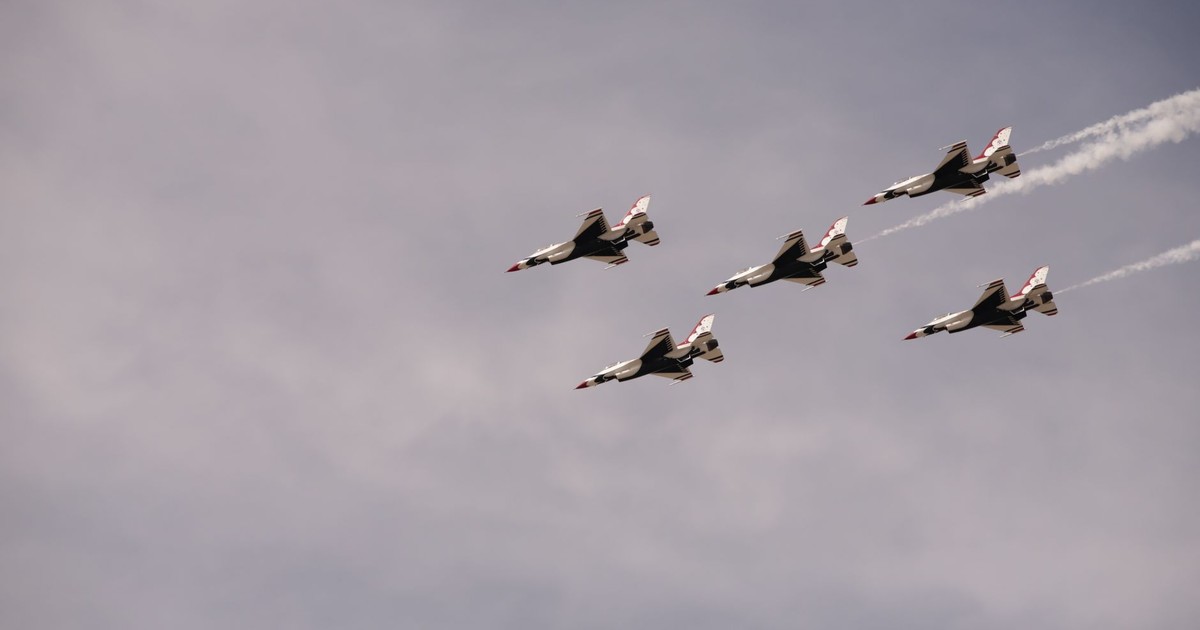
Hostilities resumed on July 7 amid reports that Iranian strikes had targeted vessels transiting the Strait of Hormuz, prompting Trump to declare the ceasefire was “over.” For the 13 nights that followed, CENTCOM posted on X confirming it was striking military targets in Iran. The pattern became almost predictable: CENTCOM would post each night confirming another wave of strikes, Iranian state media would report explosions, and Tehran would announce retaliatory strikes somewhere else in the region.
During one five-hour mission, US forces struck military targets across Iran including Bushehr, Chah Bahar, Jask, Konarak, Abu Musa, and Bandar Abbas to further degrade Iran’s ability to attack commercial shipping, with CENTCOM stating forces “employed precision munitions against Iranian coastal defense systems, missile and drone sites, and maritime capabilities.”
US forces struck Iranian military command centers, maritime capabilities, missile and drone launch sites, and air defense systems across multiple consecutive nights. Pentagon spokesperson Sean Parnell confirmed that “while nearly 100 service members were deemed to have some degree of injury since July 7, 2026, 96% have returned to duty.” The vast majority of injuries experienced were “minor concussions,” he added.
The July 30 Wave: The Latest Round
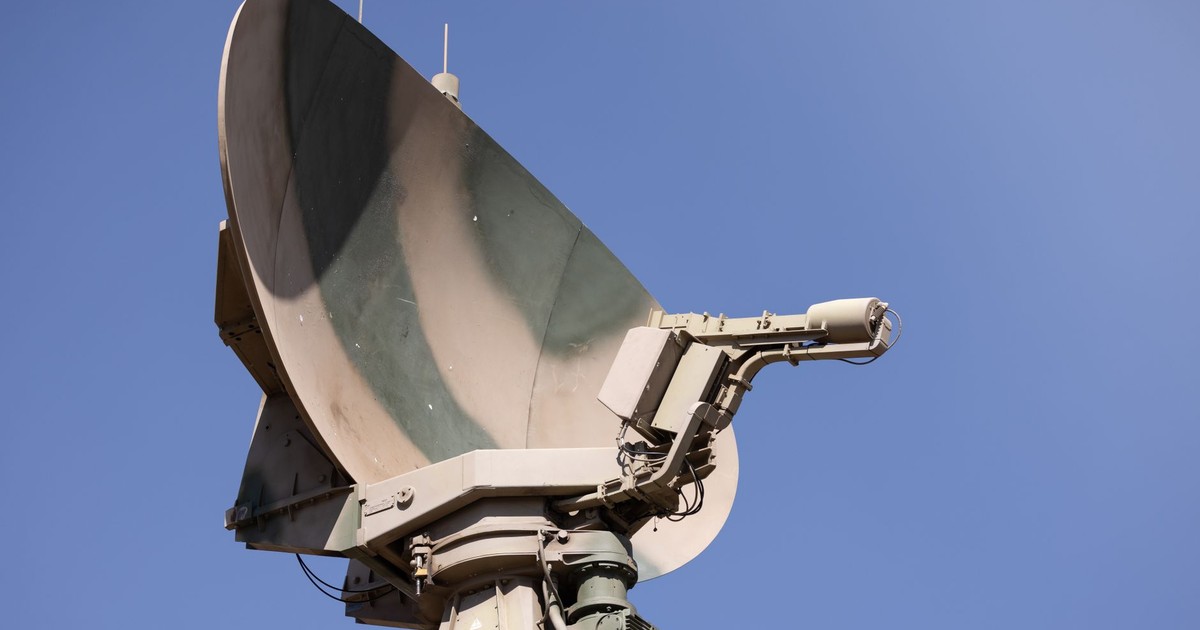
The US military completed a “heavy wave of strikes” against Iran, in retaliation against Tehran targeting American bases in Jordan, as fighting intensified in the Middle East war after a nearly week-long pause. The wave lasted two hours, with the Pentagon confirming it hit “military command centers, missile and drone facilities, coastal surveillance and defense sites, and maritime capabilities.”
The US military said it launched a “heavy wave” of airstrikes in Iran against military command centers and missile facilities. Iran said a residential building was also hit, killing two children. The US strikes were in retaliation for what US military officials called “an attempted surprise attack” with ballistic missiles on Tuesday against US forces.
The Iranian response came quickly. Iran’s Revolutionary Guard threatened further escalation after the wave of retaliatory US strikes, claiming it would “punish the aggressor” and warning that countries aiding the US would also face consequences. It also claimed to maintain full control of the Strait of Hormuz.
The IRGC’s provincial branch confirmed in a statement that “three brave and devoted members of the Ansar al-Mahdi IRGC in Zanjan province attained martyrdom” in the July 30 attacks.
The human cost inside Iran is disputed and almost certainly undercounted. Independent verification inside the country remains extremely difficult given the security environment and restrictions on press access. What is not disputed is that the strikes have been sustained, wide-ranging, and are still ongoing.
Iran’s Retaliation: Spreading Across the Region
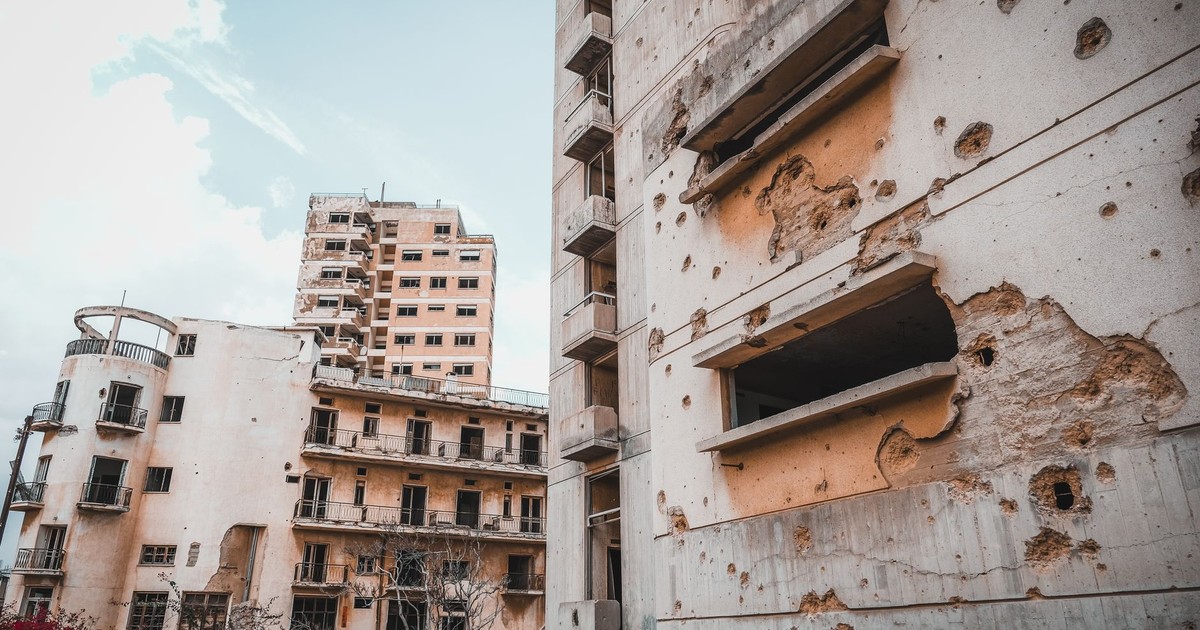
Tehran’s response to the US Iran airstrikes has not been limited to Iranian soil. Iran targeted a US airbase and command headquarters in Jordan after the US strikes. Amman did not report any casualties, but the Jordanian Armed Forces said it intercepted five missiles launched by Iran. After the US attacks, Jordan and Kuwait reported Iranian strikes on their territory, with Kuwait reporting one person was killed.
Iran’s army carried out drone strikes against US military facilities and bases across the region in retaliation for US attacks against Iran. Kuwait intercepted hostile targets, sirens sounded in Bahrain, and Jordan said it downed Iranian missiles.
Iraqi Prime Minister Ali al-Zaidi directed the country’s Foreign Ministry to pursue legal action against the United States and Saudi Arabia after the two countries launched strikes in Iraq, killing and wounding dozens. Iraq’s National Security Council, chaired by al-Zaidi, instructed the ministry to take action under international law and the United Nations Charter. The council called the attacks on PMF bases in seven Iraqi provinces “a flagrant violation of Iraq’s sovereignty and the sanctity of its lands.”
The diplomatic damage is significant. Countries that were nominally neutral at the start of the conflict are being forced to pick a side simply by virtue of geography, as Iranian missiles overfly or land on their territory and US refueling aircraft circulate through their airspace. Oman, which had attempted to mediate negotiations between the United States and Iran, expressed disappointment that “active and serious negotiations” had been abandoned.
What Trump Has Said and What Comes Next

President Donald Trump said he would order heavy strikes on Iran in retaliation for its surprise attack on US forces. “We’ll be hitting them hard. They’re going to get a beating,” Trump told Fox News. Trump also said the US and Iran remain in talks, and that he believes Tehran is “getting more serious.” He met with top advisers and Cabinet officials to discuss a potential escalation if negotiations prove unfruitful.
Trump has said Washington’s exit strategy for the conflict could come either diplomatically or militarily. That binary captures something real about the impasse. The US wants Iran to negotiate its nuclear program, its ballistic missiles, and its proxy networks. Iran is conducting a war while simultaneously being asked to give up the assets that make it a regional power. Those two tracks don’t obviously converge.
Iran’s Foreign Ministry has said Tehran has no plans for negotiations with the US, even as behind-the-scenes contacts reportedly continue through intermediaries. Whether Iran’s post-Khamenei leadership can or will engage diplomatically under sustained military pressure is the defining question of the conflict’s next phase. The broader risk of uncontrolled escalation, regional contagion through Lebanon and the Gulf, and the long-term status of the Strait of Hormuz for global energy markets remain critical variables.
Five Months In
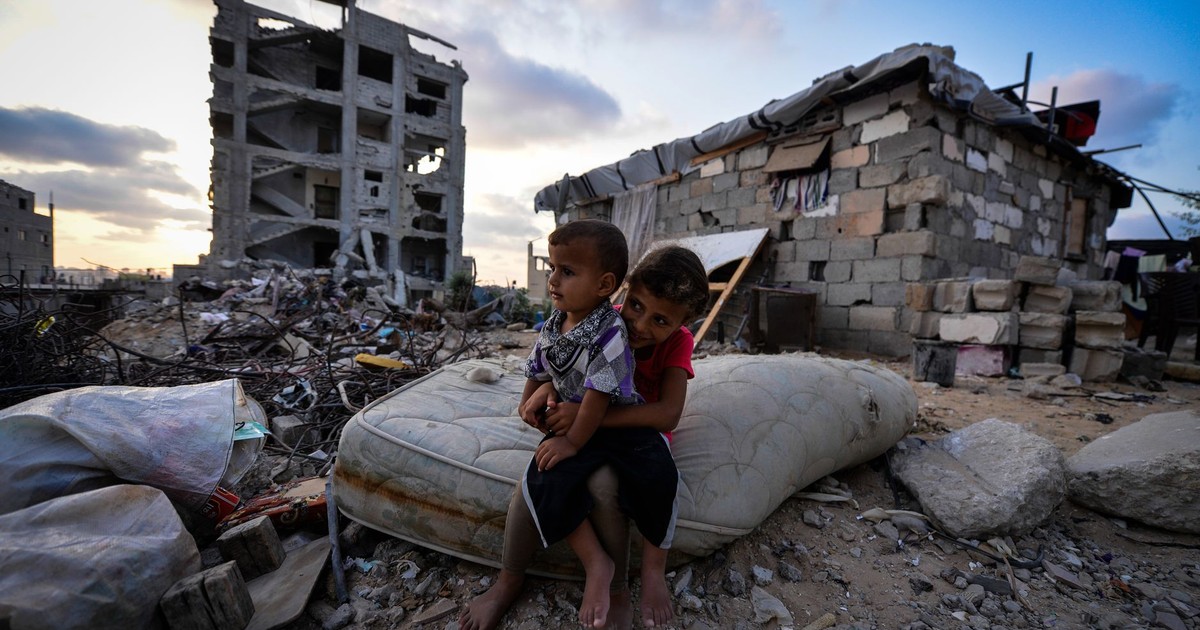
Five months in, the 2026 Iran war has already cost more than anyone publicly predicted at the outset. The US and Iran have exchanged airstrikes as fighting in the five-month war flared up once again, with hostilities now spreading across the Middle East. The ceasefire that briefly interrupted the bombing has collapsed. The “heavy wave” of July 30 strikes was another chapter in a conflict that shows no clean off-ramp on either side.
The Strait of Hormuz remains the central prize and the central pressure point. The virtual chokehold on the strait has hurt economies around the world and led to a global spike in fuel prices. As of late July, the price of a barrel of Brent crude was hovering around $85, a slight increase from June but well below the May peak of $118.
The sequence of events, from the failed negotiations in February, to the assassination of Khamenei, the closures, the blockade, the ceasefire that lasted weeks, and the resumed bombing, shows that neither side has found the thing that makes stopping worth more than continuing. Some of these calculations go back further than the current leadership on both sides. Until something shifts in that math, the strikes will keep coming.
Disclaimer: This information is not intended to be a substitute for professional medical advice, diagnosis, or treatment and is for information only. Always seek the advice of your physician or another qualified health provider with any questions about your medical condition and/or current medication. Do not disregard professional medical advice or delay seeking advice or treatment because of something you have read here.
AI Disclaimer: This article was created with the assistance of AI tools and reviewed by a human editor.