
Most backyard burger mistakes don’t happen at the grill. They happen in the two minutes before anyone strikes a match, in the supermarket aisle where a leaner package gets picked because it looks like the responsible choice, or at the counter where the meat gets handled a little too thoroughly because someone wants the patties to hold their shape. By the time the fire is lit, several decisions have already been made that determine how the burger turns out.
Most of these outcomes trace back to a handful of fixable errors. Not obscure chef secrets, not equipment upgrades. Just decisions that get made in the five minutes before the patties hit the grate that quietly guarantee a mediocre result. Backyard burger mistakes are remarkably consistent, and they start long before anyone lights the grill.
1. Starting With the Wrong Fat Ratio
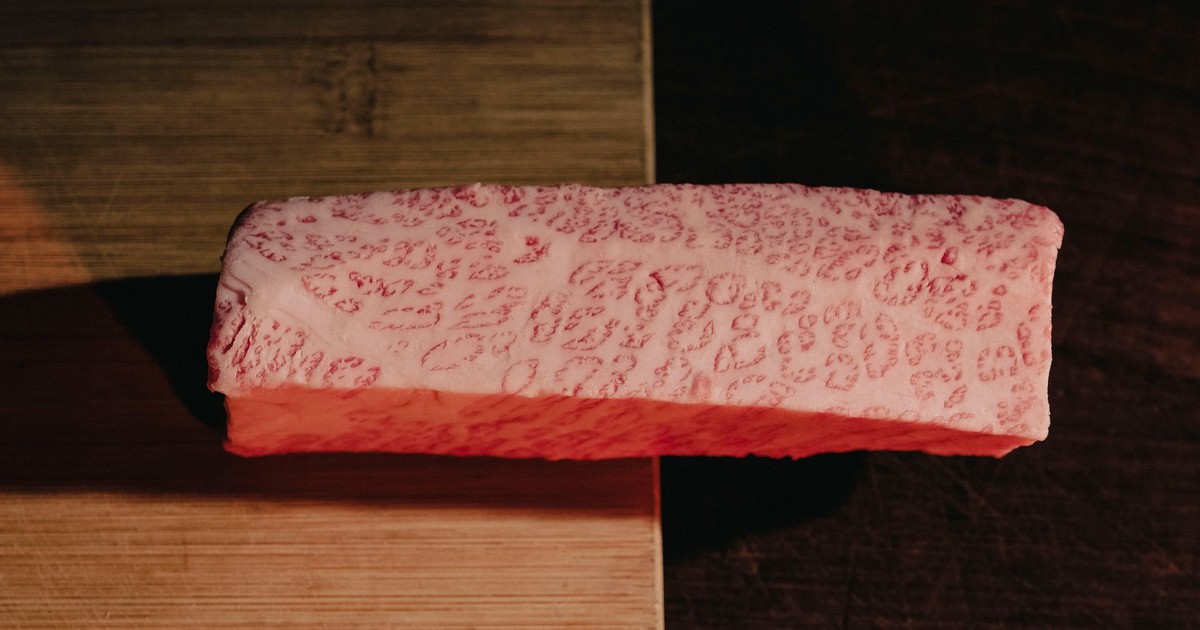
Fat content is one of the biggest variables in how a burger cooks, and it’s decided at the store. Pick up a package labeled 90/10 or 93/7 because it sounds like the healthier option, and the burger is already set up to disappoint before a single flame gets involved.
An 80/20 blend (80% lean meat and 20% fat) cooks quickly and stays juicy, making it the standard choice for burgers where rich flavor is the goal. The fat keeps the meat tender and prevents it drying out during cooking.
For medium-well doneness, an 80/20 blend remains the most reliable choice, as it retains enough fat to stay moist even at higher internal temperatures. Well-done burgers lose significant moisture during cooking, so a blend with more fat, around 75/25, gives the patty a better chance of staying tender after the extra cooking time. Match the fat content to how you’re planning to cook, and you’ve solved half the problem before you’ve touched the grill.
2. Overworking the Meat
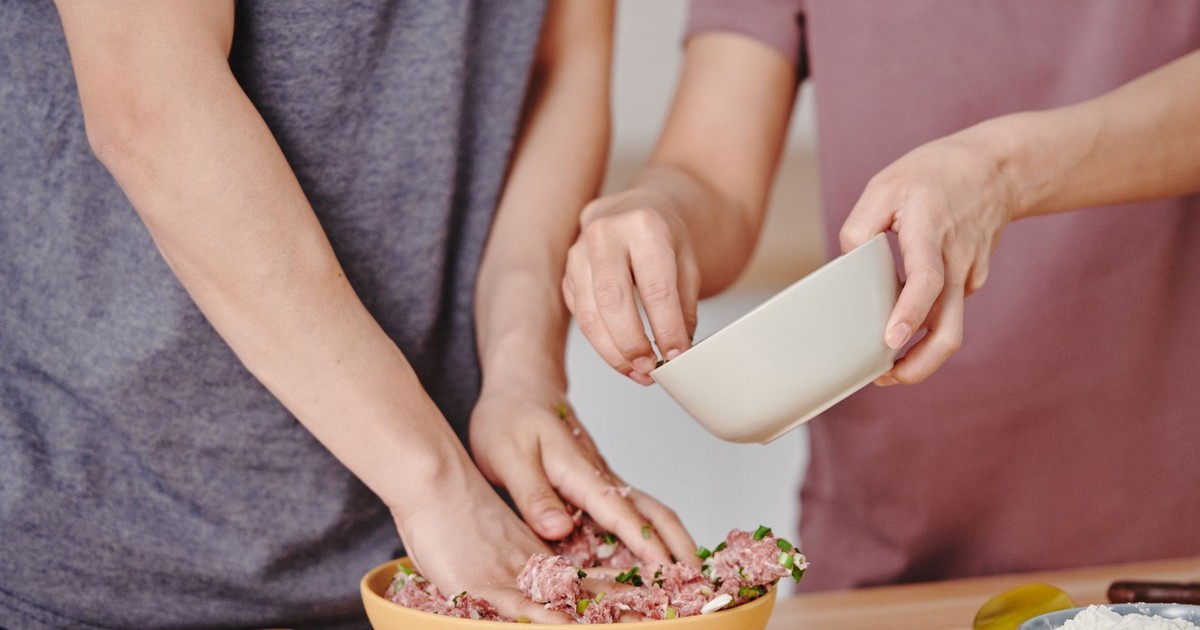
One of the most common mistakes experts see is overworking the meat. “People tend to shape patties like they’re making meatballs, which tightens the texture,” says Marissa Stevens, recipe developer at Pinch and Swirl. The instinct makes sense, because you want the patty to hold together. But the result is a burger with the chew of compressed sawdust.
While you don’t want your burger to fall apart on the grill, you also don’t want to handle it to the point of seizing up. Stevens suggests “a light touch, just enough to hold the shape.” That means pressing the ground beef loosely into a round, working it as little as possible, and accepting that a patty with a slightly rough edge is going to eat far better than a perfectly smooth one.
Temperature matters here too. Cold fat holds its structure during cooking and renders slowly, basting the meat from the inside. Keep your formed patties in the refrigerator until the moment the grill is ready, rather than leaving them sitting out on the counter.
3. Skipping the Thumbprint
Most backyard burgers come off the grill looking like a small dome, thicker in the middle than the edges, puffed up from the heat. That shape isn’t just cosmetic. It means the center has been cooking under pressure while the edges reach temperature first, producing uneven doneness and a patty that rocks on the bun.
The fix is the thumbprint method: press a small indent into the center of each raw patty before it goes on the grill to prevent doming. Make it about half an inch deep and an inch across. As the heat causes the meat to contract and expand, that indent fills in rather than ballooning outward, and you end up with a flat patty that cooks evenly from edge to center.
It takes about three seconds per patty. It’s the kind of step that gets skipped because it seems optional, and then gets added permanently after the first time you try it and notice the difference.
4. Not Letting the Grill Preheat Properly
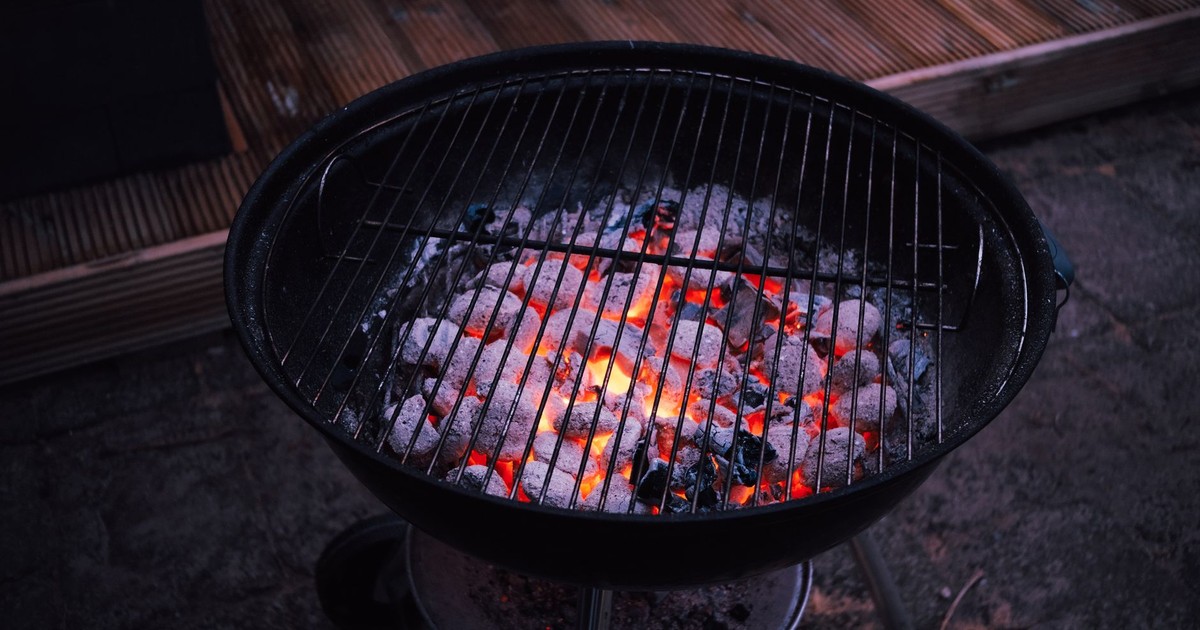
Throwing meat on a grill that isn’t hot enough can cause the meat to dry out because it needs longer to cook, or to get overly charred on the outside while the inside is still raw. The grate needs to be hot enough to sear the surface of the patty almost instantly on contact, creating a crust that holds in the juices rather than letting them seep into the fire.
Aim for a grill temperature of 375 to 400 degrees Fahrenheit before the patties go on. For a gas grill, that means setting burners to medium-high and closing the lid for about 15 minutes until the grate reaches cooking temperature. For charcoal, it means waiting until the coals have ashed over and you’re working with steady, radiant heat rather than active flame. Putting burgers on too early is one of the most common backyard burger mistakes, and the gray, steam-cooked result is immediately recognizable.
A hot grill also reduces sticking. The crust that forms on contact with a properly preheated grate releases naturally when the patty is ready to flip. A patty that tears when you try to move it is almost always telling you the grill wasn’t hot enough and the sear hasn’t formed yet.
5. Pressing Down on the Patties
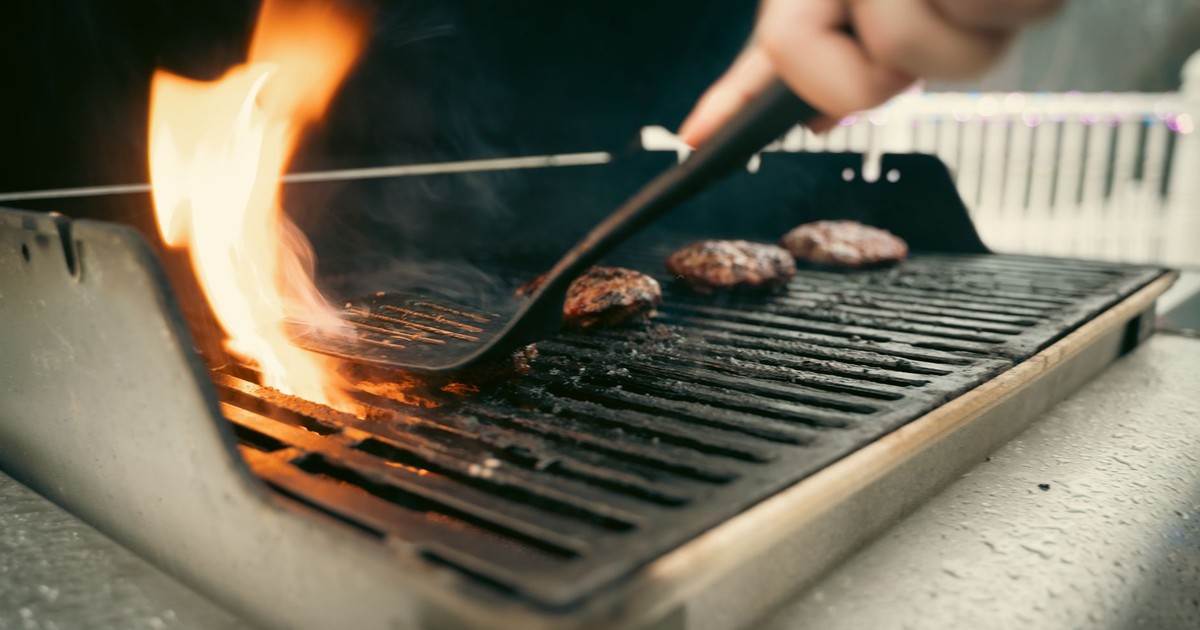
The omnipresence of smash burgers and the satisfying sizzle make it tempting to press burgers with a spatula. Pressing down on a burger while it cooks squeezes out the rendered fat and moisture that keep the patty tender, leaving it dry and dense by the time it reaches the plate.
The visual of steam and sizzle shooting out from under the spatula feels productive. It isn’t. What you’re watching is moisture leaving the patty and hitting the coals, never to return. Every press compresses the meat fibers and evacuates the rendered fat that was keeping the burger tender. The result is exactly what you get when you use beef with too little fat in the first place: dry, dense, and forgettable.
The only context where pressing makes sense is a true smash burger on a flat steel surface, where the goal is maximum crust coverage and the fat has nowhere to drain. On a grate, over fire, leave the spatula flat.
6. Flipping Too Often
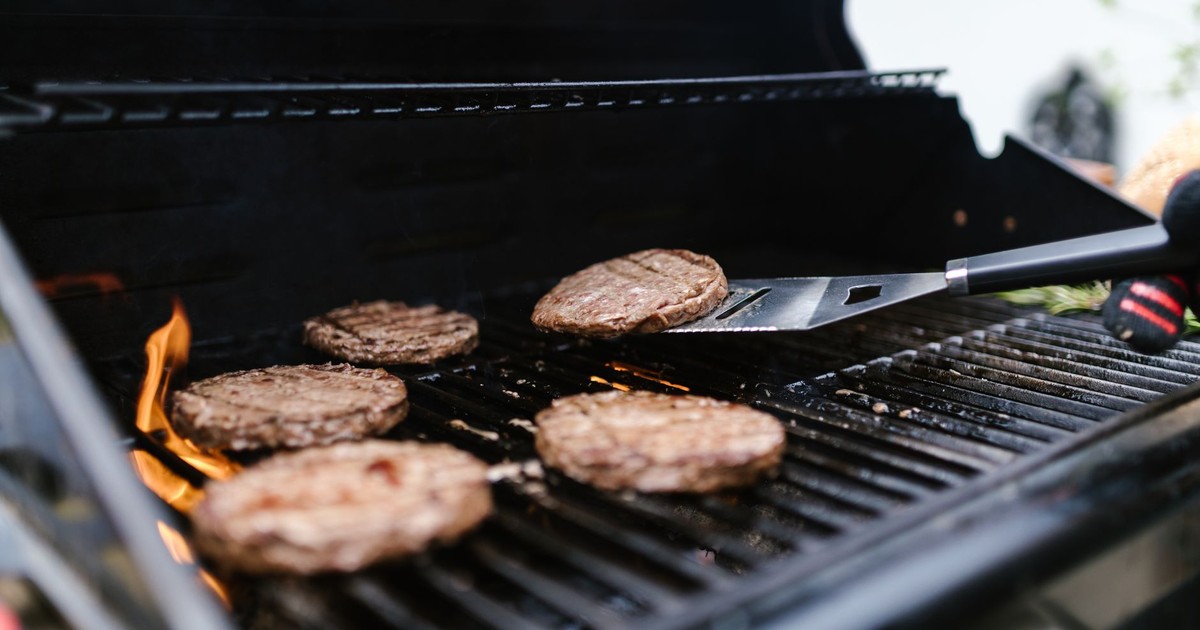
Related to pressing is the constant flip. The burger goes on, gets turned after thirty seconds because someone’s watching, gets checked from underneath, gets turned back, pressed, checked again. The result is a patty that never builds the caramelized crust that makes a burger taste like a burger rather than a gray meat disk.
Sear each side over direct heat to develop a crust, flip just once if possible, then finish cooking the middle of the burger over indirect heat. One flip is the goal. Lay the patty down, let it sit untouched long enough for a proper sear to form on that side (usually three to four minutes, depending on thickness), then flip once and do the same on the other side.
The crust you’re building isn’t just about texture. That browning reaction, called the Maillard reaction, is the chemical change that happens when amino acids and sugars hit high heat. It’s where most of the flavor in a well-cooked burger actually lives. Interrupt it with constant flipping and you interrupt the flavor.
7. Seasoning at the Wrong Time
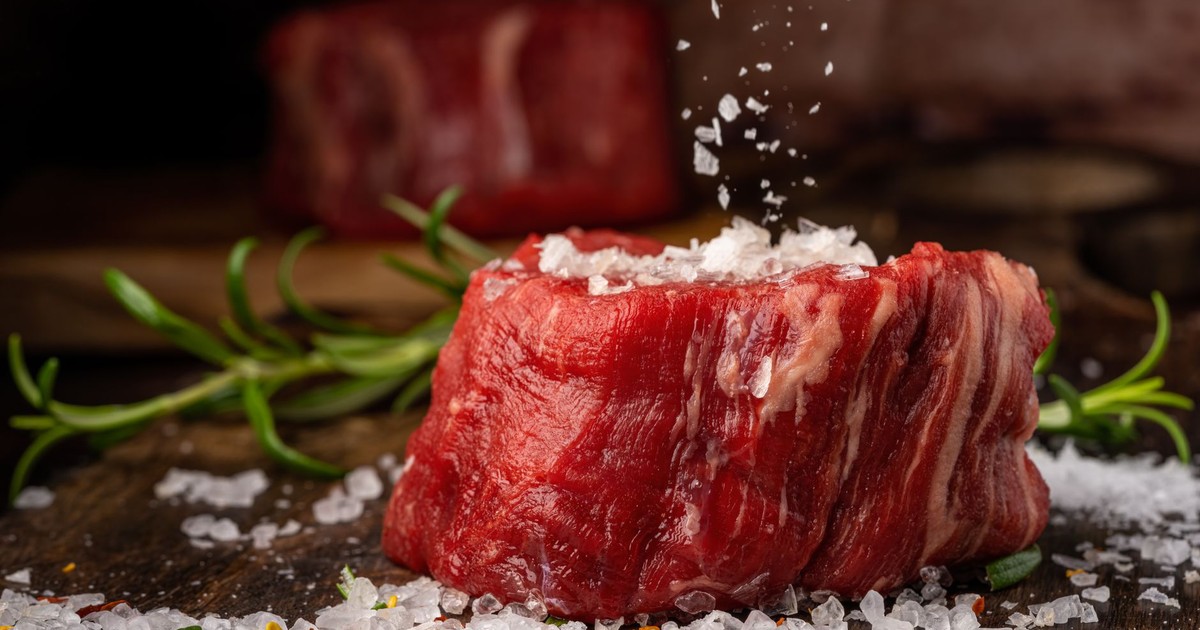
Most home cooks season patties either too early or not enough. Salting the meat when you’re forming patties and then leaving them to sit for an hour pulls moisture out of the surface, and when that moisture evaporates, you’re left with a drier result before cooking has even started.
Season generously right as the patties go onto the grill, or at most a few minutes before. Salt on both sides, because the second side matters just as much as the first. Black pepper is fine to add at formation. The salt, though, should wait until the last moment.
The other common error is under-seasoning out of caution. Ground beef can handle a heavier hand than most people give it. A flat-tasting burger is usually undersalted, not overworked or undercooked. Season as if you mean it.
8. Ignoring Internal Temperature
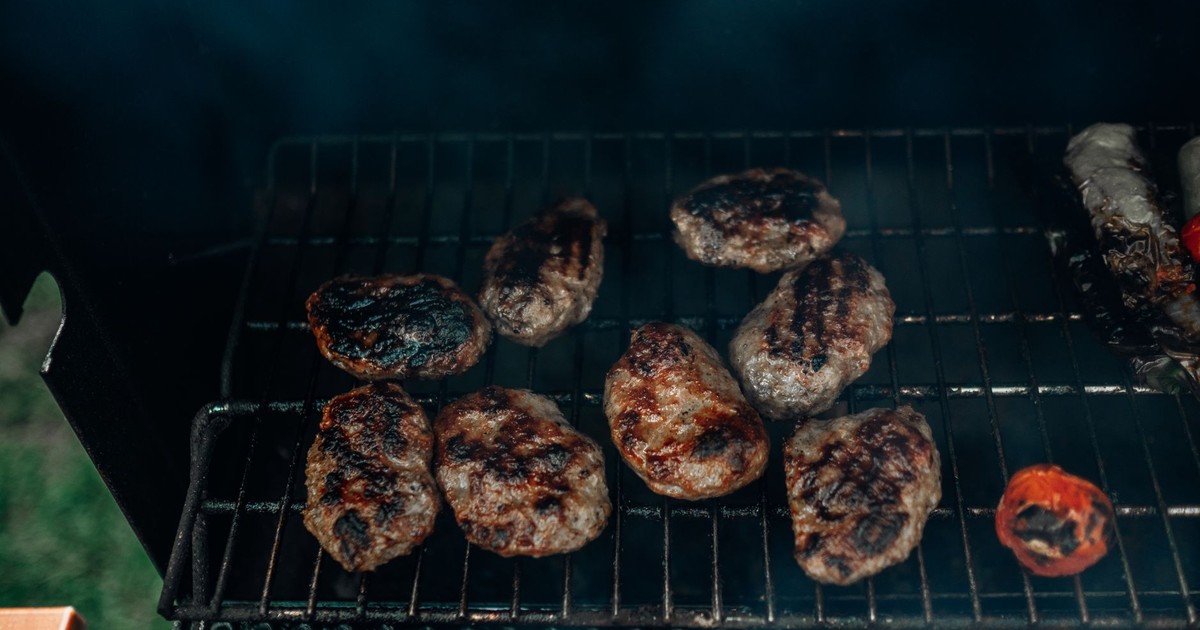
Color is not a reliable guide to doneness in a burger, and relying on it is how cookouts end badly. A patty can look cooked through from the outside while the center is still well below a safe temperature. Cut one open to check, and you’ve already lost the juices you were trying to keep.
Unlike steaks, where bacteria typically stay on the surface and get killed during cooking, ground beef is different. When beef is ground, any surface bacteria get mixed throughout the entire patty, which is why the USDA recommends cooking ground beef to an internal temperature of 160°F to ensure harmful bacteria like E. coli are eliminated.
That temperature typically produces what most people would call a well-done burger, which trades some juiciness for safety. The practical answer is a reliable instant-read thermometer. Pull the patty at the right temperature rather than guessing by time or touch, and you eliminate both the safety risk and the overcooked result that comes from adding an extra “just in case” minute.
9. Toasting the Buns as an Afterthought
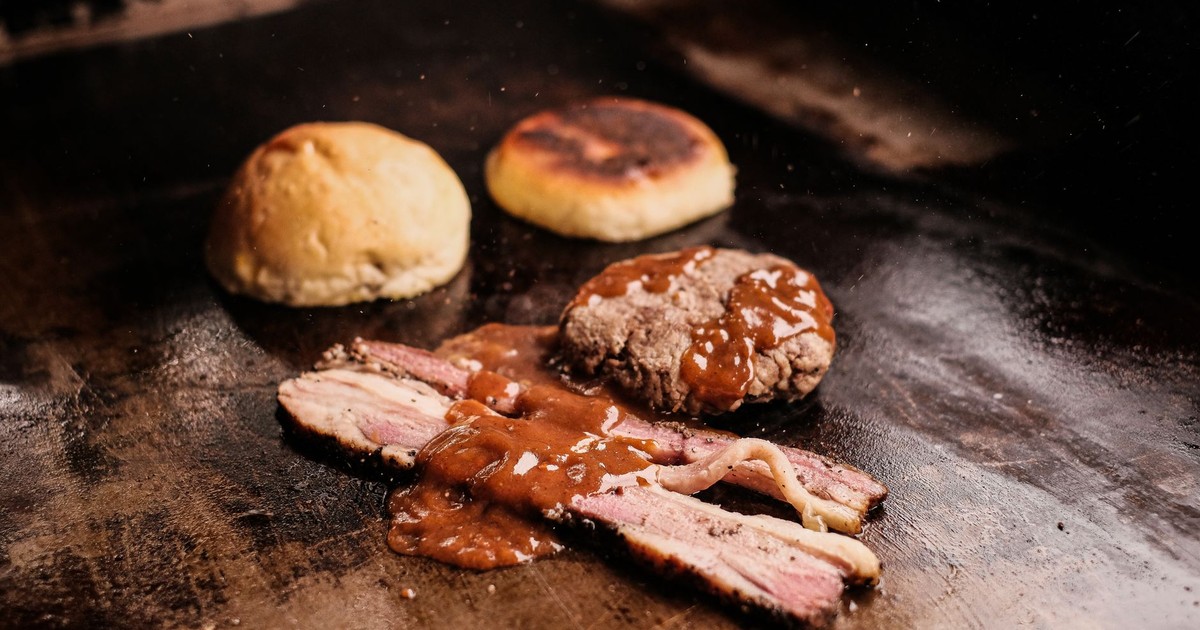
The burger can be cooked perfectly and still land as underwhelming if it gets slid into a cold, soft, untoasted bun. The bun isn’t just a vessel, it’s part of the texture and structure of the whole thing. A flabby bun soaks up the juice from the patty within about ninety seconds, turning the bottom half into a wet, collapsing mess before anyone gets through half their burger.
Thirty seconds cut-side down on the grill grate, while the patties are resting, is all it takes. The surface gets a slight char and a toasty structure that holds up against the meat and toppings. It also adds another layer of flavor that a plain soft bun simply can’t deliver. Treat it like an ingredient, not an accessory.
Small Decisions, Big Differences
There’s a reason the same people make the same backyard burger mistakes every summer. Most of these errors happen in the two minutes of impatience between “the grill looks ready” and “the grill actually is ready,” or between “I should probably use a thermometer” and “I’ll just go by feel.”
None of these fixes require new equipment, premium ingredients, or a culinary education. They require a five-minute preheat instead of a three-minute one. A thumbprint pressed into raw meat. A spatula that stays flat.