

The last time anyone used the word “crisis” to describe the American blood supply was January 2022. In its 145-year history, that was the first time the Red Cross had ever reached for that word. On July 27, 2026, it reached for it again.
The Red Cross declared its second-ever national blood supply crisis, reporting that type O positive blood had fallen below a one-day supply and that it had begun limiting type O distributions to individual hospitals. Not a warning. Not an advisory. A crisis declaration, only the second in the organization’s entire existence.
Blood cannot be manufactured in a laboratory, synthesized, or stockpiled indefinitely, and does not exist outside of the people willing to walk into a donation center and give it. Hospitals depend entirely on volunteer donors.
How Bad Is It, Exactly

According to HealthDay, the Red Cross, which supplies about 40% of the nation’s blood, said donations have fallen to a four-year summer low even as hospital demand rises during the summer trauma season.
The Red Cross’s July 13 emergency declaration reported the blood supply fell nearly 25% in June alone, during the trauma season that runs between Memorial Day and Labor Day, the period when the need for blood to treat traumatic injuries most increases. Red Cross blood distributions to hospitals are running nearly 3,500 units higher per week than expected. Teen drivers face a higher risk of fatal crashes during this same period, known as the “100 deadliest days.”
The situation had been deteriorating for weeks before the July 27 declaration. On July 10, AABB joint statement describing critical summer shortages across U.S. blood centers was issued by the AABB, America’s Blood Centers, and the American Red Cross. The Red Cross first escalated to a national blood emergency on July 13 before the full crisis declaration came two weeks later.
Axios reported that the U.S. blood supply reached crisis levels prompting both the American Red Cross and the Surgeon General’s Office to urge people to donate.
Why Type O Blood Is the Center of This
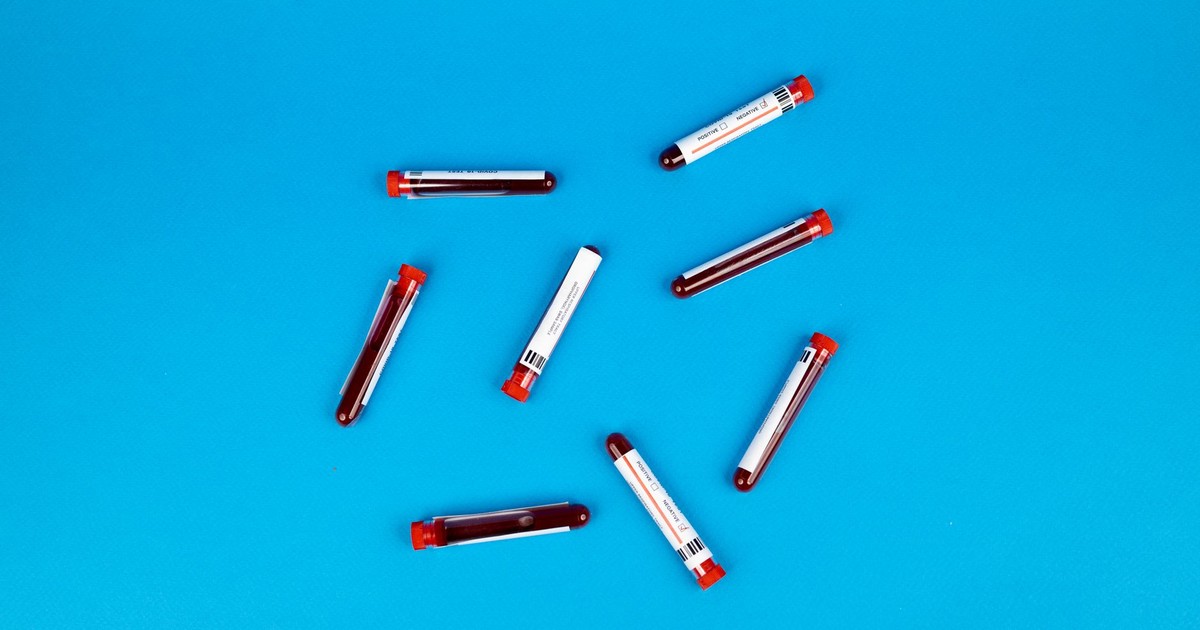
The Red Cross’s crisis press release explains the numbers directly: type O blood accounts for about 60% of Red Cross blood distributions. Type O positive can be safely given to about 80% of patients, while type O negative is the universal blood type relied upon in medical emergencies.
In a trauma bay, when someone arrives unconscious or in shock and there is no time to run a blood type test, O negative is what goes into the IV. O negative can be given to anyone, which is exactly why hospitals burn through it faster than any other type.
The Red Cross has less than a one-day national supply of type O positive blood and has begun limiting distribution to hospitals. A hospital that would normally request a certain volume of O positive for the week may receive a fraction of it.
Patients are already feeling the consequences, with some forced to delay the blood they need: people undergoing chemotherapy, who often need transfusions to tolerate treatment; surgery patients; and anyone with sickle cell disease, a condition that frequently requires blood transfusions.
What Is Driving Donations Down
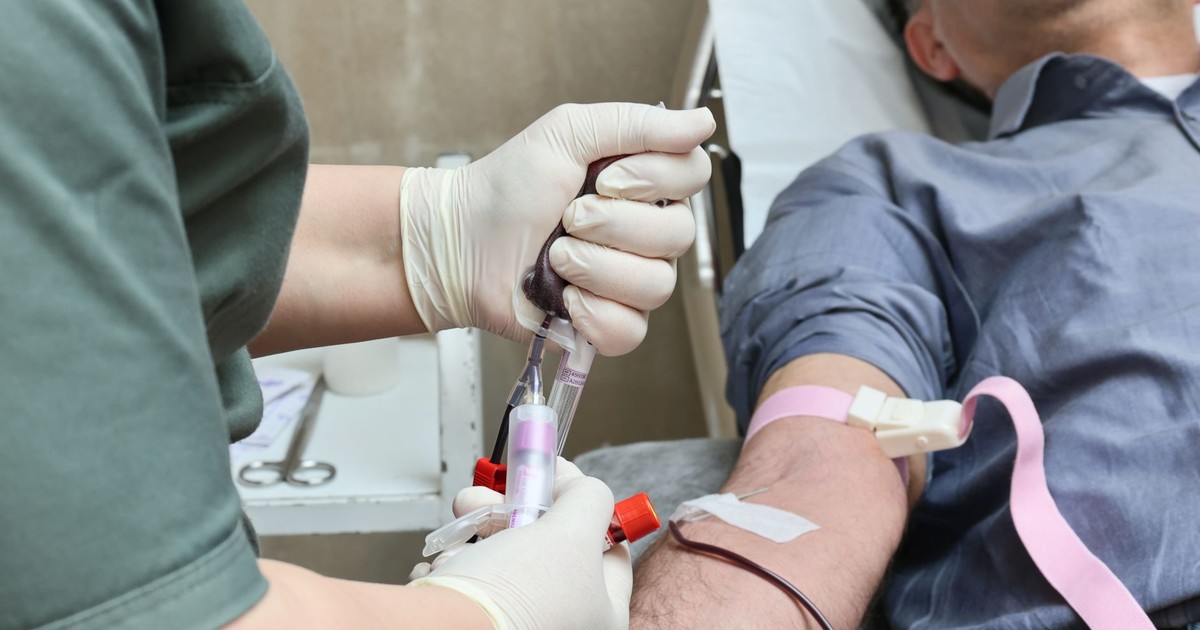
U.S. News reported that extreme heat, poor air quality, and widespread foodborne illness have kept donors away this summer. Heat discourages people from leaving the house. Poor air quality makes outdoor travel unpleasant and keeps vulnerable people, including frequent donors managing their own health conditions, closer to home. Foodborne illness means donors who would otherwise be eligible show up feeling unwell and are deferred.
Busy schedules, temporary illness, and the seasonal loss of school blood drives during summer break compound the problem. School and college blood drives represent a significant and reliable portion of the donation calendar. When schools close for summer, those drives vanish with them, and the donors who participate, largely young and healthy people who are among the most eligible to give, largely disappear from the pool until fall.
The blood supply had already been under strain coming into 2026: the Red Cross declared a severe shortage in January 2026 after the national supply fell approximately 35% within the prior month. This summer’s drop is not a standalone anomaly.
What Happens to Hospitals When the Supply Runs Short
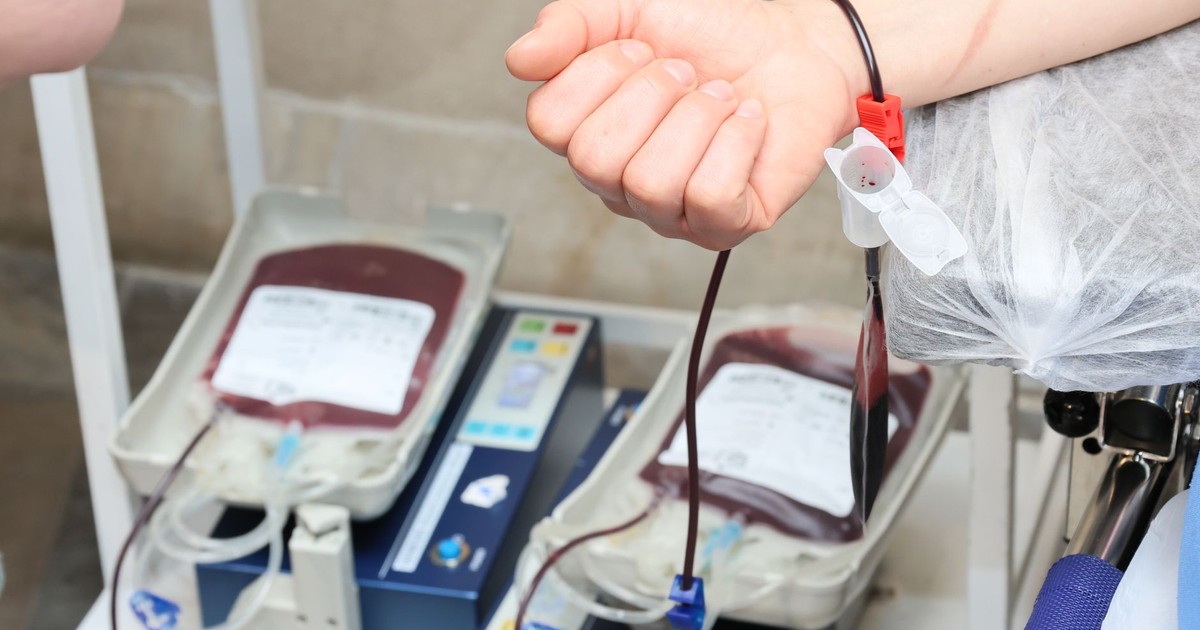
When the Red Cross limits how much type O blood a hospital can receive in a given week, the hospital does not simply absorb the shortfall and carry on. Clinical decisions get made.
Axios confirmed that a prolonged blood shortage could delay surgeries, trauma care, and other treatments that depend on timely blood transfusions. Elective surgeries are the first to be postponed. Then come procedures that are time-sensitive but not immediately life-threatening.
Summer is known as trauma season, when hospitals see an increase in serious injuries requiring lifesaving blood transfusions, because more people are on the roads, on the water, on bikes, and in the mountains. Traffic accidents spike. ATV injuries come in. Drownings require resuscitation and large blood product volumes. The season that produces the most need for blood is the same season that produces the fewest donors.
To meet the needs of patients at about 2,500 hospitals and transfusion centers, approximately 29,000 units of red blood cells and nearly 5,000 units of platelets are needed every day across the U.S. On current donation trends, those numbers are not being reached.
The Number That Changes This
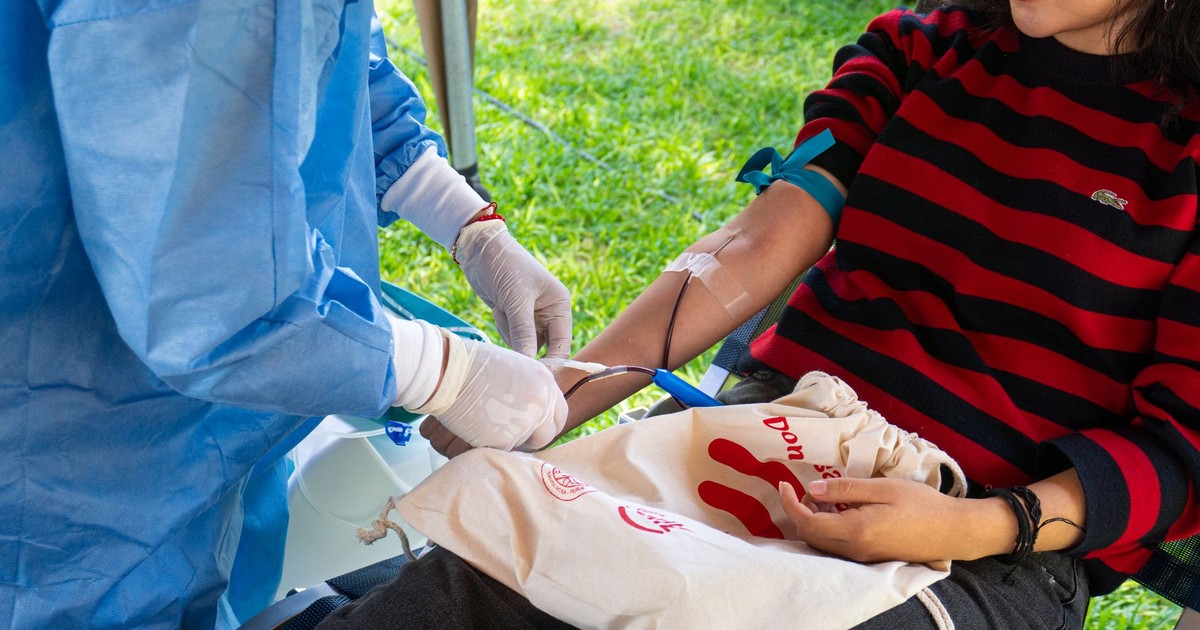
Just three more donors at each blood drive this summer can end this crisis and stabilize the blood supply. That figure appears repeatedly in Red Cross communications.
The Red Cross is currently offering incentives for anyone willing to act on that. Everyone who donates by July 31, 2026, receives a Fandango Movie Ticket by email worth up to $15, and those who donate between August 1 and August 31 receive a $20 Amazon Gift Card by email.
To donate, a person generally needs to be at least 17 years old (16 in some states with parental consent), weigh at least 110 pounds, and be in generally good health. The whole process, from check-in to snacks afterward, typically takes about an hour. One donation can save as many as three lives.
Platelets are also critically needed and have a shorter shelf life than red blood cells, just five days, which means the platelet supply turns over constantly and requires consistent donation to stay stocked. Platelet donors can give every seven days, up to 24 times per year.
This Can’t Wait Until Fall
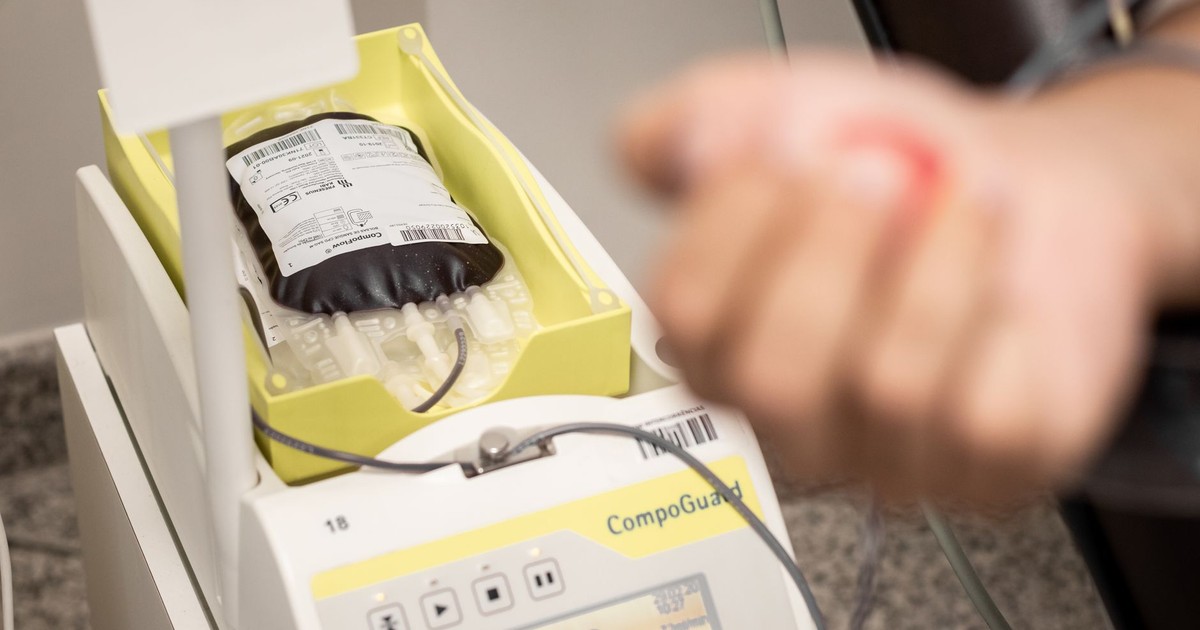
Summer is busy, the weather is hot, and it is easy to tell yourself you will book an appointment when things calm down. But the blood that a trauma patient needs at 2 a.m. on a Saturday in August was not donated this morning. It was donated weeks ago. The supply that covers August’s emergencies needs to exist now.
The 2022 crisis declaration eventually resolved, not because anything structural changed, but because enough people showed up. The appeals worked. Donors responded. The supply stabilized. Since then, the Red Cross put additional safeguards in place to help prevent a crisis from recurring, and those measures weren’t enough to absorb a summer this bad.
The patterns that create blood donation crises, the summer dip in donors, the heat, the school break, the erosion of donation habits, are not going to fix themselves. The donor base is older and smaller than it was two decades ago. Every person who donates regularly, who brings a friend to a drive, or who simply books an appointment this week rather than waiting until fall is doing something no factory, no pharmaceutical company, and no government program can replicate.
Blood has to come from people. Right now, not enough people are giving it.
Disclaimer: This information is not intended to be a substitute for professional medical advice, diagnosis, or treatment and is for information only. Always seek the advice of your physician or another qualified health provider with any questions about your medical condition and/or current medication. Do not disregard professional medical advice or delay seeking advice or treatment because of something you have read here.
AI Disclaimer: This article was created with the assistance of AI tools and reviewed by a human editor.