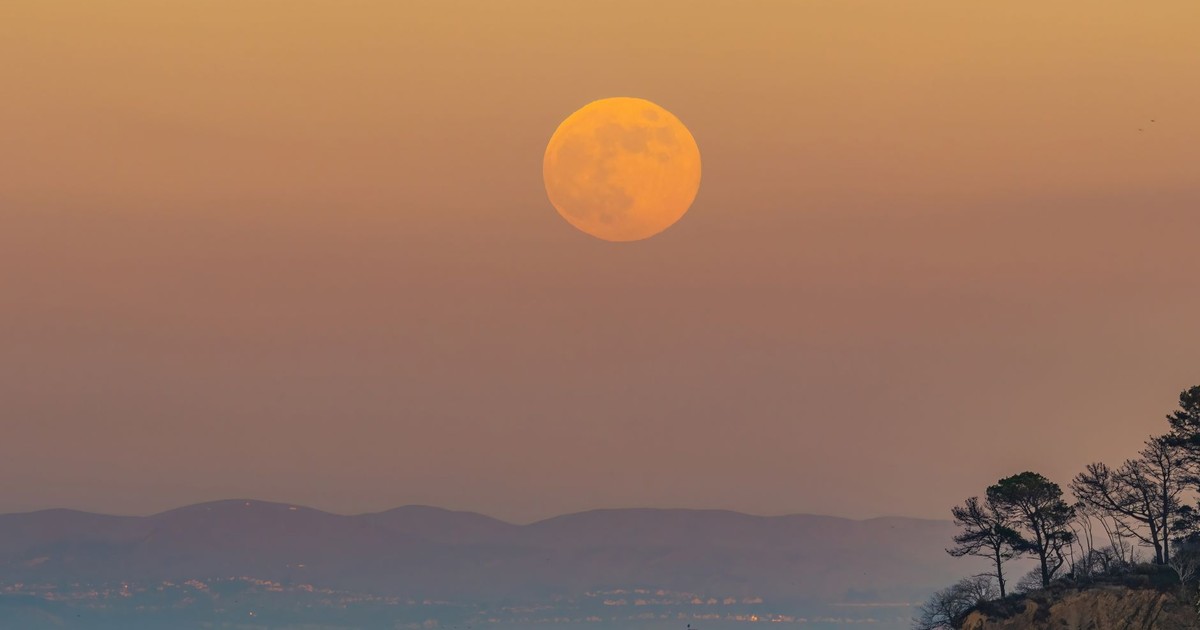

The Buck Moon clears the horizon tonight just after sunset, glowing orange in the southeast. Peak illumination falls on Wednesday, July 29, below the horizon for most North American viewers. The moon will appear full on the evenings of July 28, 29, and 30. Find clear skies and look southeast after sunset on July 29.
The Buck Moon clears the horizon tonight just after sunset, glowing orange in the southeast. Peak illumination falls on Wednesday, July 29, below the horizon for most North American viewers. The moon will appear full on the evenings of July 28, 29, and 30. Find clear skies and look southeast after sunset on July 29.
The orange color comes from Rayleigh scattering. Blue wavelengths of moonlight deflect as they travel through the lower, denser layers of atmosphere near the horizon, while longer red wavelengths pass through more easily. What reaches your eyes is orange, red, amber. The moon may also appear unusually large just after moonrise, a phenomenon called the “Moon Illusion,” wherein our brains perceive objects near the horizon as bigger than they really are.
Why It’s Called the Buck Moon

The antlers of male deer grow rapidly in July, up to about an inch per day at peak growth, reaching full maturity by fall. The Old Farmer’s Almanac draws the name from Native American, colonial American, and European sources. Other names for July’s full moon include Feather Moulting Moon (Cree), Salmon Moon (Tlingit), Thunder Moon (Western Abenaki), and Halfway Summer Moon (Anishinaabe).
The Buck Moon Rise and What Makes Tonight Special
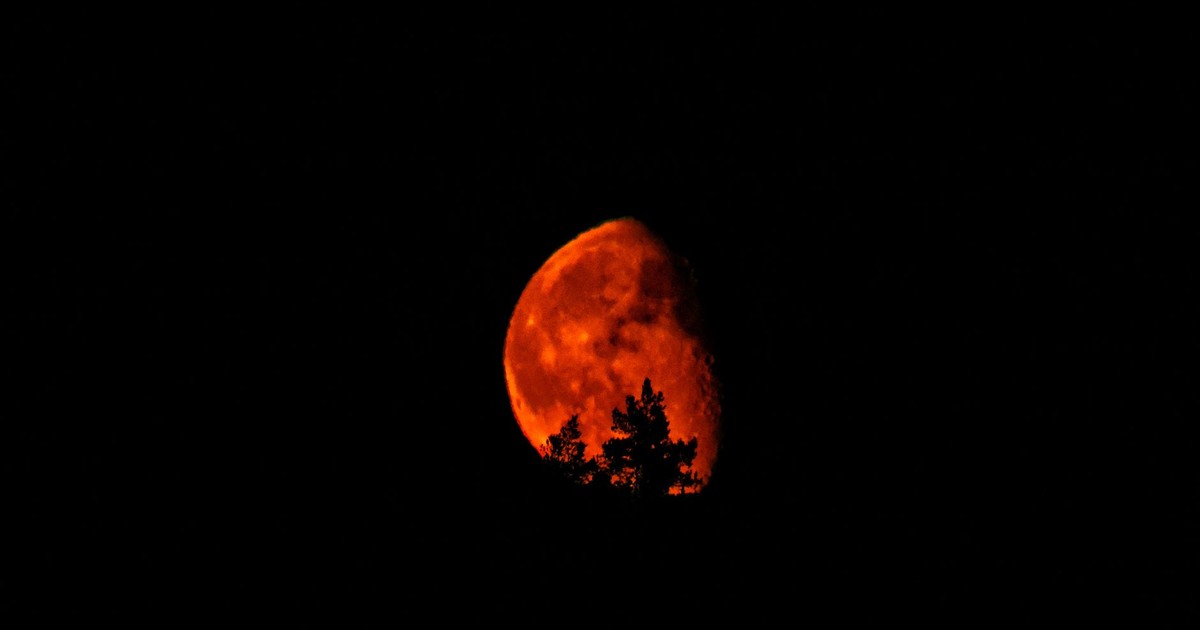
The 2026 July full moon lies in the constellation Capricornus. Summer full moons rise at sunset, which occurs later in summer than in winter, and they never climb far above the horizon. That low arc produces the strongest color at moonrise, when the moon sits closest to the horizon and travels through the thickest atmosphere.
The Southern Delta Aquariids, the Alpha Capricornids, and the Perseids meteor showers are all occurring this week. The Southern Delta Aquariids and Alpha Capricornids peak in late July and early August. The Buck Moon’s brightness will make most meteors hard to spot. The Perseids are one of the year’s most reliable displays. If you wait until after midnight, when the moon sits lower and the sky darkens, you may catch a streak or two.
A Total Solar Eclipse Two Weeks Away
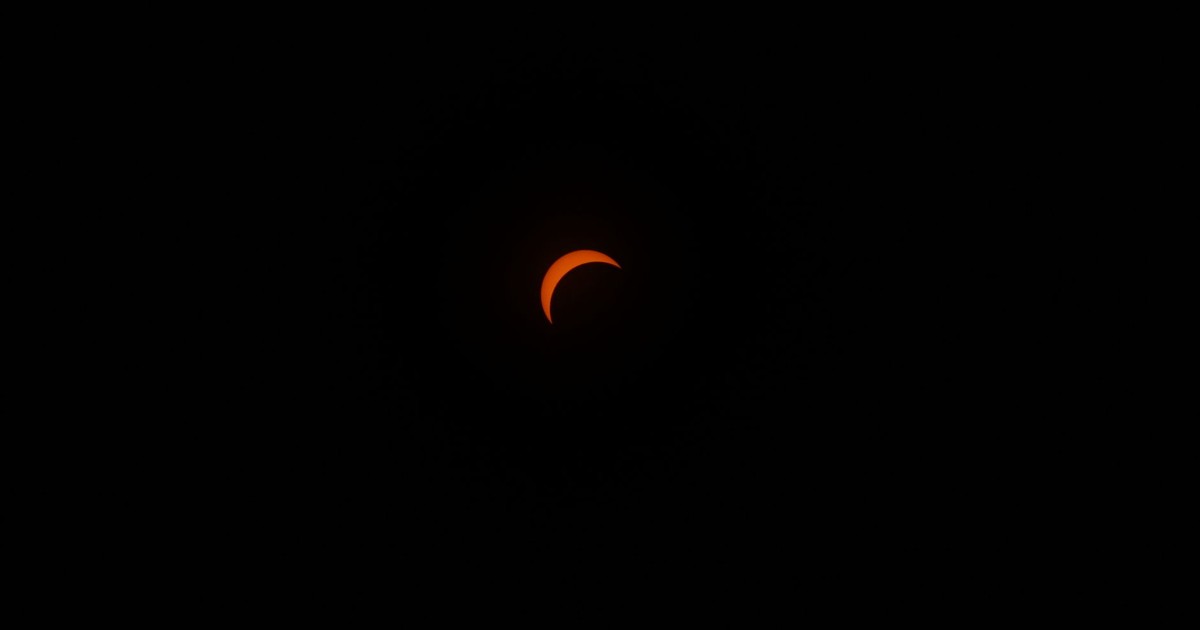
The Buck Moon is a full moon, which means the sun and moon are on opposite sides of the Earth. Two weeks from now, at the next new moon, they will be on the same side, and the alignment will be precise enough for the moon to block the sun.
On August 12, 2026, a total solar eclipse will sweep across Greenland, Iceland, northern Russia, the Atlantic Ocean, Spain, and a small corner of Portugal. It will be the first total solar eclipse for mainland Europe since 1999. Near the centerline over the North Atlantic between Greenland and Iceland, totality will last 2 minutes and 18 seconds.
The solar eclipse occurs near lunar perigee, when the moon is closest to Earth in its orbit. The sun’s outer atmosphere, the corona, blazes into view during totality. The corona is normally invisible against the sun’s glare. During totality, when the moon completely blocks the sun’s bright face, viewers can look directly at the eclipse without eye protection.
Spain will be a popular eclipse destination in August 2026. The eclipse will happen close to sunset there. Observers in Spain will see 1 minute and 50 seconds of totality at most. The sun will be only a few degrees above the western horizon during totality. Many other places in the Northern Hemisphere will experience a partial solar eclipse that day, including parts of the northern U.S. (from Alaska to North Carolina), most of Canada, much of Europe, and northwestern Africa.
For anyone who has never been in the path of totality, the difference between 99% coverage and 100% is not one percentage point. It is the difference between watching a solar eclipse and being inside one. The sky goes dark. Birds stop. The air cools several degrees in under a minute.
Read More: Half the World Will Watch as the Longest Solar Eclipse of Our Time Unfolds on August 2, 2027
Then Comes the Lunar Eclipse
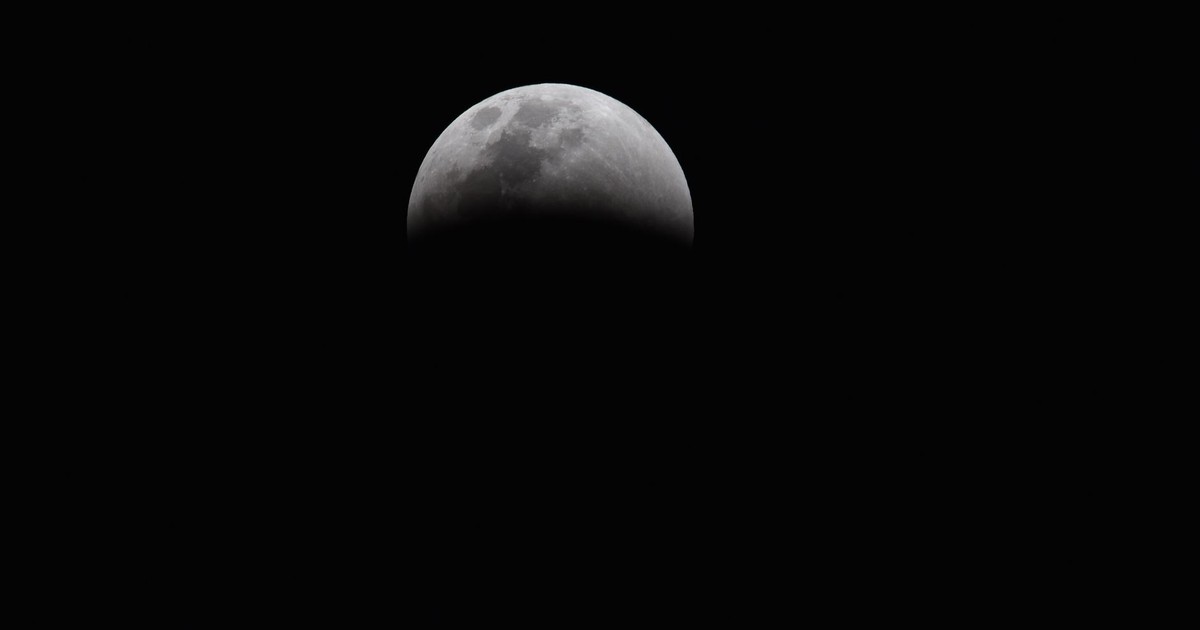
On August 27 to 28, 2026, a very deep partial lunar eclipse will be visible from Europe, Africa, North America, and South America. Just over 96% of the moon will pass into Earth’s shadow. The entire eclipse will last more than five hours, with maximum eclipse occurring at 04:12 UTC on August 28.
During the August 2026 eclipse, the full Sturgeon Moon will pass into Earth’s umbral shadow. As it does, the full moon will dim and, as the partial eclipse reaches its peak, look slightly reddish-orange. Sunlight filtered through Earth’s atmosphere loses its blue wavelengths and arrives at the moon’s surface tinted red. The moon moves through Earth’s umbra, the dark center of its shadow. It won’t be a true “blood moon” because the entire lunar surface never falls completely under Earth’s shadow.
Unlike the solar eclipse, which demands travel to a narrow strip of Earth’s surface, the lunar eclipse is visible from anywhere the moon is up and the sky is clear.
What the Sturgeon Moon Is
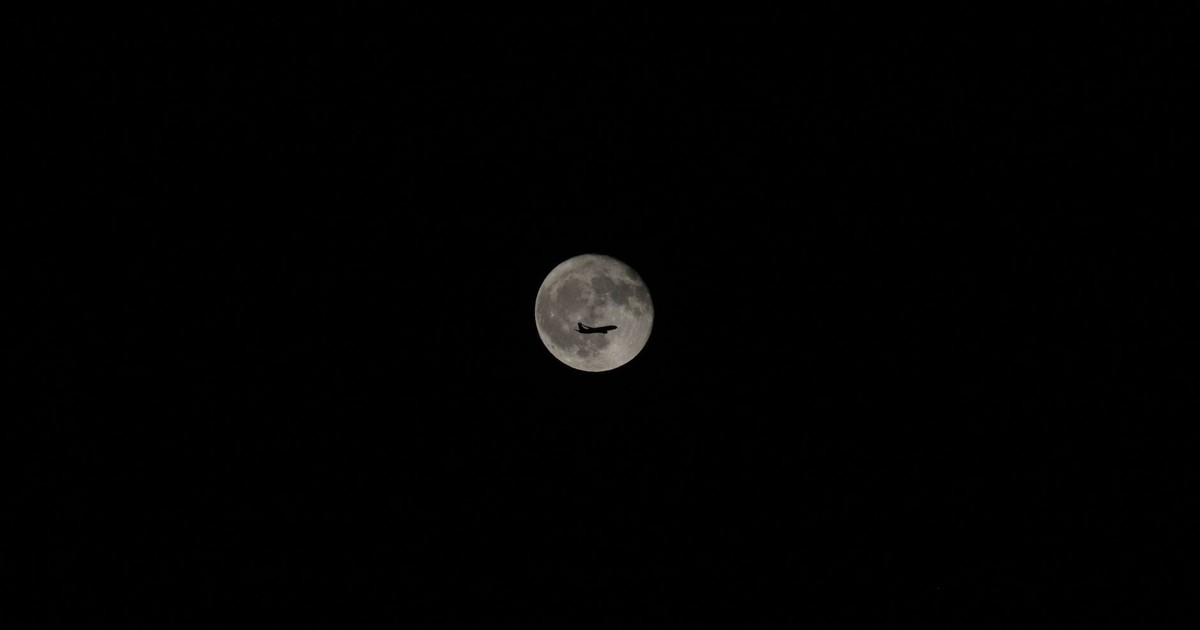
August’s full moon carries the name Sturgeon Moon, named for the Great Lakes lake sturgeon that ran heaviest through warm August waters. During the deep partial eclipse, observers will see Earth’s shadow move across the lunar surface until the full Sturgeon Moon turns a reddish-pinkish color, before receding. In North America, the eclipse will be an evening event, with the peak occurring just after midnight (12:12 a.m. EDT) on the east coast, and at 9:12 p.m. PDT on the west coast.
The Sturgeon Moon rises on the night of August 27 to 28. This year it rises directly into an eclipse. The moon will go from full and brilliant to almost entirely shadowed within hours of clearing the horizon for Eastern viewers. Tonight’s Buck Moon directly precedes both the solar eclipse on August 12 and the lunar eclipse on August 28.
The Sky This Week
Full moon: Earth in the middle. New moon: moon in the middle. Eclipse: close enough to alignment that one body’s shadow falls on another. Most months, the moon swings just above or below the plane of the Earth’s orbit around the sun and no eclipse happens. This month, the geometry lines up twice in thirty days.
What to Do With All of This
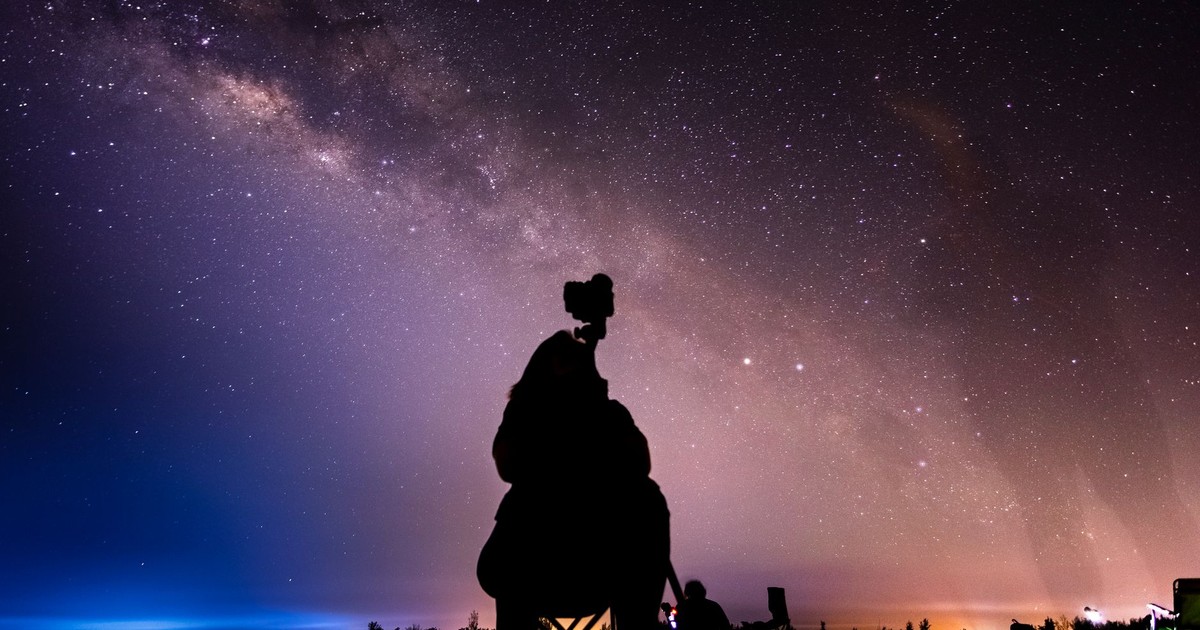
Step outside tonight when the sky darkens and find southeast. The Buck Moon will be coming up large and orange, low enough to look like it’s sitting on the rooftops. Two weeks from now, that same moon turns new and slides in front of the sun over Iceland and Spain, and then comes full again and passes through Earth’s shadow at the end of August.
You don’t need a telescope, a phone app, or a dark-sky location to catch the Buck Moon rise. You need a clear horizon and maybe five minutes of patience. The orange color is brightest in the first twenty minutes after it clears the horizon, before it climbs high enough for the atmosphere to thin out and the gold to fade toward white.
The August solar eclipse is a different matter. Totality requires travel. Northern Spain, Iceland, or Greenland are the accessible options, and if the path of totality is reachable, it is worth every inconvenience involved. A partial eclipse visible from the UK, France, or the eastern United States is still worth watching through eclipse glasses, but it’s a fundamentally different experience. The lunar eclipse at the end of August requires nothing but clear skies and a willingness to stay up past midnight.
Three events in thirty days. It starts tonight, in the southeast, orange and rising.
Disclaimer: This information is not intended to be a substitute for professional medical advice, diagnosis, or treatment and is for information only. Always seek the advice of your physician or another qualified health provider with any questions about your medical condition and/or current medication. Do not disregard professional medical advice or delay seeking advice or treatment because of something you have read here.
AI Disclaimer: This article was created with the assistance of AI tools and reviewed by a human editor.