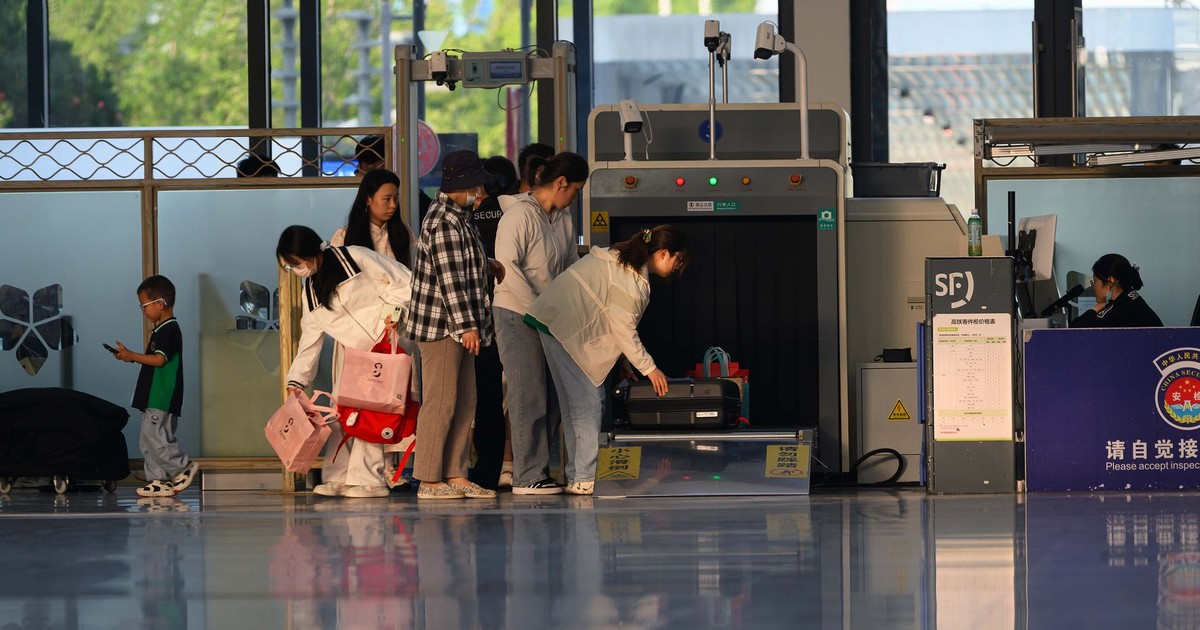

Most people who get stopped at airport security didn’t pack anything dangerous. They packed wrong, moved wrong, or simply assumed they knew the rules. That assumption is what gets you pulled aside while everyone else walks through.
In 2024, the TSA screened more than 904 million people. Buried inside that volume is a consistent pattern: the same avoidable airport security mistakes, made by ordinary travelers, over and over again. The lost water bottle before the checkpoint. The laptop left buried in the bag. The metal belt buckle that seemed fine until it wasn’t.
What follows is a full rundown of the airport security mistakes that create real delays, real fines, and real missed flights.
1. Forgetting the 3-1-1 Rule Still Applies in 2026

The liquids rule has been a fixture of U.S. airport security for nearly two decades. According to the TSA’s liquids rule page, carry-on liquids, gels, aerosols, creams, and pastes must stay in containers of 3.4 ounces (100 milliliters) or less, and all of them must fit in one quart-sized, clear, resealable bag per passenger. Some travelers have started assuming that CT scanners mean the rule no longer applies to them.
CT scanners are expanding to more airports in 2026, but the 3-1-1 liquids rule remains in effect at every TSA checkpoint. The scanner upgrade doesn’t dissolve the policy. A traveler who assumes the rule has been repealed can get delayed when their lane still uses standard screening.
The rule catches food items too. Peanut butter, hummus, dips, and similar spreads all fall under the liquid rule when they exceed the 3.4-ounce limit. If it pours, spreads, or squeezes, it counts as a liquid.
2. Leaving Your Laptop in Your Bag
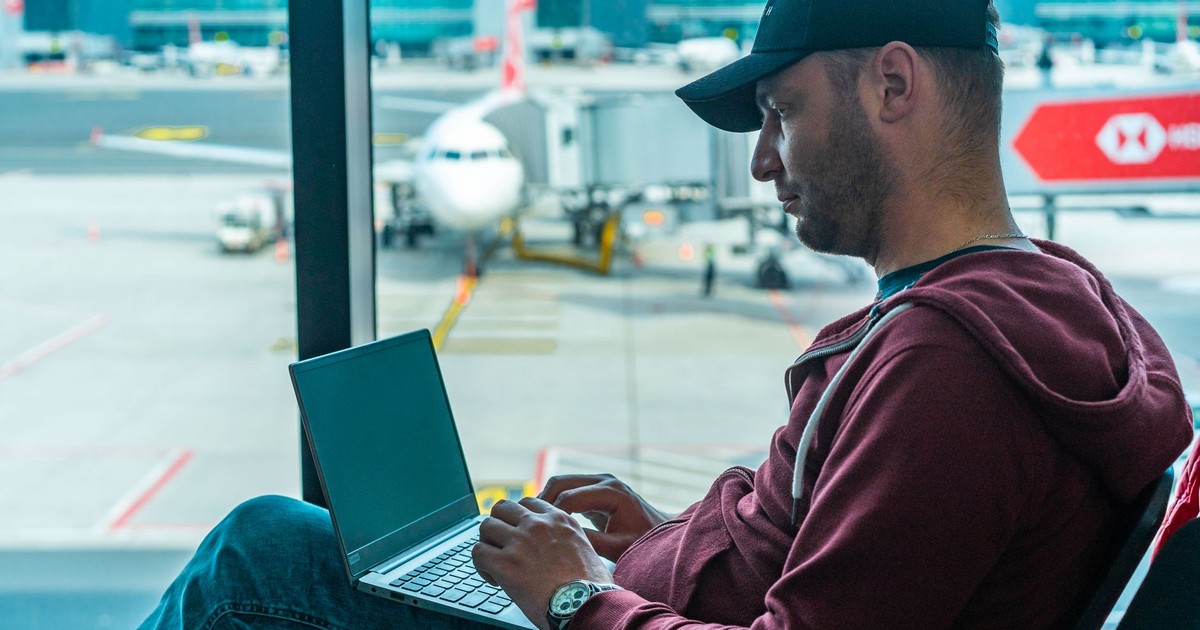
Personal electronic devices larger than a cell phone must be removed from your carry-on bag and placed into a bin with nothing on or under them for X-ray screening. Leaving a laptop buried under clothes, chargers, and a travel pillow forces the screener to re-run the bag, which adds time for you and the thirty people behind you.
Keep your laptop in an easily accessible sleeve or the top compartment of your bag. When you get to the conveyor, pull it out first, place it in its own bin, and keep it flat with nothing stacked on top. Tablets and e-readers also fall under this rule at many checkpoints.
3. Not Knowing Your ID Requirements Have Changed
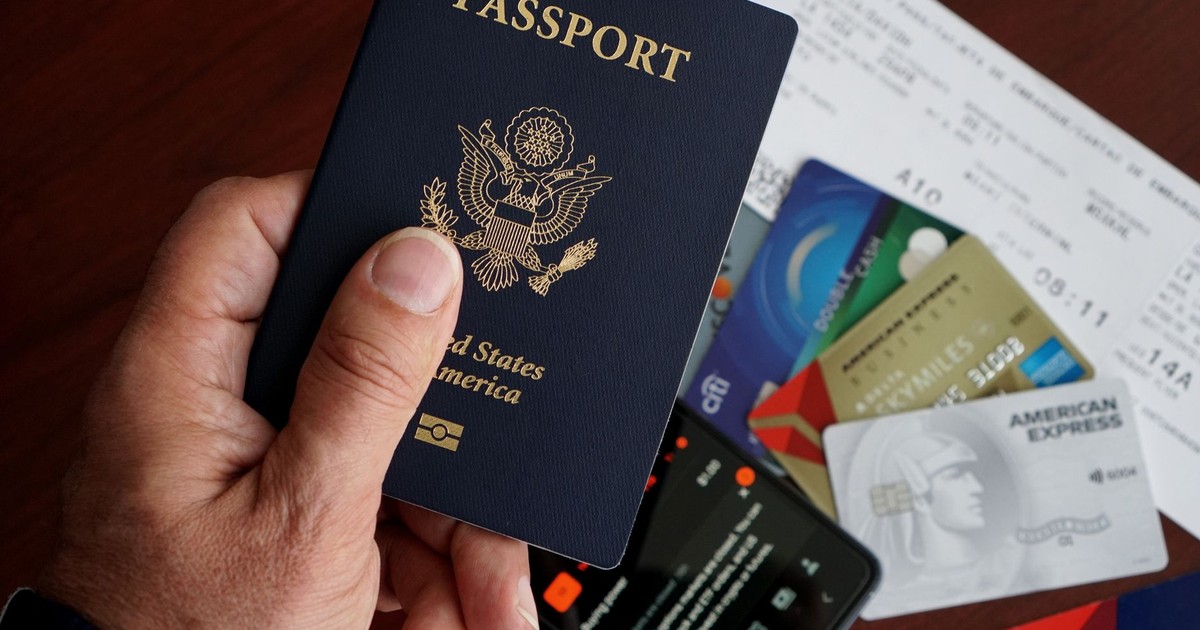
As of February 1, 2026, the TSA enforces REAL ID requirements for domestic flights, and travelers without a REAL ID-compliant license must present a passport or pay a noncompliance fee. That small gold or black star in the corner of your driver’s license is what makes it compliant. If your license doesn’t have it, it won’t work as airport ID for domestic travel anymore.
If you show up at the checkpoint without a REAL ID or a valid passport, you’ll be required to pay a $45 fee to use the TSA ConfirmID verification system, and that process can take up to 30 minutes. Check your license before you leave for the airport, not when you’re at the front of the line.
4. Bringing a Full Water Bottle to the Checkpoint

You cannot bring bottles of water, energy drinks, juice, coffee, soda, or any filled insulated reusable container through a security checkpoint. The reusable water bottle you’ve been taking everywhere has to be empty when it goes through the scanner.
Empty it before you get in the security line, or leave it in your car and buy a bottle airside. An empty bottle is completely fine to bring through and can be refilled at a water fountain past the checkpoint. If you’re attached to your insulated tumbler, just pour it out.
5. Wearing the Wrong Things Through the Scanner

TSA officers pay attention to unusual patterns in what a passenger is wearing, and clothing that doesn’t fit the current weather or expected destination can raise suspicion. Heavy metal belt buckles, underwire bras, layered jewelry, and steel-toed boots are among the most consistent triggers for secondary screening.
The TSA recommends wearing easily removable shoes and advises removing bulky jewelry before you reach the scanner. Packing your watch and rings in your carry-on before you leave home, rather than dropping them into a tray at the last second, is faster and reduces the chance of leaving something behind on the belt. If you’re wearing a complex piece of jewelry you’d rather not remove, declare it to the officer before you walk through.
6. Not Emptying Your Pockets Completely
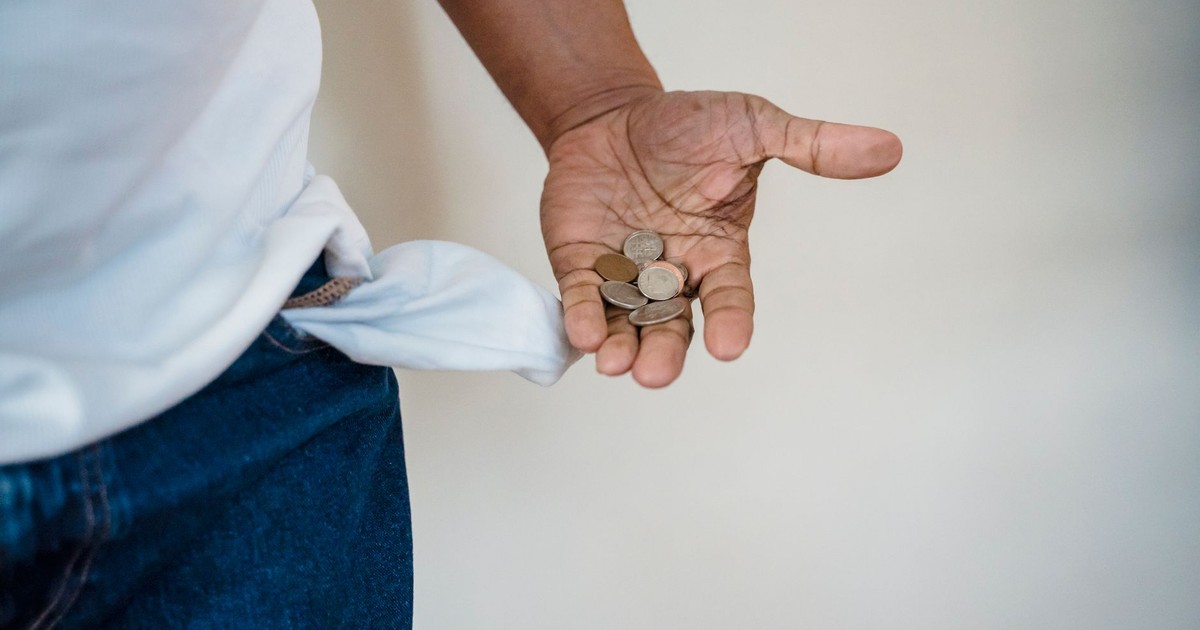
Keys left in a jacket. Coins in a pants pocket. A forgotten phone. The TSA requires that pockets be completely empty before you walk through the scanner. Every item left in a pocket is a potential alarm, and every alarm means your line stops moving.
Do a full pocket check at the security entrance, before you even reach the belt. A November 2024 TSA press release on the top things passengers forget advises removing items from pockets and placing them in your carry-on bag before reaching the checkpoint. Pocket items left to the last moment can slide, fall, or get left behind on the belt.
7. Switching Lines at the Checkpoint
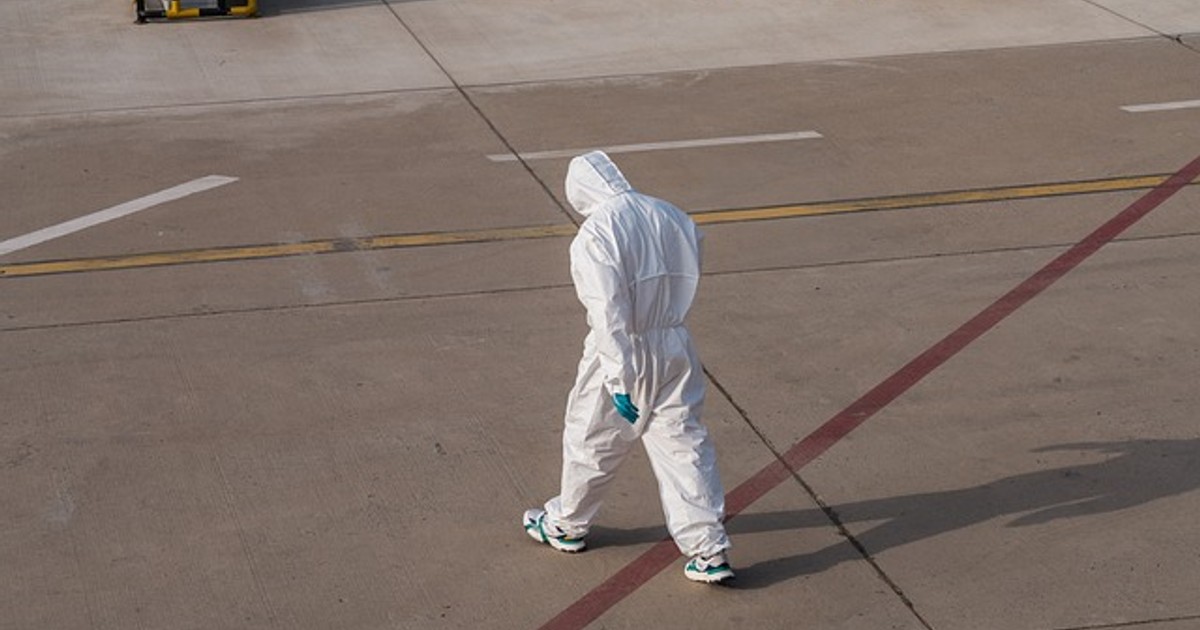
Weaving in and out of security lines or trying to jump from lane to lane can draw unwanted attention from TSA officers, and what seems like an innocent way to save time may appear to agents as suspicious behavior. Agents can and do pull people aside when they observe erratic movement at a checkpoint. The very attempt to move faster results in being pulled out of the line entirely.
Between March 2023 and April 2024, over 300 airline passengers attempted to circumvent at least some part of the security process in U.S. airports, often unintentionally while rushing. Pick a lane and commit to it. If the line genuinely appears to be broken or stalled, ask an officer for guidance rather than making the move yourself.
8. Packing Prohibited Items You Didn’t Know Were Prohibited
TSA officers intercept thousands of prohibited or improperly packed items at passenger checkpoints each year. Many of them are brought by people who genuinely had no idea. Passengers have arrived at security with ammunition and knives in their carry-on bags, items that may be transported legally when properly packed in checked luggage, but are prohibited at screening checkpoints.
The TSA’s “What Can I Bring?” tool lets you search any item and get an instant answer on whether it belongs in carry-on, checked baggage, or neither. Use it the night before you pack, not after your bag gets flagged. Common surprises include certain sporting equipment, power banks above 100Wh, and lithium batteries, which have specific size and quantity limits even in carry-on bags.
9. Traveling With a Firearm Without Following Exact Protocol
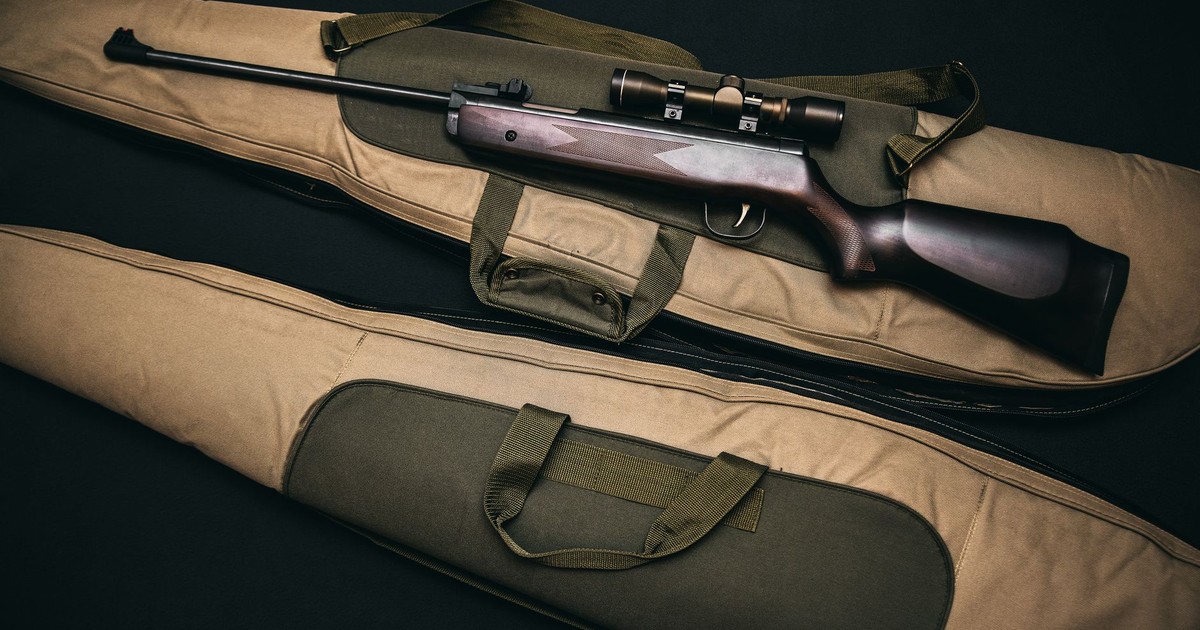
A 2025 TSA press release confirmed that 6,678 firearms were intercepted at checkpoints nationwide in 2024, approximately 94% of them loaded. The majority of those weren’t brought by people trying to cause harm. They were brought by people who didn’t realize their gun was in the wrong bag, or who thought their concealed carry permit changed the rules at the airport. It doesn’t.
Individuals who bring a firearm to a TSA checkpoint face a maximum civil penalty of $17,062, will have their TSA PreCheck eligibility revoked for at least five years, and will undergo enhanced screening. Regardless of any changes in state or local laws, guns are never permitted in carry-ons. Airline passengers can fly with firearms only in checked baggage, all firearms must be declared at check-in, and the gun must be unloaded and packed in a hard-sided locked case.
10. Forgetting That Food Items Can Trigger Extra Screening
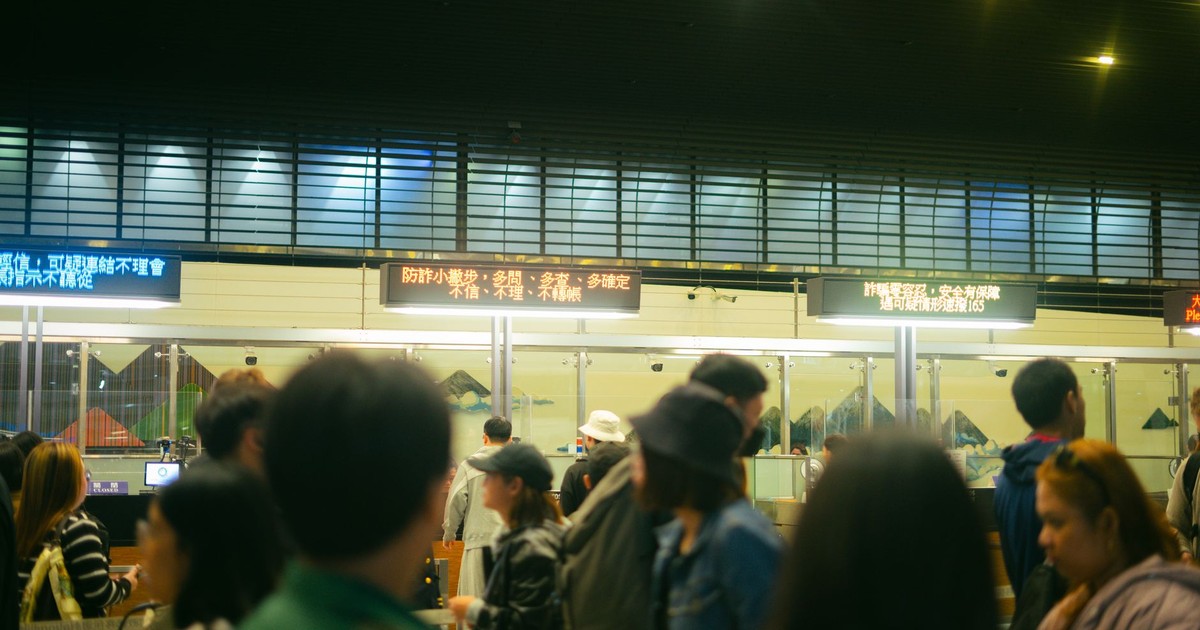
Most people know not to bring a full water bottle through security. Fewer people realize that certain solid foods can cause just as many problems. Screeners are frequently stopped by food items that create confusing images on the X-ray screen.
Dense, irregularly shaped foods like blocks of cheese, wrapped sandwiches, packs of nuts, and protein bars in foil packaging can obscure the scanner image and prompt a bag search. Pack food in a clear bag and place it near the top of your carry-on, just as you would with your liquids. If a screener asks you to remove food items and place them in a separate bin, don’t be surprised.
11. Assuming TSA PreCheck Means You Can Skip the Prep
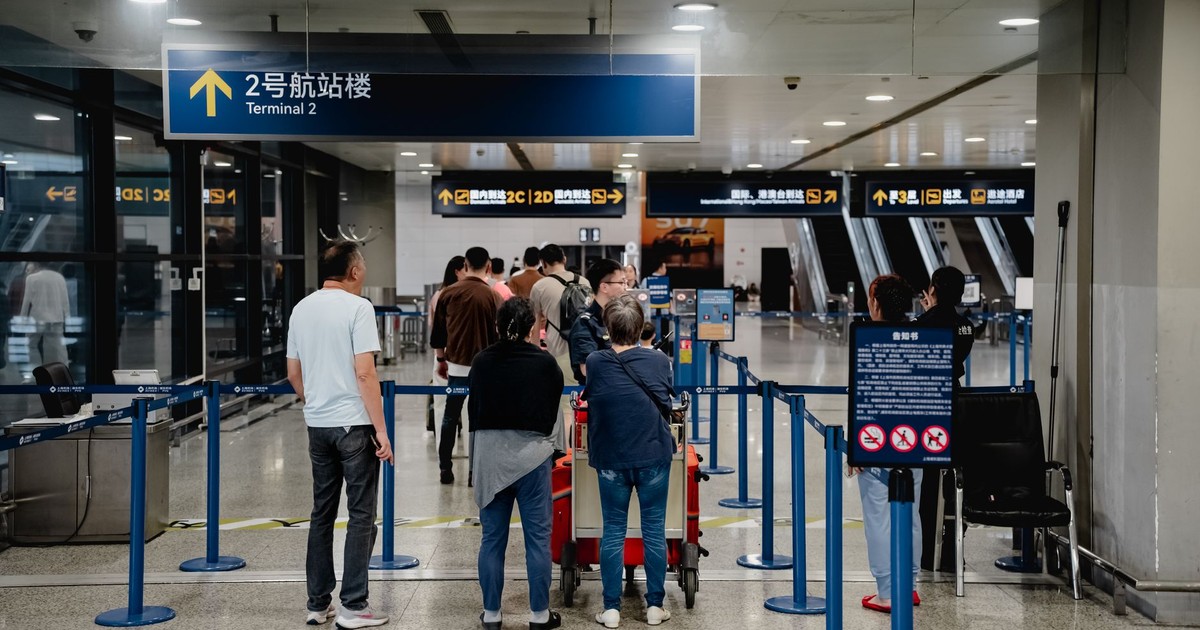
TSA PreCheck is legitimately useful. It gets you into a shorter line, you don’t have to remove shoes or a light jacket, and your laptop and liquids can stay in your bag in PreCheck-designated lanes. But it doesn’t exempt you from the prohibited items list.
A firearm in a PreCheck holder’s carry-on is still a firearm. A prohibited item is still a prohibited item. Offenders who bring firearms to checkpoints lose access to TSA PreCheck and Trusted Traveler programs, which means longer wait times and more thorough screening in the future. PreCheck is a lane, not a loophole.
The Part That Actually Costs You
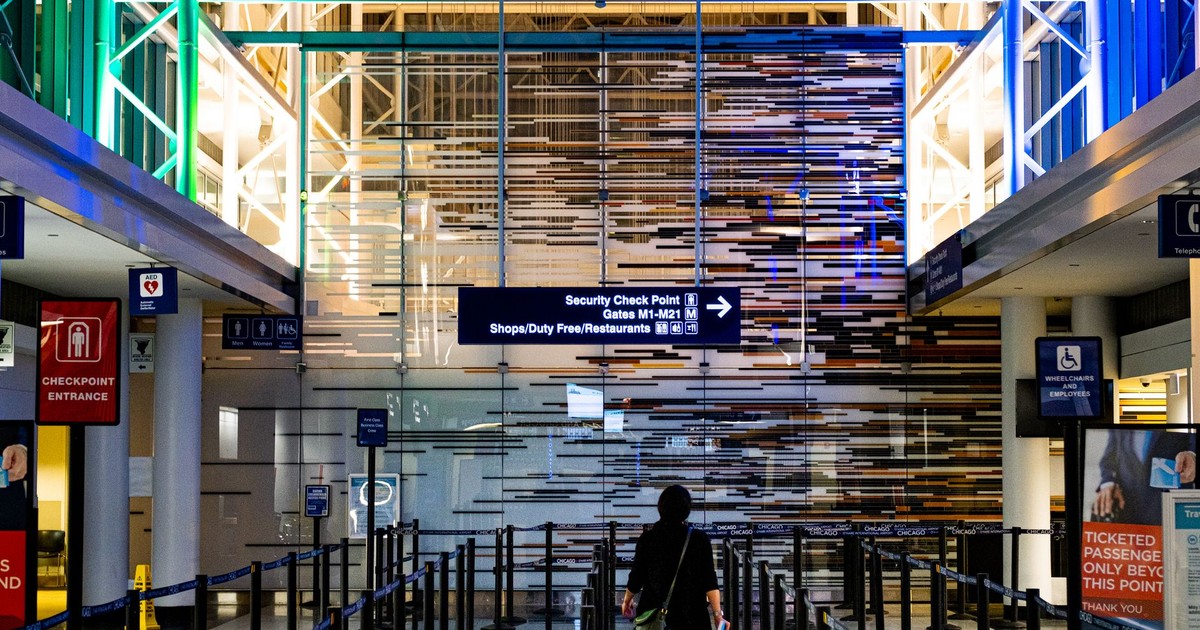
Airport security mistakes rarely happen because someone is careless. They happen because the rules are more specific than most people think, and because travel stress makes it easy to move on autopilot through a process that actually requires attention. The packed water bottle, the forgotten laptop, the concealed carry permit you thought applied everywhere are not the mistakes of a reckless traveler. They’re the mistakes of someone whose mental model of the checkpoint was slightly out of date.
The TSA is trying to scan a bag that tells a clear story. When a bag doesn’t, because of dense food, buried electronics, or a foil-wrapped something that creates an odd shadow, the story has to stop while someone figures it out. Everything that slows the line comes down to something that made the screener’s job harder. Knowing that changes how you pack. Not just what you pull out, but how you lay things in, what you wear, and how you approach the whole process before you ever leave the house.
Disclaimer: This information is not intended to be a substitute for professional medical advice, diagnosis, or treatment and is for information only. Always seek the advice of your physician or another qualified health provider with any questions about your medical condition and/or current medication. Do not disregard professional medical advice or delay seeking advice or treatment because of something you have read here.
AI Disclaimer: This article was created with the assistance of AI tools and reviewed by a human editor.