
Your debit card connects directly to your checking account. Credit card fraud disputes play out with the bank’s money at stake. Debit card fraud drains your own funds, potentially for days or weeks during the investigation. That difference becomes real when a rent payment bounces.
The ABA Banking Journal reports that a Federal Reserve survey of risk officers at financial institutions found debit card fraud drove fraud losses at those institutions in 2024, accounting for 39% of all fraud losses. The problem isn’t inherent to debit cards. The problem is using them in the wrong places, at the wrong times, with consequences far more immediate than most people expect.
Credit cards fall under the Fair Credit Billing Act. Debit cards fall under the Electronic Funds Transfer Act, which offers less consumer protection. Miss the reporting window (two business days after you notice something wrong) and your liability climbs to $500. Miss 60 days and federal law caps your protection entirely. The locations below aren’t theoretical. They’re where fraud consistently concentrates, where skimming devices are routinely found, and where a single swipe can cost you far more than what’s on the receipt.
1. Gas Stations
The U.S. Secret Service removed more than 400 illegal skimming devices during nationwide outreach operations in 2025, preventing an estimated potential fraud loss of more than $428 million. A significant number of those devices were found at gas pumps. Pumps sit outside, away from cashiers, and can go hours or overnight without inspection. That gives criminals a wide window to attach a skimmer to the card reader, walk away, and return later to collect the data wirelessly.
In 2025, New York surpassed California for the highest incidence of card-skimming activity. That year, 70% of these compromises occurred in just 10 states: New York, California, Massachusetts, Maryland, Virginia, Pennsylvania, New Jersey, Colorado, Texas, and Illinois. The pump at the end of the row, the one that hasn’t had its tamper-evident seal checked recently, is a real and active threat.
If using a debit card at a gas station, run it as credit to avoid entering a PIN. If that’s not an option, cover the keypad with your hand to block any pinhole cameras placed above the keypad. Better still, pay inside with cash or use a credit card at the pump.
2. Standalone ATMs (Not at a Bank Branch)
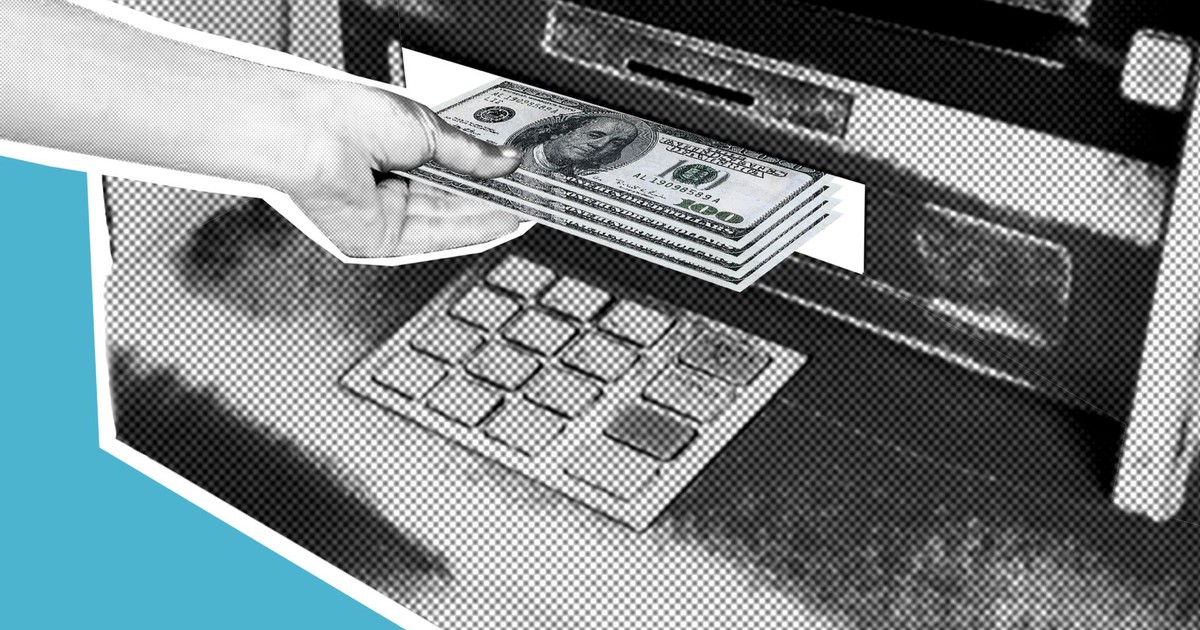
The ATM in the corner of a convenience store, the one in a small hotel lobby, the machine at the back of a bar: nobody watches them closely. Criminals install illegal skimming devices on ATMs, gas pumps and merchant point-of-sale terminals. They use skimming technology to capture card information and encode that data onto another card with a magnetic strip. Modern skimmers transmit data wirelessly in real time.
The Secret Service recommends using ATMs in well-lit, indoor locations, which are less vulnerable. A machine inside a bank branch, with cameras overhead and staff nearby, presents a fundamentally different risk than one sitting unmonitored in a strip mall. If the machine is the only one in the building and nobody works near it, that’s worth noting.
Shield the keypad with your other hand every time, even if nothing looks suspicious. PIN-capture cameras are small enough to be invisible at a glance, and your PIN turns stolen card data into an emptied checking account.
3. Restaurants and Bars
When a server takes your card to a back-of-house terminal, your card leaves your sight for 30 seconds to several minutes. High turnover at some restaurants means a dishonest employee can get access to your card number. A smartphone camera and two seconds is all it takes.
Card-present fraud at restaurants is a well-documented pattern, one the industry has been slow to solve because tableside card terminals haven’t become universal in American dining the way they have in Europe. The risk amplifies at bars, where handing over your card to open a tab is common. That card can sit behind a counter for an hour, accessible to multiple staff members.
Using a credit card at restaurants doesn’t eliminate the human factor, but it changes what’s at stake. A fraudulent charge on a credit card leaves your checking account intact. On a debit card, that same charge means real cash missing from your balance immediately.
4. Online Retailers You Don’t Recognize
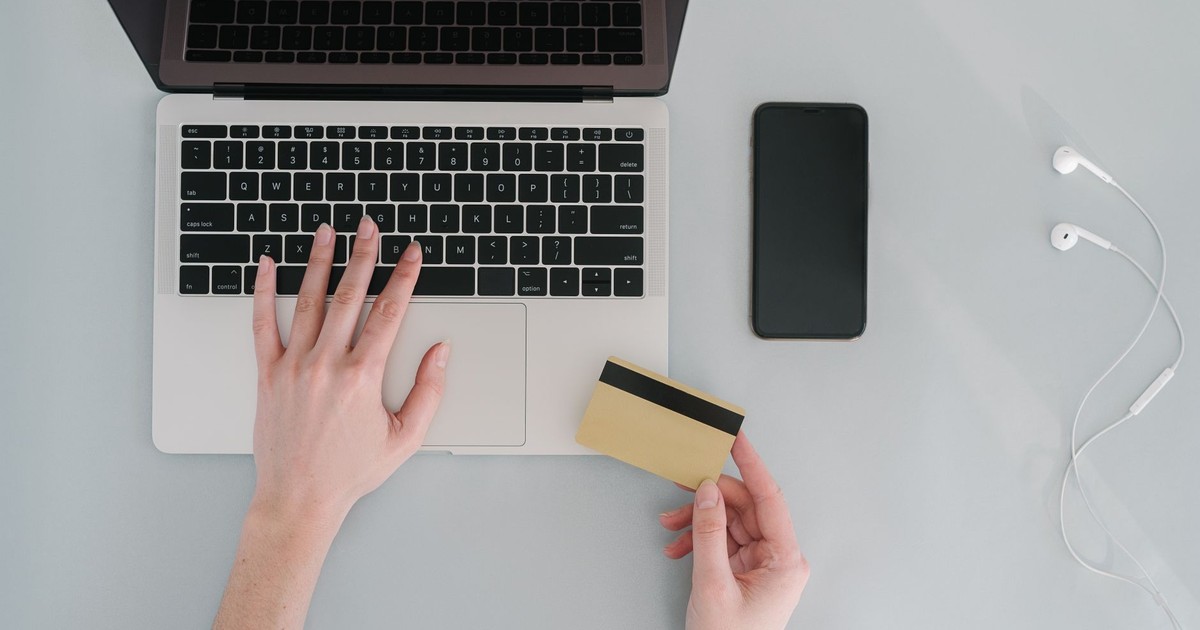
Over 80% of Americans shop online, with U.S. online retail spending projected to reach $1.47 trillion in 2025. Online shopping issues were among the most commonly reported fraud categories in 2024. The explosion of small online storefronts (many appearing through social media ads) means consumers constantly type their card details into sites they’ve never heard of, with no clear way to verify whether the checkout page is secure or the business legitimate.
Bankrate notes that with debit cards, your real money disappears until the bank resolves any fraud disputes. Credit card disputes process against the bank’s money. Debit card disputes process against yours, which is already gone.
Never enter debit card details directly into an unfamiliar site. Use a credit card, or route the payment through a digital wallet like PayPal or Apple Pay that doesn’t transmit your actual card number to the merchant. If you wouldn’t trust a business with cash in person, don’t trust them with your debit card online.
5. Tourist Areas and Vacation Destinations
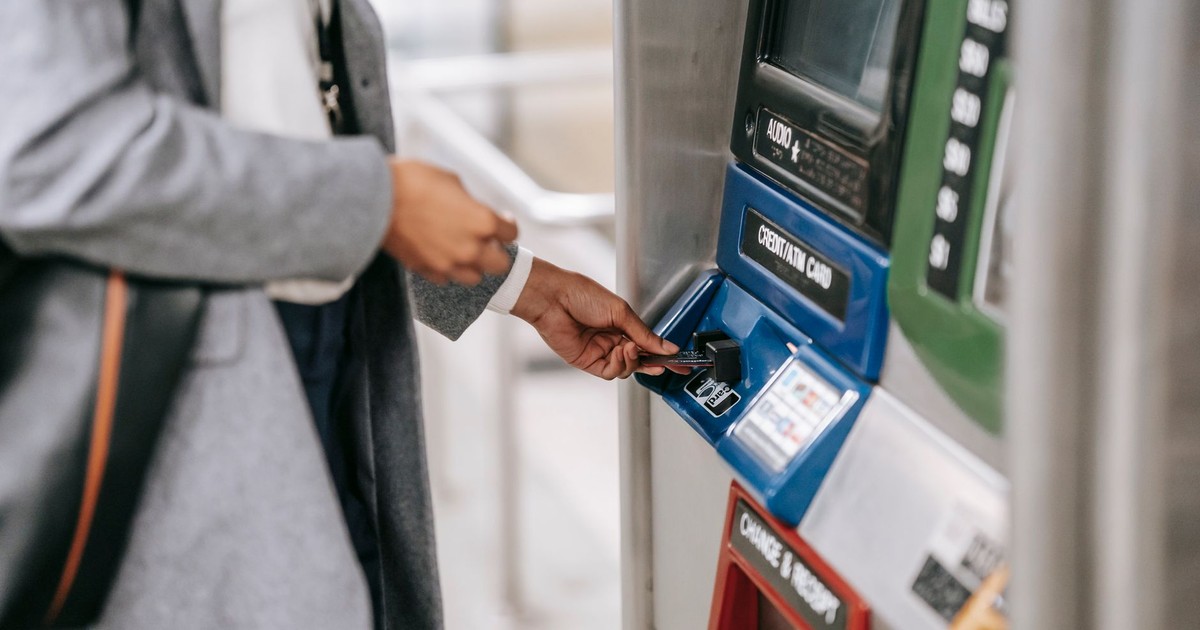
Popular vacation spots attract both tourists and the criminals who target them. Tourist areas feature less secure payment terminals and higher foot traffic that can mask skimming devices. The combination of distracted visitors, unfamiliar surroundings, and higher-than-average card transaction volume makes tourist districts a reliable hunting ground for card fraud.
This is especially true internationally. Payment terminal infrastructure varies enormously by country, and some destinations still rely on older magnetic-stripe technology that is far easier to skim than chip-enabled systems. The Secret Service explicitly advises consumers to watch for skimming devices in tourist areas, which are popular targets.
When traveling (especially abroad), a credit card with no foreign transaction fees and strong fraud protection is the better tool for almost every purchase. Your debit card is best reserved for pulling local currency from a bank-affiliated ATM, once, at the start of your trip.
6. Outdoor and Unmonitored Payment Terminals
Parking meters, parking garage kiosks, bike-share stations, self-service car washes: anything with a card reader that sits outside, unmonitored, and services dozens of people per day is a target. Skimming costs financial institutions and consumers more than $1 billion each year. A large portion comes from exactly these kinds of low-visibility terminals, where a skimming device can sit undisturbed for days.
In Seattle during a single two-day operation in early 2026, Secret Service personnel visited 532 businesses and removed 14 illegal skimming devices, preventing an estimated potential loss of more than $14.5 million. More than 2,770 point-of-sale terminals, gas pumps and ATMs were inspected. Fourteen devices in one city over 48 hours is not a fringe problem.
Before using any outdoor payment terminal, look at the card slot. If it feels loose, looks like it has an extra layer over it, or doesn’t match the look of a nearby identical machine, walk away. A brief visual check is not a guarantee, but criminals rely heavily on nobody stopping to look.
7. Mobile Vendors and Pop-Up Markets
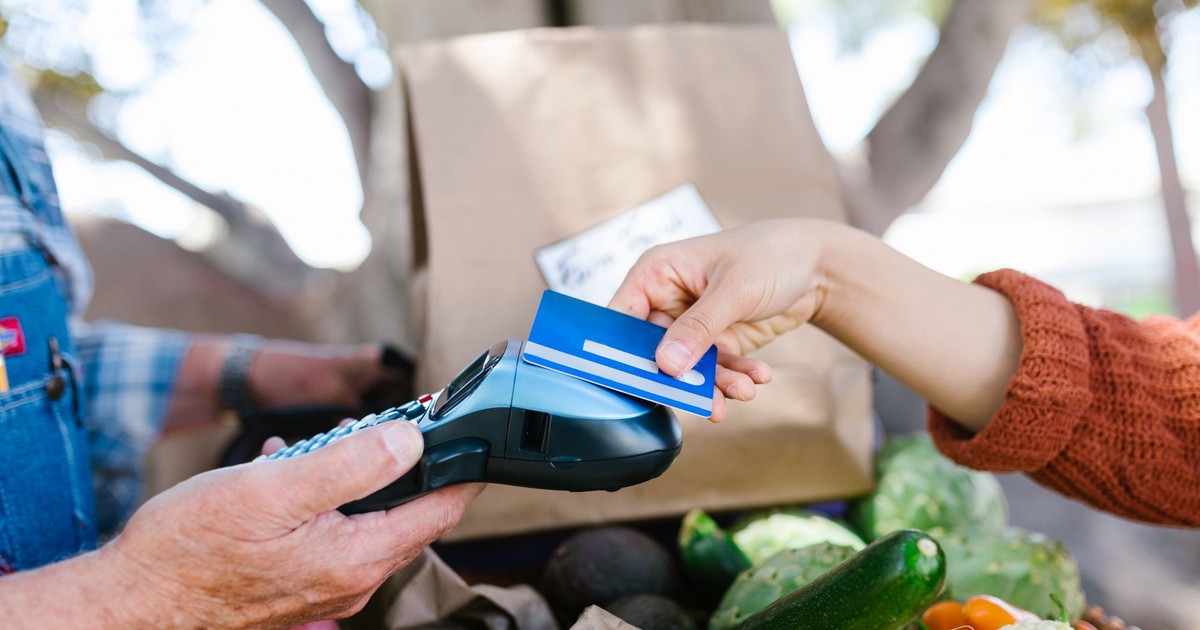
Farmers markets, craft fairs, food trucks, festival vendors: these cash-adjacent settings have increasingly adopted card readers. But the security infrastructure behind those readers varies enormously. A vendor using a mobile card reader attached to a personal phone is not operating within the same security environment as a major retailer.
Most market vendors are not fraud risks. But the verification layer that exists in a traditional retail environment (fixed terminals, business accounts, staff training, security monitoring) is thinner here. Stolen card data from a small reader at a weekend market can take weeks to show up as fraud, by which point the event is long gone and the vendor is impossible to trace.
Use a credit card or a digital wallet at these vendors. Reserve your debit card for merchants with fixed, verifiable business locations.
8. Hotel Lobbies and Resort Payment Points

Hotels place holds on your card at check-in to cover potential incidentals: room service, minibar charges, damages. When that hold is placed on a debit card, it freezes real money in your checking account. A $300 authorization hold on a hotel stay can leave you unable to access that cash for several business days, even after you check out. On a credit card, the same hold sits against your available credit and releases cleanly.
Hotel payment kiosks and resort area card terminals carry their own skimming risks. Public Wi-Fi in places like airport lounges and hotels remains risky for protecting your money from online scams and other sensitive financial activity. If you’re completing a transaction on a hotel network while your card data passes through the terminal, the combination of network vulnerability and physical terminal risk is worth considering.
Use a credit card for check-in, every time. Keep the debit card in your wallet for the duration of the stay.
9. Vending Machines
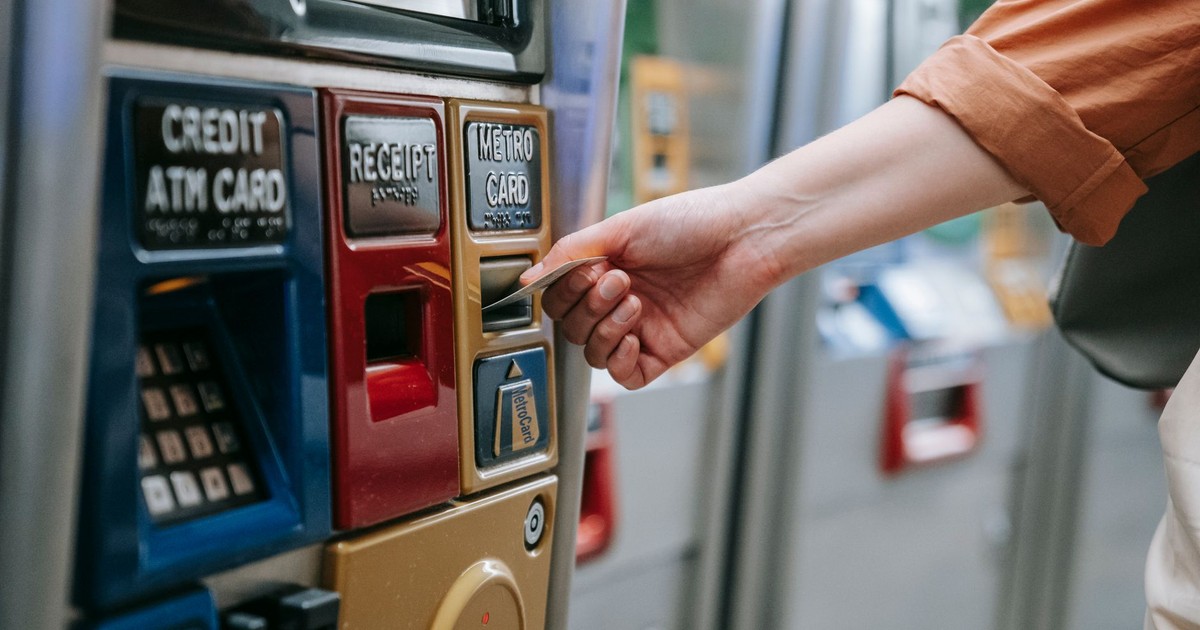
Card readers added to vending machines are often older, less secured, and infrequently inspected. Criminals frequently bypass the outer hardware entirely and access the machine’s internal wiring. A vending machine card reader (especially in a school, transit hub, or office building with open public access) fits that description almost perfectly.
The amounts are small. Nobody worries about a $2 transaction the way they would about a $200 one. But the data captured from a skimmer on a vending machine is identical in value to data captured anywhere else. The transaction size doesn’t determine how much your card information is worth on the fraud market. Your full account access does.
Keep a small amount of cash for situations like these, or use a contactless payment method through your phone, which generates a one-time encrypted token rather than transmitting your actual card number.
10. Any Terminal When Using Public Wi-Fi
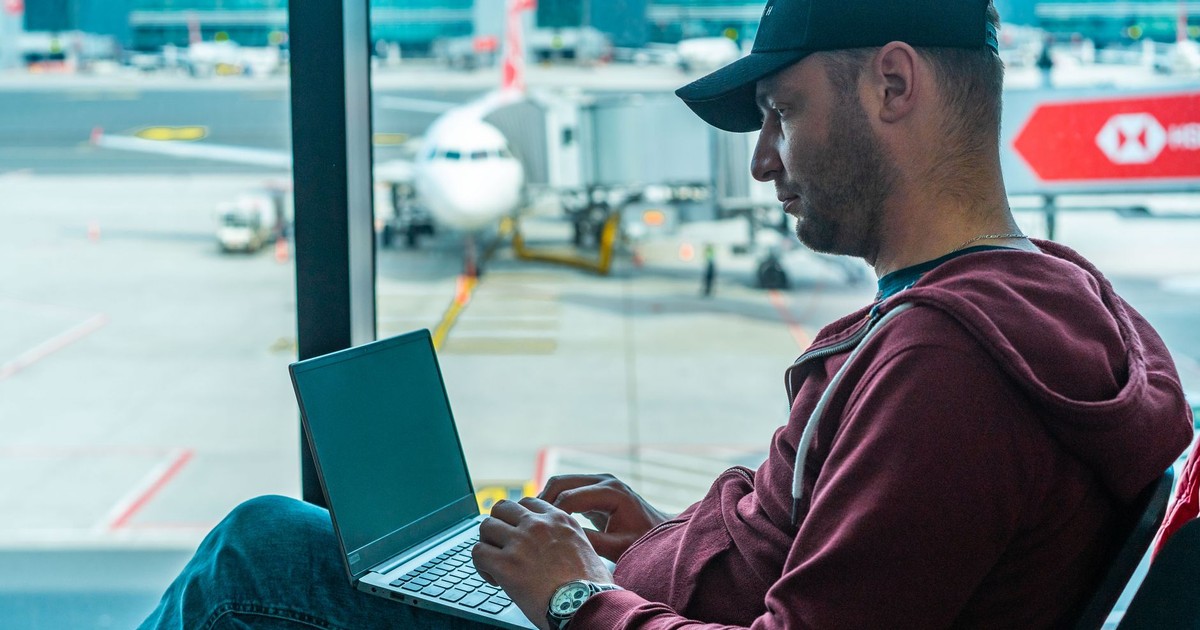
Banking apps using HTTPS and modern encryption are safer than browser logins on public Wi-Fi, but the network itself can still be attacked through fake hotspots or traffic interception. Completing a payment (whether online or through an app) while connected to a café’s Wi-Fi, an airport network, or a hotel’s shared internet means your data travels through infrastructure you have no control over.
The risk is especially acute for debit card transactions because the stakes of exposure are different. A fraudster who captures your card data while you’re on public Wi-Fi has what they need to drain your checking account, not just make purchases against a credit line that the bank will reverse. Prefer your mobile data or a personal hotspot for any banking or card activity.
This applies to everything from checking your bank balance to completing a purchase to paying a bill. If you’re not on a private, trusted network, your mobile data connection is the safer channel.
Read More: The 10 Most Common Phone Scams and How to Protect Yourself
What to Do With All of This
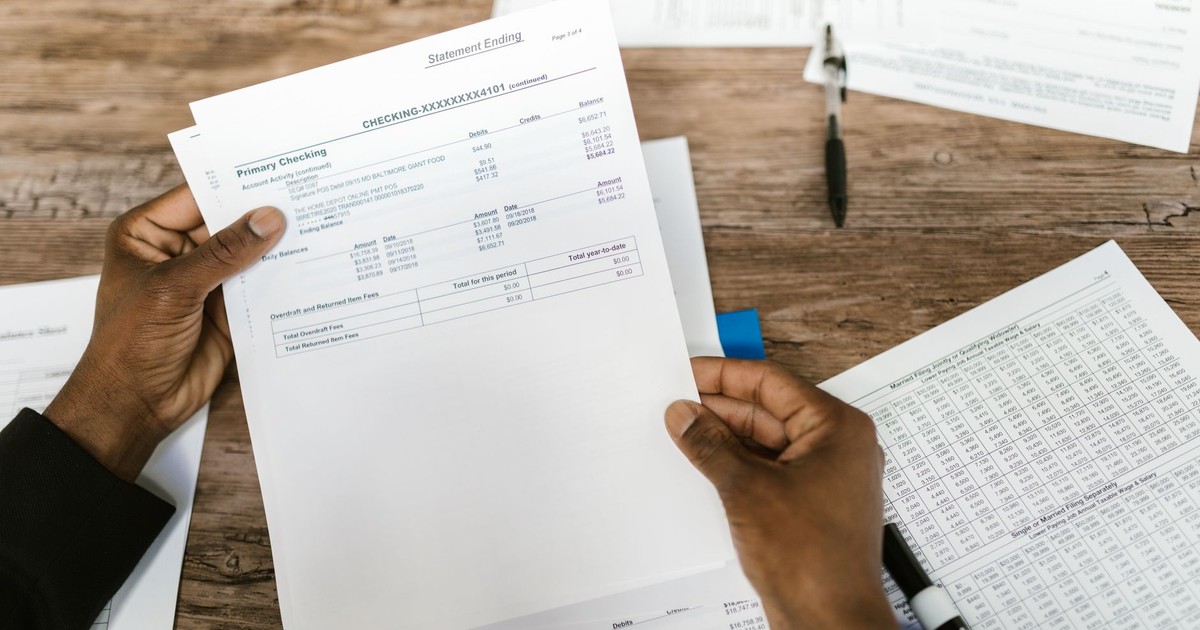
Debit cards put your actual money at risk in real time, with less legal protection and a shorter window to recover it. Forbes reports that according to the FBI, card skimming alone costs financial institutions and consumers more than $1 billion each year. That figure has held stubbornly high even as chip technology and contactless payments have spread. The fraud adapts. The locations on this list aren’t here because someone once found a skimmer at a gas pump a decade ago. Devices were found last month, and the month before that, and the month before that.
You don’t need to leave your debit card at home permanently. Be intentional about when you use it. Bank-branch ATMs for cash withdrawals. Trusted, fixed-location merchants for in-person purchases. A credit card or digital wallet for everything on this list. The individual losses that skimming and card fraud cause don’t land evenly across the population. They land hardest on people whose checking accounts don’t have a buffer, where a fraudulent $400 withdrawal isn’t an inconvenience but a genuine crisis. Knowing where the risk concentrates is the simplest, most effective protection there is.
Disclaimer: This information is not intended to be a substitute for professional medical advice, diagnosis, or treatment and is for information only. Always seek the advice of your physician or another qualified health provider with any questions about your medical condition and/or current medication. Do not disregard professional medical advice or delay seeking advice or treatment because of something you have read here.
AI Disclaimer: This article was created with the assistance of AI tools and reviewed by a human editor.