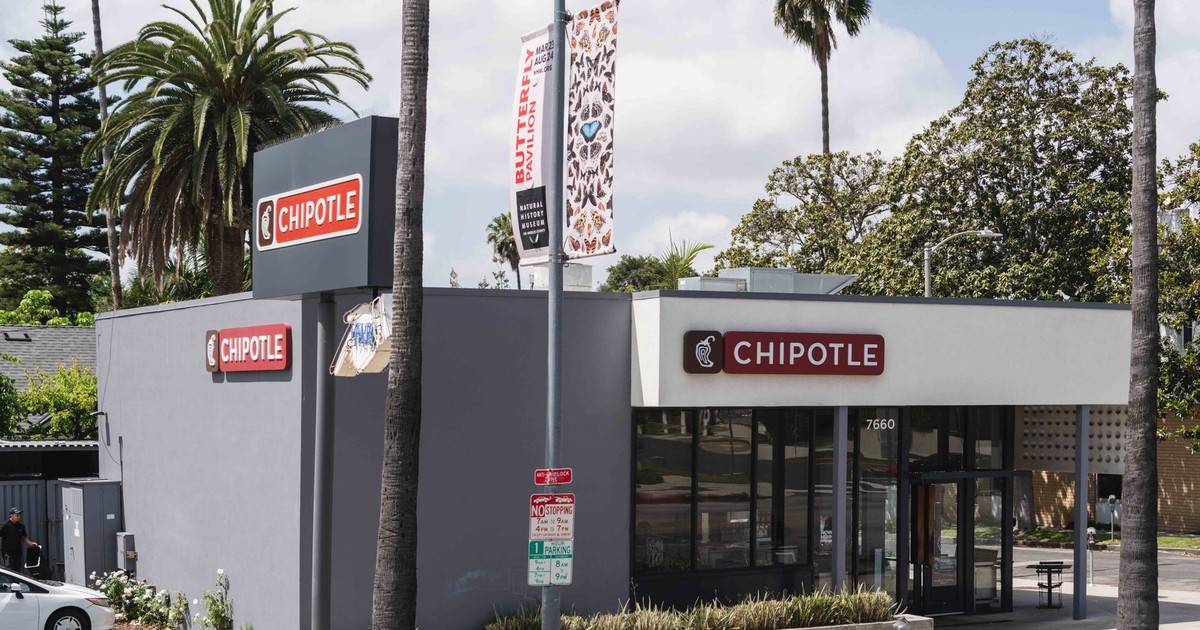

Thirty-two years after Steve Ells opened a single restaurant in Denver with an $85,000 loan from his father, Chipotle Mexican Grill has opened its first location in Mexico. Not in Mexico City, but in San Pedro Garza García, a wealthy suburb of Monterrey, on July 16, 2026. The choice of location says everything about how carefully this move was planned.
The Monterrey metropolitan area is Mexico’s third-largest city and one of its most economically dynamic. Chipotle selected the region for its robust economic climate, expanding population, and reputation as a top business and innovation center in Mexico.
San Pedro Garza García is among the most affluent municipalities in Latin America, home to the headquarters of major Mexican corporations and a consumer base thoroughly familiar with international dining brands. Chipotle didn’t walk into Mexico through the front door. It chose the room most likely to give it a warm reception.
The opening didn’t happen spontaneously. This restaurant is the first location to open under the development agreement Chipotle and Alsea announced in April 2025. Fourteen months of preparation, supply chain work, and real estate scouting separated the announcement from the ribbon cutting. That gap reflects something deliberate in Chipotle’s international strategy: prove the concept before scaling it.
Why Monterrey, and Why Now
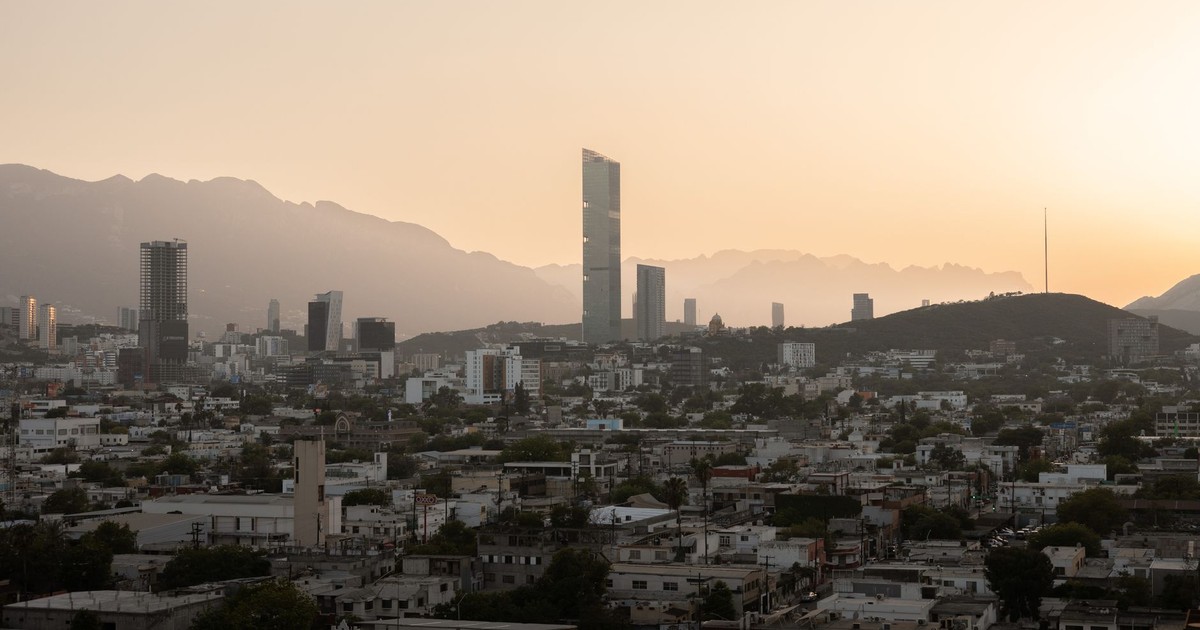
For the first time since its founding 32 years ago in Denver, Colorado, Chipotle is expanding its operating model into the homeland of the cuisine that inspired its menu. The cultural irony is obvious. Selling American-style Mexican food back to Mexicans is either a bold stroke or a punchline, depending on your perspective.
Scott Boatwright, Chipotle’s CEO, pointed to the chain’s cross-income appeal as a key part of the thesis, telling Bloomberg TV on July 13: “We serve customers of all income levels here in the United States. We believe we have that same opportunity in every country we expand to.” Starting in one of Mexico’s wealthiest neighborhoods softens that particular argument, but the logic is that San Pedro Garza García functions as a proof-of-concept zone before a broader rollout.
Chipotle and Alsea plan to open additional restaurants in Nuevo León later this year and expand into Mexico City in 2027. Mexico City would be a genuinely different test. With a population of over 20 million and a food culture as sophisticated and fiercely proud as any in the world, it represents the harder half of this bet.
The Alsea Partnership

Chipotle’s choice of Alsea as its operating partner for the Chipotle Mexico expansion is not a coincidence. Alsea also runs brands such as Starbucks in Latin America, alongside Domino’s, Burger King, and Chili’s across the region and into Europe. That portfolio means it understands how to run international franchises at scale, manage local supply chains, and adapt American fast-food concepts for Latin American consumers without breaking what made them work in the first place.
The company sources many of its ingredients from suppliers throughout the region and remains committed to that localization approach. One of the persistent criticisms of American chain restaurants entering Latin America is that they import everything from the US and end up charging premium prices for a product that feels disconnected from its surroundings. Sourcing regionally helps on both cost and perception.
This deep partnership gives Chipotle local supply chain expertise and real estate knowledge, reducing the risk of entering a market where Mexican cuisine is both a tradition and a competitive backdrop. Alsea already manages operations across several countries, which means Chipotle doesn’t have to build those operational muscles from scratch in each new market.
A Global Expansion Three Years in the Making
The Mexico opening is just one thread in what has become a significant international push for a brand that spent most of its history focused almost entirely on the United States. Chipotle signed its first international development agreement in July 2023 with Alshaya Group to open restaurants in the Middle East. Alshaya Group currently operates 7 restaurants across Kuwait, the UAE, and Qatar. That Middle East operation became the template: find a sophisticated, well-resourced local operator, structure a development agreement, and open gradually rather than flooding the market.
Among those partnership-driven efforts is a joint venture with South Korea’s SPC Group that will bring Chipotle to South Korea later this year and to Singapore in early 2027. Asia represents a significant escalation. South Korea has one of the most competitive quick-service restaurant markets in the world, with consumers who are both adventurous about international food and loyal to domestic chains.
Chipotle’s global footprint now exceeds 4,100 restaurants, with a presence spanning Canada, the United Kingdom, France, Germany, and the Middle East. For a brand with more than 4,000 restaurants globally, the overwhelming majority are still in the US.
The “Recipe for Growth” Numbers

The company currently operates more than 4,100 restaurants worldwide and expects to open between 350 and 370 new restaurants in 2026 as it continues to execute its “Recipe for Growth” strategy, including a target of operating 7,000 locations across the U.S. and Canada.
That target of 7,000 locations in the U.S. and Canada is a long way from where the chain stands today. According to CFO Dive, the fast-casual chain is targeting a range of 350 to 370 new restaurant openings for the full year 2026, including 10 to 15 international partner-operated restaurants. Ten to fifteen international openings across Mexico, the Middle East, South Korea, and Singapore in a single year would represent the most aggressive international push in the company’s history, even if those numbers look modest against the domestic rollout.
Rising prices across areas such as beef and freight pushed up food, packaging and beverage costs, and while “typically, we would offset inflation through price increases, because of the consumer environment, we’ve been really kind of leaning away from taking big price increases,” CFO Adam Rymer said. That squeeze makes international revenue diversification more than a growth story. It’s also a hedge.
The restaurant company could potentially have as many locations outside the U.S. as it does inside, given a few decades of further growth, CFO Adam Rymer said. The scale of that domestic build-out means the next leg of growth has to come from somewhere, and the US market, while not saturated, is maturing.
The Avocado Question
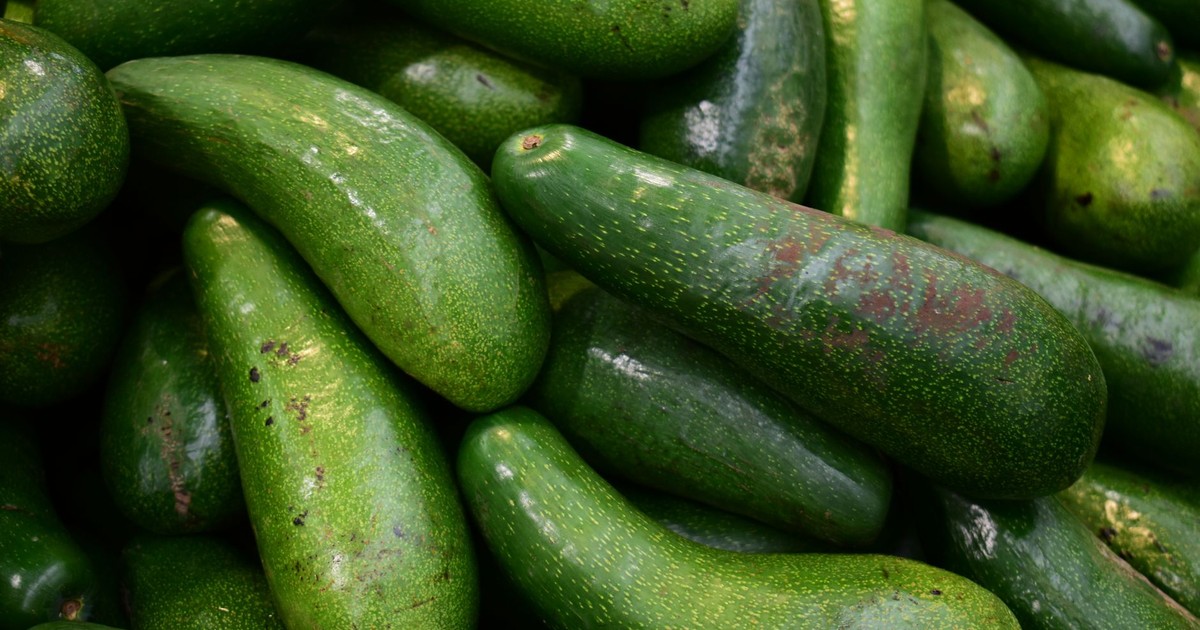
No piece of Chipotle news in 2025 or 2026 can be written without addressing the supply chain issue that has shadowed the brand through the tariff era: avocados. Mexico supplies roughly 90% of the avocados eaten in the US. Chipotle buys about half of its avocado supply from Colombia, Peru, and the Dominican Republic, the result of a years-long push to reduce concentration risk in one of the chain’s most high-profile ingredients.
If tariffs aimed at Mexico, Canada, and China all went into effect, Chipotle estimated its cost of sales would rise about 60 basis points, or 0.6 percentage points, according to CFO Adam Rymer. Chipotle sources only about 2% of its sales from Mexico, importing produce such as avocados, tomatoes, limes, and peppers. The guacamole supply isn’t the only reason the Mexico question matters for Chipotle’s sourcing team, but it’s the most visible one.
Operating restaurants inside Mexico while simultaneously managing the cost and logistics of sourcing from Mexico adds a new dimension to that challenge, not necessarily a negative one. Having a physical presence in the country could eventually give Chipotle better visibility into its supplier relationships there.
The irony of a chain named after a Mexican chili pepper spending years trying to reduce its dependence on Mexican produce is not something the company has dwelled on publicly. The Mexico expansion offers, among other things, a cleaner story: Chipotle is not just taking from Mexico but building something there.
Read More: 5 Sandwich Chains That Were Once Popular But Are Now Vanishing
What This Actually Means
The single restaurant that opened on July 16 in San Pedro Garza García will not by itself determine whether the Chipotle Mexico expansion succeeds. What it will do is generate real data: how Mexican consumers respond to the customization model, whether the price point lands, how Alsea handles the operational demands, and whether the local sourcing strategy holds up at scale. All of that feeds the decision on how fast to push into Mexico City in 2027 and how many locations make sense in Nuevo León before then.
There is a broader pattern worth noting in how Chipotle has structured every one of its international moves. It hasn’t tried to own everything. The Middle East runs through Alshaya. Asia runs through SPC Group. Mexico runs through Alsea. Each partner brings something Chipotle doesn’t have: local real estate relationships, supply chain infrastructure, regulatory knowledge, and consumer insight. That asset-light approach to international expansion is a deliberate contrast to the company’s domestic model, where it builds and owns. Internationally, speed and local expertise matter more than control.
The chain born in Denver from a Colorado burrito tradition, built on the idea that fast food could be made from real ingredients without artificial colors or preservatives, is now in 32 countries’ worth of planning stages. Whether the cuisine that inspired it will fully embrace it remains the most interesting open question of the whole story. The first customers in Monterrey already have their answer.
Disclaimer: This information is not intended to be a substitute for professional medical advice, diagnosis, or treatment and is for information only. Always seek the advice of your physician or another qualified health provider with any questions about your medical condition and/or current medication. Do not disregard professional medical advice or delay seeking advice or treatment because of something you have read here.
AI Disclaimer: This article was created with the assistance of AI tools and reviewed by a human editor.