

Most people spend the final stretch before retirement thinking about what they’ll gain: time, freedom, no more alarm clocks at 6am. What they spend far less time thinking about is everything that simply stops mattering the day they hand in their badge. Not in a sad way. In a very practical, often liberating way.
Some of the things useless when retire are pure deadweight you’ve been carrying for decades. Others require a conscious decision to let go, because the habits built around them are hard to shake even after the reason for them is gone. And a few are the kind of financial obligations that, once you look at them clearly, you’ll wonder how you tolerated them as long as you did.
The transition is bigger than most financial checklists acknowledge. It’s not just about replacing a paycheck. It’s about recognizing that a whole category of spending, owning, and doing was built specifically to support your working life, and now it doesn’t have to be.
The Daily Commute and the Car That Went With It

The commute is probably the most talked-about retirement escape, but the financial relief is bigger than people expect. AAA’s 2025 Your Driving Costs analysis puts the total annual cost of owning and operating a new vehicle at $11,577, or about $965 per month. That figure covers depreciation, fuel, insurance, maintenance, and financing. If your commute accounts for 5,000 to 7,500 of the roughly 15,000 miles driven per year, retirement can eliminate one vehicle entirely from a two-car household.
Beyond the car itself, parking, tolls, professional attire, dry cleaning, office lunches, and the convenience purchases that happen on the way to and from work all disappear from the budget at the same time. That’s a cluster of expenses most people never totaled up because they were spread across so many small, routine transactions.
The Work Wardrobe

The suits, the dress shoes, the dry-clean-only blazers that only came out on client days have a surprisingly long afterlife in most people’s closets. People keep them “just in case,” or because getting rid of them feels like admitting something. But retirement makes the work wardrobe functionally obsolete, and the spending that kept it current stops cold.
Bureau of Labor Statistics Consumer Expenditure data from 2024 shows retired households spent an average of $1,199 annually on apparel and services, significantly less than working households. When you’re heading to the office every day, you’re spending to look sharp. In retirement, that pressure on your wardrobe budget disappears. The casual clothes that used to feel like weekend luxury become the entire rotation. Dry-clean-only garments stay in the closet and the weekly trip to the cleaners shrinks or disappears entirely, since comfortable, washable clothes work just fine when you’re not sitting in meetings all day.
Payroll Taxes
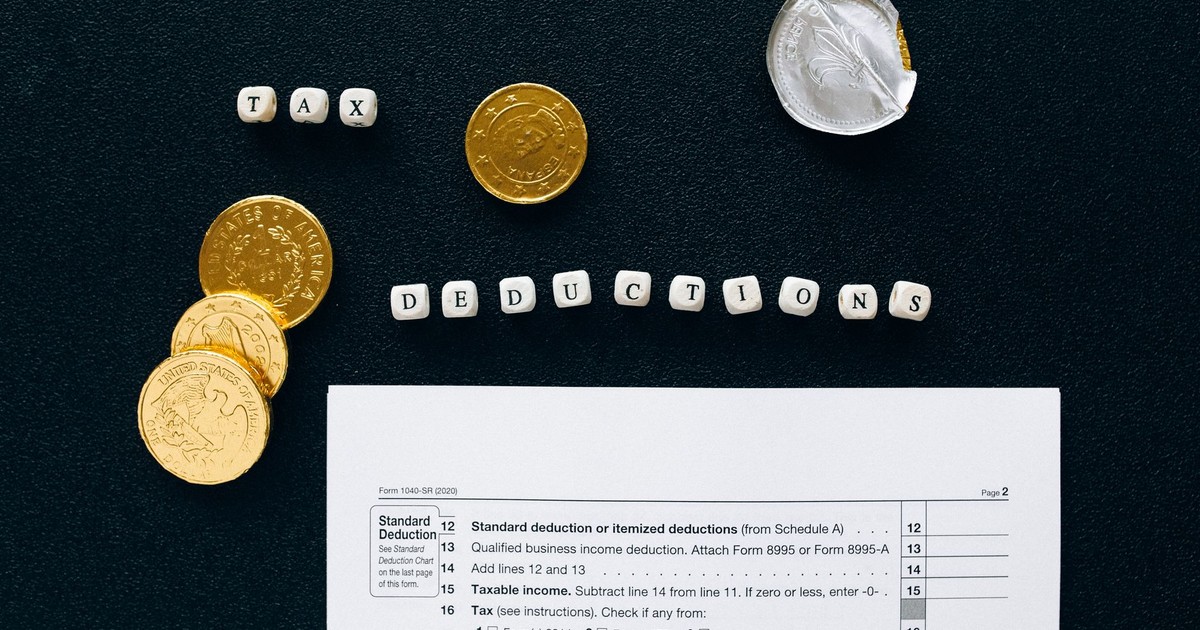
This one catches people off guard in the best possible way. During your working years, FICA, the Federal Insurance Contributions Act taxes that fund Social Security and Medicare, takes 7.65% of every paycheck automatically. Your employer matches it. You never see it as a line item, just as money that isn’t there. When wage income stops, so does FICA. Social Security benefits face income-tax thresholds but not FICA, and investment income avoids payroll taxes entirely. For someone who was earning $80,000 a year, that’s over $6,000 annually that simply stops being deducted.
Retirement Savings Contributions

The 401(k) contribution that came out of every paycheck, the IRA deposits you were disciplined enough to make every January, these stop too. That’s not a loss. That’s the point. You were building the pool; now you swim in it. Higher earners, in particular, find their effective spending needs drop significantly in retirement because a large portion of their working income was going to savings, taxes, and costs that disappear once they stop working.
Workers earning $40,000 annually typically need to replace around 80-85% of pre-retirement income to maintain their lifestyle, while those earning $150,000 or more often find they can manage on 55-65% of their pre-retirement income, especially once the mortgage is paid and they’re no longer funding a retirement account, according to Kiplinger’s retirement planning guidance. The savings contribution was never discretionary spending. Stopping it is exactly the plan working as intended.
Work-Related Subscriptions and Tools

Every working professional accumulates subscriptions that only make sense in the context of a career. LinkedIn Premium. Industry journals. Professional association memberships. Software licenses that come with the job. Continuing education credits that maintain a license. The moment you retire, these stop being necessities and become monthly charges for access to a life you’ve already left. While healthcare and leisure spending often increase in retirement, many work-related expenses naturally shrink or disappear once you stop commuting, dressing for the office, or maintaining active career obligations.
This is also worth a clean audit in the first month of retirement. Many people set up annual auto-renewals for work tools years ago and haven’t thought about them since. They’ll keep charging until someone cancels them.
The Second Car
The average American household spent $13,318 on transportation in 2024, according to the Bureau of Labor Statistics Consumer Expenditure Survey, covering vehicle purchases, insurance, maintenance, and fuel. For two-income households where both partners commuted, that cost effectively applied twice. Once both spouses retire and the daily commute disappears, the need for two cars becomes worth seriously questioning. The insurance alone on a second vehicle runs hundreds of dollars a month in most states, and depreciation doesn’t stop just because the car sits in the driveway more often.
For couples who do decide to keep two vehicles, this is still a useful moment to right-size. Trading down from a second newer car to something older and fully paid off can eliminate a car payment and cut insurance costs substantially.
Office Lunch Culture

The Wednesday lunch with the team. The birthday cake someone organized and you chipped in for. The coffee shop stop every morning because the office was in that direction. The client dinners you attended on someone else’s dime but still somehow spent money around. Work has a whole economy of small social spending built into it, and most of it disappears without much ceremony at retirement.
Eating out loses some of its appeal when you’re not grabbing lunch with coworkers or celebrating Friday’s arrival. While retirees still enjoy dining out, the frequency drops noticeably. That doesn’t mean retirement is less social; it often means the meals become more deliberate and less reflexive. A dinner you chose to have beats three lunches you attended out of obligation.
Formal Professional Development

Licensing requirements, mandatory training, annual certifications, these are things you did because your career required them, not because you were personally burning to update your knowledge of regulatory compliance frameworks. Once retirement arrives, the obligation dissolves. Time that went to keeping credentials current can be redirected toward learning that’s genuinely chosen. A language, a skill, a subject that never had a practical application but always seemed interesting.
This is one of the more psychologically significant transitions in the list. A lot of learning in working life is compulsory in ways that are easy to overlook. Retirement hands that back.
The Alarm Clock Routine

This might sound like the obvious one, but the morning alarm isn’t just an inconvenience. It’s the anchor point for an entire system of time pressure. The 6:45am alarm generates the rushed breakfast, the skipped workout, the stress eating at 10am because there wasn’t time for a real meal, the decision fatigue by noon. Transitioning away from the daily grind eliminates major expenses like commuting, professional clothing, and payroll taxes, making retirement surprisingly affordable, but it also eliminates the chronic low-grade time scarcity that most working adults have long since stopped noticing.
Retirees who sleep to a natural waking time report cascading improvements in diet and physical activity, not because they suddenly developed discipline, but because the structural obstacle to both disappeared. The alarm clock was load-bearing in ways that only become clear once it’s gone.
Timeshares

For many retirees, this is the most expensive and most stubborn item on the list. The average annual maintenance fee on a timeshare hit $1,480 per weekly interval in 2024, up 17.5% in a single year, and those fees are mandatory whether you travel or not, meaning over a 20-year retirement, a $1,480 annual fee can consume tens of thousands of dollars for one week of vacation a year, according to Money Talks News.
The timeshare made a certain kind of sense when you had two weeks of vacation and a predictable schedule. Retirement changes both. You now have the flexibility to travel off-peak, stay longer, and choose destinations based on what you actually want rather than what accommodates a work calendar. Retirement offers the flexibility to travel when everyone else is working, which often means better prices and smaller crowds, and traveling off-season can save significantly compared to peak-season rates. Paying a locked-in annual fee for a specific week at a specific resort is the opposite of that flexibility. Exiting a timeshare is notoriously difficult and sometimes costly, but the sooner the fee stops, the sooner the savings compound in the other direction.
For those who find travel in retirement confusing to plan around fixed incomes and changing needs, this travel guide for retirees covers the financial and logistical details that catch people most off guard, including what Medicare actually covers overseas.
Read More: Seniors Risk Outliving Their Retirement Savings in These 41 States
The Real List Underneath the List

The ten items above are concrete and specific, but they’re all pointing at the same underlying truth: a significant portion of what working adults spend money on, keep in their closets, maintain insurance on, and build their mornings around exists to service the job, not the life. Retirement doesn’t just change the income side of the ledger. It changes what the spending was for.
The practical move in the first year of retirement isn’t to replace what’s been lost with equivalent alternatives. It’s to take stock of what was truly wanted in the first place versus what was simply required. The work wardrobe and the second car and the LinkedIn Premium subscription weren’t preferences. They were infrastructure. And infrastructure for a building you’ve left doesn’t need to be maintained.
U.S. households led by someone 65 or older spend $61,432 per year on average, according to Bureau of Labor Statistics Consumer Expenditure data for 2024, a meaningful drop from the $78,535 average across all households. Some of that gap is income-driven. But a lot of it is what happens when the structural costs of working life no longer apply. The things on this list aren’t luxuries that get cut reluctantly. They’re scaffolding that was holding up someone else’s schedule.
Disclaimer: This information is not intended to be a substitute for professional medical advice, diagnosis, or treatment and is for information only. Always seek the advice of your physician or another qualified health provider with any questions about your medical condition and/or current medication. Do not disregard professional medical advice or delay seeking advice or treatment because of something you have read here.
AI Disclaimer: This article was created with the assistance of AI tools and reviewed by a human editor.