

Half of retired women say retirement costs more than they expected. The wardrobe took less space than the surprise bills did. That finding came with another one that stings more: the most common retirement surprise is cost, with 50% of retired women saying retirement is more expensive than anticipated. That’s a lot of people who did everything they were told and still landed somewhere they didn’t plan for.
Women continue to provide more care for family members of all ages, earn less than men even when working full-time, and live longer on average. Among women and men ages 50 and older, women report 77 cents in wealth for every dollar reported by men. That gap is real, and it has a compounding effect across decades. The math is not abstract – it shows up in the grocery budget at 74.
Which is why, when it comes to retirement selling items, the conversation shouldn’t be framed as deprivation. Letting go of things you’ve held onto out of habit, obligation, or vague future-thinking isn’t a loss. In most cases, it’s the opposite. What follows are seven things worth selling in retirement, explained honestly – including why some of them feel harder than they should.
1. The Family Home (or the One You Kept “Just in Case”)

The two big reasons retirees in the baby boomer generation sell their homes are to move closer to their families or move to a smaller place, according to an April 2025 report from the National Association of Realtors. A larger portion of people aged 60 and older who sold their homes in 2025 were looking to downsize their living situation, rather than scale up.
The emotional weight of selling a family home is real. Three decades of life happened in those rooms. But the financial case is hard to dismiss. Selling a big house could help save money on property taxes, insurance fees, maintenance, and utility costs. In many cases, the IRS gives people who make a profit selling their house a tax break on earnings up to $250,000 for single filers and $500,000 for couples filing jointly.
The calculation changes further if you also own a vacation property or second home. The reality of property taxes, HOA fees, and constant upkeep can turn that “escape” into another responsibility. Many retirees find that renting when the mood strikes is a more cost-effective and less stressful option. Selling a second home can also free up a significant chunk of equity – money that can strengthen your retirement fund or create a cushion for unexpected expenses.
The harder conversation is usually the one where someone holds onto a too-large home because selling it means admitting the kids aren’t coming back. That’s a real feeling. It’s also an expensive one to indulge for twenty more years.
2. A Second (or Third) Vehicle

After five years, the average resale value of a new vehicle drops by 44.6%, depending on the quality of the vehicle, according to Kelley Blue Book. What that means in practice: you’re parked on a depreciating asset, paying insurance and registration on it every year, while it slowly loses the value you could have cashed out.
If you’re no longer commuting daily or if you or your partner don’t need separate cars, selling extra vehicles can save thousands. The real savings arguably come from avoiding ongoing storage fees, insurance premiums, and costly repairs that can drain your retirement budget.
For women who’ve spent years splitting school pickups and commutes across two cars, the shift can feel sudden. But many retirees find the one-car life simpler than expected, especially in areas with reasonable rideshare coverage. The money freed up is immediate and recurring.
3. Jewelry You Haven’t Worn in Years
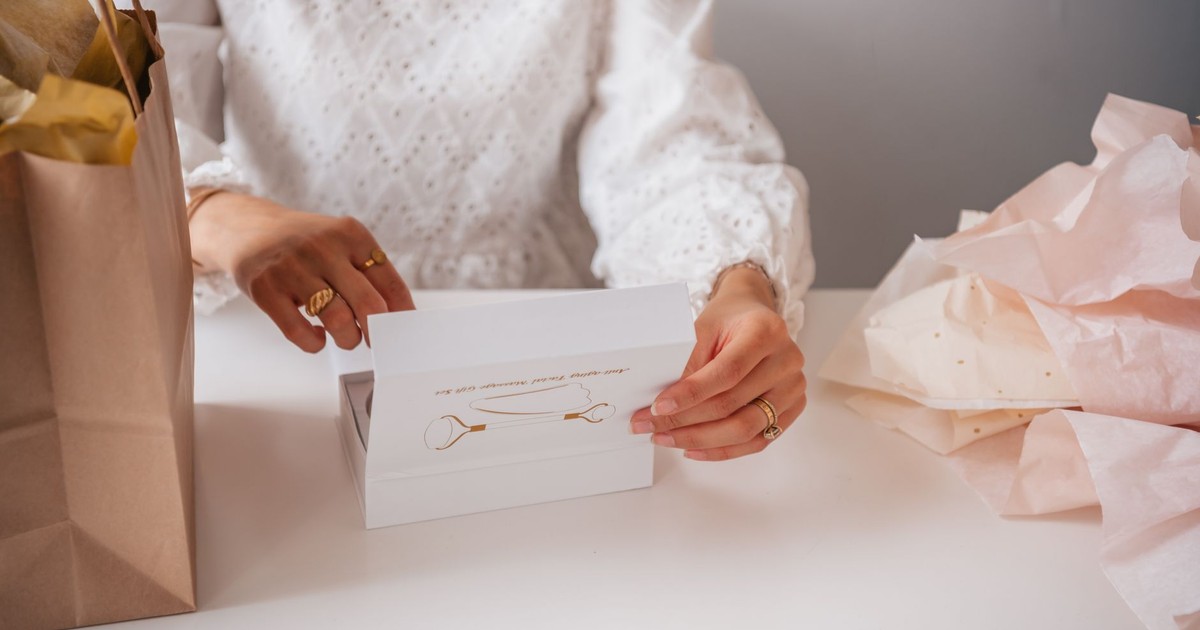
This one generates the most resistance, and understandably so. Jewelry carries memory in a way that a second car simply doesn’t. But sitting in a box in a drawer, it’s also not being worn, it’s not being enjoyed, and it’s not earning anything.
You can cash in on collectibles, jewelry, furniture, sterling silver, and professional attire you no longer need, according to AARP. For gold and silver pieces specifically, sites such as ExpressGoldCash, Cash for Gold USA, and Alloy pay cash for gold and silver jewelry. For higher-value pieces, getting a professional appraisal before you sell anywhere is worth the time. A piece appraised at $800 sold to the wrong buyer becomes $300.
The practical move is to separate the pieces that carry real personal meaning from the ones you inherited and kept out of obligation, the ones that don’t suit you anymore, and the ones you genuinely forgot you owned. The first category stays. The rest can work for you rather than gathering dust.
4. Designer Clothing and Accessories

The work wardrobe is the obvious target, but it’s often not the most valuable one. Hermès, Chanel, and Louis Vuitton tend to retain or even increase in value over time. You might even turn a nice profit by selling a bag with one of these labels.
If your closet is filled with designer handbags, expensive suits, or fine jewelry that you rarely wear, websites like Poshmark, The RealReal, or eBay can help you fetch fair market value for these items. The resale market for luxury goods has matured considerably – The RealReal in particular authenticates items before listing, which protects both seller and buyer and tends to produce better prices than a local consignment shop.
When you’re out of the working world, you no longer need to wear business attire in your everyday life. Hold onto one suit for weddings and other special occasions and sell the rest. Beyond the financial return, the wardrobe editing process has a psychological dimension worth noting: it signals to yourself that the next phase of life is real, it’s here, and it gets its own wardrobe.
5. Collectibles, Antiques, and Inherited Clutter
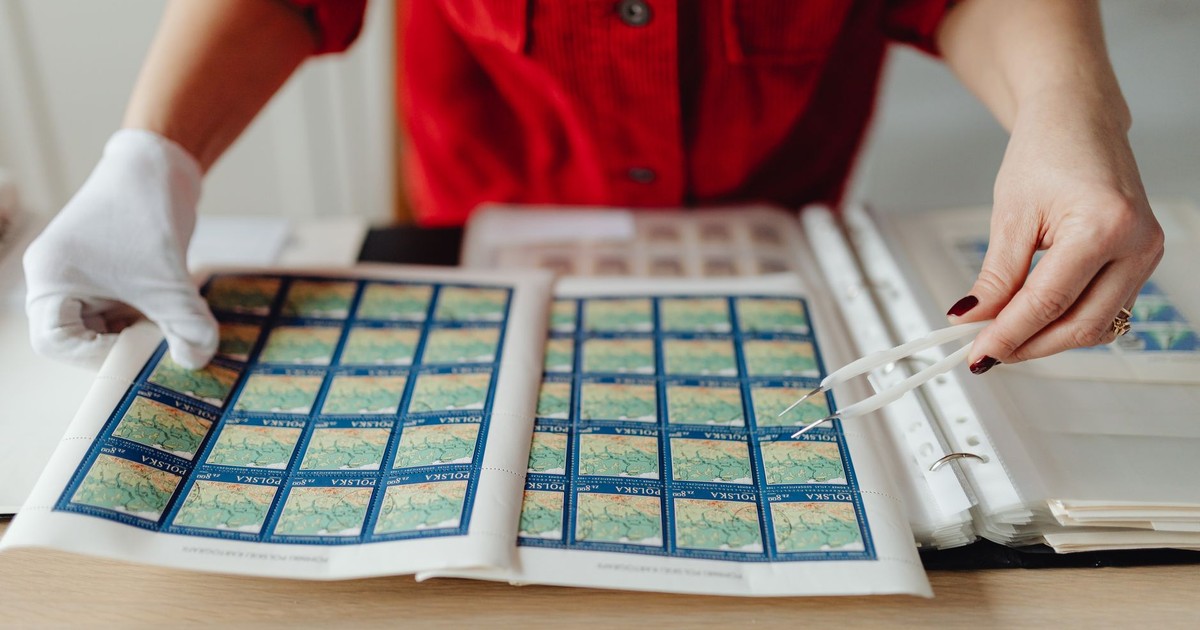
Antique dealer Willow Wright, owner of Urban Redeux, notes that 2025 has been “a great time to sell antiques and vintage pieces for extra income.” Millennials and Gen Z are drawn to sustainable living, which means they’re looking for vintage and antique finds instead of mass-produced goods. Whether it’s furniture, art, housewares, or clothing, these pieces are more marketable than ever.
The category that catches women off guard most often is inherited items – the china set from a grandmother, the crystal glassware from a wedding, the art prints passed down from someone who insisted you’d want them. Special-occasion glassware sets you don’t use can take up significant space. Replacements.com buys china and crystal glassware in good condition and has a straightforward online intake process, making it a practical first stop for anything with a recognizable pattern name.
The guilt around selling inherited items is common and worth naming directly. Keeping something you never use because someone loved it doesn’t honor the object or the memory. It just fills a cabinet.
6. Overgrown Investment Portfolios and Unused Life Insurance Policies

This is the item on the list that feels the least like a “thing” and is often worth the most. Retirement is the right moment to reassess whether your investment allocation still fits your actual timeline and risk tolerance – and whether holdings you’ve kept out of inertia are serving you.
If you own stocks, it’s worth considering selling and downsizing your holdings. While you shouldn’t necessarily sell everything, taking advantage of favorable market conditions to offload some of your portfolio is a good idea. At retirement age, you don’t have the same amount of time to wait for a rebound as someone 20 years younger.
Beyond the portfolio, many women in retirement hold permanent life insurance policies – whole life or universal life products sold decades earlier – that they no longer need for death benefit purposes. These policies often have cash value that can be surrendered. A life settlement (selling the policy to a third party) can yield more than surrender value in some cases. It’s worth a conversation with a fee-only financial advisor who isn’t selling a replacement product.
7. Exercise Equipment and Large Furniture That No Longer Fits Your Life
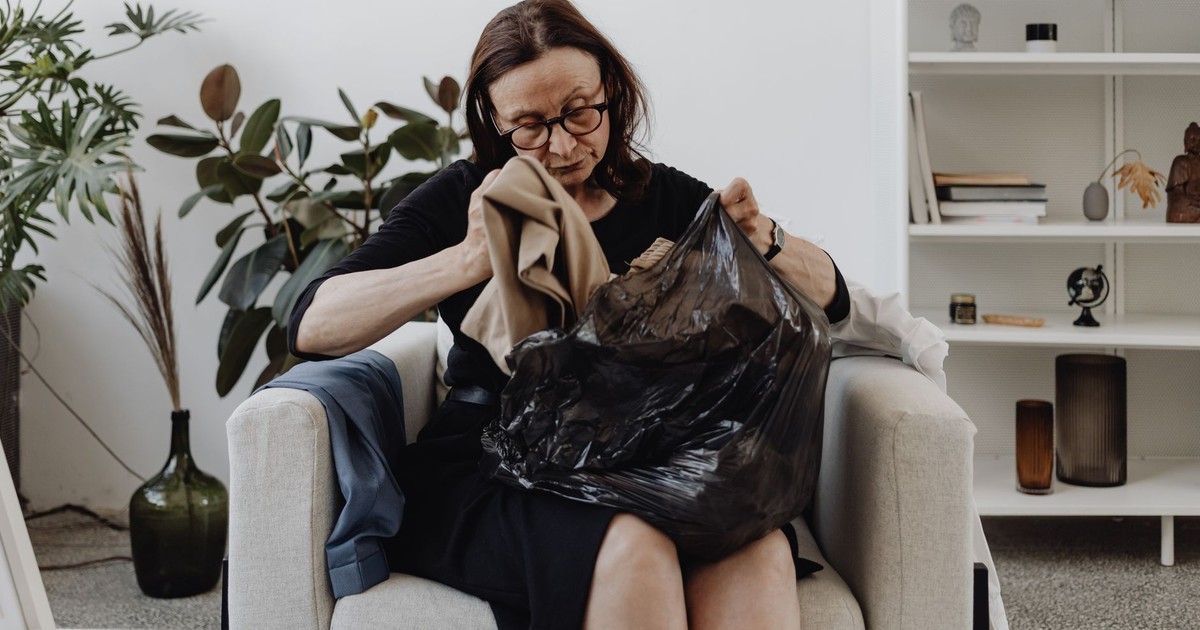
The treadmill is the universally understood symbol of good intentions calcifying into a laundry rack. But it’s also worth real money if you sell it before it fully depreciates.
If you downsize your home, you might no longer have room for exercise equipment, but even if you plan to stay in your current house, you might consider selling your treadmill or stationary bike because of other exercise options available. For example, the SilverSneakers senior fitness program included in your Medicare Advantage Plan lets you visit select gyms and take fitness classes for free. In that case, there’s no need to hold onto equipment you can turn into cash instead.
Large furniture sits in the same category. Downsizing your belongings not only declutters your space but also saves on moving costs. Selling large furniture pieces before you move could save hundreds – or even thousands – on relocation expenses. Facebook Marketplace and AptDeco have made large furniture sales considerably more practical than they used to be; AptDeco will even coordinate pickup and delivery to the buyer, which removes the logistical headache entirely.
The furniture question comes up most when women are selling a family home and suddenly realize they own twelve dining chairs, four sets of guest bedding, and a sectional sofa the size of a small country. Sell early, before the move forces you into rushed decisions and low offers.
The Part Nobody Tells You About Selling Things in Retirement

Only 19% of retired women find retirement to be exactly what they expected, with 26% saying it is not at all what they expected, according to a 2024 Corebridge Financial study. Part of that gap is financial. Part of it is emotional. The two are messier together than anyone’s pre-retirement checklist accounts for.
Selling things in retirement isn’t just a financial exercise. It’s a renegotiation with the life you built: the stuff you kept because you thought you’d use it, the pieces that represented an older version of yourself, the inherited objects weighted with obligation. Getting practical about all of it – the house, the car, the china, the portfolio – is genuinely freeing for most women who do it. Not because the objects didn’t matter, but because the money they generate, and the mental space they clear, matters more at this stage.
While 51% of retired women describe their current financial health as good or very good, 63% wish they had begun saving earlier. That’s a fact you can’t undo. But the items sitting in your garage, your closet, and your too-large house? Those you can do something about today.
Disclaimer: This information is not intended to be a substitute for professional medical advice, diagnosis, or treatment and is for information only. Always seek the advice of your physician or another qualified health provider with any questions about your medical condition and/or current medication. Do not disregard professional medical advice or delay seeking advice or treatment because of something you have read here.
AI Disclaimer: This article was created with the assistance of AI tools and reviewed by a human editor.