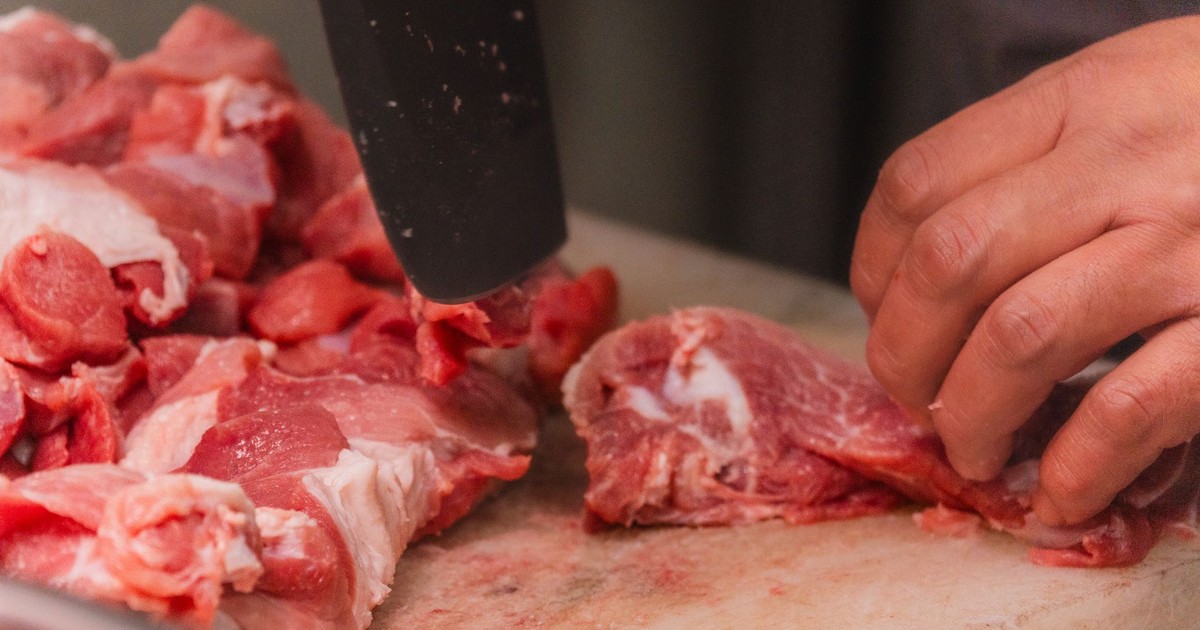

Food safety investigators, outbreak lawyers, and public health scientists have spent their careers investigating what goes wrong when contaminated food reaches the table. They’ve reviewed case files, tracked hospital admissions, and traced outbreaks to their source. Their personal no-go lists aren’t based on fear but on years of watching what certain foods do to people who had no idea the food was dangerous.
Most of them will tell you every meal carries some degree of risk. The real work is figuring out which risks are worth taking. After enough years tracking foodborne illness, a handful of items just don’t make the cut anymore. Not because the odds are catastrophically bad every time, but because the potential downside is severe enough, and the upside is ordinary enough, that the math never quite works out.
Some of the foods on this list are ones you’d expect. Others are in your fridge right now.
1. Raw Milk
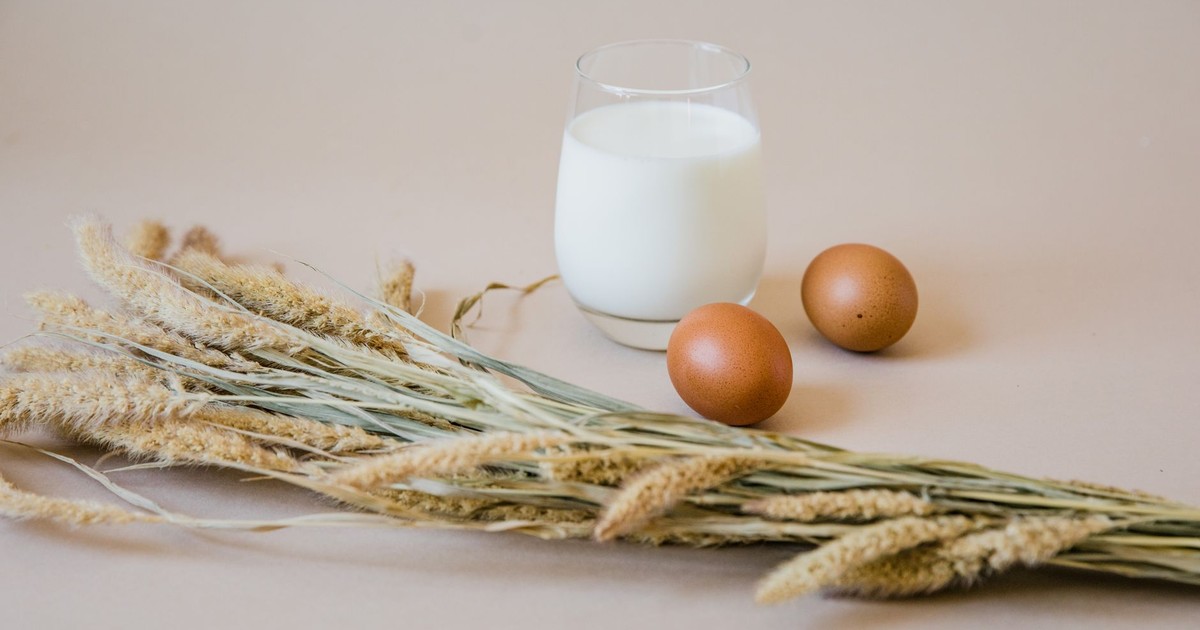
Raw milk generates almost no debate among people who work in food safety. It can carry Salmonella, E. coli, Listeria, Campylobacter, and other pathogens that cause serious foodborne illness. The safety record against it is substantial and consistent.
The FDA reports that from 1998 through 2018, 202 outbreaks linked to drinking raw milk caused 2,645 illnesses and 228 hospitalizations. In late 2025 alone, Campylobacter infections were traced to raw milk in Illinois, and Idaho reported a recent increase in illnesses tied to raw milk consumption.
The risks are especially pronounced for people with weakened immune systems, children, older adults, and pregnant women. Pregnant women face a specific risk from Listeria, which can cause miscarriage or illness or death of the newborn. Pasteurized milk offers the same nutritional profile without any of that.
2. Raw Oysters
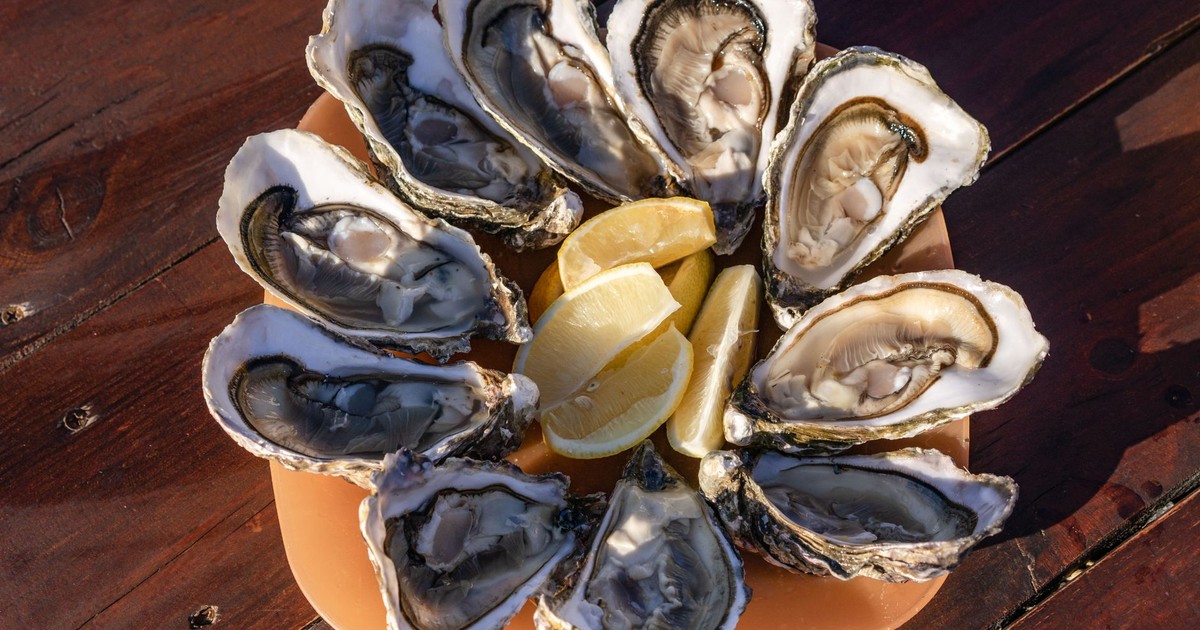
Oysters are filter feeders. They pull large volumes of water through their bodies continuously, and anything living in that water gets concentrated inside the shellfish. By the time an oyster lands on your plate, it has been accumulating whatever was in its water supply for its entire life.
The pathogen most associated with raw oysters is Vibrio vulnificus, a bacterium that thrives in warm coastal waters and causes severe illness in healthy adults and life-threatening illness in anyone with liver disease, diabetes, or a compromised immune system. Refrigeration cannot neutralize Vibrio; it’s already been absorbed into the tissue. Cooking kills it, but that’s not what’s happening at a raw bar.
Tracing the source of an oyster-related outbreak is notoriously difficult. By the time people are sick, the implicated harvest lot is long gone. For experts who have spent years trying to connect illness to source, that lack of traceability is its own red flag.
3. Raw or Undercooked Ground Beef
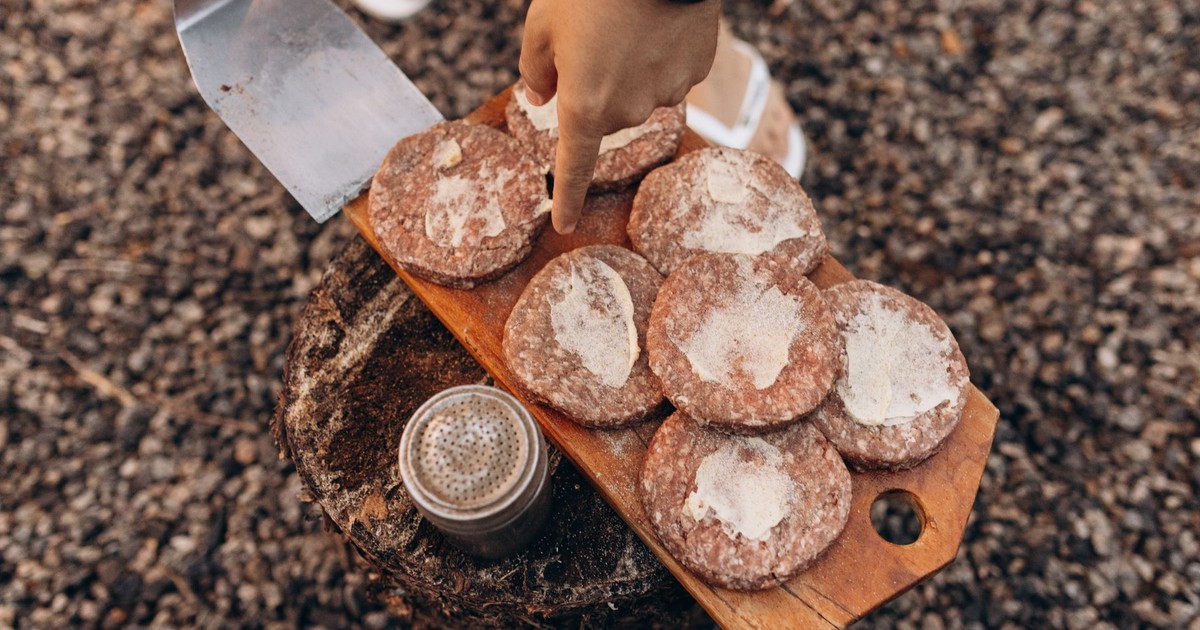
A whole muscle cut of beef carries its bacterial risk on the surface, where heat from a pan or grill takes care of it quickly. Ground beef is a different problem. When beef is ground, surface bacteria get distributed throughout the entire mixture. The center of a medium-rare burger is working with the same contamination risk as the outer surface, and it never gets hot enough to address it.
Undercooked ground beef can carry Campylobacter, E. coli, Listeria, Salmonella, and Toxoplasma, with symptoms ranging from diarrhea, cramping, and fever to life-threatening complications. The E. coli strain O157:H7 produces a toxin that can cause hemolytic uremic syndrome (kidney failure) in children, and it has been responsible for some of the most consequential foodborne illness outbreaks in U.S. history.
The USDA-recommended minimum internal temperature for ground beef is 160°F, which takes it well past the pink-center stage most people associate with a good burger. Food safety professionals don’t order medium-rare burgers at restaurants. At home, they use a thermometer.
4. Raw Sprouts
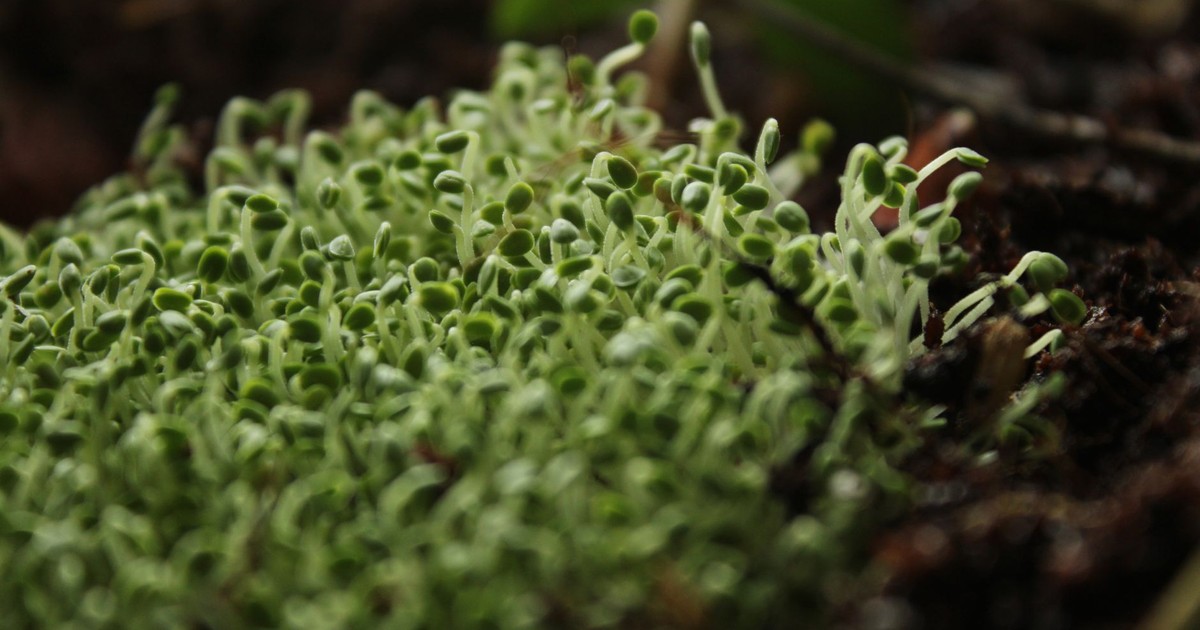
Sprouts need warm, humid environments to germinate, which are exactly the same conditions that bacteria need to multiply. When a seed is contaminated with Salmonella or E. coli, those pathogens get a headstart in the sprout’s ideal growing environment, and rinsing alone does not reliably remove them.
The University of Connecticut’s food safety program reports that since 1990, raw or slightly cooked sprouts have caused an estimated 2,308 illnesses in the United States through 38 known outbreaks. The FDA advises that children, older adults, pregnant women, and anyone with a weakened immune system should not eat raw sprouts at all.
Contamination originates at the seed level and the growing conditions amplify it. Even commercially grown sprouts from reputable suppliers have been involved in outbreaks. Cooking sprouts eliminates the risk. Raw is where it gets complicated.
5. Unpasteurized Juice and Cider
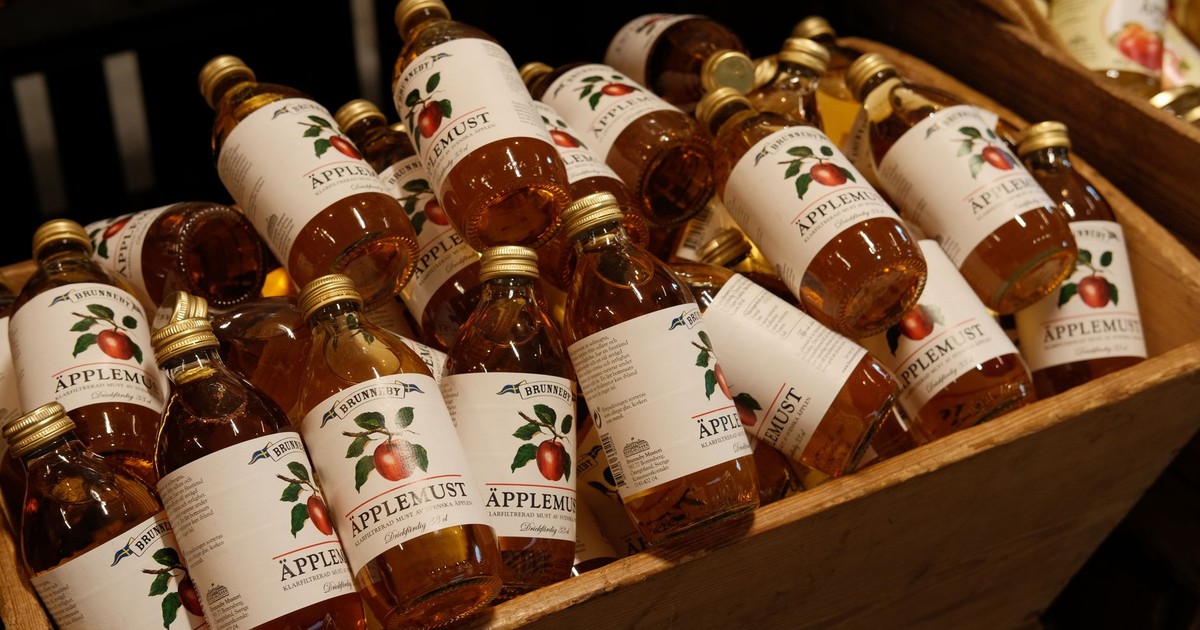
Food safety professionals treat unpasteurized juice the same way they treat raw milk: a beverage where the processing step that kills pathogens has been skipped. Pasteurization removes disease-causing germs by heating to a high enough temperature for a set period of time. Without it, any E. coli or Cryptosporidium present in the fruit stays in your glass.
The 1996 Odwalla E. coli outbreak, in which unpasteurized apple juice sickened 70 people and killed a 16-month-old child, directly led to FDA labeling requirements for unpasteurized juices. Food safety experts note that this warning exists for a reason.
Commercially pasteurized juice is safe and nutritionally comparable to fresh-pressed. If you want fresh-pressed, look for juice that has been treated with UV light or high-pressure processing, both of which kill pathogens without heat.
6. Raw Flour
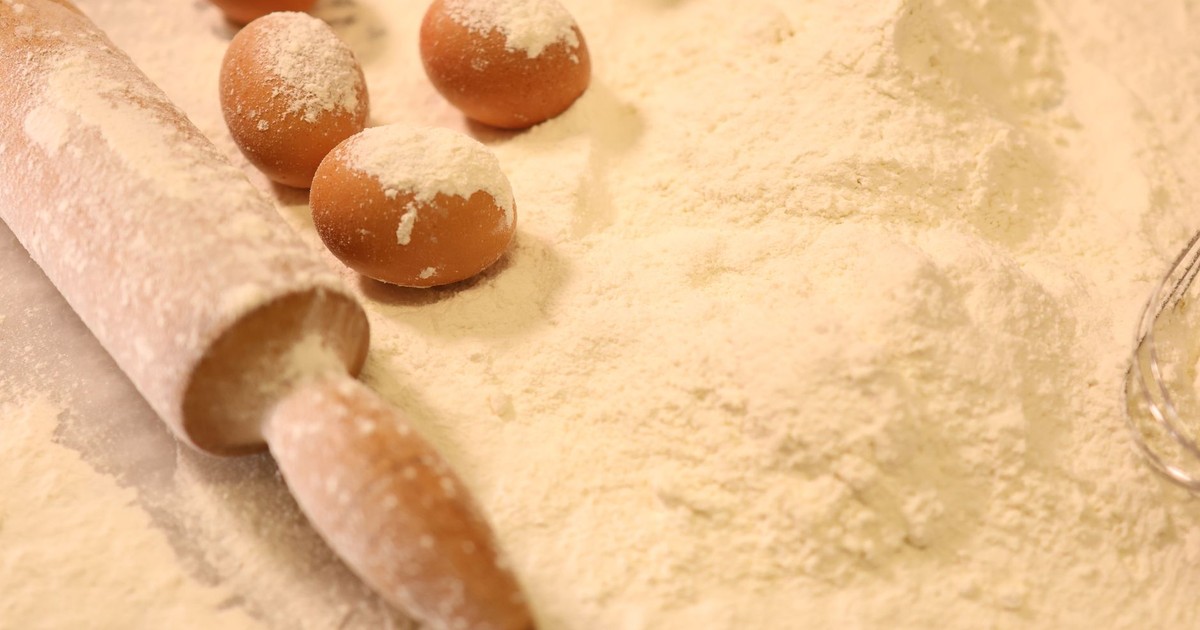
Flour surprises people because it doesn’t look like a risky food. It’s dry, shelf-stable, and usually associated with baking. But more consumers are using it in no-bake recipes, edible cookie dough, and homemade treats that never reach pathogen-killing temperatures.
Wheat grows outdoors and can be exposed to animal waste, contaminated water, and dust before it’s ever processed. E. coli and Salmonella can survive in dry flour for months. The baking step, temperatures of 350°F or higher, is what makes it safe. Skipping that step, even just to taste the batter, skips the safety measure.
The 2016 General Mills flour recall sickened 63 people across 24 states with E. coli O121. Many of them reported that they had tasted raw dough or batter. The FDA now includes a specific warning about raw flour on its food safety pages: don’t taste it, and don’t give it to children to play with.
7. Pre-Cut Fruit and Vegetables
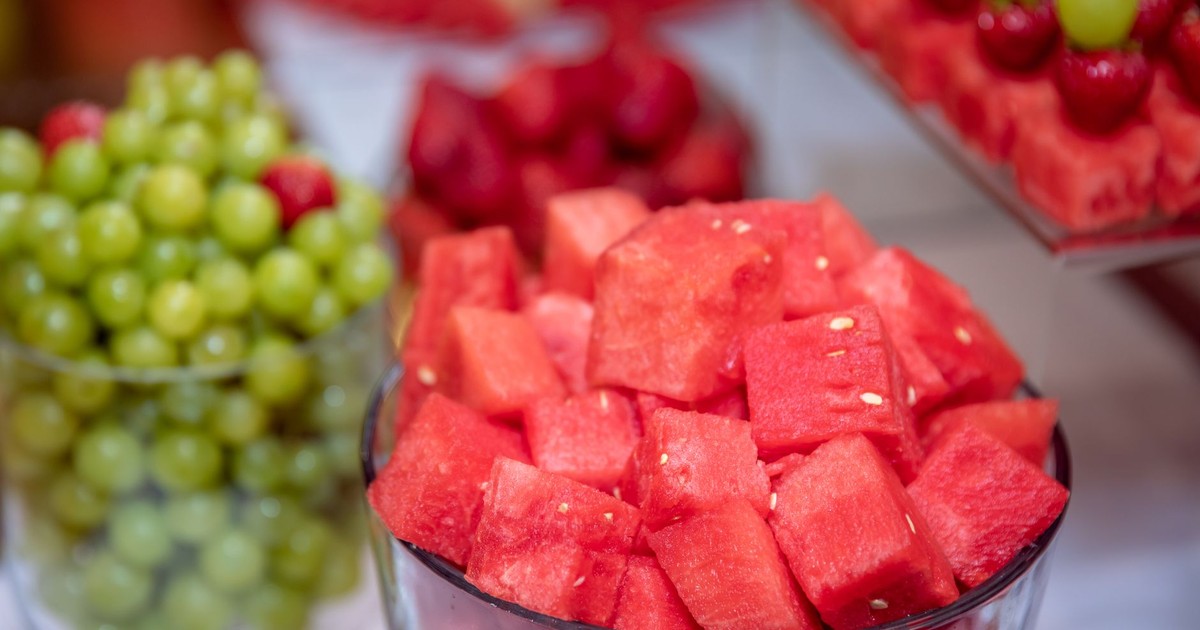
When fruit is cut, the rind or skin, which acts as a physical barrier against surface bacteria, is removed, and the moist inner flesh is exposed. That exposure, combined with the time pre-cut fruit spends in refrigerated display cases or in sealed bags, gives bacteria an extended opportunity to multiply.
Pre-cut cantaloupe has been at the center of multiple serious Salmonella outbreaks. In 2023, a Salmonella outbreak linked to cantaloupes and pre-cut cantaloupe products ultimately sickened 407 people across 44 states, according to the final CDC count. The FDA notes that whole intact melons carry far lower risk because the protective rind keeps surface bacteria out of the flesh.
If you’re buying pre-cut fruit, eat it the same day and keep it consistently refrigerated below 40°F. But if you want what the experts actually do: buy whole fruit and cut it yourself right before eating.
8. Deli Meats (Eaten Straight From the Package)
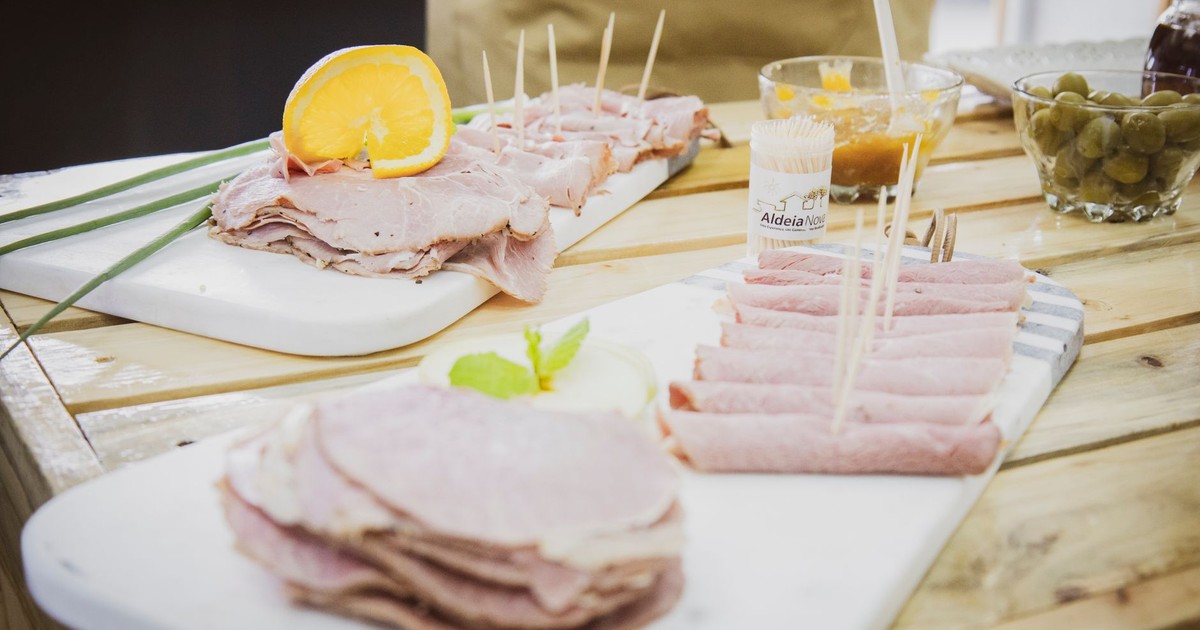
Listeria monocytogenes grows at refrigerator temperatures. Most bacteria slow down significantly when chilled; Listeria doesn’t. It multiplies slowly but steadily in your fridge, which means deli meats that have been sitting for several days can accumulate enough of it to cause illness.
Listeriosis, the illness Listeria causes, is relatively rare in healthy adults but carries a fatality rate of around 20 to 30 percent in vulnerable populations, particularly pregnant women, newborns, older adults, and people with compromised immune systems. For pregnant women, Listeria infection can cause stillbirth, miscarriage, and premature delivery, even when the mother’s own symptoms are mild or absent.
The CDC advises that people at higher risk for Listeria infection should take extra precautions with deli meats, including those sliced at deli counters, because Listeria can grow on these products even under refrigeration.
9. Raw Eggs (Including Cookie Dough and Homemade Caesar Dressing)
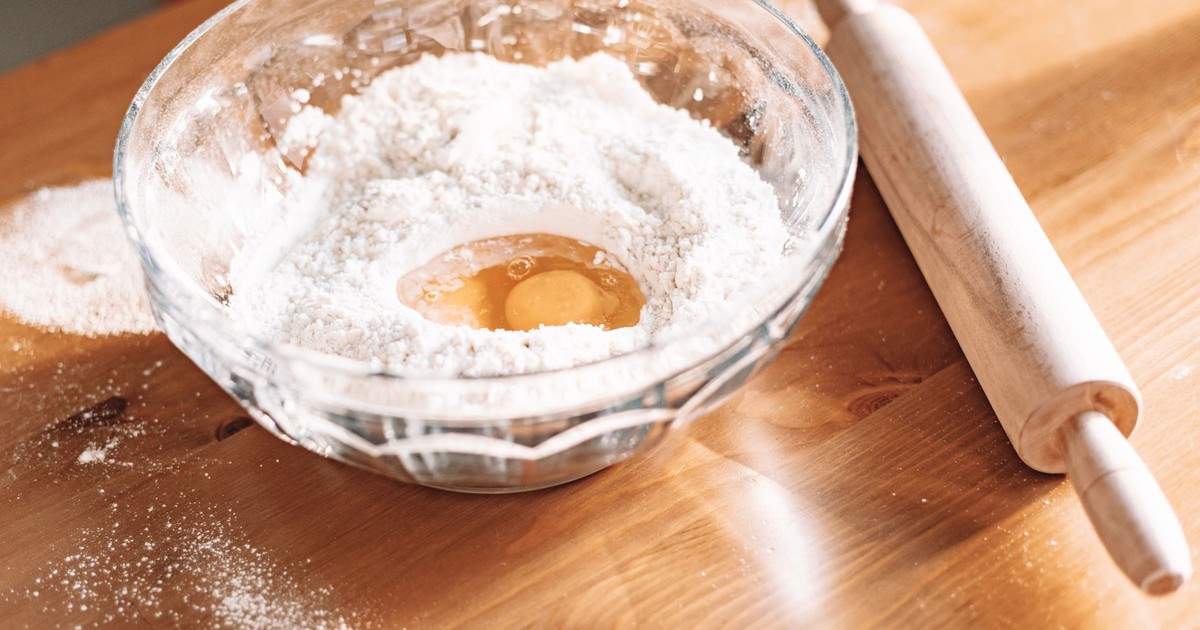
Salmonella enteritidis lives inside the egg itself, not just on the shell. Washing the shell doesn’t help. The contamination is already in the white and yolk. About 1 in 20,000 eggs in the U.S. is estimated to contain Salmonella, which sounds low until you’re making a large batch of homemade aioli with eight raw yolks, or a tiramisu for a dinner party.
Food safety experts don’t eat raw or undercooked eggs. The minimum internal temperature for cooked eggs is 145°F, which effectively kills any Salmonella present. For recipes that call for raw eggs, homemade Caesar dressing, mousse, certain frostings, pasteurized liquid eggs are the safe substitute.
The risk category includes classic Caesar salad made with raw egg yolk, hollandaise sauce held at low temperatures, homemade ice cream base that isn’t cooked, and licking the brownie batter off the spoon. The CDC reports that Salmonella is a leading cause of foodborne illness in the United States. As recently as 2024, a multistate Salmonella Enteritidis outbreak linked to eggs sickened 93 people across 12 states.
10. Potluck Foods Left Out for Hours
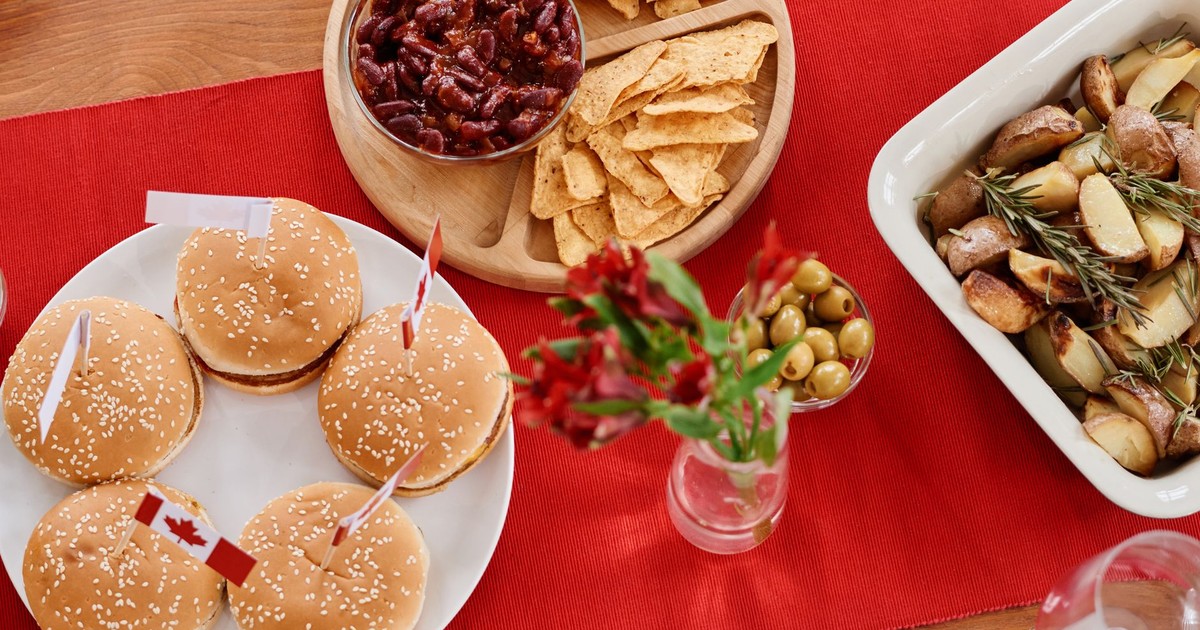
The two-hour rule exists because bacterial growth in the danger zone between 40°F and 140°F is rapid. Any perishable food left at room temperature for more than two hours should be discarded.
The potluck table is where the danger zone lives at its most optimistic. The macaroni salad arrived at noon. It’s 3pm. Nobody knows when the pasta was made. The mayonnaise-based dishes, the rice, the cut fruit, the deviled eggs: all of them have been sitting at whatever temperature the room happens to be. Food safety professionals scan that table and make very different choices than everyone else does.
Bacteria like Staphylococcus aureus produce heat-stable toxins in food that’s been at room temperature for extended periods. Those toxins can’t be destroyed by reheating. The food might look, smell, and taste perfectly fine.
The Risk Is Real, Whether You Can See It or Not

The thread running through all ten of these foods is the same: the hazard is invisible. You can’t see Listeria in your deli turkey. You can’t taste E. coli in your flour. You can’t tell by looking at a raw oyster whether the water it came from was clean. Food safety is one of those domains where the absence of symptoms most of the time makes it genuinely hard to take the risk seriously, until you or someone you love becomes one of the cases.
The experts who study this aren’t operating from anxiety. They’re working from a recognition that certain foods have a track record, and that track record doesn’t disappear just because today’s batch seems fine. Most of the swaps are easy: pasteurized over unpasteurized, cooked over raw, a food thermometer over a guess, same-day over three-days-later. The knowledge that people who spend their careers in food safety kitchens act on isn’t complicated. It’s just applied consistently, meal after meal.
Disclaimer: This information is not intended to be a substitute for professional medical advice, diagnosis, or treatment and is for information only. Always seek the advice of your physician or another qualified health provider with any questions about your medical condition and/or current medication. Do not disregard professional medical advice or delay seeking advice or treatment because of something you have read here.
AI Disclaimer: This article was created with the assistance of AI tools and reviewed by a human editor.