

Early doubters searching for evidence of Shakespeare as an author found no manuscripts, papers, or books he owned. For the man credited with dozens of plays and 154 sonnets, not one page of original manuscript has ever been found.
The man from Stratford left almost no paper trail. No letters in his hand. No manuscripts. No library. When neighbors in Stratford-upon-Avon recorded his death in 1616, nobody thought to note that the greatest writer in the English language had just died. His son-in-law, a physician, kept a detailed diary for decades. Shakespeare’s name doesn’t appear in it once.
Writers didn’t carry their reputations home to small market towns in the 17th century, or the silence is one of the most conspicuous gaps in literary history. Two former US Supreme Court Justices, the late Sandra Day O’Connor and John Paul Stevens, were among the luminaries who signed a petition put forward by the Shakespeare Authorship Coalition questioning who really wrote the plays.
Stratfordians hold that existing evidence and historical practice support Shakespeare’s authorship, while Anti-Stratfordians argue that Shakespeare’s biography does not fit the intellectual profile suggested by the plays. What follows is the strongest case each side can make. Let’s start with the 7 reasons why historians think he did have a ghostwriter.
1. The “Lost Years” Nobody Can Account For
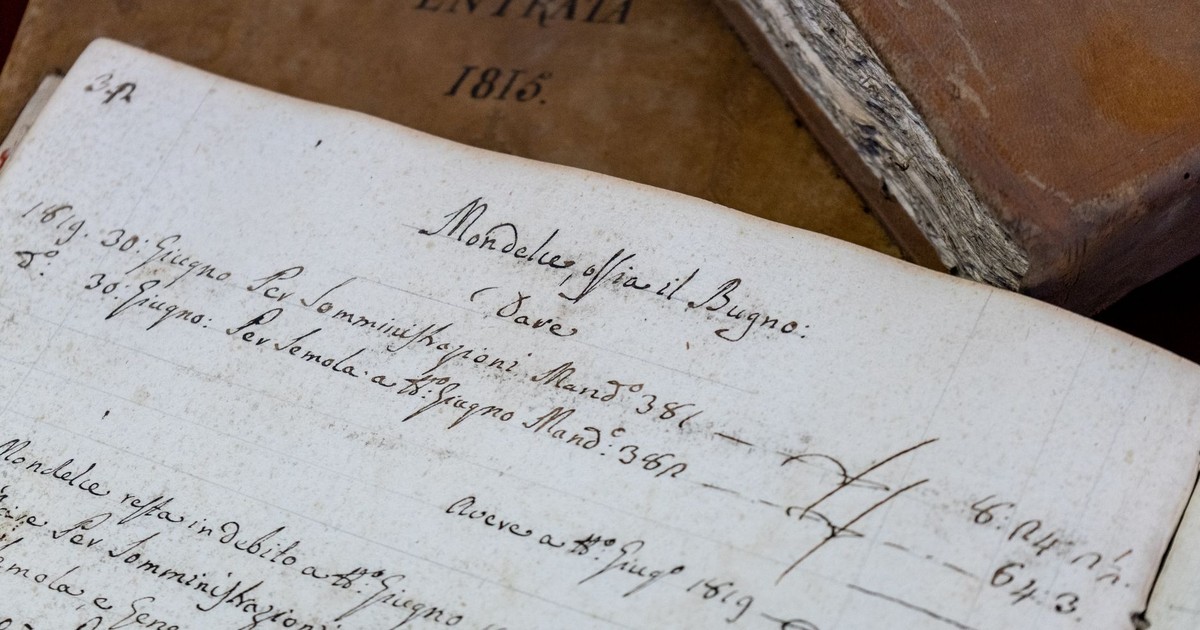
Little information exists about Shakespeare’s life from 1585 to 1592. The missing period preceded his first poem, Venus and Adonis, published in 1593. For a man who would go on to produce works dense with legal knowledge, Italian geography, courtly etiquette, and classical scholarship, the absence of any documented education, travel, or apprenticeship during this window is striking.
The plays require a writer who had, at minimum, a working familiarity with the Italian cities he depicted, with the inner workings of royal courts, and with legal procedure precise enough to make lawyers stop and nod. None of that learning has ever been traced to any identifiable period in Shakespeare’s life. Stratfordians respond that the era didn’t produce the kind of paperwork that would confirm such things, but the skeptics counter that the era did produce documentation for comparable writers. We know a great deal about Christopher Marlowe’s movements and Christopher Marlowe’s education.
2. The Education Gap

Shakespeare is believed to have been educated at King Edward VI School in Stratford. His works feature an immense vocabulary that suggests higher learning. The plays reference Ovid in the original Latin, draw on Plutarch, engage with legal terminology, and demonstrate familiarity with medicine, music theory, and astronomy.
Anti-Stratfordians point to his grammar school education and middle-class socioeconomic status, which seems at odds with the sophisticated understanding of law, philosophy, foreign languages, and aristocratic culture evident in his works. A grammar school education in Elizabethan Stratford would have covered Latin and rhetoric, but it falls well short of explaining a writer who appears fluent in the texture of aristocratic life from the inside.
3. Not a Single Manuscript Survives
Early doubters searching for evidence of Shakespeare as an author found no manuscripts, papers, or books he owned. For the man credited with dozens of plays and 154 sonnets, not one page of original manuscript has ever been found.
Most Elizabethan play manuscripts have been lost, but the absence sits awkwardly alongside the absence of any other writerly artifacts. No letters to colleagues, no drafts, no annotated books, no evidence of correspondence with publishers or patrons. Only six surviving signatures remain, each spelled differently, all poorly executed. His detailed will contains no books, manuscripts, or literary effects of any kind. Critics have argued that the hyphenated form “Shake-speare” appearing on some title pages reads less like a surname and more like a pseudonym.
4. The Will Says Nothing About Writing
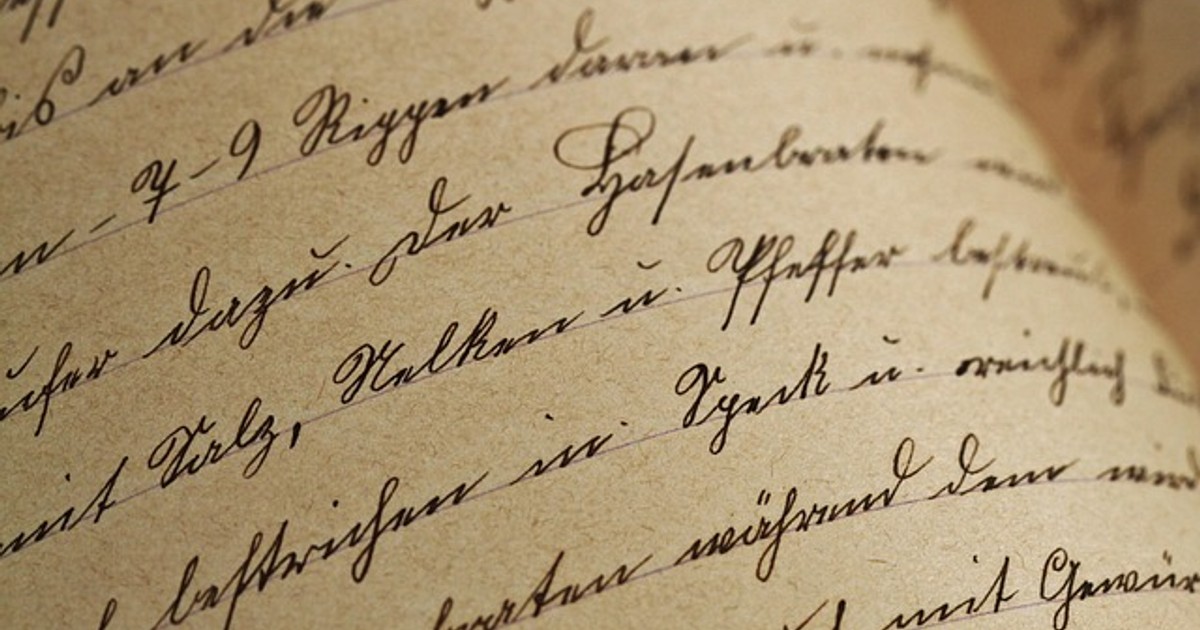
Shakespeare’s will mentions money, silver, a second-best bed, and household goods. It does not mention any books, manuscripts, plays, or poems. For a man who had by this point produced a body of work that was already famous across England, the complete absence of any literary reference in his final legal document is at least unusual.
The will also fails to mention any of the close friendships with fellow writers that one might expect from the central figure of London’s literary world. No writing materials or furniture, no art works or musical instruments. Nor did he leave any bequest for education, not to the Stratford grammar school, or even to educate his own grandchildren.
5. His Contemporaries Were Oddly Vague
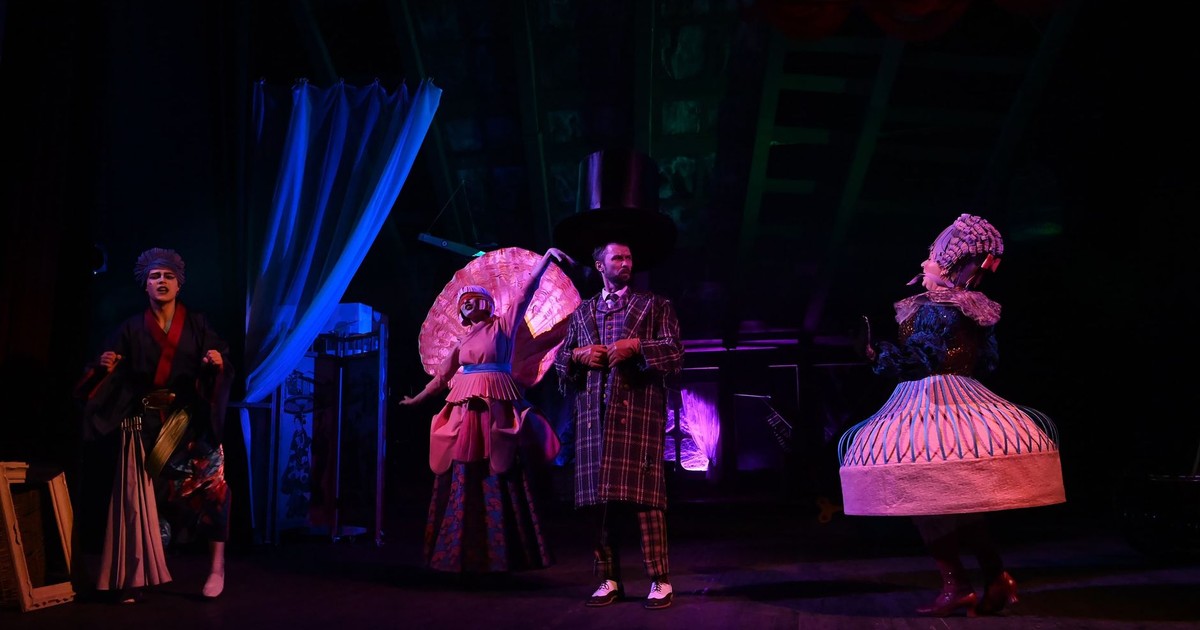
References to the author during Shakespeare’s lifetime were impersonal, veiled, or cryptic. Some suggested “Shakespeare” was a pseudonym and that a frontman was involved. The title of a 1611 epigram even addressed “Shake-speare” as “our English Terence”, and Terence was an ancient Roman playwright notorious as a suspected frontman for two hidden, aristocratic writers.
The comparison to Terence appeared in multiple contexts, and the scholars who raise it argue this was not a casual literary compliment but a knowing wink to a specific arrangement that readers of the day would have understood. The plays were praised lavishly during Shakespeare’s lifetime, but the praise was often aimed at the work, not the man behind it.
6. The Elizabethan Theatre Ran on Collaboration

At least half the plays from the public theater of Shakespeare’s time were collaborative efforts. The model of the solitary genius sitting alone writing masterpieces is a Romantic-era invention. Scripts were often group productions, revised constantly, and handed between writers based on company needs.
Evidence exists that Shakespeare wrote Titus Andronicus together with George Peele, Timon of Athens with Thomas Middleton, Pericles with George Wilkins, and Henry VIII and The Two Noble Kinsmen with John Fletcher. Anti-Stratfordians suggest the true author was always in the background, with the name “Shakespeare” functioning as the face of a larger, hidden operation.
7. The Alternative Candidates Are Genuinely Plausible
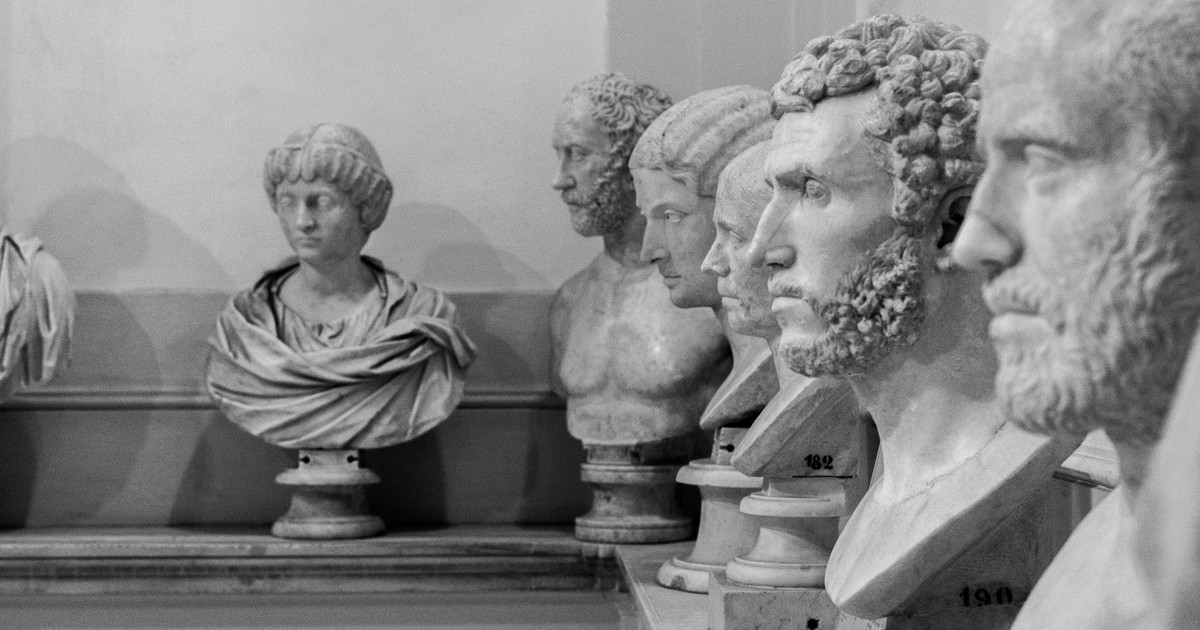
Proposed alternative authorship candidates include Edward de Vere, the Earl of Oxford; Sir Francis Bacon; Christopher Marlowe; and even a collaborative group of writers. De Vere was one of the most educated men in Elizabethan England, a documented patron of theatre companies, and a poet whose surviving verse shares stylistic characteristics with the Shakespeare canon. Bacon was a lawyer and philosopher whose writing demonstrates the kind of legal precision scattered throughout the plays. Marlowe, if you accept the fringe but documented theory that he faked his death in 1593, would have had both the talent and the motive for exactly this kind of arrangement.
None of these candidacies is without serious problems. De Vere died in 1604, before several of the plays were written; Marlowe’s faked-death theory requires a conspiracy of considerable complexity. But the fact that multiple intelligent, well-credentialed people have made serious academic cases for each of them tells you something about the depth of the doubt surrounding the man from Stratford.
Now for the 7 signs that show he likely did not have a ghostwriter.
1. His Colleagues Named Him Directly

Heminge and Condell had worked with Shakespeare for years and, like him, were actors and shareholders in the King’s Men. By the time of the First Folio, Heminge was the company’s business manager. Shakespeare left money to both men in his will to buy memorial rings. The First Folio of 1623, assembled by these two colleagues, explicitly credited the plays to Shakespeare. These were men who had spent decades in the same acting company he co-owned.
About half of Shakespeare’s plays had never previously appeared in print, including The Winter’s Tale, As You Like It, Julius Caesar, Macbeth, and The Tempest. Without the First Folio, 18 of Shakespeare’s plays might have been lost forever. For a conspiracy of concealment to hold, Heminges and Condell would both have had to knowingly perpetuate a fraud in the very document that honored their dead colleague.
2. Ben Jonson Vouched for Him

Ben Jonson was the most celebrated playwright of the era besides Shakespeare himself, and famously difficult to please. He mocked other writers without mercy and didn’t hesitate to start feuds. He also personally knew Shakespeare and praised him in terms that make no sense if Shakespeare was simply a front man. Jonson contributed a commendatory poem to the First Folio that praised the author as “Soul of the Age” and “Sweet Swan of Avon”, a geographical reference that only makes sense if the author was literally from Avon, as Shakespeare of Stratford was.
Jonson also wrote in his private notebooks, not intended for public display, about conversations and interactions with Shakespeare. If Shakespeare was a fiction, Jonson was either the most elaborate co-conspirator in literary history or a man who had no idea he was being deceived by someone he spent years knowing personally.
3. Collaboration Was Normal and Documented Openly
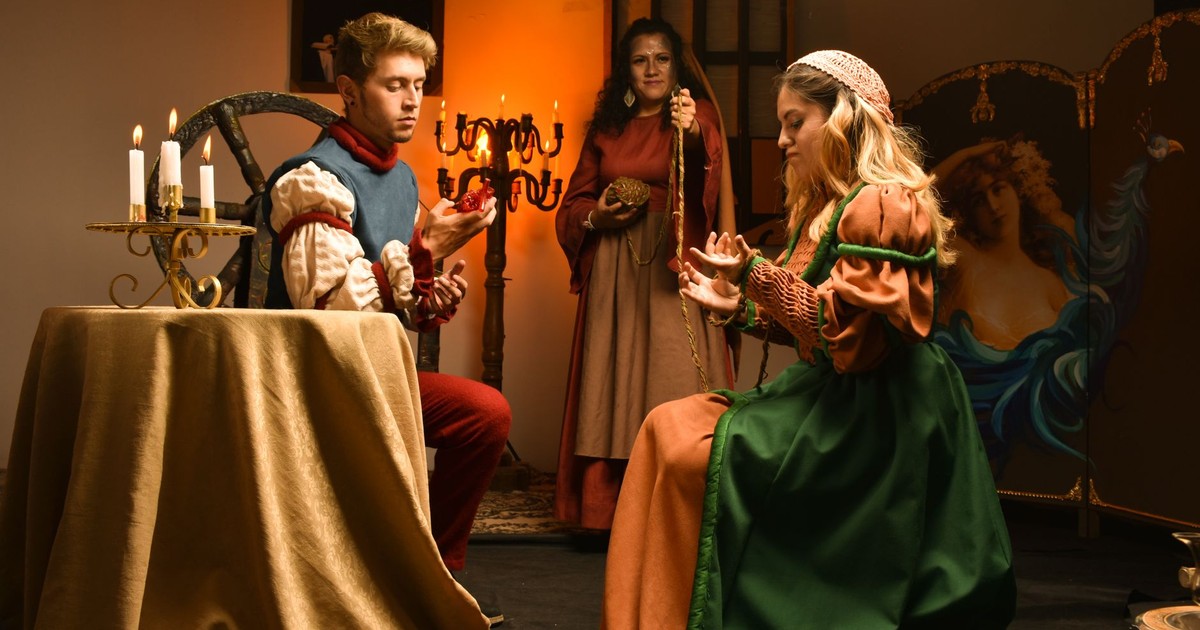
Shakespeare co-wrote plays, and when Elizabethan writers collaborated, they often said so. Shakespeare is known to have collaborated with Fletcher on The Two Noble Kinsmen, published as a quarto with both dramatists’ names on the title page in 1634. The arrangement was neither secret nor shameful.
Evidence suggests that publishers considered single-authored plays to be easier to market. The compilers of the First Folio present Shakespeare as sole author. This means the First Folio’s emphasis on Shakespeare’s individual authorship was, if anything, a commercial decision to simplify, not evidence of concealment. The books sold better with one famous name.
4. Grammar School Was Genuinely Rigorous

Elizabethan grammar schools ran intensive curricula in Latin, rhetoric, classical literature, and logic, sometimes six days a week, ten hours a day. A boy who completed the King Edward VI curriculum in Stratford would have read Ovid, Virgil, Cicero, and Terence in the original Latin.
Defenders of Shakespeare’s authorship emphasize the plausibility that Shakespeare, an “alert Elizabethan,” could have accessed sufficient knowledge to author the plays. Much of what the plays appear to “know” about law, medicine, and courts was available through printed sources that any literate Elizabethan could read. The research didn’t require direct experience, it required access to books, and London had bookshops.
5. The Oxfordian Theory Has a Fatal Flaw
The most popular alternative candidate is Edward de Vere, the 17th Earl of Oxford. The theory is elaborate, the biographical parallels between de Vere’s life and events in the plays are intriguing, and it has attracted serious defenders. But de Vere died in June 1604. Shakespeare’s Macbeth, King Lear, Antony and Cleopatra, and The Tempest were all written after that date.
This requires believing that de Vere either wrote the late plays before he died and they were stockpiled and released with careful backdating, or that he somehow anticipated historical events, like the 1605 Gunpowder Plot, which appears to echo in Macbeth, before they happened. Debates among advocates of the up to 87 different alternative candidates would discredit each one and leave Shakespeare the last author standing.
6. Contemporary Records Are Actually Consistent

Anti-Stratfordians often characterize the historical record as suspiciously thin, but Stratfordians argue the record is exactly what you’d expect given the era. The records that do exist, tax documents, legal filings, theatre records, property transactions, consistently show a William Shakespeare operating as a professional playwright in London at precisely the period when the plays were being produced.
He is named in legal disputes involving the Globe Theatre. He is named in accounts of court performances. His name appears in contemporary diaries as someone who attended to literary business in person. None of these documents suggests a man living a double life, fronting for an anonymous aristocrat, or maintaining a fiction about his own identity.
7. Modern Stylometrics Has Tested the Question

A 2025 study published in Digital Scholarship in the Humanities introduced a novel computational methodology called the “Deep Impostor” approach to investigate the Shakespeare authorship question by analyzing stylistic patterns across the canon. Using deep neural networks, the method clusters Shakespearean works into groups and identifies a subset of fifteen texts as stylistically inconsistent with Shakespeare’s authentic style, suggesting possible alternative authorship or co-authorship on a portion of the work. That finding supports collaboration on specific plays but also reinforces that the bulk of the canon carries a single, consistent voice.
Stylometry, the statistical analysis of writing style, has advanced dramatically in the past two decades, and its findings have generally not been kind to the alternative authorship theories. The computational tools that can now map an author’s vocabulary choices, sentence rhythms, and grammatical habits across a large body of work have found consistent patterns throughout the Shakespeare canon, patterns that, when tested against proposed alternative authors like Marlowe or de Vere, don’t match.
What the Silence Actually Proves

The Shakespeare ghostwriter theory is not going to be resolved by any individual piece of evidence. The anti-Stratfordians read the gaps, no manuscripts, no library, no letters, an oddly literary-free will, as meaningful. The Stratfordians read the same gaps as perfectly ordinary for the period and point to the positive record: named by colleagues, praised by Jonson, documented in London’s commercial theatre world at every turn.
Both positions involve an act of interpretive faith, which is probably why the question has attracted so many lawyers and so few definitive answers. What does seem clear, and what the latest computational research reinforces, is that the plays themselves were written by someone with a remarkably consistent voice across four decades of work. Whether that voice belonged to the man from Stratford, or to someone who preferred the world never know their name, the question turns out to say as much about us, about how badly we want great art to come from a legible life, as it does about 16th-century England.
Disclaimer: This information is not intended to be a substitute for professional medical advice, diagnosis, or treatment and is for information only. Always seek the advice of your physician or another qualified health provider with any questions about your medical condition and/or current medication. Do not disregard professional medical advice or delay seeking advice or treatment because of something you have read here.
AI Disclaimer: This article was created with the assistance of AI tools and reviewed by a human editor.