
One hand on the wheel, the other unwrapping something warm and salty before 8am. Nobody’s judging. The question is whether what’s in that wrapper is worth your time, your money, and the forty grams of saturated fat it might be carrying.
Fast food breakfast sandwiches vary dramatically in quality and nutrition. McDonald’s breakfast sandwiches span a wide range of sodium, from under 800mg to well over 1,000mg depending on the item. Burger King’s lineup averages closer to 1,040mg, and Wendy’s sits between them at roughly 920mg. The FDA’s recommended daily sodium limit is 2,300mg. A single breakfast sandwich at some chains uses up nearly half that budget before 9am.
What follows is a ranking of 12 fast food breakfast sandwiches from worst to best, judged on taste, value, ingredient quality, and nutrition. The bottom of the list rewards sandwiches that deliver protein, hold together structurally, and taste worth eating.
1. Burger King Double Sausage, Egg & Cheese
Burger King’s Double Sausage, Egg & Cheese sounds indulgent in a fun way and delivers indulgent in an alarming way. Two sausage patties, a folded egg, and American cheese stacked on a croissant or biscuit. It’s a lot of sandwich, and not in a way that rewards you.
According to nutrition trackers, the sandwich runs around 730 calories, over 40 grams of fat, and approximately 1,580mg of sodium. That sodium figure means you’re eating more than two-thirds of your recommended daily intake in one breakfast item before your first coffee. The protein return on that fat and sodium investment is around 33-34 grams, not exceptional enough to justify the rest of the numbers.
Croissants and biscuits both use more butter than other bread types, which directly increases the calorie count. Burger King leans heavily on both. The flavor is salty, fatty, warm. The structural integrity is poor, everything slides around, and you finish it feeling like you owe your cardiologist an apology. Worst on this list.
2. Dunkin’ Sausage Egg & Cheese Croissant
Dunkin’ does coffee and donuts well. The Sausage Egg & Cheese Croissant is not their best work. The croissant deflates almost immediately on contact with the heat of the sandwich, and the sausage patty has a processed, uniformly seasoned quality.
At around 640-650 calories, 43 grams of fat, 18 grams of saturated fat, and over 1,100mg of sodium, it ranks among the higher-sodium items in fast food breakfast. The croissant format adds calories without adding structural support or nutritional value.
The protein content at around 22-24 grams is respectable, but the sodium-to-protein ratio is punishing. Dunkin’ has good breakfast options. This isn’t one of them.
3. McDonald’s Sausage McGriddle
The McGriddle is one of the more divisive items in fast food history. The divide usually runs along the sweet-versus-savory breakfast line. The syrup-infused griddle cakes that replace the bun are baked with maple syrup flavor, and for a certain kind of person on a certain kind of morning, that combination of sweet and salty is compelling. For another kind of person, it tastes like someone accidentally put their pancakes on top of their sausage patty.
The Sausage McGriddle without egg clocks in at around 430 calories, but adding egg brings you closer to 550 calories and pushes sodium above 1,100mg. The saturated fat content from the pork sausage and the butter-enriched griddle cakes stacks up quickly. The McGriddle’s signature sweetness comes at the cost of notably higher sugar content than almost anything else in the McDonald’s breakfast lineup.
The McGriddle’s sugar load on top of its sodium and saturated fat makes it difficult to feel good about. The concept is interesting. The execution leaves you reaching for water an hour later.
4. Wendy’s Breakfast Baconator
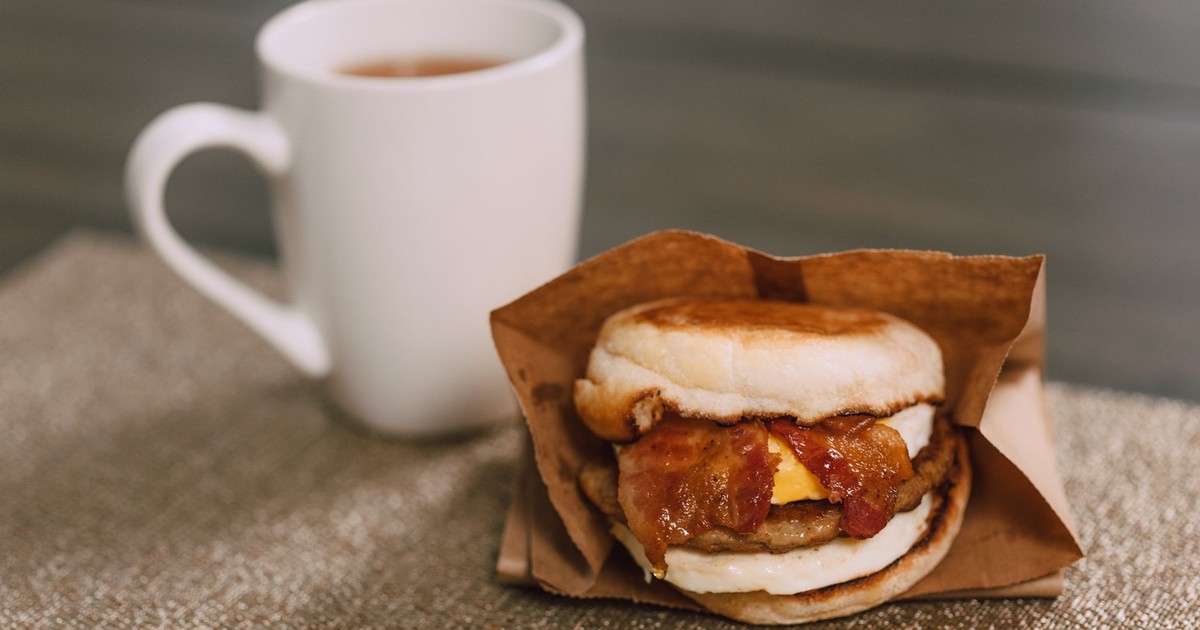
Wendy’s didn’t launch breakfast until 2020, but it came out swinging. The Breakfast Baconator is the most aggressively constructed fast food breakfast sandwich on this list: a sausage patty, six strips of bacon, a fried egg, American cheese, and Swiss cheese sauce on a brioche bun.
According to nutrition data, the Breakfast Baconator contains 730 calories, approximately 33-34 grams of protein, and roughly 1,580mg of sodium. That protein count distinguishes it from the Burger King and Dunkin’ offerings above. The problem is that it also delivers an enormous amount of saturated fat between the sausage, six strips of bacon, two types of cheese, and the enriched brioche bun. You’re eating two or three breakfasts’ worth of fat in one sitting.
For people who prioritize protein above everything else, the Breakfast Baconator makes a certain kind of sense. For most people eating breakfast most mornings, it’s more sandwich than any single meal should be. The flavor is excellent, but it belongs in the special occasion column, not the weekday routine.
5. Jack in the Box Ultimate Breakfast Sandwich

Jack in the Box is a chain that doesn’t always get its due in national breakfast conversations, partly because its footprint is concentrated in the West and South. The Ultimate Breakfast Sandwich is exactly what the name suggests: two eggs, two strips of bacon, a sausage patty, ham, and American cheese on a croissant.
A 2025 Hers analysis of over 90 fast food breakfast sandwiches found the Jack in the Box Ultimate ranked among the heaviest items by combined fat and sodium. The croissant base, loaded with butter, adds significant saturated fat before the fillings even enter the picture. With two protein sources (bacon and sausage) plus ham and two eggs, the sodium accumulates at every layer.
The combination of ingredients is cohesive. The eggs aren’t rubbery, the meats are distinct rather than blending into a single processed mass, and you get real value for the price. But this is a sandwich for a specific morning: one where you skipped dinner the night before and have a long physical day ahead of you. As a daily breakfast, it’s too much by almost every measure.
6. Chick-fil-A Sausage, Egg & Cheese Biscuit

Chick-fil-A’s biscuits are the best biscuit base of any major fast food chain. Buttery, flaky, warm. That quality is both the point and the problem when it comes to the Sausage, Egg & Cheese Biscuit. The biscuit alone carries a substantial calorie and saturated fat load before you’ve added the sausage.
The Chick-fil-A Sausage, Egg & Cheese Biscuit comes in at approximately 600-630 calories, around 40-43 grams of fat, roughly 18 grams of saturated fat, and over 1,500mg of sodium, with about 22 grams of protein. That profile puts it in the same tier as the Burger King Double Sausage at the top of this list. The biscuit format contributes nearly as many calories as a double meat patty. Chick-fil-A’s ingredients are notably higher quality, and the sausage has better seasoning and texture than most competitors, but quality ingredients in enormous quantities still add up.
The Egg White Grill (number 11 on this list) is on the same menu and costs almost nothing extra. The Sausage Biscuit is a treat, not a habit.
7. Taco Bell Grande Scrambler Burrito
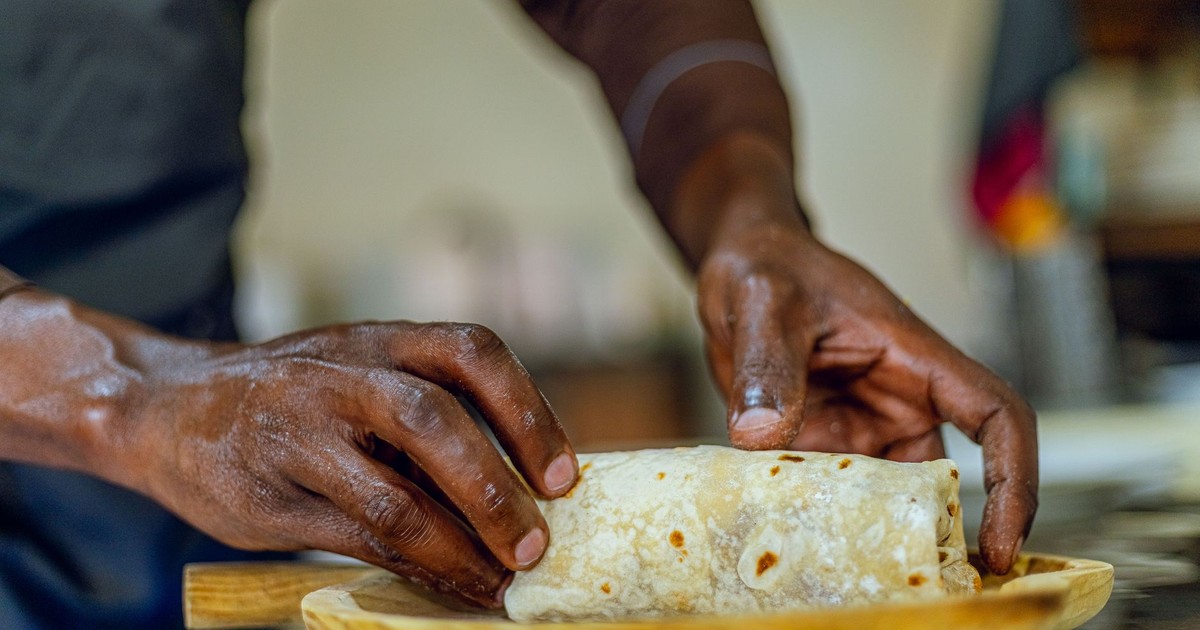
Taco Bell’s breakfast is an outlier in this category. Technically not a sandwich, but a burrito functions close enough to the same role that excluding it would be dishonest. The Grande Scrambler stuffs seasoned beef, scrambled eggs, nacho cheese sauce, hash brown bites, and sour cream into a flour tortilla.
The calorie count lands around 640-680 calories depending on customization, and the sodium content from the nacho cheese sauce and seasoned beef pushes well above 1,000mg. What saves it from the bottom of the list is the sheer caloric density relative to price. It’s one of the most filling items in fast food breakfast at one of the lowest price points. Taco Bell allows extensive customization. Swap the beef for eggs only, lose the sour cream, and the numbers improve considerably. The deep-fried hash brown bites inside the burrito add saturated fat that pushes the item further than its other ingredients alone would.
For adventurous breakfast eaters who want something outside the standard egg-and-cheese framework, the Grande Scrambler is interesting. For people trying to eat reasonably at a drive-through, it’s a rough choice. Middle of the pack, but only just.
8. Starbucks Double-Smoked Bacon, Cheddar & Egg Sandwich
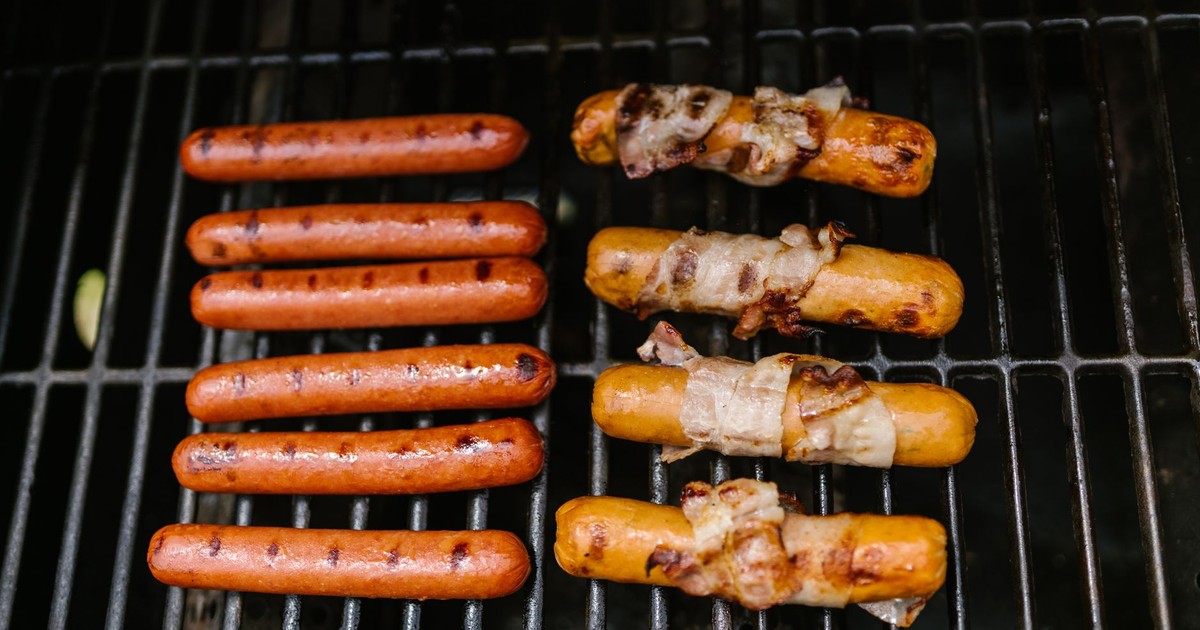
Starbucks sandwiches exist at a slightly different point on the spectrum than other fast food chains. The price is higher, the ingredients are more transparent, and the stores feel less like a fast food restaurant. The Double-Smoked Bacon, Cheddar & Egg Sandwich is one of their more indulgent options: a cage-free fried egg, slices of double-smoked bacon, and aged white cheddar on a brioche-style bun.
The flavor is noticeably better than most chain breakfast sandwiches. The double-smoked bacon has actual smokiness rather than generic pork-salt flavor, and the aged cheddar is sharper and more distinctive than American cheese. The egg is round and fried rather than folded, which gives it better texture. At around 500 calories and 30 grams of fat, it’s not a light option, and the sodium runs around 1,000mg. The quality-to-calorie ratio is better than anything ranked below it.
Starbucks offers a strong variety of nutritious breakfast options across price points. Egg White Bites, protein boxes, and the spinach wrap all perform well nutritionally, which makes the Double-Smoked Bacon sandwich the indulgent pick in a lineup that has strong lighter options. Worth it for a special morning. Better Starbucks options exist for everyday orders.
9. Dunkin’ Bacon, Egg & Cheese Bagel
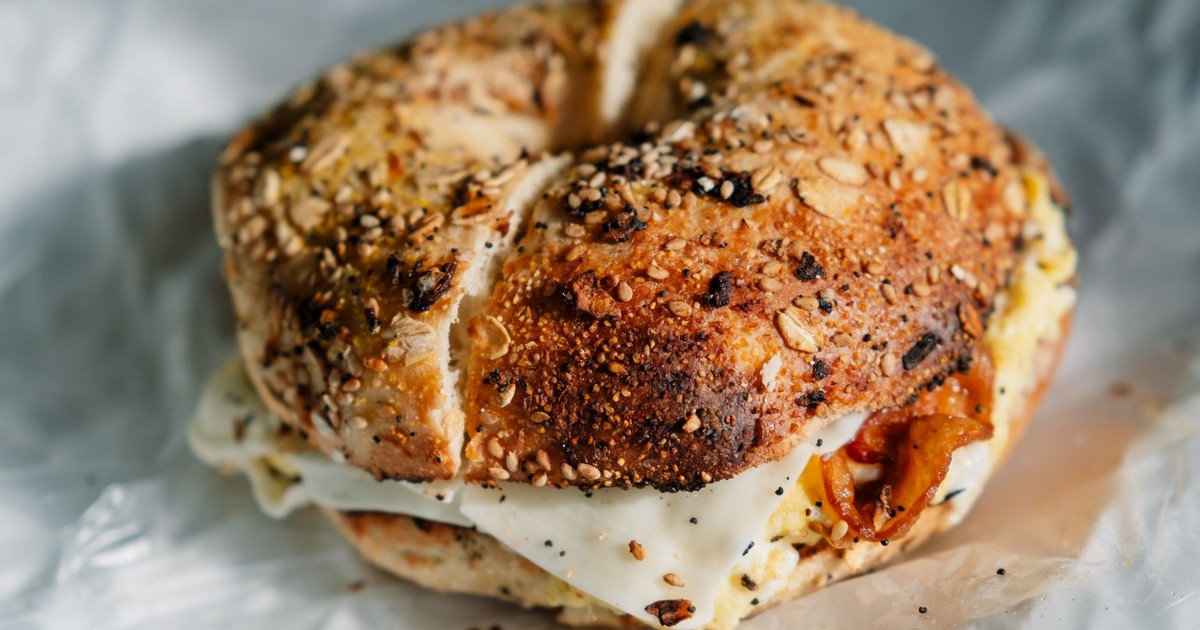
Dunkin’ redeems itself here. The Bacon, Egg & Cheese Bagel is one of the more underrated breakfast sandwiches in fast food: a toasted plain bagel, a folded egg, two strips of bacon, and American cheese. It’s straightforward, holds together well (the bagel is structurally sound in a way that croissants never are), and delivers a satisfying chew that softer biscuit and muffin formats can’t match.
Croissants and biscuits both use more butter than other bread types, which increases the calorie count. The bagel sidesteps most of that problem. A plain bagel has minimal added fat compared to a croissant, so the calorie distribution here comes from the protein fillings rather than the bread. The sodium still runs around 1,100mg and the calorie count sits near 500, but with a higher fiber contribution from the bagel and reasonable protein count, the overall nutritional profile is more balanced than Dunkin’s croissant offerings.
The flavor is reliable and slightly better than McDonald’s equivalent. It’s a working-person’s breakfast sandwich: no frills, good value, holds together in the car.
10. McDonald’s Egg McMuffin
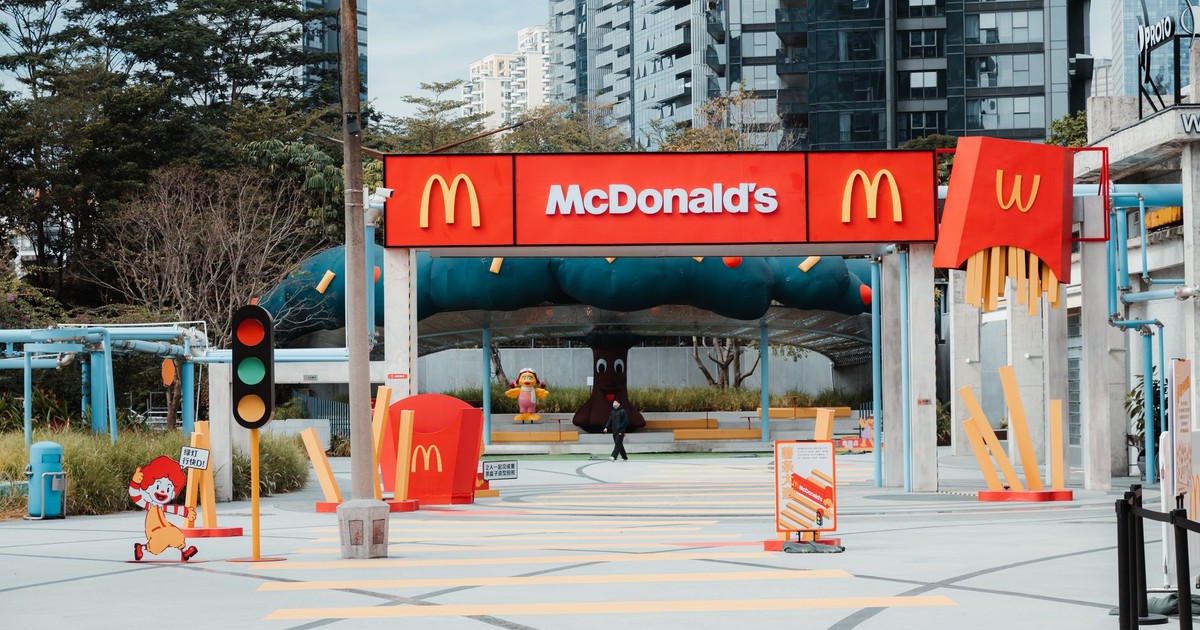
The Egg McMuffin is 52 years old at this point and still one of the most copied items in fast food history. The format has not changed since 1972: a toasted English muffin, Canadian bacon, a round whole egg, and American cheese. It works because the proportions are right. Every component is present in an amount that doesn’t overwhelm the others.
The Egg McMuffin delivers 17 grams of protein and 300 calories, with 820mg of sodium. Reasonable numbers by fast food breakfast standards, and notably more moderate than the items ranked below it. The egg is cracked fresh (at McDonald’s locations that follow the standard procedure, at least) and cooked in a ring mold, giving it a texture that holds up better than a pre-folded egg. The Canadian bacon is leaner than pork sausage, which keeps the saturated fat count lower than most competitors.
It’s not exciting. It’s never been exciting. But reliability has its own appeal at 7:30am when you’re running late and the drive-through line is six cars deep. The Egg McMuffin shows up, does its job, and gets out of the way.
11. Chick-fil-A Egg White Grill
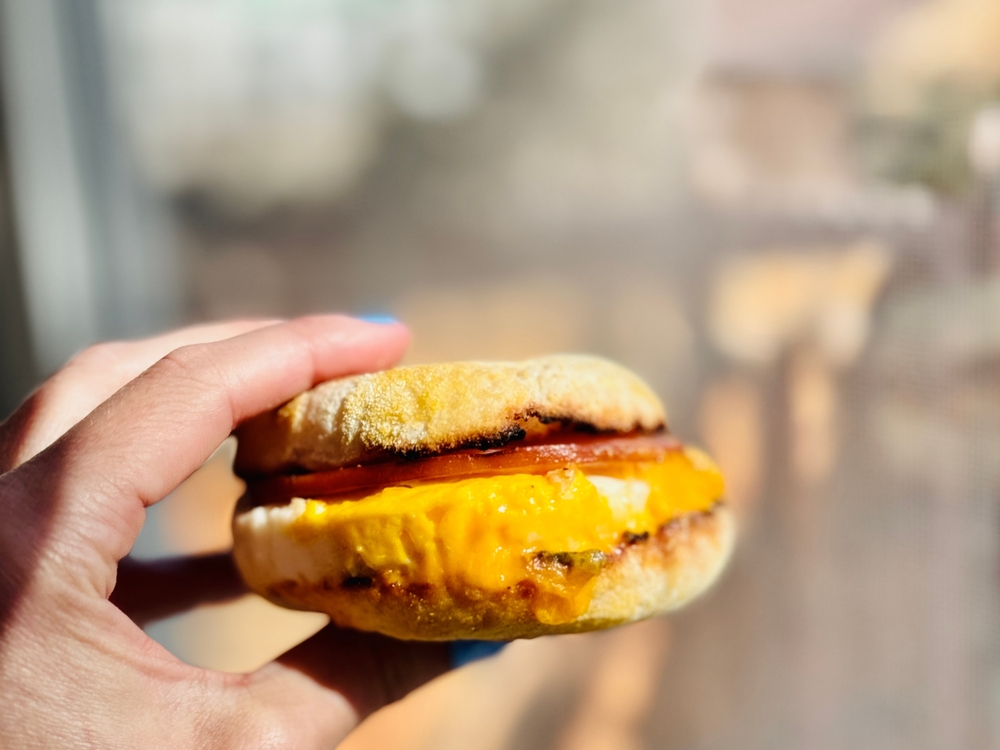
The Egg White Grill surprises people who order it expecting to feel virtuous but slightly deprived. A grilled chicken breast fillet, egg whites, and Colby Jack cheese on a toasted English muffin deliver more satisfaction than the nutritional profile might suggest.
According to Chick-fil-A’s nutrition data, the Egg White Grill features a grilled chicken breast fillet, egg whites, and American cheese on an English muffin. At around 290 calories, 26 grams of protein, and roughly 820mg of sodium, that protein-to-calorie ratio is the best of any mainstream fast food breakfast sandwich. Twenty-six grams of protein for 290 calories makes the Breakfast Baconator look like an expensive mistake by comparison.
The sodium runs around 820mg, in the same range as the Egg McMuffin and far below the sodium bombs at the bottom of this list. If you’re eating fast food breakfast more than twice a week, this is the one to default to.
12. Starbucks Spinach, Feta & Egg White Wrap
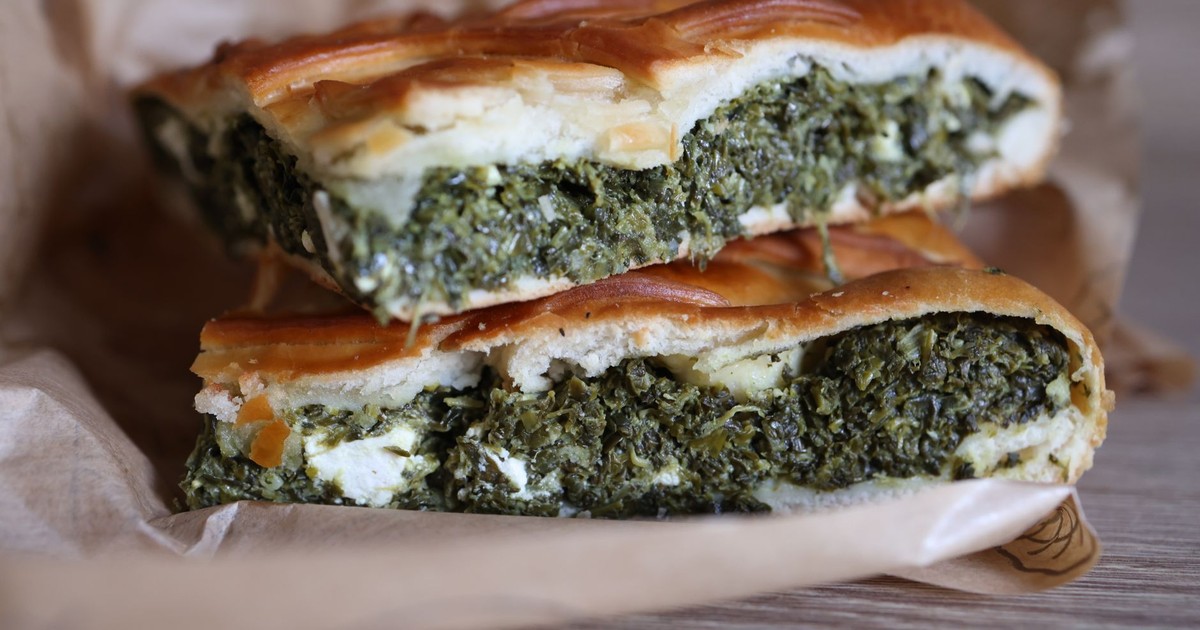
The best fast food breakfast sandwich on this list isn’t technically a sandwich, and it isn’t from a chain most people think of as a fast food restaurant. The Starbucks Spinach, Feta & Egg White Wrap has been on the menu for years and remains the most consistently praised item in the category. Cage-free egg whites, sautéed spinach, and crumbled feta inside a whole-wheat wrap, heated to order. It’s simple, but the feta-to-egg ratio is well balanced and the spinach doesn’t turn soggy.
At around 290 calories, 10 grams of fat, 19 grams of protein, and roughly 840mg of sodium, it’s the most nutritionally complete item on this list. It’s also satisfying in a way that lighter-sounding options sometimes aren’t. The feta provides enough salt and richness that you don’t feel like you’re eating a compromise. You feel like you made an actual choice.
What to Do With All of This

The gap from number one to number twelve on this list is wider than most people realize when they’re ordering from a drive-through window. The Burger King Double Sausage delivers around 1,580mg of sodium and over 40 grams of fat. The Starbucks Spinach Wrap delivers 290 calories and genuine fullness. Both cost roughly the same amount of money and take the same amount of time to order.
The bread choice turns out to matter more than the filling in most cases. The whole-wheat wrap and the English muffin formats consistently outperform the croissant and biscuit options regardless of what’s inside. Swap the bread first, then worry about the filling. That single change moves you several rungs up this list without requiring you to give up anything that actually tastes good.
The worst performers here share a structural problem: they’re built around a buttery bread base and then loaded from there, so the calories and sodium compound at every layer rather than staying contained. The best performers start with a leaner base (whole-wheat wrap, English muffin, plain bagel) and treat the filling as the main event. Knowing that, you can walk up to almost any drive-through menu and make a better call than you would have five minutes ago.
Disclaimer: This information is not intended to be a substitute for professional medical advice, diagnosis, or treatment and is for information only. Always seek the advice of your physician or another qualified health provider with any questions about your medical condition and/or current medication. Do not disregard professional medical advice or delay seeking advice or treatment because of something you have read here.
AI Disclaimer: This article was created with the assistance of AI tools and reviewed by a human editor.